Upgrading a Sewage Processing Plant can bring significant benefits to communities and environments alike. According to Dr. Emily Rivers, an industry expert with over 20 years of experience, “An efficient sewage processing plant is crucial for sustainable urban development.” Her insights highlight the pressing need for innovations in this area.
Modern sewage processing plants face mounting challenges. Aging infrastructure struggles to cope with increasing wastewater volumes. Upgrading systems can enhance treatment capabilities and reduce environmental impacts. Technology enables plants to operate more efficiently, leading to lesser energy consumption. This is vital for both economic and environmental sustainability.
However, the process requires careful planning. Transitioning to advanced systems can be costly and complex. Communities must weigh the benefits against potential disruptions during the upgrade. It’s essential to ensure that improvements do not compromise service reliability. Investing in upgrades, with expert guidance, may yield substantial long-term gains for public health and ecosystem protection.
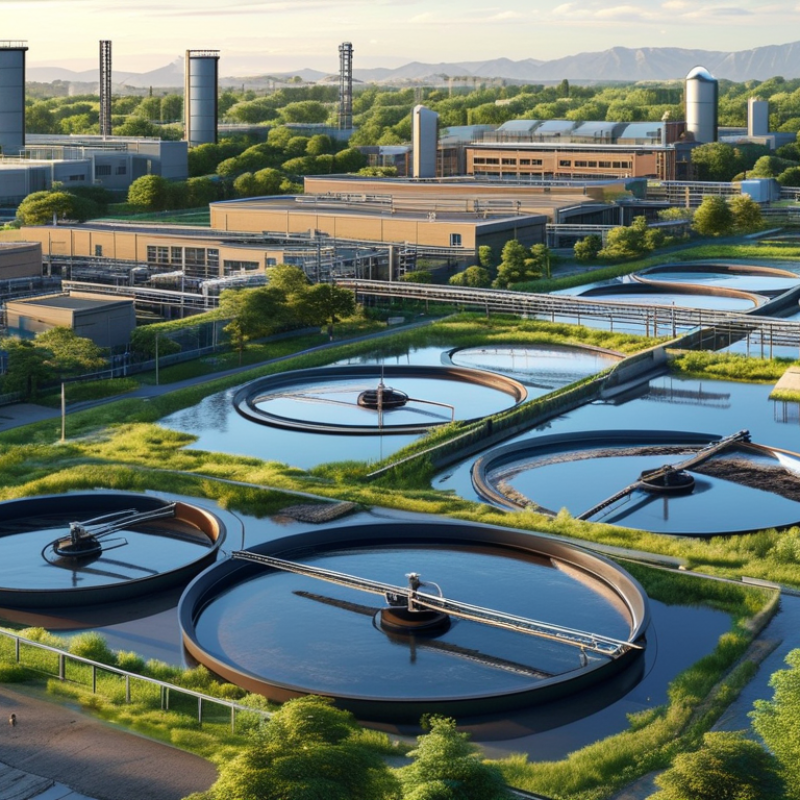
Upgrading sewage processing plants offers numerous benefits that can significantly enhance their operational efficiency and environmental impact. According to the U.S. Environmental Protection Agency (EPA), modernized facilities can reduce energy costs by up to 30%. This decrease not only lowers operational expenses but also contributes to sustainability efforts. Enhanced energy efficiency translates into less reliance on fossil fuels, aligning with global goals for reducing greenhouse gas emissions.
Furthermore, advanced sewage treatment technologies can improve effluent quality. The National Association of Clean Water Agencies reports that facilities implementing new filtration and disinfection techniques see a 25% decrease in pollutants. This improvement is critical for protecting local waterways and ecosystems, ensuring safer drinking water sources. It also helps municipalities avoid costly fines related to environmental regulations.
However, upgrading isn't without challenges. The initial investment can be substantial, and workforce training is often required. Communities may face short-term disruptions during the transition. These points need careful consideration. Balancing immediate costs with long-term benefits remains a central debate. Despite potential hurdles, the long-term advantages of improved technology validate the need for ongoing development in sewage processing.
Upgrading sewage processing plants can bring significant benefits. Modern treatment technologies enhance operational efficiency. They often employ advanced filtration and biological treatment processes. These improvements yield better quality effluent. Additionally, they can reduce energy consumption, making systems environmentally friendly.
Investing in new technologies can be daunting. Initial costs may be high, and staff training is essential. However, the long-term savings often outweigh these challenges. More efficient plants can handle larger volumes while minimizing environmental impact. Some facilities have reduced sludge production, leading to cost savings in disposal.
Yet, it's crucial to consider the integration process. Not all existing infrastructure will suit new technologies. Upgrading requires careful planning and potential redesigns. Operators must remain adaptable and proactive. Open communication among team members is vital. A successful upgrade is often a journey, not an instant fix.
Upgrading sewage processing plants offers significant environmental benefits. Enhanced systems reduce pollution and improve water quality. Treating sewage more effectively minimizes harmful substances released into nearby water bodies. Cleaner waterways support healthier ecosystems and biodiversity.
Modern sewage treatment technologies can recycle valuable resources. For instance, treated effluent can be reused for irrigation or industrial processes. This practice reduces freshwater consumption, addressing water scarcity issues. However, the complexity of integrating these systems poses challenges. Some facilities may struggle with costs or technological know-how.
Improved sewage processing also enhances air quality. Older plants may emit unpleasant odors and harmful gases. Upgrading these systems reduces emissions and promotes public health. However, communities might resist changes due to concerns about construction and operational disruptions. Balancing progress and public opinion is crucial in this transition.
Upgrading sewage processing infrastructure can lead to significant economic gains. The U.S. Environmental Protection Agency (EPA) estimates that every dollar spent on wastewater infrastructure generates an average return of $4. This return comes from improved public health. Lower rates of waterborne diseases lead to decreased healthcare costs. Additionally, cleaner water supports local economies and recreational activities.
Investing in modern technology also enhances efficiency. Advanced systems can reduce operational costs by as much as 30%. For instance, energy-efficient equipment lowers energy demands. This shift not only helps save money but also reduces the plant's carbon footprint.However, some plants struggle to adopt these upgrades due to budget constraints and outdated practices. Regular evaluations of existing infrastructures can reveal areas needing improvement.
The benefits extend beyond immediate financial returns. Enhanced sewage processing plants can attract new businesses. Communities benefit from improved quality of life as property values rise. However, not all regions have the same access to funding. Some localities may need support to initiate these projects. Upgrading sewage plants is not just a utility issue; it's a pathway toward economic revitalization and sustainability.
Upgrading your sewage processing plant brings significant compliance and public health benefits. Modern facilities must meet stringent regulatory standards. According to the U.S. Environmental Protection Agency (EPA), approximately 20% of sewage treatment plants are not compliant. This noncompliance can lead to severe penalties and environmental harm.
A state-of-the-art plant reduces harmful emissions and enhances treatment efficiency. The World Health Organization (WHO) reports that inadequate sewage treatment contributes to the spread of waterborne diseases, affecting millions annually. By improving treatment methods, facilities can significantly lower the risk of disease outbreaks. Investments in technology can also yield long-term economic savings, as outdated plants often face high maintenance costs.
The upgrade process, however, is not without challenges. It requires careful planning and substantial resources. Many facilities struggle with budget constraints and outdated technologies. Reflecting on these challenges can lead to innovative solutions. By prioritizing health standards, plants can secure a healthier community and environment. Continued investment in upgrading sewage processing is crucial for sustainable urban living.
| Benefit | Description | Impact |
|---|---|---|
| Improved Treatment Efficiency | Upgrading technology enhances the ability to treat pollutants effectively. | Higher quality effluent, reduced environmental impact. |
| Regulatory Compliance | Ensures that processing meets current environmental laws and standards. | Avoids penalties, facilitates operating permits. |
| Public Health Benefits | Protects community health by reducing pathogens and contaminants in water. | Decreased disease transmission, improved quality of life. |
| Increased Capacity | Upgrades can accommodate higher volumes of wastewater, catering to growing communities. | Supports urban growth and sustainability. |
| Energy Efficiency | Modern systems use less energy, lowering operational costs. | Cost savings and reduced carbon footprint. |
| Enhanced Monitoring | Integration of smart technologies allows real-time data collection and analysis. | More informed decision-making and quicker response to issues. |
Urban growth presents significant challenges for sewage treatment facilities. As cities expand, the demand for effective sewage processing increases. Upgrading plants can address these demands while meeting environmental regulations. According to the American Society of Civil Engineers, urban wastewater treatment facilities require a $271 billion investment by 2025 to keep up with current needs. This investment will enhance capacity, efficiency, and resilience.
Modernizing sewage plants can incorporate advanced technologies. For instance, smart sensors and automation can optimize operations. The World Bank reports that upgraded facilities reduce energy consumption by up to 30%. Cities can also implement green infrastructure, which can alleviate flooding and promote sustainability. However, many facilities are still operating with outdated systems. This poses risks during heavy rainfall or unexpected urban growth.
Future-proofing these plants is not just about new technologies. It involves strategic planning and community engagement. Ensuring that sewage facilities align with urban development plans is crucial. Reports indicate that facilities not integrated into city growth strategies face higher operational costs and risks of noncompliance. Upgrades should consider potential population growth and environmental impacts, reflecting a more holistic approach to urban sustainability.
: Enhanced systems reduce pollution and improve water quality. They minimize harmful substances released into water bodies.
Treated sewage can be used for irrigation and industrial processes, helping to reduce freshwater consumption.
Facilities may struggle with costs and lack of technological know-how during integration of advanced systems.
Upgrading reduces harmful gas emissions, improving air quality and promoting public health.
Communities may have concerns about construction and operational disruptions, affecting public opinion.
Upgrades can generate a $4 return for every dollar spent, improving health and reducing healthcare costs.
Energy-efficient equipment lowers energy demands, reduces costs, and decreases the carbon footprint.
No, some areas may require additional support to initiate necessary sewage processing projects.
Evaluations can highlight areas needing improvement and help guide upgrades for better performance.
Enhanced processing can attract new businesses and increase property values, improving quality of life.
Upgrading a sewage processing plant offers numerous benefits that significantly enhance its overall operation and environmental impact. Modern treatment technologies lead to improved efficiency and performance, allowing for more effective waste management. Additionally, enhanced sewage processing systems provide substantial environmental advantages, helping to reduce pollution and protect local ecosystems.
Economically, investing in upgraded sewage processing infrastructure can yield considerable gains, including reduced operational costs and increased capacity to handle urban growth. This modernization also ensures compliance with regulatory standards, promoting public health and safety. By future-proofing these facilities, municipalities can better address the challenges posed by urban expansion, securing reliable sewage treatment for generations to come.

BS Water