How to Choose the Right Sewage Water Treatment Plant for Your Needs?

Time:2026-06-22 Author:Liam
0%

Choosing the right sewage water treatment plant is crucial for effective waste management. With many options available, it can be overwhelming. Understanding your specific needs is vital. Different plants serve various capacities and pollution levels.

When considering a sewage water treatment plant, evaluate your community’s size and wastewater output. A small plant may suffice for residential areas, while industrial sites require more robust solutions. Ensure the plant complies with local environmental regulations.

Investing in a reliable sewage water treatment plant protects public health. It also preserves local ecosystems. Research potential plants thoroughly. Look for feedback from existing users. This can reveal strengths and weaknesses. Your choice should reflect both efficiency and sustainability.
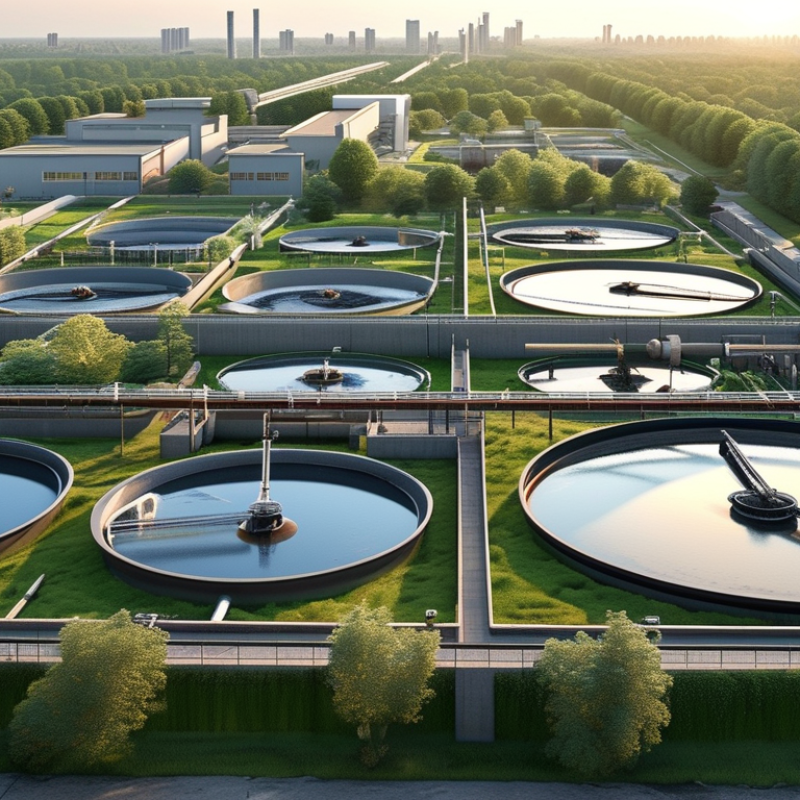
How to Choose the Right Sewage Water Treatment Plant for Your Needs?

Understanding Your Sewage Treatment Needs

Choosing the right sewage water treatment plant begins with understanding your specific needs. Assess the size of your community or facility. Consider the volume of wastewater produced daily. Different systems cater to different capacities, affecting efficiency and operational costs.

Next, evaluate the types of contaminants present in your sewage. Some plants are designed for municipal waste, while others handle industrial effluents. Knowing the composition of your waste helps in selecting a suitable treatment method. Think about the long-term environmental impacts as well. Not all methods are eco-friendly.

Financial considerations also matter. Installation and maintenance costs can vary widely. You might find inexpensive options initially, but they could become costly over time. Look into the durability and reliability of the system. Researching experiences from other users can reveal valuable insights. It’s essential to balance immediate needs with future expectations.

Comparison of Sewage Treatment Capacities

This chart illustrates the treatment capacity of different types of sewage treatment plants. By understanding these capacities, you can better assess your needs when choosing the right sewage water treatment plant.

Evaluating Different Types of Sewage Treatment Plants

When evaluating different types of sewage treatment plants, it's crucial to understand the various methods available. Traditional activated sludge systems are commonly used. These systems rely on microorganisms to break down organic matter. According to the Water Environment Federation, about 60% of sewage treatment facilities in the U.S. utilize this method. It offers efficiency but may require significant energy input and space.

Another option is membrane bioreactors (MBRs). They combine biological treatment and membrane filtration. This technology is gaining popularity due to its compact design and high-quality effluent. A report from the International Water Association notes that MBRs effectively remove pollutants, achieving over 90% removal rates for total suspended solids. However, they can be more expensive to operate and maintain, which raises budget considerations.

Stabilization ponds present a more natural treatment approach. They utilize sunlight and bacteria to degrade waste. These systems are cost-effective and simple to operate but often require larger areas. A study by the United Nations indicates that stabilization ponds can reduce energy costs. They may not always meet strict discharge standards, making them less ideal for densely populated areas. Each type of plant has its pros and cons, which must be carefully weighed against specific needs and environmental regulations.

How to Choose the Right Sewage Water Treatment Plant for Your Needs? - Evaluating Different Types of Sewage Treatment Plants

Type of Treatment Plant Capacity (m³/day) Treatment Technology Operational Cost ($/m³) Installation Cost ($)
Activated Sludge System 100 Biological Treatment 0.50 150,000
Membrane Bioreactor (MBR) 200 Membrane Filtration 0.80 300,000
Sequencing Batch Reactor (SBR) 150 Batch Treatment 0.60 200,000
Constructed Wetland 50 Natural Treatment 0.40 100,000
Rotating Biological Contactor (RBC) 120 Biological Treatment 0.55 180,000

Key Factors to Consider in Selection Criteria

Choosing the right sewage water treatment plant involves careful consideration of several key factors. One critical metric is the plant's flow capacity. According to the Environmental Protection Agency (EPA), the average household generates about 300 gallons of wastewater per day. Thus, selecting a treatment plant with the appropriate capacity is vital to accommodate both current and future needs.

Another aspect to reflect on is the type of treatment technology. Some plants use conventional systems, while others deploy advanced processes like membrane bioreactors or moving bed biofilm reactors. Research indicates that advanced systems can reduce space requirements and improve effluent quality. A study published in the Journal of Water Research highlights that these systems can achieve over 90% removal of organic contaminants, which may be essential for regions with strict discharge regulations.

Cost efficiency cannot be overlooked in the decision-making process. Initial installation costs may be high for advanced systems. However, operational savings can justify this investment. A report from the Water Environment Federation suggests that automation in treatment plants can reduce energy consumption by 20-30%. Evaluating lifetime costs will provide a clearer financial picture for potential buyers. Balancing these factors requires thoughtful analysis, indicating a need for thorough research and expert consultation.

Analyzing Costs and Budget Constraints

Choosing the right sewage water treatment plant involves careful consideration of costs and budget constraints. One major factor to address is the initial investment. Prices can vary widely based on capacity, technology, and features. It’s crucial to evaluate what you truly need. This narrows down options and keeps costs manageable.

Tips: Get multiple quotes. Doing so helps you understand the market rates. Don’t shy away from questioning details. Each quote can reveal hidden costs that may arise later. Moreover, keep in mind future expenses such as maintenance and utilities.

Operating costs can accumulate quickly. Make sure to explore energy-efficient technologies. They could lead to significant savings over time. Prepare for possible changes in regulations; compliance can add unexpected costs. Have a buffer in your budget for these scenarios as you decide.

Tips: Always assess your current and future needs. Choosing a larger system initially might seem costly but can save money later. Weigh the long-term benefits against short-term savings carefully. Being reactive to changing needs could lead to regrets down the road.

Assessing Maintenance and Operational Requirements

When selecting a sewage water treatment plant, maintenance and operational requirements play a crucial role. Proper understanding helps ensure long-term efficiency. Research indicates that approximately 50% of operational costs stem from maintenance issues. Regular inspections and preventive maintenance can mitigate these costs significantly.

Consider automated systems for monitoring. Automation reduces the need for manual intervention. This can lead to faster responses during emergencies. However, these systems require initial investments and training for the staff. A recent study showed that facilities employing automation performed 20% better in operational efficiency.

Tips: Ensure your plant has access to qualified technicians. Regular training is vital for staff to manage the evolving technologies in water treatment. Review maintenance logs frequently. Consistent tracking reveals patterns that can highlight potential problems before they escalate. Always factor unexpected repairs into your operational budget.

FAQS

: How do I determine my sewage treatment needs?

: Assess your community size and daily wastewater volume carefully. Consider different system capacities too.

What types of contaminants should I evaluate?

Identify if your sewage is municipal or industrial. Knowing the type of waste aids in selecting a treatment method.

What are some common sewage treatment methods?

Traditional activated sludge systems are popular. Membrane bioreactors are compact but may involve higher costs.

How do installation and maintenance costs affect my decision?

Initial costs can be low, but long-term expenses may rise. Research reliability to avoid future financial burdens.

Are stabilization ponds a good option?

They are simple and cost-effective but require large areas. They might not meet strict discharge standards in urban areas.

Why is plant flow capacity important?

The average household generates about 300 gallons of wastewater daily. Choose a plant that can accommodate current and future needs.

What are the advantages of advanced treatment technologies?

Advanced systems can reduce space needs and improve effluent quality. They often achieve high pollutant removal rates too.

How can I evaluate cost efficiency effectively?

High initial costs for advanced systems may lead to savings over time. Consider automation to potentially reduce energy consumption.

What should I reflect on while making my decision?

Balance between immediate needs and long-term sustainability is key. Research and expert advice are often necessary for clarity.

Are any treatment systems more eco-friendly than others?

Not all methods are environmentally friendly. Evaluate long-term impacts on the ecosystem when choosing a system.

Conclusion

Choosing the right Sewage Water Treatment Plant is crucial for effectively addressing your specific sewage treatment needs. Start by understanding your unique requirements, such as the volume of wastewater produced and the local regulations governing discharge. Next, evaluate different types of sewage treatment plants, including conventional, modular, and advanced treatment systems, to determine which best fits your operational goals.

When selecting a plant, consider key factors such as treatment efficiency, space availability, and technological features. Furthermore, analyze your budget constraints, as the initial investment and ongoing operational costs can vary significantly among options. Finally, assess the maintenance and operational requirements of each sewage water treatment plant to ensure long-term reliability and compliance with environmental standards. By following these steps, you can make an informed decision that aligns with your sewage treatment objectives.

Liam

Liam

Liam is a dedicated marketing professional with a profound expertise in the industry, where he excels at highlighting the unique advantages of our core products. With a keen understanding of market trends and consumer needs, Liam frequently updates our company’s professional blog, providing......