Top Tips for Choosing a Wastewater Treatment Plant?

Time:2026-07-28 Author:Liam
0%

Choosing the right wastewater treatment plant is crucial for effective waste management. A well-designed facility can protect the environment and public health. However, many decisions must be made during this process.

Consider the specific needs of your community. Factors such as population size and industrial activities play a significant role. Evaluate the technology options available. Each method has unique advantages and challenges that require careful assessment.

Involving experts in the planning stages can enhance your decision-making. Their experience informs best practices and potential pitfalls. Remember, not all plants are created equal. Your choice affects both short-term effectiveness and long-term sustainability. Ensure the facility aligns with local regulations and community expectations.
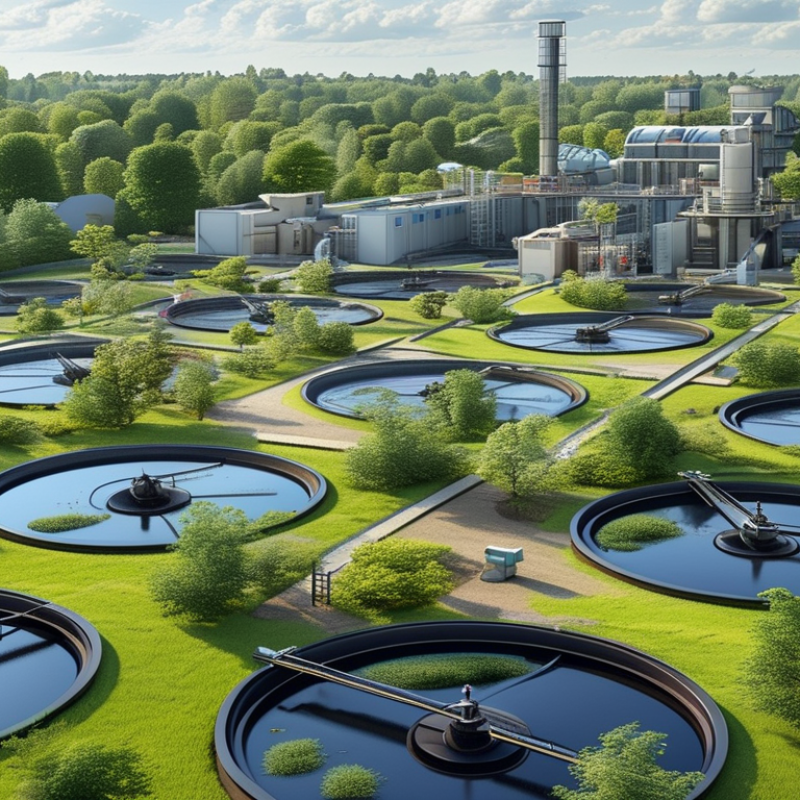
Top Tips for Choosing a Wastewater Treatment Plant?

Understanding the Different Types of Wastewater Treatment Plants

When selecting a wastewater treatment plant, understanding the types available is crucial. Each type serves different needs. For instance, activated sludge systems are common for municipalities. They treat wastewater effectively but require significant energy. Meanwhile, membrane bioreactors combine biological treatment with membrane filtration. This method ensures high-quality effluent but comes with higher operational costs.

Tips for choosing wisely include evaluating your community's unique needs. Assess the volume and type of wastewater. A site visit can reveal operational challenges. According to a report by the Water Environment Federation, over 38% of plants face operational inefficiencies due to inadequate maintenance. Regular evaluations can pinpoint these issues.

Consider the technology’s adaptability. Some plants are better suited for urban environments, while others thrive in rural areas. Local regulations matter too. Research compliance requirements early. According to industry studies, facilities that prioritize local standards increase their operational success by 25%. Balancing efficiency with regulatory requirements shapes the effectiveness of a plant in the long run.

Key Factors to Consider When Choosing a Wastewater Treatment Plant

When selecting a wastewater treatment plant, several key factors deserve careful consideration. First, the capacity needs to align with your expected waste volume. An oversized plant can lead to unnecessary costs, while an undersized facility may struggle to handle peak loads. Proper assessment of wastewater characteristics is crucial. This includes understanding the type, concentration, and variability of the waste that will be treated.

Ease of maintenance is another important aspect. Systems that are complex may require specialized skills and tools for upkeep. Simpler designs often allow for more straightforward, cost-effective maintenance. Consider the location as well; proximity to sources of wastewater can lower transportation costs and reduce environmental impact.

Energy efficiency plays a significant role. A plant that uses less energy can have long-term cost benefits and reduce your carbon footprint. Yet, a focus solely on cost can miss the bigger picture. It’s essential to reflect on the plant's long-term sustainability and impact on the community. Balancing these elements can be challenging but is vital for making an informed decision.

Evaluating the Capacity and Efficiency of Treatment Systems

When choosing a wastewater treatment plant, evaluating the capacity and efficiency of the treatment systems is essential. A plant must align with the expected volume of wastewater generated. This volume can fluctuate due to seasonal changes. Systems need to be robust enough to handle peak times effectively. An undersized plant can lead to severe environmental issues.

Efficiency is another critical factor. It relates to how well a plant converts raw wastewater into treated water. This process should minimize energy use while maximizing pollutant removal. Some systems might promise high efficiency, but real-world performance can vary. Assessing past operational data can shed light on a system’s true effectiveness. Look closely at metrics like energy consumption and retention times. These can indicate if the plant can meet regulatory standards.

The choice of technology can greatly influence both capacity and efficiency. Innovative technologies can offer better treatment methods. However, not all new systems have been thoroughly vetted. Some may look promising on paper but falter in practice. An essential aspect of evaluating these systems is considering their track record and reliability. Engaging with professionals who have hands-on experience can help gauge the actual performance of a treatment plant.

Capacity and Efficiency of Wastewater Treatment Systems

Analyzing Regulatory Compliance and Environmental Impact

When selecting a wastewater treatment plant, understanding regulatory compliance is key. Each facility must adhere to local, state, and federal guidelines. These regulations ensure that water quality standards are maintained. Analyzing a plant's history of compliance can provide insights into its reliability. Consistent violations might suggest underlying issues. A plant's ability to meet these standards speaks volumes about its operational efficiency.

Environmental impact is another crucial factor. A treatment plant should minimize harm to surrounding ecosystems. Evaluate technologies that reduce carbon footprints. Look for facilities that incorporate renewable energy sources. This commitment not only helps the environment but also improves their public image.

Tip: Visit existing plants to assess operations firsthand. Speak with current clients about their experiences. Engage with environmental agencies to verify compliance records. These steps can enhance your understanding of a plant's capabilities. It's vital to consider long-term sustainability when making a decision. Thoughtful choices today can lead to a healthier planet tomorrow.

Assessing Operational Costs and Maintenance Requirements

When selecting a wastewater treatment plant, operational costs and maintenance requirements are critical factors. Efficient treatment plants often require a significant initial investment. However, operational costs can vary widely depending on the technology and processes used. It's important to analyze energy consumption, chemical use, and staffing needs to determine long-term expenses.

Maintenance is another essential consideration. Regular upkeep can prevent costly breakdowns. Some systems may require more frequent maintenance, leading to higher costs. Understanding the maintenance schedule and potential downtime is crucial. It is advisable to ask for historical data on maintenance needs from operators of similar plants.

Investing in training for staff can reduce errors and enhance efficiency. Some plants may offer training, while others may not. This can affect the effectiveness of the staff. It’s vital to consider how well the plant integrates with existing infrastructure. All these elements contribute to an effective decision-making process. An ill-informed choice can lead to substantial operational issues down the line.

FAQS

: What should I consider for regulatory compliance in wastewater treatment plants?

: Review local, state, and federal guidelines. Compliance ensures quality water standards are met.

Why is a plant’s compliance history important?

A plant with consistent violations may have underlying issues. It reflects reliability and operational efficiency.

How can I assess a treatment plant's environmental impact?

Evaluate technologies that reduce carbon footprints. Look for renewable energy sources in their operations.

What steps can I take to evaluate a plant?

Visit existing plants and talk to current clients. Engage with environmental agencies for compliance records.

Why are operational costs significant in choosing a treatment plant?

They vary based on technology and processes. Analyze energy, chemical use, and staffing for long-term expenses.

How does maintenance affect operational costs?

Regular maintenance prevents costly breakdowns. Understand maintenance schedules and potential downtime to avoid high expenses.

Is staff training important in wastewater treatment plants?

Yes, training reduces errors and boosts efficiency. Consider how well the plant trains its staff.

What happens if I make an ill-informed choice?

Poor decisions can lead to substantial operational issues later on. It's critical to be well-informed.

How does the initial investment affect wastewater treatment plants?

Efficient plants may require significant investments. However, the long-term costs can differ greatly.

What’s a good practice when assessing treatment facilities?

Always consider long-term sustainability. Thoughtful choices can create a healthier planet for the future.

Conclusion

When choosing a Wastewater Treatment Plant, it's crucial to understand the various types available, as each offers different technologies and processes suited to specific needs. Key factors to consider include the plant’s capacity and efficiency, which play significant roles in determining how well it can handle wastewater volumes while maintaining effective treatment levels.

Additionally, evaluating regulatory compliance ensures the plant meets all mandated environmental standards, minimizing its ecological footprint. It's also essential to assess operational costs and maintenance requirements to ensure the long-term sustainability and economical viability of the Wastewater Treatment Plant. By carefully analyzing these factors, decision-makers can select a facility that meets both performance and regulatory expectations.


Liam

Liam

Liam is a dedicated marketing professional with a profound expertise in the industry, where he excels at highlighting the unique advantages of our core products. With a keen understanding of market trends and consumer needs, Liam frequently updates our company’s professional blog, providing......