Top 10 Sewage Waste Water Treatment Solutions in China?

Time:2026-07-02 Author:Sophia
0%

In recent years, sewage waste water treatment has become a vital concern in China. Rapid urbanization and industrial growth have led to significant challenges in managing water resources. The importance of effective sewage waste water treatment solutions cannot be overstated. These systems play a key role in safeguarding public health and the environment.

China has recognized the urgent need for innovative treatment technologies. Many municipalities have started implementing advanced sewage waste water treatment solutions. These solutions vary widely in their efficiency, cost, and sustainability. Some methods, such as biological treatment, have shown promise. However, not all solutions live up to expectations.

Despite progress, challenges remain. Many outdated facilities still operate, releasing pollutants. There is a pressing need for upgrades and better management practices. Public awareness and policy support will be essential in driving improvements. Understanding these intricacies can help in selecting the best sewage waste water treatment methods for future sustainability.
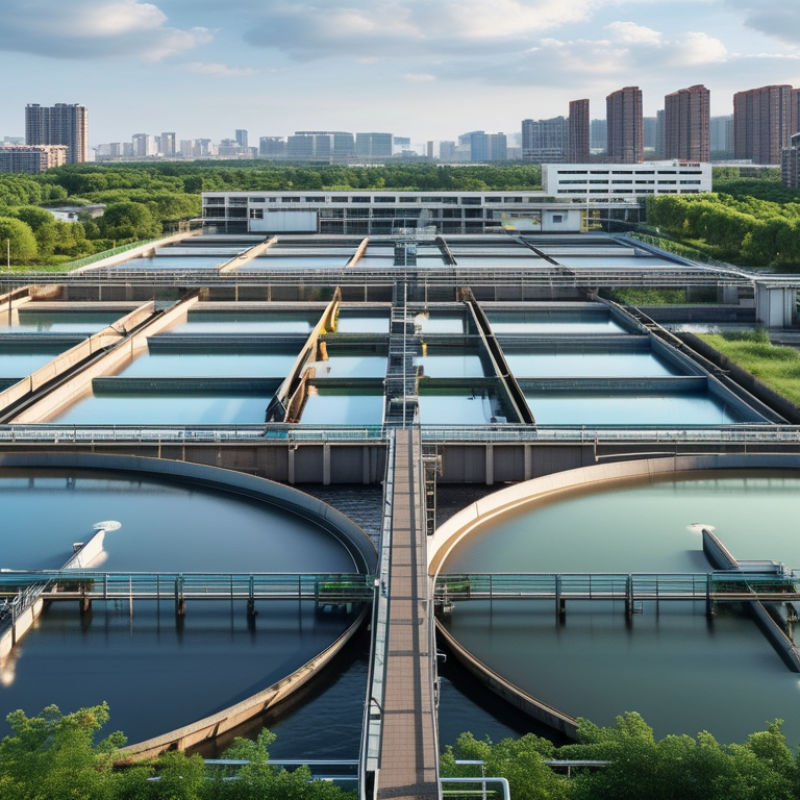
Top 10 Sewage Waste Water Treatment Solutions in China?

Overview of Sewage Waste Water Treatment Practices in China

Sewage wastewater treatment in China is a vital issue. Rapid urbanization and population growth have intensified the need for effective solutions. According to a report by the Ministry of Ecology and Environment, China generated nearly 81 billion cubic meters of urban wastewater in 2020. This figure signifies the urgency for advanced treatment practices.

Currently, various treatment methods are employed across the nation. Conventional activated sludge processes remain popular, yet they often struggle with energy efficiency. Emerging technologies, such as membrane bioreactor (MBR) systems, offer higher removal rates for pollutants. However, they come with higher operational costs and require continuous maintenance. There is an ongoing debate surrounding the right balance between cost and efficiency.

Furthermore, many facilities still rely on outdated infrastructure. This poses challenges in meeting the National Standards for Drinking Water Quality. Reports show that only 78% of wastewater treatment plants meet these standards. Addressing the discrepancies in treatment efficiency demands innovative thinking and investment. Current practices must evolve alongside technology to protect water resources effectively.

Top 10 Sewage Waste Water Treatment Solutions in China

Key Technologies Used in China's Waste Water Treatment Solutions

China's approach to wastewater treatment incorporates advanced technologies. Membrane bioreactors (MBRs) are gaining popularity. They effectively combine biological treatment and membrane filtration. MBRs produce high-quality effluent with minimal sludge production. This dual action helps in optimizing space and energy efficiency.

Another critical technology is the activated sludge process. It relies on microorganisms to break down pollutants. This method is well-established and easy to implement. However, it often requires significant energy input. Innovations are now aimed at enhancing energy recovery in these systems. Solutions like anaerobic digestion are promising. They convert sludge into biogas, providing a renewable energy source.

Constructed wetlands are also being explored in China. They mimic natural processes to treat wastewater. While cost-effective, they require substantial land. Their efficiency can fluctuate with environmental conditions. Balancing these technologies with local needs is essential. Each method has strengths and weaknesses, highlighting the need for tailored solutions in wastewater management.

Government Regulations Influencing Sewage Treatment Methods

Government regulations play a crucial role in shaping sewage treatment methods in China. Strict guidelines ensure that facilities adhere to environmental standards. The Central Government has set ambitious targets for wastewater treatment. These targets pressure local authorities to invest in new technologies and systems.

The implementation of the "Water Pollution Prevention and Control Action Plan" has driven significant changes. Local governments now prioritize effective sewage treatment solutions. This shift encourages collaboration between public and private sectors. However, challenges remain. Some regions face budget constraints. Others struggle to maintain adequate technical expertise.

Regulatory influence helps steer innovation in the industry. It also creates expectations for transparency. Yet, not all regions have the same capacity to adapt. The disparity can lead to uneven progress. In some places, outdated methods persist, raising concerns about overall effectiveness. Continuous monitoring is necessary to ensure compliance and foster improvement.

Comparative Analysis of Top Sewage Treatment Facilities in China

In recent years, sewage treatment facilities in China have evolved significantly. They tackle increasing wastewater challenges, driven by rapid urbanization. The main treatment methods vary based on technology and local needs. Some facilities employ biological processes, while others focus on advanced filtration techniques. However, the effectiveness of these methods can differ widely.

A comparative analysis reveals discrepancies in efficiency and output quality. Some plants boast high treatment rates but struggle with odor control. Others prioritize energy efficiency but face issues with sludge management. These challenges highlight the need for continuous improvement and innovation. Local governance plays a crucial role in the implementation of best practices across the sector.

Moreover, the reliability of data from these facilities can sometimes be questionable. Environmental monitoring and reporting need to be more transparent. The reliance on outdated technologies in some plants raises concerns. Investing in training and education for operators is vital. Improvement is a constant journey, rather than a destination in this field.

Future Trends in Waste Water Management and Treatment Solutions in China

The landscape of wastewater management in China is evolving rapidly. As urbanization accelerates, the demand for effective treatment solutions grows. Many cities face significant challenges, including aging infrastructure and pollution. This calls for innovative approaches to ensure safety and sustainability.

Emerging technologies hold promise for future wastewater treatment. Biotechnological advancements, like microbial fuel cells, are gaining attention. These systems enhance energy recovery from waste, minimizing environmental impact. Additionally, decentralized treatment solutions are being explored. They offer flexibility for remote areas and reduce the pressure on centralized facilities.

Public awareness and participation are crucial in addressing these issues. Communities need to understand their role in wastewater management. Education can improve behaviors, leading to better waste segregation and pollution prevention. Ongoing research is needed to refine treatment methods. Stakeholders must engage in open discussions about infrastructure investment and policy-making. Balancing economic growth and environmental health is vital for a sustainable future.

FAQS

: What technologies are commonly used in wastewater treatment in China?

: Technologies include membrane bioreactors, activated sludge processes, constructed wetlands, and anaerobic digestion.

How do membrane bioreactors work?

They integrate biological treatment and membrane filtration, producing high-quality effluent with less sludge.

What is the role of activated sludge in treatment?

Activated sludge uses microorganisms to break down pollutants, but it needs significant energy input.

Why are constructed wetlands being explored?

They mimic natural processes to treat wastewater. However, they require a lot of land and can be less efficient in varying conditions.

What challenges do sewage treatment facilities face?

Challenges include odor control, energy efficiency, and sludge management. Improvements are necessary for overall effectiveness.

Why is public awareness important in wastewater management?

Community participation can lead to better waste segregation and pollution prevention efforts.

What innovations are emerging in wastewater treatment?

Microbial fuel cells and decentralized systems are gaining attention for their energy recovery and flexibility.

What issues arise with data reliability in sewage facilities?

Some data can be questionable, highlighting the need for more transparent environmental monitoring.

How can continuous improvement be achieved in wastewater management?

Education, training for operators, and investing in newer technologies are vital for ongoing enhancement.

What balance is necessary for sustainable wastewater management?

Balancing economic growth with environmental health is crucial for long-term sustainability.

Conclusion

Sewage Waste Water Treatment in China has evolved significantly, driven by the increasing urbanization and environmental concerns. The article outlines the main practices in sewage treatment, highlighting key technologies that enhance efficiency and effectiveness. Government regulations play a critical role in shaping these methods, ensuring adherence to environmental standards and promoting sustainable practices.

Furthermore, a comparative analysis of several top sewage treatment facilities reveals variations in efficiency and technology adoption across the country. As China moves towards more advanced waste water management, future trends indicate a shift towards integrated solutions that embrace innovation and environmental sustainability, paving the way for better sewage waste water treatment practices in the years to come.


Sophia

Sophia

Sophia is a dedicated marketing professional with an exceptional depth of knowledge about her company's products and services. With a keen understanding of market trends and customer needs, she crafts insightful blog posts that not only inform but also engage readers, enriching the company’s online......