What is Wtp Water Treatment and How Does It Work?

Time:2026-07-23 Author:Isabella
0%

Wtp Water Treatment plays a crucial role in ensuring safe drinking water. As global water scarcity grows, understanding this process becomes essential. Dr. Emily Hart, a leading expert in water management, emphasizes, "Effective water treatment is the key to sustainable living."

This method involves several stages, including coagulation, sedimentation, and filtration. Each stage focuses on removing impurities and pathogens from water. The technology behind Wtp Water Treatment continues to evolve. New innovations aim to increase efficiency and reduce costs.

However, challenges remain. Aging infrastructure and funding issues can hinder progress. Many systems still struggle to meet modern standards. Community engagement is vital for addressing these concerns. By understanding Wtp Water Treatment, we can advocate for better practices. Awareness can lead to informed decisions and healthier communities.
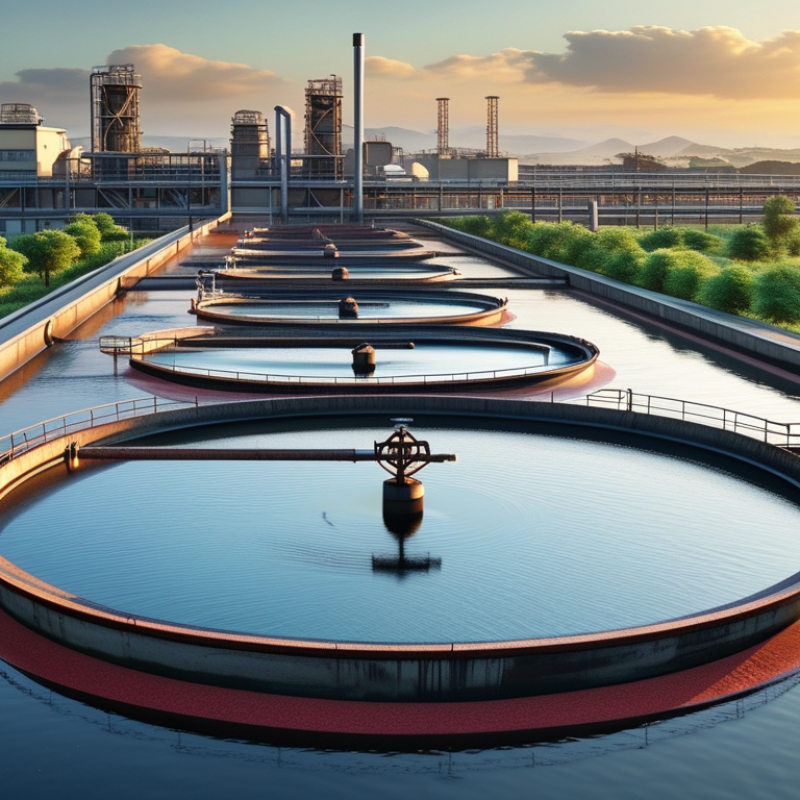
What is Wtp Water Treatment and How Does It Work?

What is WTP (Water Treatment Plant) and Its Importance

Water Treatment Plants (WTPs) play a crucial role in ensuring safe drinking water. They utilize various processes to remove impurities and contaminants from water sources. According to the World Health Organization, around 785 million people lack access to clean drinking water. This underscores the critical importance of WTPs globally.

A typical WTP follows several key steps. Water intake is the first stage, where water is drawn from rivers, lakes, or underground sources. Next, coagulation occurs, helping particles to clump together. Afterward, sedimentation allows these larger particles to settle. Filtration and disinfection ensure any remaining pathogens are eliminated. These processes collectively contribute to public health, as studies show that waterborne diseases significantly decline in communities served by effective WTPs.

Despite their significance, WTPs face challenges. Aging infrastructure can lead to inefficiencies. Reports indicate that around 40% of U.S. drinking water is piped through systems that are over 50 years old. There is also the issue of funding for upgrades. Without proper investment, maintaining water quality becomes increasingly difficult. Understanding the importance of WTPs is essential for improving community health and welfare.

What is Wtp Water Treatment and How Does It Work?

Process Step Description Importance
Coagulation Chemical agents are added to water to remove suspended particles. Initial step to enhance water clarity and reduce particles.
Flocculation Gentle mixing encourages small particles to clump together. Increases efficiency of sedimentation by forming larger flocs.
Sedimentation Allowing water to sit so that heavier particles settle at the bottom. Removes a significant amount of impurities from water.
Filtration Water passes through filters to remove remaining solids. Ensures further purification of water by trapping smaller particles.
Disinfection Chemical disinfectants are applied to kill pathogens. Critical step to ensure water is safe for consumption.
Storage Treated water is stored before distribution. Ensures water is available for immediate use and supply stability.

The Basic Principles of Water Treatment Processes

Water treatment plants (WTPs) play a crucial role in providing clean drinking water. Understanding the basic principles behind water treatment processes is essential. The process typically starts with screening, which removes large debris and particles. This protects equipment and prepares the water for further treatment.

Coagulation follows. Chemicals are added to bind smaller particles together. This creates larger clumps called flocs. These flocs are easier to remove during sedimentation. In this stage, water sits in a basin, allowing gravity to do its work. It is fascinating to see how nature helps in this cleaning process. Yet, sometimes, the effectiveness can vary based on water composition.

Filtration is the next step. Water passes through multiple layers of materials. Sand, gravel, and charcoal trap remaining impurities. This step enhances water clarity and quality. Finally, disinfection occurs, often using chlorine or UV light. This ensures pathogens are eliminated. Each stage is vital, but even the best systems can face challenges, such as unforeseen contaminants.
Regular testing and maintenance are essential for continued reliability. The balance between efficiency and safety is a constant reflection point in modern water treatment practices.

Key Components and Technologies Used in WTP

Water treatment plants (WTP) play a vital role in ensuring safe drinking water. They utilize various technologies and components to achieve clean water. Key processes include coagulation, sedimentation, filtration, and disinfection. Each step is crucial for removing impurities and pathogens.

Coagulation involves adding chemicals to water, causing smaller particles to clump together. This makes it easier to remove them later. Next, sedimentation allows these clumps to settle at the bottom of large tanks. Filtration removes lingering particles through layers of sand, gravel, or specialized membranes. Finally, disinfection typically uses chlorine or ultraviolet light to kill remaining germs.

While these technologies are effective, they can have limitations. For example, disinfection by-products may form, raising health concerns. Additionally, maintaining proper chemical dosing is challenging and requires regular monitoring. Treatment efficiency can vary based on water source quality. Continuous innovation is critical for overcoming these issues.

Water Treatment Process Overview

Step-by-Step Water Treatment Process Flow

Water treatment plants (WTP) play a crucial role in providing clean drinking water. The water treatment process involves several steps designed to remove impurities and contaminants. Understanding this process is essential for ensuring the health and safety of communities.

The first step is coagulation and flocculation. Chemicals are added to water, causing particles to clump together. This process can remove 90% of contaminants. Next, sedimentation follows. Larger particles settle at the bottom of the tank, helping clarify the water. Studies show that this step can significantly improve water quality.

Following sedimentation, filtration takes place. Water passes through layers of sand, gravel, and charcoal, which further refine its quality. This layer can remove up to 99% of remaining impurities. Finally, disinfection is performed. Chlorine or UV light are commonly used. This final step ensures no pathogens remain, providing safe drinking water to millions.

Reports indicate that over 90% of cities rely on WTP for safe water access. Despite advancements, challenges remain. Aging infrastructure and contamination still threaten water quality in some areas. Addressing these issues is essential for future water sustainability.

Challenges and Future Trends in Water Treatment Technology

The landscape of water treatment technology is rapidly evolving. This shift is driven by increasing demand for clean water and stringent regulations on water quality. According to the World Health Organization, nearly 2 billion people lack access to safe drinking water. This statistic highlights the urgency of innovation in water treatment.

One challenge is the aging infrastructure in many cities. Many treatment plants were built decades ago and struggle to meet modern standards. A report from the American Society of Civil Engineers indicated that the current U.S. water infrastructure requires about $1 trillion in investment. Smart technologies and automation are emerging trends aimed at improving efficiency and effectiveness. Solutions such as advanced filtration, UV disinfection, and data analytics are paving the way for improved system management.

Despite these advancements, there are areas needing reflection. Many technologies are still prohibitively expensive for low-income areas. The transition to more sustainable practices must not overlook accessibility. Developing countries often lack the resources to adopt new technologies. Ensuring equitable access to advancements in water treatment is imperative for future progress. Balancing innovation with inclusivity will be essential as the industry moves forward.

FAQS

: What are the initial steps in the water treatment process?

: The process starts with screening to remove large particles, preparing the water for further treatment.

How does coagulation work in water treatment?

Coagulation involves adding chemicals that bind small particles into larger clumps called flocs for easier removal.

What happens during sedimentation?

Water sits in a basin, allowing gravity to settle the flocs at the bottom. Nature plays a key role here.

What is the filtration process?

Filtration involves water passing through sand, gravel, and charcoal layers to trap remaining impurities, enhancing clarity.

What role does disinfection play in water treatment?

Disinfection typically uses chlorine or UV light to eliminate pathogens, ensuring the water is safe to drink.

What challenges do water treatment plants face?

Aging infrastructure and unforeseen contaminants can impact treatment efficiency and safety. Regular maintenance is crucial.

Are there concerns with disinfection by-products?

Yes, some disinfection methods can create harmful by-products, raising health concerns that need ongoing attention.

How do advancements in technology influence water treatment?

Innovations like advanced filtration and data analytics improve efficiency, but many technologies remain costly and inaccessible.

Why is equitable access to water treatment technology important?

Developing countries often lack resources for new technologies; ensuring accessibility is necessary for fair progress in water treatment.

What is a critical reflection point for water treatment modernization?

Balancing efficiency with safety and inclusivity is essential as the industry advances.

Conclusion

WTP Water Treatment is a crucial process that ensures the availability of clean and safe drinking water. Water Treatment Plants (WTPs) play a vital role in removing contaminants and impurities from water sources, thereby protecting public health and the environment. The basic principles of water treatment involve physical, chemical, and biological processes designed to purify water. Some common technologies utilized in WTPs include filtration, sedimentation, and disinfection methods.

The step-by-step water treatment process typically starts with the collection of raw water, followed by preliminary treatment to remove large debris. It continues with coagulation, flocculation, and sedimentation to clarify the water, and finally filtration and disinfection to ensure pathogen removal. However, WTPs face challenges such as aging infrastructure and the need for improved efficiency. Future trends indicate a move toward advanced technologies and sustainable practices to enhance the effectiveness of WTP Water Treatment and address emerging contaminants.


Isabella

Isabella

Isabella is a dedicated marketing professional with a sharp focus on driving brand growth and engagement through strategic content creation. With an extensive background in digital marketing, she combines her passion for storytelling with her keen understanding of industry trends to deliver......