Direct-from-factory high-purity chemicals formulated for dye removal and effluent filtration.
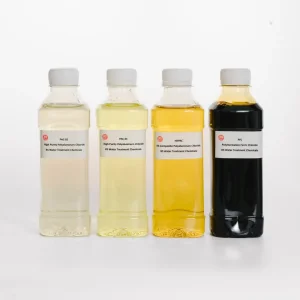
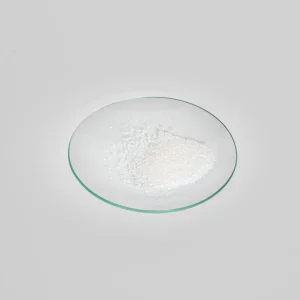
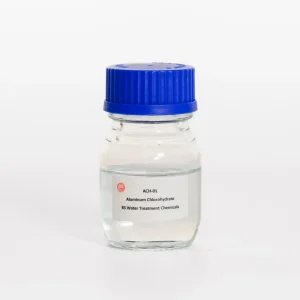
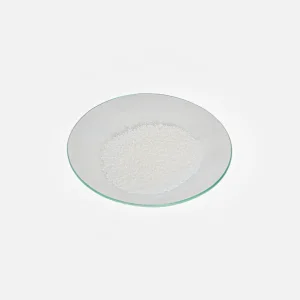
The global textile and apparel industry produces billions of cubic meters of highly polluted wastewater annually, presenting serious technological challenges for municipal plants and industrial processing sites. Effluents typically feature high chemical oxygen demand (COD), fluctuating pH levels, heavy loads of total suspended solids (TSS), and persistent coloration due to refractory organic dyestuffs.
With international standard frameworks like the Zero Discharge of Hazardous Chemicals (ZDHC) and OEKO-TEX enforcing stringent limits, textile mills in emerging industrial centers—including Bangladesh, India, Vietnam, and Turkey—face immense pressure. Transitioning to green, non-toxic, and highly efficient chemicals is no longer just a regulatory goal; it is a critical commercial necessity.
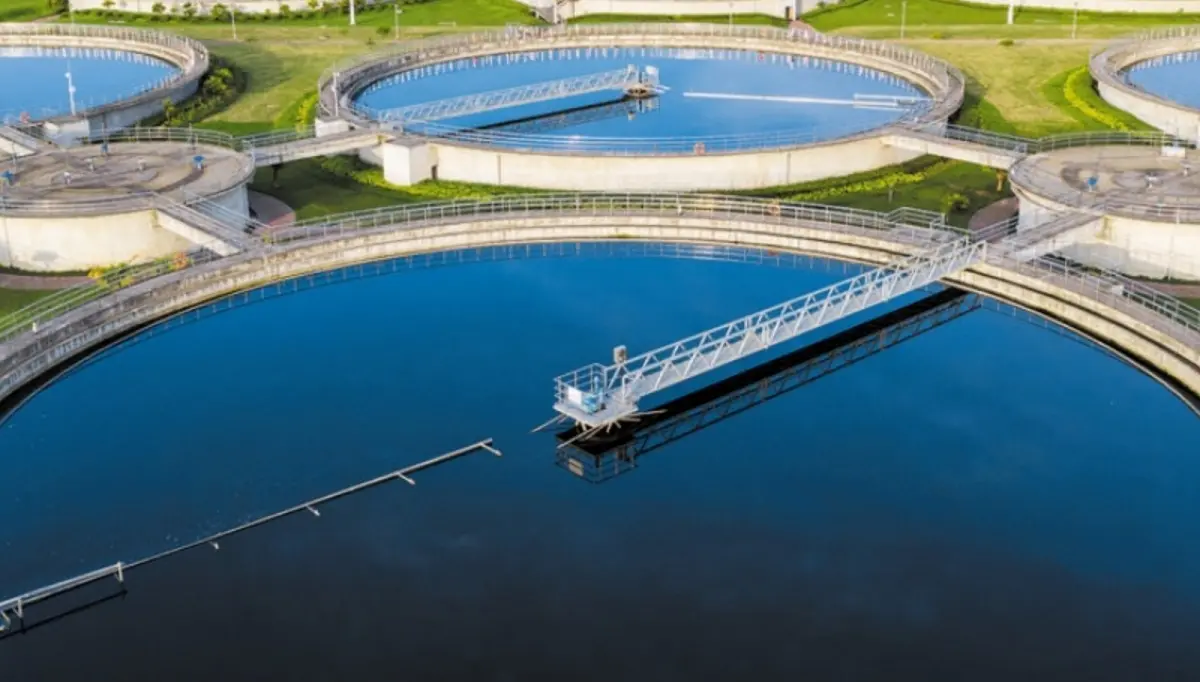
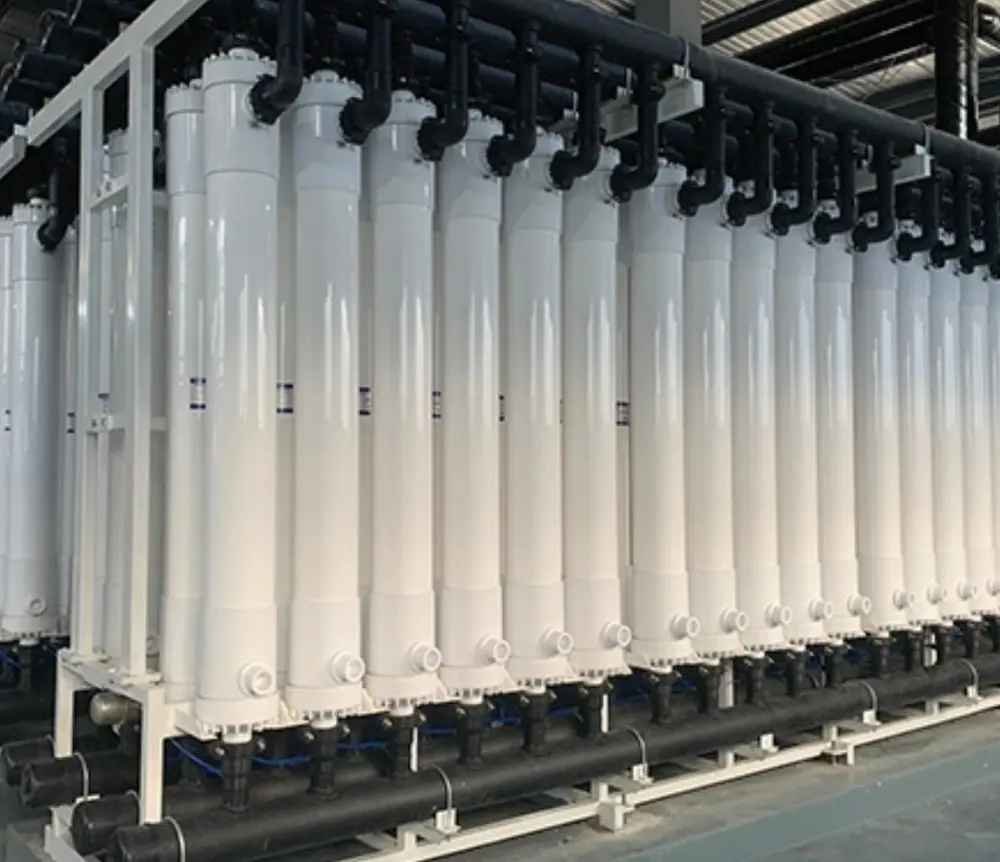
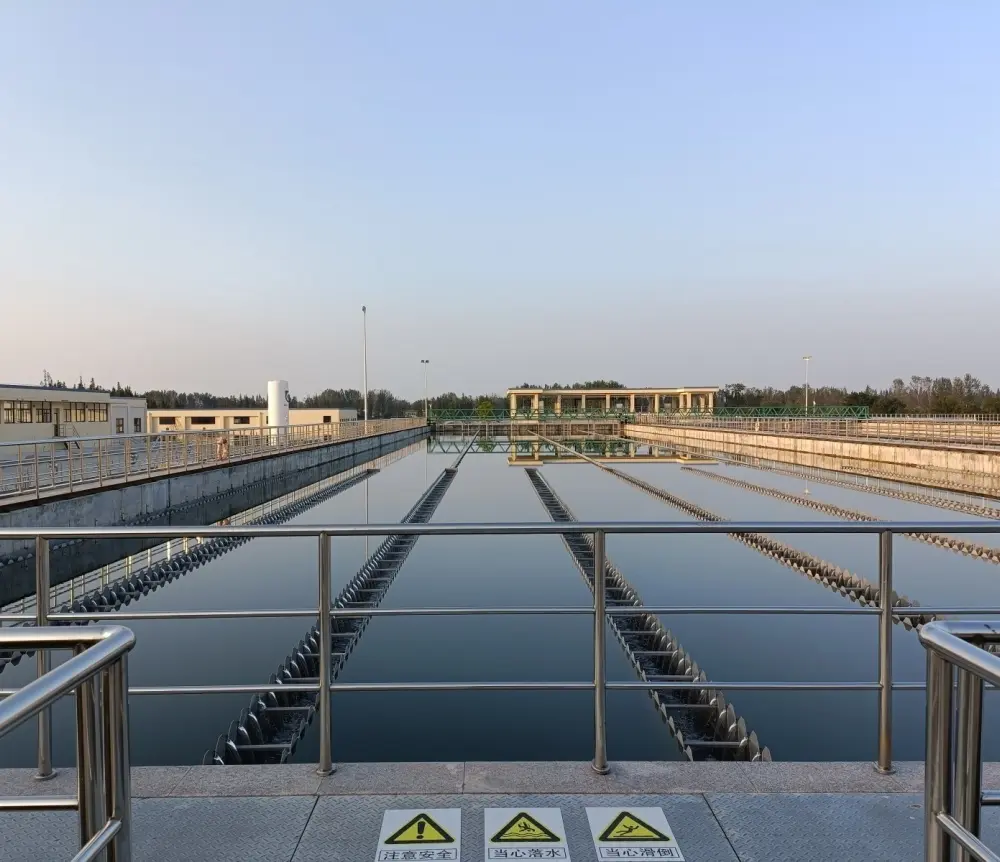
Effective textile wastewater management relies on a step-by-step treatment process where chemical formulations work alongside mechanical filtration. Below is a breakdown of the standard technical approach used by modern factories:
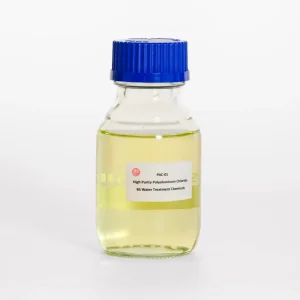
Wastewater from dyeing processes fluctuates widely in temperature, pH, and chemical content. After equalizing the flow, primary coagulants like Polyaluminium Chloride (PAC) or Aluminum Chlorohydrate (ACH) are added. These positively charged aluminum ions neutralize the negative charges on colloidal dye particles and suspended solids, bringing them together to form micro-flocs.
Azo dyes and active color agents are designed to resist biodegradation. Standard coagulants are often insufficient for complete color removal. This is where a cationic polymeric Water Decoloring Agent (WDA) is essential. It chemically targets the chromophoric groups of the dye molecules, breaking them down and pulling the color out of the solution into large, visible flocs.
Once the micro-flocs are formed, high molecular weight polymers like Anionic Polyacrylamide (APAM) or Cationic Polyacrylamide (CPAM) are introduced. These polymers act as bridge builders, gathering the tiny flocs into large, heavy aggregates. This step ensures clean separation during sedimentation or dissolved air flotation (DAF), making sludge dewatering fast and efficient.
A technology leader with over 27 years of expertise in industrial and domestic wastewater treatment solutions.
Founded in 1998, Wuxi BS Water Treatment Chemicals Co., Ltd. has developed advanced production processes and extensive management experience in the water treatment industry. We specialize in manufacturing a comprehensive range of chemicals for drinking water and various domestic and industrial wastewater applications.
Equipped with intelligent production lines and a thorough quality control system, we ensure a reliable chemical supply for global buyers, distributors, and municipal sewage operators.
Our top-performing products widely used in high-volume industrial filtration and decolorization.
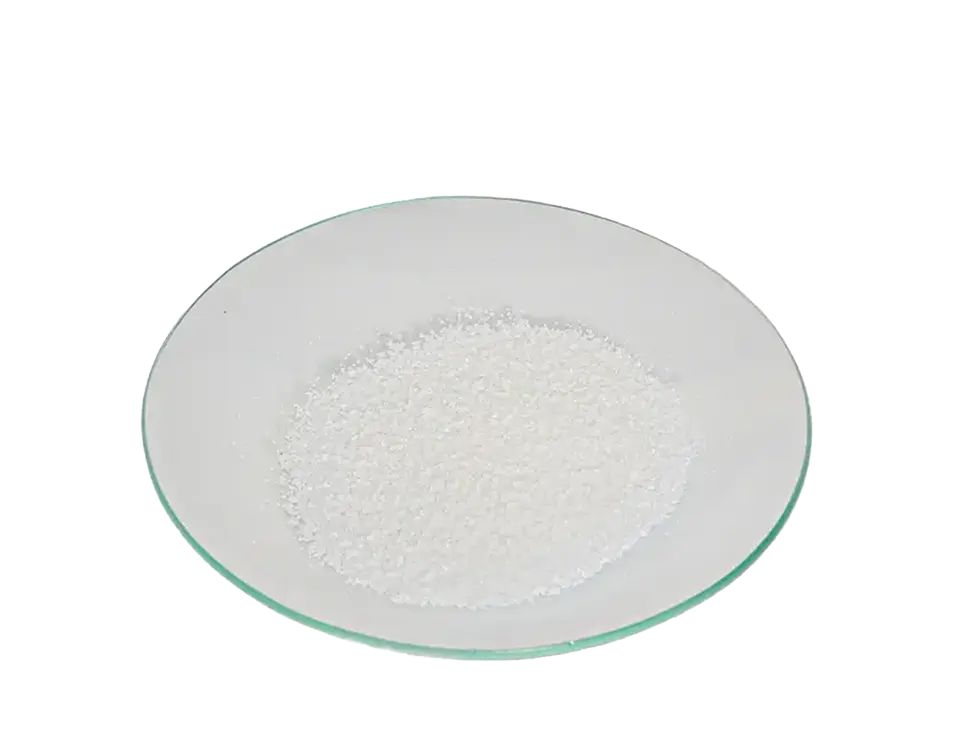
High-charge flocculant designed for organic sludge conditioning, centrifuge dewatering, and rapid chemical settlement.
Learn More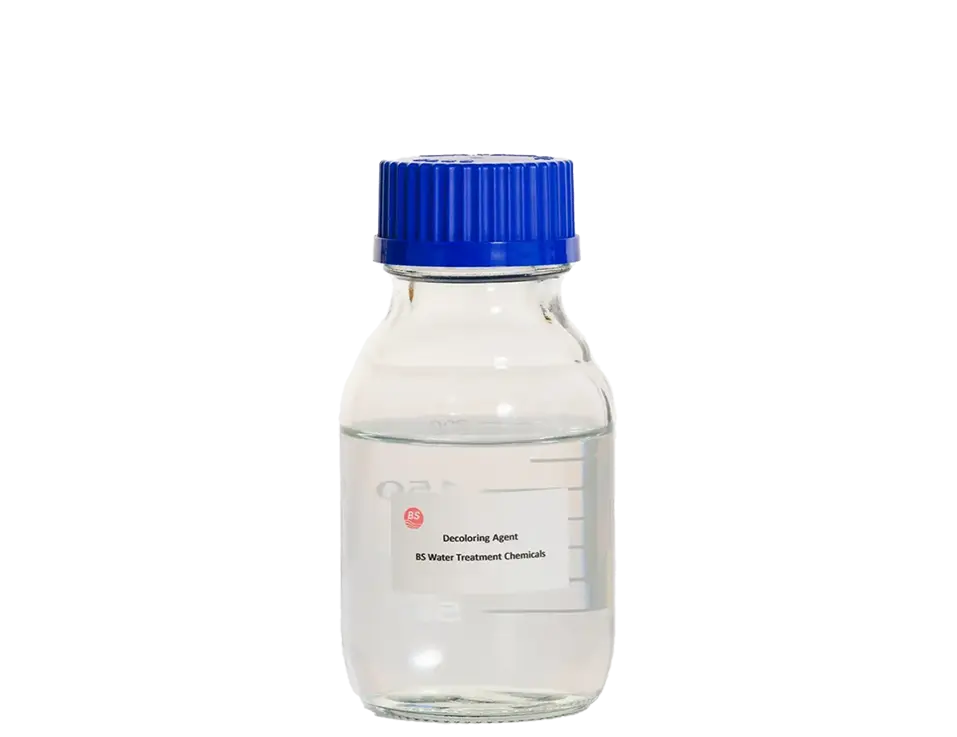
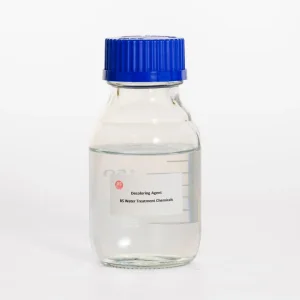
Specialized cationic polymer that breaks down color compounds in textile dye wastewater, yielding clear effluent.
Learn More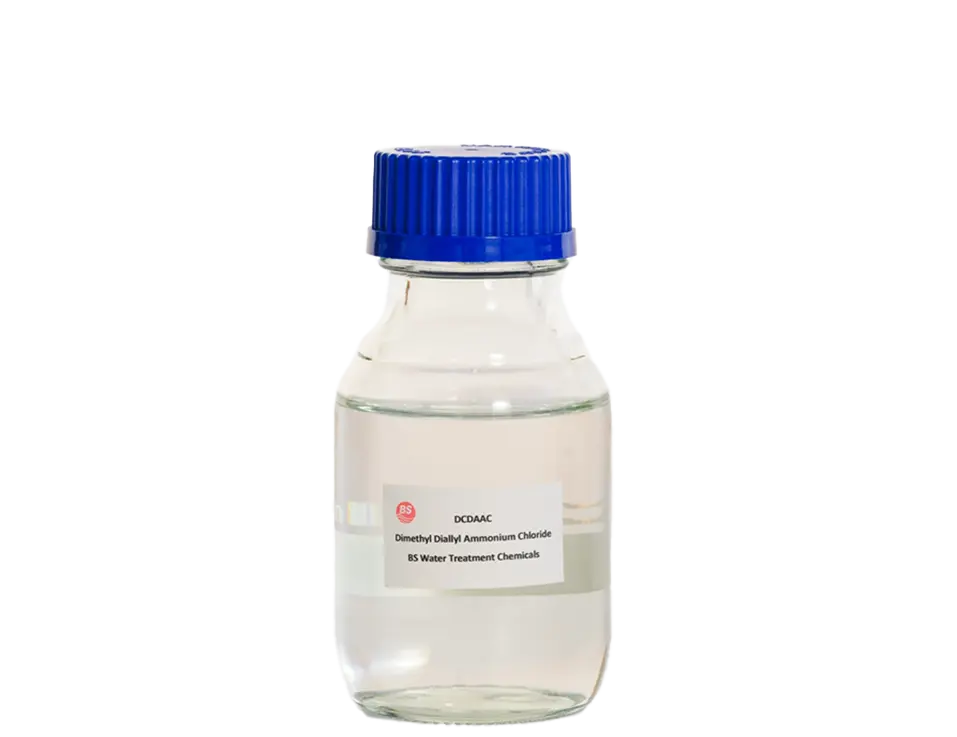
Cationic polymer that destabilizes negatively charged colloidal matter to improve filtration and clarifier performance.
Learn MoreCustom chemical treatments designed to meet the specific requirements of various industrial sectors.

Comprehensive custom synthesis and chemical packaging solutions tailored for global distributors.

Expert chemists providing personalized water analyses and custom dosage formulations.

Over 500,000 tons of annual output ensures consistent supply without delays.

Automated manufacturing lines ensure consistent, high-purity chemical batches.

Continuous innovation in polymeric molecular weight and charge density tuning.

Since 2007, our products have reached key textile markets in Asia, Europe, and the Americas.
A history of quality compliance and steady global expansion.
Our production facility was established, focusing on basic inorganic coagulants for local municipal plants.
Renamed as Wuxi Bisheng Water Treatment Agent Co., Ltd., expanding production to advanced polyacrylamides.
Launched our global export division, shipping high-efficiency water decoloring agents to international markets.
Annual export sales exceeded $10 million, reflecting strong demand from international textile manufacturing hubs.
Expanded our overseas support network and upgraded production with automated smart feeding equipment.
Stay informed on our chemical innovations, product updates, and upcoming industry events.
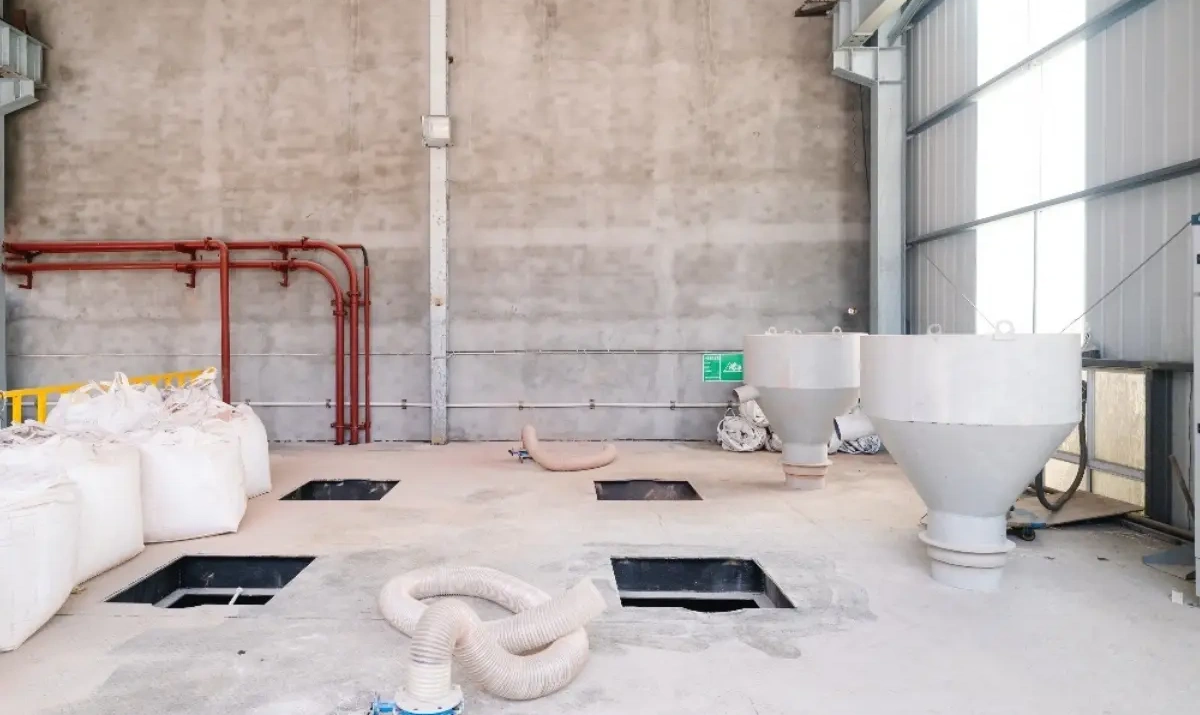
We have launched automated feeding systems to optimize chemical dosing, minimize waste, and improve flocculation efficiency in high-flow textile processing plants.
Read Full Article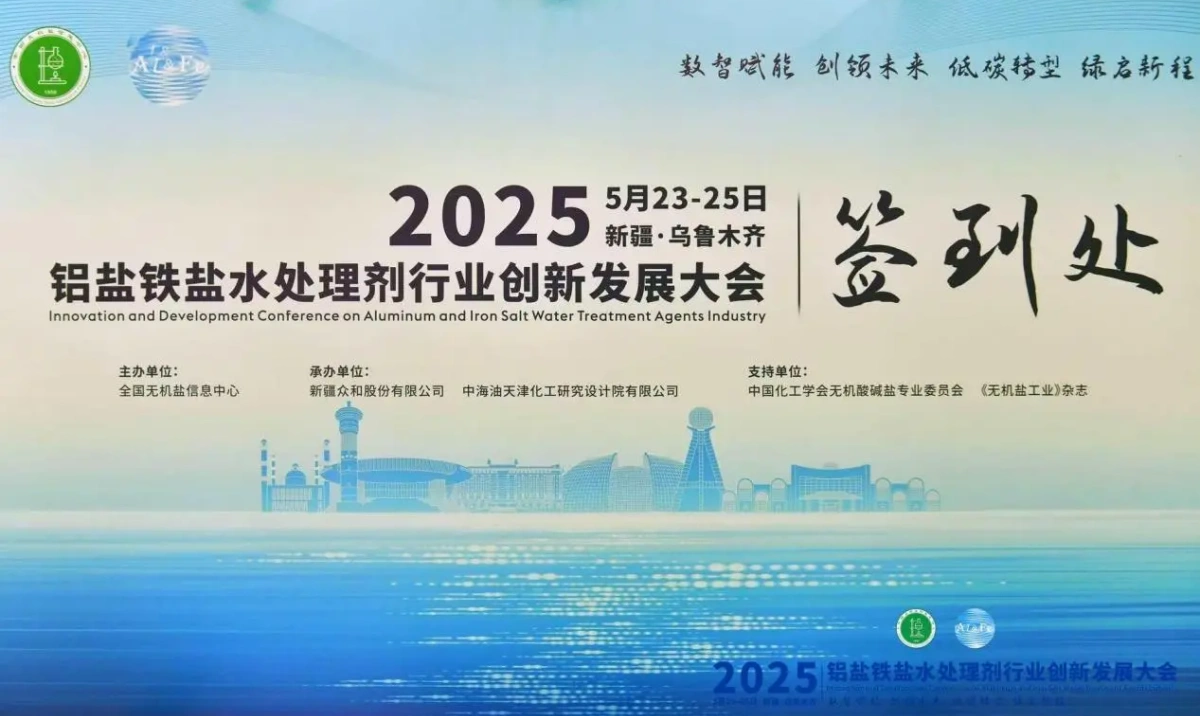
Wuxi BS representatives discussed new developments in low-heavy-metal PAC formulations and advanced biological treatment techniques at the annual ecological conservation conference.
Read Full ArticleCommon questions from chemical engineers and industrial procurement teams.
The optimal dosage of Polyaluminium Chloride (PAC) depends on dye concentration, effluent pH, and the presence of auxiliary surfactants. Generally, dosage ranges from 150 to 500 mg/L. It is best to use PAC alongside a cationic decoloring polymer to treat azo dyes, as inorganic coagulants alone may not capture highly soluble dye structures.
Our Water Decoloring Agent is a highly cationic quaternary ammonium polymer. It works via charge neutralization, attracting the anionic chromophoric groups of reactive, acid, or disperse dyes. This destabilizes the dye structure, causing it to separate from the water and form insoluble molecular complexes that can be filtered out.
Yes, but they should be added at different stages. Typically, Anionic Polyacrylamide (APAM) is introduced in the primary clarifier to gather inorganic-dye flocs created by PAC. Cationic Polyacrylamide (CPAM) is then added during the final sludge treatment phase to condition organic solids for centrifuge or belt press dewatering.
Our manufacturing processes are certified to ISO 9001 and ISO 14001 standards. We test our raw materials and finished products to ensure they contain minimal trace heavy metals and are free from restricted substances, helping our customers meet ZDHC MRSL and OEKO-TEX effluent guidelines.
Liquid PAC (10%-15% Al2O3) should be stored in corrosion-resistant tanks, such as fiberglass or polyethylene, away from direct sunlight and freezing temperatures. Solid PAC powder is stable but must be kept in a dry, well-ventilated warehouse to prevent caking from moisture exposure.
Send us your water analysis reports, and our technical team will help design a cost-effective treatment solution.
Please contact us with any technical questions or quote requests.
Explore our full range of flocculants, decoloring agents, and advanced water treatment chemicals.
 BS Water

