Explore our foundational chemical products formulated to maximize ultrafiltration performance, reduce silt density index (SDI), and extend membrane lifetime.
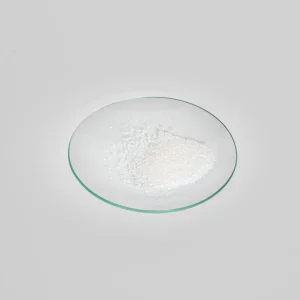
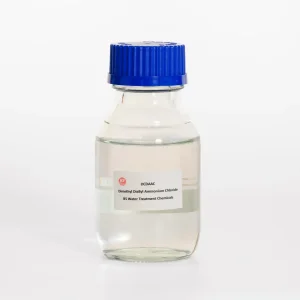
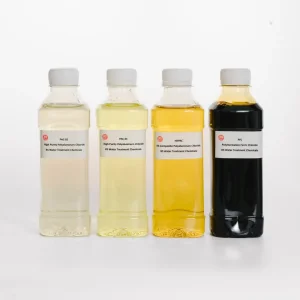
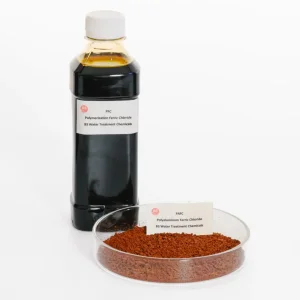
In contemporary industrial water purification workflows, Ultrafiltration (UF) represents a cornerstone technology. Operating in the molecular separation spectrum of 0.01 to 0.1 micrometers, UF membranes reliably isolate suspended solids, colloidal silica, proteins, macromolecular organic matter, and pathogenic microorganisms from raw feedwater. However, the operational viability of any ultrafiltration configuration relies heavily on the chemical engineering characteristics of its influent stream.
Without meticulous chemical pretreatment, raw industrial water triggers rapid membrane fouling—a physical-chemical phenomenon that diminishes system flux, accelerates pressure drop across modules (Transmembrane Pressure - TMP), and dramatically increases energy consumption. As a globally recognized leader with decades of expertise in polymer chemistry and water treatment, Wuxi BS Water Treatment Chemicals Co., Ltd. designs and supplies high-performance chemical agents that interact synthetically with suspended particulates. Our polymeric coagulants and flocculants are engineered specifically to optimize ultrafiltration performance, mitigate biological and colloidal fouling, and minimize overall Operational Expenditure (OPEX).
Membrane fouling manifests through three primary mechanisms: pore blocking, cake layer formation, and chemical adsorption. Colloidal materials such as naturally occurring organic matter (NOM), clay, and industrial organic pigments pose the greatest hazard. Due to their negative surface charge (zeta potential), these substances repel each other, remaining suspended as stable colloids that readily penetrate and block membrane pores.
To prevent this, chemical agents must be applied to destabilize the electrostatic double layer of the colloids. This process is called coagulation and flocculation.
A Technology Leader with 27 Years of Enterprise Expertise in Advanced Polymer Production.
Choosing the correct chemical treatment requires understanding the molecular properties of both the pollutants and the polymers. Wuxi BS supplies an integrated range of treatment chemicals, tailored to safeguard UF membranes and optimize downstream processing:
| Chemical Agent | Primary Classification | Active Ingredient % | Core UF Optimization Role |
|---|---|---|---|
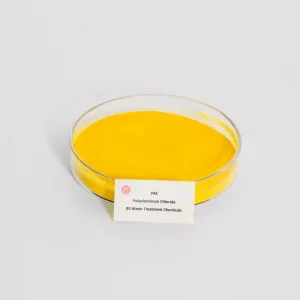
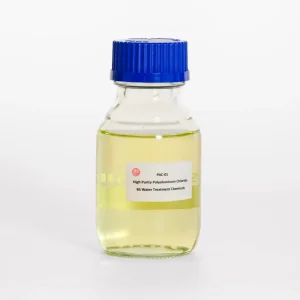
| Polyaluminium Chloride (PAC) | Inorganic Coagulant | 10% - 30% (Liquid/Solid) | Destabilizes fine colloidal suspensions, reduces Silt Density Index (SDI) prior to UF membrane entry. |
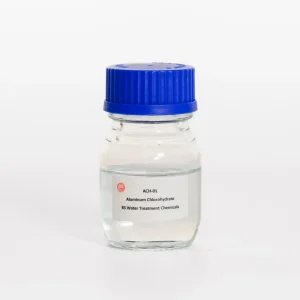
| Aluminum Chlorohydrate (ACH) | High Basicity Coagulant | 23% - 24% Al2O3 Min | Maximum charge neutralization with minimal sludge generation. Ideal for drinking water purification. |
| Anionic Polyacrylamide (APAM) | Organic Polymer Flocculant | High Molecular Weight | Bridging agent for heavy metallic ions and mineral flocs. Promotes rapid sedimentation. |
| Cationic Polyacrylamide (CPAM) | Cationic Flocculant | Varying charge density | Optimized for organic sludge dewatering and municipal wastewater flocculation. |
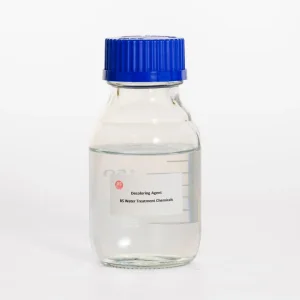
| Water Decolorizing Agent (WDA) | Cationic Polymeric Flocculant | High Active Content | Eliminates high-molecular-weight organic dyes and colorants, protecting UF membranes from organic adsorption. |
| PDADMAC | Quaternary Ammonium Polymer | Liquid Concentrates | Controls charge distribution, prevents biological membrane fouling via bio-colloidal neutralization. |
The Silt Density Index (SDI) is the primary diagnostic metric used to estimate the fouling potential of water flowing into fine filtration systems like Ultrafiltration and Reverse Osmosis (RO). SDI levels must consistently stay below 3.0 to protect membrane modules. By deploying Wuxi BS's high-purity Polyaluminium Chloride (PAC) combined with targeted PDADMAC, plant engineers can reduce raw water SDI from > 15 to < 2.5. This chemical modification produces larger, shear-stable flocs that are easily captured by pre-filters or coarse sand media, preventing fine colloids from reaching the UF membrane surface.
Across continents and challenging industrial sectors, Wuxi BS chemicals protect infrastructure, reduce cleaning cycles, and improve water recovery rates.
Treating municipal surface water reservoirs. Utilizing Aluminum Chlorohydrate (ACH) and high-purity PAC ensures the removal of harmful viruses, natural organic matter (NOM), and turbidity while keeping residual metal ions below strict safety thresholds.
Handling produced water and oily refinery wastewater. Cationic Polyacrylamide (CPAM) and PDADMAC are deployed to emulsify oils and separate organic polymers, preventing hydrophobic grease coatings from clogging UF membranes.
For municipal wastewater recycling and tertiary treatment. Integrating Wuxi BS flocculants directly inside the MBR process helps control extracellular polymeric substances (EPS), the primary cause of membrane fouling in bioreactors.
Protecting water recycling loops from white water pollutants. High-charge density retention aids and decolorizing agents clear out wood fibers, lignins, and fillers, allowing ultrafiltration units to run continuously.
Industrial textile effluent containing complex synthetic dyes. The WDA (Water Decolorizing Agent) splits dye molecules and binds them into easily separable solids, protecting downstream membrane stages from permanent color staining.
As environmental regulations tighten globally, the water treatment chemicals sector is undergoing rapid transformation. The future of ultrafiltration pretreatment lies at the intersection of smart dosing systems and environmentally friendly polymers. Wuxi BS is leading this change through major R&D initiatives aimed at creating sustainable, high-efficiency water treatment chemicals.
Our current technical development roadmap centers on three primary pillars:
Wuxi Bisheng Water Treatment Agent Factory established; launched first-generation PAC and basic flocculant lines.
Began global exports. Received ISO certifications and established specialized QA/QC labs for overseas orders.
Annual export sales exceeded $10 Million USD, driven by expansions in Southeast Asia, the Middle East, and South America.
Established a dedicated Foreign Trade Division. Upgraded production with advanced digital dosing equipment.
Wuxi BS Water Treatment Chemicals Co., Ltd. operates from a highly strategic industrial position in Wuxi, Jiangsu Province, China. With a 20,000-ton capacity warehouse and an annual sales volume exceeding 500,000 tons, we offer unmatched supply security to global distributors, municipal operators, and industrial plants.
Our manufacturing and supply chain strengths are built on several key advantages:
We maintain direct pipelines to fundamental chemical feedstocks (hydrochloric acid, alumina, and various acrylamide monomers), ensuring steady production and price stability even during global market shifts.
Our ISO 9001 and ISO 14001 certified labs test every single batch. We retain archive samples of each shipment for three years, allowing for full chemical traceability.
Our proximity to major deep-water ports in Shanghai and Ningbo allows us to quickly arrange shipments, offering flexible terms (FOB, CIF, CFR) and reliable transit times.
Expert answers to common questions about chemical dosing, membrane safety, and global supply logistics.
Get in touch for custom quotes, technical assessments, or to request product samples.
Tel: +86 13584221461
Email: [email protected]
Explore our specialized range of decolorizing agents, high-basicity aluminum compounds, and quaternary amines for deep industrial wastewater treatment.
 BS Water