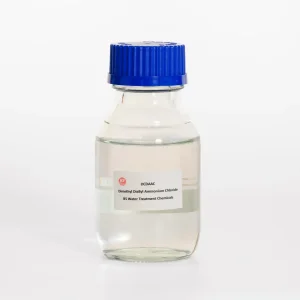
Engineered for precise particle agglomeration, high-speed flocculation, and structural color and organic content reduction across global municipal and industrial sectors.
Unpacking the technological shifts, legislative pressures, and economic dynamics driving the modern chemical purification landscape.
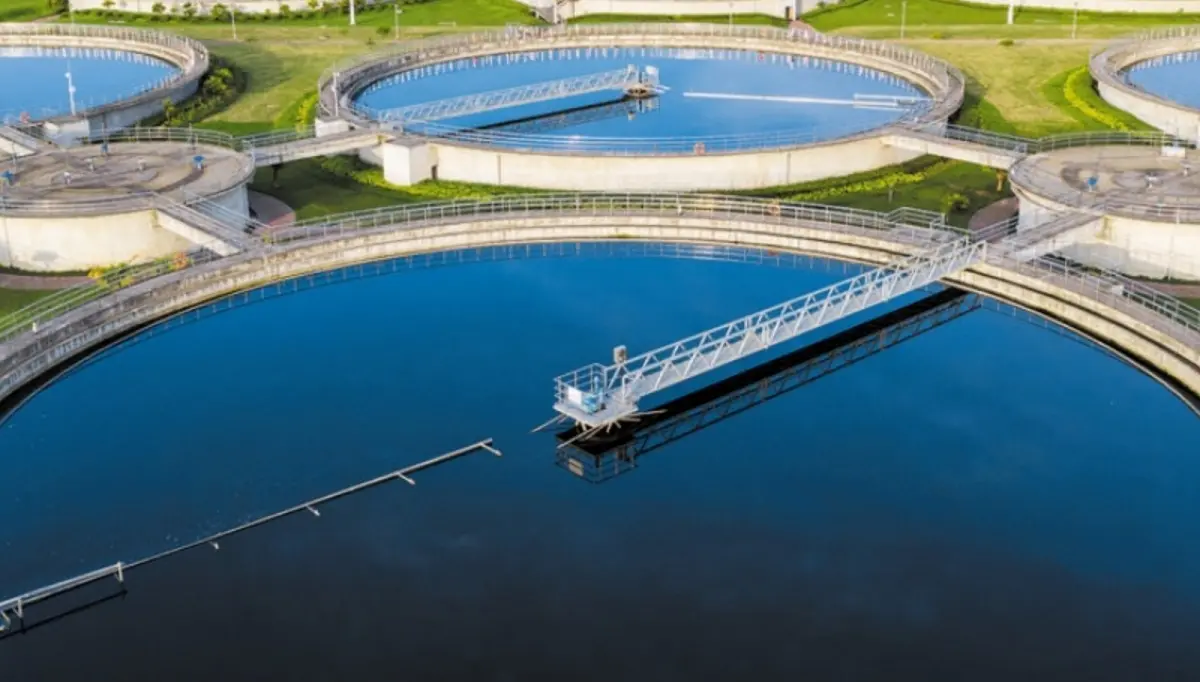
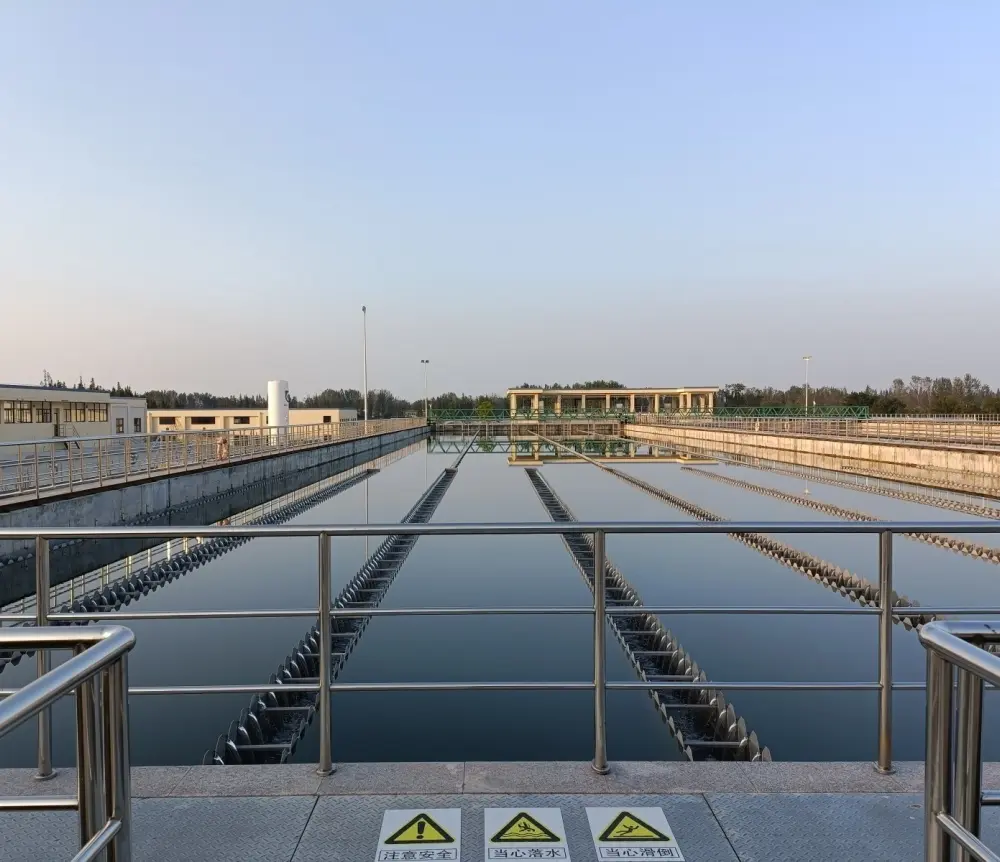
The global industrial and municipal sectors are undergoing an unprecedented shift in how wastewater is perceived, treated, and repurposed. As freshwater scarcity accelerates across populated regions, international regulatory networks such as the EPA (Environmental Protection Agency) and the EU Water Framework Directive have enforced increasingly strict limits on effluent chemical oxygen demand (COD), total suspended solids (TSS), and persistent organic pollutants. Wastewater is no longer treated simply to avoid non-compliance fines; it has become a vital operational loop where water recovery, resource extraction, and chemical performance directly dictate corporate competitiveness.
In response, modern wastewater treatment chemistry is moving past traditional, basic coagulants. Today's industrial water systems require targeted polymers and composite coagulants designed to work in tough chemical environments, such as high-salinity mining runoff, heavily colored textile effluent, and high-temperature petrochemical waste. High-molecular-weight cationic polymers, custom basicity polyaluminum blends, and high-efficiency decoloring chemicals are now key components of modern high-rate clarification systems, dissolved air flotation (DAF) units, and mechanical sludge dewatering operations.
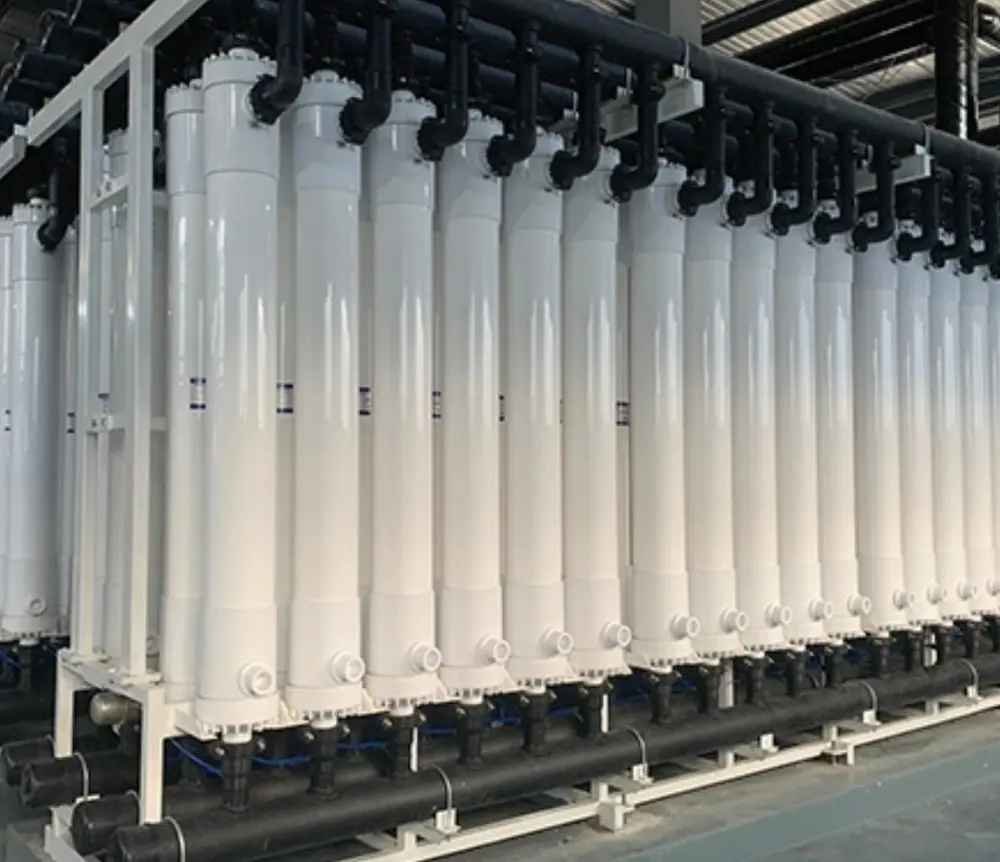
Furthermore, the rising use of advanced membrane filtration technologies like Reverse Osmosis (RO) and Membrane Bioreactors (MBR) has altered chemical pretreatment requirements. Pretreatment must now carefully balance removing colloidal and organic matter without leaving residual polymer or metal ions that can cause membrane fouling. Working with a raw chemical manufacturer that understands both macromolecular chemistry and these specific process demands is crucial for global plant operators looking to optimize their water systems.
A look at the functional molecular mechanics of Wuxi BS's specialized water treatment chemicals.
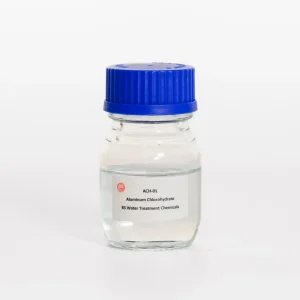
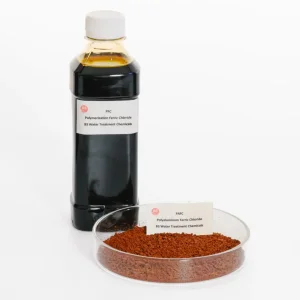
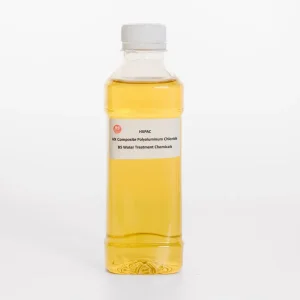
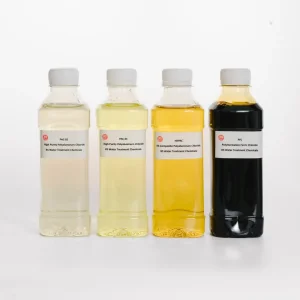
Utilizes highly charged polynuclear aluminum complexes to neutralize negative colloidal charges. Our high-basicity variations (up to 83% for ACH) generate optimal aluminum hydrolysis species (like Al13 and Al30 polymers), which improve floc formation rate, reduce sludge volume, and minimize residual aluminum in treated water.
Our CPAM and APAM series feature tailored molecular weights (up to 22 million Daltons) and charge densities. By forming robust polymer bridges that bind micro-flocs into heavy, fast-settling aggregates, they improve the throughput of clarifiers and sludge-dewatering equipment.
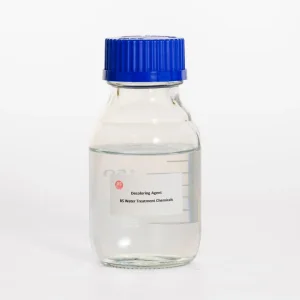
These highly cationic polymeric color-removers destabilize and precipitate complex anionic organic dyes, synthetic colorants, and soluble COD fractions. Particularly effective for industrial textile and printing wastewater, they split color-producing organic molecules to clarify the water.
How Wuxi BS leverages production technology, automated storage, and raw chemical synthesis to secure stable, global supply lines.
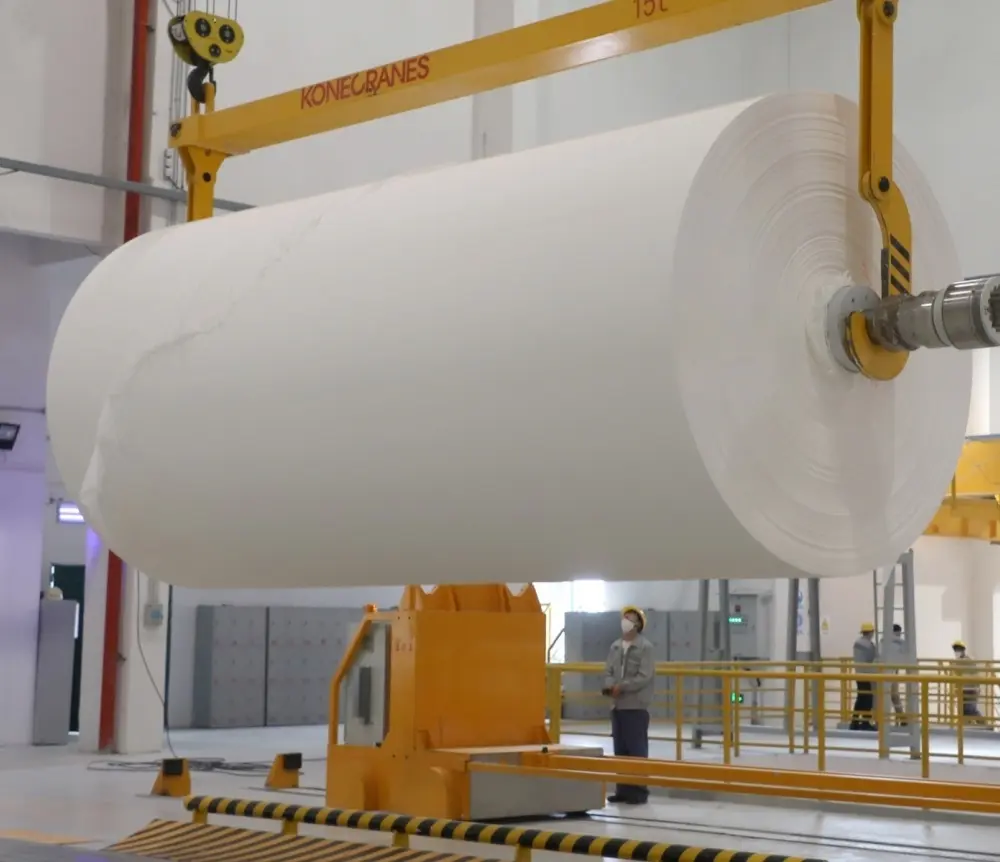
For large-scale industrial buyers, the reliability and consistency of water treatment chemical shipments are critical. A single delivery delay or drop in chemical concentration can disrupt municipal water operations or force factory shutdowns. Wuxi BS operates production lines backed by a 20,000-ton capacity finished-product storage system. This setup prevents supply bottlenecks and allows us to rapidly dispatch bulk liquid and dry powder shipments globally, even during seasonal shifts in raw material availability.
Our manufacturing plant uses digital dosing, automated temperature control, and real-time polymerization monitoring systems. These tools ensure that every batch of PAC, CPAM, or Water Decoloring Agent matches our targeted molecular weight distribution and charge density profiles. By standardizing raw materials and running our polymerization and spray-drying systems with high precision, we provide chemicals that perform consistently in the field, helping plant operators reduce cost and minimize chemical dosing adjustments.
Customized chemical solutions designed to address the specific wastewater characteristics of different industries.
Wuxi BS offers custom chemical blending, concentration adjustments, and private labeling services backed by professional technical support.
Wastewater characteristics vary widely between different regions, climates, and industries. A standard coagulant formulation may work well in one facility but fail in another due to differences in pH, alkalinity, temperature, or ionic strength.
Wuxi BS provides tailored OEM/ODM chemical services to help distributors and treatment companies address these challenges. Our technical team works directly with clients to analyze their water samples, adjust molecular structures, and modify basicity or polymer charge levels to optimize performance on site.

Custom water analysis and chemical dosing guides provided by our experienced lab team.

500,000+ tons of annual capacity to easily handle high-volume bulk orders.

Our raw material logistics and large storage facility ensure steady shipments year-round.

Ongoing research and product testing to improve flocculation speed and COD removal rates.
Expert technical answers regarding water treatment chemistry, dosing, and selection.
Connect with our engineering and sales teams for custom chemical quotes, water sample analysis, or bulk logistics scheduling.
Get in touch to request product samples, schedule technical consultations, or discuss wholesale pricing options.
 Tel: +86 13584221461
 Email: [email protected]
Our sales and lab engineers are ready to assist with product selections, dosage evaluations, and custom formulations.
Browse our complete range of coagulation and flocculation chemicals designed for municipal and industrial water treatment.
 BS Water