Explore our top industrial-grade coagulants, flocculants, and specialized color-removal polymers direct from our Chinese manufacturing lines, engineered for the highest separation efficiency in diverse water treatments.
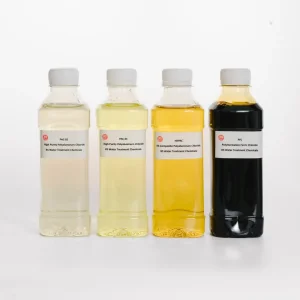
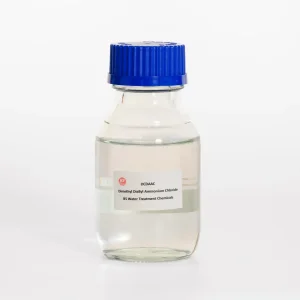
An analytical overview of water management systems within Jabodetabek and their intersection with global chemical supply chains.
Jakarta operates under strict environmental supervision, notably the Ministry of Environment and Forestry Regulation No. P.68/2016 regarding domestic wastewater quality standards. Industrial estates such as MM2100, Pulogadung, and Cikarang must pre-treat effluents containing heavy metals, organic dyestuffs, and suspended solids before returning water to natural systems or central domestic municipal sewers.
To reach compliance, plant engineers require highly stable water treatment agents. Typical challenges like high organic chemical oxygen demand (COD), total suspended solids (TSS), and deep coloring from textile factories in West Java cannot be handled by simple sedimentation. Advanced polymeric coagulants (PAC) and flocculants (PAM) are required to achieve rapid phase separation.
Jakarta's reliance on imported raw materials highlights the critical need for a stable bulk chemical supplier. Sea freight routing from major chemical centers in Eastern China to Tanjung Priok Port must be managed efficiently to avoid downtime in municipal water plants (PAM/PAC demand) and industrial processing hubs.
Wuxi BS Water Treatment Chemicals Co., Ltd. addresses this gap by offering regular scheduled shipments, customized multi-ply packaging suited for Jakarta's high-humidity environments, and technical field expertise. This ensures local distributors and industrial plants maintain continuous stocks of necessary chemical agents.
How Wuxi BS leverages integrated production lines, large-scale supply chains, and strict quality control systems to deliver value to the Indonesian market.
With an annual sales volume exceeding 500,000 tons and a modern storage warehouse holding over 20,000 tons of finished products, our production ensures consistent pricing even during raw material fluctuations. Our direct sourcing model bypasses traditional trading layers, lowering costs for municipal and industrial buyers in Jakarta.
In August 2025, Wuxi BS integrated advanced digital intelligent solid feeding equipment across its production lines. This upgrade guarantees precise chemical ratios and batch consistency, minimizing the variance between experimental jar tests and large-scale industrial runs.
We offer comprehensive customization, adjusting active ingredient percentages (such as 10%–17% Al2O3 in PAC liquids) and molecular weights for Cationic and Anionic Polyacrylamide. Our technical team works directly with clients to meet the specific requirements of regional water treatment plants.
Explore the chemical specifications, applications, and reaction characteristics of our primary flocculants and coagulants.
| Chemical Agent Name | Abbreviation | Typical Active Content / Basicity | Optimal pH Range | Primary Industrial Use-Case |
|---|---|---|---|---|
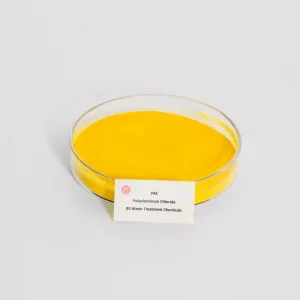
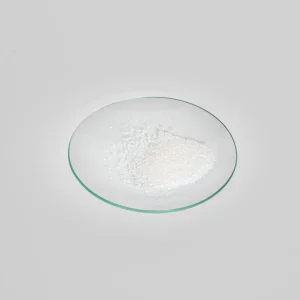
| Poly Aluminium Chloride (Solid Version) | PAC-01 / PAC-02 | 28% - 30% Al2O3 / 50% - 85% Basicity | 5.0 - 9.0 | Municipal Drinking Water & Industrial Wastewater Clarification |
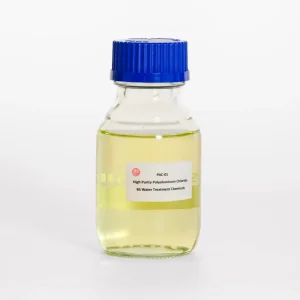
| PolyAluminium Chloride (Liquid Version) | PAC Liquid | 10% - 15% Active Ingredient | 5.0 - 9.0 | Automated Dosing Systems, Pulp/Paper Mills |
| Cationic Polyacrylamide | CPAM | 12 Million+ Mol. Weight / Charge Density 10% - 60% | 4.0 - 8.0 | Sludge Dewatering, Centrifuges, Sewage Clarification |
| Anionic Polyacrylamide | APAM | 15 - 22 Million Mol. Weight / Hydrolysis 10% - 35% | 7.0 - 14.0 | Mineral Processing, Coal Wash, Concentrated Sedimentation |
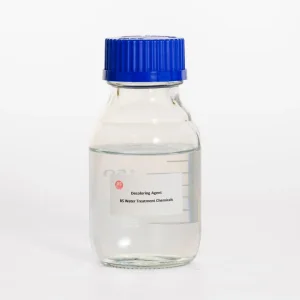
| Water Decoloring Agent (Polymeric DCDA) | WDA | 50% Active Polymeric Amine Resin | 3.0 - 10.0 | Dyehouse Effluent Decoloration, Organic COD Stripping |
| Poly(diallyldimethylammonium chloride) | PDADMAC | 20%, 30%, 40% Liquid Formulations | 3.0 - 11.0 | Drinking Water Flocculation, Anionic Trash Catcher (Paper) |
How our chemical range meets the demanding requirements of various industries within Jakarta and West Java.
Dyehouse effluents in districts like Tangerang and Bandung contain stable, highly soluble reactive dye complexes. Typical metal salt coagulants struggle with these compounds and generate high volumes of sludge.
Using our Water Decoloring Agent (WDA) alongside Anionic Polyacrylamide (APAM) breaks the soluble dye molecules apart. This results in rapid settling, lower COD, and highly transparent supernatant water suitable for discharge or recycle loops.
Large-scale paper mills require efficient processing to optimize production speeds and raw fiber retention. Fine pulp particulates and anionic trash can disrupt these operations.
Our high-charge PDADMAC and Cationic Polyacrylamide (CPAM) serve as retention and drainage aids. They neutralize anionic substances, accelerate water extraction, and improve fiber binding on the wire grid.
Refining and petrochemical facilities generate wastewater containing stable oil-in-water emulsions. These complexes must be broken down before biological treatments can begin.
Dosing with high-purity Polyaluminum Chloride (PAC) destabilizes these oily emulsions. This allows oil droplets to aggregate, making them easier to separate using dissolved air flotation (DAF) units.
The chemical water treatment industry is shifting toward lower waste generation, higher system automation, and more efficient formulations.
Traditional inorganic salts like Alum and Ferric Chloride generate large amounts of chemical sludge, leading to high disposal costs. Modern plants are replacing or supplementing these with high-charge organic polymers like PDADMAC and poly-DADMAC/PAC blends.
These organic polymers require lower dosages and produce denser, drier sludge cakes. This change reduces handling costs and helps plants meet strict environmental guidelines.
Fluctuations in wastewater quality often lead to chemical overdosing or underdosing, which can affect treatment performance. Modern systems use real-time sensors to adjust chemical feeds automatically based on incoming turbidity and charge density.
Wuxi BS supports this transition by supplying high-stability liquid products, including our 10%–15% active ingredient liquid PAC. These products integrate seamlessly with automatic dosing equipment, ensuring consistent system performance.
Wuxi BS Water Treatment Chemicals Co., Ltd. has grown from a regional producer established in 1998 into an international supplier of high-quality water treatment agents.
Our production facility operates continuously to supply large municipal contracts and industrial distributors. We maintain a large finished product inventory to ensure rapid shipment times.
Answers to common technical questions regarding chemical dosing, selection, and application optimization.
Updates on our production advancements, industry conferences, and global supply chain strategies.
Our updated export strategy focuses on establishing direct technical sales channels in Southeast Asian hubs, including Jakarta, to provide faster response times and localized chemical formulations.
We have introduced digital feed-forward equipment to automate dry powder prep, preventing powder agglomeration (or "fish-eyes") and ensuring optimal dissolution rates.
Wuxi BS shared its latest research on high-basicity aluminum chlorohydrate (ACH) compounds, detailing how they reduce carbon footprints by lowering dosing requirements in industrial water systems.
Our complete range of high-performance water treatment polymers, coagulants, and decanting agents, shipped directly from our ISO-certified facilities.
Connect with Wuxi BS's engineering team to discuss dosage optimization, request product samples for jar testing, or get a quotation for bulk chemical deliveries to Jakarta.
 BS Water