Advanced Water Treatment Chemicals for Critical Municipal Coagulation, Flocculation, and Global Industrial Wastewater Treatment
Highly stabilized polymers and inorganic coagulants engineered for raw water purification and rapid solids separation.
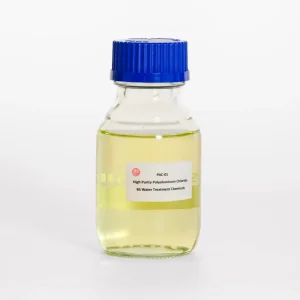
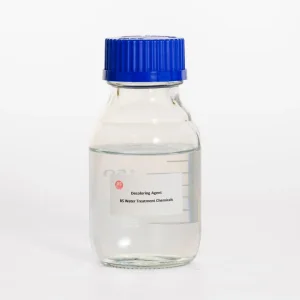
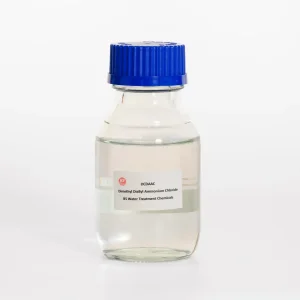
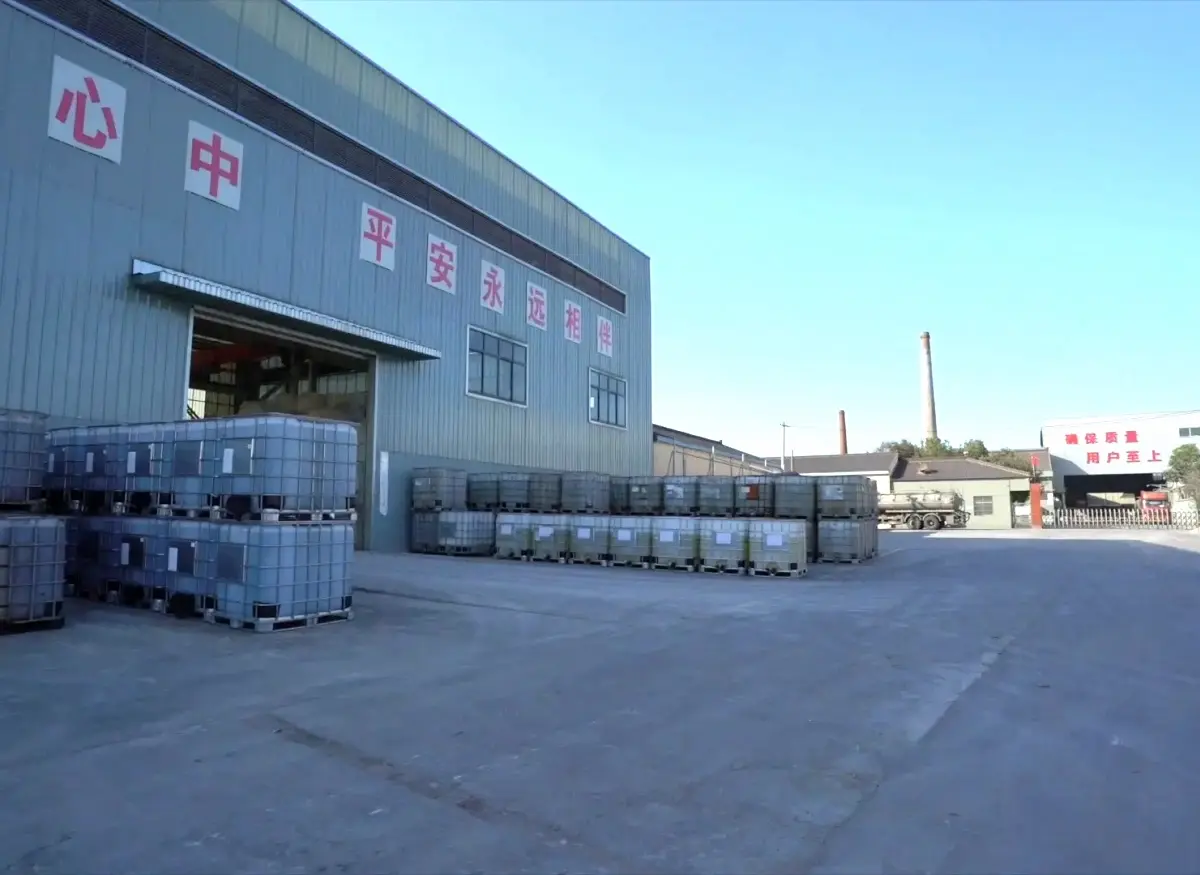
Established in 1998, Wuxi BS Water Treatment Chemicals Co., Ltd. has spent nearly three decades cultivating proprietary synthesis paths for critical water purification agents. We operate at the intersection of chemical engineering safety and ecological compliance, manufacturing high-performance coagulants and flocculants that serve municipal municipal utility boards and heavy industrial processing facilities worldwide.
Potable water production commands an uncompromising margin of safety. Impurities, trace metals, and residual polymers must be kept strictly within regional and international drinking water limits. Our engineering philosophy centers on the precise control of active charge density and polymer chain length. This ensures rapid settling kinetics, reduced sludge volume, and absolute chemical reliability.
“Our chemical products undergo comprehensive quality control loops, certifying that raw materials are converted safely into high-basicity coagulants that meet or exceed global standards for human consumption and industrial process lines.”
An authoritative breakdown of industrial water treatment chemicals, their structural characteristics, and performance parameters.
Municipal and industrial potable water systems depend on specialized chemical interventions to remove suspended particles, dissolve organic carbon, and clear turbidity. Below is the technical breakdown of our primary manufactured lines:

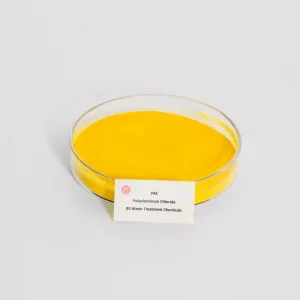
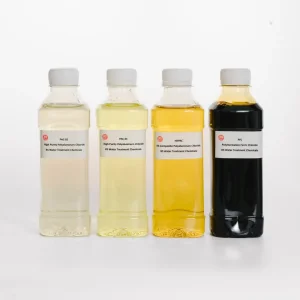
Our high-basicity PAC features a high concentration of active Al13 and Al30 polymeric complexes. The structural charge neutralization profile offers superior destabilization of colloidal impurities at lower dosages than traditional aluminum sulfate.

Characterized by an ultra-high basicity of up to 83%, ACH delivers the highest aluminum content of any alumina-based inorganic coagulant. This maximizes charge neutralization capacity and reduces dissolved solids buildup.

Available in anionic, cationic, and non-ionic configurations. Our PAM lines feature controlled molecular weight distributions to bridge suspended micro-flocs, resulting in rapid shear-resistant settling.

A highly cationic dicyandiamide-formaldehyde condensation polymer. Specifically designed to destabilize, precipitate, and remove highly soluble color bodies and organic compounds from process waste.

A water-soluble linear polymer with high cationic charge density. Formulated to act as a highly effective coagulant aid and primary organic coagulant, working efficiently across a broad pH spectrum.
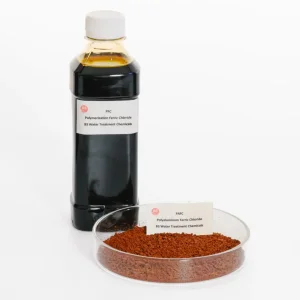
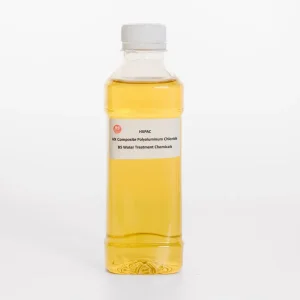
Formulated composite compounds that integrate the rapid coagulation kinetics of polyaluminium complexes with the dense floc-building attributes of ferric compounds for heavy-metal binding.
How our polymer platforms solve complex water quality demands across multiple industrial and municipal systems.
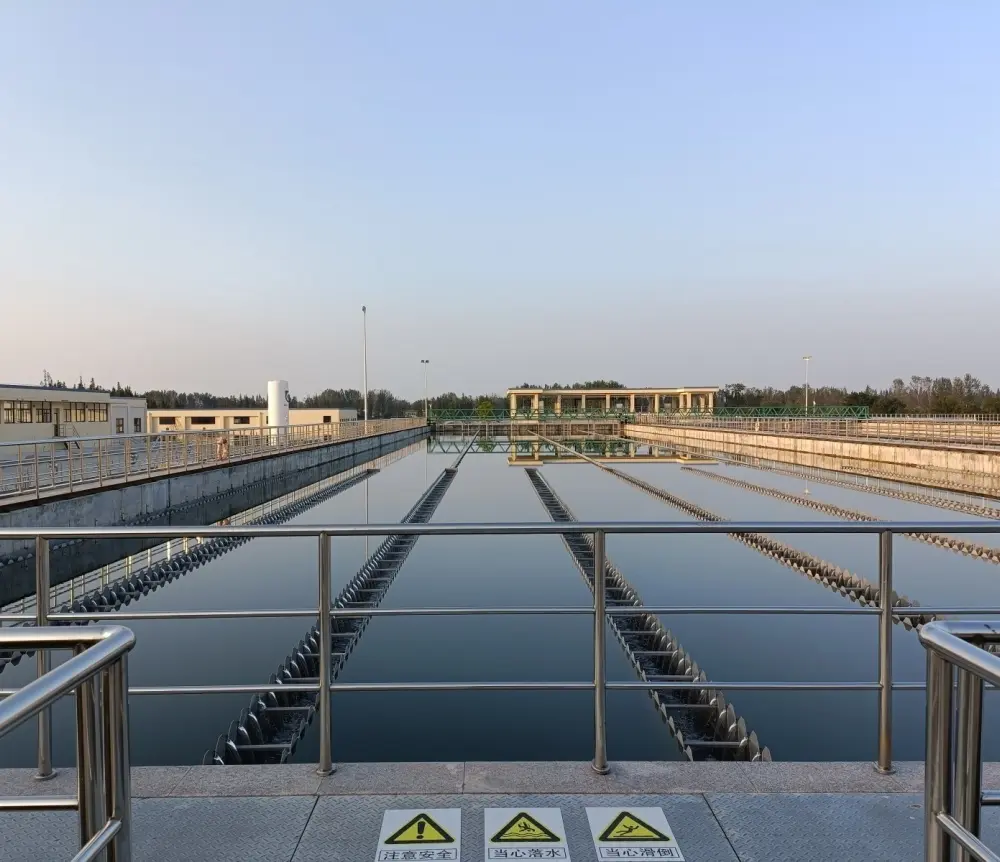
Ensuring absolute compliance with strict drinking water limits through the use of high-purity Polyaluminium Chloride (PAC-01) and Aluminum Chlorohydrate (ACH). Designed to yield ultra-low residual aluminum and minimize sludge volumes.
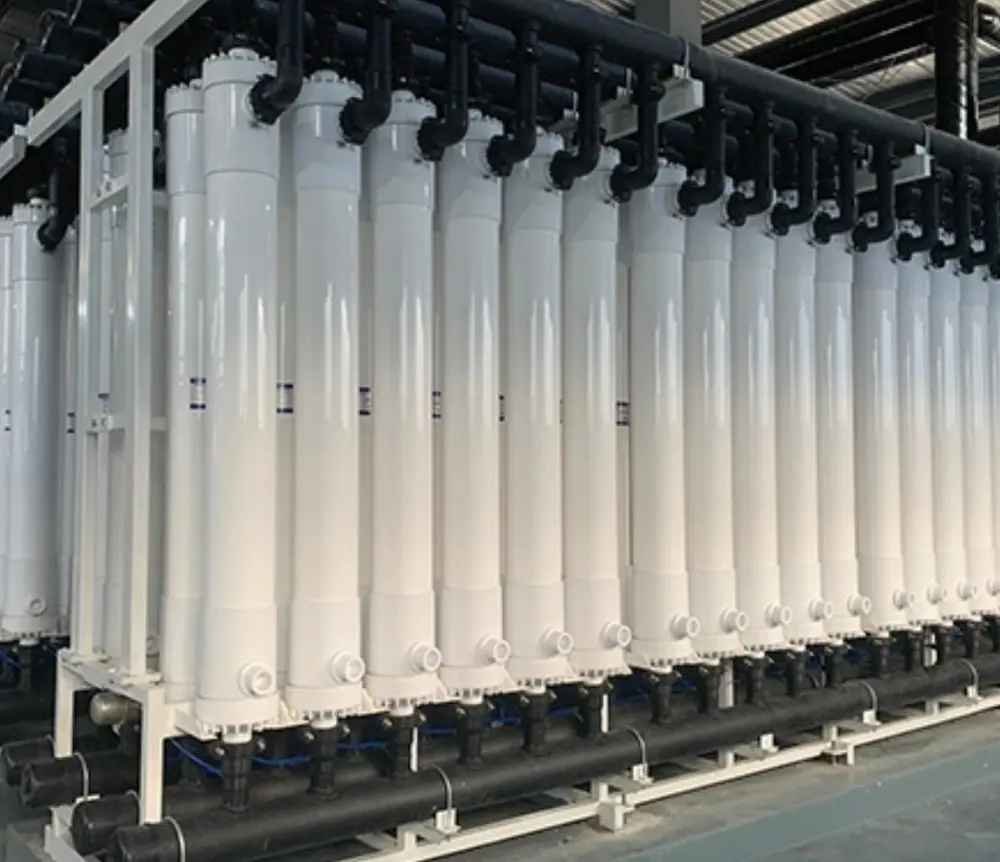
Pre-conditioning surface feeds prior to ultrafiltration (UF) and reverse osmosis (RO) systems. Our coagulants prevent colloidal fouling and organic loading, extending membrane operational life cycles.
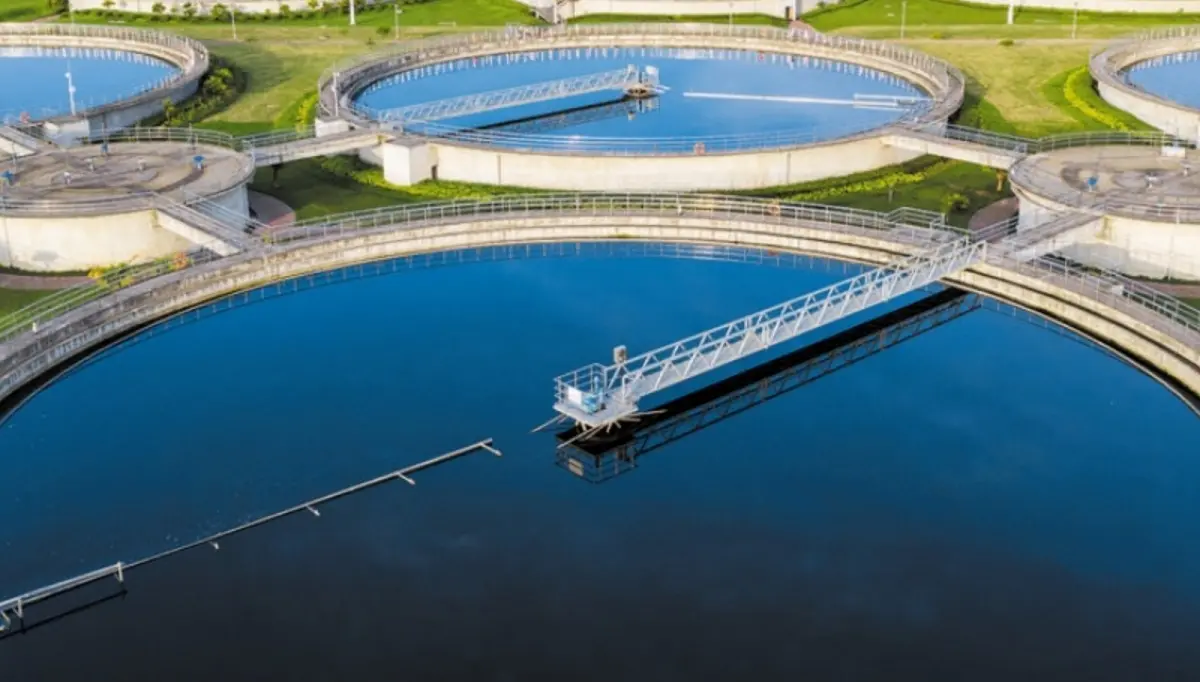
Deploying advanced Cationic Polyacrylamide (CPAM) and PDADMAC lines for rapid sludge conditioning and belt press dewatering, transforming slurry streams into easily handled dry cakes.

Formulating high-molecular-weight friction reducers and polymer flooding agents to optimize tertiary oil recovery and resolve challenging oil-water emulsions in produced water.
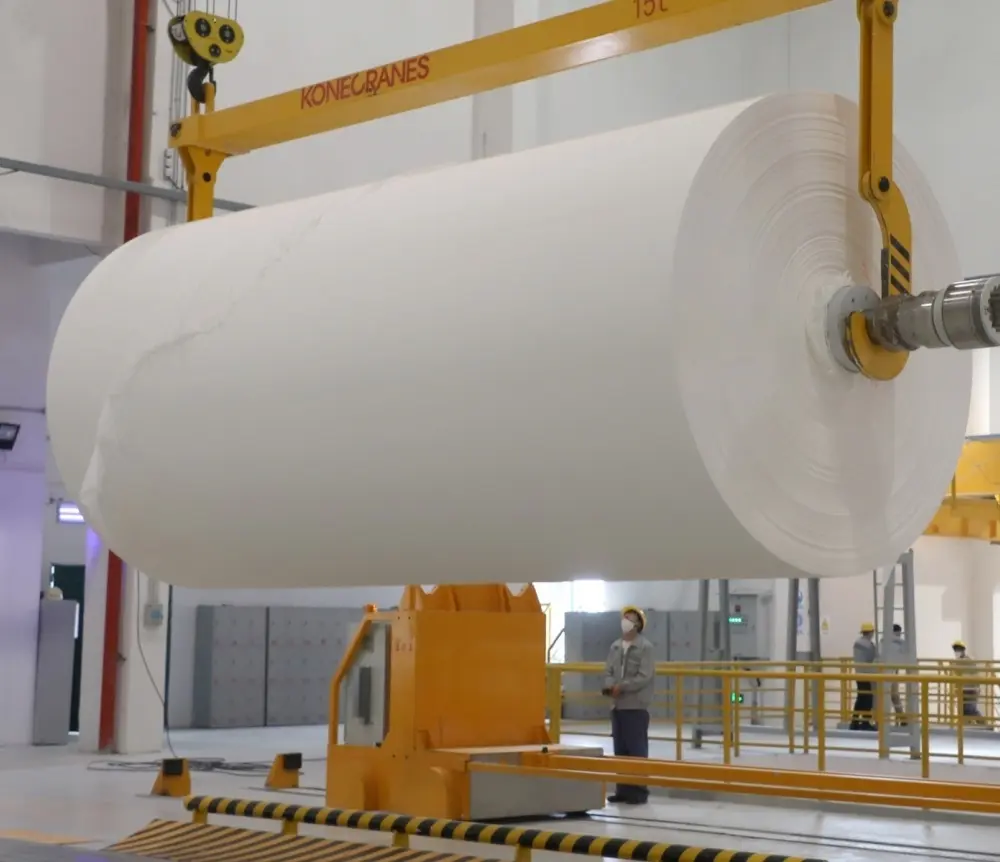
Delivering high-charge cationic retention aids and functional drainage additives that improve sheet formation, fiber recovery, and chemical utilization in modern closed-loop paper mills.
Treating highly colored and complex wastewater streams from textile dye houses, tanneries, and chemical processing plants using target-specific Water Decolorizing Agents (WDA).
How automation, massive warehousing, and proximity logistics protect your continuous operations.
Industrial water purification cannot tolerate supply chain interruptions. A delay in coagulant or flocculant shipments can lead to immediate operational halts in municipal systems and power generation plants. Wuxi BS has designed a robust production and logistical network to prevent these critical vulnerabilities.
Our manufacturing complex features digital dosing systems, automated reactor loops, and high-capacity spray drying towers. Real-time control of polymerization temperatures and monomer feed rates ensures that every batch of Polyacrylamide (PAM) and Polyaluminium Chloride (PAC) achieves precise molecular weight distributions and charge density specs.
By removing human variability from the reaction phase, we achieve consistent performance from batch to batch. This level of control is essential for automated dosing plants that rely on stable chemical behavior to optimize their operations.
We maintain a constant stock of over 20,000 tons of finished products across our warehouse network. This inventory acts as a reliable safeguard against fluctuations in raw material pricing and sudden spikes in global shipping demand.
With an annual sales volume exceeding 500,000 tons, our factory operates with strong economies of scale. We pass these cost efficiencies directly to our distribution and municipal partners through competitive wholesale pricing.
Aligning raw water chemistry with localized system profiles and application engineering.
Global procurement teams must look beyond simple raw material costs. Modern water treatment optimization requires matching chemical profiles directly to localized water matrices. Seasonal changes in temperature, organic loading, and turbidity mean that a single off-the-shelf polymer formula rarely delivers optimal results year-round.
Jar Testing & Application Customization: Wuxi BS provides a full suite of analytical support. Our laboratory engineers evaluate client water samples to determine the optimal active substance concentrations, basicity levels, and ionic charge ratios for their specific operations.
Our custom synthesis options allow municipal and industrial plants to target specific impurities, whether that means binding heavy metals with Polymeric Aluminium Ferric Chloride (PAFC) or removing fine organic colloids with customized PDADMAC formulas. By optimizing dosage rates, operations can reduce chemical costs, minimize sludge volumes, and extend the life of their filtration membranes.
Developing next-generation water chemicals focused on carbon neutrality and reduced environmental footprints.
The future of water chemistry is defined by efficiency and sustainability. Wuxi BS is actively researching new polymer structures to meet changing environmental regulations and support global decarbonization efforts:
Rigorous quality controls certified by independent international testing bodies.
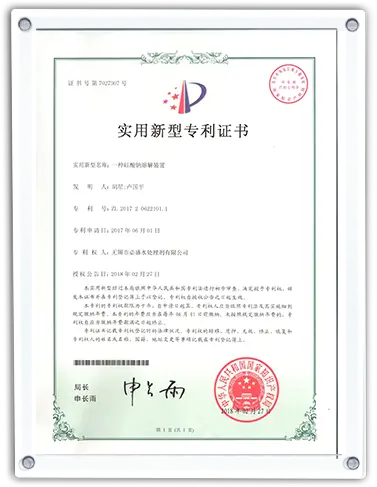
Quality management system certification for consistent manufacturing.
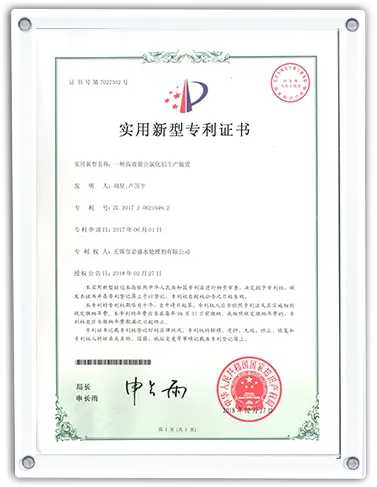
Environmental management standard compliant production.
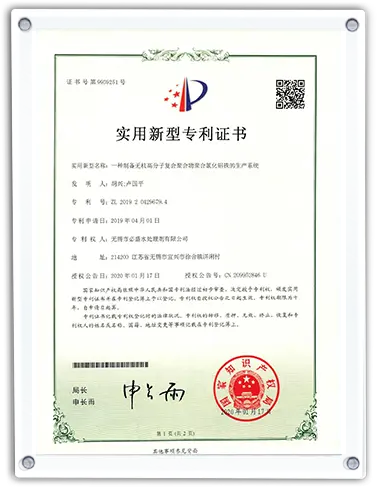
Occupational health and safety management certification.
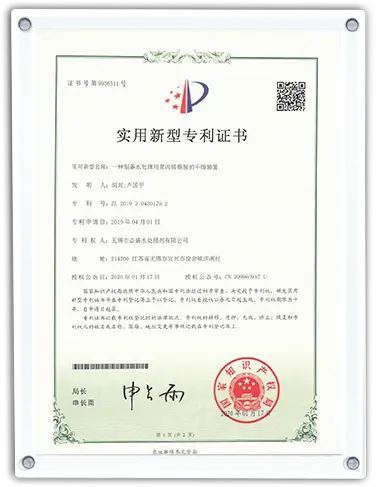
Verified chemical purity and trace heavy metal limits.
Over two decades of research and scale expansion, building a foundation for global export supply.
Wuxi Bisheng Water Treatment Agent factory was established, initiating the synthesis of foundational aluminum-based coagulants.
Renamed to Wuxi Bisheng Water Treatment Agent Co., Ltd. following major equipment upgrades and expansion of the organic polymer production lines.
Launched global export operations, supplying bulk water purification agents to international distributors and industrial users.
Annual export sales exceeded 10 million USD, establishing Wuxi BS as a key supplier in global water treatment networks.
Formalized the expansion of the dedicated foreign trade division, integrating technical support directly with global logistics networks.
Continuing the rollout of automated solid feeding equipment and low-carbon chemical solutions to support sustainable water treatment globally.
Answers to key technical questions on coagulant selection, storage, and application engineering.
PAC-01 is manufactured via advanced spray-drying techniques using high-purity aluminum hydroxide and synthetic hydrochloric acid. It typically features an Al2O3 content exceeding 30% and an extremely low heavy metal profile (arsenic and lead below 2ppm), making it suitable for municipal potable water treatment. Standard grades, containing higher insoluble matter and heavy metal levels, are suited for industrial process water and wastewater treatment.
Basicity indicates the degree of polymerization of the hydroxyl groups relative to aluminum. High basicity (typically 60-85%) means the PAC contains a higher concentration of highly charged polynuclear complexes like [Al13O4(OH)24(H2O)12]7+. This results in stronger electrostatic charge neutralization, faster settling flocs, lower consumption of alkalinity in raw water, and reduced post-treatment pH adjustment requirements.
ACH, with a basicity up to 83% and an Al2O3 equivalent of 23-24% in liquid form, is the most concentrated liquid aluminum coagulant available. It is preferred when dealing with low-turbidity, high-color raw water, or where shipping costs make highly concentrated liquid products more economical. ACH also minimizes sludge generation and reduces pH fluctuations in treated water compared to standard PAC.
Ionic charge selection is based on the surface charge of the suspended solids. Anionic PAM (APAM) is typically used for mineral slurries, coal washing, and inorganic wastewater with positively charged particles. Cationic PAM (CPAM) is selected for organic sludge dewatering (sewage sludge, food processing waste) where the solids carry a negative charge. Non-ionic PAM is used in acid or neutral systems and highly structured clays.
Our WDA is a highly cationic dicyandiamide-formaldehyde condensation copolymer. In textile dye wastewater, the polymer's strong positive charge attracts and binds to the anionic chromophores of reactive, acid, or disperse dyes. This forms large, insoluble complexes that precipitate out of solution, removing color and reducing Chemical Oxygen Demand (COD) in the process effluent.
Solid polymers like PAM and PAC should be stored in cool, dry, and well-ventilated areas, protected from moisture and direct sunlight. Under these conditions, solid polymers maintain their activity for up to 24 hours after dissolution, and have a shelf life of up to 2 years in original packaging. Liquid coagulants should be stored in corrosion-resistant tanks (FRP, HDPE, or rubber-lined steel) to prevent contamination and degradation.
Updates from Wuxi BS regarding digital product additions and technical innovation milestones.
 Sep 09, 2025
Deepening our reach in global distribution networks, Wuxi BS continues to expand its supply of high-basicity coagulants across Southeast Asia and South America, supporting both municipal infrastructure and heavy industrial operations.
 Aug 21, 2025
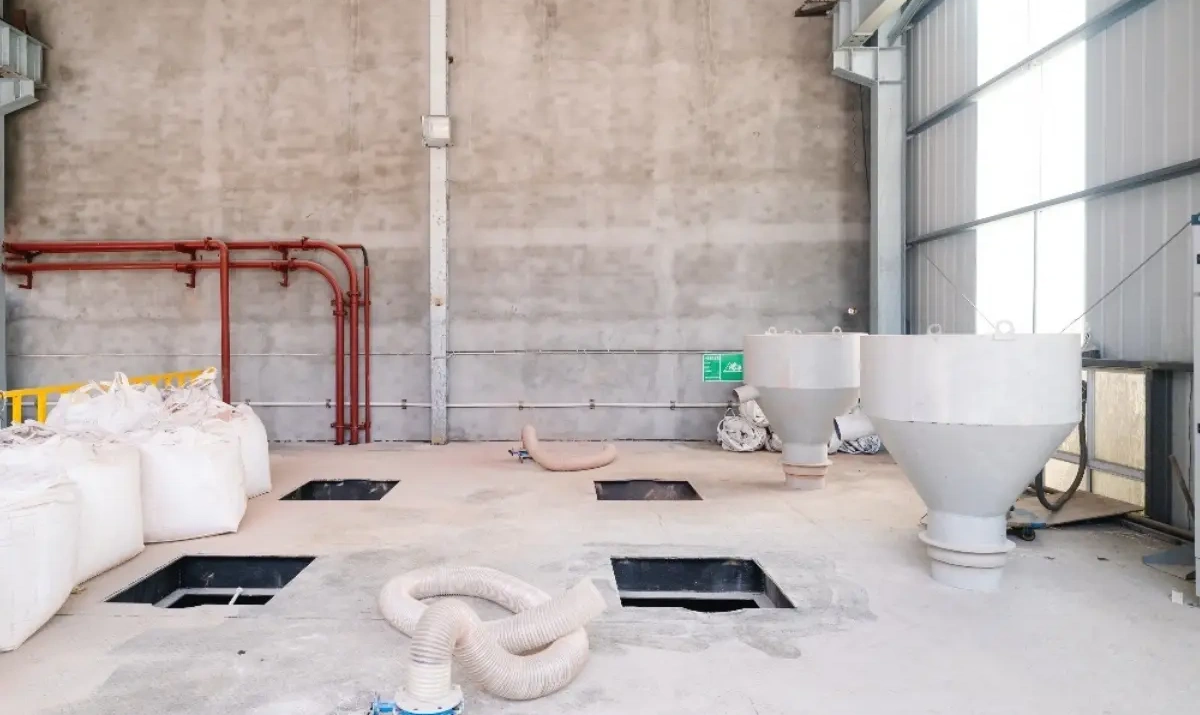
Improving operational safety, Wuxi BS has integrated automated dry-chemical feed systems. These digital dosing loops improve dissolving efficiency and reduce polymer handling losses for our municipal partners.
 Aug 21, 2025
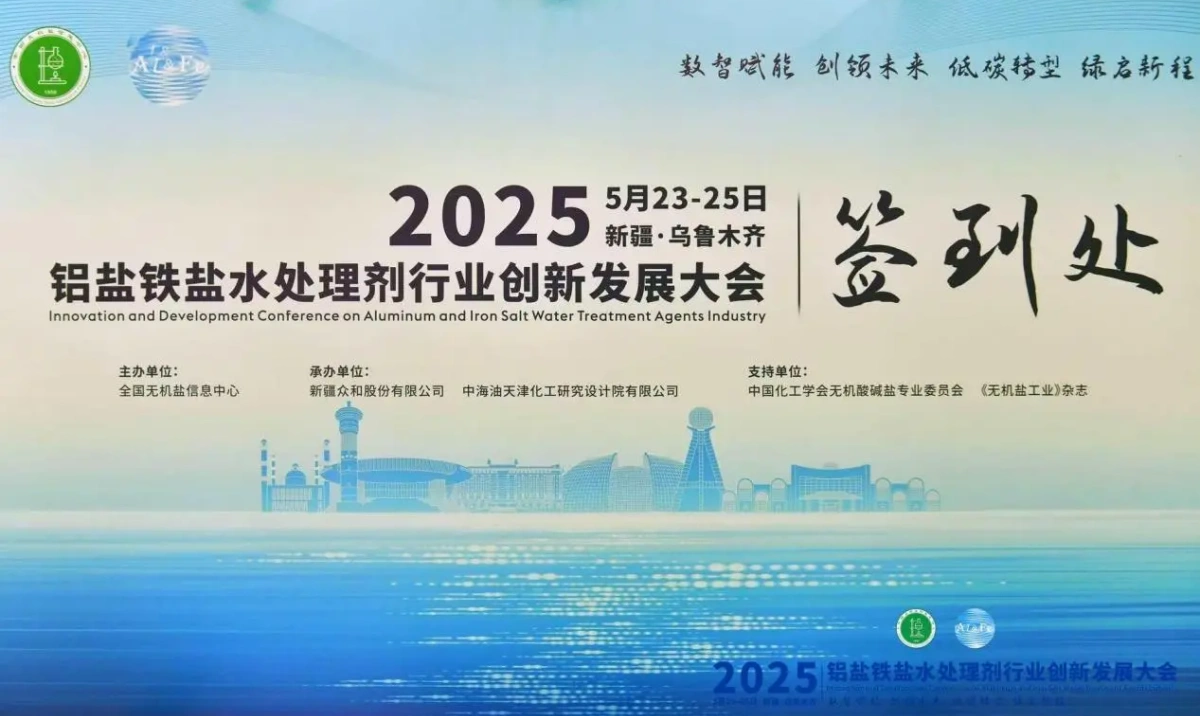
Wuxi BS participated in key research panels discussing next-generation composite coagulants, focusing on reducing chemical use and carbon footprints in large-scale drinking water treatment plants.
Our technical team can help you select the right chemicals for your system, optimize dosing rates, and arrange bulk sample evaluations.
 Tel: +86 13584221461
 Email: [email protected]
Explore our complete range of specialized chemicals, composite blends, and polymer products.
 BS Water