Wholesale Anionic Polyacrylamide (APAM) for Water Treatment – Top China Suppliers & Factory for Effective Flocculants Manufacturers, Factories

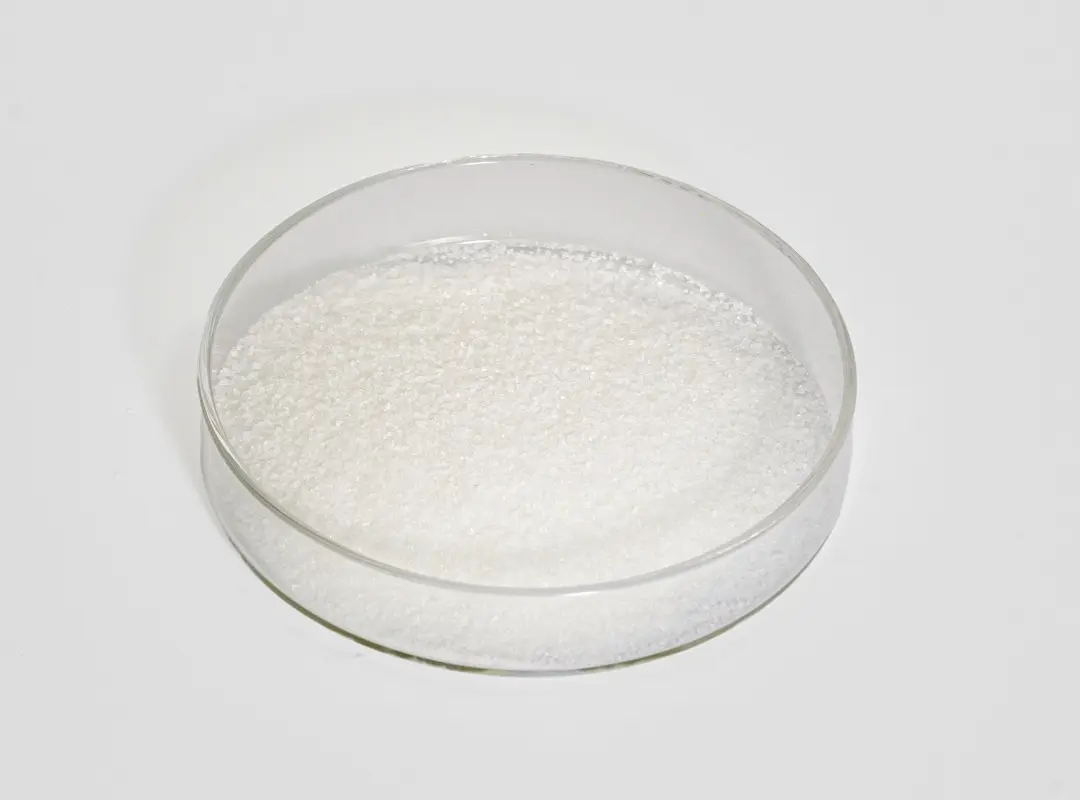
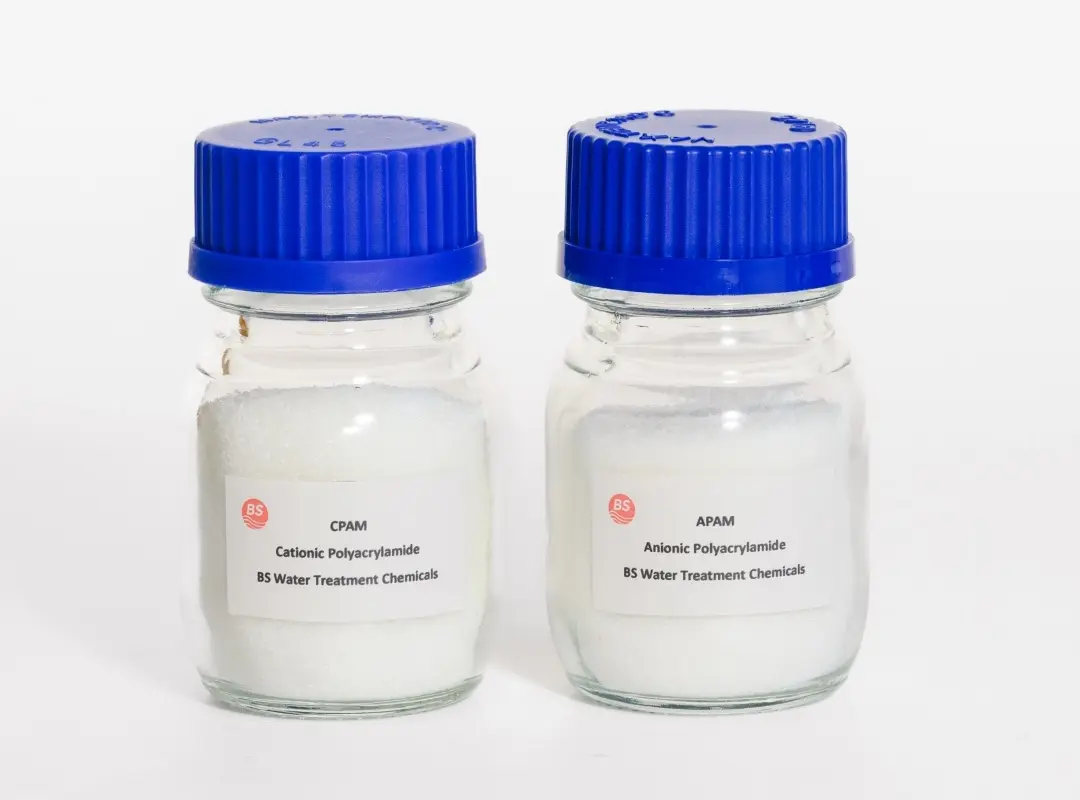
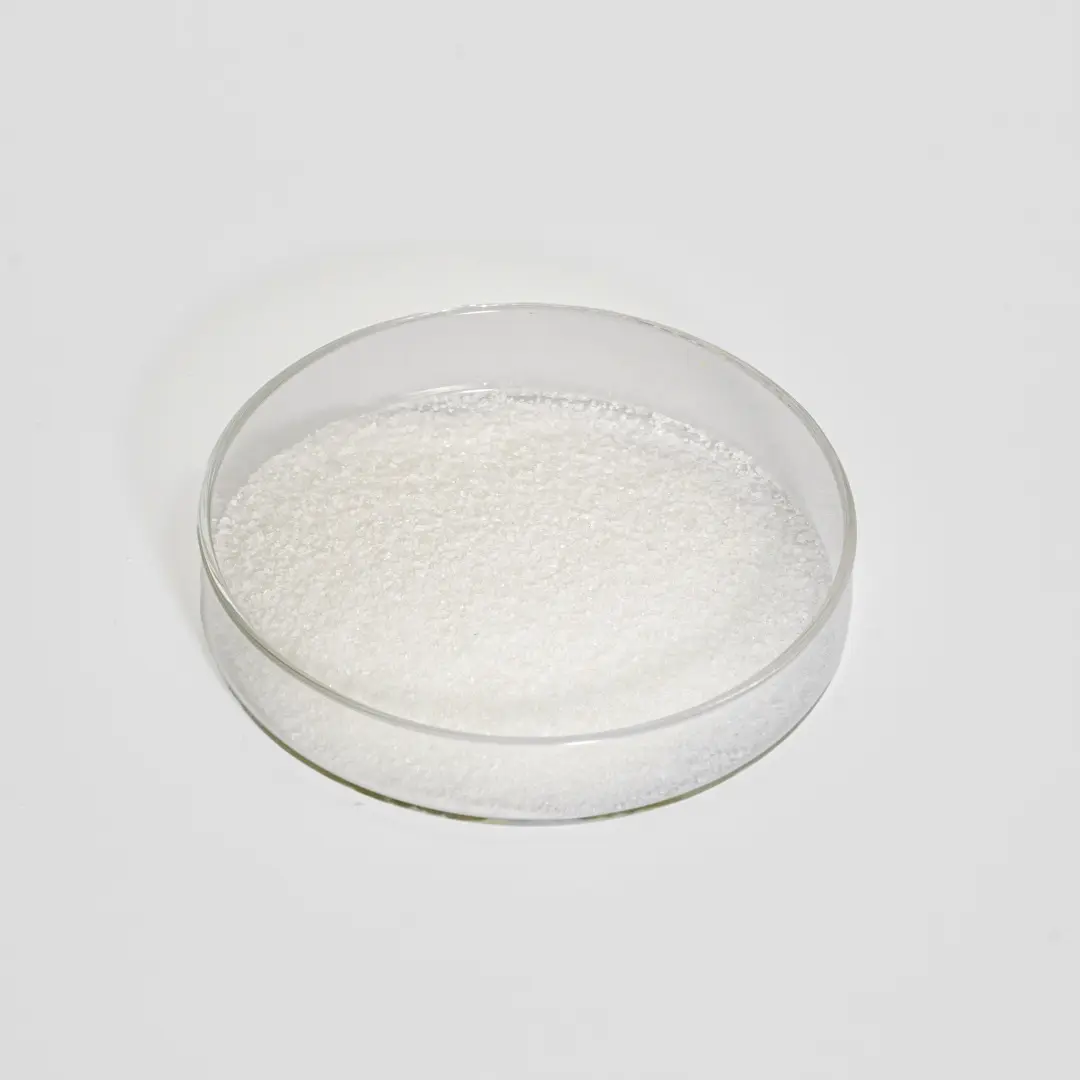
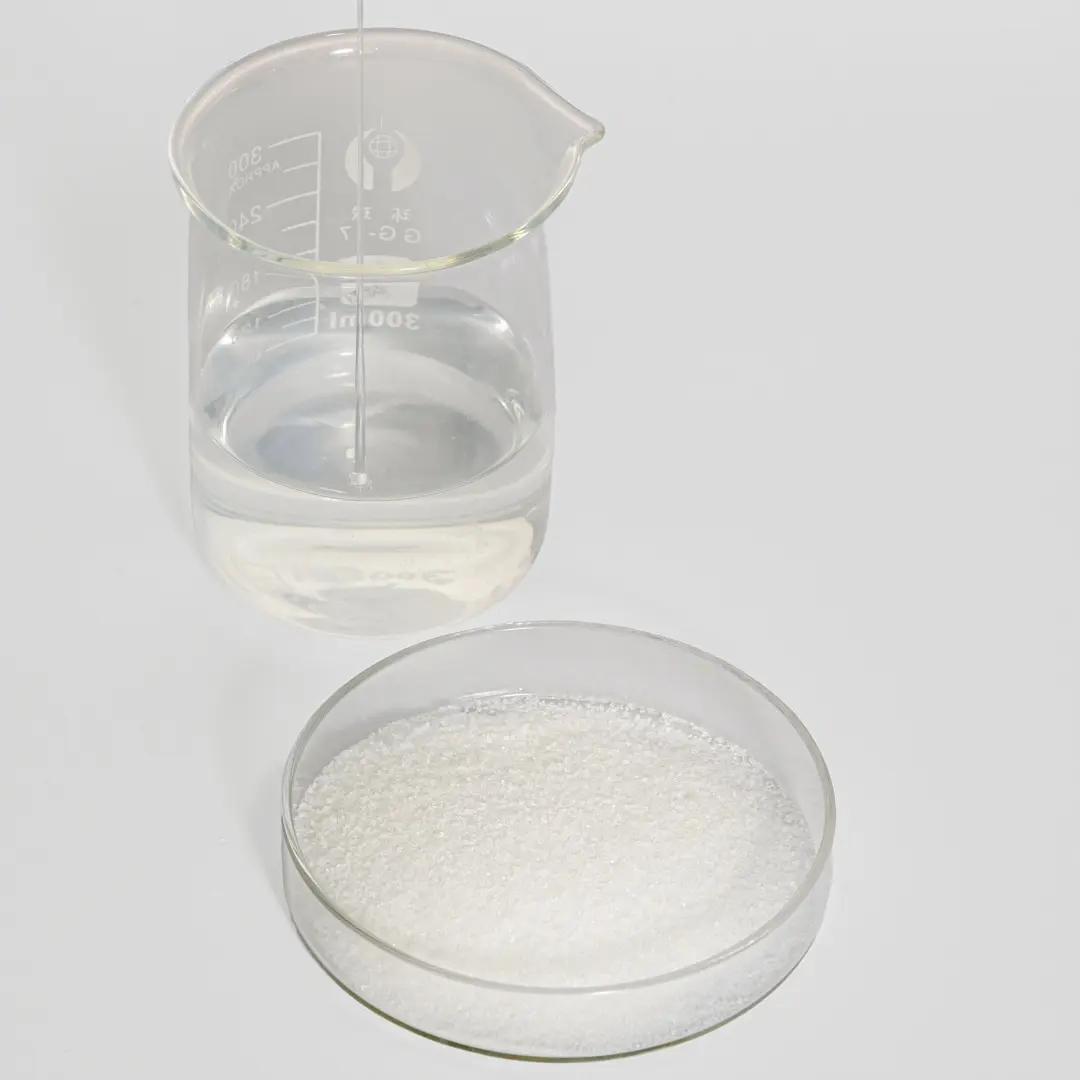
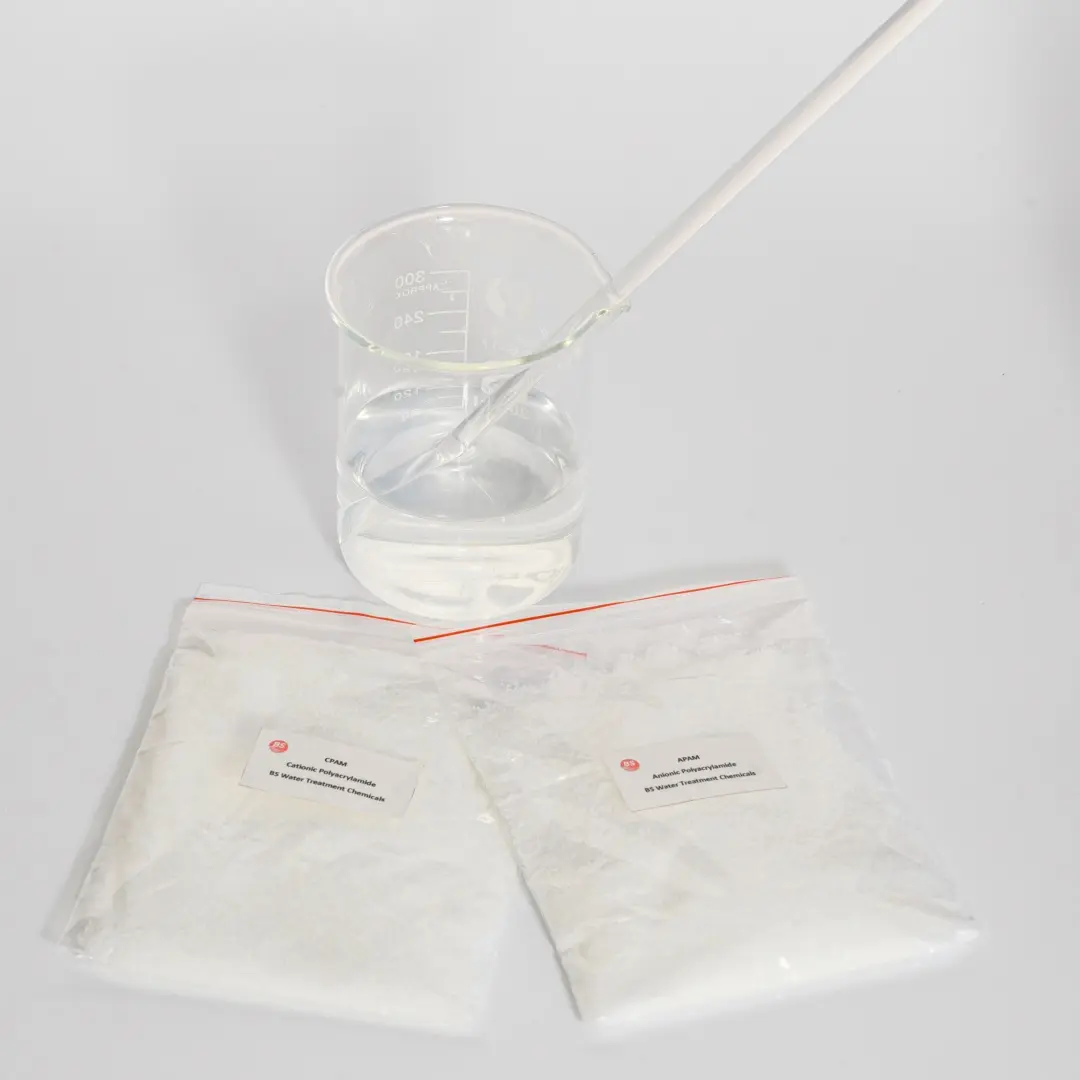
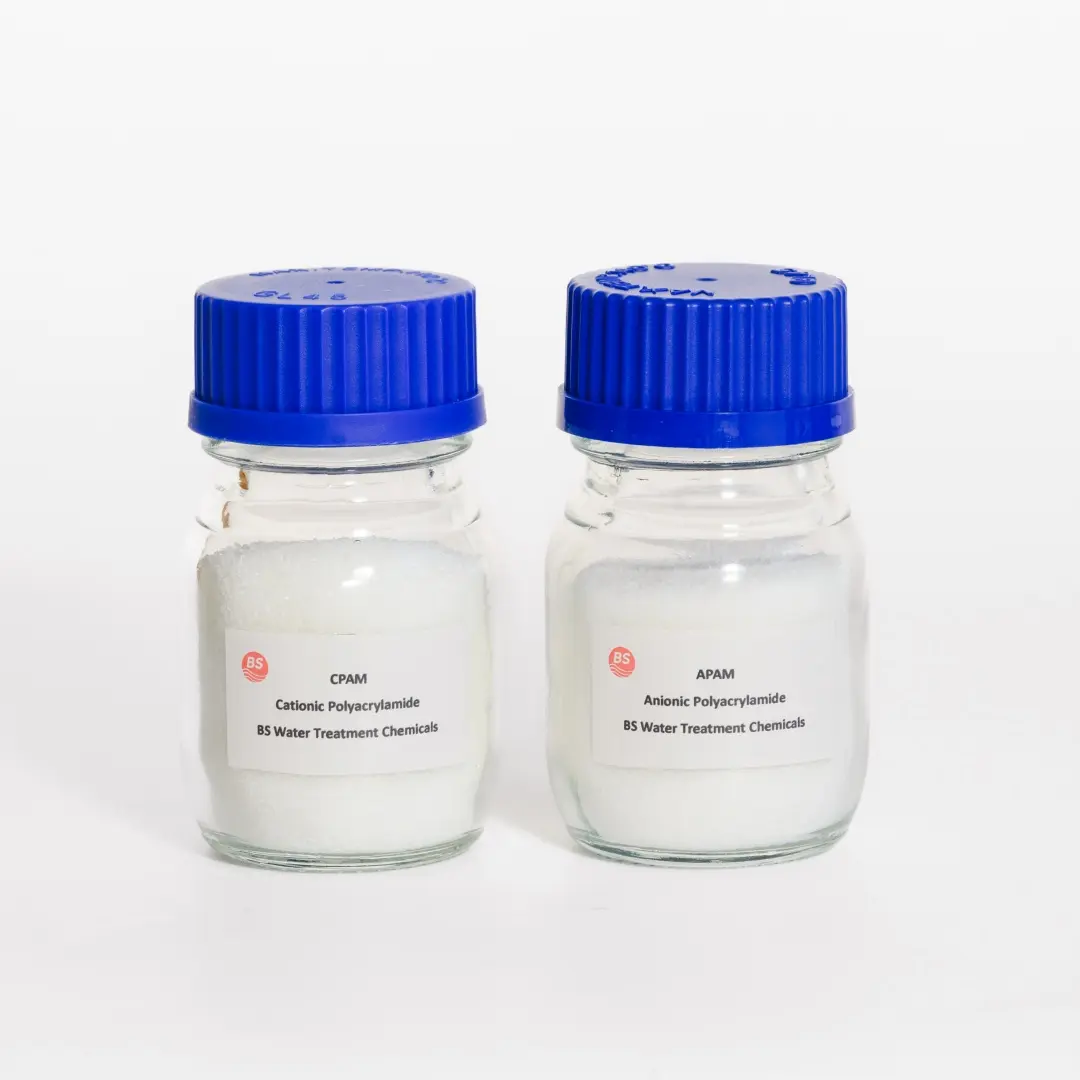
Anionic Polyacrylamide (commonly referred to as APAM) is a highly effective water-soluble polymer characterized by negatively charged molecular chains (-COO⁻). It plays a crucial role in water treatment processes, particularly through the electrical neutralization + adsorption bridging mechanism. This allows APAM to interact with positively charged suspended solids such as sediments and colloids, as well as colloidal particles like iron hydroxide, facilitating rapid coagulation and precipitation. This makes Anionic Polyacrylamide an essential flocculant for high-turbidity applications, including municipal sewage treatment, papermaking wastewater management, and mining wastewater processing. As a leading supplier and manufacturer in China, our factory produces high-quality APAM tailored to meet various industrial needs, ensuring effective solutions for clear water and efficient waste management

Product Description

Core Features

🎯 Precise Molecular Weight Control: The molecular weight of anionic PAM ranges from 12 million to 20 million (adjustable), with long and uniform molecular chains, showing significant flocculation effects on high-turbidity wastewater (turbidity ≤ 5000 NTU), and the turbidity removal rate is ≥ 95%.
⚡ Fast Dissolution, Low Residue: The dissolution time of powder PAM ≤ 60 minutes (at room temperature), after dissolution, the flocs are large and settle quickly (settling speed is 25%–40% faster than conventional products), and it works better when used in combination with PAC. Water insoluble matter ≤ 0.5%.
Anionic polyacrylamide (APAM) (1)
Anionic polyacrylamide (APAM) (5)
🛡️ Strong Tolerance: Resistant to acid and alkali (pH 5–10), has a stable effect on papermaking black liquor (high alkalinity) and mine acidic wastewater (low pH), and does not corrode pipes or equipment.

Technical Parameters

Parameter Index
Industrial Grade Drinking Water Grade
Al₂O₃ Content, % ≥ 28.0 29.0
Basicity, % 20 ~ 98 45.0 ~ 90.0
Mass fraction of insoluble substances, % ≤ 0.4 0.1
pH (10g/L aqueous solution) 3.5 ~ 5.0 3.5 ~ 5.0
Mass fraction of Fe, % ≤ 1.5 0.2
Mass fraction of As, % ≤ 0.0005 0.0001
Mass fraction of Cr, % ≤ 0.005 0.0005
Mass fraction of Hg, % ≤ 0.00005 0.00001
Mass fraction of Pb, % ≤ 0.002 0.0005
Mass fraction of Cd, % ≤ 0.0005 0.0001

Application Area

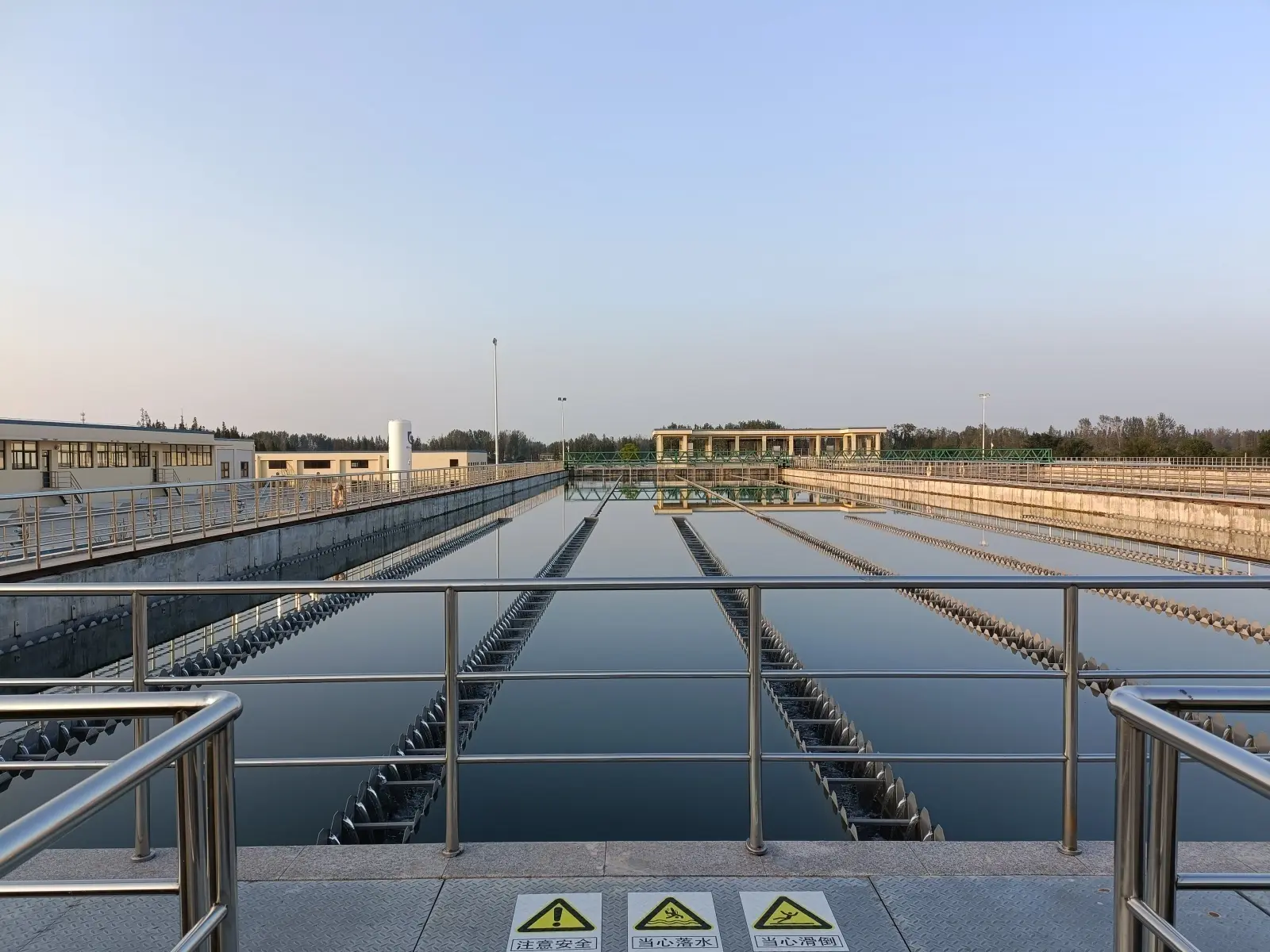
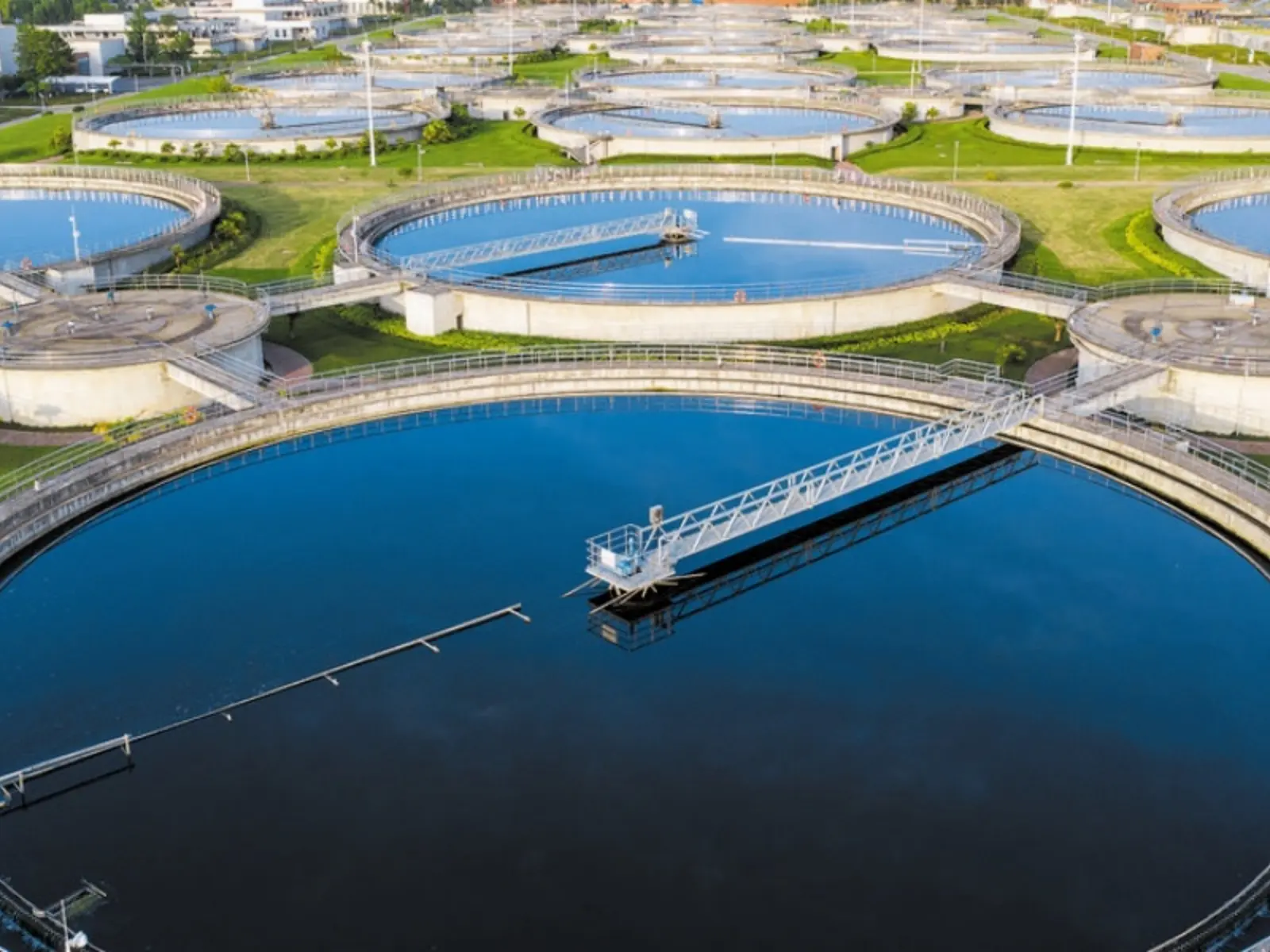
Municipal Sewage: Flocculation in the primary sedimentation tank and secondary sedimentation tank of urban domestic sewage treatment plants to reduce SS (suspended solids) to below 10 mg/L.
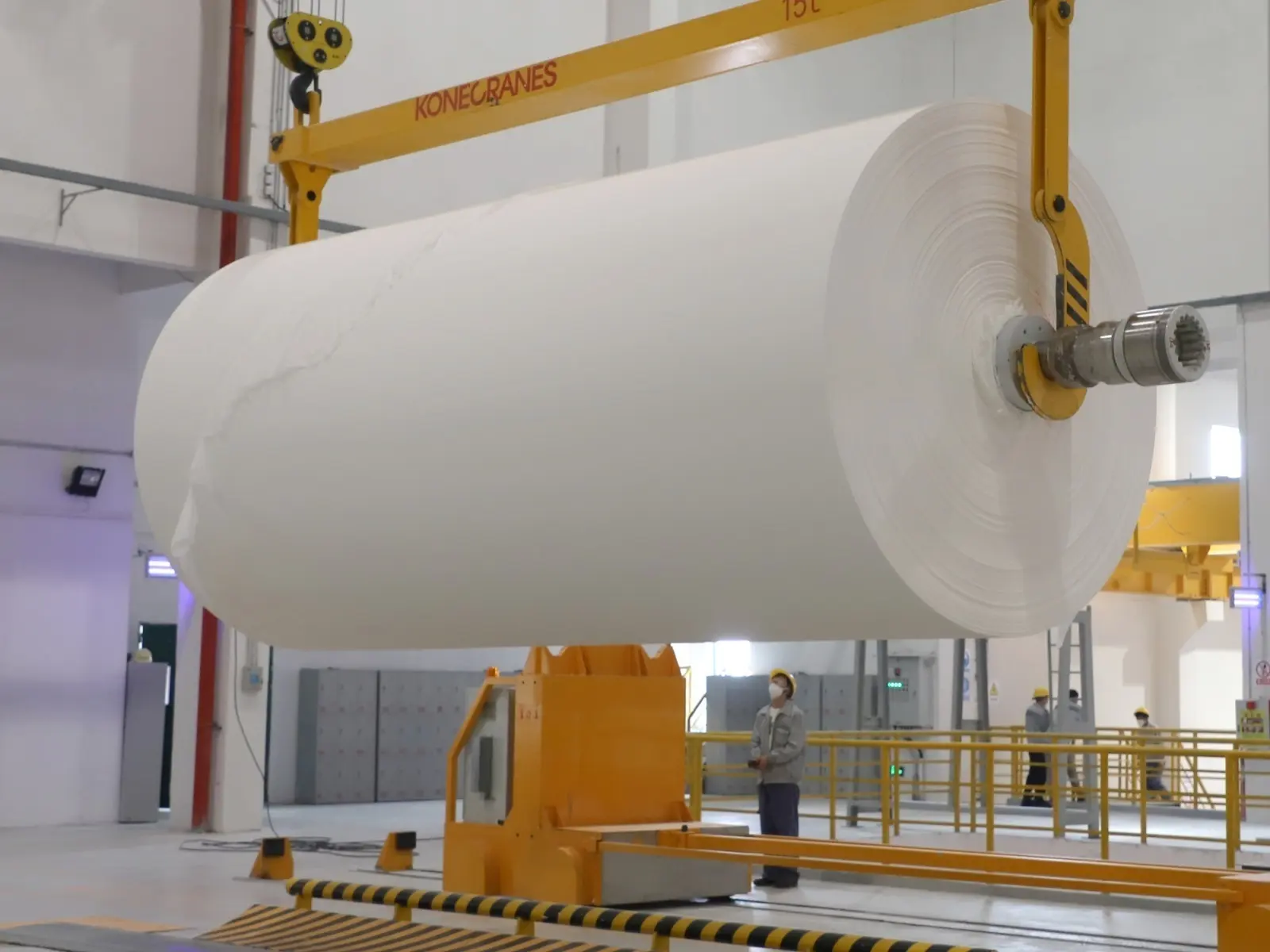
Paper Mill Wastewater: Delignification of pulping black liquor, white water recovery (fiber collection rate increased by 15%–20%).
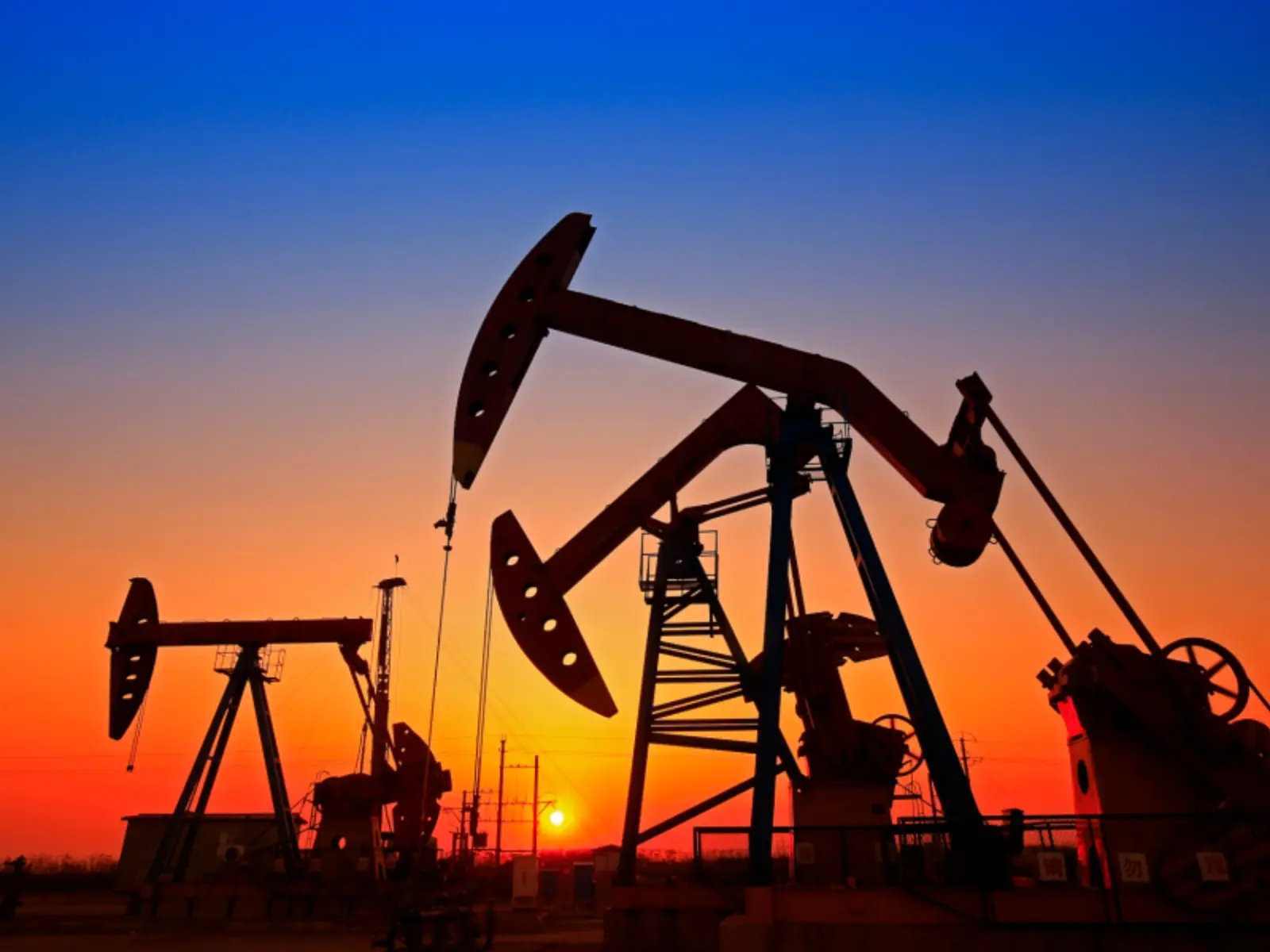
Mine / Coal Washing Wastewater: Clarification of coal slurry water (collection rate of flotation clean coal increased by 8%–12%), flocculation and sedimentation in tailings pond.
Building Materials Wastewater: Production wastewater from cement plants and ceramic factories removes suspended solids (turbidity reduced from 2000 NTU to 50 NTU).
Application (3)
Application (1)
Application (5)
Application (2)

Packaging and Storage

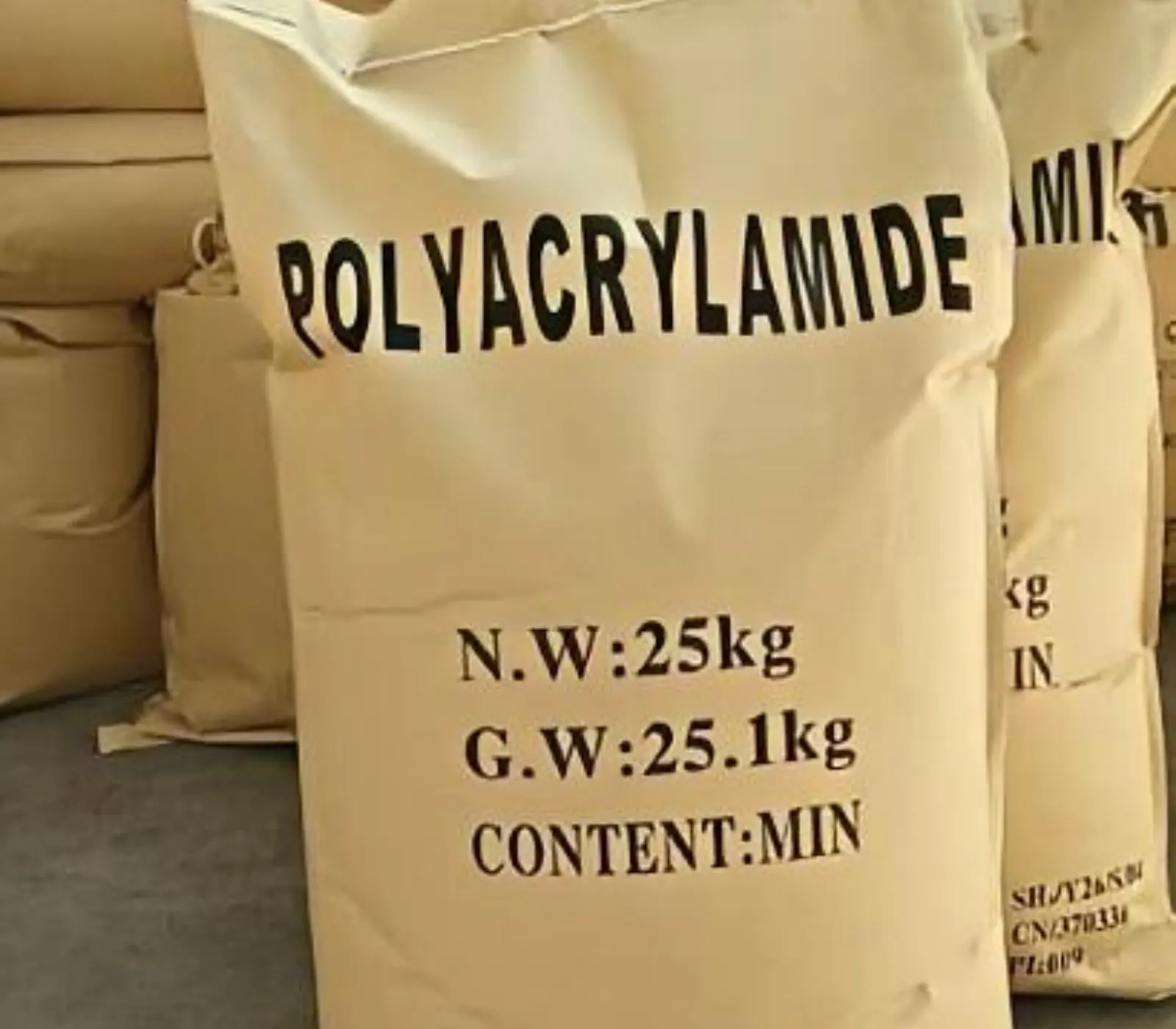
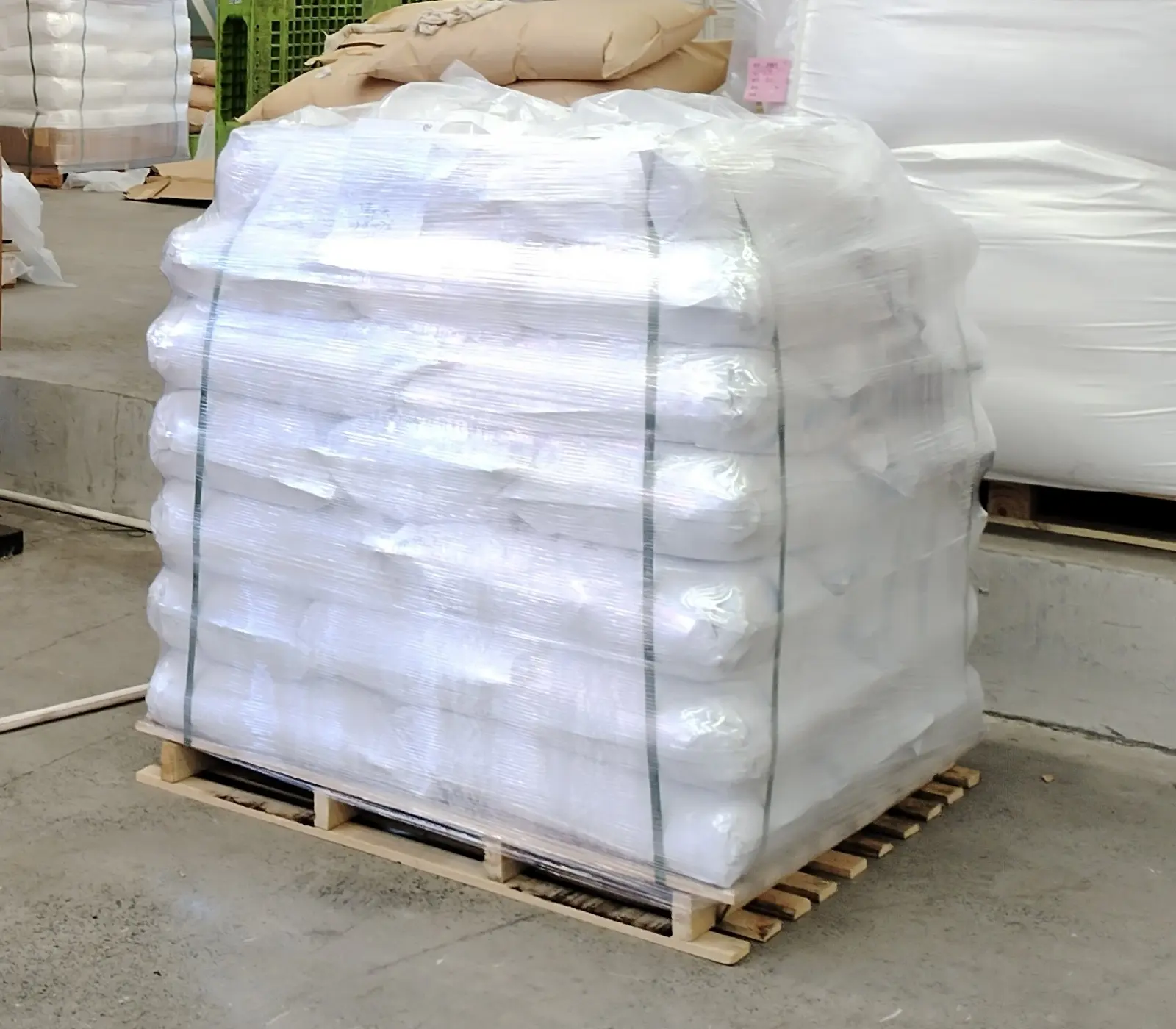
📦 Solid Powder: 25 kg woven bag lined with plastic bag / 1 ton jumbo bag (customizable English / customer logo packaging available).
🌡️ Storage Conditions: Store in a cool, dry place (temperature ≤ 35°C), avoid direct sunlight; the shelf life of the solid is 2 years (unopened).
PAM English packaging (3)
Solid pallet

Frequently Asked Questions

Q1
What is the molecular weight range of anionic PAM, and how does it affect performance?
Anionic PAM (APAM) has an adjustable molecular weight ranging from 12 million to 20 million. Higher molecular weight products produce longer polymer chains, which are more effective at bridging and flocculating fine suspended particles in high-turbidity wastewater (up to 5000 NTU), achieving a turbidity removal rate of ≥ 95%.
Q2
What pH range is anionic PAM suitable for?
Anionic PAM is resistant to both acid and alkali, maintaining stable performance across a pH range of 5 to 10. This makes it suitable for treating papermaking black liquor (high alkalinity) as well as mine acidic wastewater (low pH) without corroding pipes or equipment.
Q3
How long does it take to dissolve anionic PAM powder, and what is the recommended method?
At room temperature, anionic PAM powder dissolves in ≤ 60 minutes. It is recommended to slowly add the powder to water while stirring continuously to avoid clumping. For best results, use with PAC (Polyaluminum Chloride), which enhances floc formation, resulting in larger flocs and a settling speed 25%–40% faster than conventional products.
Q4
What industries can anionic PAM be applied to?
Anionic PAM is widely used across multiple industries, including municipal sewage treatment (reducing SS to below 10 mg/L), paper mill wastewater (white water recovery with 15%–20% improved fiber collection), mine and coal washing wastewater (8%–12% improved flotation clean coal collection rate), and building materials wastewater from cement and ceramic factories (turbidity reduced from 2000 NTU to 50 NTU).
Q5
What packaging options are available, and what are the storage requirements?
Anionic PAM is available in 25 kg woven bags lined with plastic bags, or 1-ton jumbo bags. Custom English labeling and customer logo packaging are also available. Products should be stored in a cool, dry environment at temperatures ≤ 35°C, away from direct sunlight. The shelf life of unopened solid PAM is 2 years.
Q6
What is the difference between Industrial Grade and Drinking Water Grade anionic PAM?
The main differences lie in purity and heavy metal content. Drinking Water Grade has a higher Al₂O₃ content (≥ 29.0% vs. ≥ 28.0%), stricter limits on heavy metals such as Fe (≤ 0.2% vs. ≤ 1.5%), As, Cr, Hg, Pb, and Cd, and a lower insoluble substance fraction (≤ 0.1% vs. ≤ 0.4%), ensuring it meets the safety standards required for potable water treatment applications.

Related Products