 BS Water
Macro-Industrial Wastewater Paradigm: Coagulation Dynamics and China’s Factory Advantage
In the contemporary landscape of global manufacturing, municipal growth, and ecological accountability, the optimization of sewage treatment systems has evolved from a regulatory checkbox to a core element of ESG (Environmental, Social, and Governance) strategies. The selection of precise polymer and coagulant matrices determines not only compliance with stringent regional standards—such as the European Union's Urban Waste Water Treatment Directive or the US EPA’s National Pollutant Discharge Elimination System (NPDES)—but also the direct operational efficiency, energy usage, and cost overhead of the primary wastewater infrastructure.
Chemical Mechanics: Understanding Coagulation and Flocculation
Coagulation and flocculation represent the heart of physical-chemical wastewater treatment. Suspended particles in sewage carry net negative electrical charges, forming stable colloidal suspensions that resist gravity settling. China’s premier chemical manufacturing units target this stability via two primary pathways:
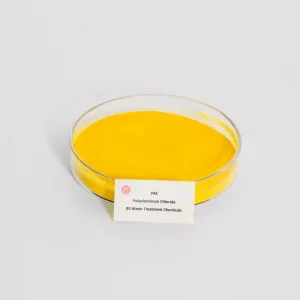
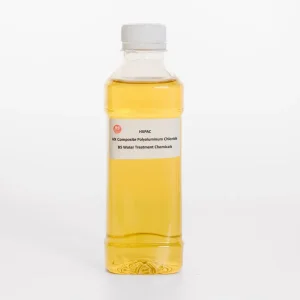
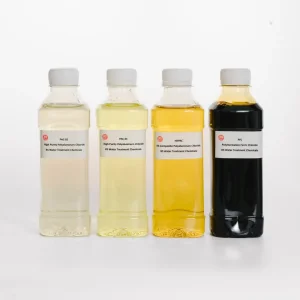
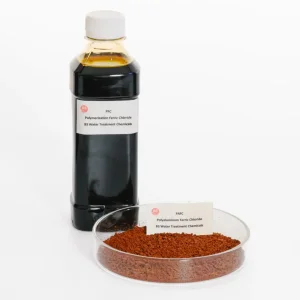
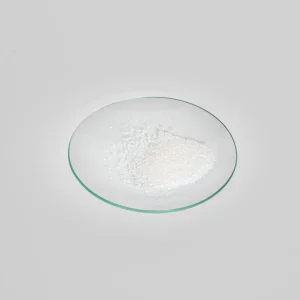
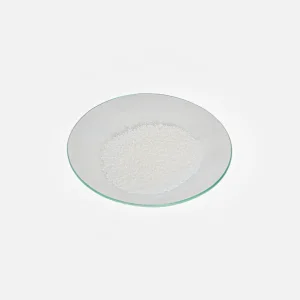
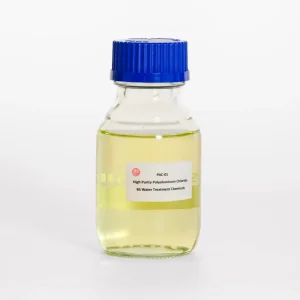
- Charge Neutralization: Multi-valent inorganic metallic salts like Polyaluminium Chloride (PAC) and Polymeric Aluminium Ferric Chloride (PAFC) introduce positively charged polynuclear aluminum/iron complexes. These neutralize the negative surface charge of the suspended solids, allowing them to collide and coalesce into microflocs.
- Polymer Bridging: Long-chain organic polymers, specifically Cationic Polyacrylamide (CPAM) and Anionic Polyacrylamide (APAM), extend active chains into the liquid medium. The functional groups on these chains adsorb onto multiple microflocs, bridging them into dense, rapid-settling macroflocs that withstand hydraulic shear forces.
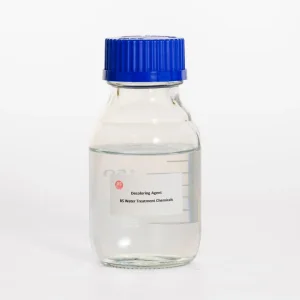
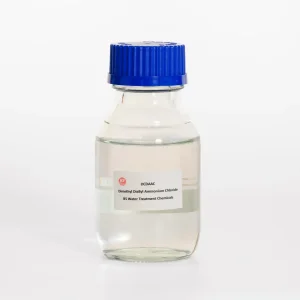
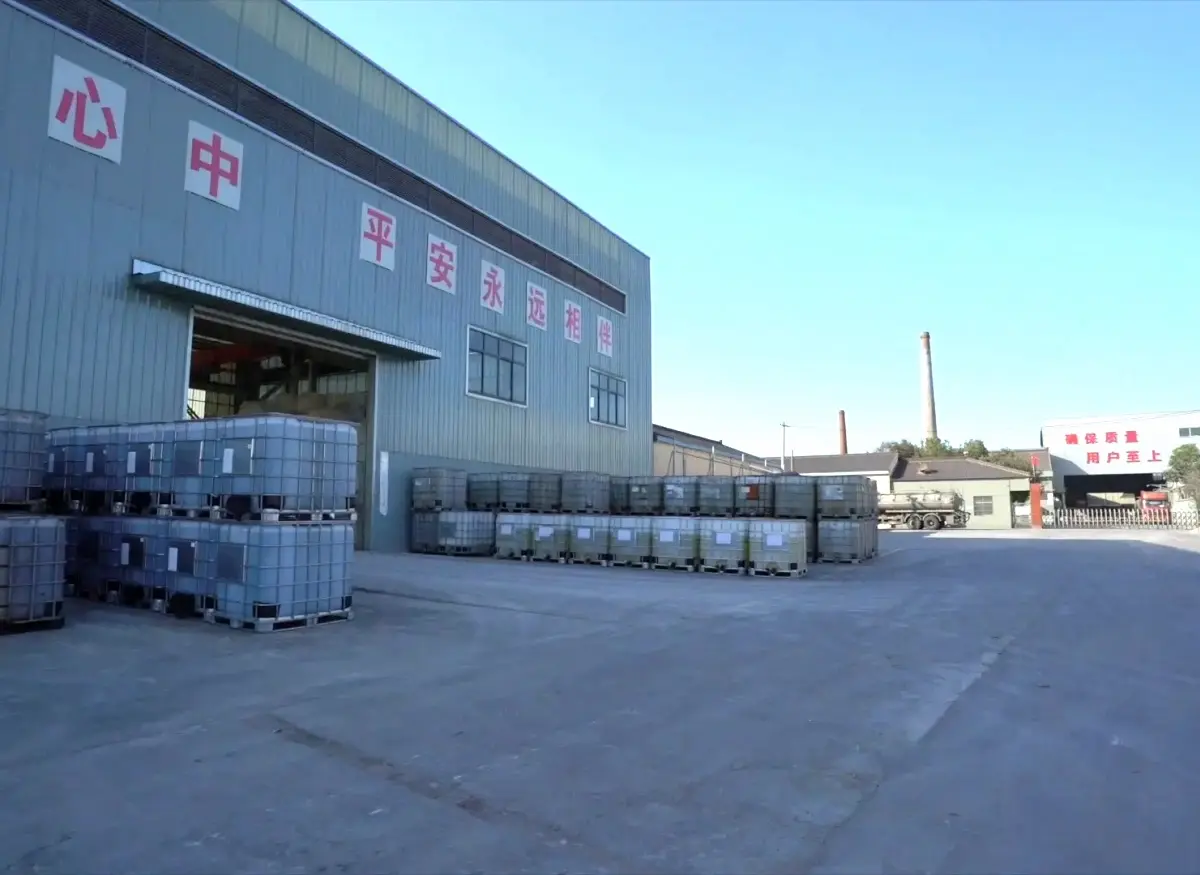
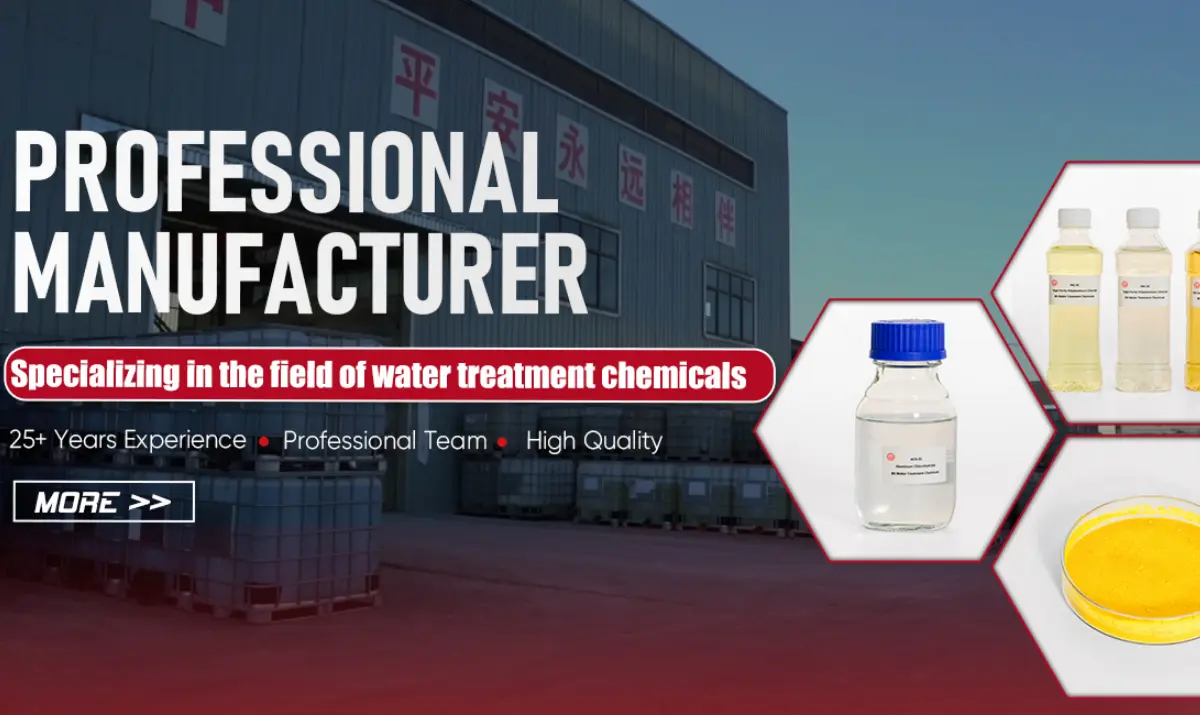
Wuxi BS Water Treatment Chemicals Co., Ltd. leverages 27 years of optimization to manufacture specialty agents like the Water Decoloring Agent (WDA) and PDADMAC. These compounds exhibit high charge densities to break down soluble organic chromophores, solving the color problems common in textile dyeing, paper mills, and petrochemical refineries.








 Sep 09, 2025