The global textile finishing, printing, and dyestuff manufacturing sectors have experienced unprecedented growth. However, this industrial expansion introduces a critical environmental challenge: dye effluent management. Annually, over 280,000 tons of synthetic dyestuffs are discharged into aquatic ecosystems globally. These effluents are characterized by high chemical oxygen demand (COD), low biological oxygen demand (BOD), complex aromatic molecular rings, and persistent coloration.
Traditional municipal wastewater facilities are inadequately equipped to process refractory synthetic compounds, notably reactive, disperse, acid, and direct dyes. Stringent modern regulations (such as the EU Zero Discharge of Hazardous Chemicals - ZDHC program, EPA effluent guidelines, and national discharge standards globally) demand advanced physical-chemical pretreatment. Efficient decolorization and coagulation at the source are now mandatory to prevent biological wastewater treatment plant failure and natural ecosystem collapse.
"With over 27 years of deep-tech experience, Wuxi BS Water Treatment Chemicals Co., Ltd. continues to engineer high-density cationic polymers and advanced coagulants tailored for challenging dye wastewater treatment systems, driving industry compliance worldwide."
Our ongoing research reveals that synthetic color removal demands highly targeted polymer kinetics. By optimizing the cationicity and molecular weight of our polyacrylamide formulations, factories can achieve effective color removal, slash organic solids volume, and simplify down-stream sludge dewatering procedures.
Modern industrial environmental engineering is shifting from basic compliance toward circular economy models. Water scarcity and rising wastewater disposal tariffs drive the adoption of Zero Liquid Discharge (ZLD) configurations. Pretreatment reagents must deliver multiple performance benefits: high color removal efficiency, heavy metal stabilization, minimal secondary sludge generation, and robust compatibility with ultrafiltration and reverse osmosis membranes.
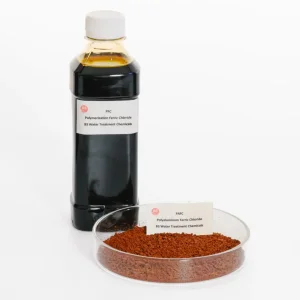
The emergence of inorganic-organic hybrid flocculants, such as Polymeric Aluminium Ferric Chloride (PAFC), represents a major advance. These hybrids pair the swift neutralization dynamics of multivalent metal ions with the structural binding strengths of long-chain organic polymers. The result is rapid floc formation, dense sedimentation, and highly efficient dye color extraction.
Integrating PAFC and active polymers to reduce chemical consumption by up to 35% compared to conventional iron or aluminum salts.
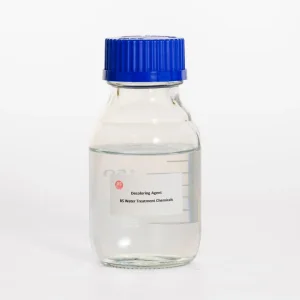
Cationic water decoloring agents specifically configured to precipitate soluble anionic dyes (reactive and acid) via intense charge neutralization.
Deploying high-molecular-weight APAM and CPAM to yield large, shear-resistant flocs that optimize filter press dewatering operations.
As a premier wholesale dye effluent treatment manufacturer, Wuxi BS chemicals recognizes that regional water chemistry and local discharge regulations vary significantly. Industrial zones in Bangladesh, India, Vietnam, and China require distinct treatment approaches:
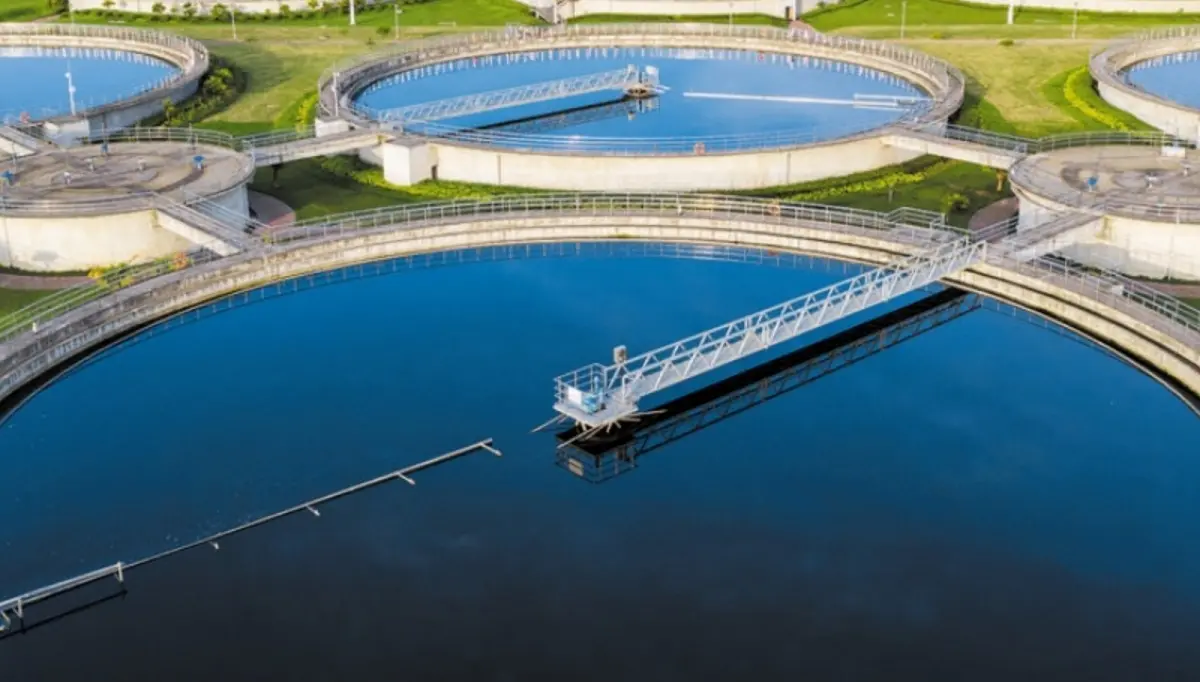
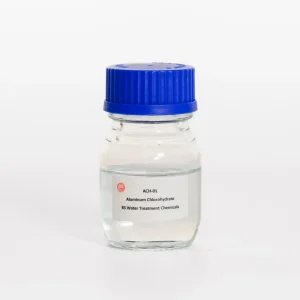
High-concentration reactive dye baths with elevated salinity. Treatment requires a robust combination of cationic Water Decolorizing Agents and high-basicity ACH to neutralize anionic charges and aggregate stable flocs.
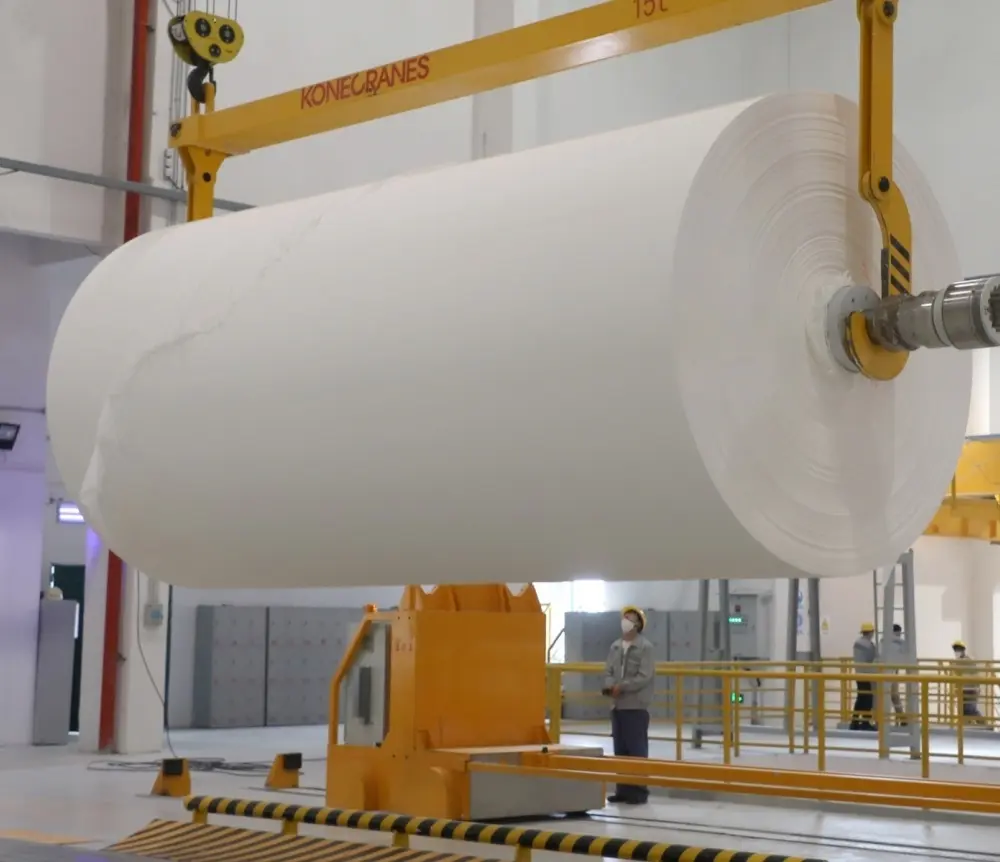
Mixed printing and washing wastewater containing varied dye types. Employs liquid Polyaluminium Chloride (PAC) paired with Anionic Polyacrylamide (APAM) in automated dissolved air flotation (DAF) systems.
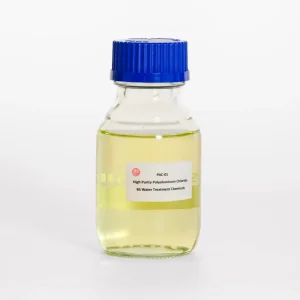
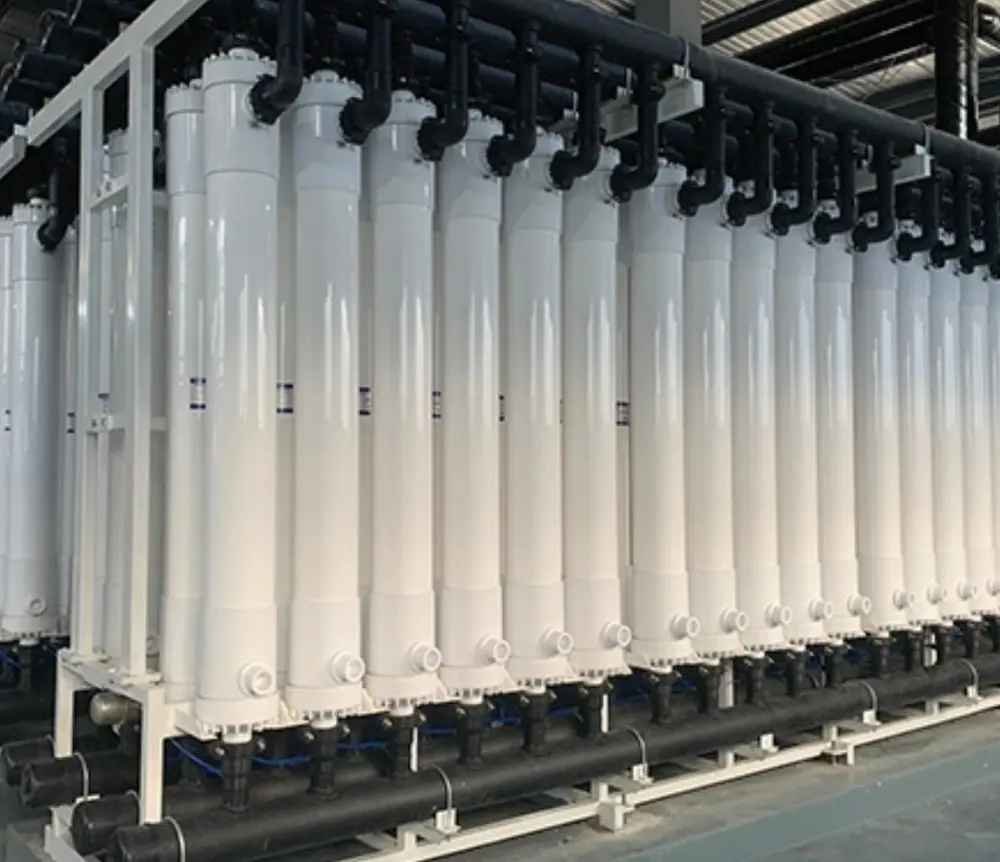
Pre-concentration membrane protection. Requires low-dose, high-charge PDADMAC and high-purity PAC-01 to prevent organic fouling on reverse osmosis (RO) and nanofiltration (NF) membrane sheets.
Since our founding in 1998, Wuxi BS Water Treatment Chemicals has continuously evolved. Our history is marked by a focus on quality, capacity expansion, and technical innovation:
Wuxi Bisheng Water Treatment Agent Factory established, focusing on primary inorganic coagulants for regional municipal water facilities.
Officially renamed to Wuxi Bisheng Water Treatment Agent Co., Ltd. (Wuxi BS Water Treatment Chemicals Co., Ltd.), establishing dedicated laboratories for polymer synthesis.
Initiated global exports via international distributors, serving textile industrial estates in Southeast and South Asia.
Annual export and domestic sales exceeded $10 Million USD, driven by a growing portfolio of custom cationic decoloring formulations.
Established our dedicated in-house foreign trade division and launched smart solid-feeding equipment integrations to optimize chemical dosing.
Effective color and COD removal from dye effluent cannot rely on a single chemical. An optimized system integrates multiple reagents at specific points in the treatment train. The schematic below describes our standard high-efficiency treatment configuration:
The raw wastewater enters the reaction tank where pH is adjusted. The Water Decolorizing Agent (WDA) or PDADMAC is dosed to neutralize anionic dye molecules. Liquid or solid Polyaluminium Chloride (PAC) is added immediately after to destabilize colloidal matter and form micro-flocs.
The micro-floc suspension flows to the flocculation basin. Here, high-molecular-weight Anionic Polyacrylamide (APAM) is introduced. APAM chains act as bridges, gathering the small particles into large, heavy, rapidly settling flocs that separate in the clarifier.
Settled sludge is pumped to dewatering systems. Dosing Cationic Polyacrylamide (CPAM) neutralizes remaining negatively charged surfaces on the organic sludge, releasing bound water and producing drier sludge cakes with high solids capture.
Our technical engineering team answers the most frequent questions from water treatment specialists and industrial plant operators:
Our Water Decolorizing Agent (WDA) is a highly concentrated quaternary cationic polymer. It is specifically engineered to target soluble anionic dyestuffs by neutralizing their negative charge and forming insoluble complexes, which are then easily flocculated out of suspension.
For optimal performance, apply the Decolorizing Agent first with rapid mixing (1-2 minutes). Next, introduce PAC to construct micro-flocs. Finally, dose APAM under slow-mixing conditions to build large, stable flocs ready for sedimentation or DAF removal.
Yes. High salinity can affect standard polymers, but our high-charge density polymers and high-basicity ACH remain highly stable and effective even in challenging brackish effluents common in textile dye baths.
Decolorization generally performs best within a pH range of 6.0 to 9.0. If the pH is too high or low, it can alter the ionic charges of the dye molecules and the polymers, reducing treatment efficiency. Wuxi BS chemicals are formulated to operate reliably across a broad pH range.
Polymeric Aluminium Ferric Chloride (PAFC) combines the rapid sedimentation of iron salts with the low-turbidity finish of aluminum. It produces larger, denser flocs, operates effectively at lower water temperatures, and generates less overall chemical sludge.
By using our high-molecular-weight APAM and CPAM, plants can form denser flocs that retain less bound water. This significantly increases cake dryness during filter press operations, reducing sludge volume and disposal costs.
Yes, all Wuxi BS Water Treatment chemicals comply with major global regulatory standards, including REACH, and are designed to support ZDHC-compliant treatment systems.
We highly recommend performing jar tests on-site. Our technical services team can assist by evaluating your raw wastewater samples to determine the most cost-effective chemical combination and dosage rates.
Our technical sales engineers are ready to assist you. Contact Wuxi BS Water Treatment Chemicals Co., Ltd. for pricing, product samples, or customized formulation development.
 BS Water