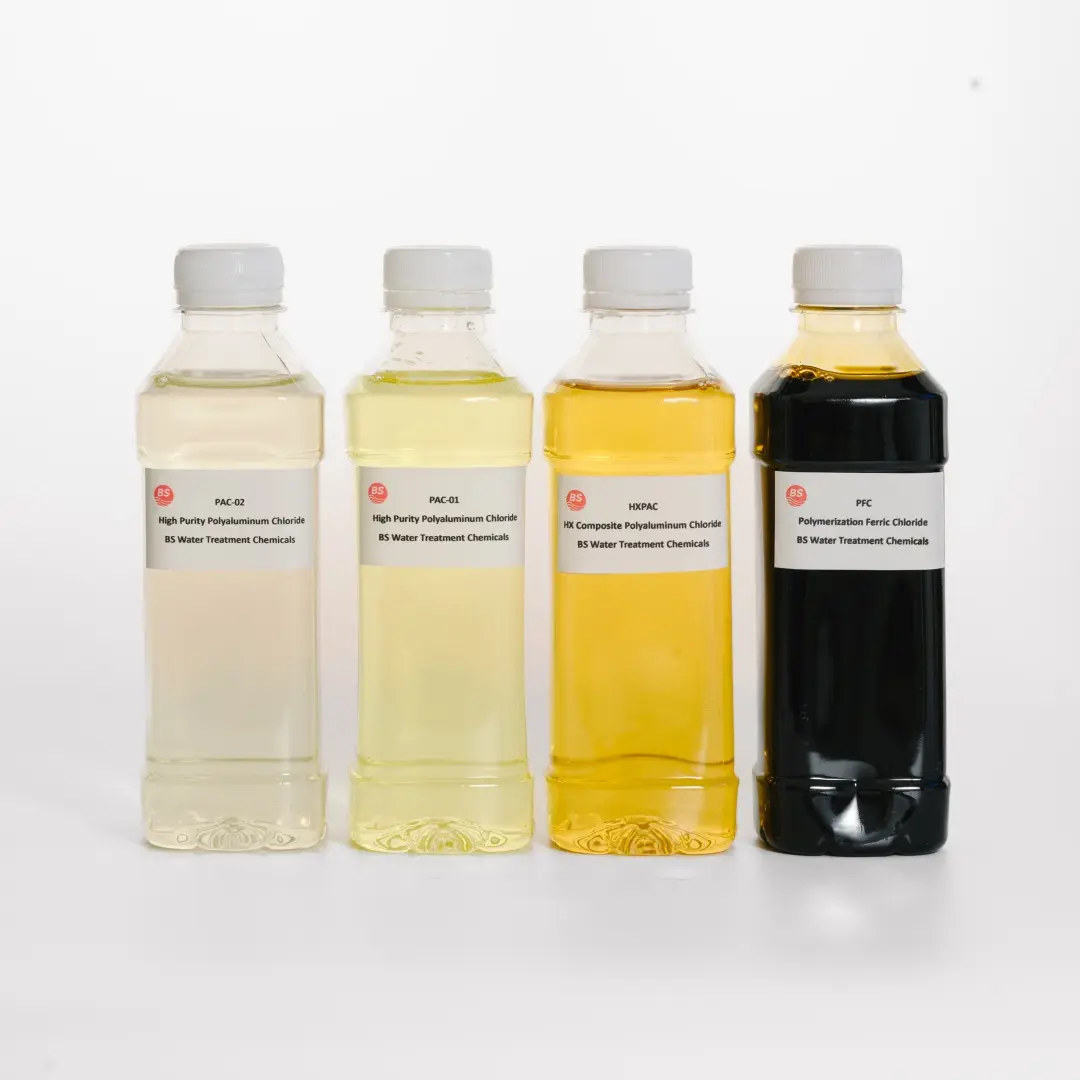
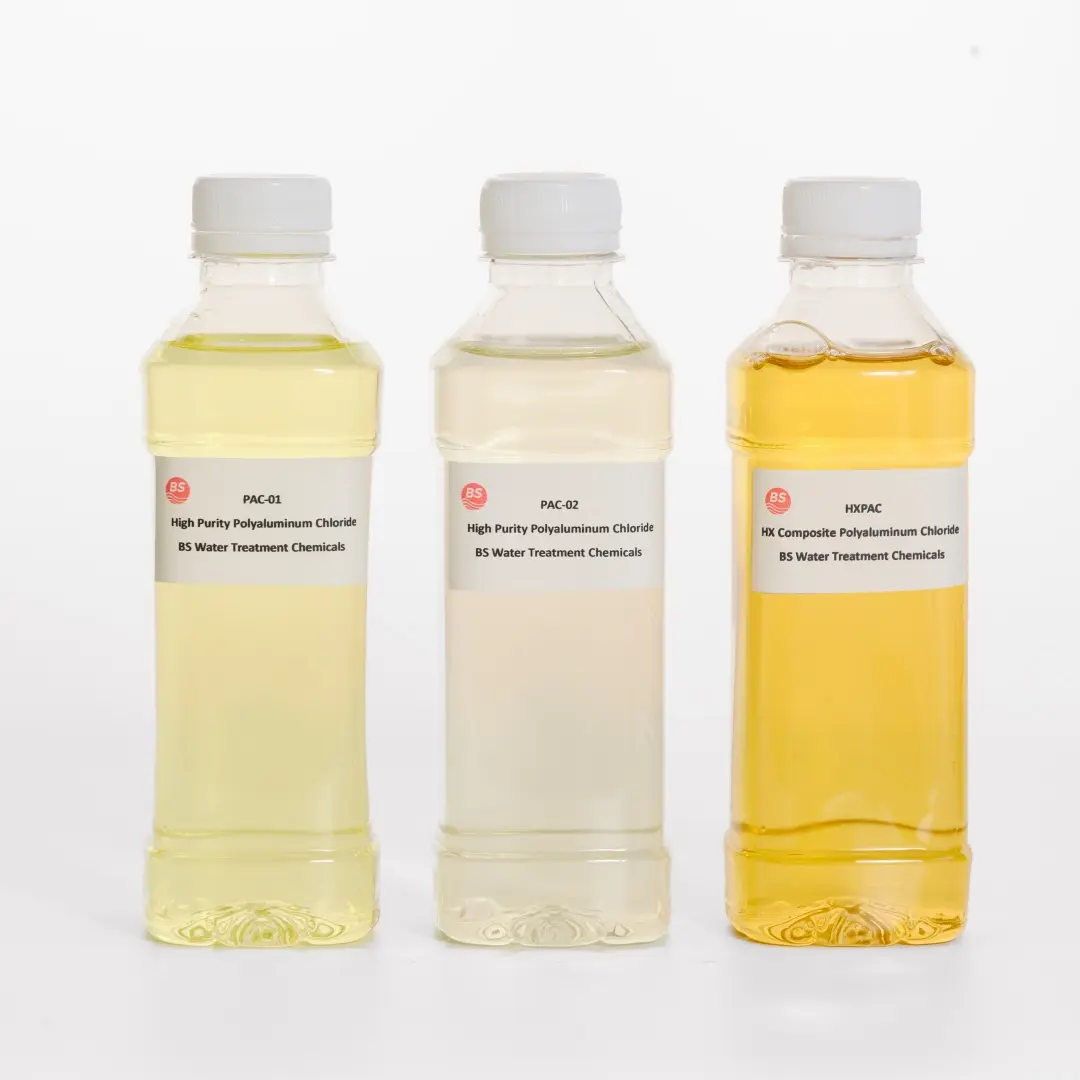
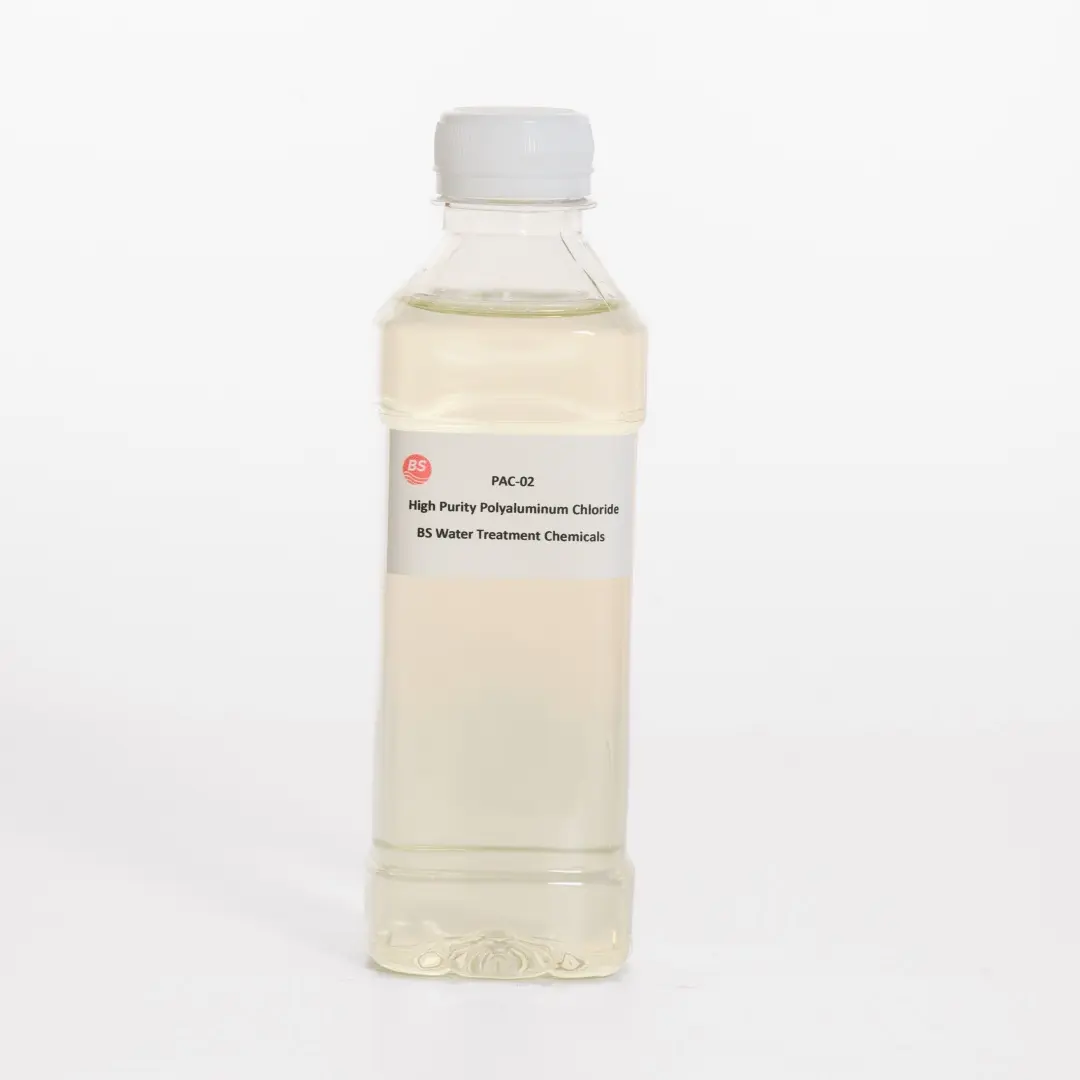
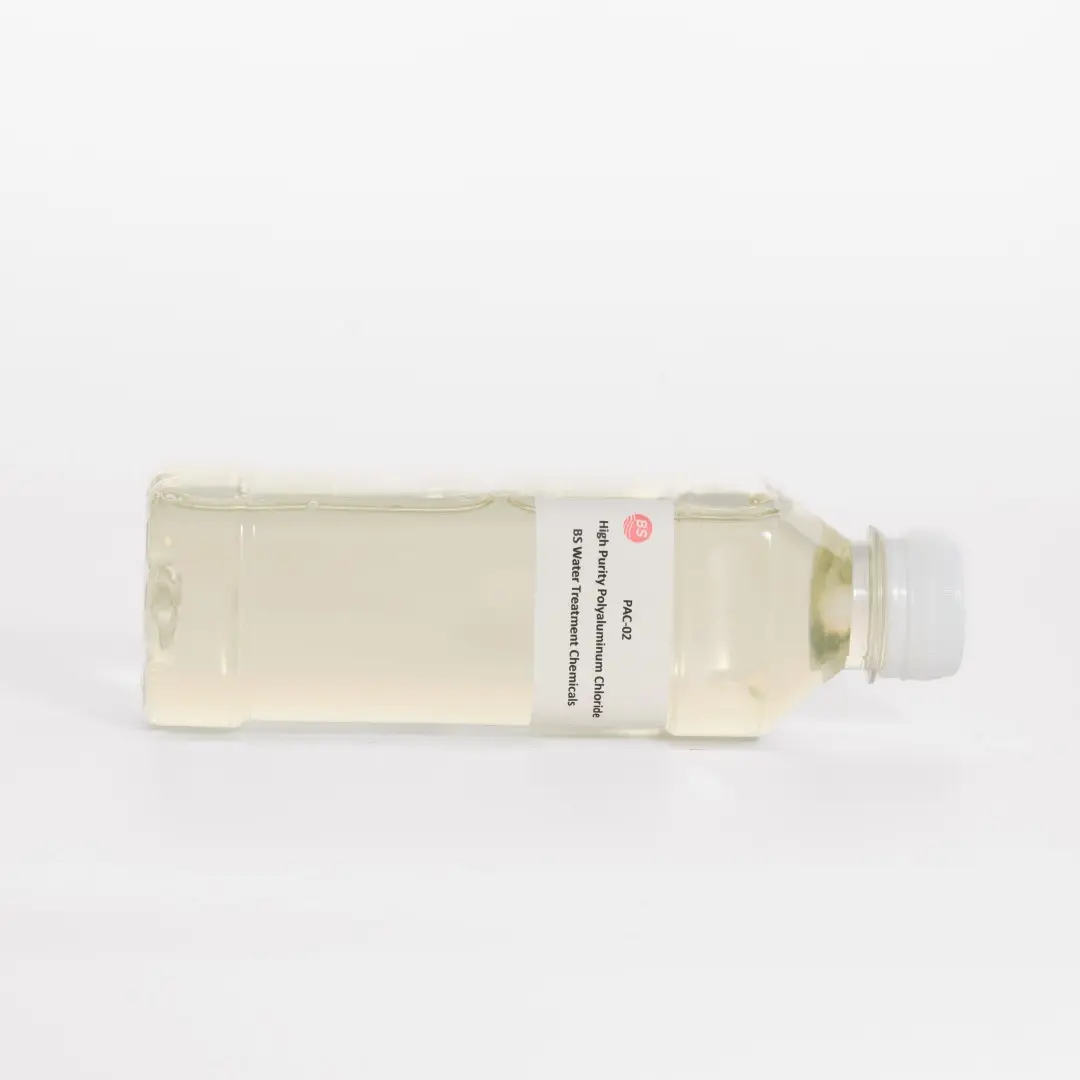
Wholesale PolyAluminium Chloride (PAC) Liquid - China Suppliers & Factory, 10%-15% Active Ingredient, Transparent Liquid Manufacturer, Suppliers

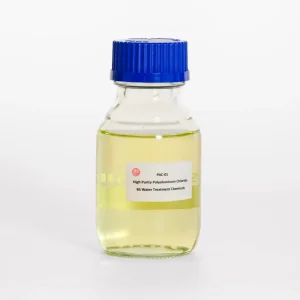
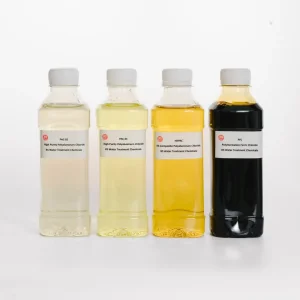
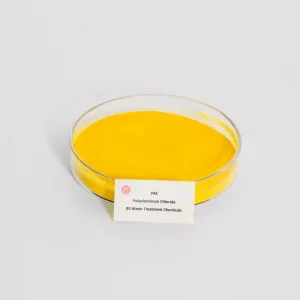
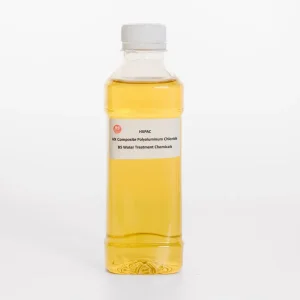
Introducing our premium transparent liquid, available in colorless to light yellow hues. This slightly turbid formulation boasts a density of 1.1-1.3 g/cm³ at 20°C, ensuring high quality and consistency. With an active ingredient content ranging from 10% to 15%, this product meets various needs across different applications. As a reliable supplier and factory based in China, we prioritize delivering the best products to our clients, ensuring superior performance and satisfaction. Discover the excellence of our liquid solutions today!

Product Description

Core Features

Convenient to Use: No need for dissolution, can be directly added, saving labor and dissolution equipment costs.

Quick Response: Liquid molecules have high activity, and the flocculation speed is 20% faster than that of the solid version, making it particularly suitable for small water treatment facilities or emergency scenarios.

Low Corrosivity: Wide pH adaptability (4–10), with lower corrosivity to pipelines/equipment than high-concentration aluminum salts.
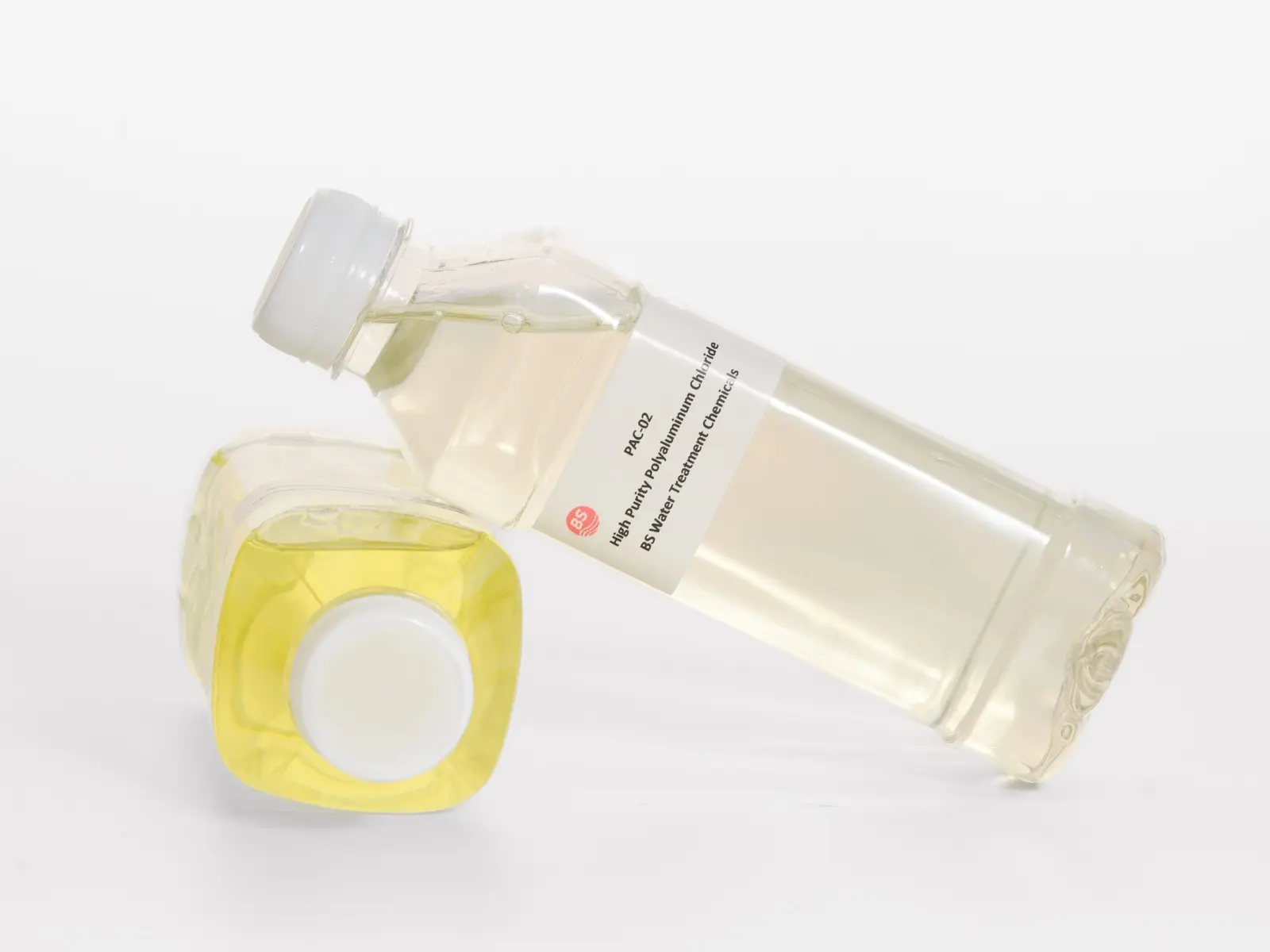
PAC-02 Core Features
Technical Parameter
Parameter Index
Industrial Grade Drinking Water Grade
Density (20°C), g/cm³ ≥ 1.12 1.12
Al₂O₃ Content, % ≥ 8.0 10.0
Basicity, % 20~98 45.0~90.0
Mass fraction of insoluble substances, % ≤ 0.4 0.1
pH (10g/L aqueous solution) 3.5~5.0 3.5~5.0
Mass fraction of Fe, % ≤ 1.5 0.2
Mass fraction of As, % ≤ 0.0005 0.0001
Mass fraction of Cr, % ≤ 0.005 0.0005
Mass fraction of Hg, % ≤ 0.00005 0.00001
Mass fraction of Pb, % ≤ 0.002 0.0005
Mass fraction of Cd, % ≤ 0.0005 0.0001
Packaging and Storage

Packaging: 25L plastic drum / 1000L IBC tote / liquid bag.

Storage: Store in a cool and well-ventilated place, avoid direct sunlight, and the shelf life is 6 months (sealed).
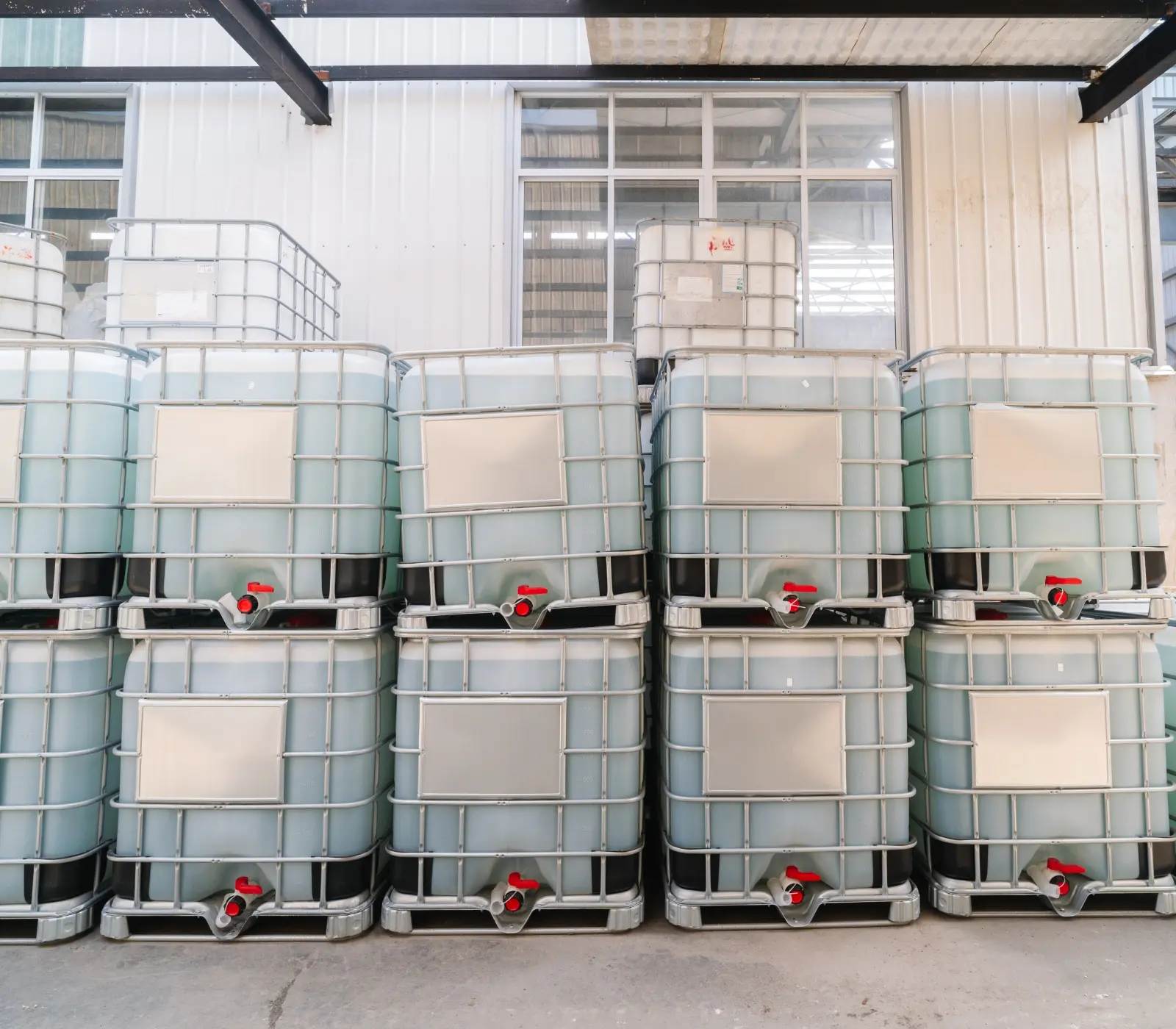
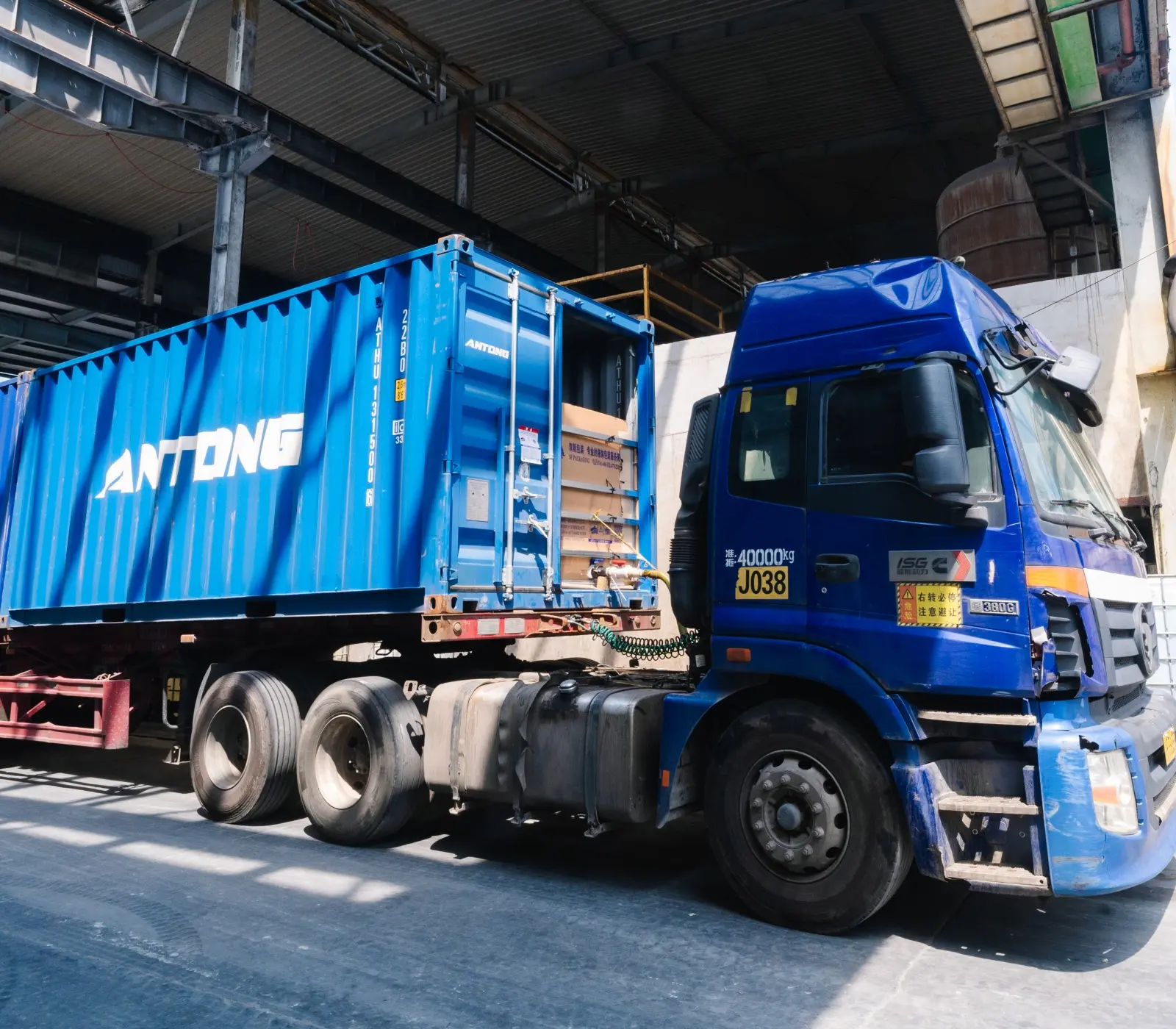
Ton drum packaging Container liquid bag shipment
Applicable Scenarios

Our PAC has been widely used in industrial and municipal water treatment scenarios worldwide, with typical cases including:

Drinking water purification: Removal of iron and manganese from groundwater, turbidity removal from surface water, meeting international drinking water standards.

Municipal sewage: Coagulation sedimentation, sludge dewatering, BOD (biochemical oxygen demand) in urban domestic sewage treatment plants.

Industrial wastewater: Treatment of papermaking black liquor (delignification, reduction of COD), decolorization of printing and dyeing wastewater (removal of reactive dyes, sulfur dyes), removal of heavy metals from electroplating wastewater (Cr⁶⁺, Cu²⁺), and removal of phosphorus from chemical wastewater.

Other scenarios: Coal slime water clarification in coal preparation plants, oil removal from oilfield reinjection water, and recycling of stone cutting wastewater.
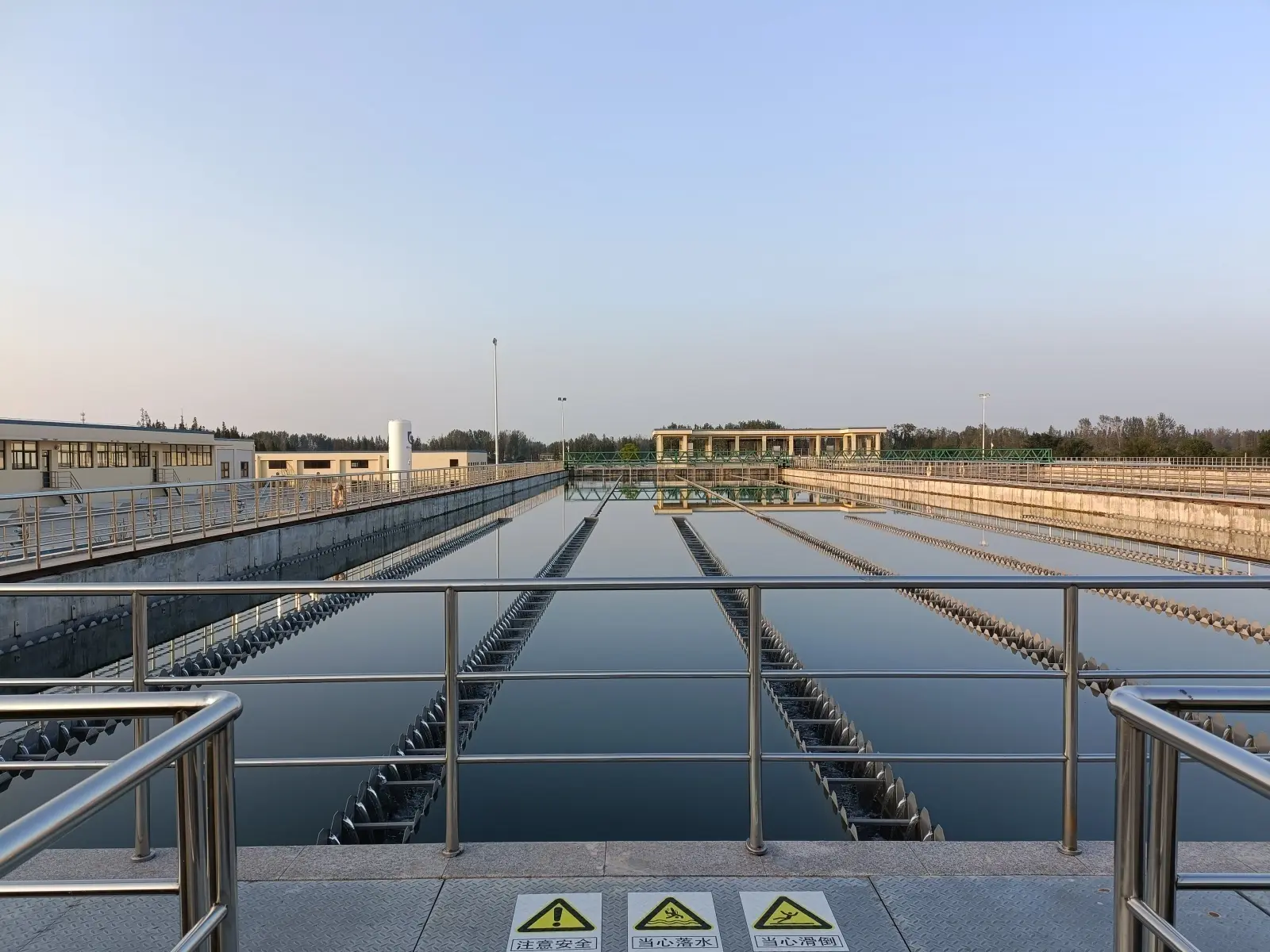
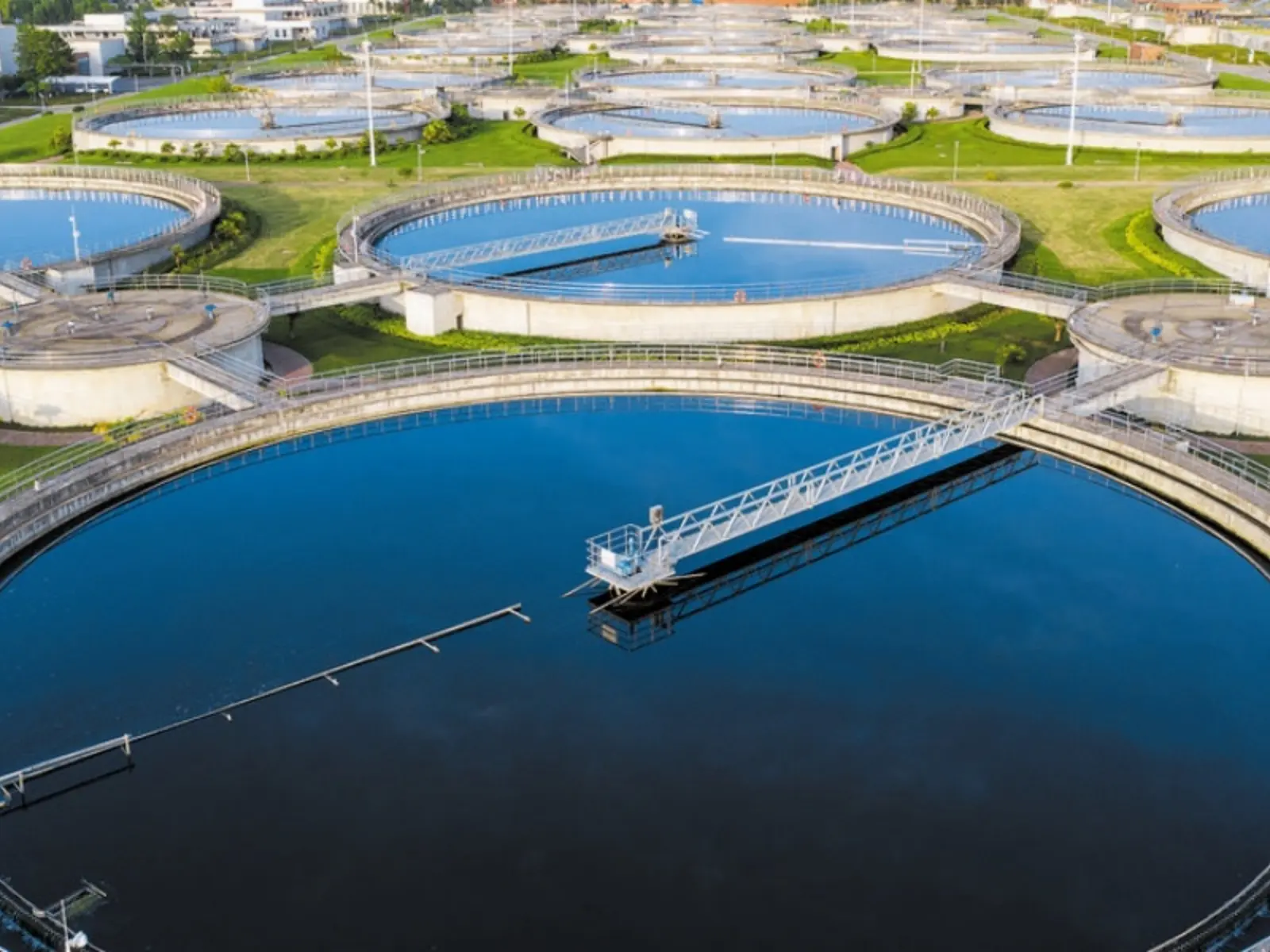
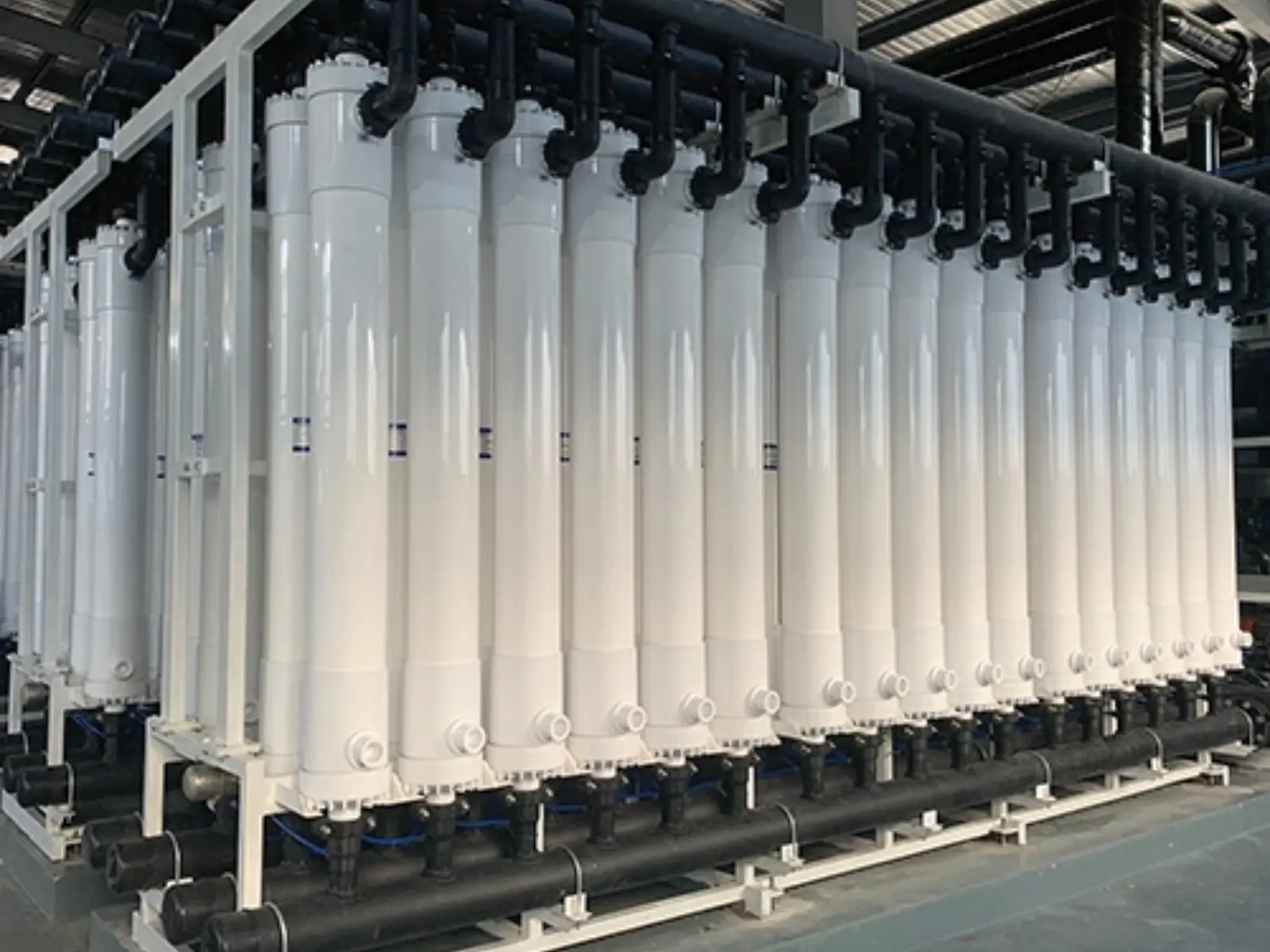
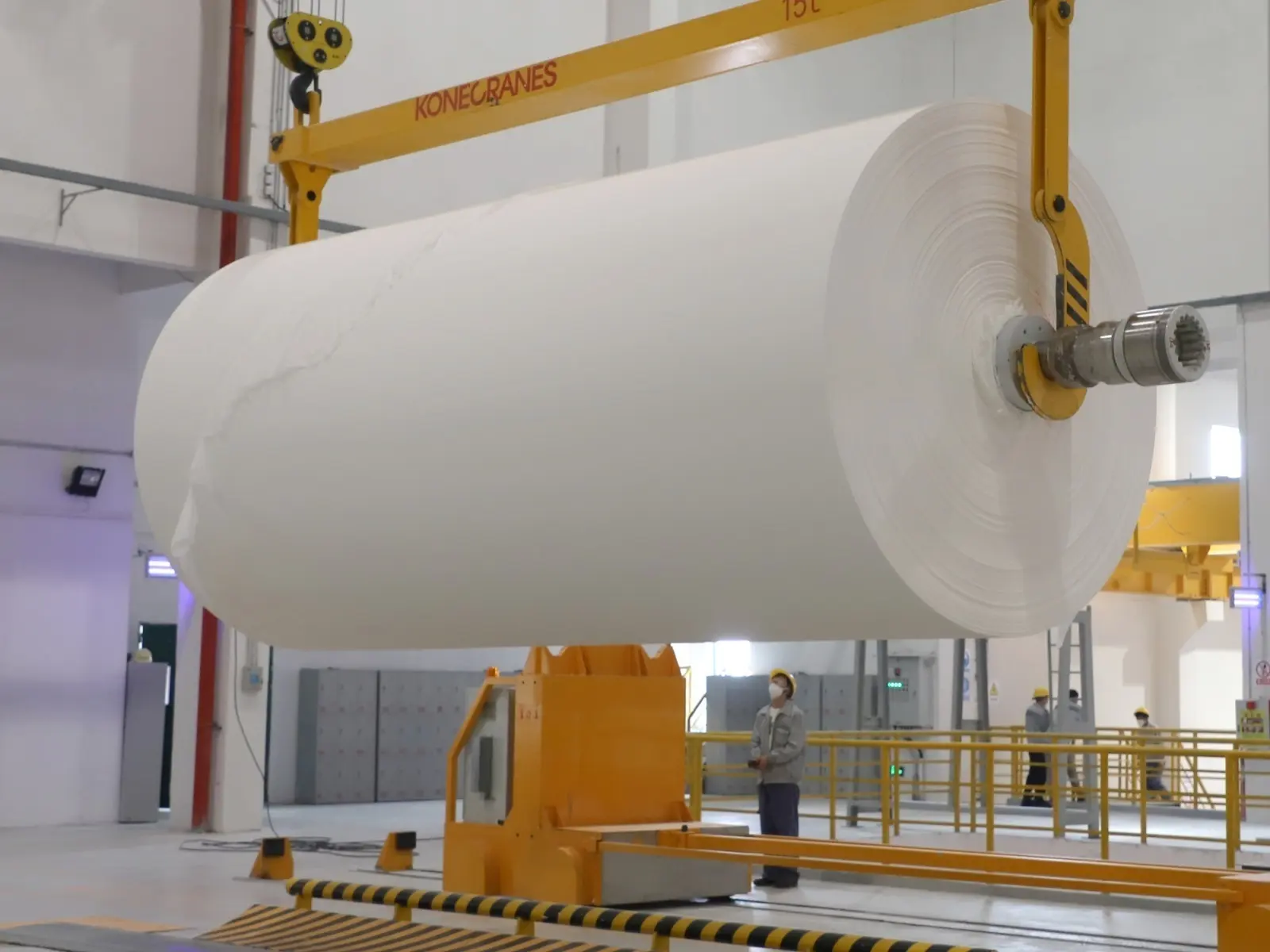
Application Scenario 1 Application Scenario 2 Application Scenario 3 Application Scenario 4 Application Scenario 5
Frequently Asked Questions
Q What is Liquid PAC and how does it differ from solid PAC?
Liquid PAC (Polyaluminum Chloride) is a ready-to-use liquid flocculant that requires no prior dissolution before dosing. Compared to solid PAC, the liquid form offers higher molecular activity, resulting in a flocculation speed approximately 20% faster. It is especially convenient for automated dosing systems and reduces the need for dissolution equipment and labor.
Q What is the Al₂O₃ content difference between Industrial Grade and Drinking Water Grade?
Industrial Grade Liquid PAC contains a minimum of 8.0% Al₂O₃, while Drinking Water Grade requires a higher minimum of 10.0% Al₂O₃. The Drinking Water Grade also has significantly stricter limits on heavy metal impurities such as Fe, As, Cr, Hg, Pb, and Cd to ensure safety for potable water applications.
Q What pH range is Liquid PAC effective in?
Liquid PAC demonstrates wide pH adaptability, performing effectively across a pH range of 4 to 10. This broad range makes it suitable for treating various types of water sources, from mildly acidic to mildly alkaline conditions, while also exhibiting lower corrosivity to pipelines and equipment compared to high-concentration aluminum salt alternatives.
Q What packaging options are available for Liquid PAC?
Liquid PAC is available in multiple packaging formats to suit different operational scales: 25-liter plastic drums for small-scale or laboratory use, 1000-liter IBC totes for medium-scale industrial applications, and flexible liquid bags for bulk container shipments. Custom packaging arrangements can also be discussed based on specific project requirements.
Q How should Liquid PAC be stored and what is its shelf life?
Liquid PAC should be stored in a cool, well-ventilated area away from direct sunlight and heat sources. When kept in sealed containers under proper storage conditions, the shelf life is 6 months. Avoid exposure to extreme temperatures, and ensure containers are tightly sealed after each use to maintain product quality and performance.
Q In which industries can Liquid PAC be applied?
Liquid PAC is widely applicable across multiple industries. Key applications include drinking water purification (iron/manganese removal, turbidity reduction), municipal sewage treatment (coagulation sedimentation, sludge dewatering), industrial wastewater treatment (papermaking, printing & dyeing, electroplating, chemical industries), as well as specialized uses such as coal slime water clarification, oilfield reinjection water treatment, and stone cutting wastewater recycling.

Related Products