Premium polyacrylamides and coagulants direct from China's leading synthesis lines, optimized for Southern Vietnamese industrial estates.
A comprehensive engineering review of polyacrylamide kinetics, synthesis, and localized environmental compliance in Southern Vietnam.
Ho Chi Minh City (HCMC), alongside its neighboring industrial hubs in Binh Duong, Dong Nai, and Long An, constitutes the economic engine of Vietnam. This region is home to over 50 industrial parks and export processing zones (EPZs), including the massive Hiep Phuoc Industrial Park, Tan Thuan EPZ, and Cat Lai Industrial Zone. These zones support heavy concentrations of textile processing, leather tanning, chemical manufacturing, food processing, and pulp & paper factories.
Each of these sectors generates massive volumes of complex wastewater containing high Total Suspended Solids (TSS), elevated Chemical Oxygen Demand (COD), Biochemical Oxygen Demand (BOD), and specific toxic compounds. Under Vietnam's tightening environmental regulatory frameworks, industrial effluents must strictly comply with national technical regulations, notably QCVN 40:2011/BTNMT (National Technical Regulation on Industrial Wastewater). Non-compliance results in severe financial penalties, operational shutdowns, and loss of corporate licensing. Consequently, the selection and deployment of high-efficiency flocculants, specifically Polyacrylamide (PAM), have become critical components of industrial operations in the HCMC metropolitan area.
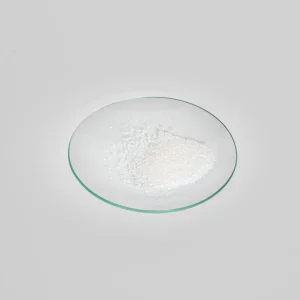
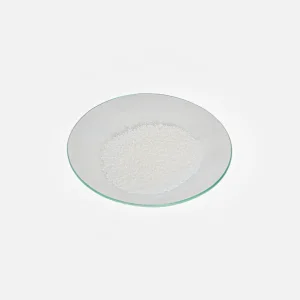
Polyacrylamide is a water-soluble linear polymer synthesized from acrylamide monomers. Based on the chemical charge of the polymer chain, PAM is classified into three primary groups, each serving distinct roles in solid-liquid separation processes:
The performance of PAM is defined by two key parameters: Molecular Weight (MW), ranging from 5 million to over 25 million Daltons, and Charge Density (Hydrolysis Degree), which dictates the polymer's affinity for specific solids. Finding the right balance between these parameters is essential for optimizing flocculation and minimizing operating costs.
Developing effective wastewater treatment systems in Southern Vietnam requires addressing specific local variables. Factors such as high seasonal temperatures, varying water salinity in the Mekong Delta, and local effluent regulations require customized chemical strategies:
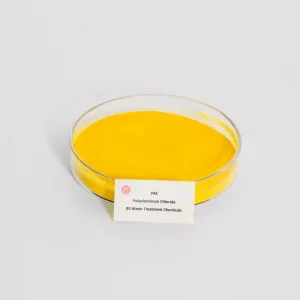
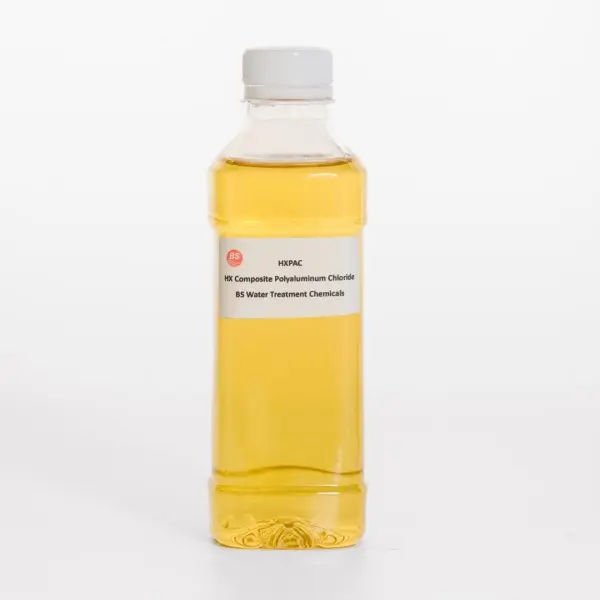
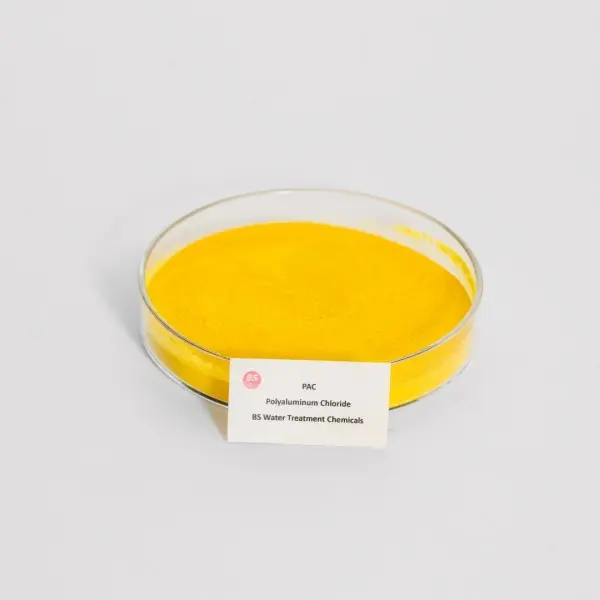
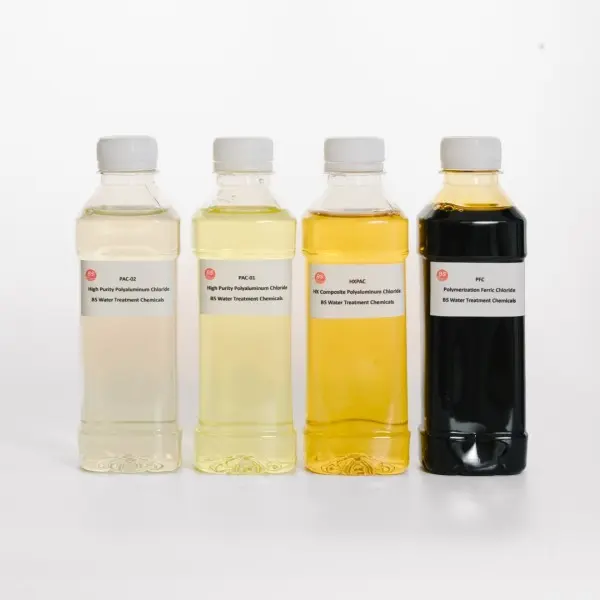
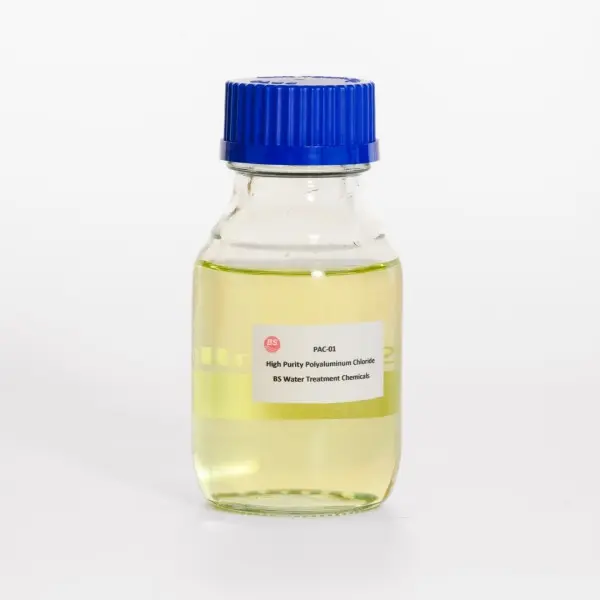
Textile and Dyeing Wastewater: Concentrated in provinces surrounding HCMC, dye house effluents contain complex synthetic dyes, surfactants, and high pH. Treatment requires a two-stage approach: primary coagulation using Polyaluminium Chloride (PAC) or Cationic Water Decolorizing Agent (WDA) to neutralize charges, followed by flocculation with high molecular weight APAM to form stable flocs that are easily removed via Dissolved Air Flotation (DAF).
Food and Beverage Processing: Seafood processing and beverage plants in zones like Tan Tao or Hiep Phuoc produce wastewater rich in proteins, fats, and organic suspended solids. CPAM with medium-to-high charge densities is ideal for conditioning these sludges, enabling clean separation in filter presses and reducing disposal volume.
Pulp and Paper Manufacture: Paper mills in Binh Duong and Long An require PAM for fiber retention, drainage enhancement, and white-water clarification. Depending on the fiber charge and chemical additives, specialized APAM and CPAM formulations are utilized to maximize fiber recovery and reduce raw material loss.
Our manufacturing plants implement rigorous quality control systems to ensure consistency and performance across all product batches. The critical technical parameters monitored during production include:
Proven excellence in industrial polymer synthesis and global distribution infrastructure.
A timeline of our manufacturing advancements and strategic expansion into Southeast Asian water treatment markets.
Initiated synthesis of municipal coagulants and early-generation polyacrylamides to support local industrial growth.
Launched specialized export channels, supplying APAM and CPAM formulations to municipal and industrial customers worldwide.
Exceeded USD 10 million in international trade volume, supported by automated polymerization reactors and advanced quality controls.
Established localized supply chains and technical teams for key industrial hubs, including Ho Chi Minh City, Dong Nai, and Binh Duong.
Expert answers addressing the chemical, operational, and storage challenges of industrial flocculants.
Southern Vietnam's high ambient temperatures (regularly 30°C to 38°C) accelerate the dissolution rate of PAM, which can reduce dissolution time to 40-50 minutes. However, these temperatures also speed up thermal degradation if solutions are stored too long. We recommend preparing fresh solutions daily and avoiding storage beyond 24 hours to prevent polymer chain breakdown.
PAM is highly hygroscopic and can easily cake in humid conditions. It should be stored in original, tightly sealed packaging in a cool, dry, well-ventilated warehouse. Keep bags off the floor using pallets. If caking does occur, the polymer can still be used if it dissolves completely without gel formation, though pre-screening is advised.
Selection depends on the nature of the suspended solids. Inorganic suspensions (like sand, clay, and metals) typically carry positive charges and are best treated with Anionic PAM. Organic suspensions (like food proteins, municipal sludge, and biological waste) generally carry negative charges, making Cationic PAM the appropriate choice. A standard jar test is always recommended to optimize selection.
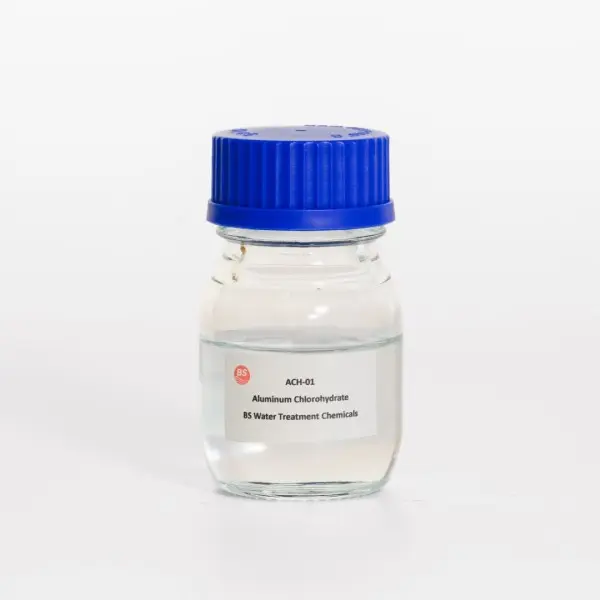
Yes. Our high-charge-density APAM and CPAM are designed to maximize TSS and COD removal in industrial systems. When combined with correct coagulants (like PAC or ACH), they help operators reliably meet Category A effluent limits for discharge into public water bodies.
Over-dosing can cause "restabilization," where excess polymer wraps around suspended particles and prevents them from settling. It also increases water viscosity, which can clog filtration media and carry over polymer into effluent streams, increasing COD and operating costs.
Our comprehensive selection of polymers, coagulants, and decolorizing agents engineered for industrial and municipal systems.
Connect with our technical engineers to arrange free jar testing samples and request customized polymer dosage calculations for your system.
 BS Water