Polyacrylamide (PAM) Manufacturers & Supplier in the Boston Market

High-Performance Polymer Formulations & Advanced Chemistry for Sludge Dewatering, Municipal Infrastructure, and Biotech Waste Treatment across Massachusetts

High-Efficiency Water Treatment Coagulants & Flocculants

Engineered specifically to meet Massachusetts Department of Environmental Protection (MassDEP) directives, optimized for rapid solids separation and heavy metal clarification.
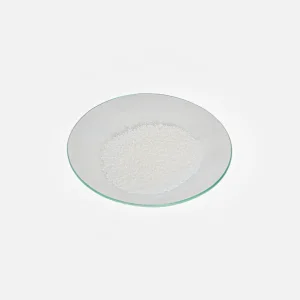
Anionic Polyacrylamide (APAM) for Boston Municipal Systems

Boston Municipal Grade Anionic Polyacrylamide (APAM) Flocculant

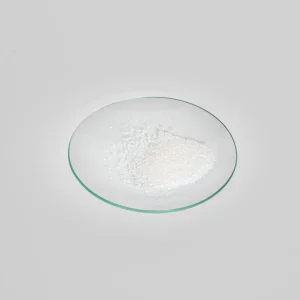
Ultra-High Molecular Weight (UHMW) anionic emulsion & granular polymers for high-fines clarification systems.

Explore APAM Specs
Cationic Polyacrylamide (CPAM) for Boston Dewatering Facilities

Boston Heavy-Duty Cationic Polyacrylamide (CPAM) Flocculant

Optimized charge densities from 10% to 80% to ensure rapid floc size formation in belt presses and centrifuges.

Explore CPAM Specs
Poly Aluminium Chloride (PAC) for New England Filtration

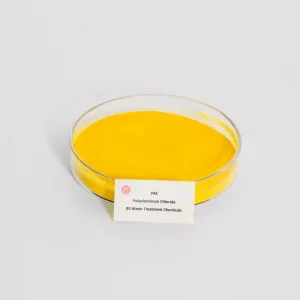
Premium Poly Aluminium Chloride (PAC) Granules for Boston Water Systems

Highly basic compound with low dust properties for rapid coagulation in turbidity reduction programs.

Explore PAC Specs
Cationic Polyacrylamide for Massachusetts Industrial Waste

Decolorization Cationic Polyacrylamide (CPAM) for Massachusetts Industrial Waste

Specialized polymer formulation targeted towards industrial de-inking and high-color organic dye reduction.

Explore Decolorization CPAM

Boston & New England Industrial Water Treatment Landscape

The Greater Boston area, governed by stringent EPA Region 1 guidelines and Massachusetts Department of Environmental Protection (MassDEP) enforcement, demands exceptionally clean water discharge standards. As the metropolitan area continues to expand its biotechnology, biomanufacturing, and pharmaceutical corridors along Route 128 and the Kendall Square hub, the composition of industrial wastewater has shifted dramatically. Standard clarification chemistry is no longer sufficient to deal with high-solids, complex microbial biomass streams, and high-chemical oxygen demand (COD) outputs.

Furthermore, Boston’s key public infrastructure installations, including the Deer Island Sewage Treatment Plant operated by the Massachusetts Water Resources Authority (MWRA), process an average of 360 million gallons of wastewater per day. Sludge dewatering at this scale requires precise cationic polymer matching. Wuxi BS Water Treatment Chemicals Co., Ltd. provides customized Polyacrylamide (PAM) molecules engineered to optimize sludge cake dryness, reducing transportation and disposal costs while minimizing environmental impact.
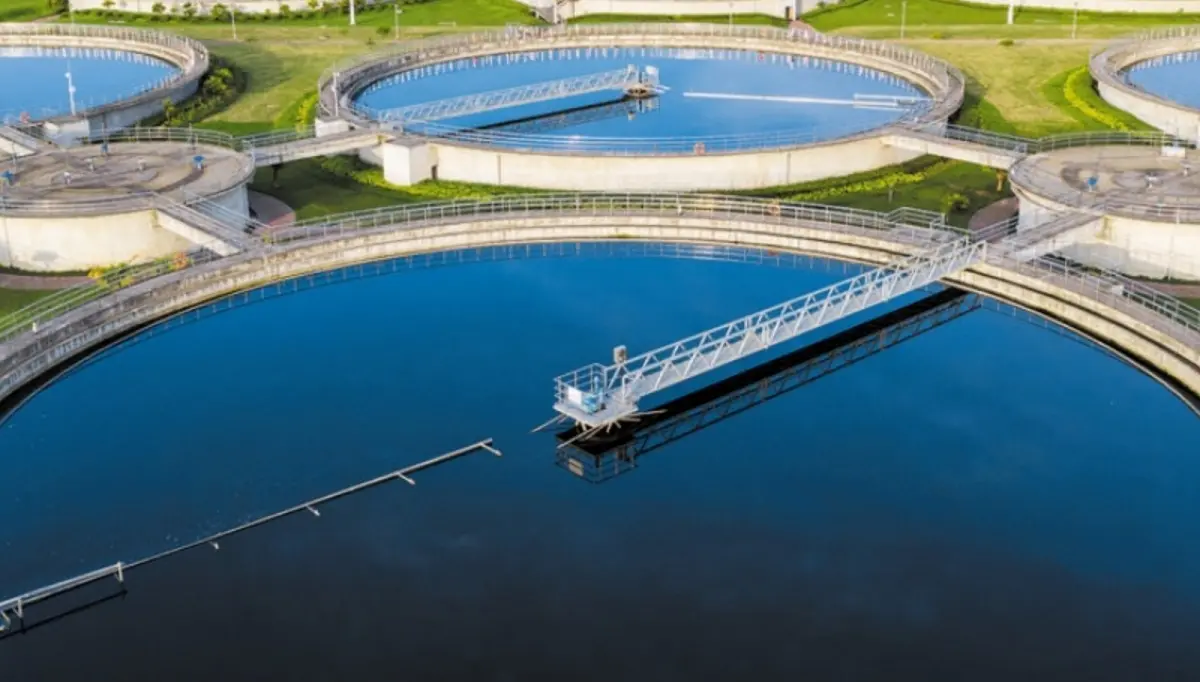
  • Biological Sludge Separation: Tailored Cationic PAM (CPAM) with varying charge densities ensures optimal encapsulation of biological flocs from pharmaceutical bioreactors.
  • Turbidity Control: APAM/PAC combined dosing regimens for local stormwater management projects surrounding the Charles River and Mystic River basins.
  • Compliance with Strict Effluent Rules: Minimization of monomer residues to meet Massachusetts clean water action levels.
Industrial Sludge Dewatering Operation in Boston, MA

Global Commercial Polyacrylamide (PAM) Market Analysis

Resource Scarcity & Recycling

Globally, industrial water consumption and reuse targets have tightened. Zero Liquid Discharge (ZLD) systems rely heavily on high-performance polymer flocculants to maximize water recovery from processing loops, preventing depletion of local municipal water reservoirs.

Logistical Vulnerability Management

Sourcing polymers requires absolute raw material security. With supply chain bottlenecks affecting East Coast ports, including the Port of Boston, having access to an agile manufacturer with massive production capacities prevents operational downtime.

Advanced Polymeric Advancements

Transitioning from dry granular polymers to highly stable water-in-oil emulsions allows for rapid dissolution in cold water systems, particularly relevant to municipal systems operating in New England winter conditions.

Wuxi BS Water Treatment Chemicals Polyacrylamide Standard Performance Matrix

Polymer Classification Typical Molecular Weight (Million Daltons) Charge Density (%) Hydrolysis Degree (%) Primary Industrial Applications
Cationic Polyacrylamide (CPAM) 8.0 – 15.0 10% – 80% (Variable) N/A Bio-sludge dewatering, industrial waste, paper retention aid
Anionic Polyacrylamide (APAM) 15.0 – 25.0 Low to High 20% – 40% Coal washing, metallurgy tailings, mineral recovery, municipal water
Non-ionic Polyacrylamide (NPAM) 6.0 – 12.0 < 1% N/A Acidic wastewater clarification, oil field fluid loss control
PDADMAC & Poly-DCDA 0.5 – 3.0 Very High N/A Color removal, primary coagulation, drinking water filtration

Manufactured by Wuxi BS Water Treatment Chemicals Co., Ltd.

A Technology Leader with 27 Years of Expertise in Water Treatment Chemicals. Operating state-of-the-art chemical synthesis facilities to supply municipal utilities and industrial enterprises worldwide.

Unlocking Global Supply Chain Efficiencies

Founded in 1998, Wuxi BS Water Treatment Chemicals Co., Ltd. possesses advanced production technology and rich management experience. We specialize in producing a series of water treatment products for the purification of drinking water, and various types of domestic and industrial wastewater. Our competitive advantage stems directly from raw material integration, automation in polymer chain formulation, and high-capacity production lines.

While local distributors in New England operate with high overheads and restricted storage facilities, Wuxi BS bridges the gap through large-scale Chinese manufacturing efficiencies, exporting globally via robust supply chain partnerships. With an annual sales volume exceeding 500,000 tons and a finished product warehouse holding over 20,000 tons, we maintain consistent product availability even during severe market fluctuations.
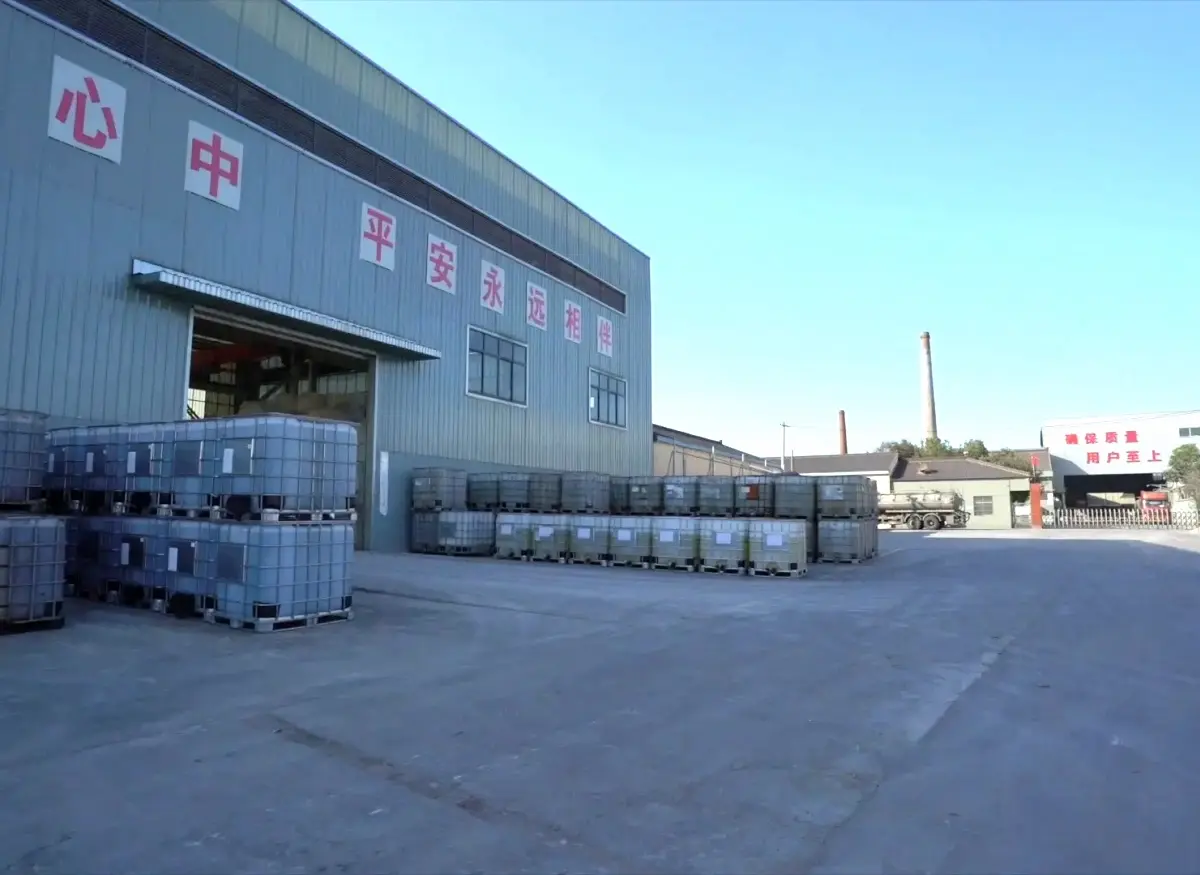
Wuxi BS Water Treatment Polymer Manufacturing Plant
27
Years Experience (Est. 1998)
500,000
Annual Sales Volume (Tons)
20,000
Warehouse Stock (Tons)
1,000
Global Enterprise Clients

Our Growth & Development Timeline

Decades of chemical innovation, supply optimization, and environmental stewardship.

1998
The manufacturing factory was established in Wuxi, China, focusing on basic water treatment coagulants.
2005
Reorganized and renamed as Wuxi Bisheng Water Treatment Agent Co., Ltd. to align with expanded polyacrylamide R&D.
2007
Initiated export operations, delivering high-purity coagulants and dry-powder flocculants globally.
2021
Achieved international expansion milestones, with annual export sales exceeding $10,000,000 USD.
2025
Formalized our dedicated foreign trade group to provide end-to-end support for chemical distribution hubs.

Industry Applications in the Boston Region

Engineered polymeric formulations targeted to specific environmental and commercial systems across New England.

Sewage and Municipal Sludge Treatment

SEWAGE & SLUDGE TREATMENT

Targeted CPAM formulations designed for municipal dewatering plants to maximize output solids, reducing sludge landfill tipping fees across Massachusetts.

Request Sludge Testing Kits →

Petroleum and Biofuels Processing

PETROLEUM & INDUSTRIAL PROCESSING

High shear-degradation resistant anionic and non-ionic polymers for enhanced oil recovery, petroleum filtration, and heavy fuel emulsion breakage.

Request Petroleum Specs →
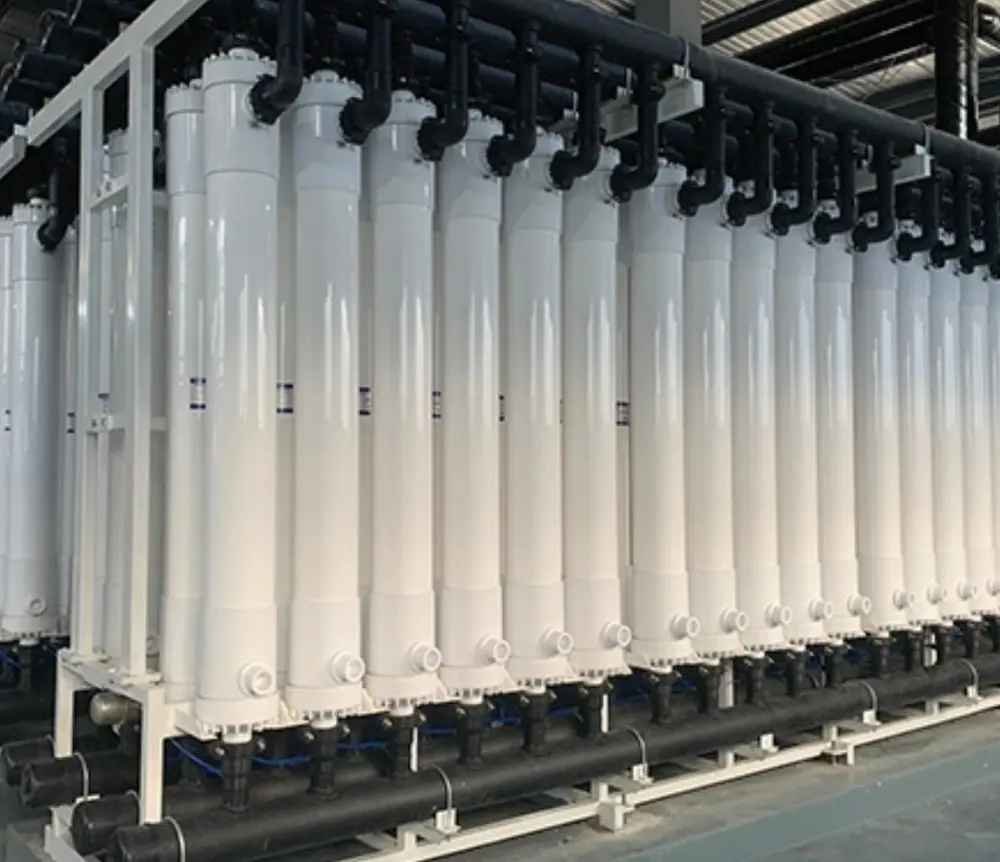
Membrane Process Pretreatment

MEMBRANE PROCESS PRETREATMENT

Flocculants optimized to eliminate colloidal organics before water passes through Ultrafiltration (UF) and Reverse Osmosis (RO) systems, preventing biofouling.

Optimize Membrane Systems →

OEM/ODM Polymer Engineering Services

Providing granular, emulsion, liquid, and dispersion polyacrylamide formulations custom-tailored to global commercial specifications.

Technical Service Team

Professional engineers analyzing target raw influent to prescribe the optimal balance of charge and molecular weight.

Stable Output Capacity

Continuous chemical polymerizations running on state-of-the-art DCS systems, producing high-regularity polymers.

Reliable Global Supply

Multiple packaging options (25kg bags, 750kg bulk super sacks, liquid IBC totes) with secure customs clearance lanes.

Continuous Polymer R&D

Formulating low-toxicity, ultra-high solubility powders to reduce dissolution times and prevent chemical clumping.

Comprehensive Polymer Catalog for East Coast Distributors

Providing industrial chemicals matching high baseline standards of purity, low dust generation, and uniform sizing.
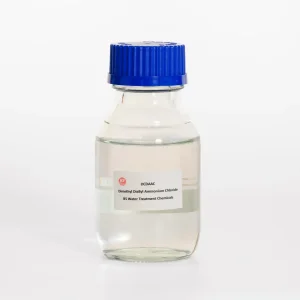
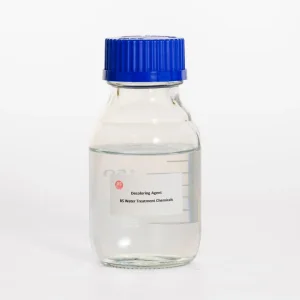
Boston Industrial High-Charge PDADMAC Cationic Polymer

Boston Industrial High-Charge PDADMAC Cationic Polymer

Linear high-charge density coagulants for absolute neutralization of negatively charged organic suspensions.

PDADMAC Technical Details
Cationic Polymer Water Decolorizing Agent (WDA) - Boston Supply

Cationic Polymer Water Decolorizing Agent (WDA) - Boston Supply

Advanced formulation focused on direct molecular complexing of colored compounds in textile and municipal effluents.

Decolorizing Agent Details
APAM Flocculant for Boston Construction Runoff Treatment

APAM Flocculant for Boston Construction Runoff Treatment

High molecular weight anionic polymer for fast sediment capture in construction, tunneling, and excavation sites.

Sediment Flocculant Specs
Municipal Grade Solid PAC Coagulant for New England Drinking Water

Municipal Grade Solid PAC Coagulant for New England Drinking Water

High alumina content yellow granules for optimal flocculation profiles in domestic raw water filtration.

Solid PAC Specs
Polymeric Aluminium Ferric Chloride (PAFC) for Boston Heavy Metal Removal

Polymeric Aluminium Ferric Chloride (PAFC) for Boston Heavy Metal Removal

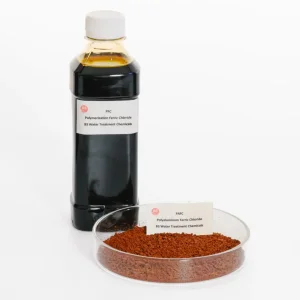
Combined iron and aluminium hybrid coagulant targeting phosphate, silica, and complex inorganic particulate removal.

Explore PAFC Chemistry
Low-Dust High Basicity Poly Aluminium Chloride (PAC) Granules

Low-Dust High Basicity Poly Aluminium Chloride (PAC) Granules

Specially processed coagulant designed for automated dosing units to prevent pneumatic clogging.

Low-Dust PAC Specs
Liquid Polyaluminium Chloride (10%-15% Active) Boston Supply

Liquid Polyaluminium Chloride (10%-15% Active) Boston Supply

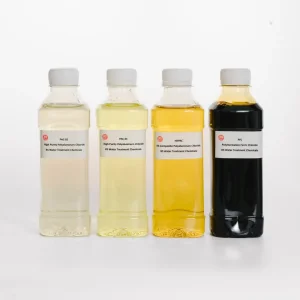
Pre-dissolved stable solution for direct injection without requiring dry dilution make-up units.

Liquid PAC Chemistry
Industrial Cationic Coagulant Polydiallyldimethylammonium Chloride

Industrial Cationic Coagulant Polydiallyldimethylammonium Chloride

Pure-grade liquid cationic polymer targeting high organic sludge clarification without increasing chloride residuals.

Pure PDADMAC Specs

Quality Assurance & Technical Procurement Criteria

Understanding critical parameters when importing high-purity polyacrylamide for industrial water processing.

Key Specifications to Monitor

When sourcing PAM from Chinese chemical factories for applications in the US, compliance with NSF/ANSI Standard 60 for drinking water system chemicals is critical. Additionally, industrial applications require close control over the following chemical properties:

  • Residual Acrylamide Monomer Limit: Must be kept below 0.05% (500 ppm) for industrial waste treatment, and below 0.02% (200 ppm) or lower for drinking water processing systems.
  • Molecular Weight Distribution: Polydispersity index controls the polymer’s shear stability. Standard APAM ranges from 15 to 25 million Daltons to match industrial clarifier retention times.
  • Insoluble Matter Content: Must remain < 0.2% to prevent downstream spray nozzle clogging in polymer makeup systems.

Import Logistics & Storage Best Practices

Due to the damp and variable maritime weather conditions in New England, storage and dissolution management require specific protocols to prevent product degradation:

  • Moisture Control: Granular PAM is highly hygroscopic. Bags must be stored in climate-controlled spaces off concrete floors to prevent cake formation.
  • Dissolution Parameters: Ideal make-down concentrations range between 0.1% and 0.5%. Use low-shear impeller mixers to prevent polymer backbone cleavage.
  • Material Compatibility: Avoid contact with iron, copper, or lead surfaces. Use stainless steel, fiber-reinforced plastic (FRP), or HDPE piping systems.

Frequently Asked Questions: Polyacrylamide Chemistry & Procurement

Addressing technical and commercial inquiries from engineers, water treatment operators, and procurement managers.

Q1: What is the differences between Cationic, Anionic, and Non-ionic Polyacrylamide? +
The difference lies in the electrical charge of the polymer chain. Cationic PAM (CPAM) carries a positive charge and is highly effective at flocculating negatively charged organic particles like biological sewage sludge or paper pulp fibers. Anionic PAM (APAM) carries a negative charge and is primarily used to treat positively charged inorganic particles, such as mineral suspensions, coal mine tailings, and metal processing wastes. Non-ionic PAM (NPAM) carries no charge and is used in acidic, high-salt, or highly specific filtration systems where charges are neutralized or suppressed.
Q2: How do I select the optimal charge density and molecular weight for biological wastewater treatment? +
Selection requires laboratory jar testing. Generally, secondary biological sludge from municipal or biotech treatment facilities carries a strong negative charge, requiring a high-charge Cationic PAM (typically 40% to 80% charge density). If you are using a centrifuge for dewatering, a higher molecular weight polymer is necessary to withstand high shear forces. For belt presses, medium molecular weight polymers with highly structural flocs are preferred.
Q3: What are the primary advantages of sourcing PAM directly from Wuxi BS in China? +
By sourcing directly from our factory, you eliminate middleman markups, ensuring access to high-purity polymers at competitive rates. Wuxi BS has integrated monomer supply chains, an annual capacity exceeding 500,000 tons, and comprehensive quality testing laboratories. We offer customizable packaging, technical jar-test evaluations, and prompt delivery options.
Q4: What is the shelf life of Wuxi BS dry powder and emulsion polyacrylamides? +
Dry granular polyacrylamide has a shelf life of up to 24 months when stored in original, unopened packaging in a cool, dry environment away from moisture. Liquid emulsion PAM formulations are stable for 6 to 12 months. Diluted solution polymers (make-down liquid) should ideally be consumed within 24 to 48 hours to prevent viscosity degradation caused by polymer chain hydrolysis.
Q5: Can Wuxi BS match custom formulations used by US distributors? +
Yes, our analytical laboratories can replicate molecular weight profiles, charge densities, and solubility properties based on sample materials or technical specifications sheets. We provide replacement formulations that offer comparable or superior separation performance.

Certifications & Global Compliance Standards

Our manufacturing practices conform to ISO 9001 and ISO 14001 guidelines to guarantee batch consistency and environmental accountability.
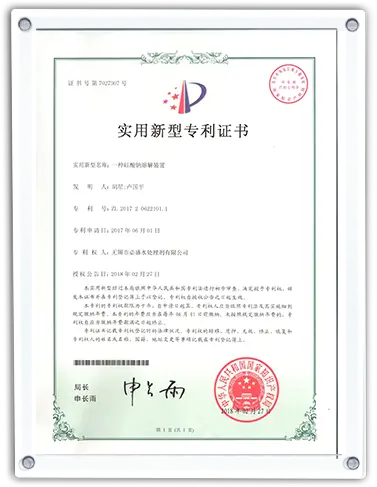
ISO 9001 Certification

ISO 9001 Quality System

Ensuring reliable trace analysis and strict control of raw materials across all manufacturing steps.
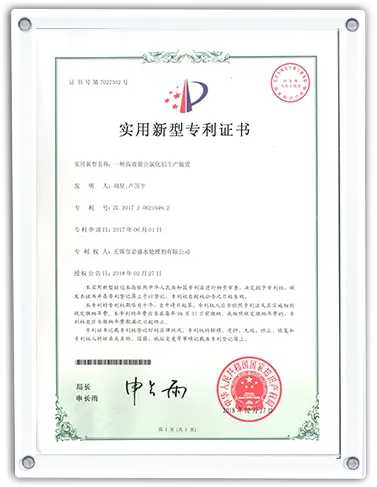
ISO 14001 Certification

ISO 14001 Environmental management

Minimizing carbon emissions and prioritizing resource recycling in our production facilities.
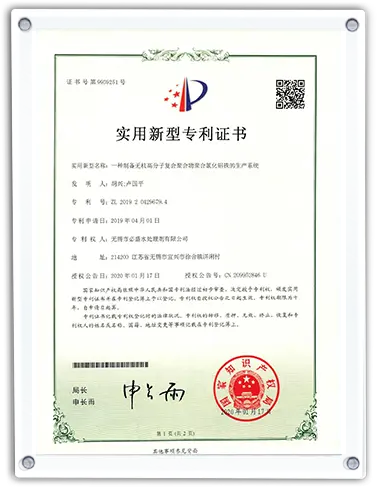
OHSAS 18001 Certification

OHSAS 18001 Safety Management

Strict workplace protection policies that prevent production shutdowns or supply chain delays.
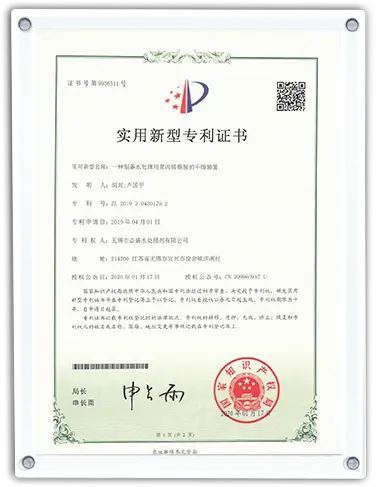
SGS Audited Factory

SGS Audited Facilities

Independent third-party audits validating our technical capacity and high business standards.

TO KNOW MORE ABOUT BS, PLEASE CONTACT US!

Contact our application development department today to request jar testing samples, customized molecular weight adjustments, or high-volume wholesale pricing details.

Wuxi BS Water Treatment Chemicals Co., Ltd.
Wuxi, Jiangsu Province, China

Request Technical Data Sheets & Free Samples

Fill out the form below. Our water treatment experts will review your request and get back to you with custom options.