 BS Water
1 / 4
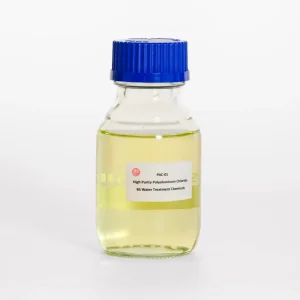
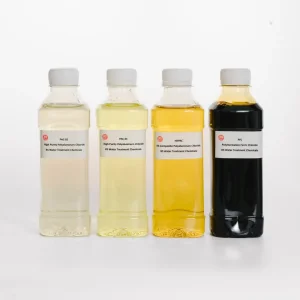
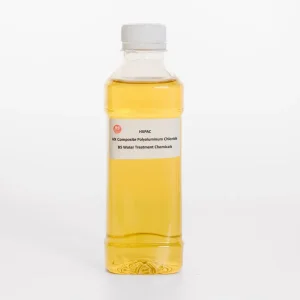
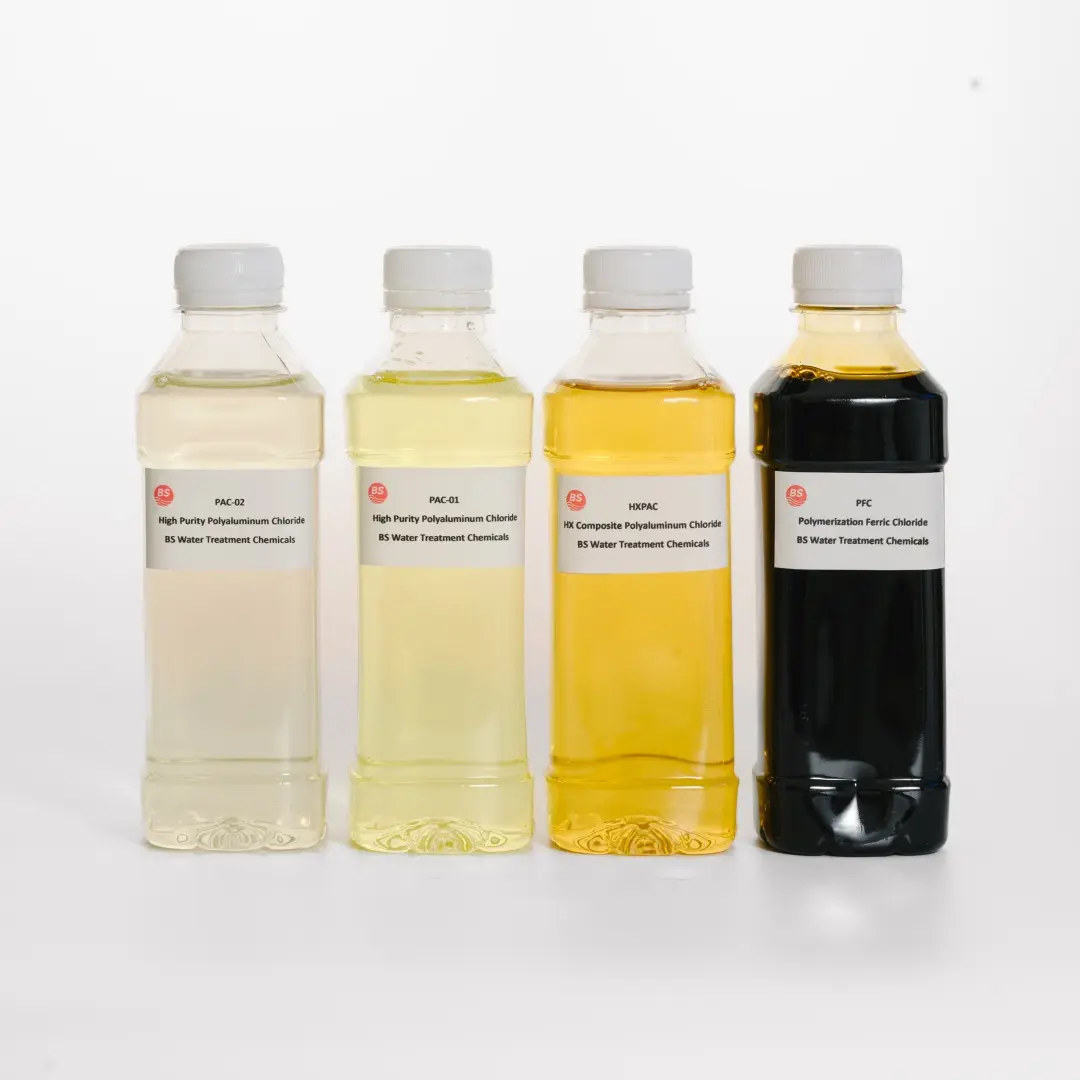
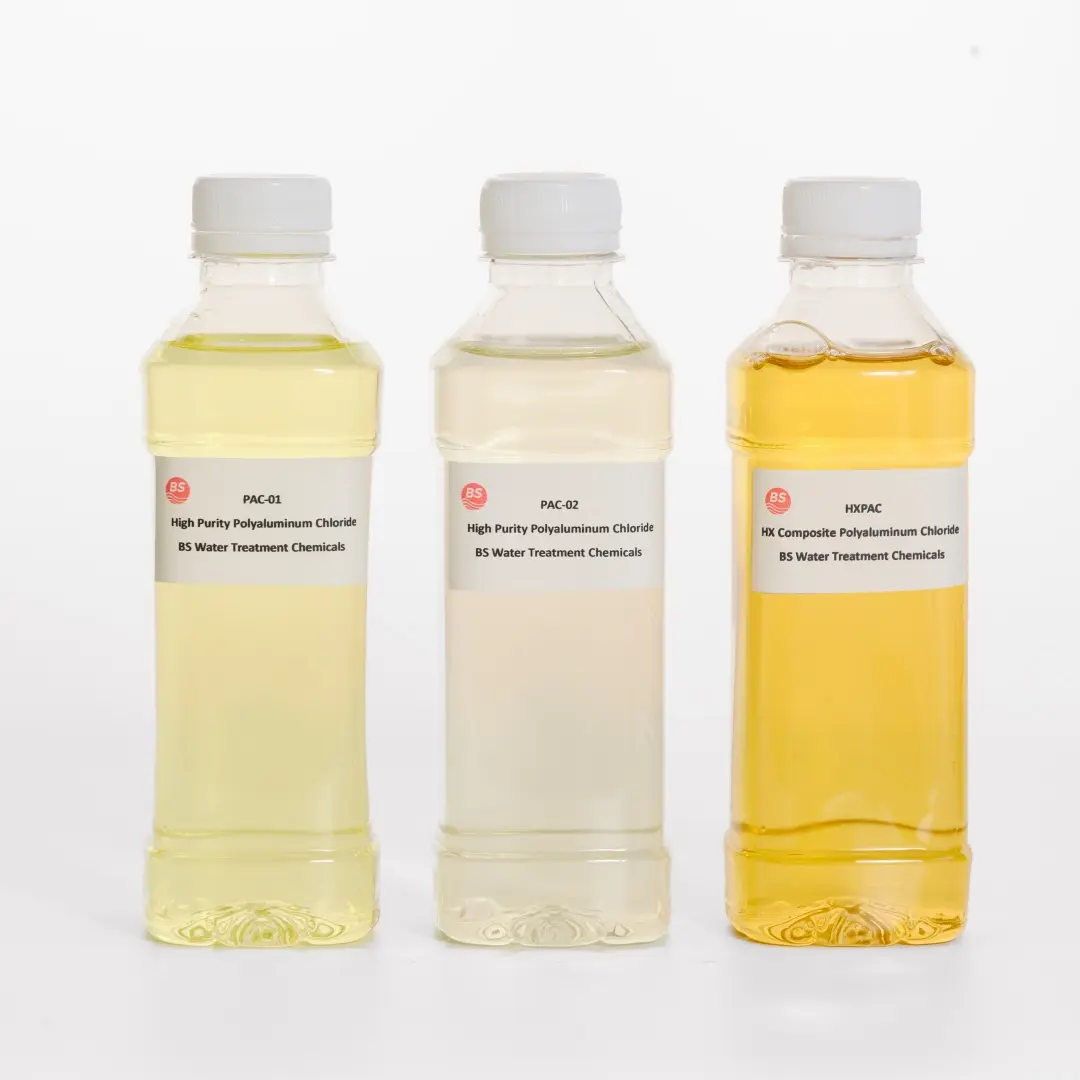
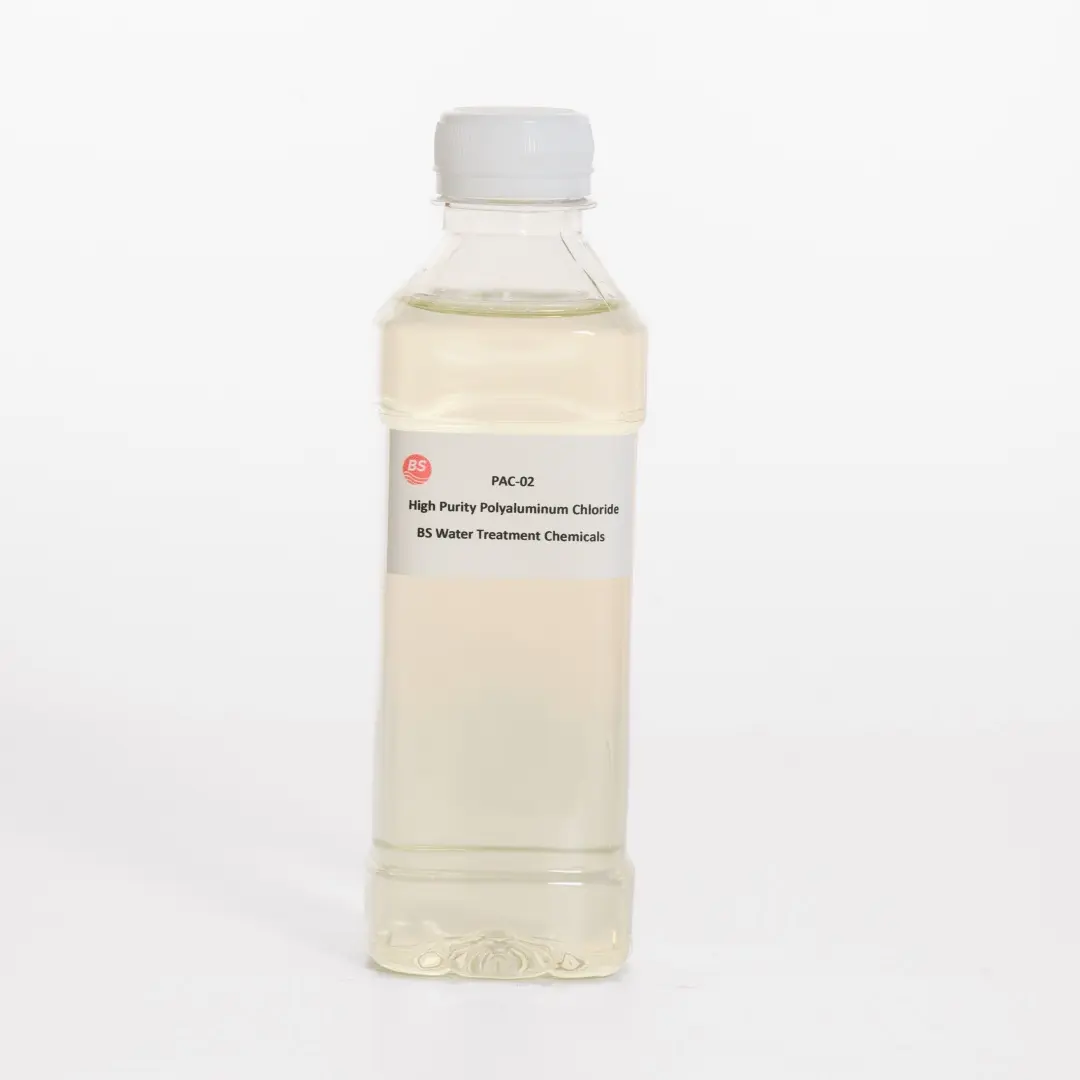
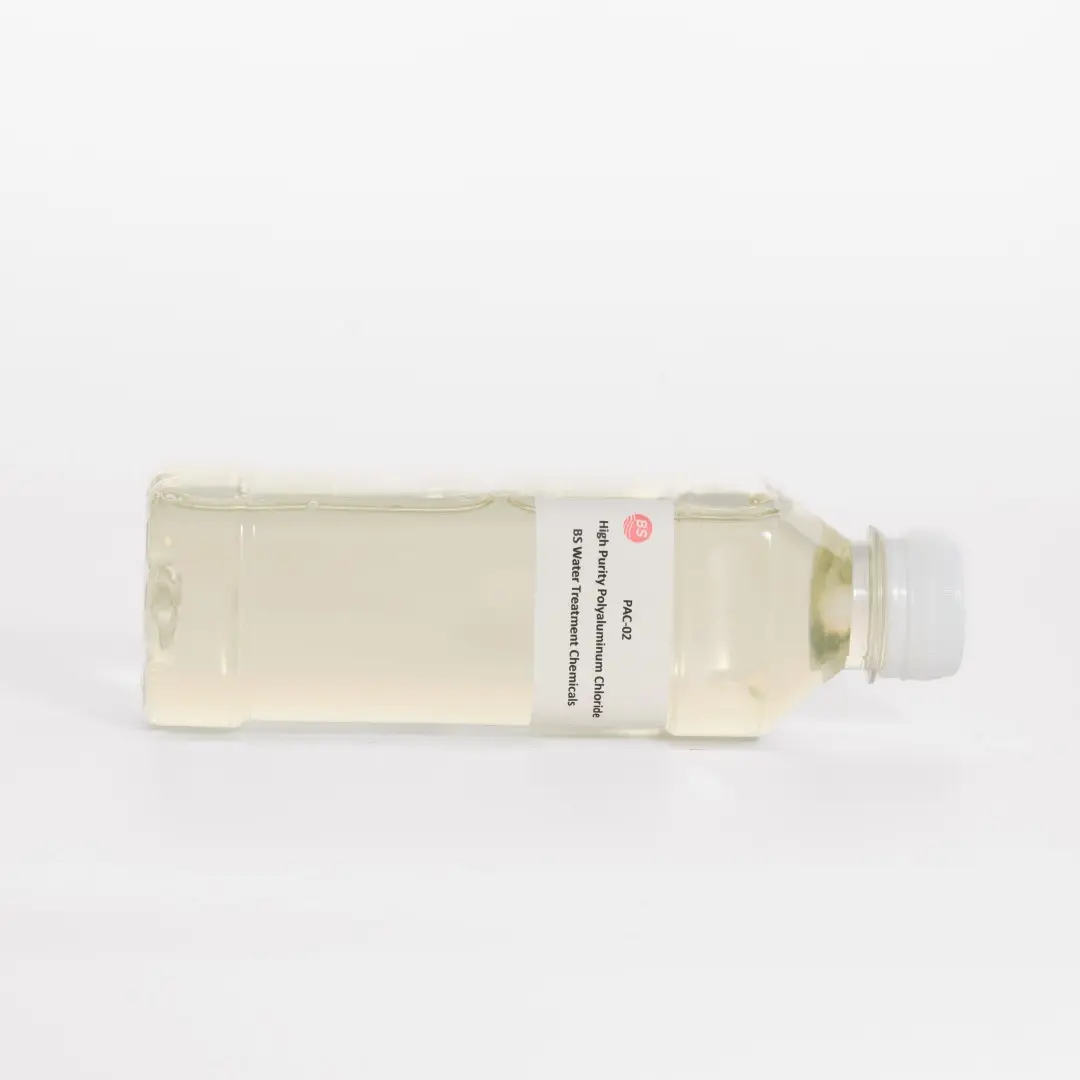
Convenient to Use: No need for dissolution, can be directly added, saving labor and dissolution equipment costs.
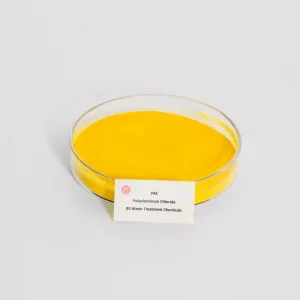
Quick Response: Liquid molecules have high activity, and the flocculation speed is 20% faster than that of the solid version, making it particularly suitable for small water treatment facilities or emergency scenarios.
Low Corrosivity: Wide pH adaptability (4–10), with lower corrosivity to pipelines/equipment than high-concentration aluminum salts.
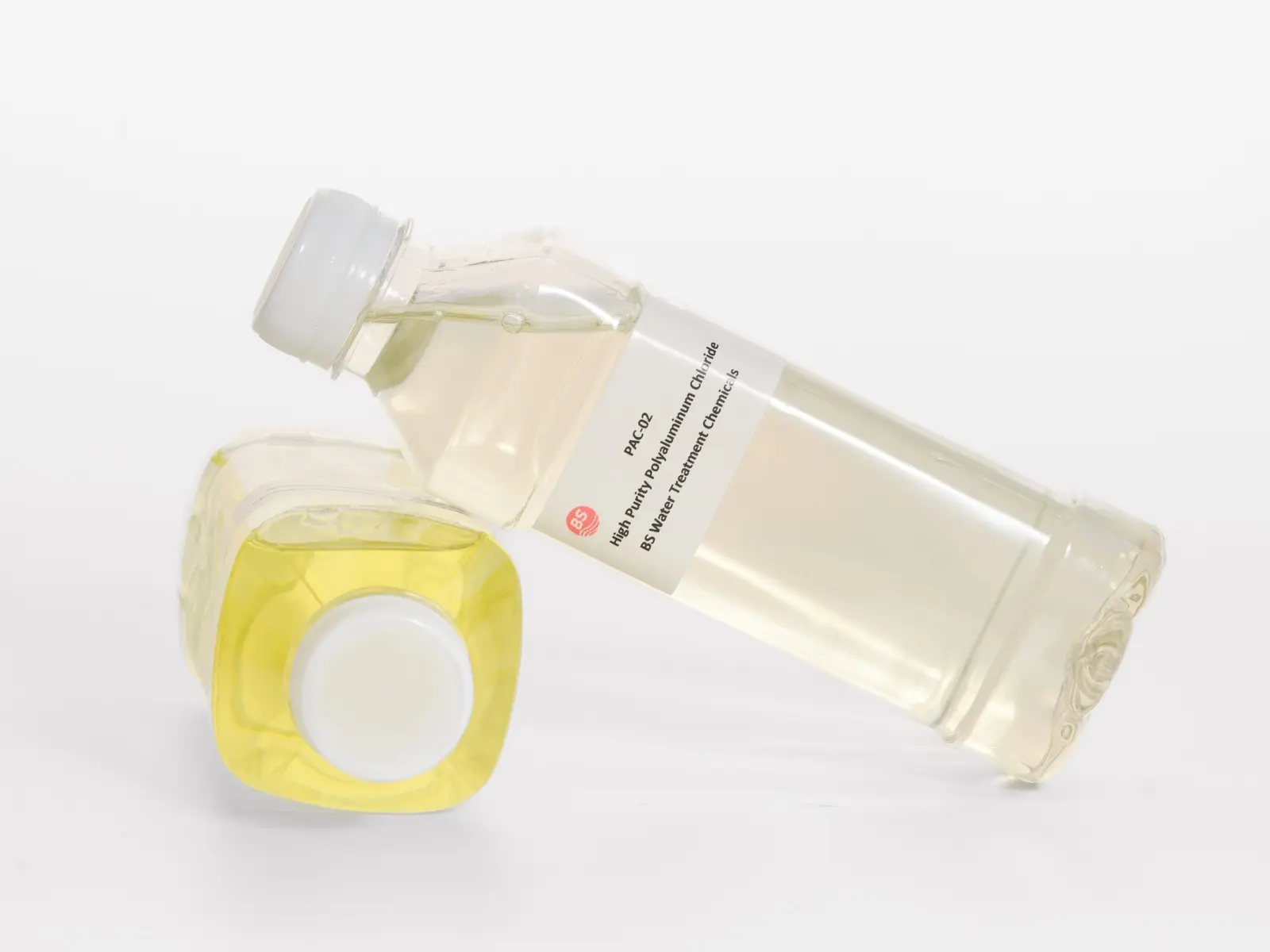
| Parameter | Industrial Grade | Drinking Water Grade |
|---|---|---|
| Density (20℃), g/cm³ ≥ | 1.12 | 1.12 |
| Al₂O₃ Content, % ≥ | 8.0 | 10.0 |
| Basicity, % | 20~98 | 45.0~90.0 |
| Mass fraction of insoluble substances, % ≤ | 0.4 | 0.1 |
| pH (10g/L aqueous solution) | 3.5~5.0 | 3.5~5.0 |
| Mass fraction of Fe, % ≤ | 1.5 | 0.2 |
| Mass fraction of As, % ≤ | 0.0005 | 0.0001 |
| Mass fraction of Cr, % ≤ | 0.005 | 0.0005 |
| Mass fraction of Hg, % ≤ | 0.00005 | 0.00001 |
| Mass fraction of Pb, % ≤ | 0.002 | 0.0005 |
| Mass fraction of Cd, % ≤ | 0.0005 | 0.0001 |
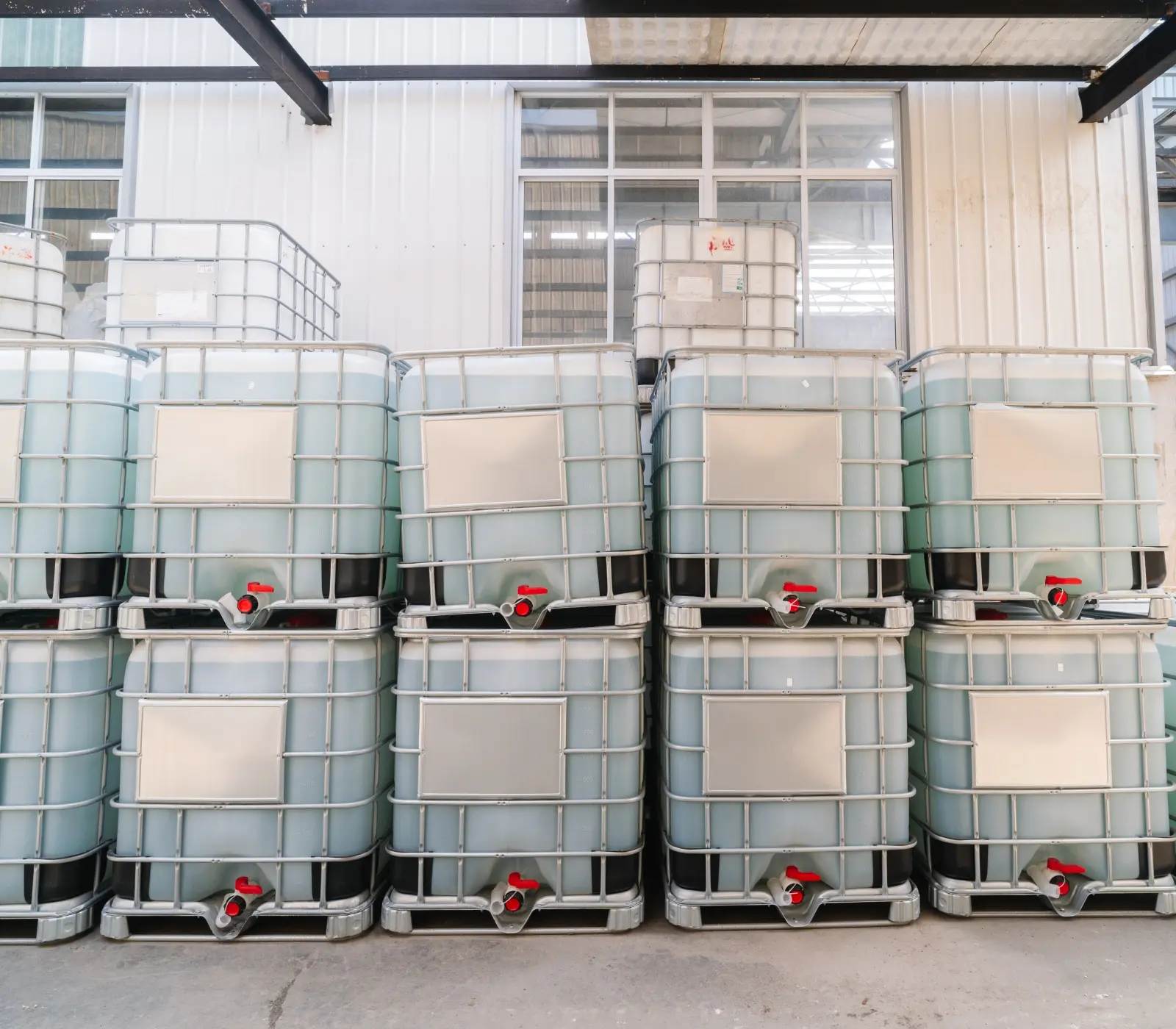
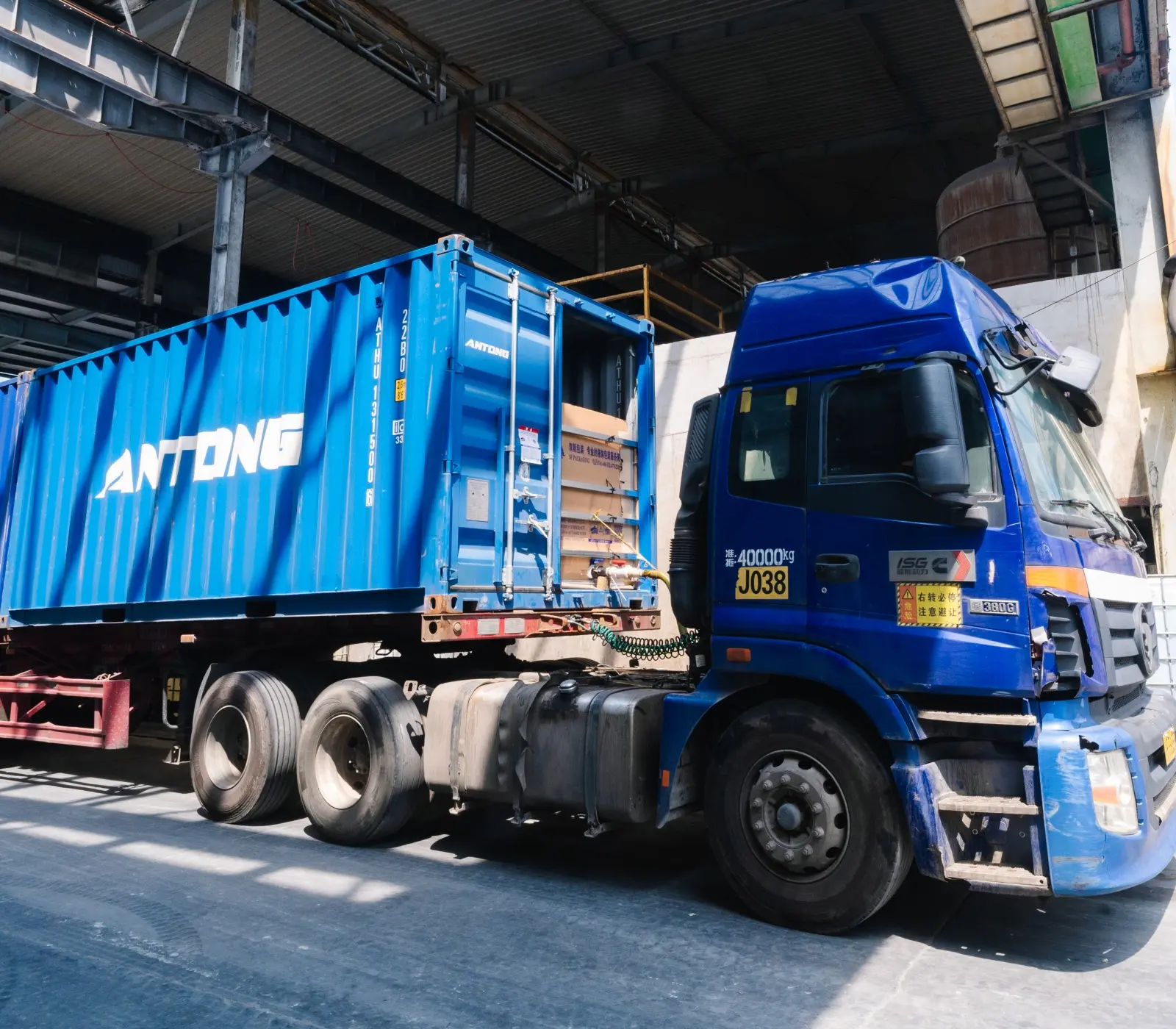
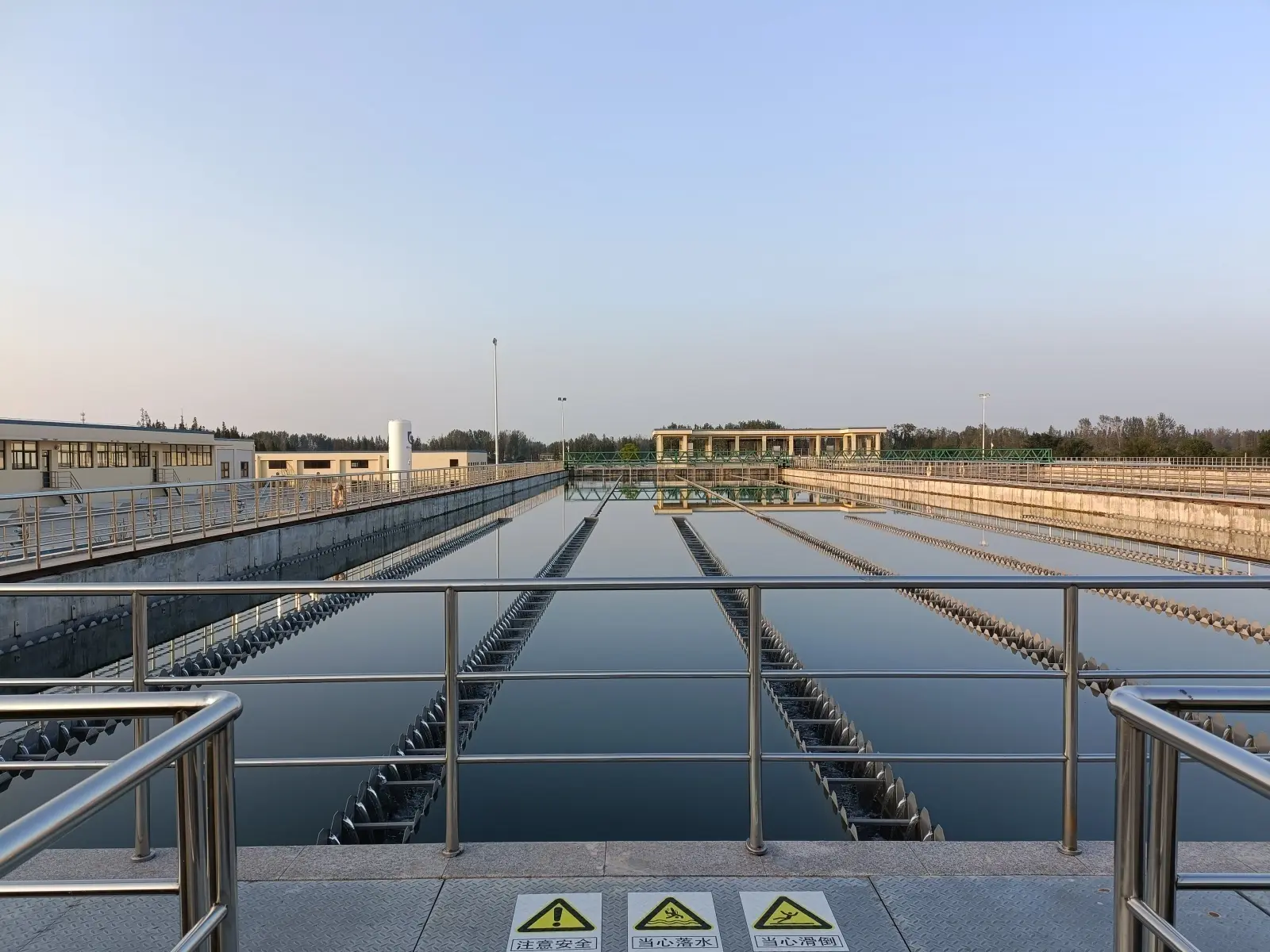
Drinking water purification: Removal of iron and manganese from groundwater, turbidity removal from surface water, meeting international drinking water standards.
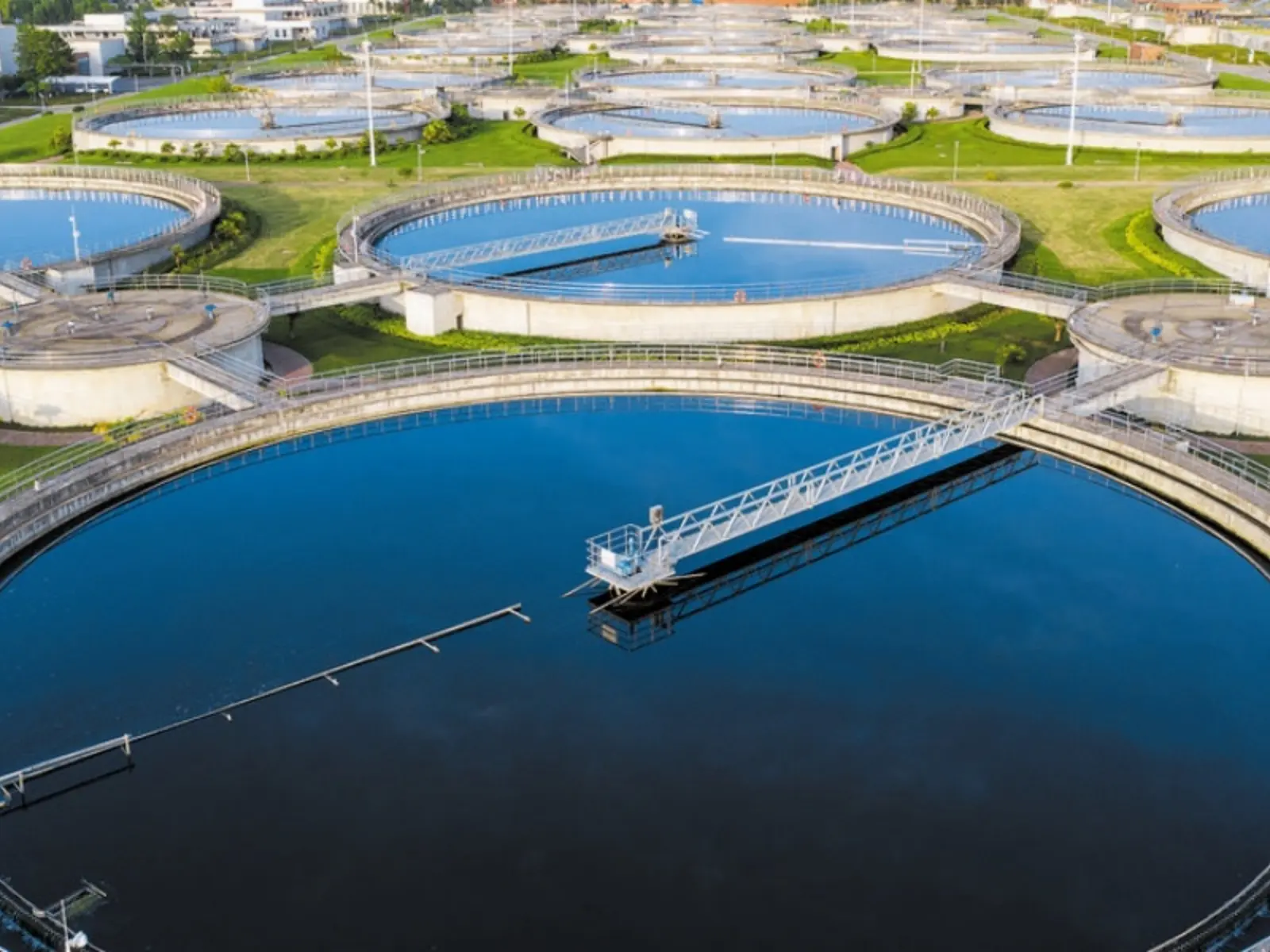
Municipal sewage: Coagulation sedimentation, sludge dewatering, BOD (biochemical oxygen demand) in urban domestic sewage treatment plants.
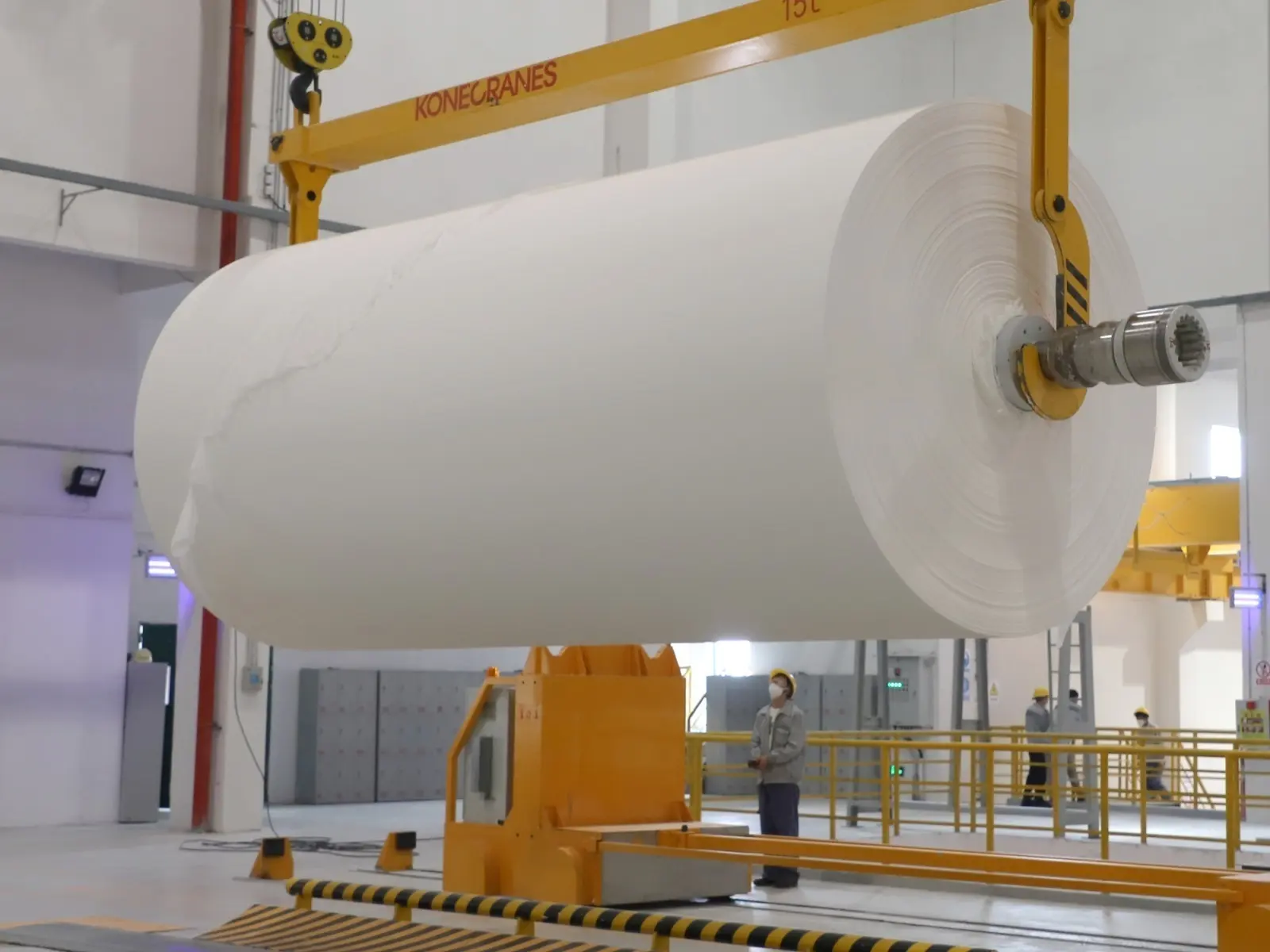
Industrial wastewater: Treatment of papermaking black liquor (delignification, reduction of COD), decolorization of printing and dyeing wastewater (removal of reactive dyes, sulfur dyes), removal of heavy metals from electroplating wastewater (Cr⁶⁺, Cu²⁺), and removal of phosphorus from chemical wastewater.
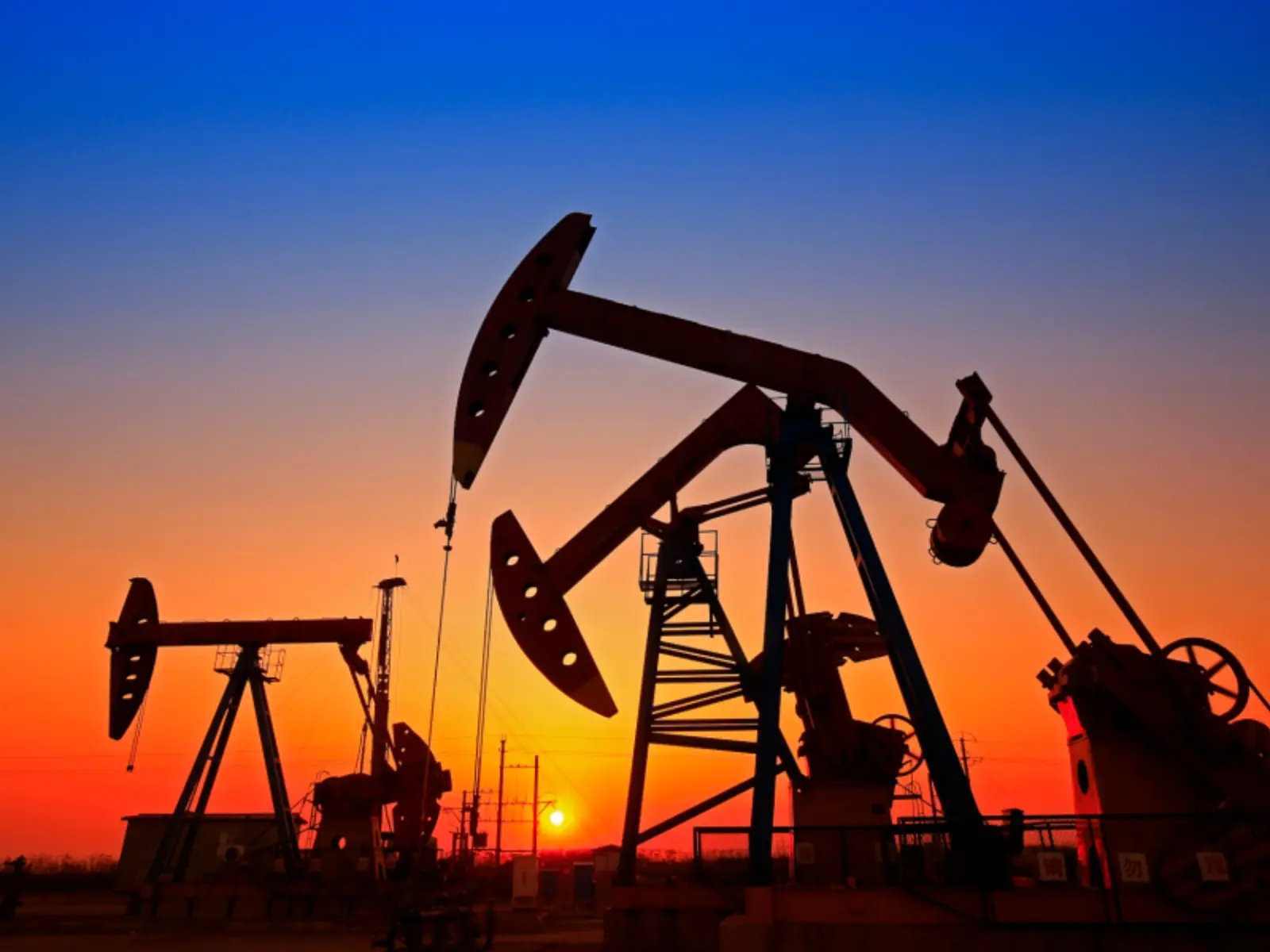
Other scenarios: Coal slime water clarification in coal preparation plants, oil removal from oilfield reinjection water, and recycling of stone cutting wastewater.