Empowering Illinois manufacturing facilities with specialized polymeric color removal chemicals and high-basicity coagulants engineered for targeted effluent standards.
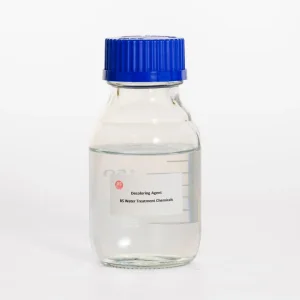
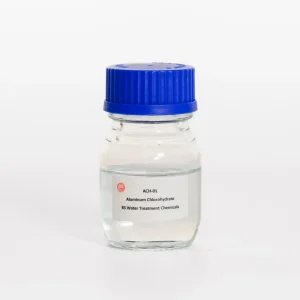
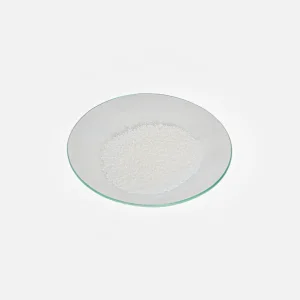
As one of North America's most critical manufacturing and logistics hubs, the Greater Chicago area—spanning Cook, DuPage, and Will counties—operates under some of the most rigorous water quality frameworks in the world. Monitored strictly by the Metropolitan Water Reclamation District of Greater Chicago (MWRD) and the Illinois Environmental Protection Agency (IEPA), industrial facilities discharging into municipal sewers or directly into the Illinois Waterway system face intense compliance pressures. In particular, pollutants affecting chemical oxygen demand (COD), total suspended solids (TSS), and visual coloration must be mitigated before discharge.
Traditional municipal and industrial treatments often struggle to remove color caused by water-soluble organic dyes, pigments, and complex humic compounds. This is where high-charge cationic polymers, specifically dicyandiamide-formaldehyde copolymers like our Water Decoloring Agent (WDA), become indispensable. Operating as an industrial-strength decolorizer, WDA is engineered to destabilize colored colloids and accelerate rapid sedimentation, helping Chicago-based textile finishers, commercial laundries, food processors, and chemical plants avoid high surcharge fees and EPA non-compliance notices.
Specially designed to bind with hydrophilic reactive, acid, and disperse dyes, neutralizing negative charges for rapid settling.
Ensures downstream effluent matches regional wastewater parameters, preventing heavy municipal surcharges.
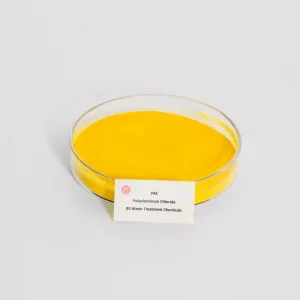
Works seamlessly alongside Polyaluminum Chloride (PAC) and Polyacrylamide (PAM) to minimize sludge volume.
The molecular composition of our high-efficiency Water Decoloring Agent (WDA) is fundamentally designed around an organic cationic polymer with a high density of positive charges. Most soluble dyes and organic particulate suspensions in industrial wastewater carry negative ionic charges (anionic characters). This electrical conflict prevents particles from coalescing, keeping them suspended and creating persistent colored plumes in the effluent.
When introduced to wastewater, WDA performs a multi-tiered action:
| Parameter Profile | Technical Specification Target | Testing Standards & Methodologies |
|---|---|---|
| Appearance | Colorless to Light-Colored, Viscous Liquid | Visual Inspection |
| Solid Content (%) | ≥ 50% / ≥ 70% (Custom High-Concentration Formulations) | GB/T 1725 Gravimetric Standard |
| Dynamic Viscosity (mpa.s, 20°C) | 50 – 250 mpa.s | Brookfield DV-II+ Pro Viscometer |
| pH Level (30% Water Solution) | 3.0 – 5.0 (Slightly Acidic Buffer) | ASTM E70 Glass Electrode Method |
| Specific Gravity (at 20°C) | 1.15 – 1.25 g/cm³ | Hydrometer / Pycnometer Analysis |
By shifting from conventional alum or ferric sulfate treatment to advanced polymeric decoloring systems, Chicago operators can reduce raw chemical storage requirements by up to 60% and drop sludge production rates by 40%. This results in substantial direct savings in waste hauling and filter press maintenance costs.
In Cook County and the broader Chicago metropolitan region, industrial wastewater treatment is governed by local pretreatments under the Clean Water Act. The Metropolitan Water Reclamation District (MWRD) handles over 1.3 billion gallons of wastewater daily. Strict rules limit the levels of color and organic compounds that factories can discharge, especially in areas near natural water sources like the Chicago River or Calumet River.
For Chicago facilities in printing, packaging, and commercial laundry, visual color in discharged water can cause issues. Even if the water is non-toxic, visual color indicates that dyes or organic matter are not being fully removed. These compounds can block light in local rivers, affecting aquatic life. Using Wuxi BS Water Treatment's Water Decoloring Agent helps local facilities lower color and reduce COD, ensuring compliance with MWRD standards.
Different industrial processes generate unique wastewater profiles. Finding the right chemical combination is key to ensuring efficient color removal and water purification.
Lignin compounds from wood processing generate a dark, tea-colored wastewater. Combining WDA with high Al2O3 Aluminum Chlorohydrate (ACH) removes these natural color molecules and reduces COD before discharge.
Highly soluble reactive and acid dyes are difficult to treat with standard coagulants. Dicyandiamide-based polymers target these dyes, neutralizing charges and bringing them out of solution quickly.
Complex organic chemical processing requires chemical systems that remain stable under varying pH conditions. Combining WDA with PAC and Cationic Polyacrylamide (CPAM) ensures effective settling of solids.
Wuxi BS Water Treatment Chemicals Co., Ltd. operates advanced chemical manufacturing facilities. Our production lines utilize digital automation systems to control raw material feeding, polymerization temperatures, and product packing. This ensures high product consistency and stability across all batches shipped overseas.
We supply municipal and industrial customers in Chicago and the Midwest through a reliable global logistics network. Operating an export program since 2007, we maintain a 20,000-ton storage facility to ensure product availability even during global shipping disruptions. We handle international logistics from our factory in China to Midwest distribution hubs, ensuring a reliable supply of water treatment chemicals.
Began operations in Wuxi, focus on developing specialized coagulants for domestic industrial and drinking water treatment.
Expanded reach to supply distributors and industrial facilities globally, achieving consistent product quality.
Upgraded production lines with automated chemical dosing systems, reaching a production capacity of 500,000 tons per year.
Expanded local services for Chicago and Midwest municipal and industrial wastewater operators, offering direct-factory supply options.
Direct-factory chemicals for industrial flocculation, municipal water treatment, and sludge dewatering operations.
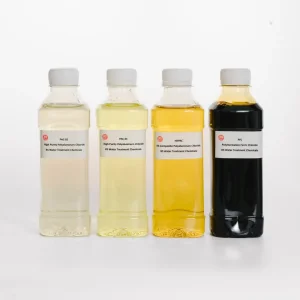
Our chemical engineers are ready to assist with product selection, jar tests, and chemical dosage optimization. Contact us for direct-factory quotes and regional delivery options.
 BS Water