China Suppliers Factory for Composite Polyaluminum Chloride (CPAC) - Enhanced Water Treatment Flocculant

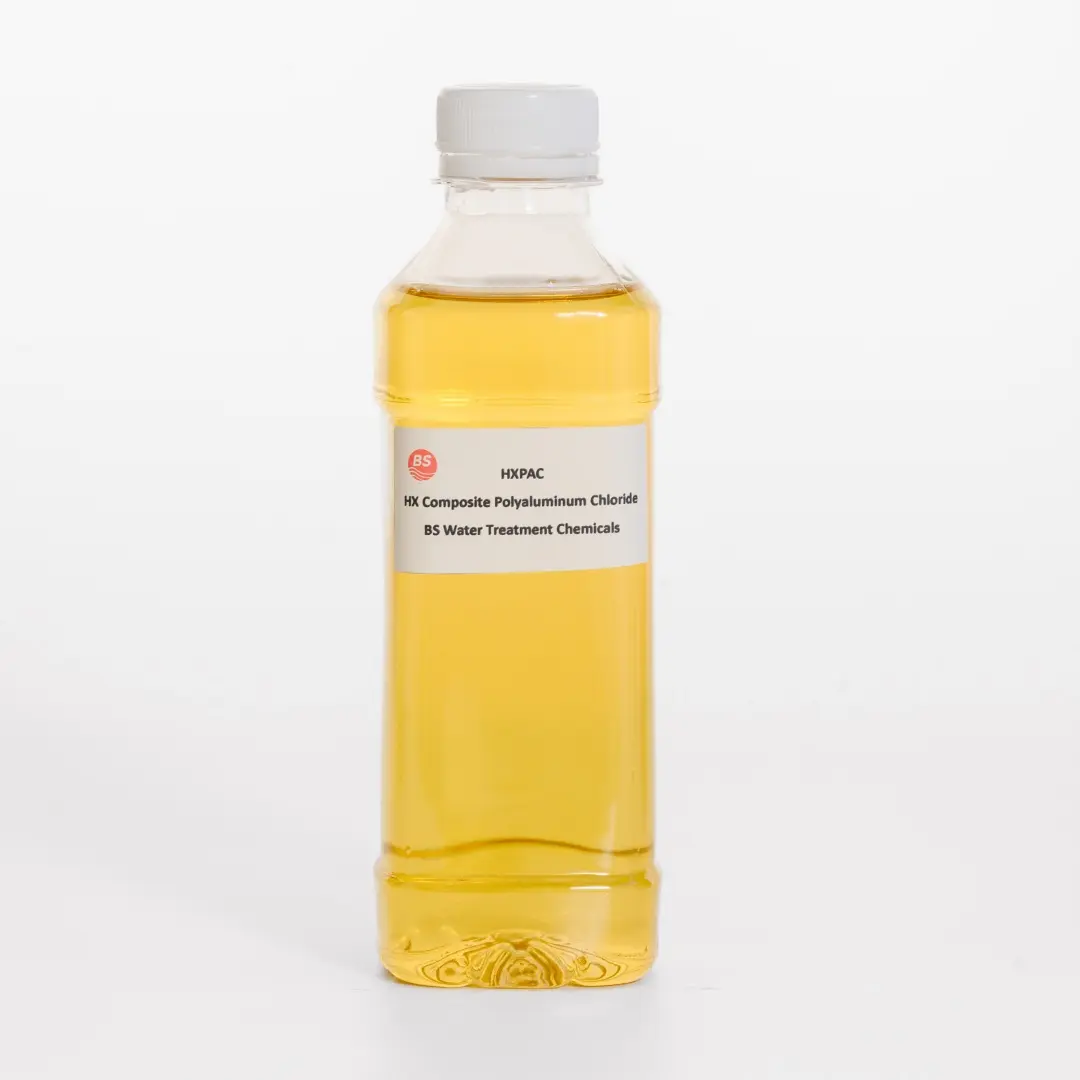
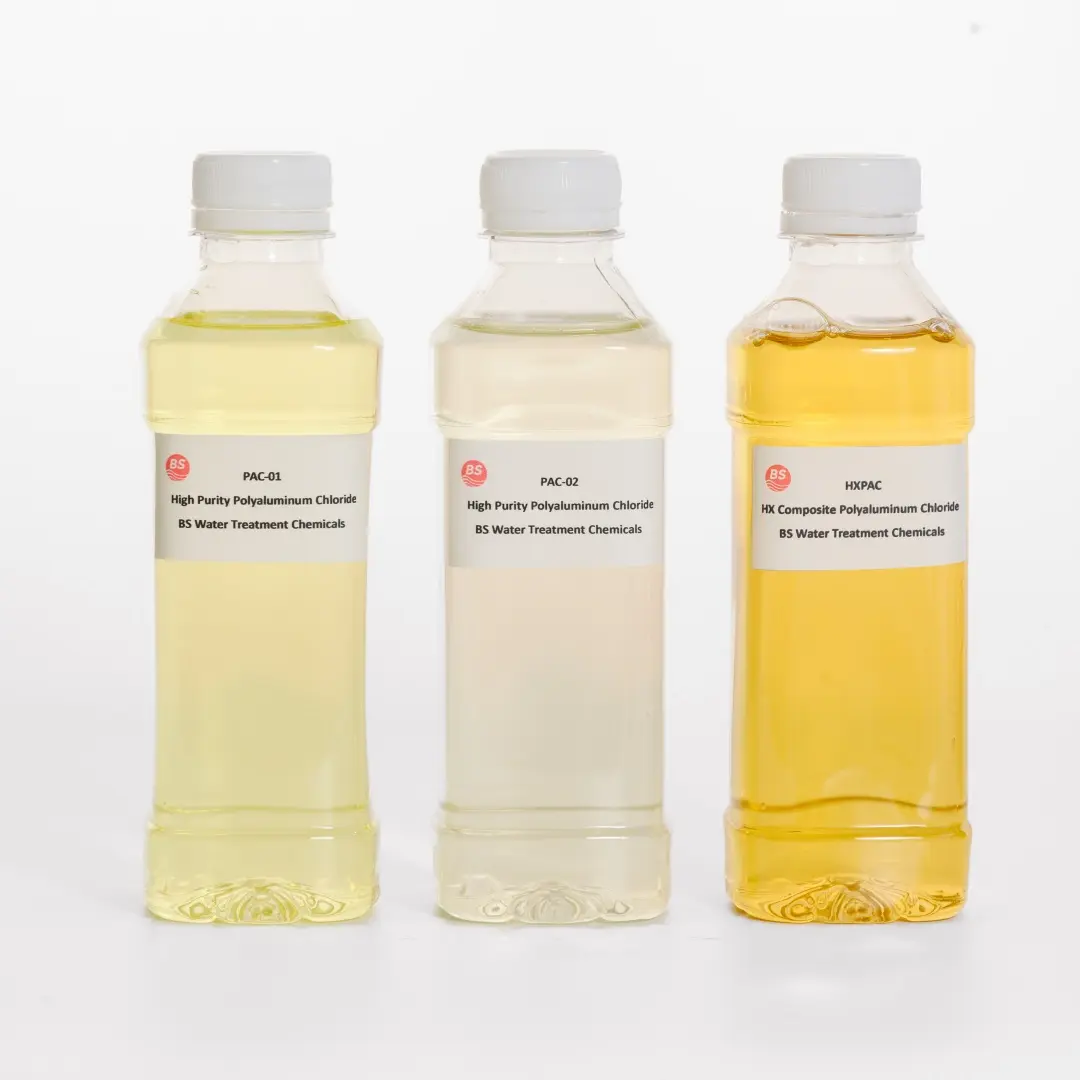
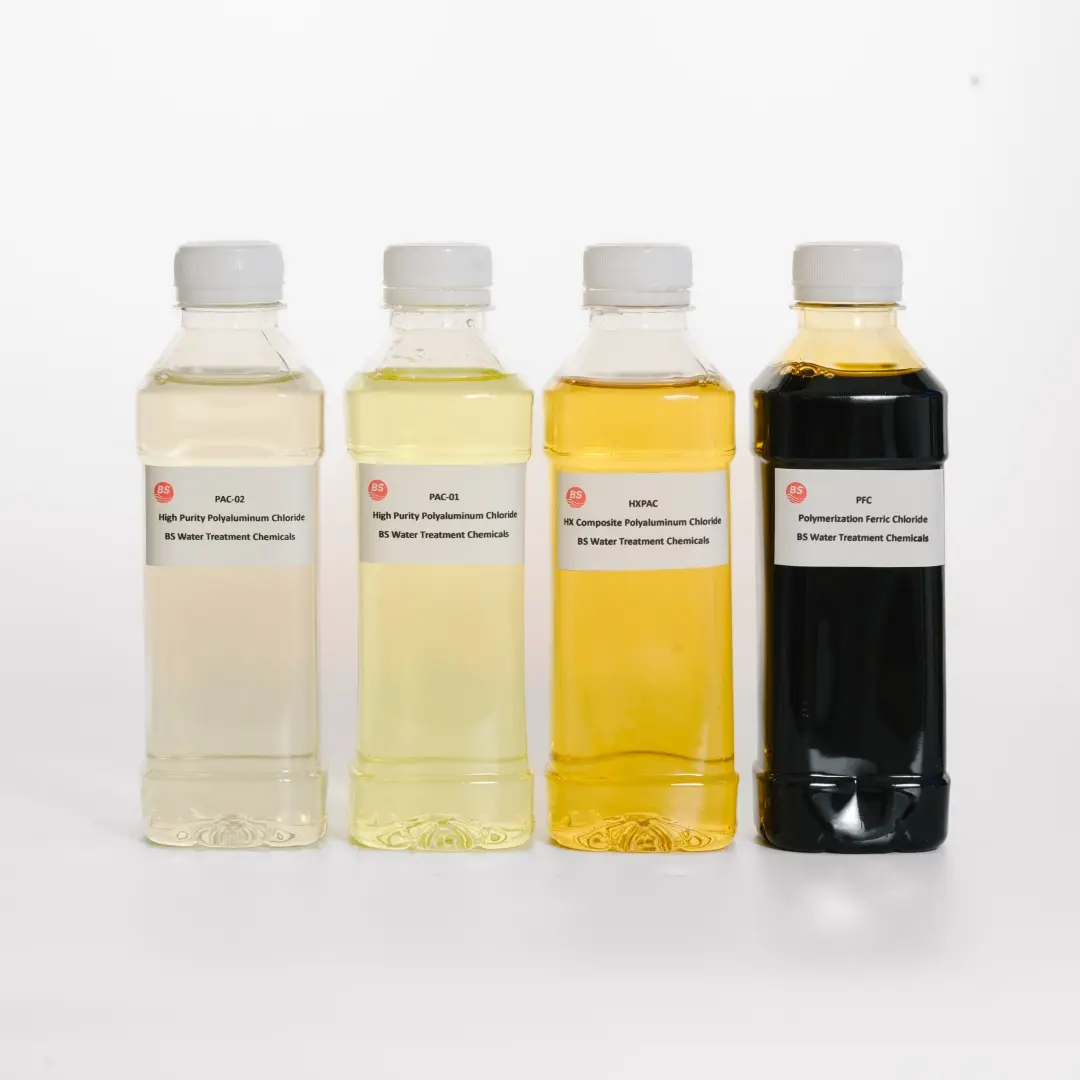
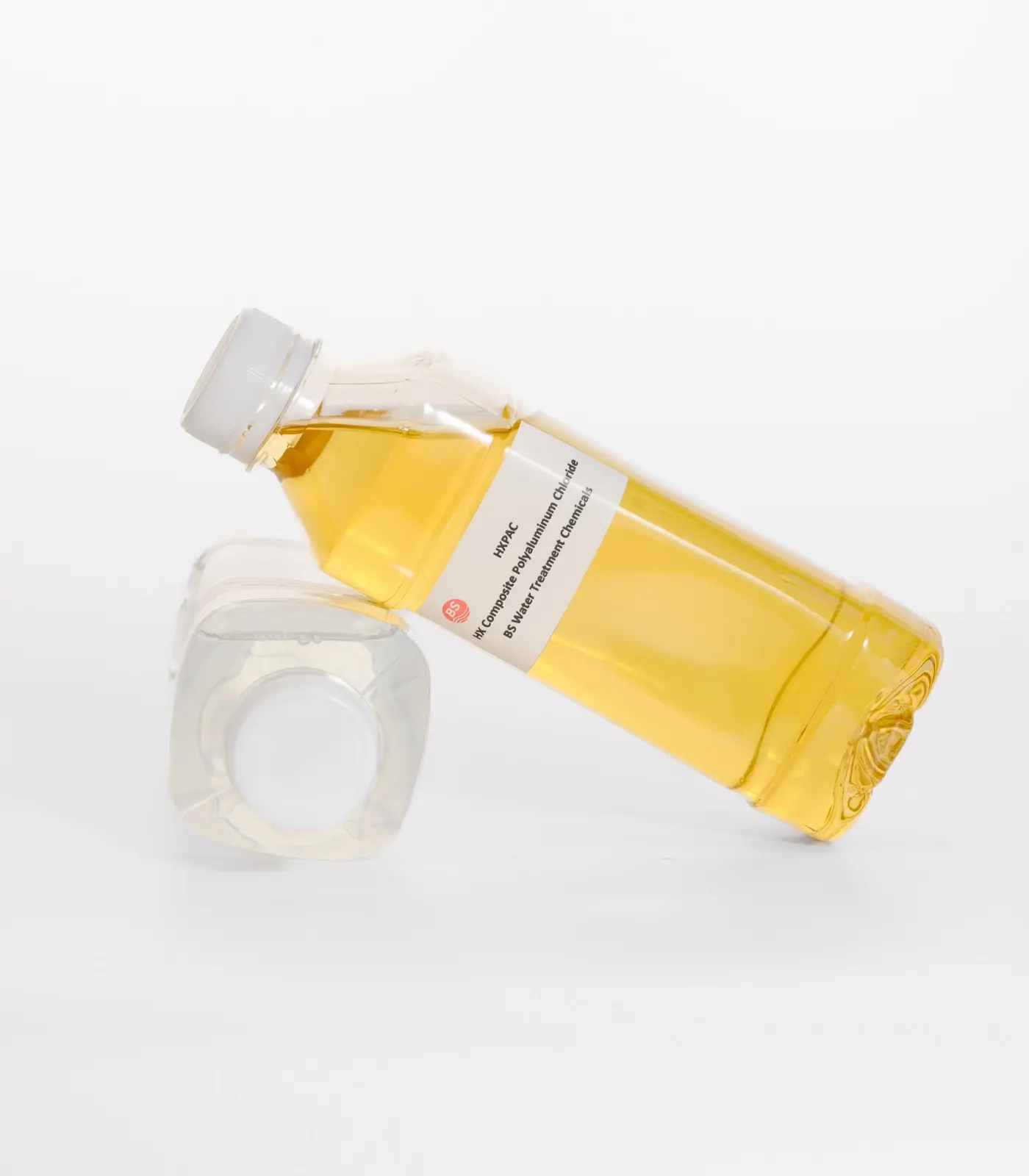
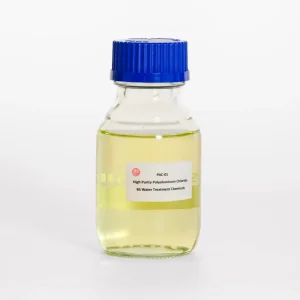
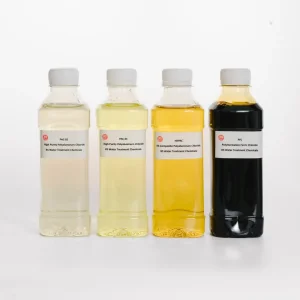
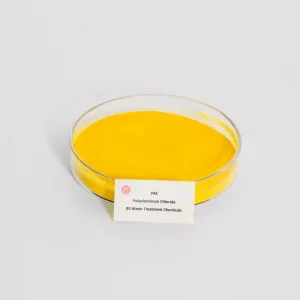
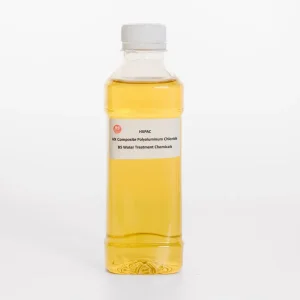
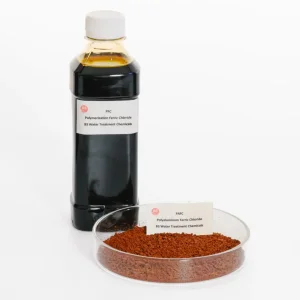
Composite Polyaluminum Chloride (CPAC) is an advanced multifunctional water treatment agent developed by leading manufacturers in China. This innovative product is created by combining various functional substances, including aluminum salts, iron salts, and organic flocculants, with Polyaluminum Chloride (PAC) at our state-of-the-art factory. The primary function of CPAC is to harness the synergy effect of its diverse components, effectively overcoming the limitations of conventional PAC, such as its reduced efficacy in treating low-turbidity wastewater and its inability to simultaneously decolorize and remove heavy metals. By achieving efficient flocculation and multifunctional purification, CPAC provides comprehensive solutions for water treatment challenges, Unlike traditional PAC, which relies on electrical neutralization + adsorption bridging, CPAC effectively addresses a wide range of pollutants—including suspended solids, colloids, organic matter, and heavy metals—by incorporating additional components like iron salts to enhance net capture abilities. As a result, CPAC is recognized as an upgraded version of flocculants in the water treatment industry, making it the preferred choice among suppliers and customers alike. For those seeking reliable water treatment solutions, our CPAC offers unmatched performance and versatility, setting a new standard in water purification technology.

Product Description

Core Features

1. Multi-effect synergy to address the "shortcomings" of single PAC

Complete the pH adaptation range: The optimal pH for single PAC is 6–9, while CPAC can extend the applicable pH to 4–11 by adding iron salts (such as polyferric sulfate) or organic bases (such as polyacrylamide), adapting to highly acidic (such as mine wastewater) or highly alkaline (such as papermaking black liquor) scenarios.
Enhanced Decolorization/Heavy Metal Removal: For printing and dyeing wastewater (containing dye pigments) or electroplating wastewater (containing Cr⁶⁺, Cu²⁺), CPAC can be compounded with activated carbon (adsorbing pigments) or sulfides (complexing heavy metals), with a high heavy metal removal rate.
Reduce sludge production: Composite components (such as diatomite) can enhance the compactness of flocs, with the sludge volume reduced by 20%–30% compared to single PAC, thereby reducing the subsequent pressure filtration cost.

Compound Poly Aluminium Chloride (4)

2. Adapt to complex water quality, covering over 90% of industrial scenarios

Through "Modularization compounding" design, CPAC can flexibly adjust the formula according to different wastewater characteristics, for example:
High turbidity wastewater (such as coal washing and mining wastewater): Compound high polymerization degree PAC (Al₂O₃ ≥ 15%) + diatomite (enhanced filtration), turbidity removal rate ≥ 98%.
High organic wastewater (such as printing and dyeing, food processing wastewater): Compound activated carbon (adsorbing COD) + polyacrylamide (coagulant aid), with a COD removal rate ≥ 50%.
Heavy metal-containing wastewater (such as electroplating and chemical wastewater): compounded sodium sulfide (complexing heavy metals) + iron salt (netting and precipitation).
Compound Poly Aluminium Chloride (5)
Applicable Scenarios
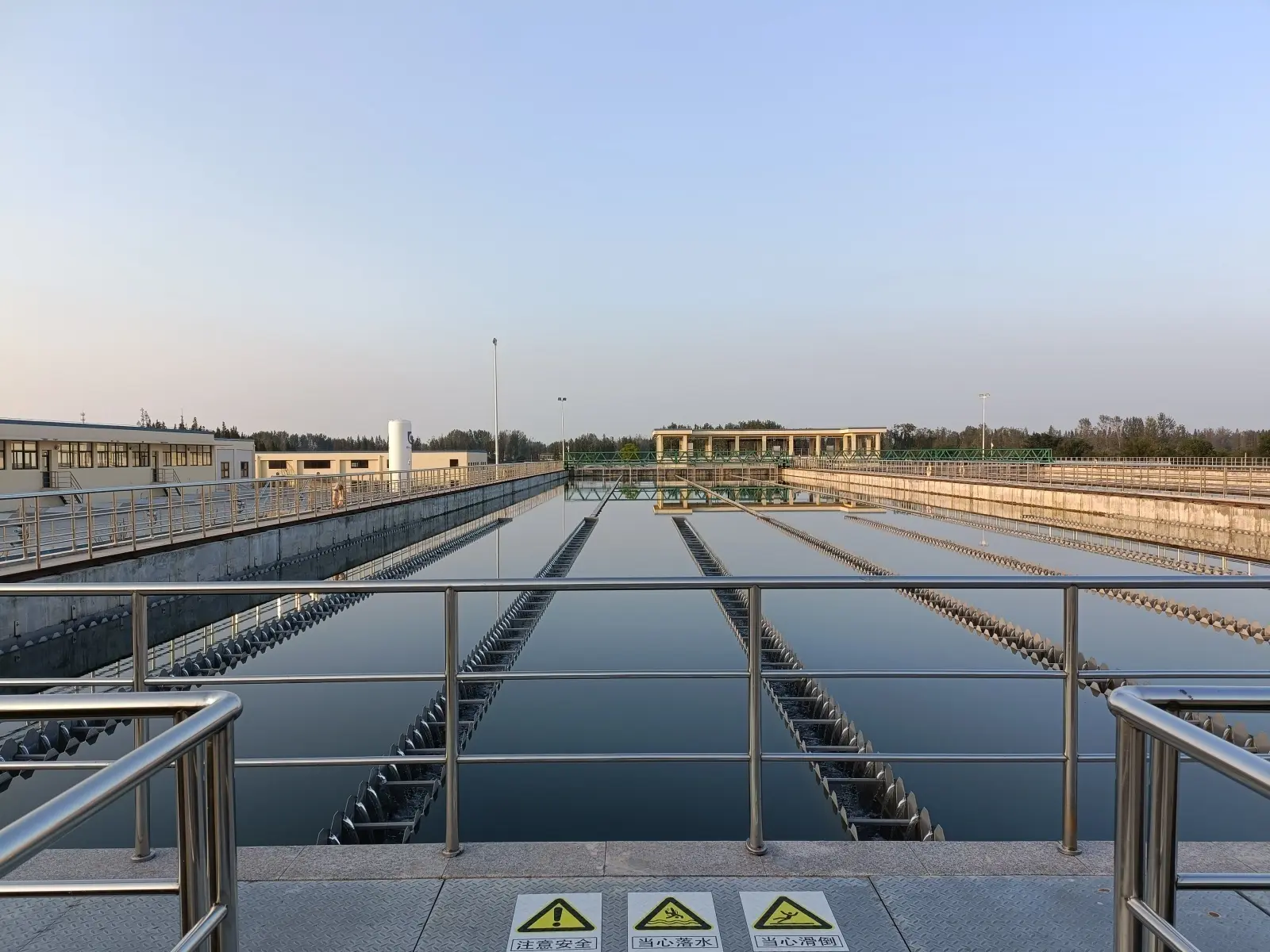
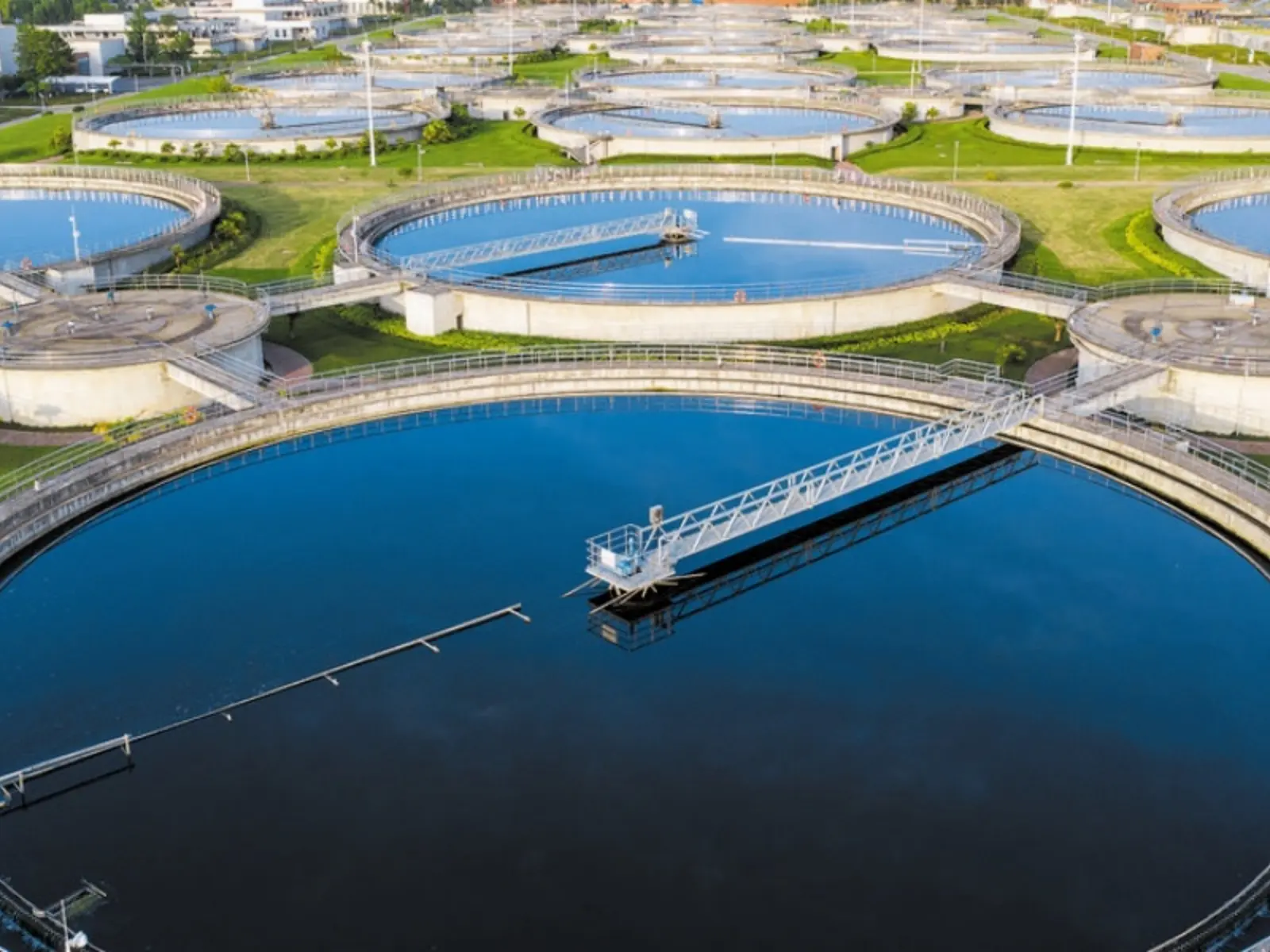
Advanced Treatment of Municipal Sewage
Decolorization and COD Reduction of Printing and Dyeing Wastewater
Removal of Heavy Metals from Electroplating Wastewater
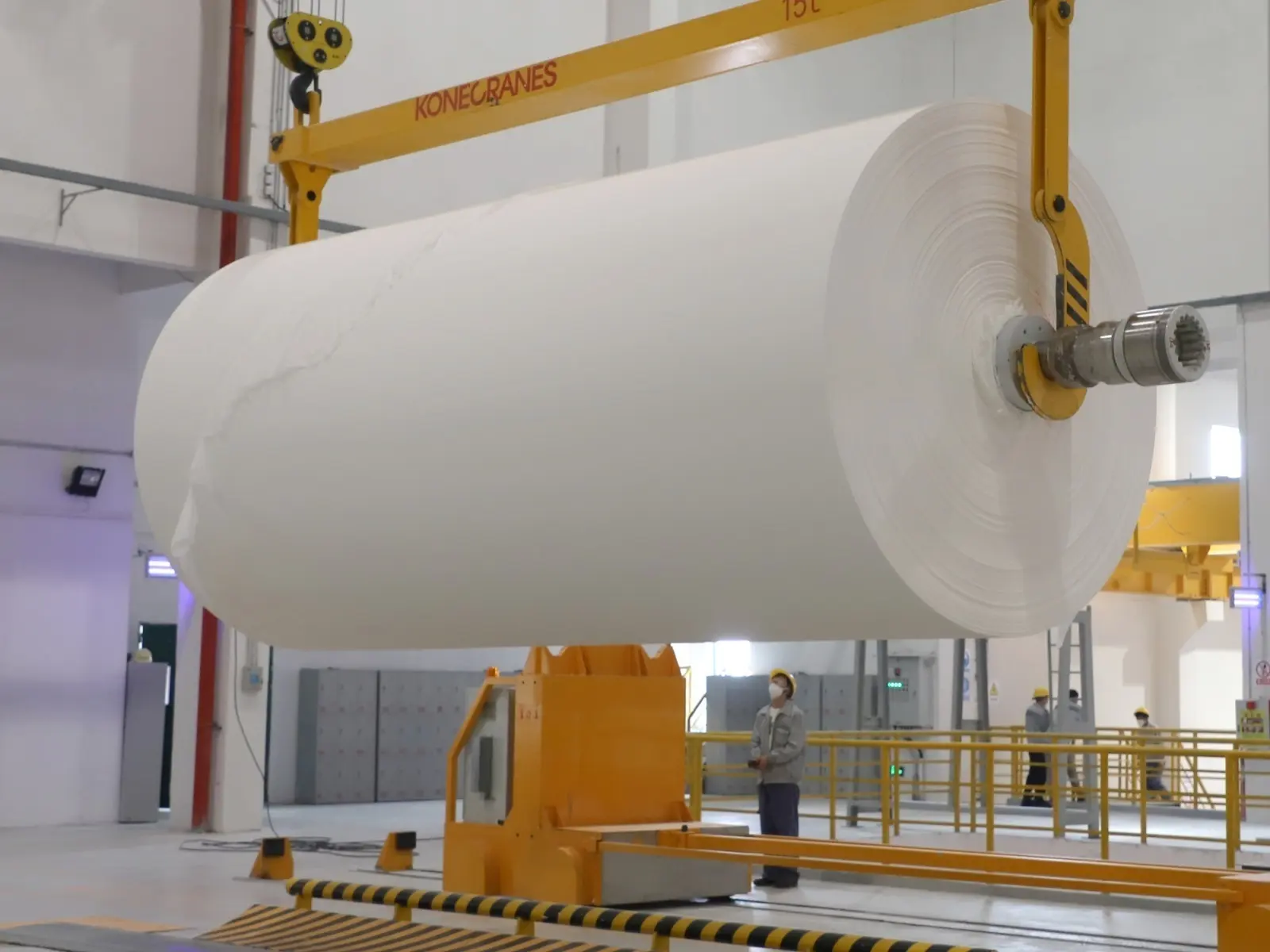
Recycling of Papermaking / Mining Wastewater
application (3)
application (1)
application (5)
application (4)
application (2)
Precautions for Use
Water quality testing first: Before use, it is necessary to test the pH, COD, and heavy metal content of wastewater, and adjust the CPAC formula based on the data (for example, acidic wastewater requires an increase in the proportion of iron salts).
Storage Conditions: Liquid type should be stored sealed in a cool place (temperature ≤ 30°C), solid type should be stacked to prevent moisture (humidity ≤ 60%), and the shelf life of the liquid type is 12 months.
Frequently Asked Questions
Q
What is Compound Poly Aluminium Chloride (CPAC) and how does it differ from standard PAC?
CPAC is a composite coagulant formulated by combining standard Poly Aluminium Chloride (PAC) with additional agents such as iron salts, activated carbon, diatomite, or polyacrylamide. Unlike single PAC (which works optimally at pH 6–9), CPAC extends the effective pH range to 4–11 and offers enhanced performance for decolorization, heavy metal removal, and sludge reduction.
Q
What types of wastewater is CPAC most suitable for?
CPAC is suitable for a wide range of industrial and municipal wastewater, including municipal sewage, printing and dyeing wastewater, electroplating wastewater, coal washing wastewater, food processing effluent, papermaking black liquor, and mining wastewater. Its modular compounding design allows the formula to be tailored to specific water quality requirements.
Q
How effective is CPAC at removing heavy metals from electroplating wastewater?
CPAC compounded with sodium sulfide (for complexing heavy metals) and iron salts (for netting and precipitation) achieves a high heavy metal removal rate for contaminants such as Cr⁶⁺ and Cu²⁺ found in electroplating and chemical wastewater. The exact removal efficiency depends on the specific formula used and the initial concentration of heavy metals.
Q
How should CPAC be stored to maintain its effectiveness?
Liquid CPAC should be stored in a sealed container in a cool environment with a temperature not exceeding 30°C, and has a shelf life of 12 months. Solid CPAC should be stored in a dry environment with humidity kept at or below 60% to prevent moisture absorption, which could affect its coagulation performance.
Q
Does CPAC produce less sludge compared to standard PAC?
Yes. Composite components such as diatomite used in CPAC formulations enhance the compactness and density of flocs formed during the coagulation process. This results in a sludge volume reduction of approximately 20%–30% compared to single PAC, which directly lowers the cost and complexity of subsequent pressure filtration and sludge disposal.
Q
Is water quality testing required before using CPAC?
Yes, water quality testing is strongly recommended before applying CPAC. Key parameters to measure include pH, COD, and heavy metal content. Based on the test results, the CPAC formula can be adjusted accordingly — for example, acidic wastewater may require a higher proportion of iron salts to ensure optimal coagulation performance and treatment efficiency.

Related Products