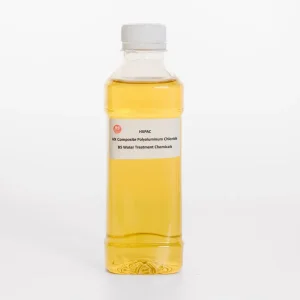
China Advanced Water Treatment Manufacturers & Factory

Innovative Synthesis, High-Performance Flocculants, and Strategic Purification Solutions for Global Municipal & Industrial Zero-Liquid Discharge (ZLD) Operations

Featured Water Treatment Chemistry & Formulations

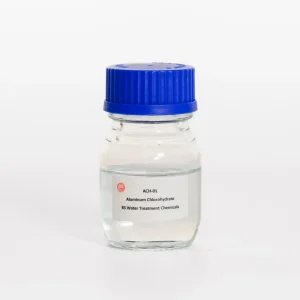
High Basicity Aluminum Chlorohydrate (ACH)

China High Basicity Aluminum Chlorohydrate (ACH) with High Al2O3 Content

Technical Specs →
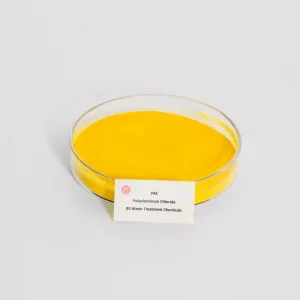
Poly Aluminium Chloride (PAC) Granules

China Poly Aluminium Chloride (PAC) - White/Yellow Granules

Technical Specs →
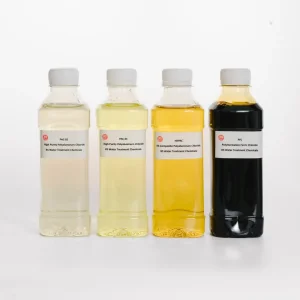
Polyaluminium Chloride (PAC) Liquid

Wholesale PolyAluminium Chloride (PAC) Liquid (10%-15% Active Solution)

Technical Specs →
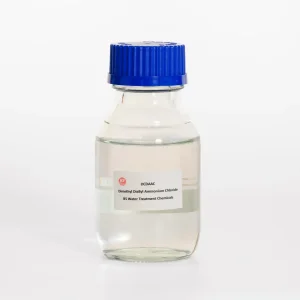
PDADMAC Polymer

China Poly(diallyldimethylammonium chloride) (PDADMAC)

Technical Specs →
Aluminum Chlorohydrate Manufacturers

China High Basicity and High Al2O3 Content Aluminum Chlorohydrate (ACH)

Technical Specs →
PAC Suppliers

China Poly Aluminium Chloride (PAC) Powder - No Caking, Low Dust

Technical Specs →
PDADMAC Suppliers

High-Quality Poly(diallyldimethylammonium chloride) (PDADMAC) Source

Technical Specs →
CPAC Suppliers

China CPAC Suppliers: Advanced Composite Polyaluminum Chloride

Technical Specs →

Global Water Scarcity & Industrial Purification Dynamics

A Technical Assessment of China's Advanced Coagulant and Flocculant Manufacturing Paradigm

1. Global Landscape of Advanced Water Treatment & Industrial Drivers

The global water treatment industry is undergoing a structural transition. Accelerated by rapid industrialization, stringent effluent regulations, and the rising implementation of Zero Liquid Discharge (ZLD) mandates, municipal utilities and heavy industries (including petrochemicals, mining, paper manufacturing, and textile processing) are demanding higher performance from chemical purification agents. Conventional inorganic coagulants are no longer sufficient to treat complex matrices containing micro-pollutants, emulsified oils, and heavy metals.

Across Europe and North America, regulatory agencies (such as the EU under the Urban Wastewater Treatment Directive and the US EPA under updated Clean Water Act standards) have severely restricted parameters for phosphorus runoff, chemical oxygen demand (COD), and total suspended solids (TSS). Furthermore, the emergence of advanced membrane separation systems, such as Ultrafiltration (UF) and Reverse Osmosis (RO), requires highly optimized pretreatment steps. The presence of residual suspended colloidal silica or macro-molecular organics can cause irreversible membrane fouling, costing facilities hundreds of thousands of dollars in downtime and replacement membranes.

2. China's Efficiency Edge in Advanced Chemical Synthesis

As a major manufacturing hub for water treatment polymers and inorganic coagulants, China has integrated advanced automation, scale-intensive supply chains, and strict quality control measures to deliver high-performance chemicals at competitive costs. Leading Chinese facilities, such as Wuxi BS Water Treatment Chemicals Co., Ltd., leverage the following key operational and chemical advantages:

  • Continuous Polymerization Lines: Modern Chinese factories have moved away from legacy batch processes toward highly automated, continuous reaction columns. This ensures consistent molecular weight distribution in polymers like Polyacrylamide (PAM) and prevents thermal degradation during synthesis.
  • High-Basicity Inorganic Chemistry: Achieving high basicity (up to 83-85% in Aluminum Chlorohydrate - ACH) requires precise control over the acid-to-aluminum ratios. Chinese manufacturers utilize advanced glass-lined reactor arrays that operate under optimized pressure and temperature curves to maximize the yield of active polynuclear aluminum complexes, specifically the Al13 and Al30 "Keggin" structures. These structures are superior for charge neutralization.
  • Raw Material Vertical Integration: Proximity to high-purity bauxite deposits, synthetic hydrochloric acid production hubs, and monomer synthesis facilities allows Chinese factories to insulate global supply chains from price volatility while ensuring high raw material purity.
Chemical Agent Key Active Specification Basicity / Charge Density Target Pollutants / Applications
Aluminum Chlorohydrate (ACH) 23% - 24% Al2O3 Content 83% - 85% Basicity Colloidal silica, dissolved organic carbon (DOC), drinking water pretreatment
Polyaluminum Chloride (PAC) 28% - 30% Al2O3 (Powder / Granules) 50% - 80% Basicity TSS removal, municipal wastewater, low-temperature turbidity
Cationic PAM (CPAM) 10% - 60% Cationic Charge Density High Molecular Weight (8M - 12M) Industrial sludge dewatering, centrifugal decanting
PDADMAC 20% - 50% Active Liquid Content Very High Cationic Charge Density Anionic trash catching (paper mills), oily wastewater emulsion breaking
3. Deep Dive: Chemistry & Action Mechanisms of Advanced Polymers

To understand the efficacy of advanced chemical purification, we must analyze the physical-chemical interactions occurring at the molecular level during coagulation and flocculation:

Charge Neutralization: Most naturally occurring organic matter (NOM) and suspended clays carry negative surface charges (zeta potential ranging from -15mV to -50mV). The introduction of highly charged polymeric species like PDADMAC or ACH neutralizes these negative surface charges. This reduces the electrostatic repulsion between particles, allowing Van der Waals forces to dominate and promoting rapid aggregation.

Polymer Bridging: Long-chain organic polymers, such as Anionic Polyacrylamide (APAM) and Cationic Polyacrylamide (CPAM), have molecular weights exceeding 10-15 million Daltons. As these macro-molecules disperse in water, active sites along their carbon backbones adsorb onto multiple colloid particles simultaneously, forming large, shear-resistant flocs that settle rapidly.

27+

Years of R&D Experience

500kt+

Annual Production Volume

20kt+

Warehouse Buffer Capacity

1000+

Global Enterprises Served

4. Localized Application Matrices and Case Scenarios

Wuxi BS Water Treatment Chemicals Co., Ltd. works closely with chemical engineers and procurement managers worldwide to optimize dosing recipes for specific industrial contexts:
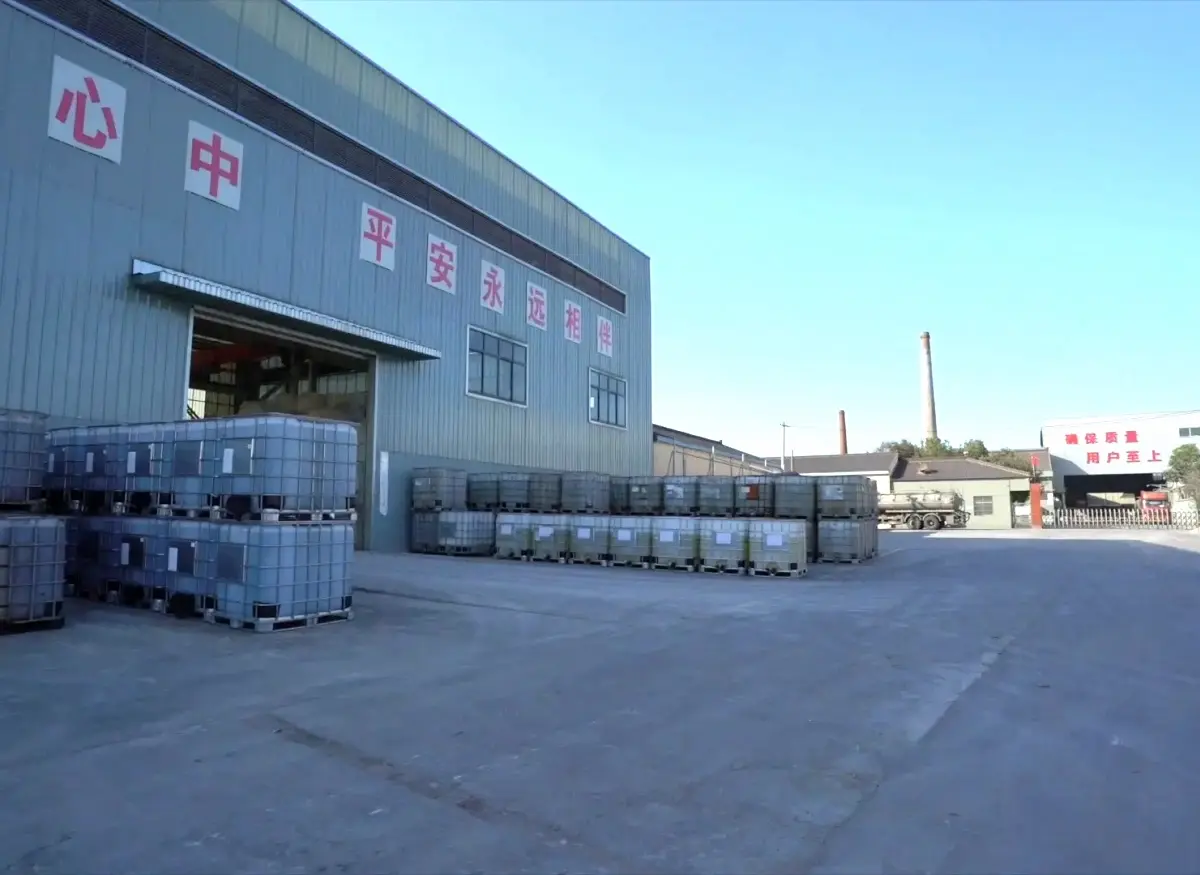
  • Municipal Drinking Water: Requiring ultra-pure coagulants with minimum heavy metal content. Aluminum Chlorohydrate (ACH) is preferred due to its high efficiency and low dosage requirements, minimizing residual aluminum in treated drinking water.
  • Petroleum and Petrochemical Refineries: Characterized by high concentration of emulsified hydrocarbons. Demulsification is achieved by dosing cationic PDADMAC followed by anionic PAM for rapid separation of oil-sludge interfaces.
  • Paper and Pulp Mills: High levels of anionic dissolved wood polymers (anionic trash) disrupt regular retention aids. Incorporating high-charge PDADMAC as a charge-neutralizing agent helps retain fibers and improves overall paper quality.
Wuxi BS Water Treatment Factory View

Wuxi BS Water Treatment Chemicals Co., Ltd.

A Technology Leader with 27 Years of Expertise in Water Treatment Chemistry

Established in 1998, Wuxi BS Water Treatment Chemicals Co., Ltd. (formerly known as Wuxi Bisheng Water Treatment Agent Co., Ltd.) has grown from a regional chemical pioneer into a globally recognized producer of high-performance water treatment chemicals. With an annual sales volume exceeding 500,000 tons and a constant inventory buffer of over 20,000 tons at our state-of-the-art logistics facility in Wuxi, China, we ensure uninterrupted supply and stable chemical properties for our clients globally.

Our core product lines include Polyaluminum Chloride (PAC), Aluminum Chlorohydrate (ACH), Polyacrylamide (PAM), Water Decoloring Agents, and PDADMAC. Through continuous technological innovation and strict QA/QC testing, our products are widely exported to countries in Southeast Asia, the Middle East, South America, and Europe.

Target Industrial Application Fields

Providing specialized formulations designed for extreme operational environments and strict discharge requirements.

ST

Sewage & Industrial Effluent Treatment

High-efficiency removal of TSS, COD, phosphorus, and heavy metals from municipal and industrial discharge paths.

Read Case Study →
PI

Petroleum & Petrochemical Processes

Emulsion breaking, oil-water separation in refinery wastewater, and polymeric flooding additives for oil extraction.

Read Case Study →
MP

Membrane Process Pretreatment

Reducing silt density index (SDI) and colloidal fouling prior to RO/UF systems to extend membrane lifespan.

Read Case Study →
PM

Papermaking Retentions & Drainage

Flocculants and trash catchers to improve fiber retention, drainage efficiency, and wet-end chemical loops.

Read Case Study →
DW

Drinking Water Clarification

Ultra-pure coagulants matching international heavy metal limit standards for municipal water purification plants.

Read Case Study →

OEM/ODM and Technical Support Capabilities

Custom chemical formulations, optimized concentrations, and site-specific testing services.

Professional Technical Team

Our lab technicians provide custom water analysis, jar test simulations, and product dosage optimization services.

Stable Production Capacity

With an annual capacity exceeding 500,000 tons, we meet high-volume demands from large municipal projects and distributors.

Worry-Free Supply Chain

Our 20,000-ton warehouse buffer and proximity to major shipping ports ensure prompt and reliable delivery schedules.

Innovative R&D

We consistently refine our synthesis and polymerization processes to improve molecular weight control and product stability.

Global Procurement and Application Q&A

Technical guidance for chemical engineers and international buyers.

What are the primary differences between Aluminum Chlorohydrate (ACH) and Polyaluminum Chloride (PAC)?
ACH is a highly concentrated, high-basicity aluminum-based coagulant, typically offering 83% to 85% basicity and 23% to 24% Al2O3 content. Standard PAC has a basicity range of 50% to 80% and Al2O3 content between 28% and 30%. ACH provides stronger charge neutralization, requires a lower dosage, produces less sludge, and minimally affects the pH of the treated water compared to standard PAC.
How does CPAM and APAM selection vary in sludge dewatering processes?
The choice depends on the surface charge of the sludge particles. Municipal organic sludge is typically negatively charged and requires Cationic Polyacrylamide (CPAM) for effective dewatering. Inorganic sludges (such as mining runoffs or mineral washings) are better treated using Anionic Polyacrylamide (APAM). The molecular weight must also match the dewatering equipment (e.g., belt presses need high shear resistance).
What measures are taken to prevent the caking of Polyaluminum Chloride powder during long-term storage or sea transit?
Our advanced spray-drying process controls particle size and limits moisture levels. The powder is packed in moisture-barrier bags with heavy-duty PE liners, which helps prevent moisture absorption and caking during sea transit.
Do your chemical products conform to heavy metal limits for municipal drinking water systems?
Yes, our high-purity chemicals, specifically our drinking-water grade Polyaluminum Chloride (PAC-01) and Aluminum Chlorohydrate (ACH), are formulated with strict limits on heavy metals (such as Lead, Arsenic, and Cadmium) to meet international drinking water purification standards.
What is the minimum shelf-life of your liquid coagulants and polymers under hot climates?
Liquid PAC and ACH remain stable for 6 to 12 months when stored in UV-stabilized, cool containers away from direct sunlight. Liquid cationic polymers like PDADMAC remain stable for 12 months under recommended storage temperatures (5°C to 30°C).

Latest Industry News & Technical Advancements

Insights from our R&D center and global supply chain updates.
News Image

Sep 09, 2025

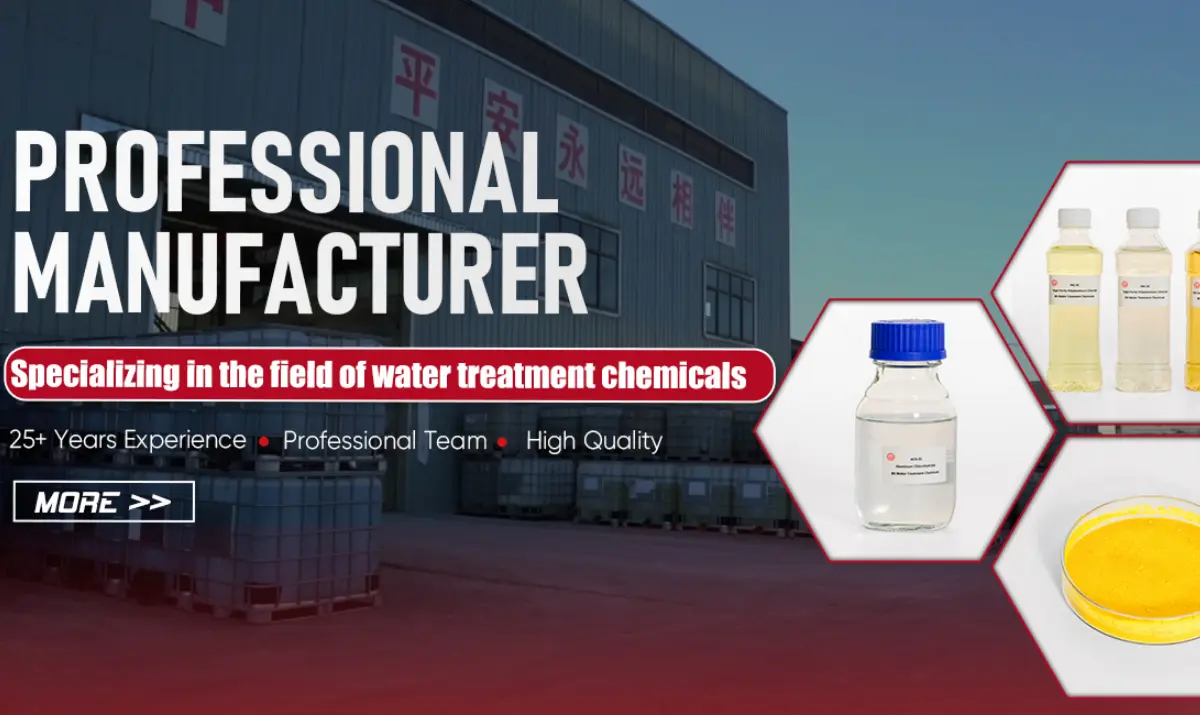
Wuxi BS Water Treatment: Expanding Our Global Layout

Wuxi BS Water Treatment Chemicals Co., Ltd. is expanding its global export channels to better serve municipal and industrial projects worldwide.

Read Full Article →
News Image

Aug 21, 2025

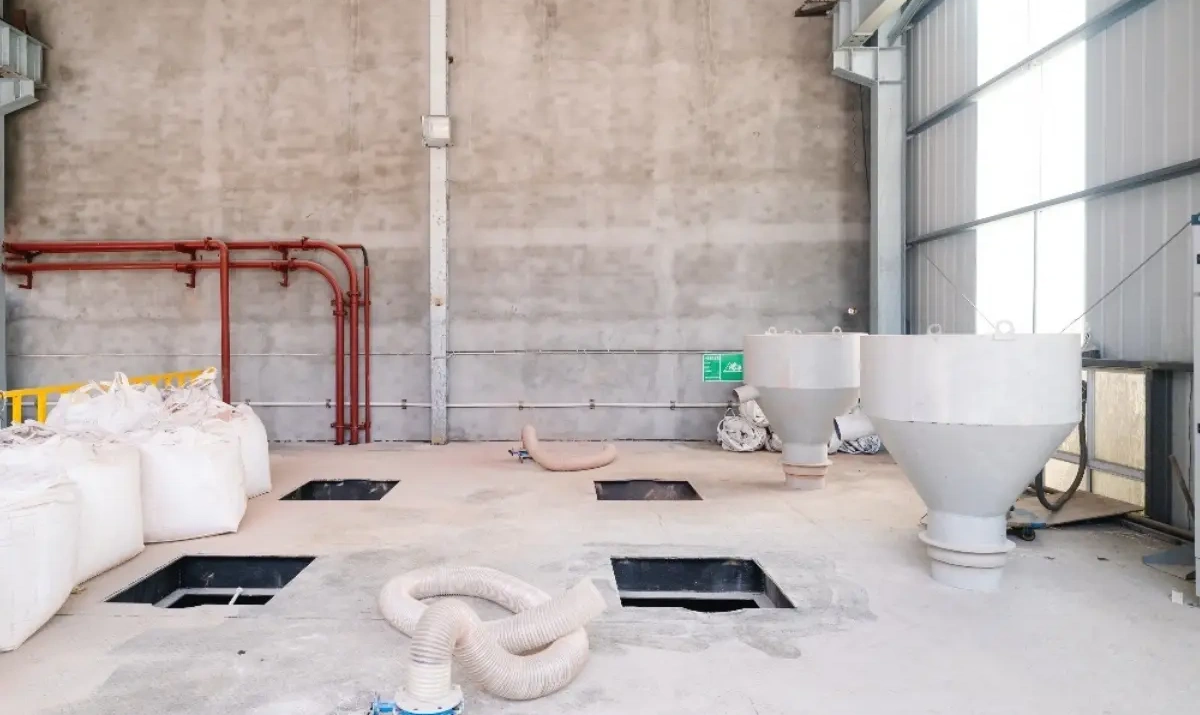
Introducing Digitalized Solid Feeding Integration

We have introduced automated solid feeding systems designed to optimize dosing efficiency and reduce overall water treatment costs.

Read Full Article →
News Image

Aug 21, 2025

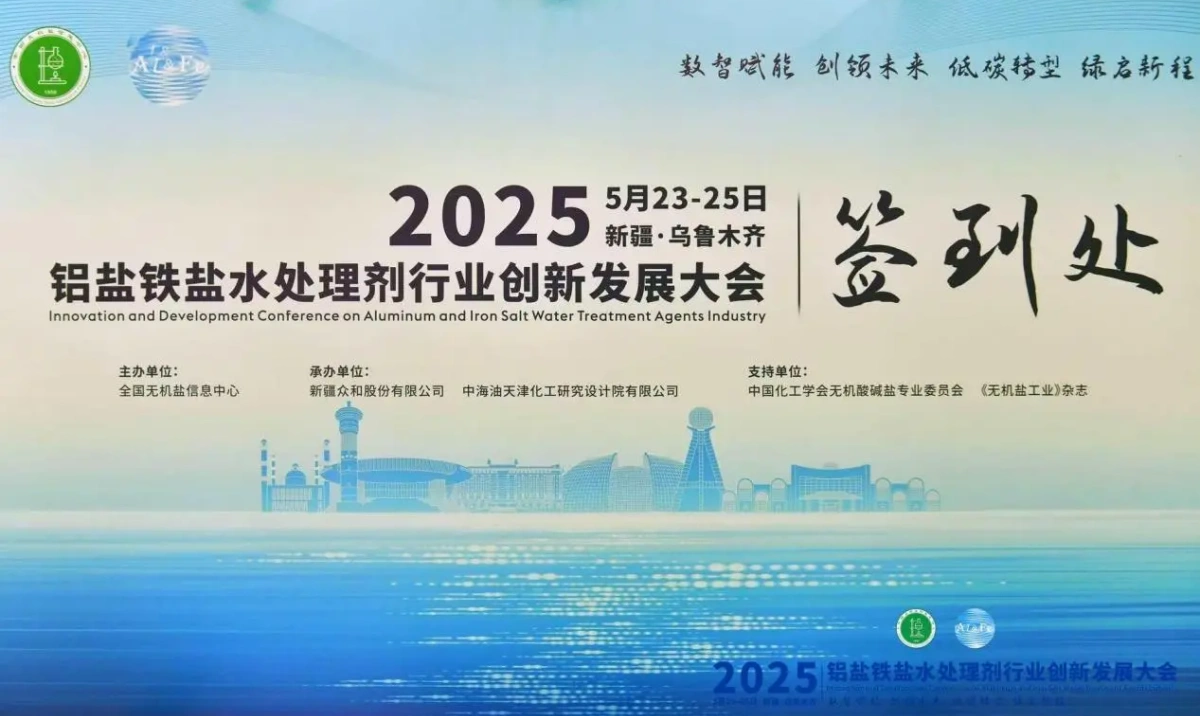
2025 Water Treatment Chemical Innovation Summit

Discussing the development of high-performance and environmentally friendly coagulants in response to tightening global discharge standards.

Read Full Article →

Get in Touch with Our Water Treatment Experts

We provide chemical analysis, technical consultations, and free sample runs. Contact our technical team to discuss your project requirements.
Complete Polymeric & Inorganic Water Treatment Range

CPAC Water Treatment

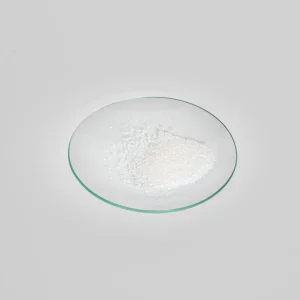
China CPAC Suppliers | Advanced Composite Poly Aluminum Chloride Factory

Technical Specs →
PAC Suppliers China

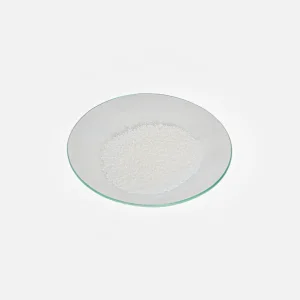
China Poly Aluminium Chloride (PAC) - Granules & Powder

Technical Specs →
Anionic Polyacrylamide APAM

China Suppliers of Anionic Polyacrylamide (APAM) Flocculant

Technical Specs →
Cationic Polyacrylamide CPAM

Wholesale Cationic Polyacrylamide (CPAM) - Effective Flocculant Solution

Technical Specs →
CPAM Decolorization

Wholesale Cationic Polyacrylamide (CPAM) for Decolorization & Impurity Removal

Technical Specs →
ACH High Basicity Suppliers

China High Basicity Aluminum Chlorohydrate (ACH) - Reliable Factory Source

Technical Specs →
APAM Flocculant

China Anionic Polyacrylamide (APAM) Flocculant for Industrial Sludge

Technical Specs →
Compound PAC Manufacturer

Wholesale Compound Poly Aluminium Chloride Manufacturer

Technical Specs →