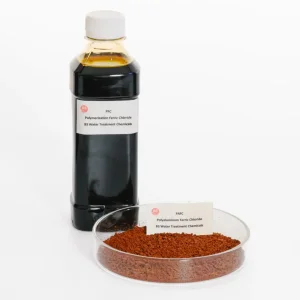
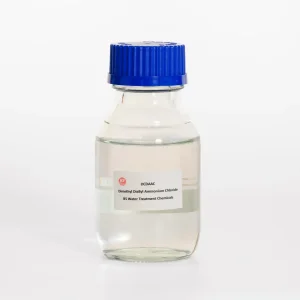
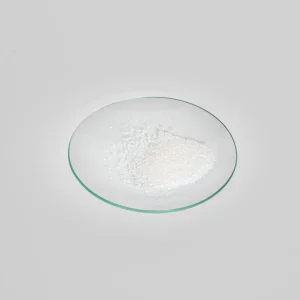
•
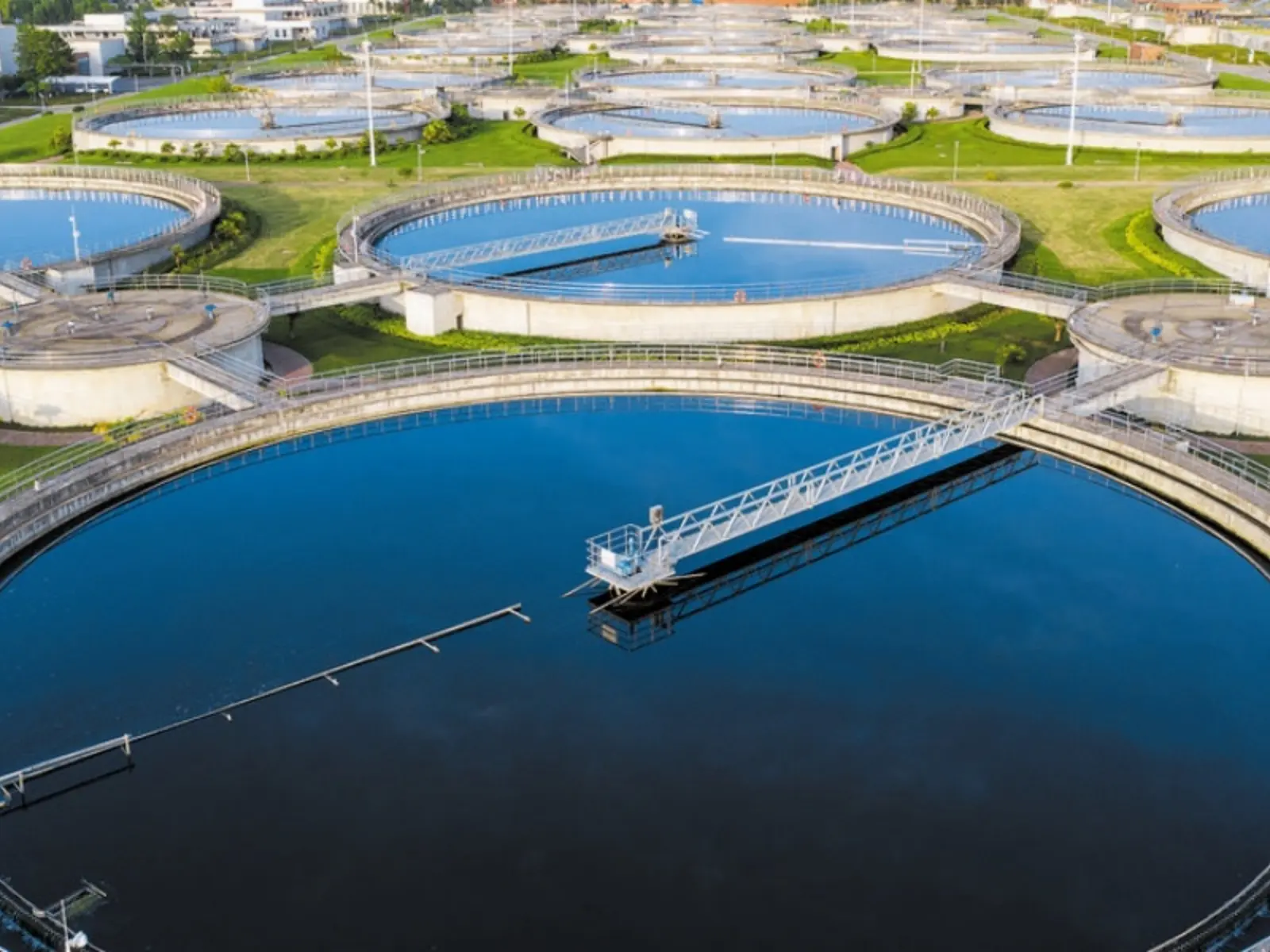
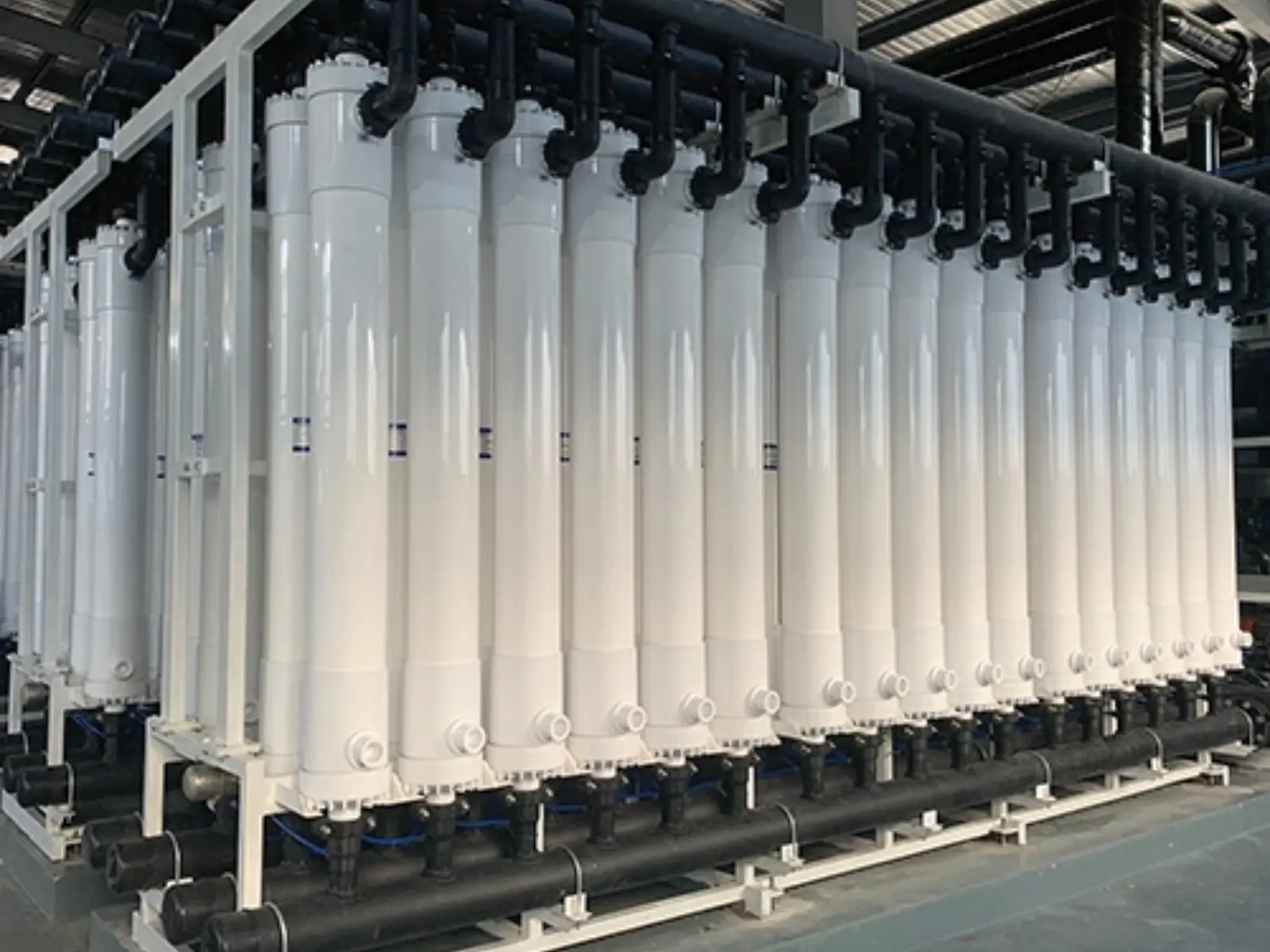
Drinking water: Removes turbidity, TOC, iron, fluoride, and cadmium.
•
Industrial wastewater: Decolorization and oil removal in dyeing and papermaking.
•
Sludge reduction: Reduces sludge production by over 50%.
•
Antiperspirants: Inhibits sweat secretion and bacterial growth in roll-ons and sprays.
•
Cosmetics: Used in oil-control skin care products.
•
Precision casting: Mold coagulant.
•
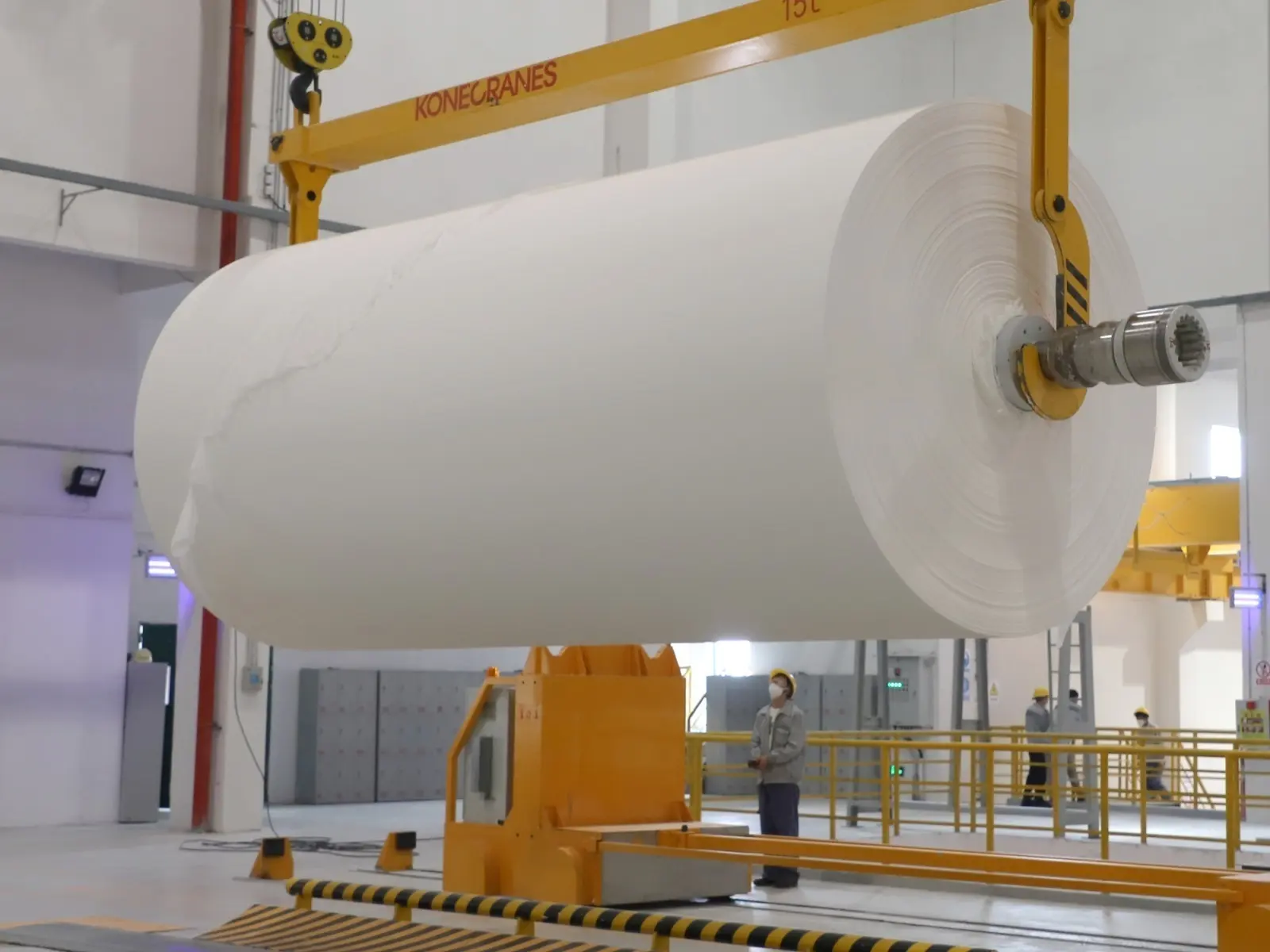
Paper industry: Improves paper strength and whiteness.
•
Rubber & Petroleum: Stabilizer and drilling fluid additive.
1. What is ACH and how does it differ from PAC?
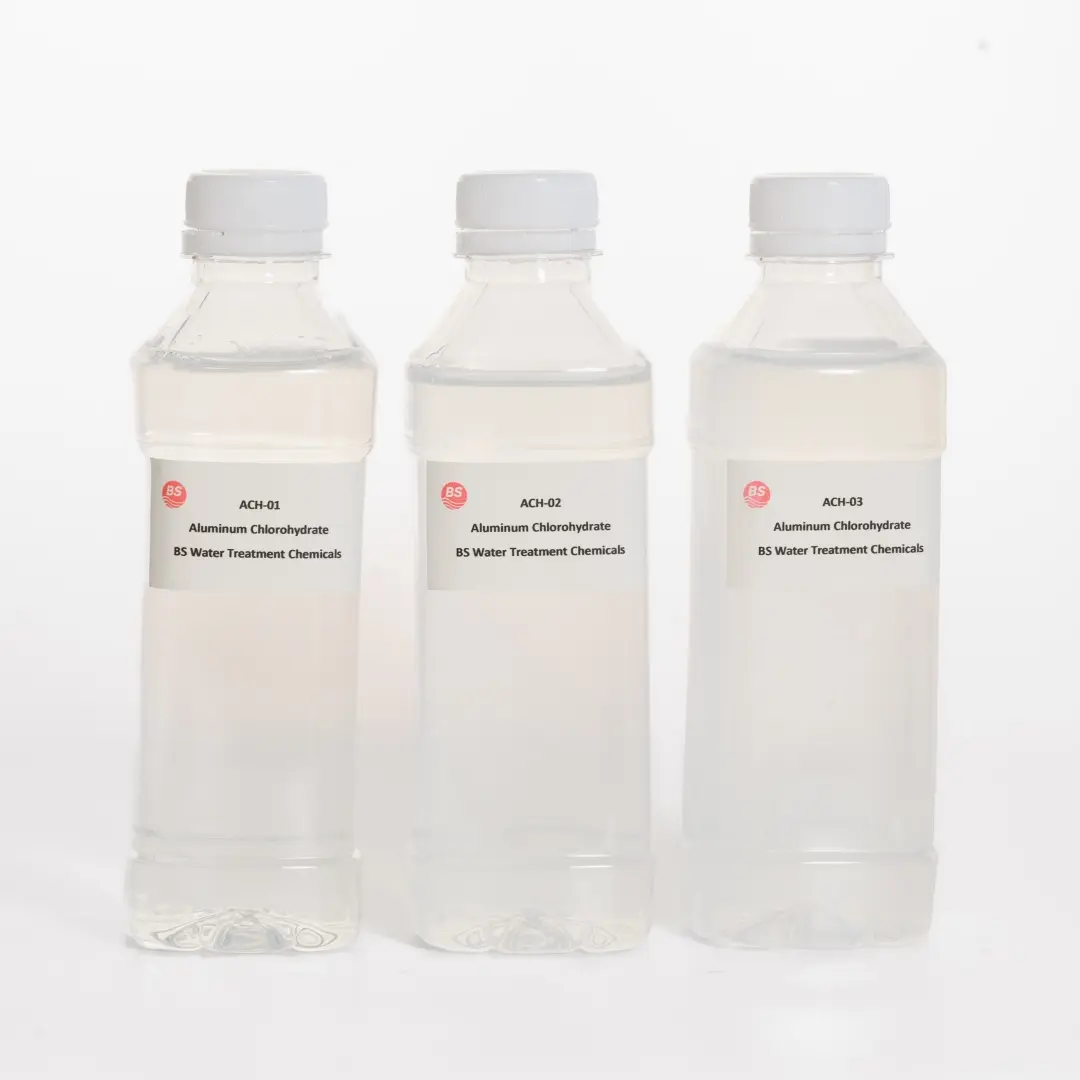
Aluminum Chlorohydrate (ACH) is a high-basicity aluminum salt with a higher basicity than ordinary PAC. Its weakly acidic solution (pH 4–5) is less corrosive and more effective for acidic water sources common in tropical regions.
2. What pH range is ACH effective for water treatment?
ACH effectively coagulates within a wide pH range of 5 to 9.5, reducing the need for strict pH control in industrial and municipal processes.
3. What contaminants can ACH remove?
It rapidly removes suspended solids, heavy metals (iron, lead, mercury, cadmium), organic matter, TOC, and even radioactive pollutants through electrochemical and adsorption processes.
4. How is ACH used in personal care products?
ACH is a primary ingredient in antiperspirants and deodorants, working by blocking sweat glands to reduce perspiration and inhibiting bacterial growth. It is also used for oil-control in cosmetics.
5. What are the packaging options and shelf life?
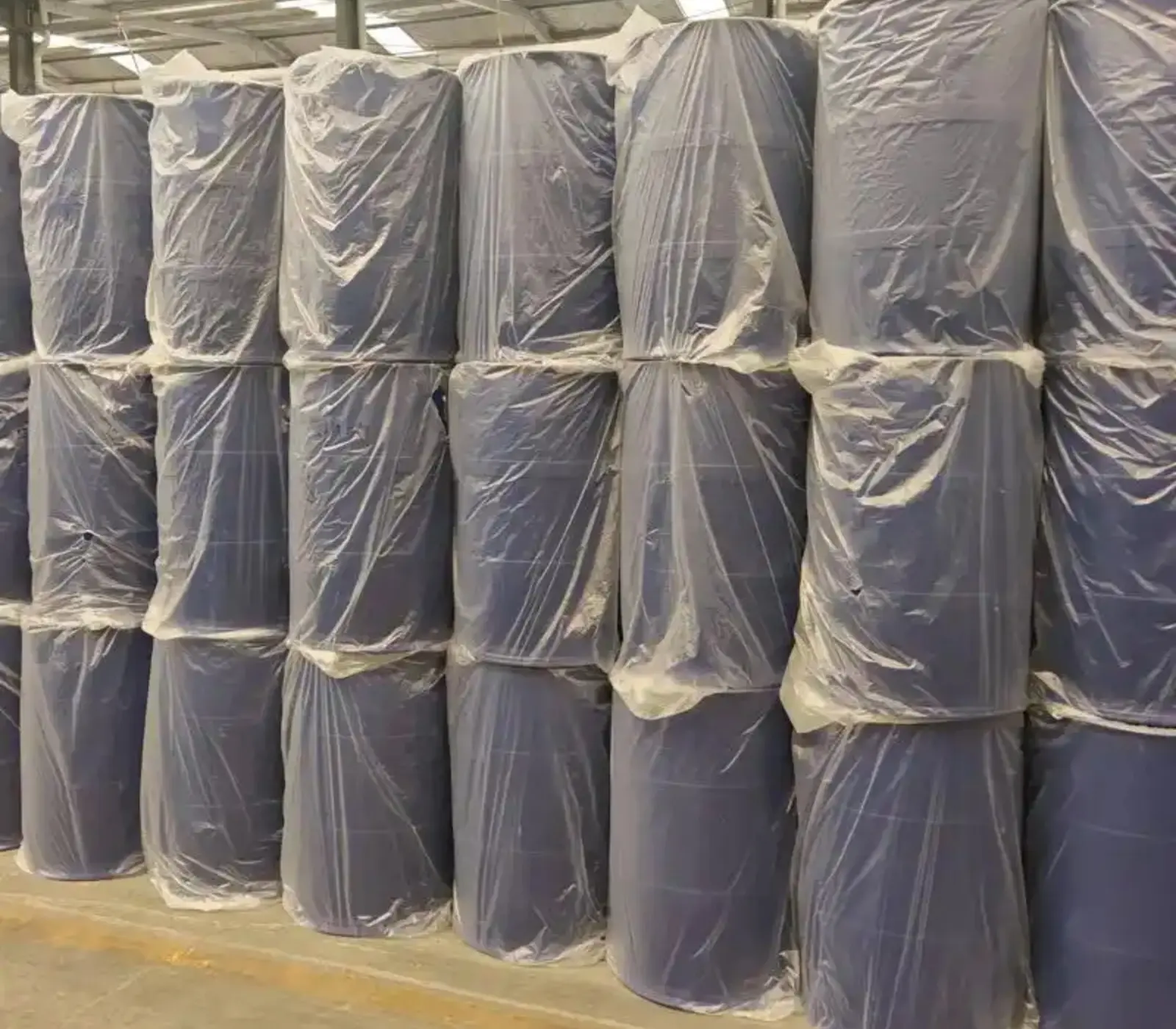
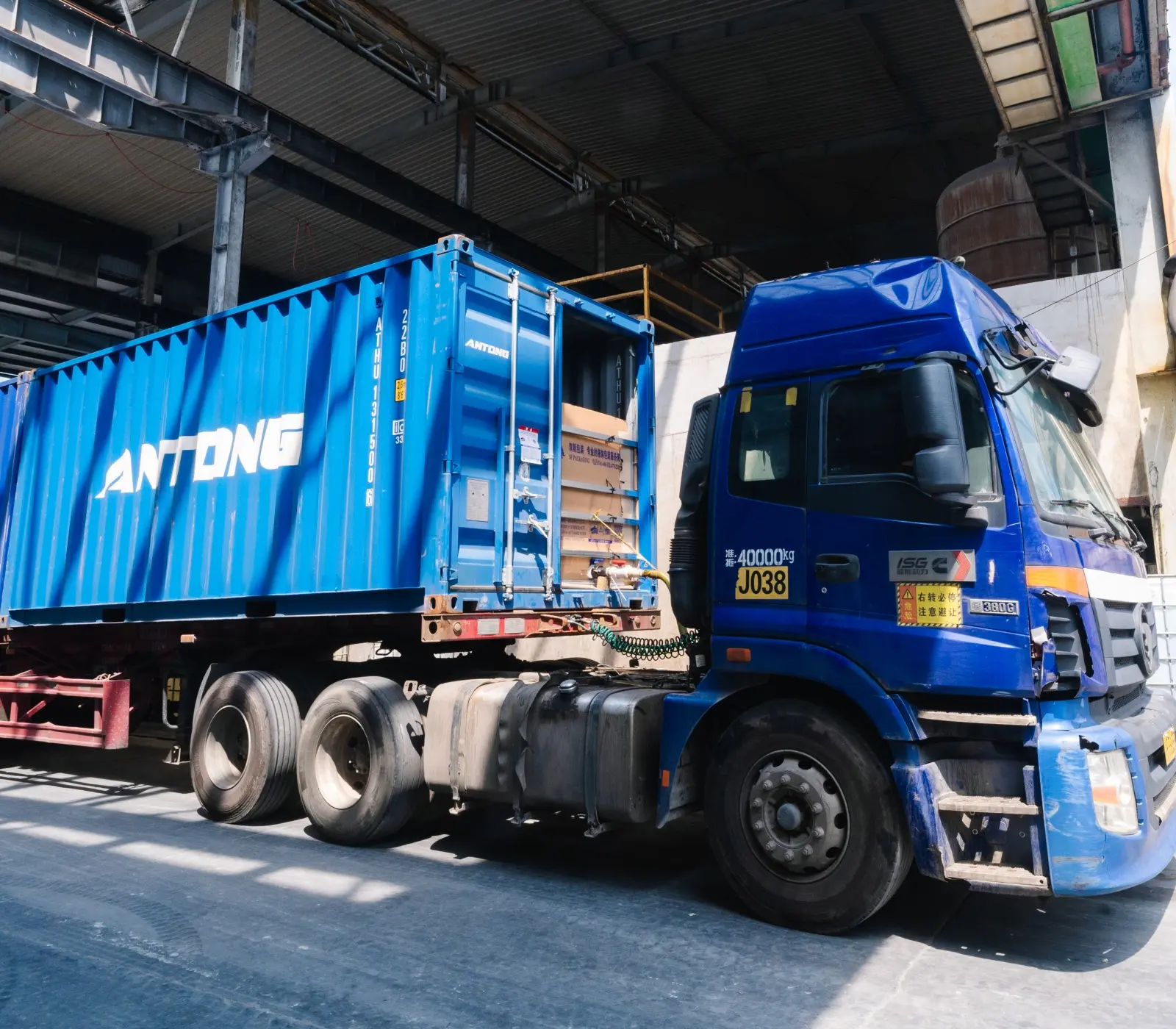
It comes in 200L drums, 1000L IBCs, and bulk liquid bags. When sealed and stored in a cool, dry place, the liquid form has a shelf life of 1 year.
6. Does ACH help in reducing sludge?
Yes, ACH has a 30% better treatment effect than PAC, which allows for lower dosages and results in a reduction of sludge production by over 50%, significantly lowering operational costs.
 BS Water