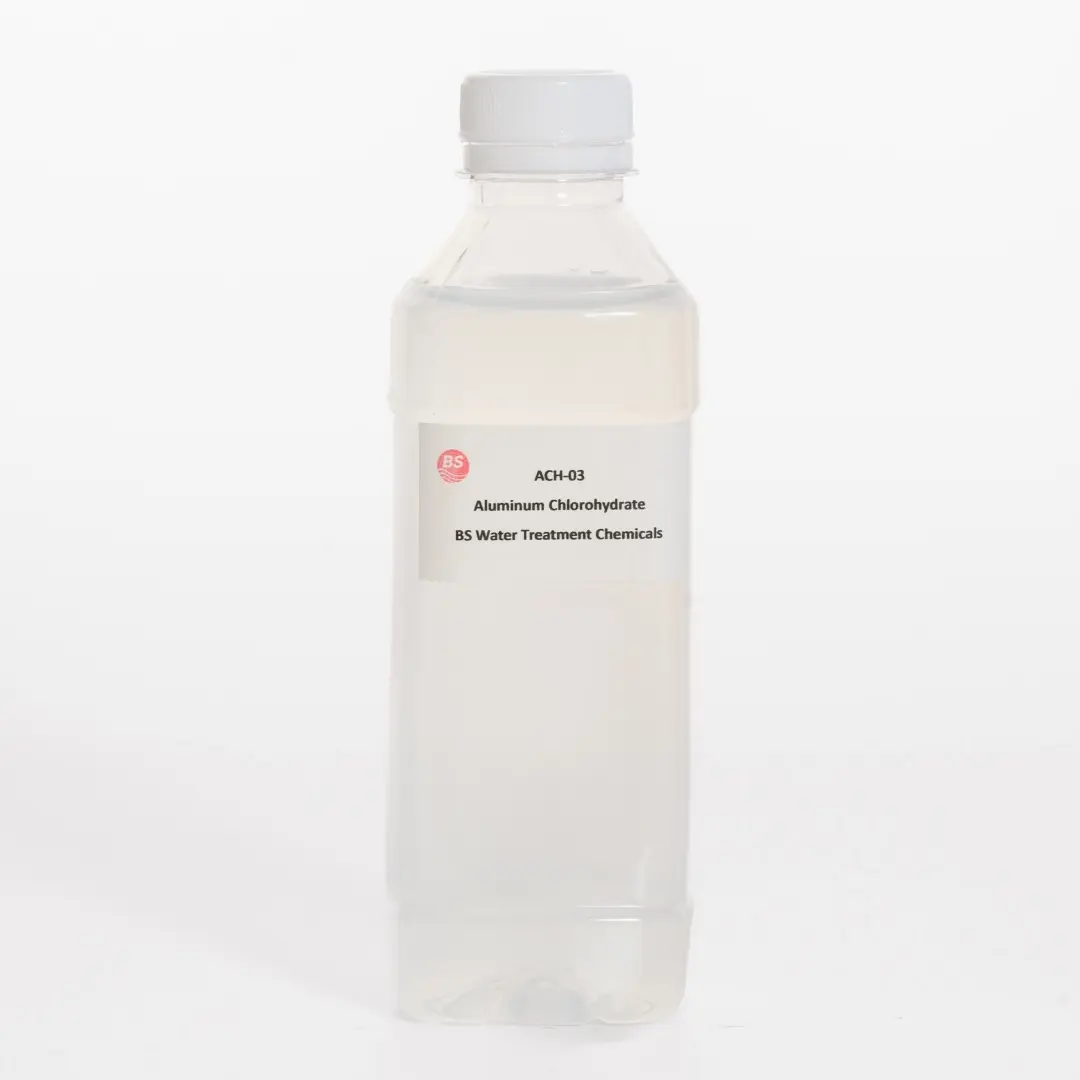
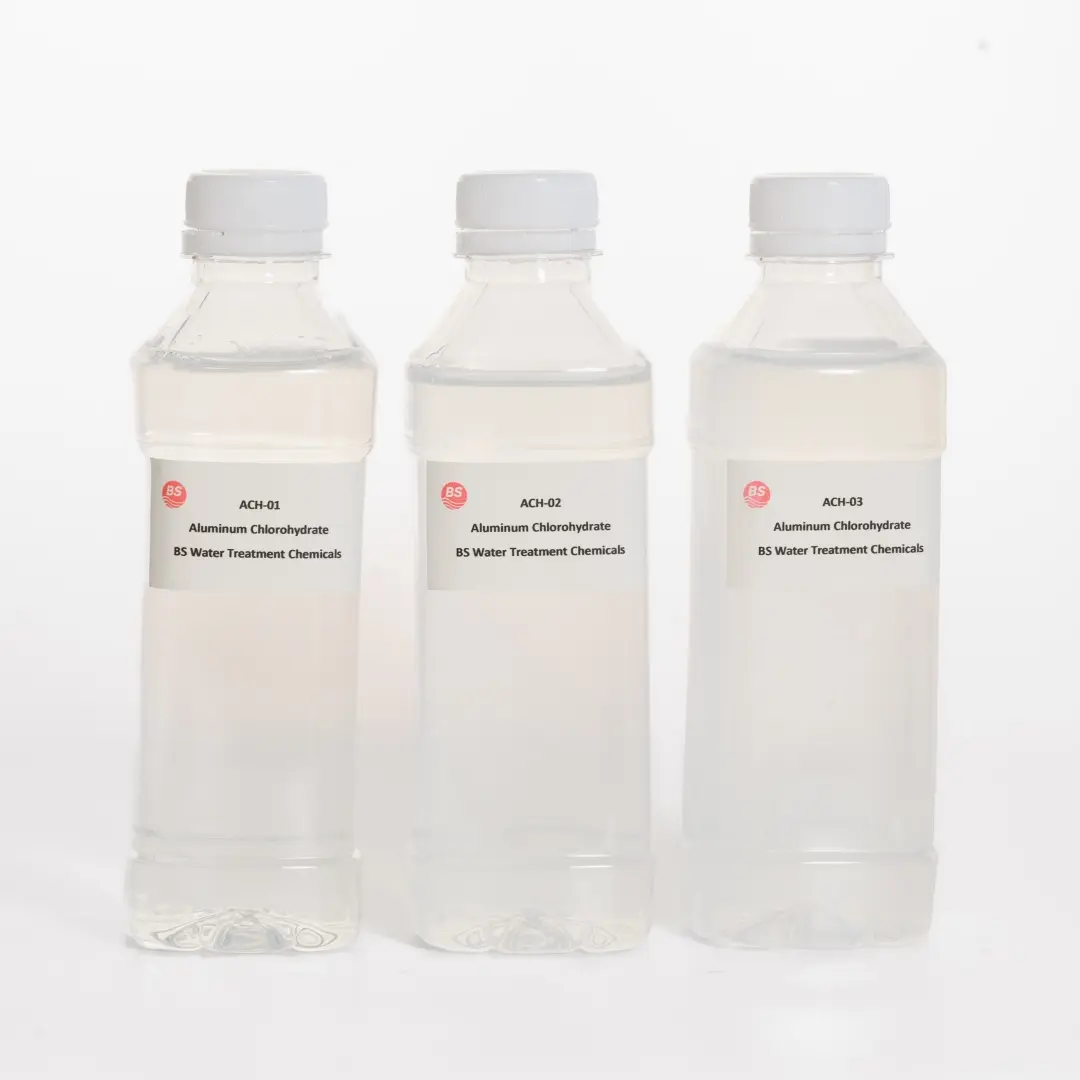
China High Basicity Aluminum Chlorohydrate (ACH) with High Al2O3 Content – Reliable China Suppliers & Factory Manufacturers, Factory

Introducing our premium quality products manufactured in China, where we collaborate with top Suppliers to ensure excellence and reliability. Our state-of-the-art Factory employs advanced technology and skilled artisans dedicated to crafting products that meet the highest standards. With a commitment to sustainability and innovation, our offerings are designed to fulfill your needs while supporting our partners in China. Explore our extensive range today and experience the exceptional quality that comes from working with leading Suppliers in the industry

Product Description

Core Features
High degree of polymerization: The basicity is higher than that of ordinary polyaluminum chloride (PAC), second only to aluminum hydroxide.
Higher pH value: The aqueous solution is weakly acidic (pH 4-5), less acidic than ordinary polyaluminum. As hot areas usually have more acidic water, the treatment effect of ACH is better. Chlorinated aluminum hydroxide is more suitable for the markets in Southeast Asia and the Americas.
Broad-spectrum applicability: It can effectively coagulate within the pH range of 5-9.5, reducing the dependence of water treatment on pH value.
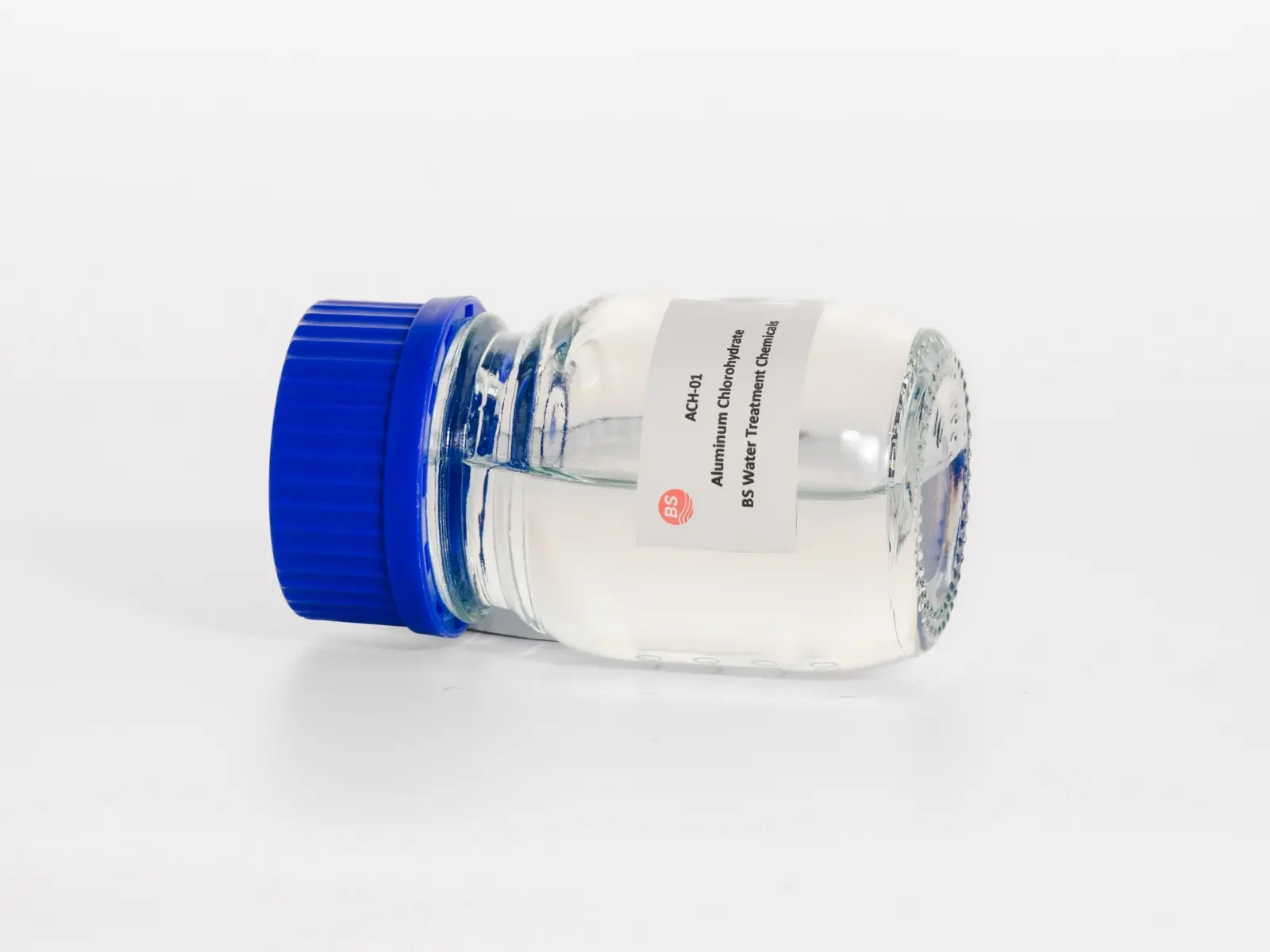
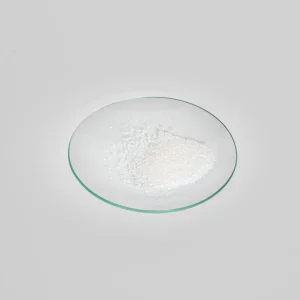
Aluminum Chlorohydrate (ACH) (8)
High-efficiency flocculation: Through electrochemical, adsorption, precipitation and other processes, it rapidly removes suspended solids, heavy metal ions (such as iron, cadmium, lead, mercury), organic matter and radioactive pollutants.
Low dosage: The unit treatment effect is 30% better than that of ordinary polyaluminum chloride, reducing the dosage of chemicals and the amount of sludge generated.
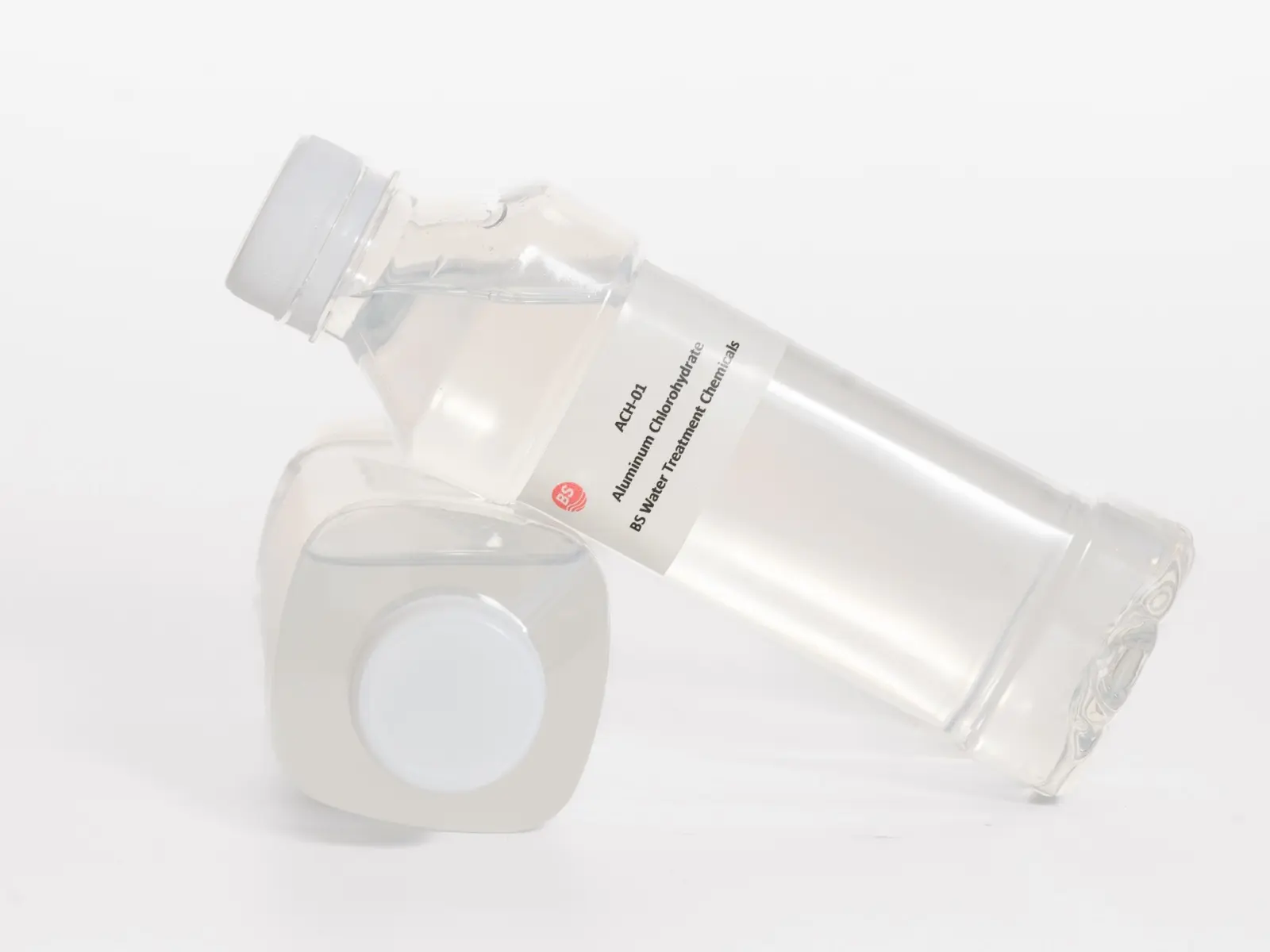
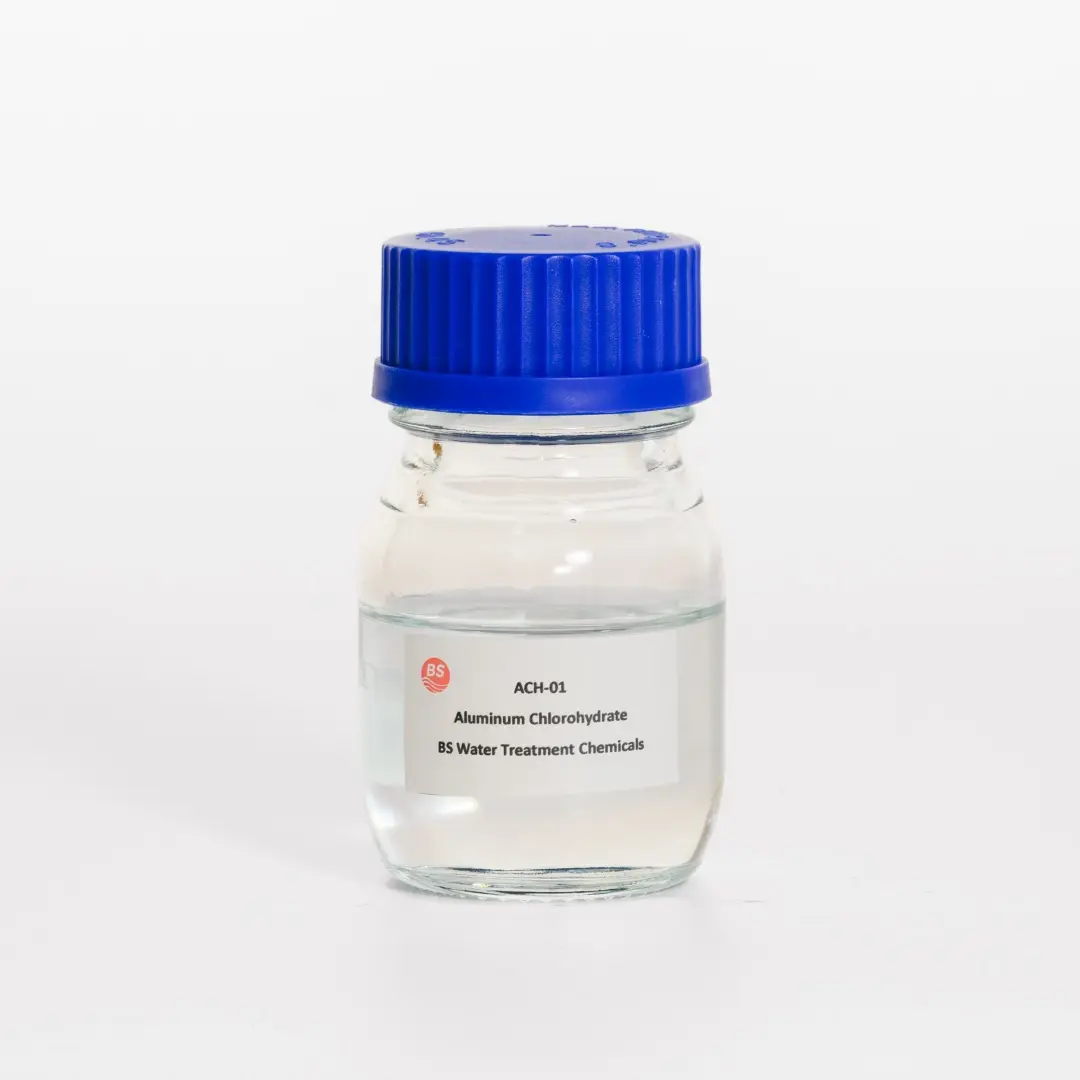
Aluminum Chlorohydrate (ACH) (6)
Technical Parameters
Parameter Index
Relative Density (25℃) 1.33–1.38
Al2O3 Content, % 23–24
Basicity, % >80
pH Value (30% Aqueous Solution) 4.0–4.4
Fe Content, ppm ≤100
SO42- Content, ppm ≤100
Application Areas
(1) Water Treatment
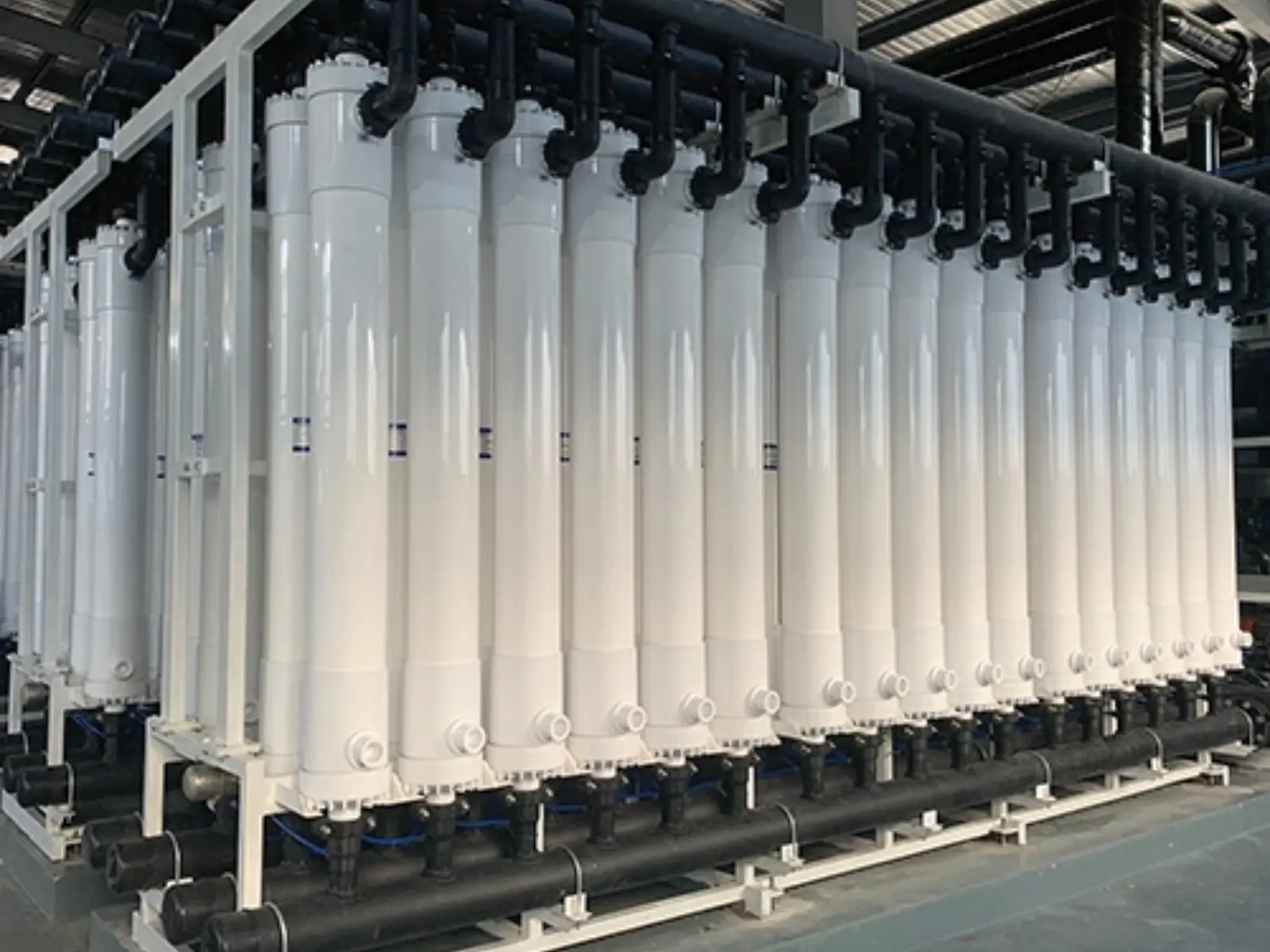
Drinking water purification: As a flocculant, it removes impurities such as turbidity, TOC (total organic carbon), iron, fluoride, cadmium, etc.
Industrial wastewater treatment: Used for decolorization of printing and dyeing wastewater, oil removal from papermaking wastewater, heavy metal removal from electroplating wastewater, etc.
Sludge reduction: Reduces sludge production by over 50%, lowering treatment costs.
(2) Daily Chemicals and Personal Care
Antiperspirants and deodorants: Reduce sweat secretion by blocking sweat glands, inhibit bacterial growth, and are widely used in products such as roll-ons and sprays.
Cosmetic raw materials: Used in oil-control skin care products to regulate skin oil secretion.
(3) Industrial Applications
Precision casting: Used as a mold coagulant and flame retardant.
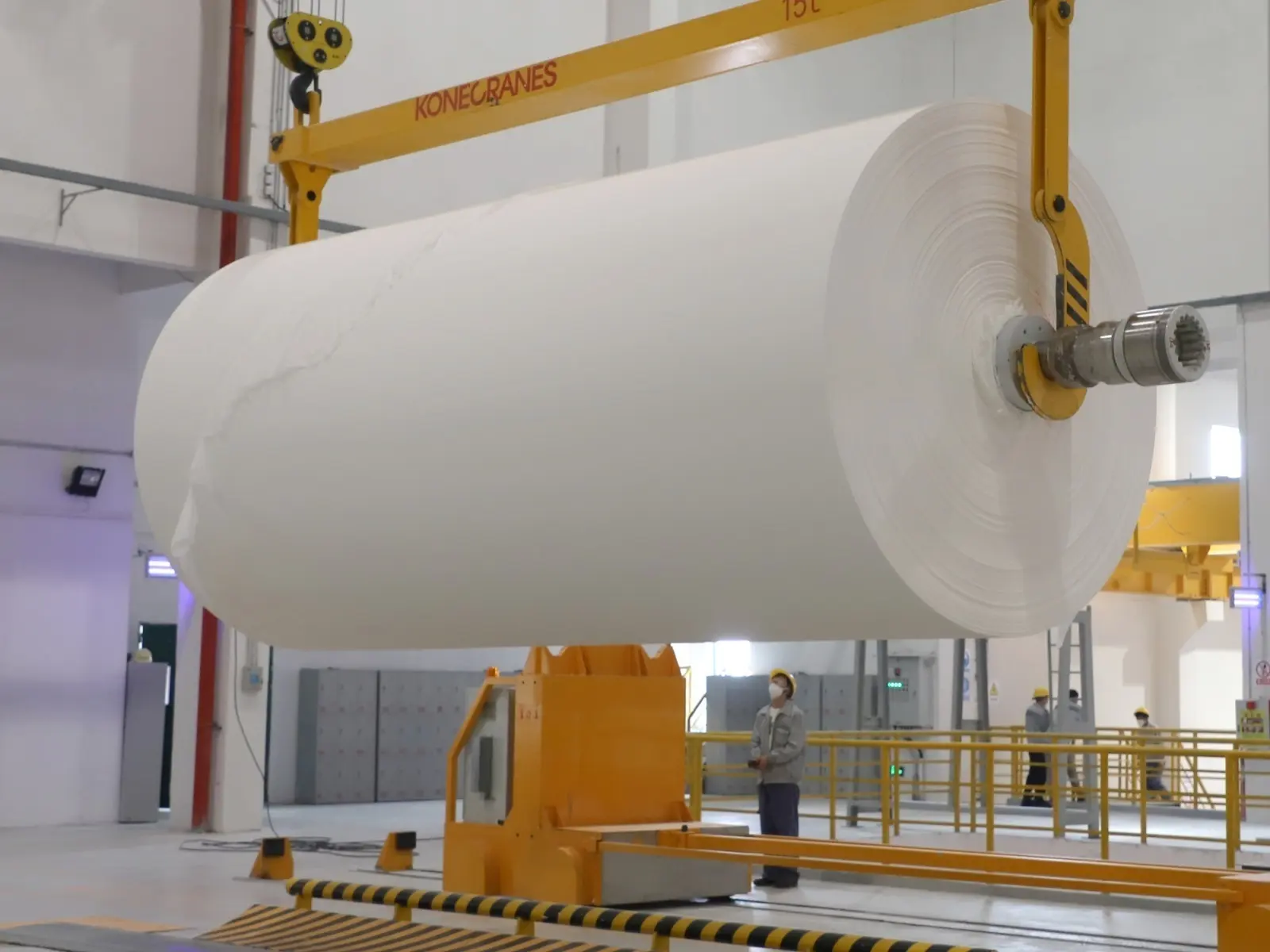
Paper industry: Improve paper strength, whiteness, and smoothness, and reduce fiber loss.
Rubber and Tanning: As a crosslinking agent and dimensional stabilizer.
Petroleum and Chemical Industry: Used for oil well profile control, drilling fluid additives, etc.
(4) Other Areas
Medicine: Ingredients of topical medications for treating hyperhidrosis.
Graphite products: Enhance fire resistance and physical and chemical properties.
application (3)
application (1)
application (5)
application (4)
application (2)
Packaging and Storage
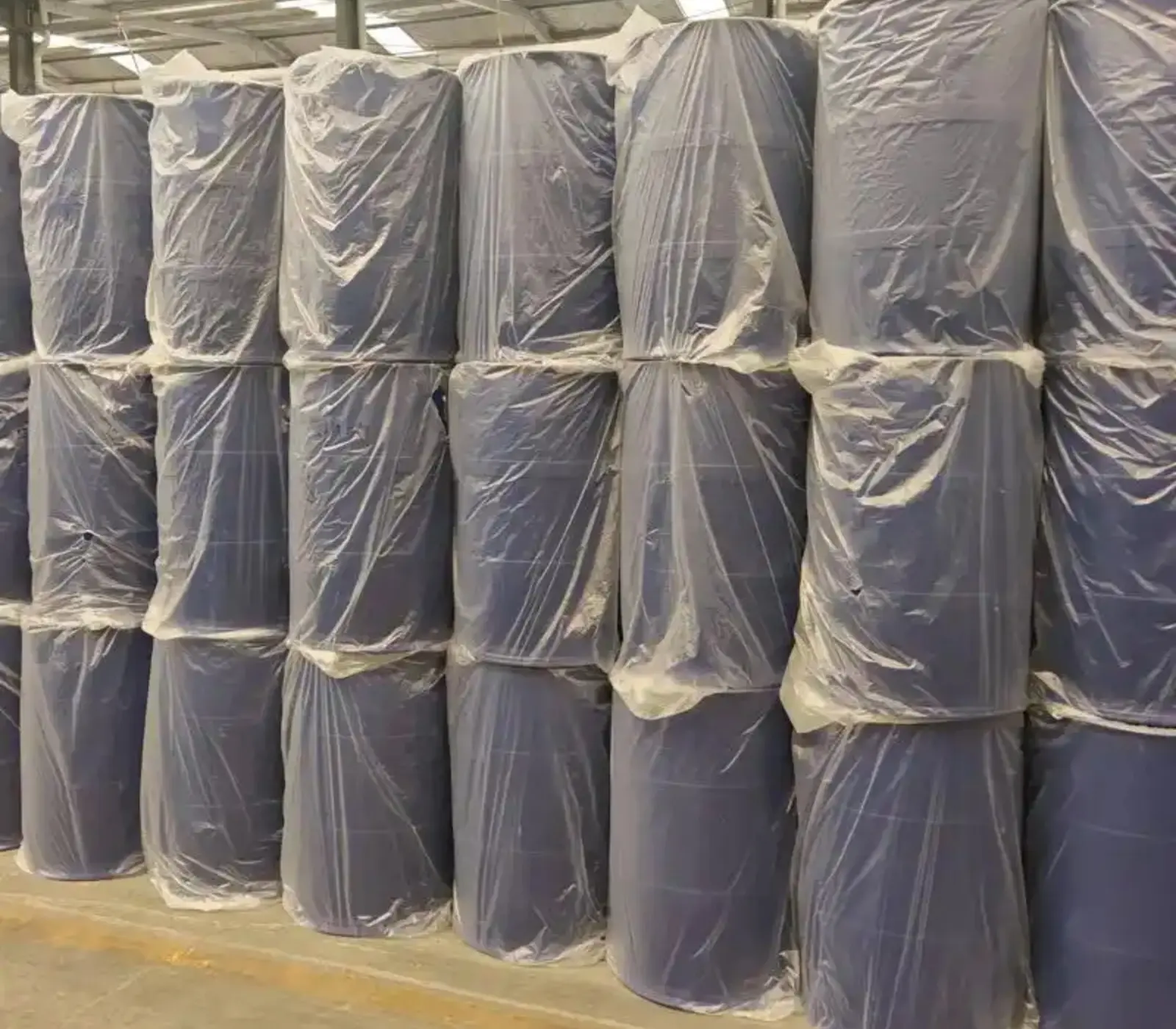
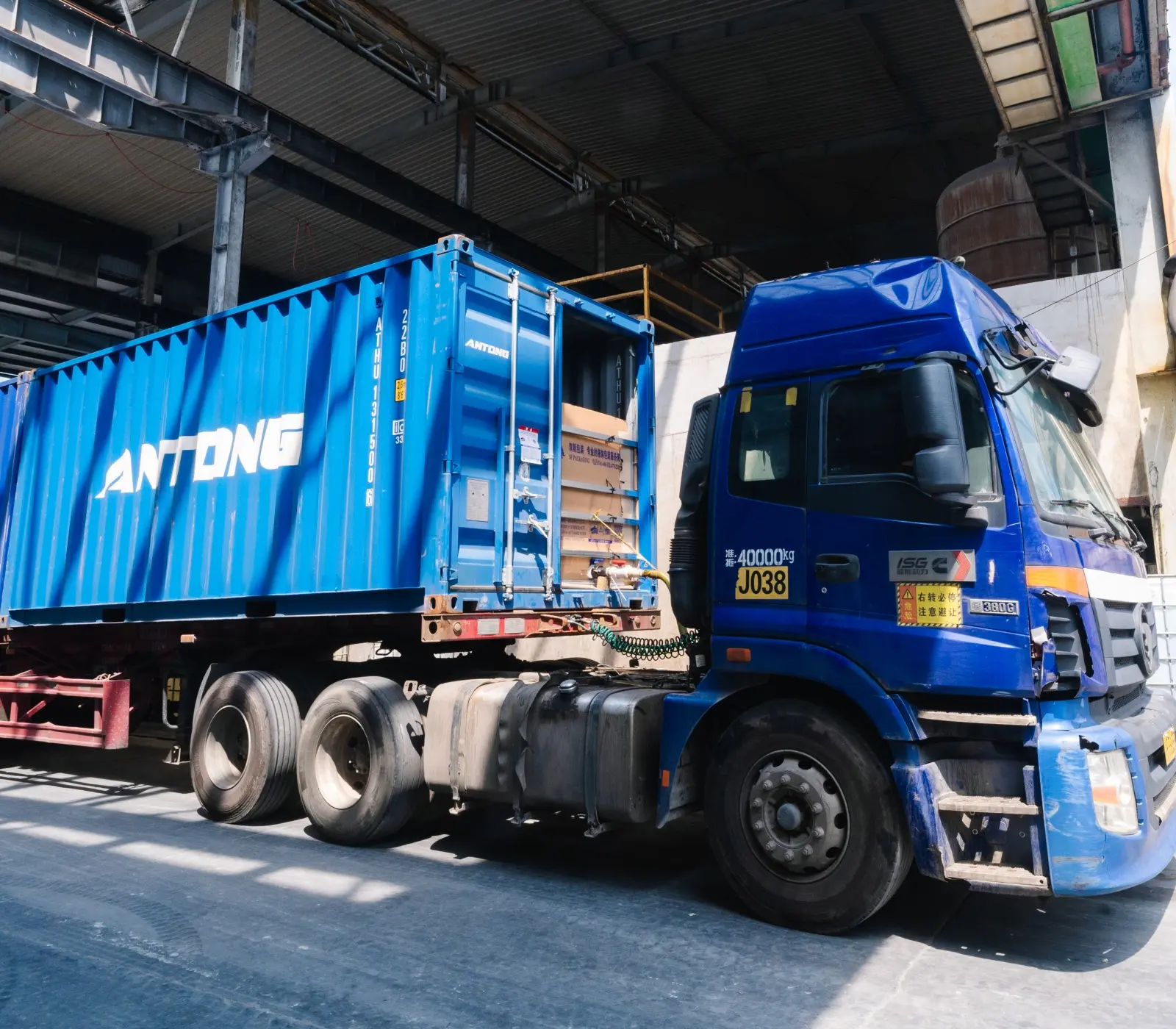
Liquid form (optional): 200L plastic drum / 1000L IBC tote / liquid bag.
Storage Conditions: Store in a cool, dry place away from direct sunlight; the liquid has a shelf life of 1 year (when sealed) and does not hydrolyze over a long period of time.
200L barrel
Container liquid bag shipment
Frequently Asked Questions
Q1 What is Aluminum Chlorohydrate (ACH) and how does it differ from ordinary Polyaluminum Chloride (PAC)?
Aluminum Chlorohydrate (ACH) is a high-basicity aluminum salt with a basicity higher than ordinary PAC, second only to aluminum hydroxide. Its aqueous solution is weakly acidic (pH 4–5), making it less aggressive than standard PAC. ACH provides approximately 30% better unit treatment efficiency, requires lower dosages, and generates significantly less sludge compared to ordinary polyaluminum chloride.
Q2 What pH range is ACH effective in for water treatment?
ACH can effectively coagulate and flocculate within a broad pH range of 5 to 9.5. This wide-spectrum applicability significantly reduces the dependence of water treatment processes on strict pH control, making it particularly well-suited for regions with naturally acidic water, such as Southeast Asia and the Americas.
Q3 What contaminants can ACH remove during water treatment?
ACH is highly effective at removing a wide range of contaminants through electrochemical, adsorption, and precipitation processes. These include suspended solids, turbidity, TOC (total organic carbon), heavy metal ions such as iron, cadmium, lead, and mercury, as well as organic matter, fluoride, and radioactive pollutants. It is suitable for both drinking water purification and industrial wastewater treatment.
Q4 Is Aluminum Chlorohydrate safe for use in personal care products?
Yes. ACH is widely used in personal care and daily chemical products, particularly in antiperspirants and deodorants (roll-ons and sprays). It works by temporarily blocking sweat glands to reduce sweat secretion and inhibiting bacterial growth. It is also used as a cosmetic raw material in oil-control skin care products. ACH is also an active ingredient in topical medications for treating hyperhidrosis (excessive sweating).
Q5 What are the available packaging options for ACH liquid, and how should it be stored?
ACH liquid is available in 200L plastic drums, 1000L IBC totes, and flexible liquid bags for container shipment. It should be stored in a cool, dry place away from direct sunlight. When properly sealed, the liquid product has a shelf life of 1 year and does not undergo significant hydrolysis over extended storage periods.
Q6 What industrial applications is ACH suitable for beyond water treatment?
Beyond water treatment, ACH has a broad range of industrial applications. It is used in precision casting as a mold coagulant and flame retardant, in the paper industry to improve strength, whiteness, and smoothness while reducing fiber loss, and in rubber and tanning as a crosslinking agent and dimensional stabilizer. In the petroleum and chemical industry, it is applied for oil well profile control and as a drilling fluid additive. It is also used to enhance the fire resistance and physical-chemical properties of graphite products.

Related Products