Premium polymers synthesized under strict ISO quality guidelines for global municipal and industrial wastewater separation processes.
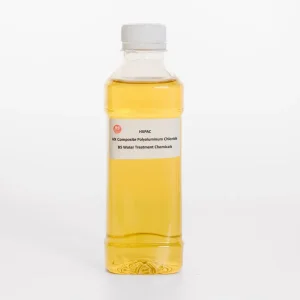
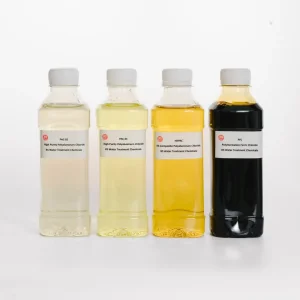
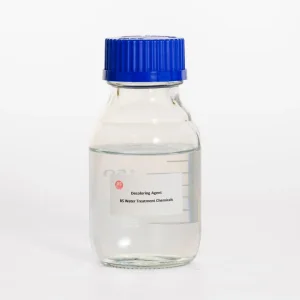
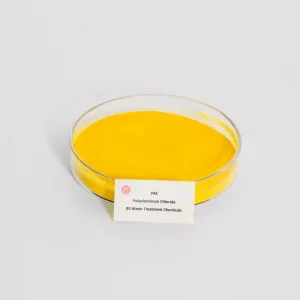
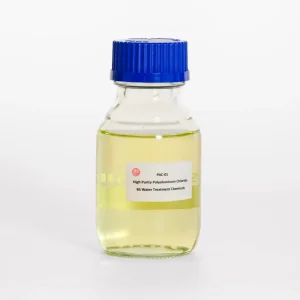
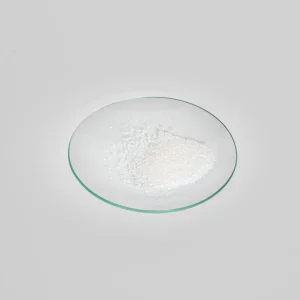
Cationic Polyacrylamide (CPAM) is a linear water-soluble macromolecular copolymer synthesized via the copolymerization of acrylamide (AM) monomer and cationic monomer, typically dimethylaminoethyl acrylate methyl chloride quaternary salt (DAC) or dimethylaminoethyl methacrylate methyl chloride quaternary salt (DMC). Defined by its unique linear polymer backbone carrying positively charged functional groups, CPAM functions as a highly efficient organic coagulant and flocculant in diverse industrial and municipal solid-liquid separation operations.
The primary chemical architecture of CPAM allows it to perform two critical tasks during wastewater treatability: charge neutralization and bridging/adsorption. Solid particles suspended in water systems, particularly organic sludges, typically carry a negative zeta potential. The cationic groups on the CPAM molecule actively neutralize this surface negative charge, causing the colloid particles to destabilize and coalesce. Simultaneously, the extremely high molecular weight chains of CPAM extend in the solution, capturing destabilized micro-flocs and forming large, robust macro-flocs that settle out of the liquid phase rapidly.
| Parameters | Standard Range | Industrial Application Focus |
|---|---|---|
| Molecular Weight (Million) | 8.0 - 15.0 MDa | High shear dewatering, polymer flooding, centrifugation dynamics |
| Cationic Charge Density (%) | 10% - 90% (Low to Ultra-High) | Zeta potential adjustment based on organic solid ratio in sludge |
| Active Solid Content (%) | ≥ 88% - 92% | Granular storage lifespan, dissolution efficiency optimization |
| Dissolving Time (Minutes) | ≤ 60 mins under standard agitation | Continuous polymer makeup units, inline static mixers |
| Insoluble Fractions (%) | ≤ 0.2% | Protection of feed pump impellers, elimination of filter screen fouling |
Across global infrastructure and heavy processing industries, Cationic Polyacrylamide serves as an irreplaceable processing aid. As chemical regulations tighten worldwide, the reliance on high-efficiency organic polymers has grown exponentially.
In municipal sewage wastewater treatment plants (WWTPs), primary and secondary biological sludges are notorious for high bound-water content. CPAM with medium-to-high charge densities acts as the perfect dewatering aid for belt presses, chamber filter presses, and decanter centrifuges. It releases cellular water from biological matrices, leading to drier sludge cake outputs (increasing solid dry cake content by 20% to 35%), which directly minimizes sludge volume, landfill costs, and incineration energy consumption.
Within the petroleum sector, oily wastewater is difficult to clarify due to stable oil-in-water emulsions. Low-charge CPAM combined with inorganic coagulants breaks these emulsions efficiently, allowing dissolved air flotation (DAF) systems to pull oil droplets and suspended solids out of wastewater. In upstream operations, modified Cationic Polyacrylamides are utilized in drilling fluids and profile modification systems, maintaining viscosity under high temperature, high salinity conditions (HTHS).
In modern papermaking processes utilizing neutral or alkaline sizing chemical regimens, CPAM is a core retention aid. By binding pulp fibers, filler particles (such as calcium carbonate and clay), and sizing agents together, CPAM increases filler retention, lowers fiber losses, improves sheet formation, and speeds up drainage times on the paper machine's wire section.
Mining operations generate vast amounts of mineral slurries. CPAM is widely used to flocculate gangue minerals in thickeners and clarifiers for coal washing, iron ore tailings, alumina processing, and copper concentration. It expedites gravity settling, allowing clean water recovery and recycling back to the mill circuits, satisfying the closed-loop water consumption goals of modern mining companies.
Wuxi BS Water Treatment Chemicals Co., Ltd. has delivered professional-grade flocculants since 1998. With an annual sales volume exceeding 500,000 tons and a constant finished product buffer inventory of 20,000 tons, we supply high-performance Cationic Polyacrylamide that satisfies the demanding requirements of global distributors and engineering firms.
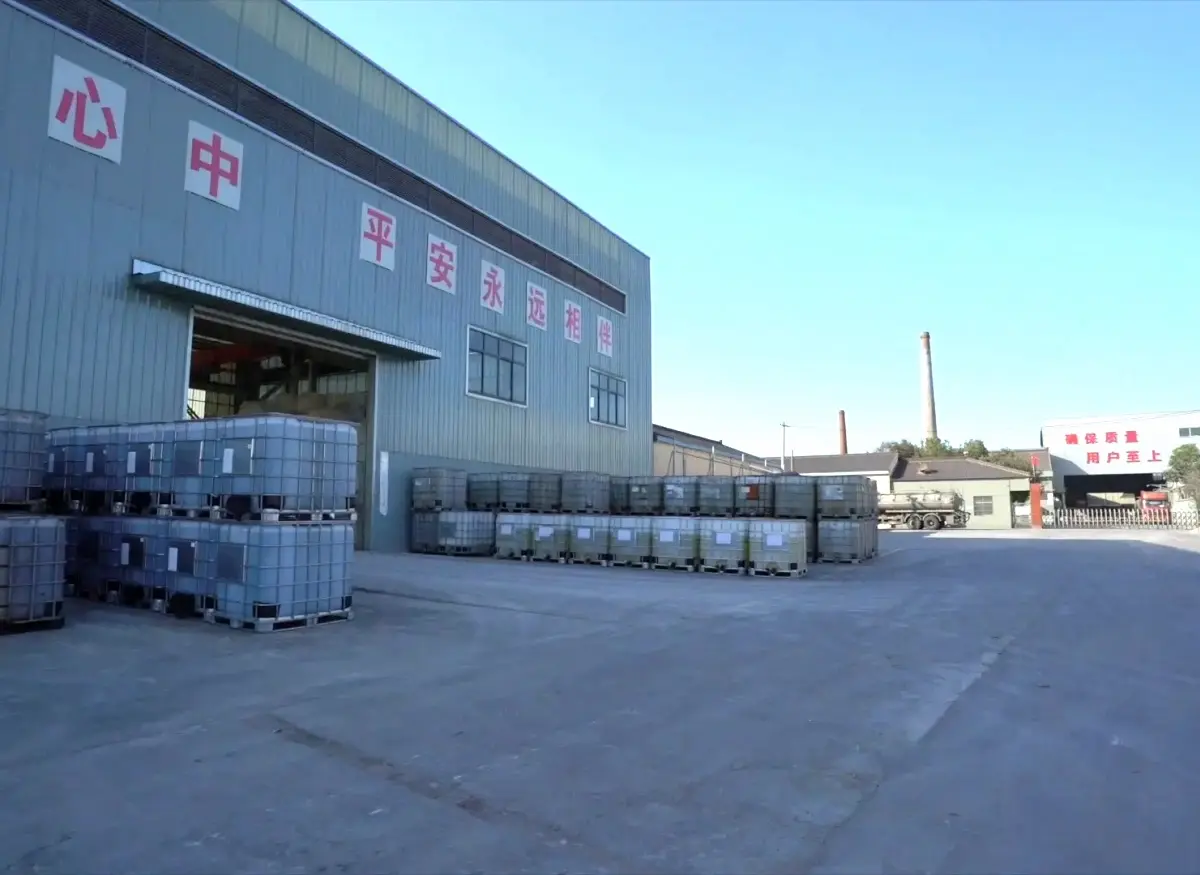
China has become the global center of gravity for water treatment chemical synthesis. Sourcing from leading manufacturers like Wuxi BS offers unique advantages in raw material security, manufacturing technology, and cost management.
Upstream Monomer Integration: The synthesis of CPAM relies heavily on Acrylonitrile and Acrylamide monomers. China's domestic petrochemical infrastructure guarantees a stable supply of these raw materials. This eliminates the supply volatility and price spikes common in Western manufacturing centers.
Advanced Industrial Dry Granular Technology: Chinese manufacturing facilities have moved away from outdated, batch-polymerization systems in favor of continuous post-hydrolysis and automated belt polymerization. Wuxi BS operates advanced digital and intelligent solid feeding systems, ensuring that every batch of CPAM features a narrow molecular weight distribution, zero micro-gel insolubles, and consistent active content.
Strategic Logistics & Custom Packaging: Positioned in Wuxi, Jiangsu province, we have direct highway access to Shanghai Port and Ningbo Port. This geographical position allows us to load, secure, export, and ship bulk containers to global ports within tight lead times. We offer custom packaging, including 25kg PE/PP bags, 750kg bulk bags, and customized private labeling.
Our facilities are fully certified to international environmental, health, and quality management standards.
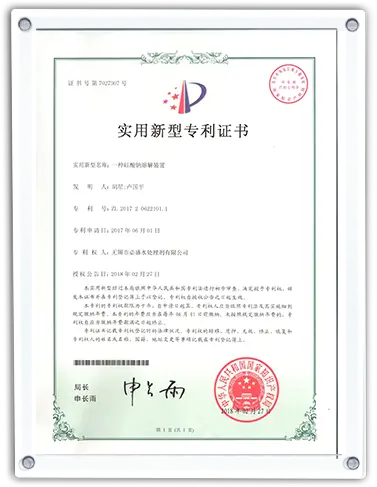
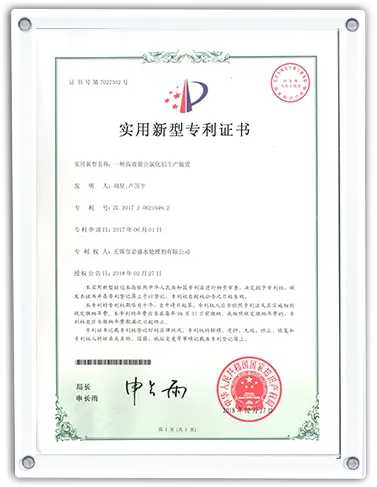
Decades of synthesis research and development have resulted in high-purity formulations designed to outperform standard industrial flocculants.
Our optimized synthesis path yields maximum cationic activity per weight unit. This translates to lower dosages (often reduced by 15-20% compared to standard suppliers) and significantly lower operational expenses.
By controlling the polymer particle size and cross-linking density, our CPAM dissolves rapidly inside dispersion tanks, reaching complete activity within 45 to 60 minutes. This prevents the formation of "fish-eyes" and protects down-stream equipment.
Specifically formulated to withstand the high shear forces in modern decanter centrifuges and high-pressure filter presses, Wuxi BS polymers keep sludge flocs intact without structural breakdown.
Tracing 27 years of technological development and expansion in global water treatment markets.
Our initial chemical production plant was established in Wuxi, focusing on basic coagulants and custom municipal wastewater treatment agents.
The company expanded and officially renamed as Wuxi Bisheng Water Treatment Agent Co., Ltd. (Wuxi BS), marking our entry into advanced polyacrylamides.
Wuxi BS products began exporting to Southeast Asia, Europe, and the Middle East through chemical distributor partnerships.
Annual sales revenue exceeded 10,000,000 USD, driven by a growing share of the mining, petroleum, and municipal wastewater treatment markets.
Established our dedicated in-house international trade department, offering technical service and logistics directly to global end-users.
Substantial infrastructure and output capacity to support high-volume international procurement contracts.
Experienced advice from Wuxi BS water quality engineers on optimizing polymer selection and dosage.
Insights from our R&D center on digital equipment upgrades, manufacturing improvements, and chemical industry exhibitions.
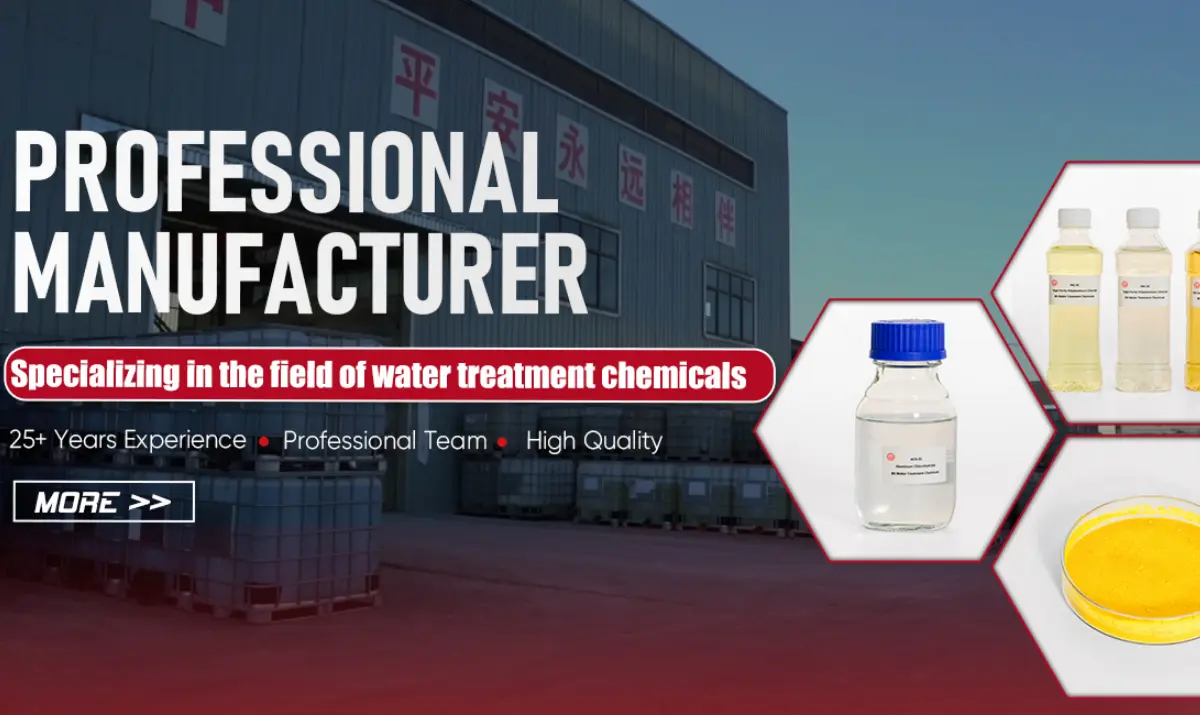
Having built a strong reputation in the domestic water treatment sector, Wuxi BS is expanding its direct international channels to offer technical support and high-performance polymers directly to global buyers.
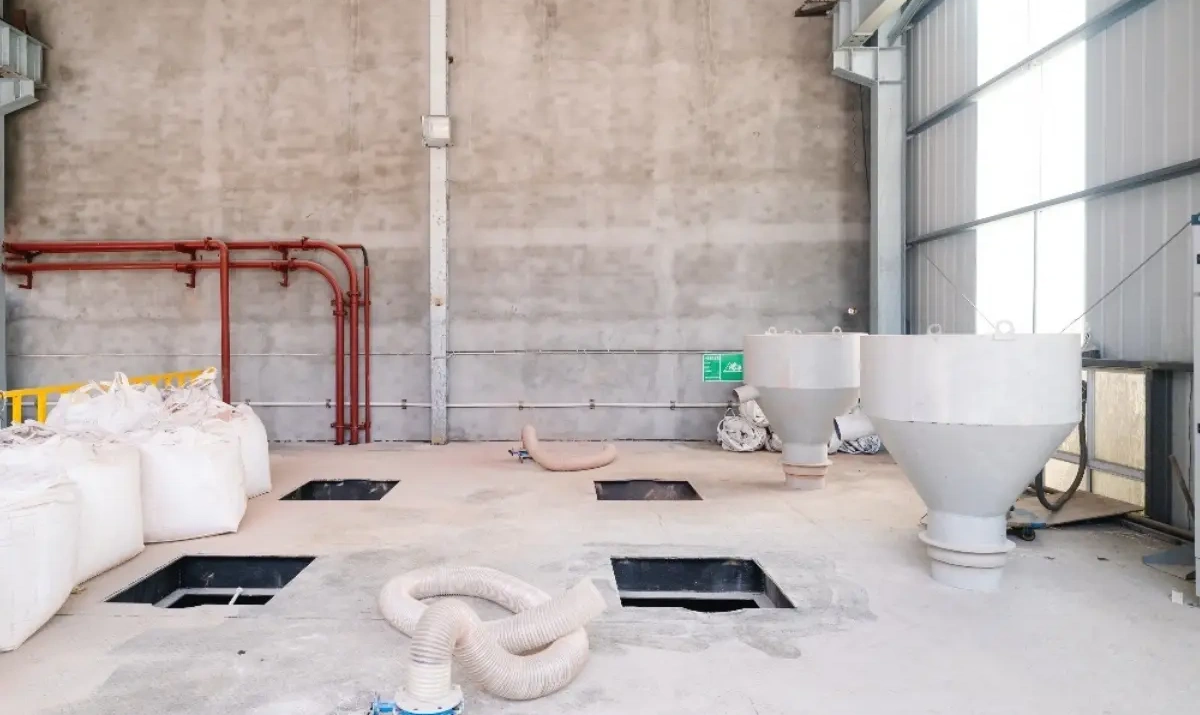
We have officially launched advanced digital and intelligent solid feeding equipment, water treatment control systems, and automated polymerization monitoring lines to enhance molecular consistency.
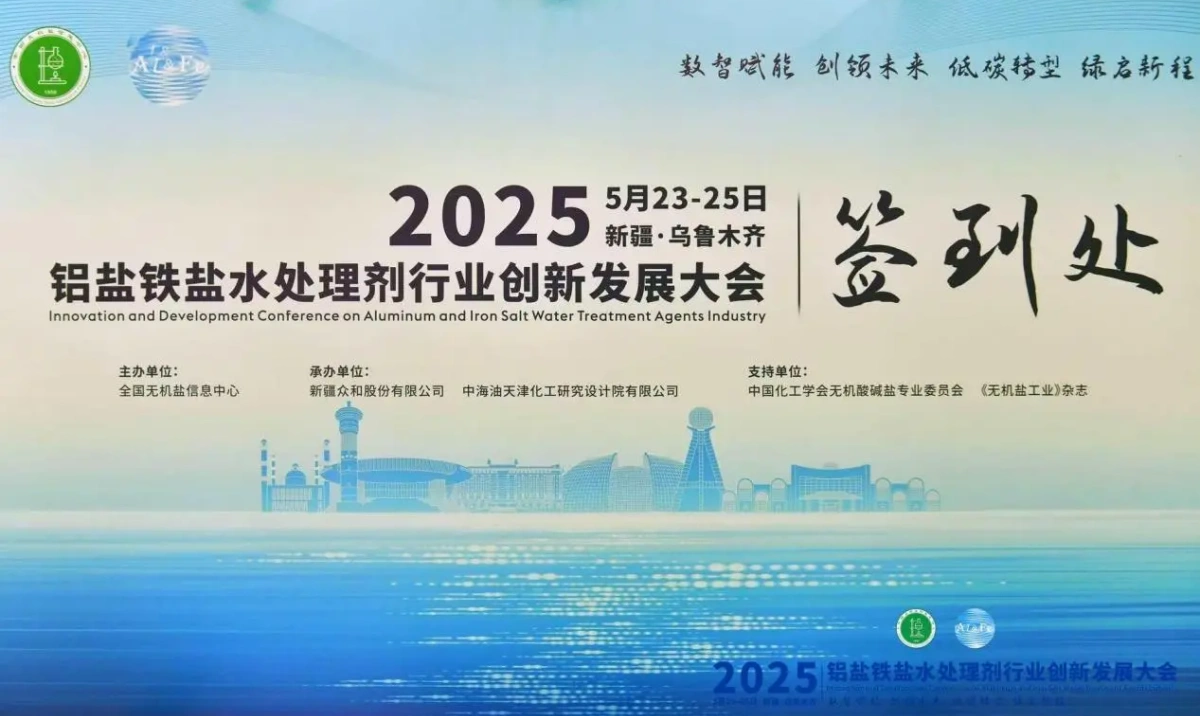
During the conference on the "Beautiful China" initiative and "Carbon Neutrality," Wuxi BS engineers shared our latest findings on low-dosage, high-activity polymers.
Comprehensive polymers and water treatment chemicals engineered for target municipal and industrial applications.
Have technical questions about dosage, polymer properties, or need custom packaging options? Contact our team for support.
Wuxi BS Water Treatment Chemicals Co., Ltd.
Wuxi, Jiangsu Province, China. Established in 1998.
Our experts will solve your water treatment challenges in no time. Request a quote or samples today.
 BS Water