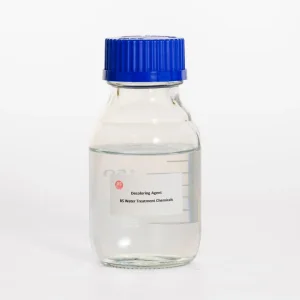
Cationic Polyacrylamide (CPAM) stands as one of the most versatile water-soluble polymers designed to destabilize colloidal systems and speed up solid-liquid separation. Synthesized through the co-polymerization of acrylamide monomers with cationic monomers (most commonly DAC—acryloyloxyethyltrimethyl ammonium chloride, or DMC—methacryloyloxyethyltrimethyl ammonium chloride), CPAM is defined by two primary indicators: charge density (cationicity) and molecular weight.
Selecting the correct grade of cationic-type polyacrylamide requires mapping the charge density (ranging from 10% to 80% ionic content) against the organic matter content of the substrate. For high-organic municipal sewage sludges, high-charge density polymers are necessary to neutralise the abundant negative surface charges. Conversely, industrial process waters with lower organic content but higher mineral suspensions require lower-charge, higher-molecular-weight formulations to build large, shear-resistant flocs.
The field deployment of cationic polyacrylamide spans key industrial sectors, each demanding targeted chemical properties to ensure optimal efficiency and process throughput:
By controlling the hydrolysis levels and polymer structure (linear vs. structured/branched), suppliers can adjust shear degradation properties. This is vital for centrifuge dewatering, where the polymer must withstand immense shear stress without breaking down.
Operating in the international chemical trade requires deep compliance alignment. Wuxi BS Water Treatment Chemicals Co., Ltd. ensures all cationic polyacrylamide supplies meet strict global chemical regulations. Standard parameters include maintaining residual acrylamide monomer (AMD) levels below 250 ppm, making our polymers suitable for applications with potential environmental runoff.
Our manufacturing plants operate under certified ISO 9001 (Quality Management), ISO 14001 (Environmental Management), and ISO 45001 (Occupational Health and Safety) frameworks. For European clients, we align our supply chains with REACH registration mandates, verifying trace materials and precursor origins to provide a fully transparent supply chain.
China's dominance in the global polyacrylamide market is supported by structural supply chain advantages. The integration of domestic petrochemical networks provides a stable, cost-effective supply of acrylonitrile (ACN)—the direct raw material precursor for acrylamide monomer. This insulation from global raw material shocks allows Chinese factories to maintain consistent pricing.
Furthermore, our production base in Wuxi benefits from advanced port logistics, connected to major shipping hubs in Shanghai and Ningbo. This location enables convenient ocean shipping routes, helping to lower transport costs and lead times for global operations.
The manufacturing factory was established, focusing on primary water treatment coagulant synthesis.
Re-organized and renamed as Wuxi Bisheng Water Treatment Agent Co., Ltd., expanding polymeric flocculant lines.
Initiated export channels, distributing high-purity water treatment polymers to global markets.
Annual export sales crossed $10,000,000 USD, driven by global municipal and paper mill supply agreements.
Established the dedicated international trading division, streamlining direct mill-to-enterprise logistics.
CPAM is commonly packaged in 25kg multi-wall paper-plastic composite bags or 750kg bulk bags. Stored in dry, cool conditions away from moisture, powder formulations maintain stable flocculating performance for up to 24 months from manufacture.
We recommend laboratory jar tests. Generally, inorganic sludges respond well to low-charge CPAM (10-30%), while highly organic sludges (such as biological municipal sludge) require mid-to-high charge densities (40-80%) to neutralize negatively charged cellular debris.
Solid CPAM requires approximately 50 to 60 minutes of gentle mechanical agitation to fully dissolve into a homogeneous solution. Premature dosing of unaged solution can cause blockages and reduce chemical efficiency.
For drinking water applications, residual monomer levels must be strictly monitored. Our food-and-water grade formulations limit acrylamide monomers to less than 0.025% (250 ppm) or lower, depending on local drinking water standards.
High shear forces in centrifuges can break polymer chains if they are too linear or lack sufficient molecular weight. Using a structured or branched cationic polyacrylamide can improve floc strength under high-shear conditions.
Dissolution water temperatures should stay between 15°C and 40°C. Dissolving in water below 10°C slows down the aging process, while temperatures exceeding 40°C can degrade the polymer chains, reducing efficiency.
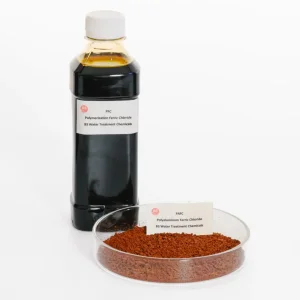
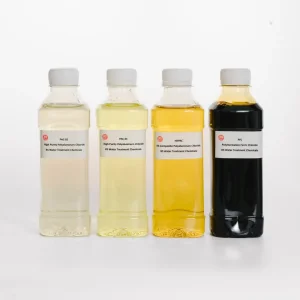
Wuxi BS Water Treatment Chemicals Co., Ltd. is located in Jiangsu, China. Contact us for direct-from-factory pricing and customized polymer samples.
Our chemical application engineers will analyze your parameters and suggest the correct product grade.
 Sep 09, 2025
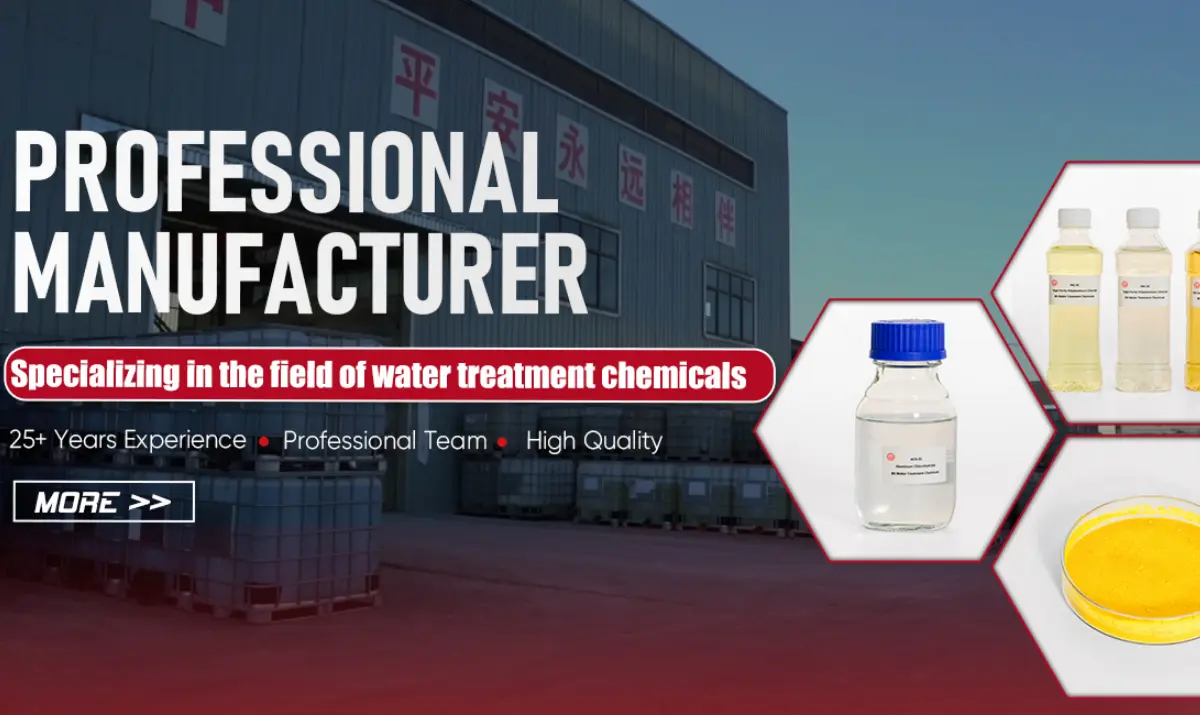
Wuxi BS Water Treatment Chemicals Co., Ltd., which has been deeply involved in the water treatment field, discusses strategic international expansion and localized customer service models.
 Aug 21, 2025
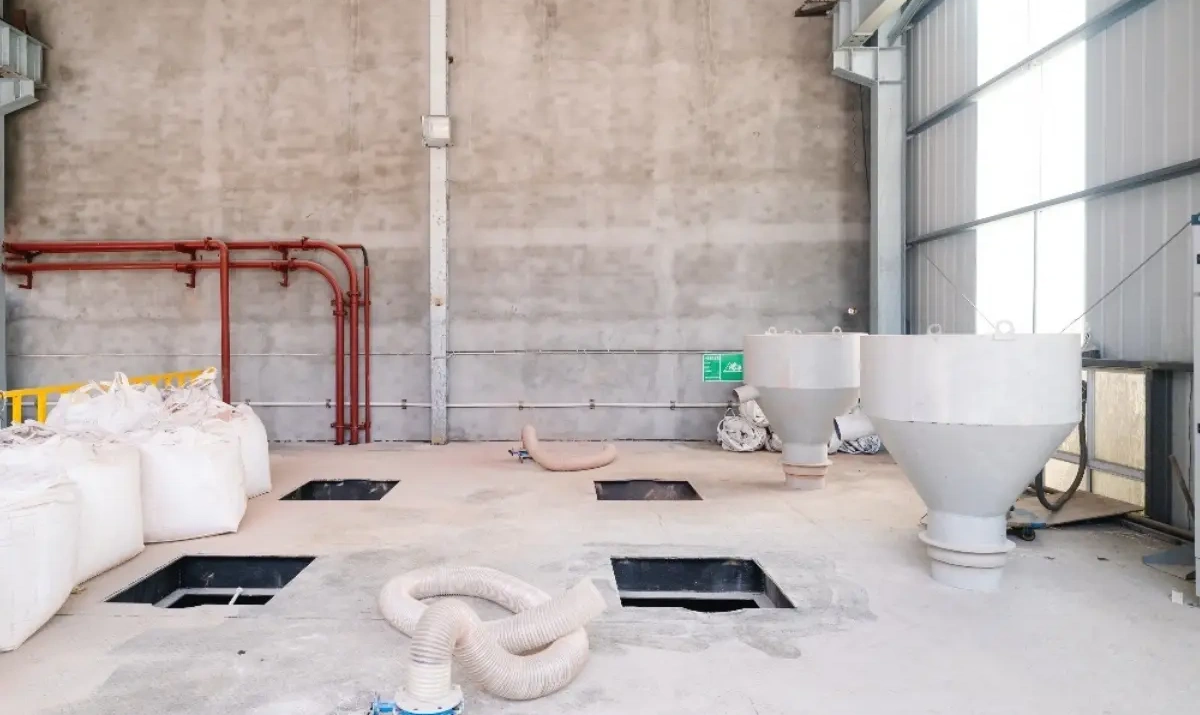
Officially launched advanced digital intelligent solid feeding equipment, boosting wastewater plant treatment capacity, and ensuring dosage accuracy and consistency.
 Aug 21, 2025
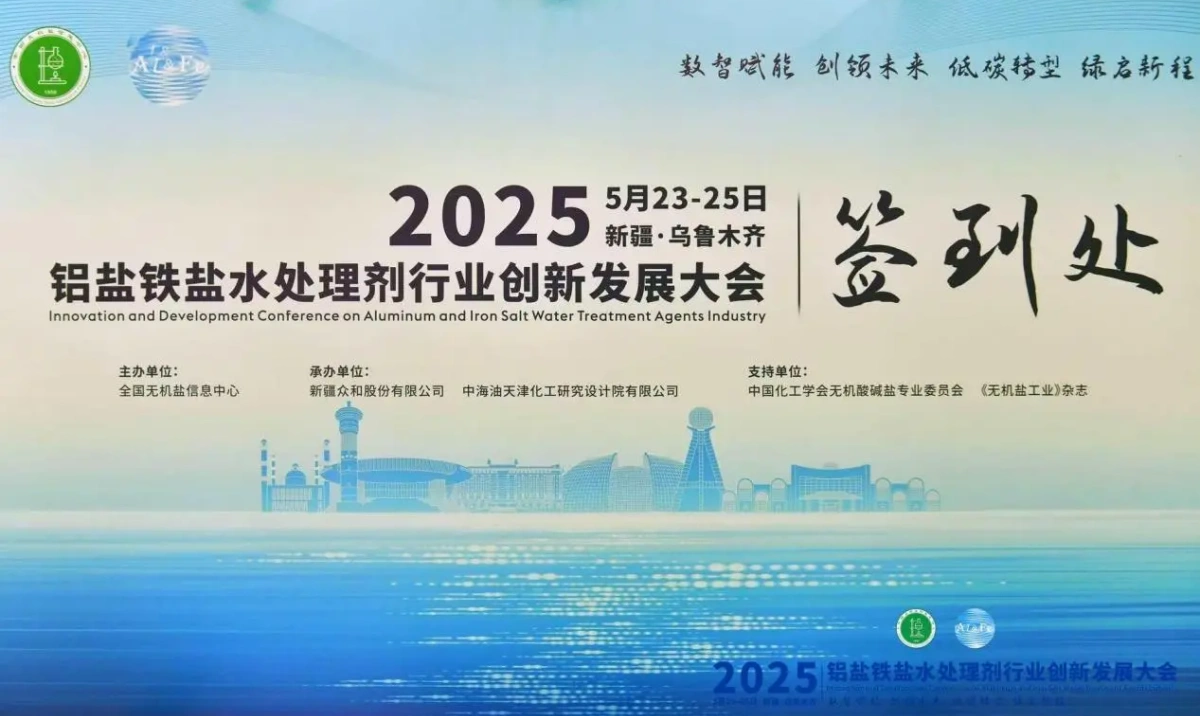
In the context of the joint advancement of "Beautiful China" construction and the "Carbon Neutrality" goals, industry leaders gathered to exchange green flocculation technologies.
 BS Water

