China Anionic Polyacrylamide (APAM) Suppliers - Effective Flocculant from a Trusted Factory for Water Treatment

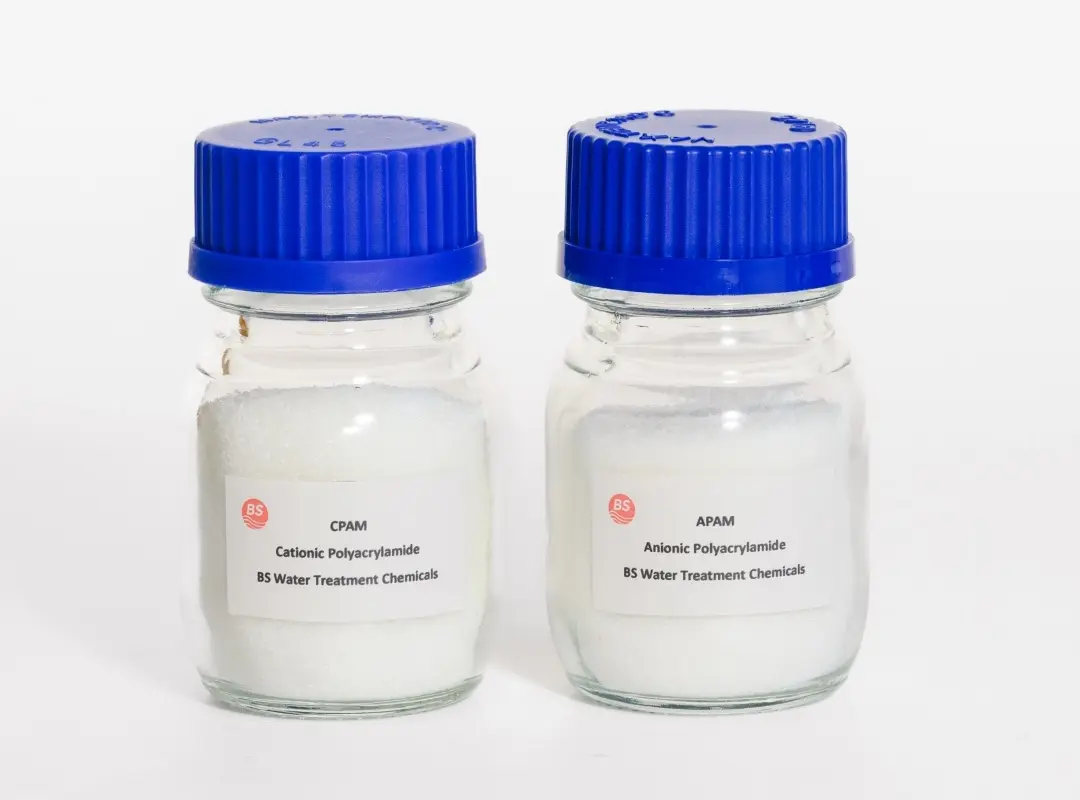
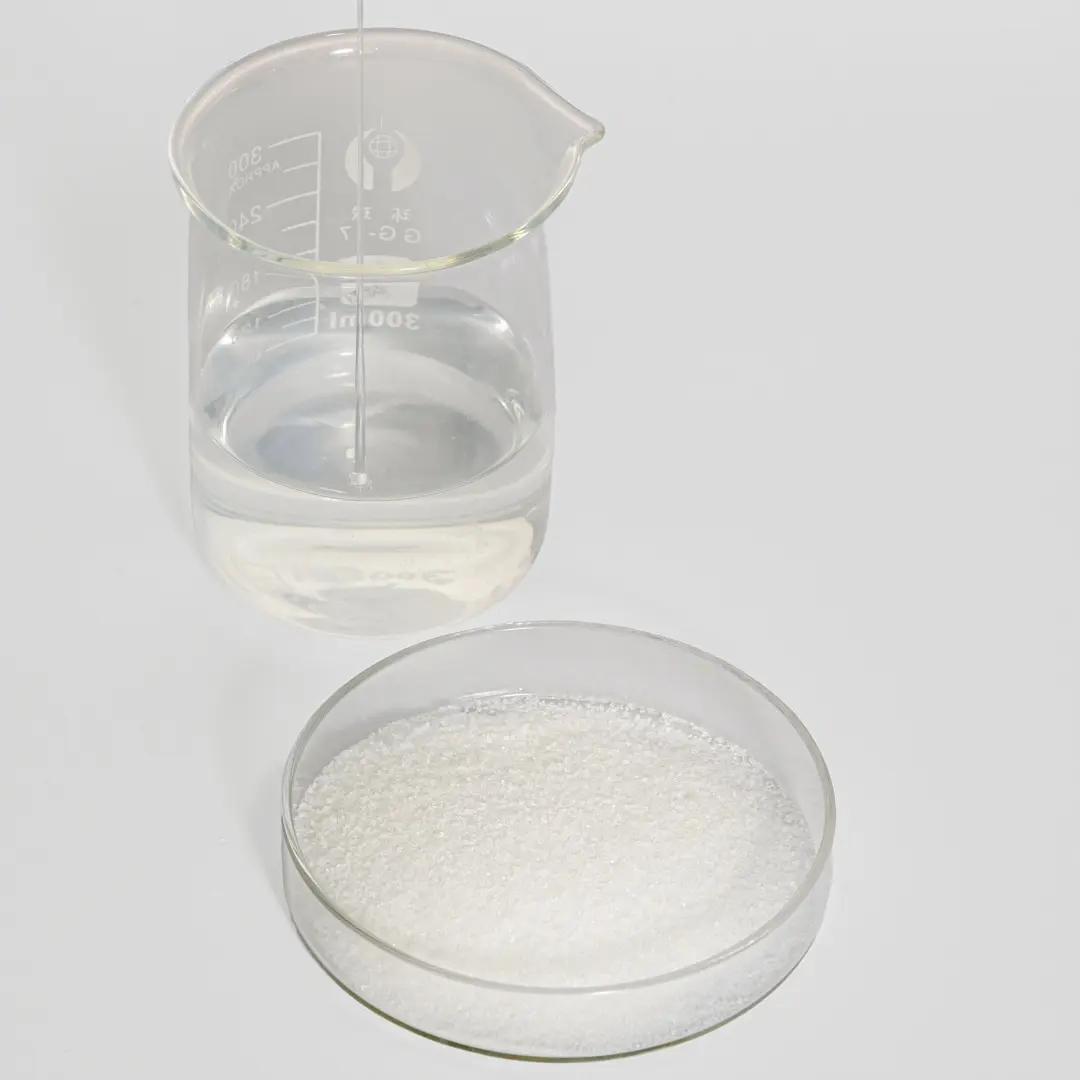
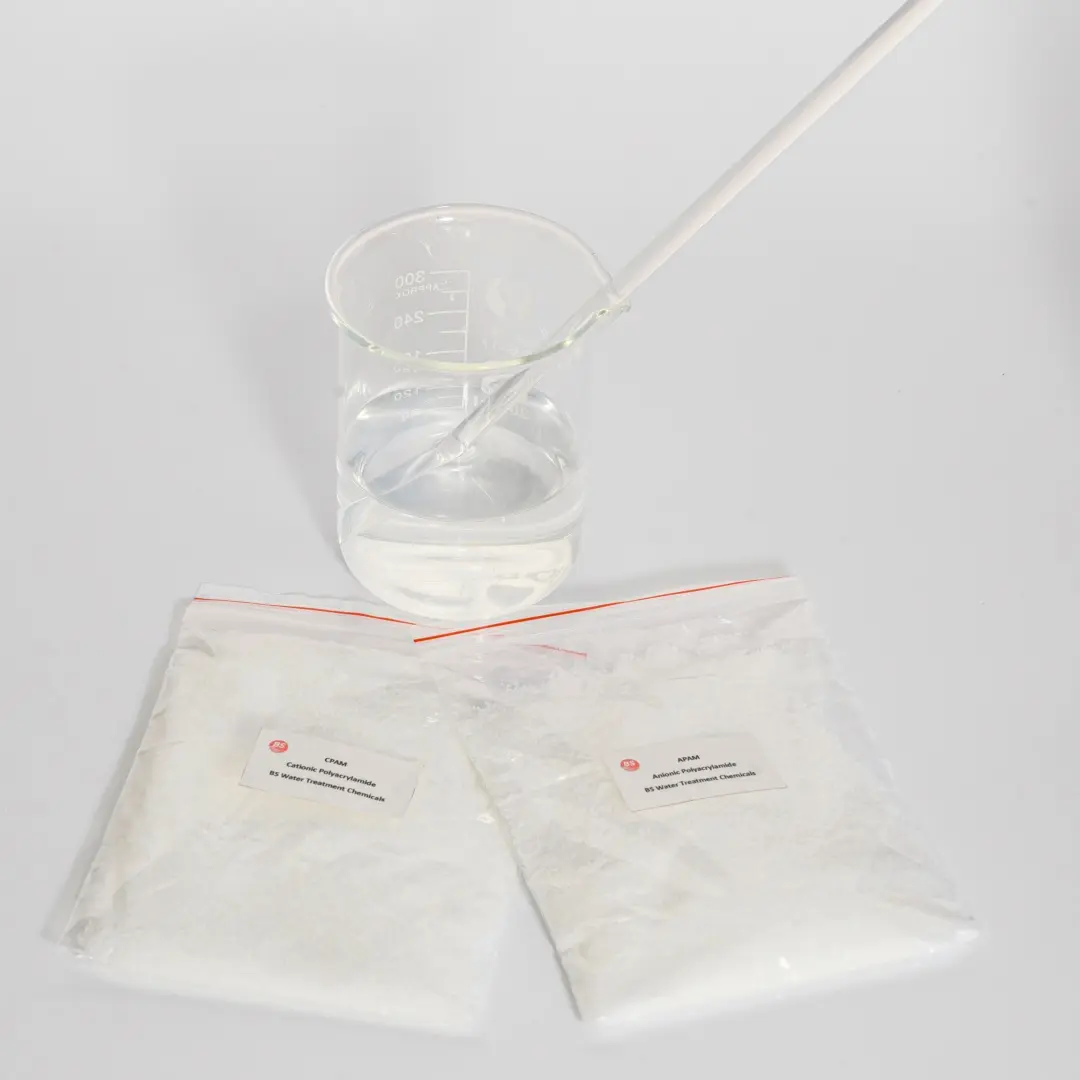
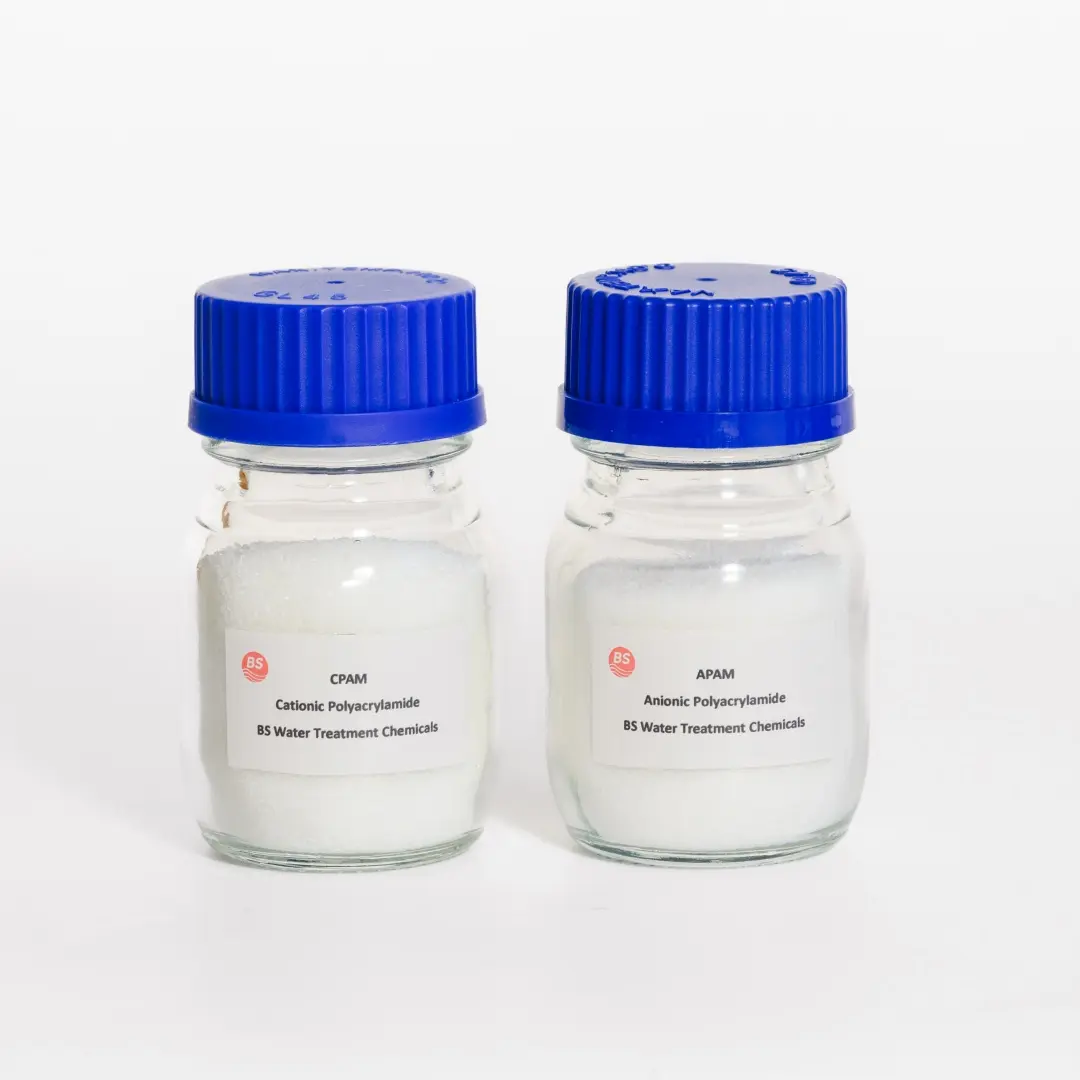
Anionic Polyacrylamide (APAM) is a highly effective water-soluble polymer featuring negatively charged molecular chains (-COO⁻). Renowned for its exceptional performance, APAM plays a crucial role in the flocculation process by utilizing the electrical neutralization + adsorption bridging mechanism. This allows it to swiftly coagulate and precipitate positively charged suspended solids, including sediments, colloids, and iron hydroxide in various water applications. APAM is essential for addressing high-turbidity conditions commonly found in municipal sewage treatment, papermaking wastewater, and mining wastewater. As a leading supplier and factory in China, we ensure high-quality Anionic Polyacrylamide to meet your industrial needs efficiently

Product Description

Core Features

Precise Molecular Weight Control: The molecular weight of anionic PAM ranges from 12 million to 20 million (adjustable), with long and uniform molecular chains, showing significant flocculation effects on high-turbidity wastewater (turbidity ≤ 5000 NTU), and the turbidity removal rate is ≥ 95%.
Fast Dissolution, Low Residue: The dissolution time of powder PAM ≤ 60 minutes (at room temperature), after dissolution, the flocs are large and settle quickly (settling speed is 25%–40% faster than conventional products), and it works better when used in combination with PAC. Water insoluble matter ≤ 0.5%.
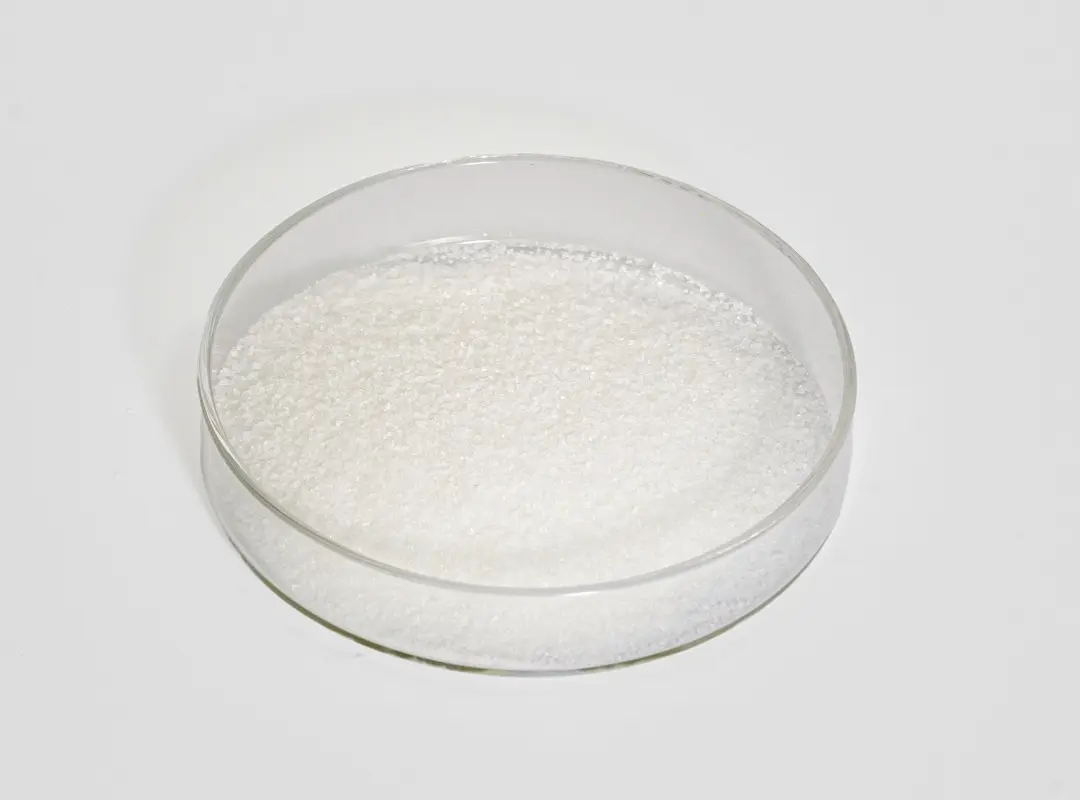
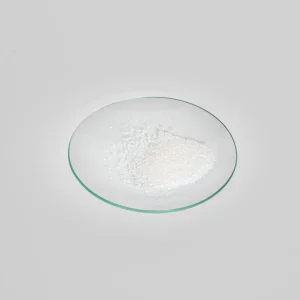
Anionic polyacrylamide (APAM) (1)
Strong Tolerance: Resistant to acid and alkali (pH 5–10), resistant to acid and alkali (resistant to dilute acid/alkali), has a stable effect on papermaking black liquor (high alkalinity) and mine acidic wastewater (low pH), and does not corrode pipes or equipment.
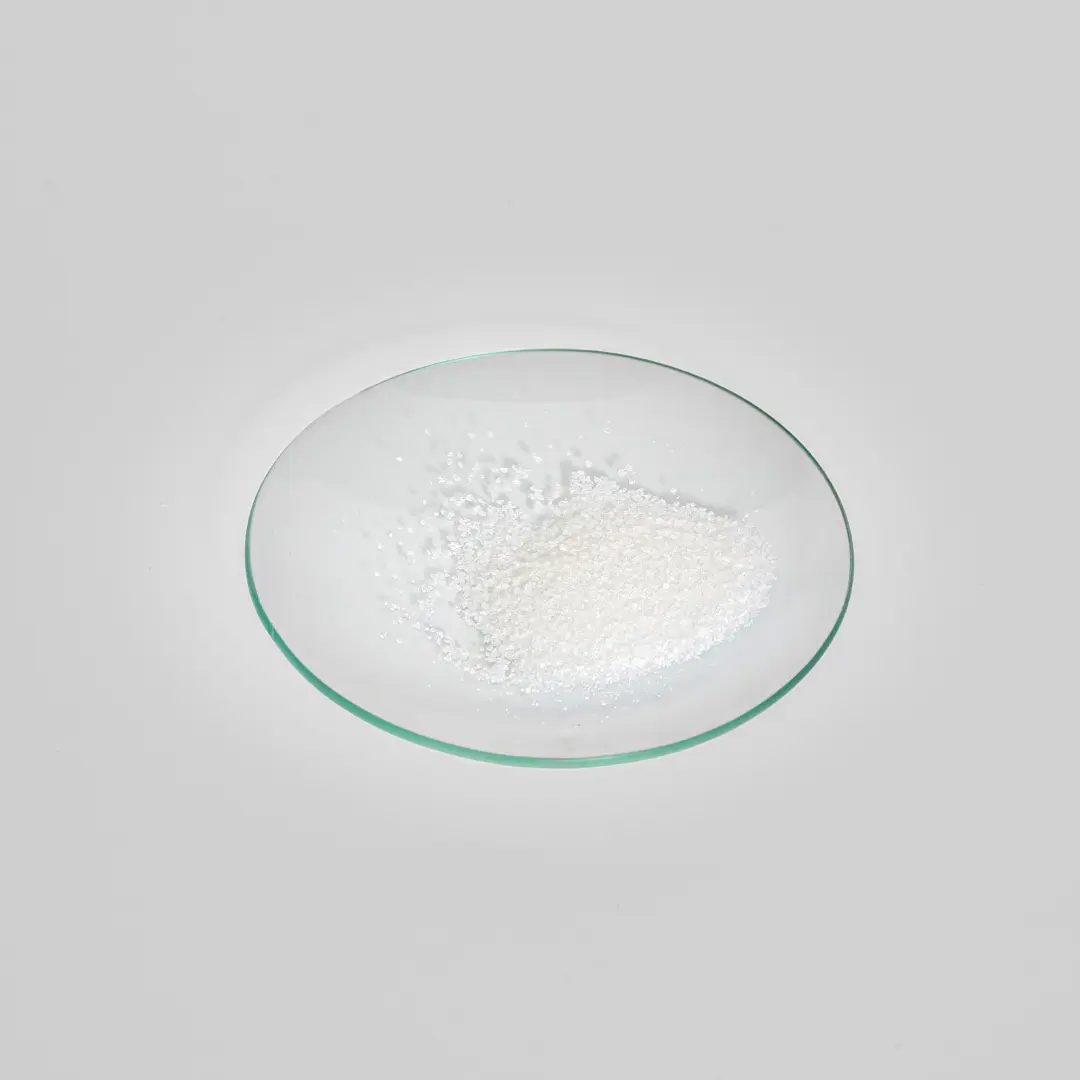
Anionic polyacrylamide (APAM) (5)

Technical Parameter

Specifications Index
Industrial Grade Drinking Water Grade
Al₂O₃ Content, % ≥ 28.0 29.0
Basicity, % 20~98 45.0~90.0
Mass fraction of insoluble substances, % ≤ 0.4 0.1
pH (10g/L aqueous solution) 3.5~5.0 3.5~5.0
Mass fraction of Fe, % ≤ 1.5 0.2
Mass fraction of As, % ≤ 0.0005 0.0001
Mass fraction of Cr, % ≤ 0.005 0.0005
Mass fraction of Hg, % ≤ 0.00005 0.00001
Mass fraction of Pb, % ≤ 0.002 0.0005
Mass fraction of Cd, % ≤ 0.0005 0.0001

Application Area

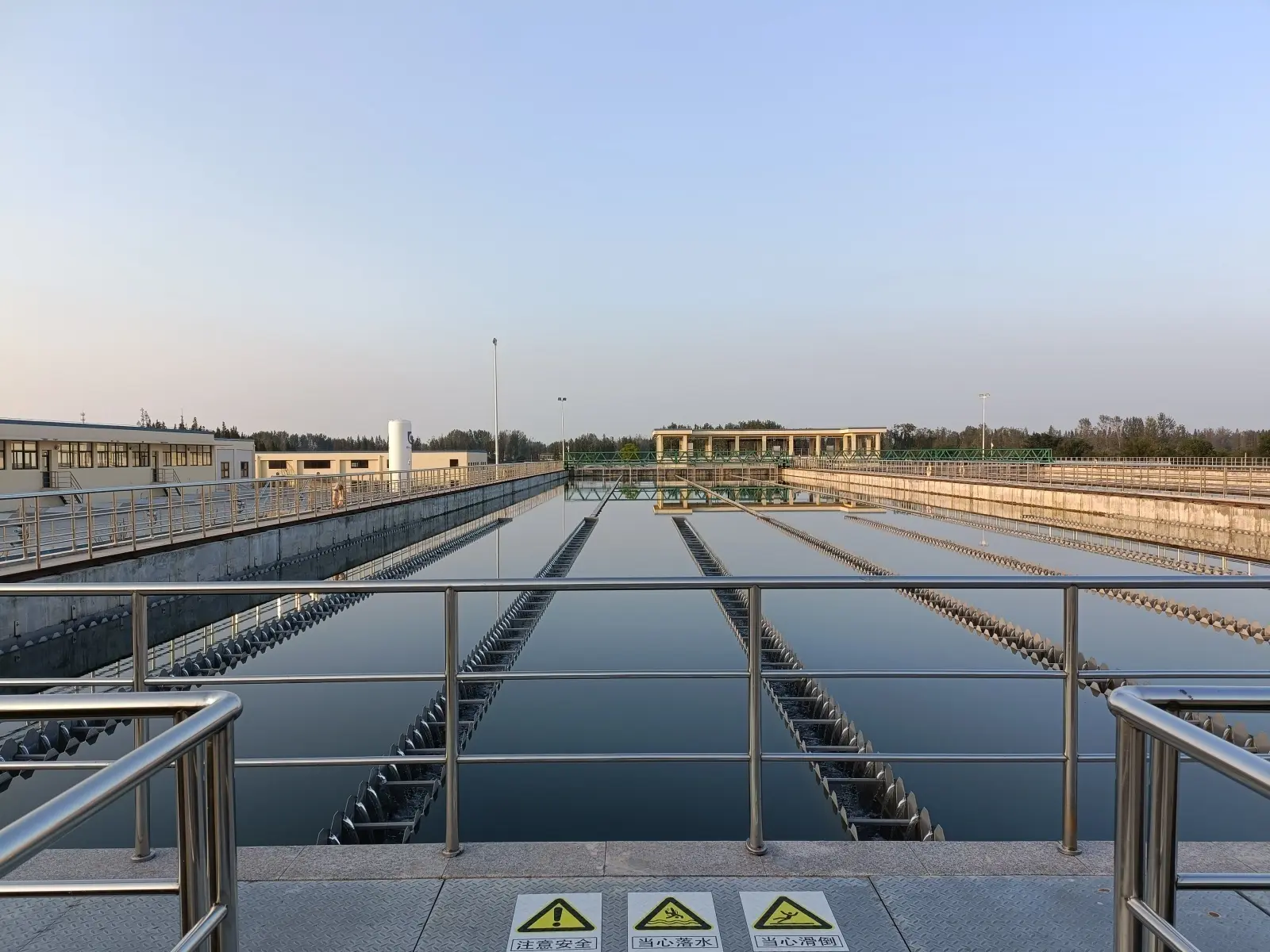
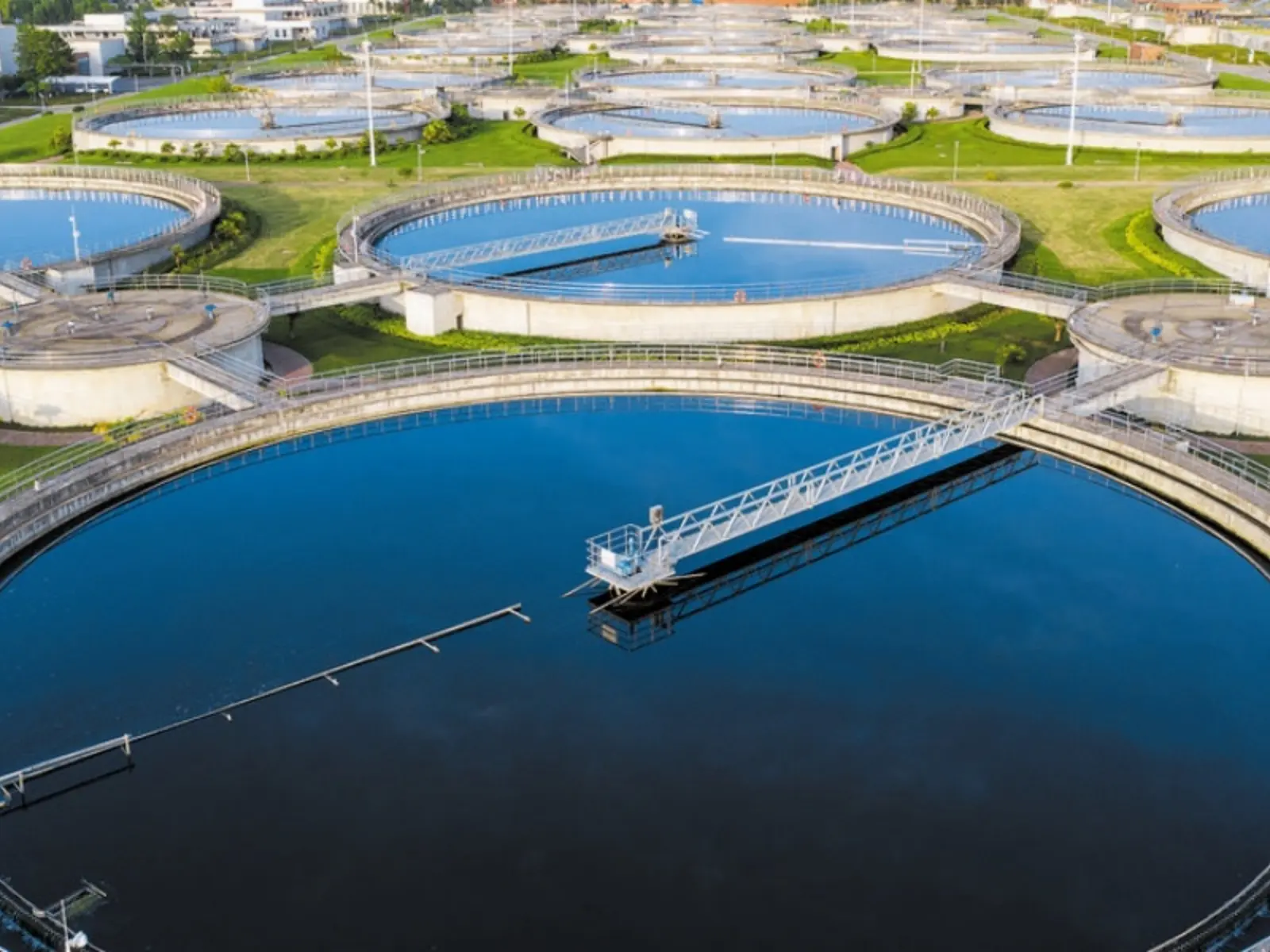
Municipal Sewage: Flocculation in the primary sedimentation tank and secondary sedimentation tank of urban domestic sewage treatment plants to reduce SS (suspended solids) to below 10 mg/L.
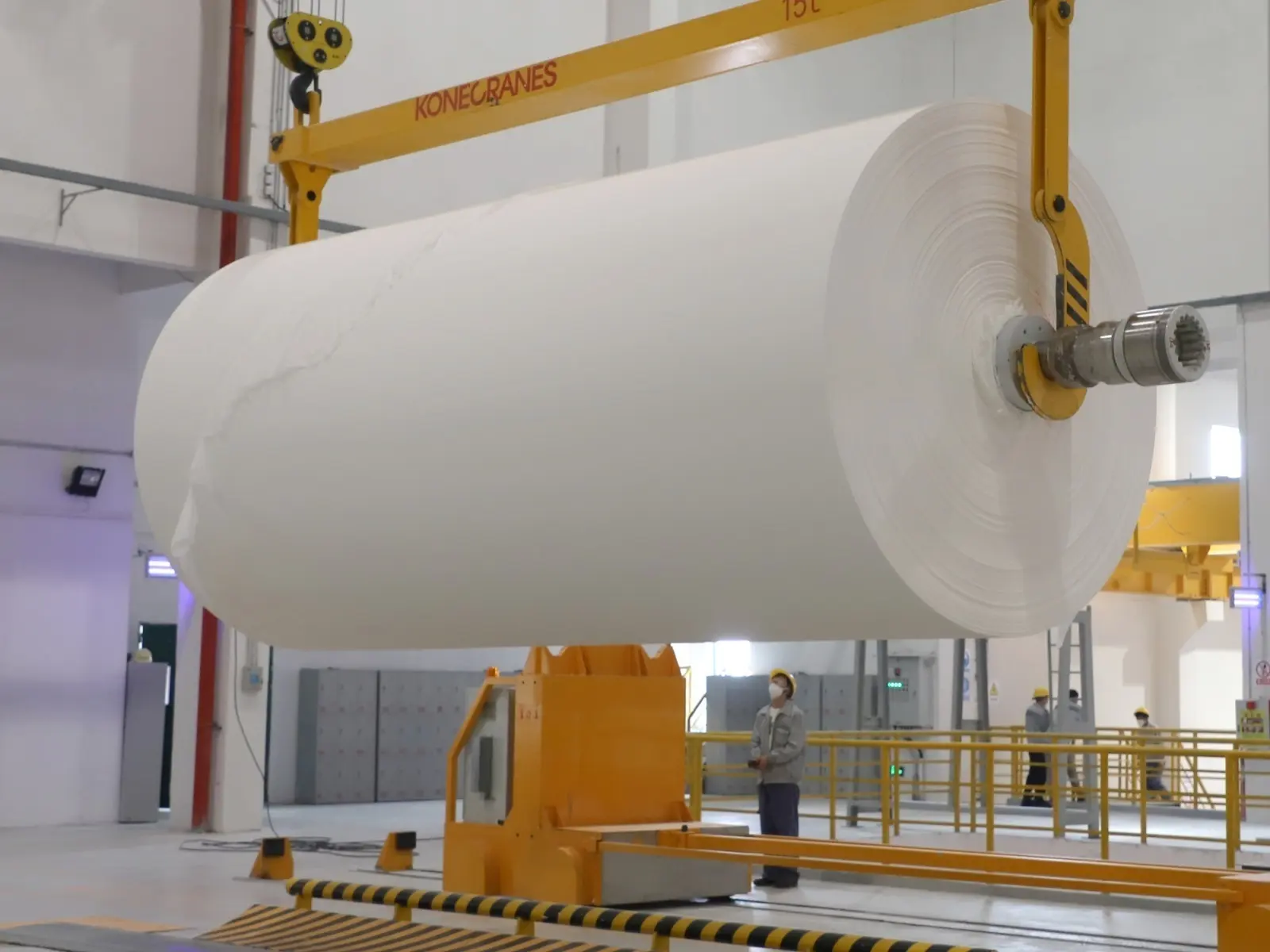
Paper Mill Wastewater: Delignification of pulping black liquor, white water recovery (fiber collection rate increased by 15%–20%).
Mine / Coal Washing Wastewater: Clarification of coal slurry water (collection rate of flotation clean coal increased by 8%–12%), flocculation and sedimentation in tailings pond.
Building Materials Wastewater: Production wastewater from cement plants and ceramic factories removes suspended solids (turbidity reduced from 2000 NTU to 50 NTU).

Packaging and Storage

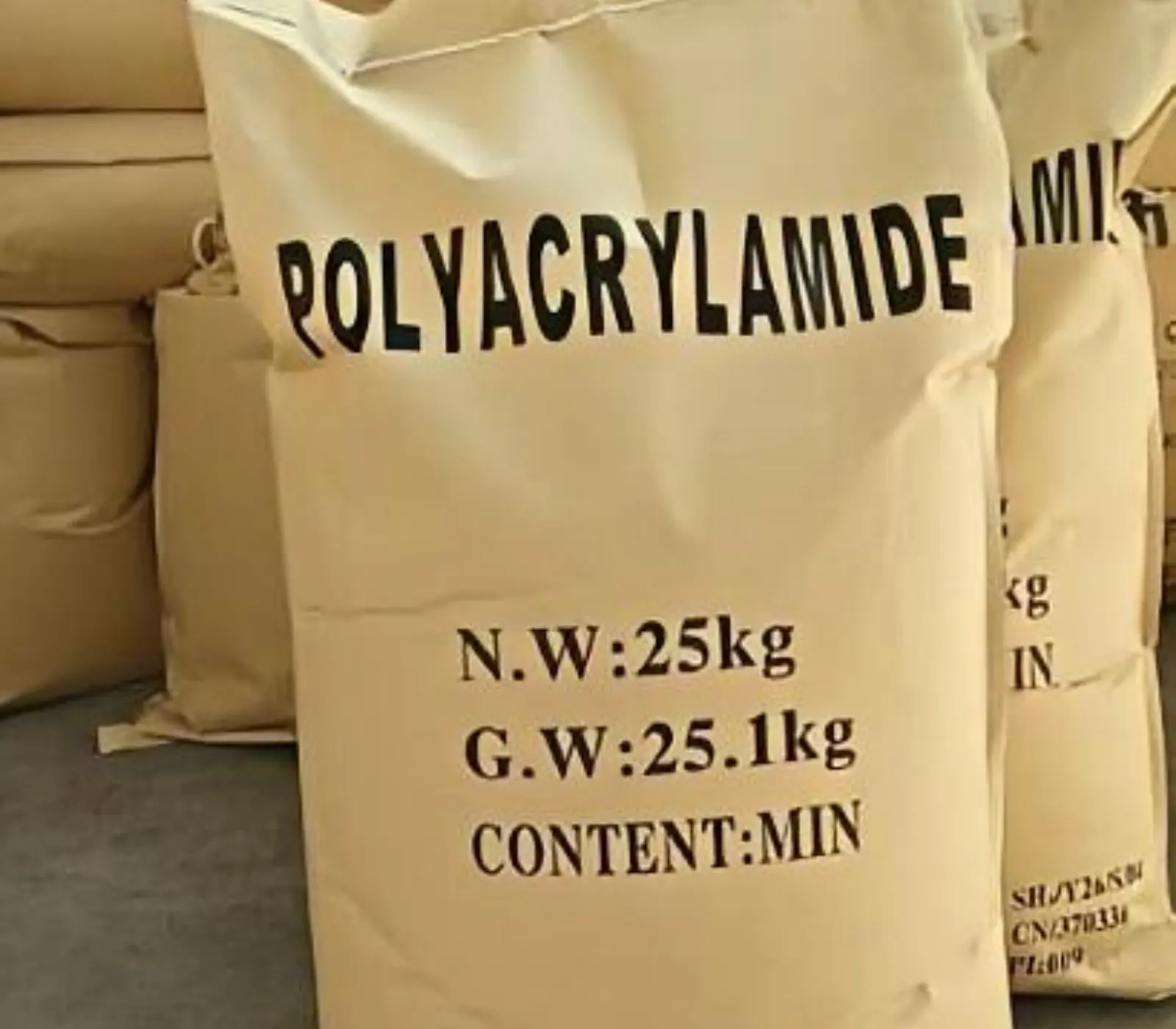
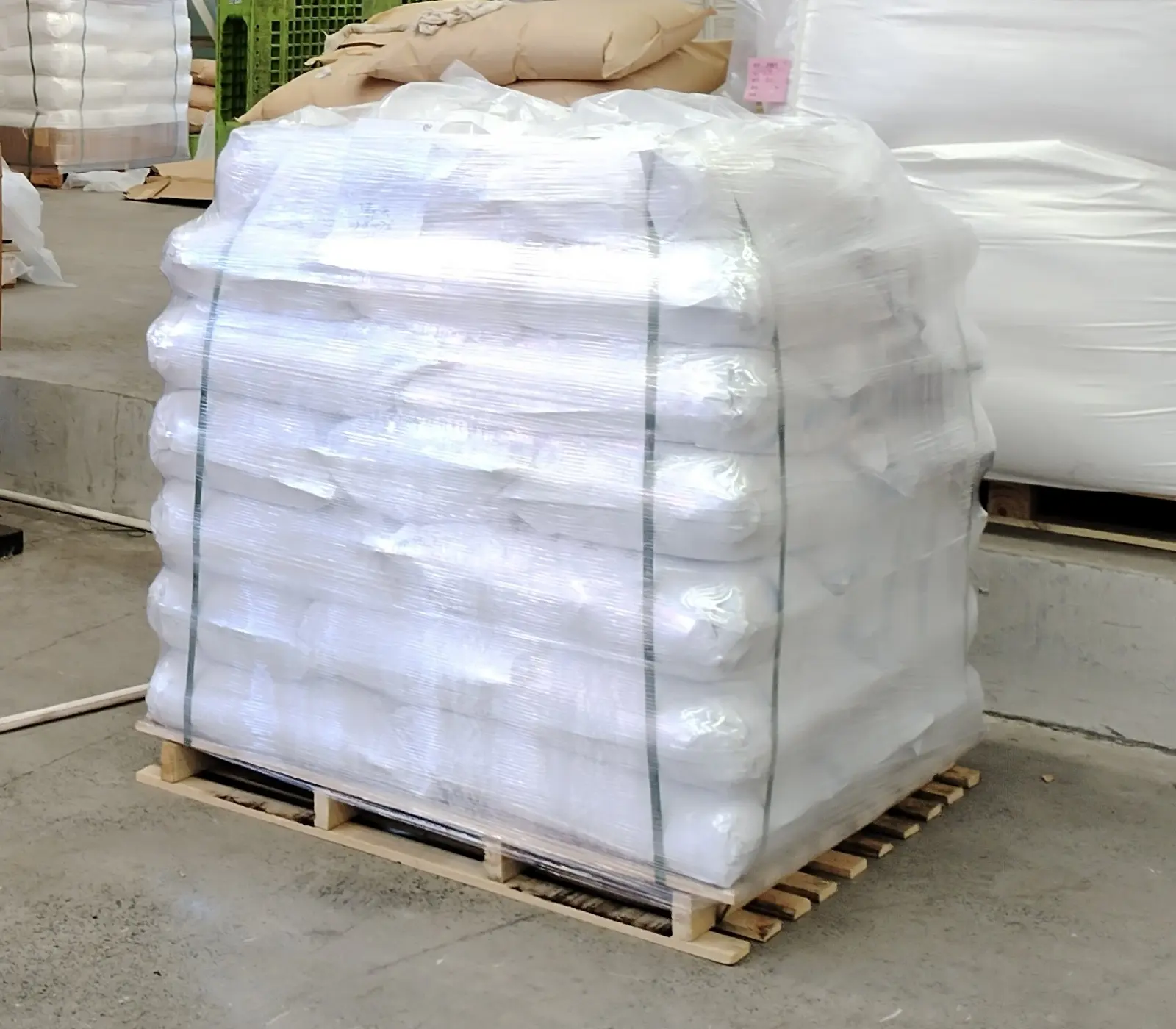
Solid Powder: 25 kg woven bag lined with plastic bag / 1 ton jumbo bag (customizable English / customer logo packaging available).
Storage Conditions: Store in a cool, dry place (temperature ≤ 35°C), avoid direct sunlight; the shelf life of the solid is 2 years (unopened).
PAM English packaging (3) Solid pallet

Frequently Asked Questions

Q
What is the molecular weight range of anionic polyacrylamide (APAM)?
Anionic PAM has an adjustable molecular weight ranging from 12 million to 20 million. The long and uniform molecular chains provide significant flocculation effects on high-turbidity wastewater (turbidity ≤ 5000 NTU), achieving a turbidity removal rate of ≥ 95%.
Q
How long does anionic PAM powder take to dissolve, and what is the water insoluble matter content?
Powder APAM dissolves in ≤ 60 minutes at room temperature. After dissolution, flocs are large and settle quickly — 25%–40% faster than conventional products. The water insoluble matter content is ≤ 0.5%, ensuring a high-quality, low-residue solution.
Q
What pH range is anionic PAM suitable for?
Anionic PAM is resistant to both acid and alkali, functioning stably within a pH range of 5–10. It performs reliably in challenging environments such as high-alkalinity papermaking black liquor and low-pH mine acidic wastewater, without corroding pipes or equipment.
Q
In which industries can anionic polyacrylamide be applied?
APAM is widely used across multiple industries: municipal sewage treatment (reducing SS to below 10 mg/L), paper mill wastewater treatment (increasing fiber collection rate by 15%–20%), mine and coal washing wastewater clarification (improving flotation clean coal collection by 8%–12%), and building materials wastewater treatment (reducing turbidity from 2000 NTU to 50 NTU).
Q
What packaging options are available for anionic PAM?
Anionic PAM is available in 25 kg woven bags lined with plastic bags, or in 1-ton jumbo bags. Customizable English labeling and customer logo packaging are also available to meet specific export and branding requirements.
Q
What are the storage conditions and shelf life of anionic PAM?
Anionic PAM should be stored in a cool, dry environment with a temperature not exceeding 35°C, away from direct sunlight. When kept in an unopened package under these conditions, the shelf life of the solid product is 2 years.

Related Products