In an era defined by increasing water scarcity, strict environmental regulations, and corporate sustainability metrics, the role of primary water treatment has evolved from a basic regulatory requirement to a critical component of global industrial efficiency. Coagulation and flocculation, the foundation of primary treatment, serve as the initial defenses in removing suspended solids, colloidal matter, and organic compounds from raw intake water and complex industrial wastewater streams.
For multinational industrial entities, municipal water boards, and specialized engineering contractors, securing a reliable supply of primary treatment chemicals is crucial. Selecting the appropriate chemical treatment strategy depends on understanding the water chemistry involved—such as charge densities, zeta potential dynamics, and molecular weight distributions.
The global demand for primary water treatment agents is driven by rapid industrialization in developing markets and the modernization of municipal wastewater systems in mature economies. According to industrial research, the global water treatment chemicals market size is projected to expand significantly, with coagulants and flocculants representing the largest segment.
Regions with intense heavy industrial manufacturing, paper and pulp processing, mining operations, and petrochemical refining require high-volume, consistent chemical formulations. Regulatory compliance standards like the EU Directives, U.S. EPA regulations, and domestic environmental guidelines require primary treated effluent to meet strict low-NTU (Nephelometric Turbidity Units) levels before environmental discharge or municipal routing.
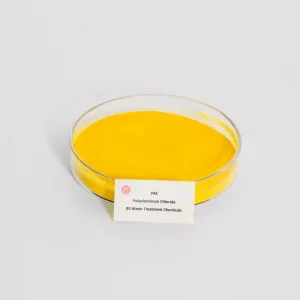
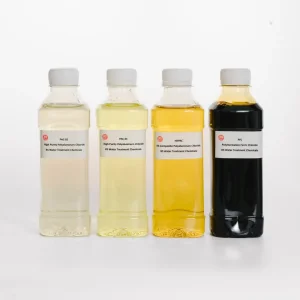
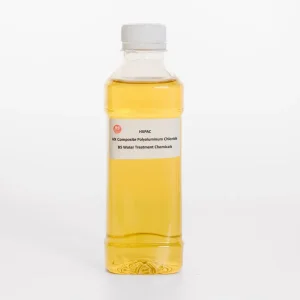
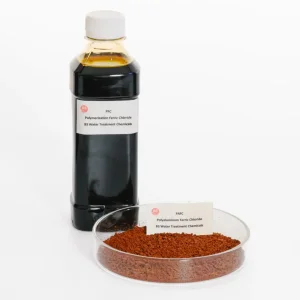
An inorganic polymer coagulant with pre-hydrolyzed polymeric structures. The high charge density of [Al13O4(OH)24(H2O)12]7+ complexes enables effective charge neutralization of negatively charged colloids at lower doses compared to conventional alum, resulting in minimal pH shift and reduced sludge production.
An organic polymer chain that facilitates inter-particle bridging. Anionic PAM (APAM) features negative charges along the backbone, binding to neutralized positive particles to form larger, shear-resistant flocs. Cationic PAM (CPAM) is ideal for organic-rich municipal sludges, offering charge neutralization and rapid dewatering.
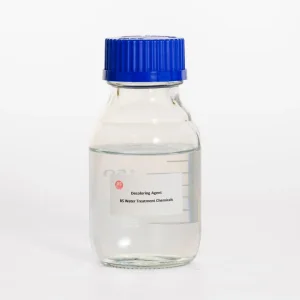
A cationic copolymer designed for color removal. Typically comprised of dicyandiamide-formaldehyde condensation resins, WDA targets and precipitates water-soluble anionic dyes (such as reactive, acid, and disperse dyes) in textile, pulp, and chemical manufacturing effluents.
The primary phase of water treatment targets stable colloidal particles (ranging from 1 nm to 1 μm) that carry negative electrostatic surface charges, preventing them from coalescing. Understanding the physical chemistry of the system allows for the optimization of coagulation and flocculation processes.
Colloid stability is described by DLVO theory, which balances attractive van der Waals forces and repulsive electrostatic forces. Injecting positively charged metal coagulants, such as the polynuclear aluminium species in PAC, compresses the electrical double layer. This reduces the Zeta Potential from highly negative values closer to zero. At this point, electrostatic repulsion decreases, allowing particles to aggregate into microflocs.
High molecular weight polymers like Anionic Polyacrylamide (APAM) feature active sites along their carbon backbones that bind to multiple microflocs. As these polymer chains extend through the liquid, they form a "bridge" between distinct particles, producing larger aggregates known as macroflocs. This step is crucial for gravity clarification and flotation systems.


Deploying chemical water treatment agents globally requires adherence to international standards. Wuxi BS Water Treatment maintains certifications including ISO 9001:2015 for Quality Management, ISO 14001:2015 for Environmental Management, and ISO 45001:2018 for Occupational Health and Safety.
For drinking water formulations, our PAC and ACH products meet regulatory requirements for drinking water chemicals (such as ANSI/NSF Standard 60 guidelines). We also assist clients with chemical registration compliance in key markets, including REACH in the European Union and TSCA in the United States.
Recognizing that water characteristics vary by site, we provide comprehensive laboratory testing support. Our engineering teams perform dynamic jar tests and zeta potential analyses on sample effluents to recommend optimal coagulant-to-flocculant ratios. This service helps minimize chemical consumption and reduce overall operating costs.
The primary water treatment industry is shifting toward more environmentally friendly options. Our technical roadmap focuses on three main developments:
Wuxi BS Water Treatment was established, launching production lines for industrial coagulants.
Re-organized production facilities and upgraded chemical synthesis capacity to meet growing domestic demand.
Began global distribution, exporting water treatment chemicals to regions including Southeast Asia, Europe, and North America.
Annual export sales reached USD 10 million, supported by automated manufacturing lines.
Whether you need to optimize chemical consumption at an existing treatment plant or require customized formulations for high-turbidity wastewater, our technical team is available to assist you.
 BS Water

