1
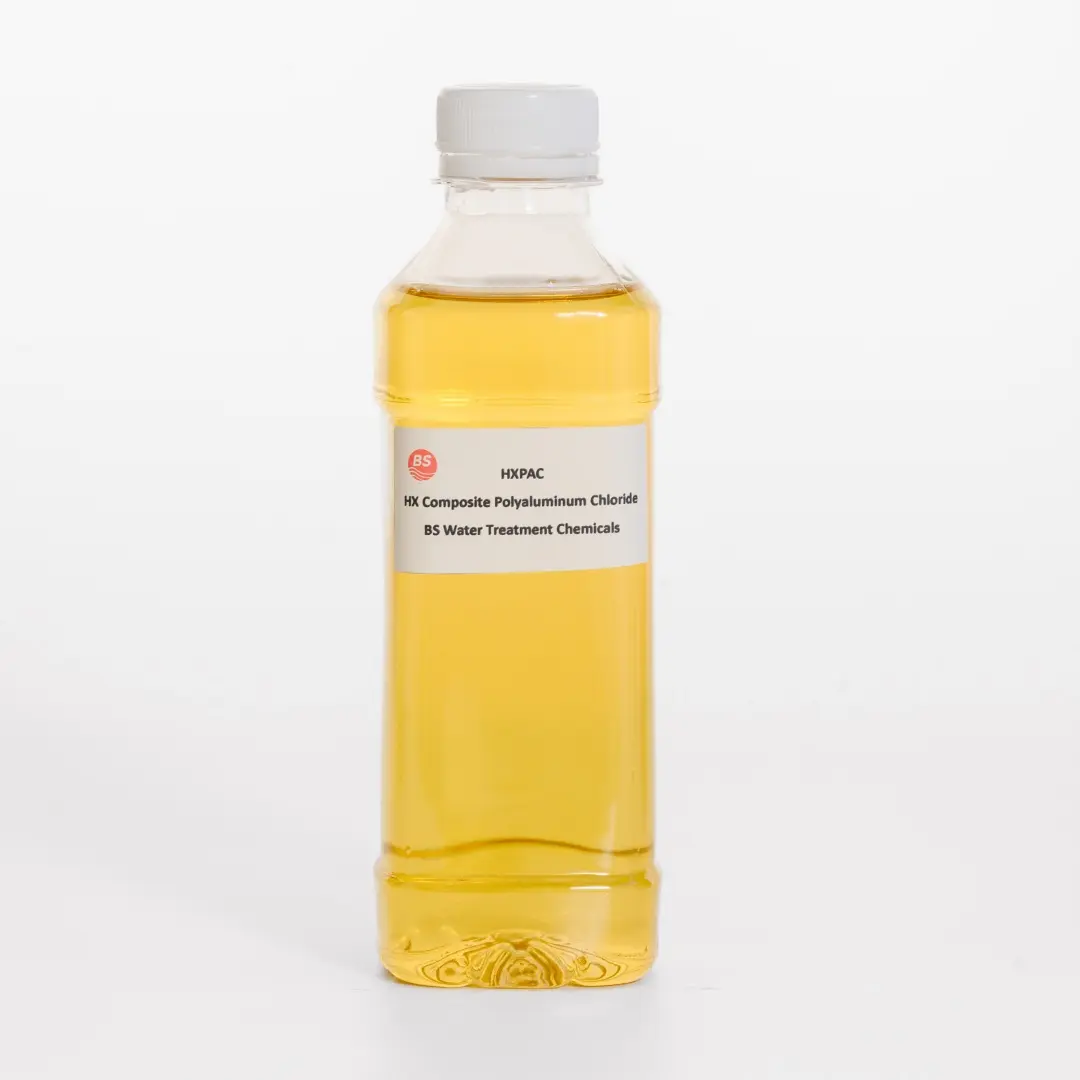
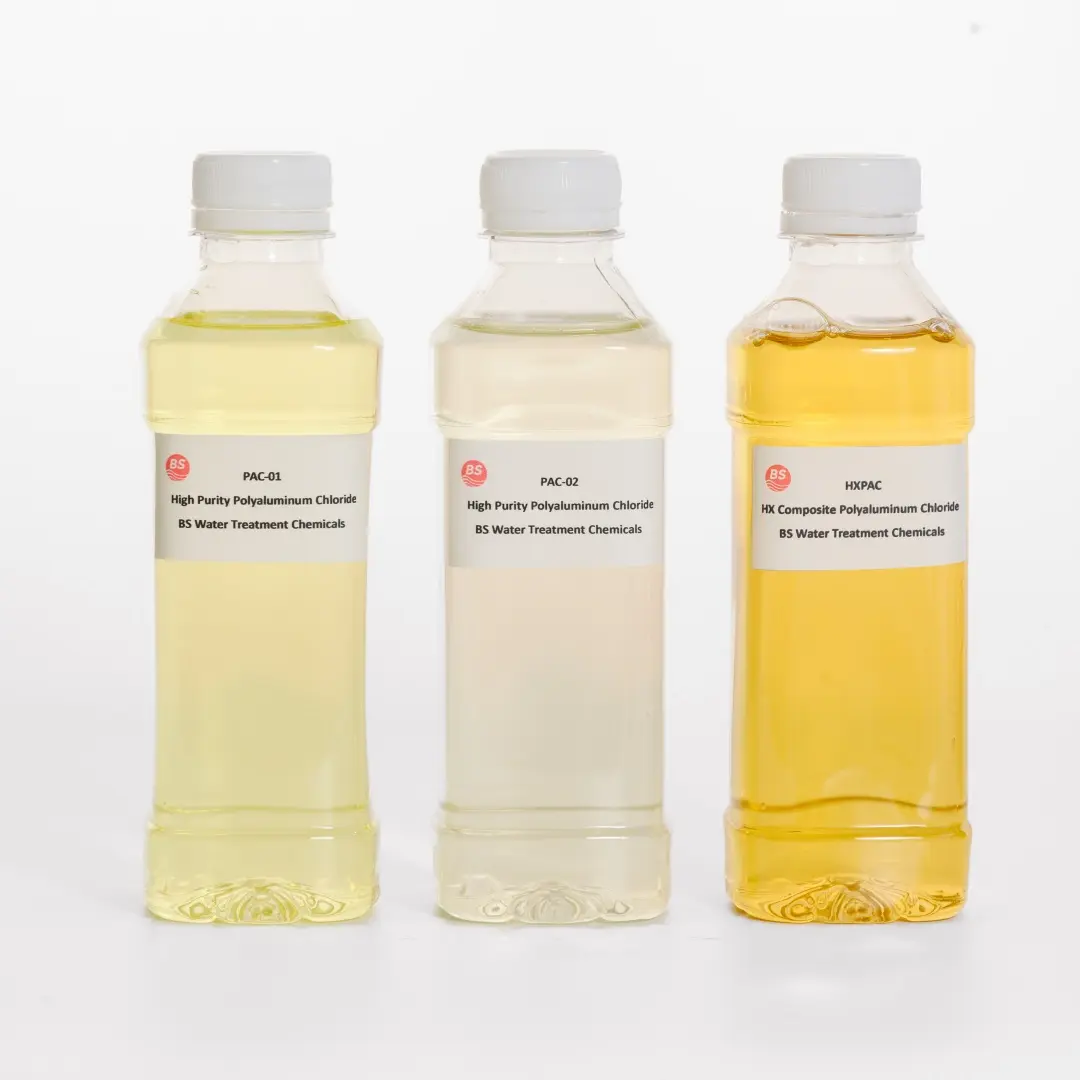
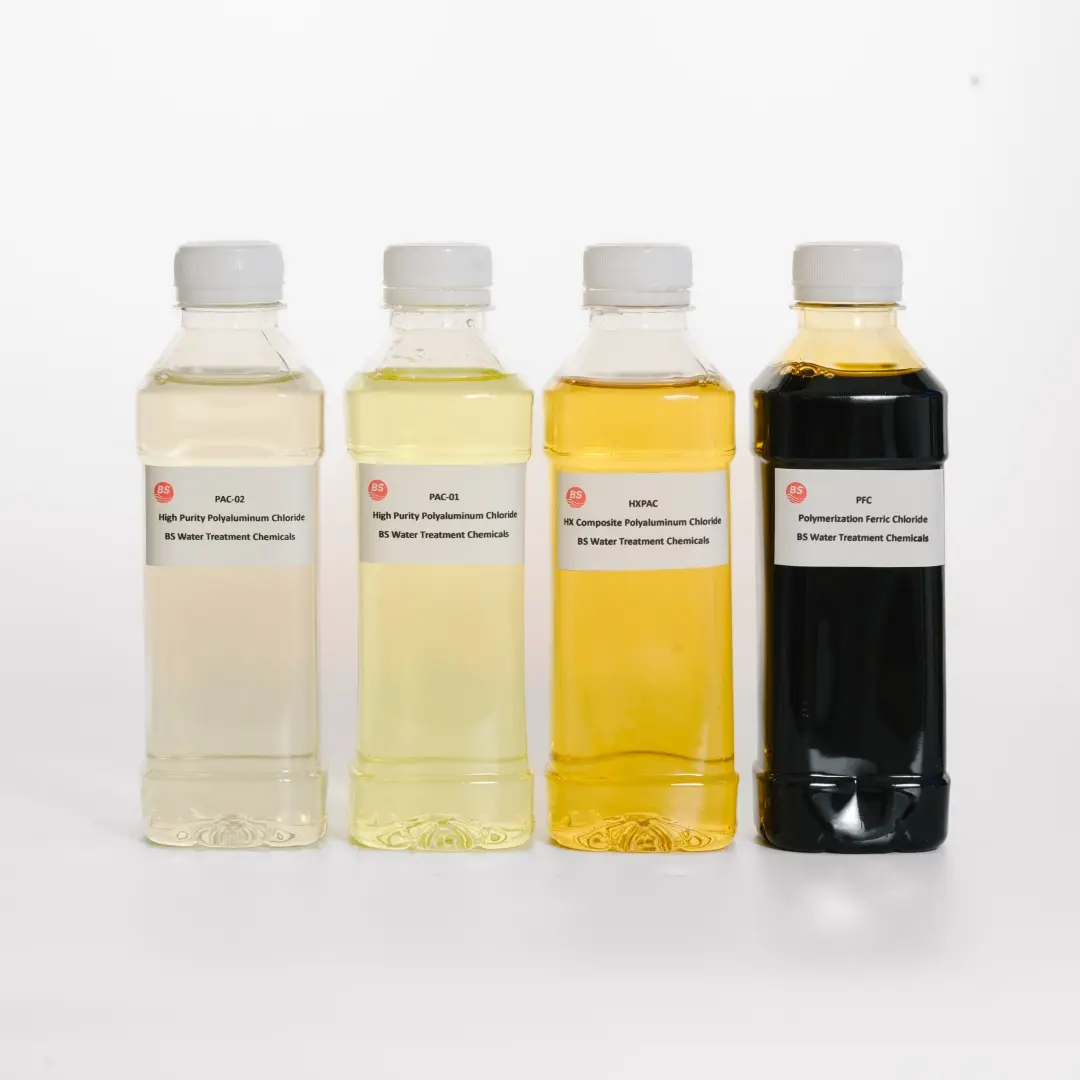
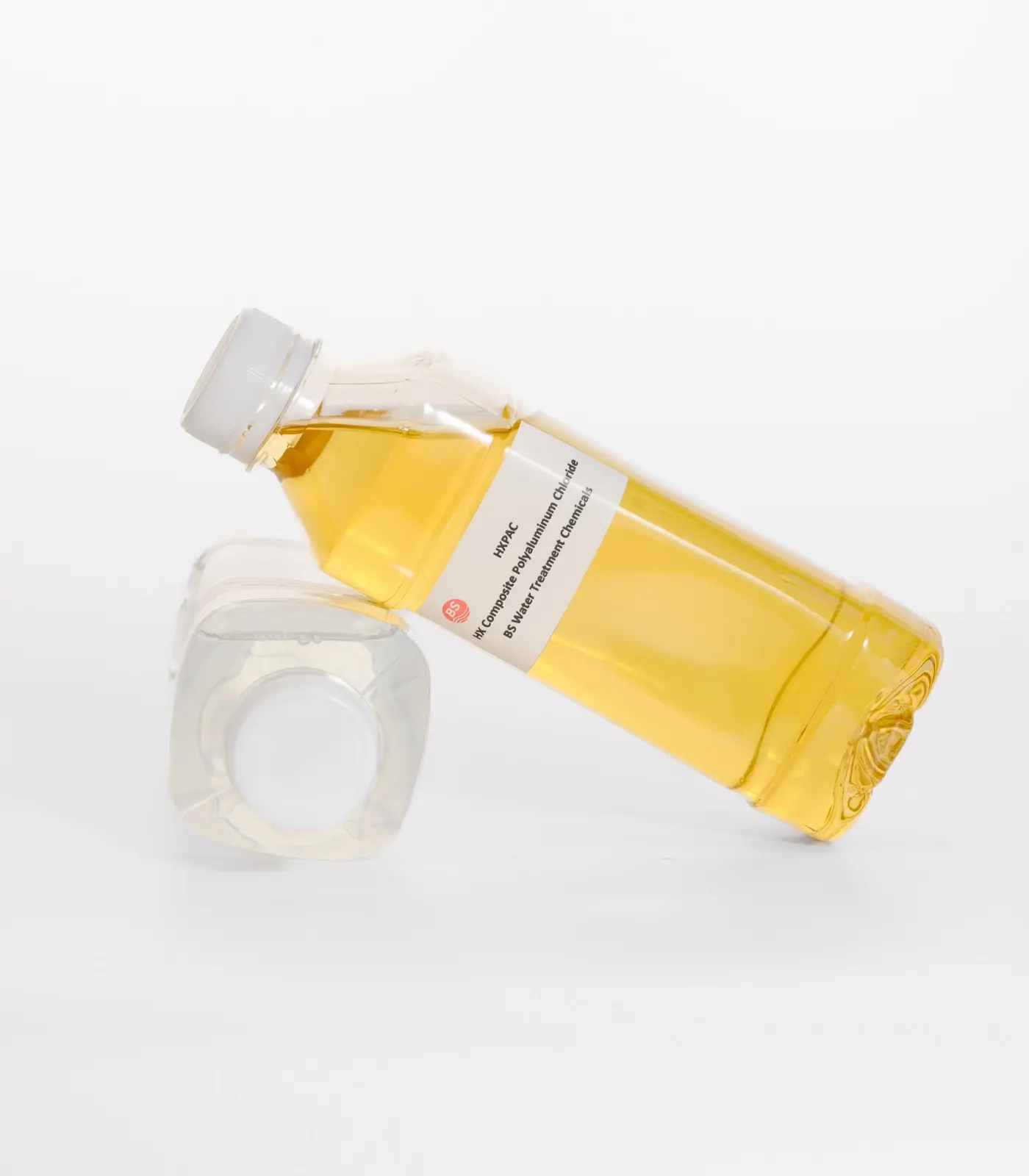
Multi-effect synergy to address the "shortcomings" of single PAC
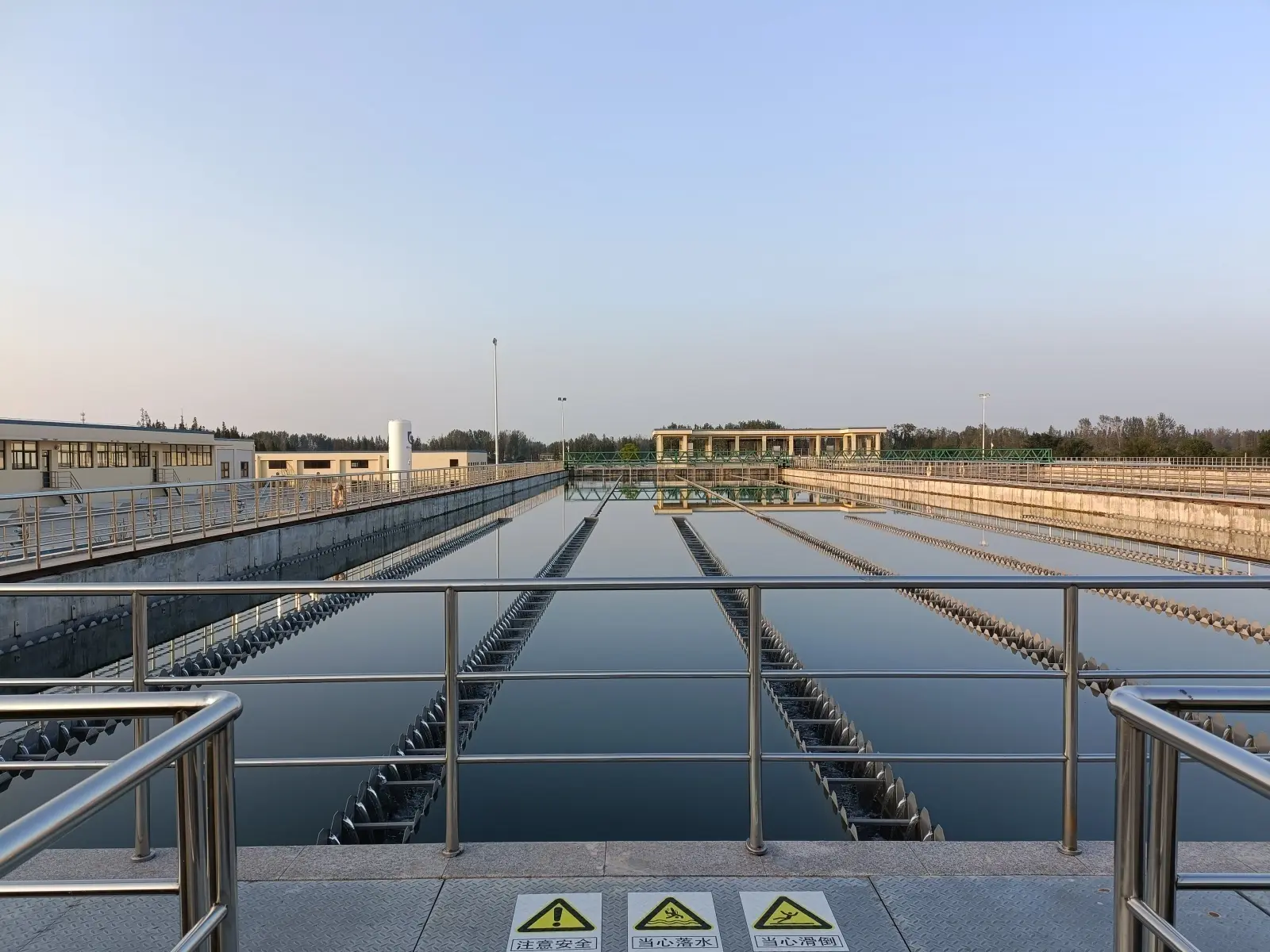
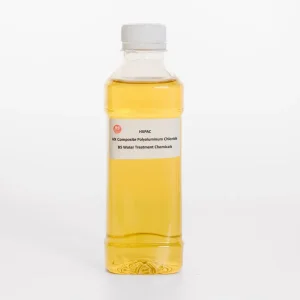
Complete the pH adaptation range: The optimal pH for single PAC is 6–9, while CPAC can extend the applicable pH to 4–11 by adding iron salts (such as polyferric sulfate) or organic bases (such as polyacrylamide), adapting to highly acidic (such as mine wastewater) or highly alkaline (such as papermaking black liquor) scenarios.
Enhanced Decolorization/Heavy Metal Removal: For printing and dyeing wastewater (containing dye pigments) or electroplating wastewater (containing Cr⁶⁺, Cu²⁺), CPAC can be compounded with activated carbon (adsorbing pigments) or sulfides (complexing heavy metals), with a high heavy metal removal rate.
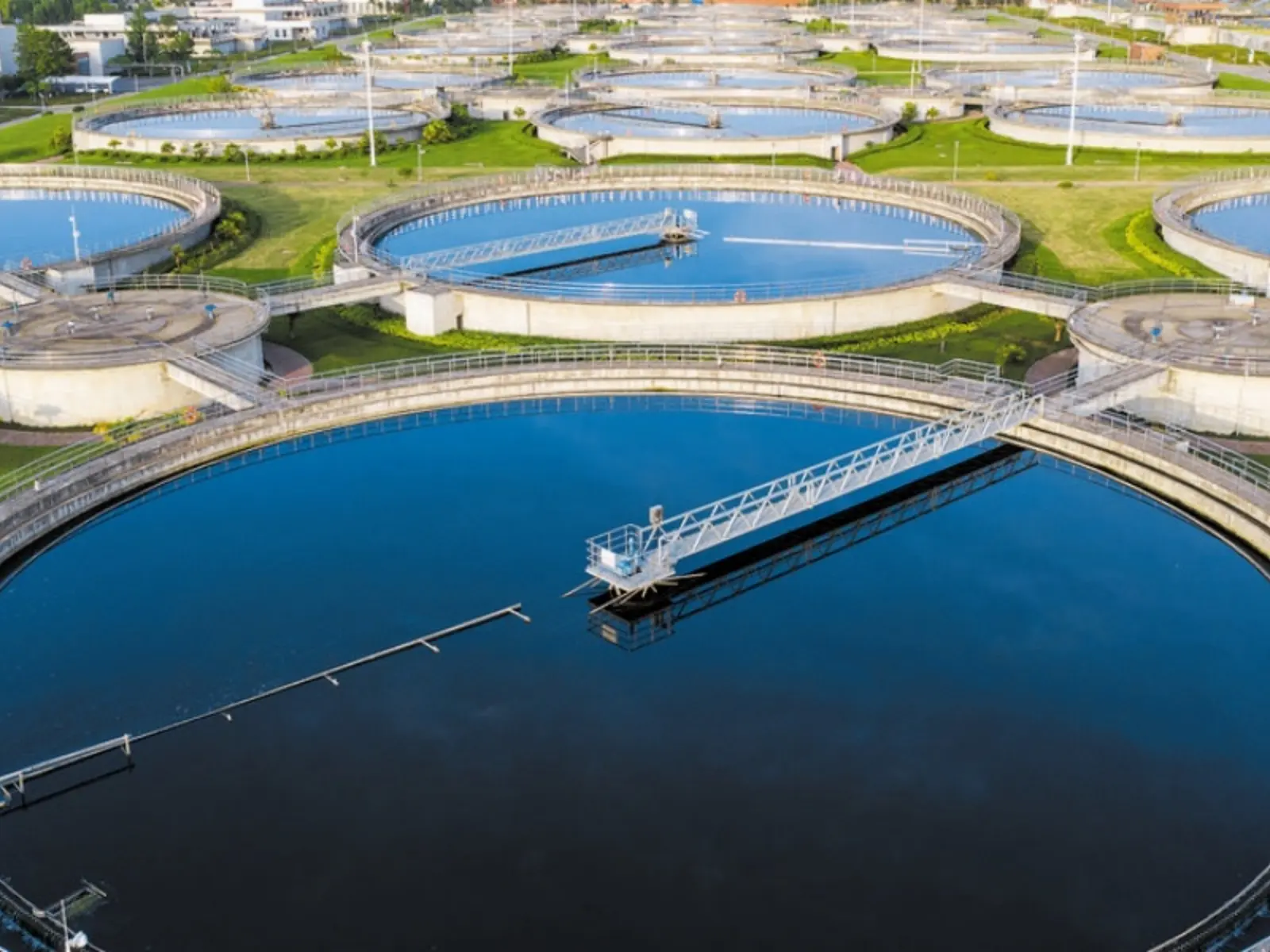
Reduce sludge production: Composite components (such as diatomite) can enhance the compactness of flocs, with the sludge volume reduced by 20%–30% compared to single PAC, thereby reducing the subsequent pressure filtration cost.
 BS Water