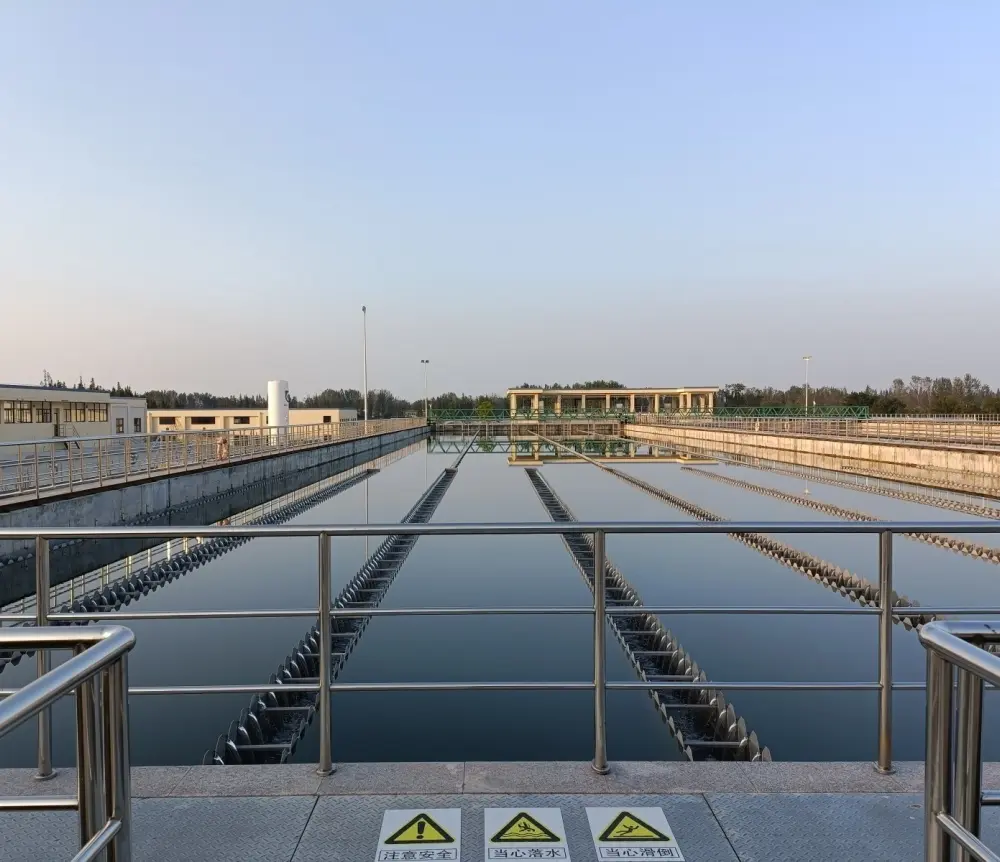
Direct-from-factory sourcing for high-performance municipal, petrochemical, and industrial water treatment chemicals.
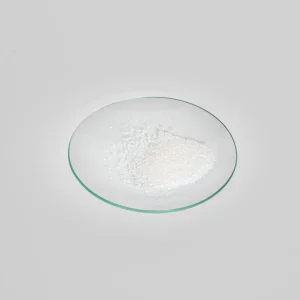
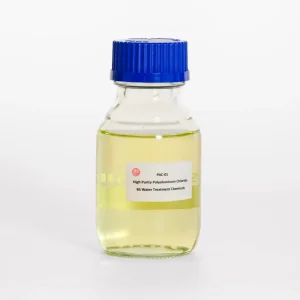
A Technical Whitepaper on Manufacturing Standards, Supply Chain Resilience, and High-Yield Flocculation Technologies.
Chinese manufacturers benefit from a highly unified industrial infrastructure. By locating production hubs near primary chemical raw material zones (such as hydrochloric acid, bauxite, and acrylonitrile processors), factories like Wuxi BS Water Treatment achieve near-zero transportation delay for input materials. This dynamic stabilizes wholesale pricing even during global energy and shipping disruptions.
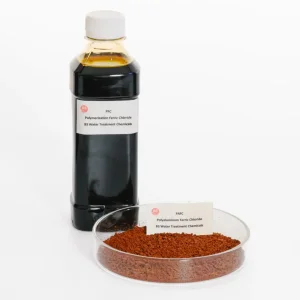
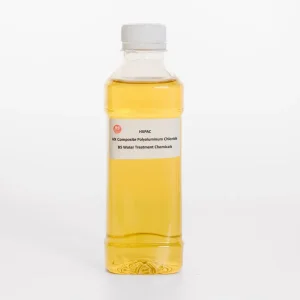
Recent shifts toward municipal sewage discharge standards (e.g., Class 1A limits in East Asia) have forced factories to move beyond basic alum. Modern processing techniques utilize high-basicity Poly Aluminium Chloride (PAC) and composite formulations containing polymeric iron (PAFC) to secure rapid charge neutralization and larger, denser flocs that settle up to 40% faster.
Top-tier exporters operate under rigorous ISO 9001 and ISO 14001 frameworks. Wuxi BS Water Treatment maintains a massive finished product warehouse carrying over 20,000 tons of reserve inventory. This buffer system minimizes dispatch lag, ensuring consistent logistics pipelines for global distributors, multi-national mining operations, and water utility networks.
Years of Deep Expertise
Annual Production (Tons)
Warehouse Capacity (Tons)
Industrial Clients Served
Established in 1998, Wuxi BS Water Treatment Chemicals Co., Ltd. has spent 27 years building a legacy of excellence as a technological pioneer in Chinese industrial chemistry. Operating out of advanced manufacturing zones, the corporation specializes in producing customized polymeric coagulants, flocculants, and highly specialized organic decoloring agents. Our operations span from deep industrial wastewater mitigation to drinking water safety, conforming to global sanitation standards.
By integrating automated production systems, our manufacturing processes sustain consistent molecular weight ranges for all polymer batches. This precision reduces chemical dosages in physical-chemical separation processes by up to 25%, resulting in a massive OPEX drop for treatment facilities.
Selecting the appropriate polymer chemical relies on matching the Zeta potential of suspended particles in raw water to the charge density of the treatment agent. Below is the functional technical framework for China's leading flocculant formulations.
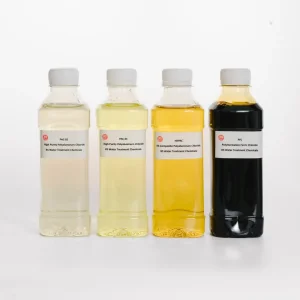
| Chemical Designation | Active Ingredient Content | Predominant Charge Mechanism | Target Industrial Application | Molecular Weight Range / Basicity |
|---|---|---|---|---|
| Anionic Polyacrylamide (APAM) | ≥ 88% - 90% (Active solid) | Negative Charge (Adsorption & Bridging) | Mining effluent, metallurgical runoff, sand-washing reuse | Ultra-High (12 - 25 Million Da) |
| Cationic Polyacrylamide (CPAM) | ≥ 89% (Active solid) | Positive Charge (Charge Neutralization) | Organic sludge dewatering, municipal biological sludge | Medium to High (8 - 12 Million Da) |
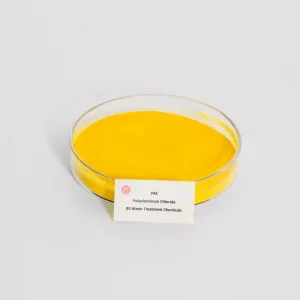
| High Purity PAC (PAC-01/02) | ≥ 30% (Al2O3 basis) | Polycationic inorganic complex | Potable water purification, food processing wastewater | 75% - 85% Basicity |
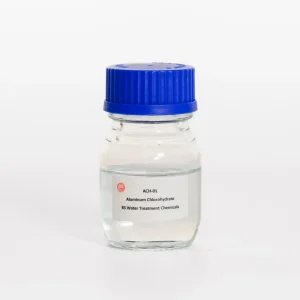
| Aluminum Chlorohydrate (ACH) | ≥ 23% - 24% Al2O3 | Highly condensed aluminum cation | Cosmetics formulation, paper sizing, urban drinking water | ≥ 83% Basicity (Max monomeric concentration) |
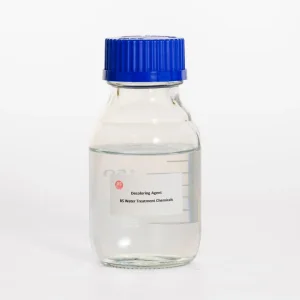
| Water Decoloring Agent (WDA) | ≥ 50% Active polymer | Dicyandiamide formaldehyde copolymer | Textile dye effluent, printing wastewater COD removal | High Cationic Charge density |
Anionic polymers work effectively on positively charged minerals (e.g., quartz, metal ores). The long polymer chains capture particles and bridge them together into macro-flocs. Cationic polymers, on the other hand, target negatively charged organic debris (e.g., bacteria, extracellular proteins) in sewage sludge, neutralizing surface charges to release bound water before mechanical dewatering.
Inorganic polymeric coagulants are defined by their basicity, which represents the degree of polymerization of the aluminum complexes. Higher basicity means a greater concentration of polynuclear aluminum species like Al13 (Keggin structure). This structure provides exceptional charge neutralization, minimizing pH drop during treatment and reducing the volume of sludge produced compared to conventional alum.
Dye molecules in wastewater are highly stable, water-soluble organic compounds. Decoloring agents (WDA) break down these molecules by forming insoluble electrostatic complexes with anionic dyes. The complexes precipitate out of solution, removing the intense color and simultaneously reducing chemical oxygen demand (COD) by up to 80% prior to secondary treatment stages.
Providing specialized solutions across multiple industries to optimize chemical dosing and sludge handling processes.
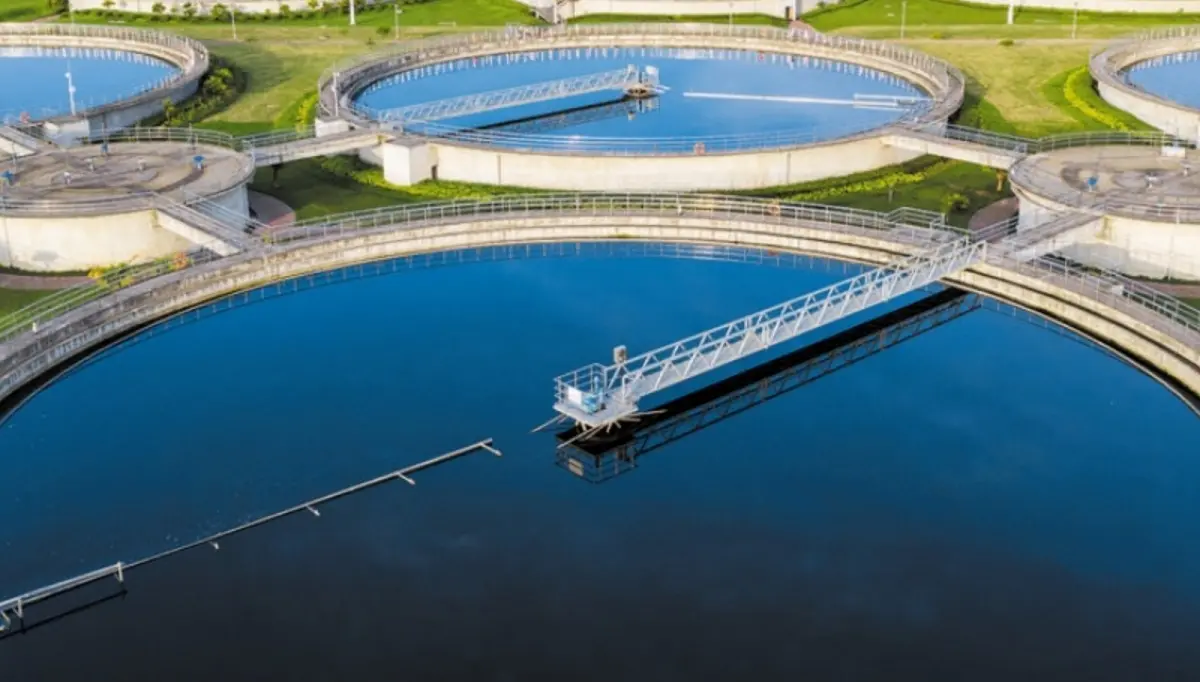
Urban wastewater treatment facilities face fluctuating hydraulic loads. Applying our high-basicity PAC and high-molecular weight PAM stabilizes sedimentation rates, ensuring steady performance in primary clarification and sludge dewatering belt-presses.
In oil production, polymers serve as mobility control fluids for enhanced oil recovery (EOR). Our thermal and shear-resistant polymers maintain viscosity under high reservoir temperatures, improving sweep efficiency in water-flooding operations.
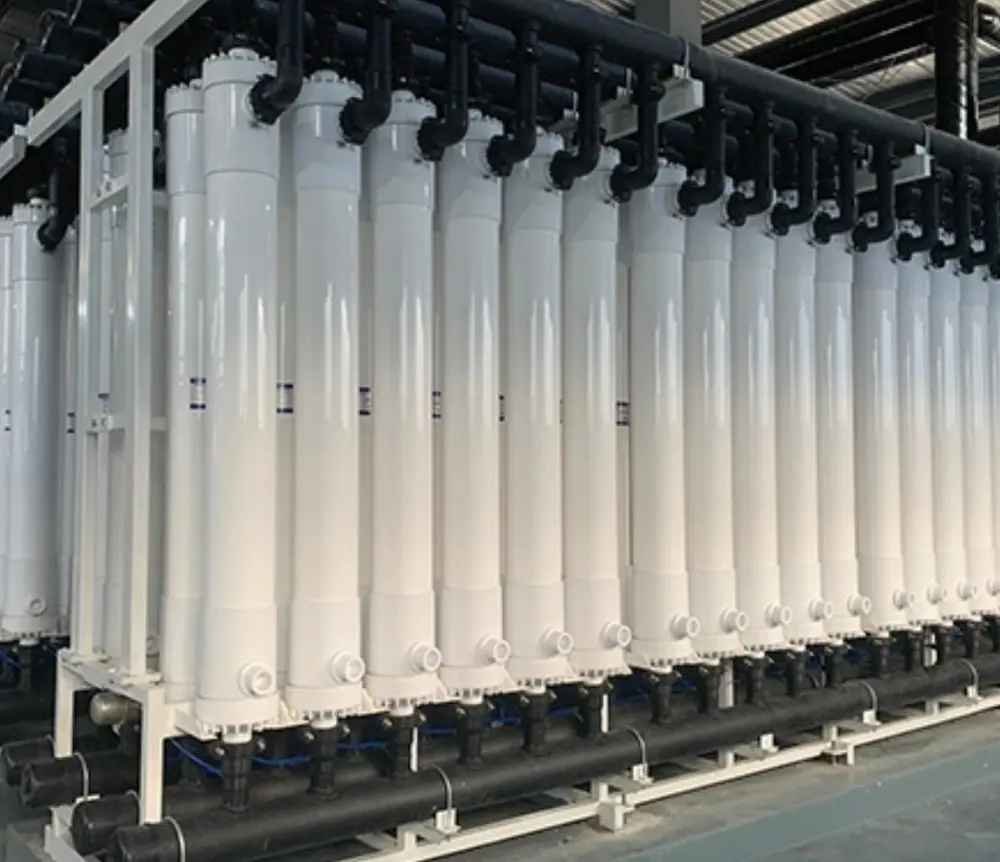
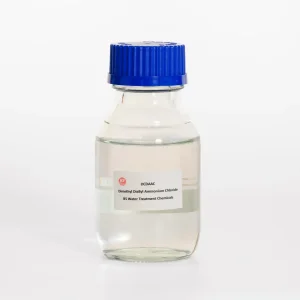
Reverse osmosis (RO) systems are prone to colloidal fouling. Proper dosage of low-aluminum residue PAC coagulants removes colloids and suspended solids upstream, protecting membrane elements and extending system runtimes.
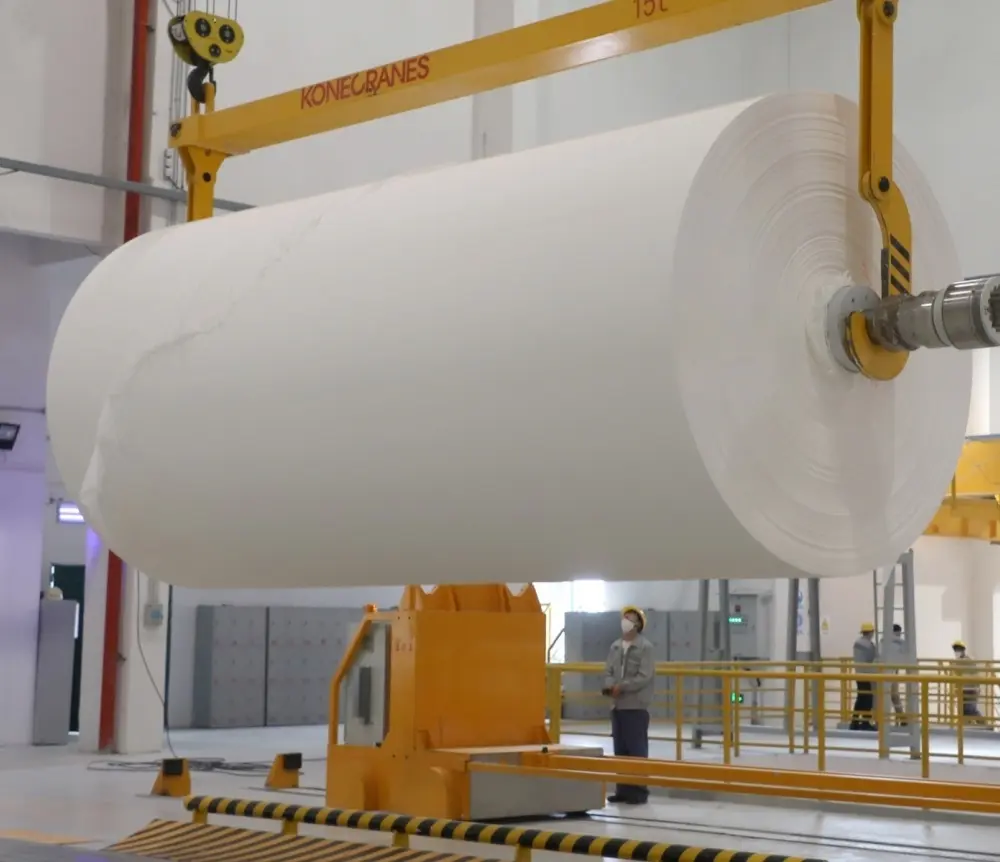
Our cationic polymers and PDADMAC act as retention aids and trash catchers in high-speed paper machines. They bind fibers and fillers to the sheet, optimizing drainage rates and reducing fiber loss in the whitewater loop.
Potable water production requires ultra-low chemical residues. Our high-purity spray-dried PAC and ACH powders comply with strict toxicological and heavy metal standards (less than 10 ppm iron, near-zero heavy metals).
How we tailor chemical properties to match site-specific water parameters and operational constraints.
We customize polymer chain lengths from low (2 million Da) to ultra-high (25 million Da) to balance settling speed against shear degradation in specific pump configurations.
For concentrated bulk deliveries, we supply stable liquid solutions ranging from 10% to 50% active polymer concentration, optimizing storage space at dosing facilities.
Our laboratory adjusts viscosity profiles for automated dosing systems, preventing line blockages in cold climates and high-viscosity applications.
Available in 25kg moisture-proof valve bags, 750kg/1000kg super sacks, and bulk liquid tankers, all labeled and packaged to meet regional regulatory requirements.
Wuxi Bisheng Water Treatment Agent Factory established. Initial production focused on inorganic coagulants like basic Polyaluminium Chloride for regional municipal water facilities.
Corporate restructuring completed. Officially renamed Wuxi Bisheng Water Treatment Agent Co., Ltd., with the addition of dedicated synthesis reactors for organic polymers (PAM).
Initiated export business. Established partnerships with overseas distributors to supply water treatment chemicals to markets in Southeast Asia and South America.
Export sales reached a milestone of $10M USD. Our products received formal approvals from chemical importing bodies across Europe and the Middle East.
Established a dedicated global sales division. Expanded production infrastructure to meet growing demand for low-residue coagulants in high-purity processes.
Sourcing water treatment chemicals requires balancing performance quality with long-term supply chain reliability.
In potable water systems, chemical purity is critical. Importers should request low-dust, spray-dried PAC with negligible levels of arsenic, lead, and free monomers. Our advanced spray-drying towers produce fine granules with excellent solubility and minimal heavy metal impurities.
Powdered polymers can absorb moisture and cake during ocean transit. Our products are packaged in double-layered PE/PP bags with reinforced outer woven protection. For liquid chemicals, we maintain specialized bulk shipping pipelines to ensure material stability during transport.
We provide full documentation, including SDS, COA (Certificate of Analysis) for every batch, and third-party laboratory verifications. Our manufacturing processes align with REACH, NSF, and ISO guidelines to ensure seamless regulatory clearance in global markets.
Detailed technical answers to common industrial sourcing and application questions.
Browse our target chemical range for specific water treatment processes.
Send us your raw water analysis and target requirements. Our engineering team will help design a customized dosing program for your facility.
Submit your application details below for a prompt technical response and quote:
 BS Water