Select from our premium range of water treatment products. High-purity formulas optimized for dynamic industrial and municipal wastewater reclamation.
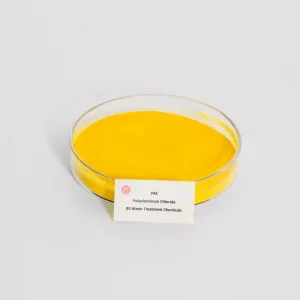
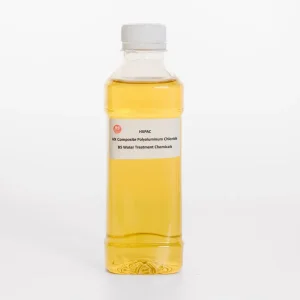
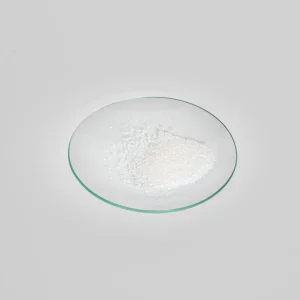
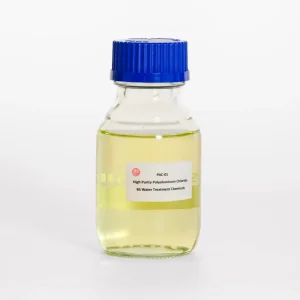
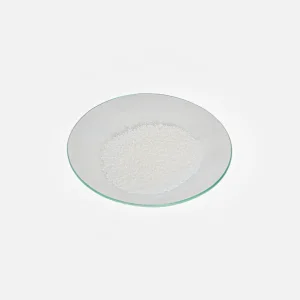
Modern water reclamation facilities operate at the intersection of stringent regional regulations and optimization of operational expenditure (OPEX). Selecting chemical compounds for water reuse, industrial effluent decontamination, and closed-loop municipal networks demands a deep understanding of macromolecular kinetics and electrokinetic properties. Procurement managers must pivot from simple chemical purchasing to acquiring holistic solution packages that address specific variables such as feed water temperature swings, high organic loads, and varied shear rate exposure in dewatering units.
Industrial procurement for mega-refineries, chemical manufacturing parks, and heavy municipal districts requires highly specialized chemical formulations to optimize floc density, sedimentation rate, and supernatant clarity. We outline the key procurement criteria below:
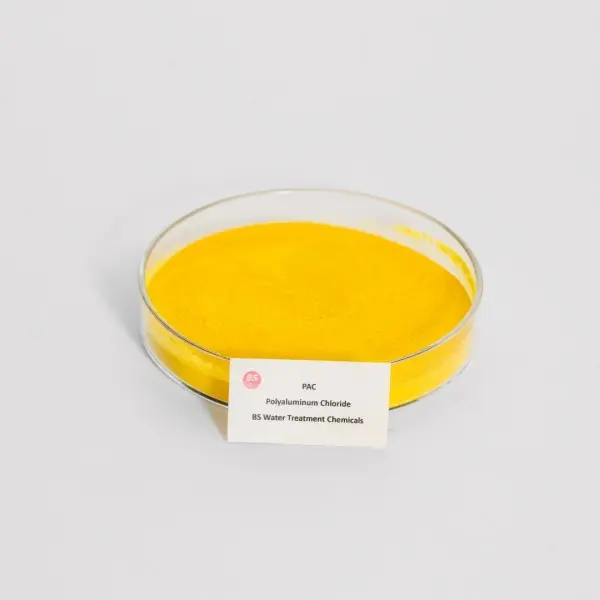
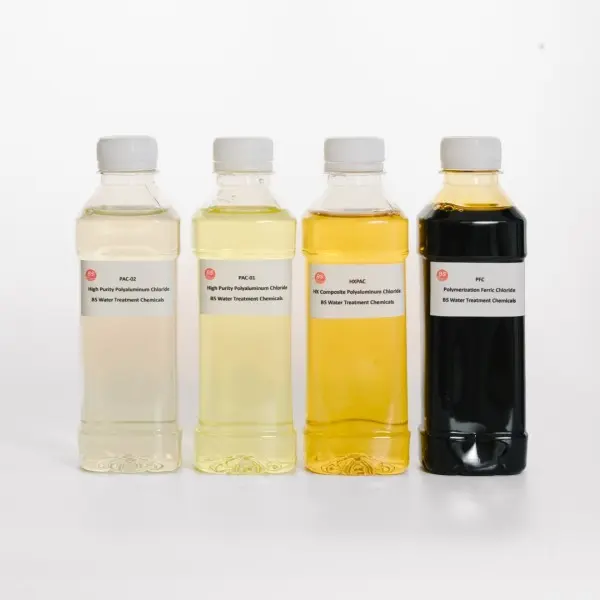
The selection of inorganic coagulants like Poly Aluminium Chloride (PAC) or Aluminum Chlorohydrate (ACH) must target the correct basicity. Basicity defines the concentration of polymeric hydroxyl species. High basicity translates into a higher positive charge density per unit of aluminum, resulting in rapid zeta potential reduction of negatively charged colloidal impurities.
For flocculation systems utilizing Polyacrylamide (PAM), matching molecular weight (MW) to hydrodynamic conditions is critical. High MW chains (15 to 22 million Daltons) are vital for inter-particle bridging under high-flow shear stresses. Lower MW options are ideal when viscosity increases present transport bottlenecks in clarification chambers.
Liquid version formulations must maintain accurate active ingredient profiles (such as 10-15% active Al₂O₃ content). Low-density deviations translate to increased transport costs and higher consumption rates during dosing cycles, emphasizing the need for robust quality management systems at the supplier factory.
Wastewater and reclamation plants represent complex chemical reactors where physical separation is enhanced via molecular engineering. Different industrial operations produce highly differentiated waste matrices requiring custom intervention strategies. Below, we break down process applications where Wuxi BS Water Treatment Chemicals Co., Ltd. provides optimization:
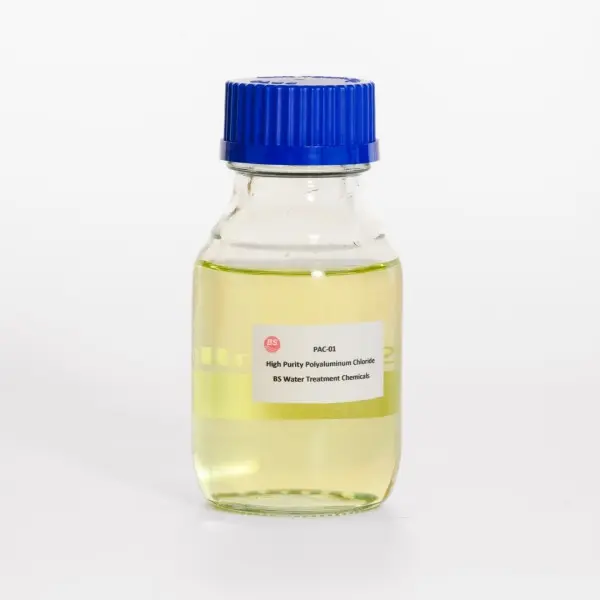
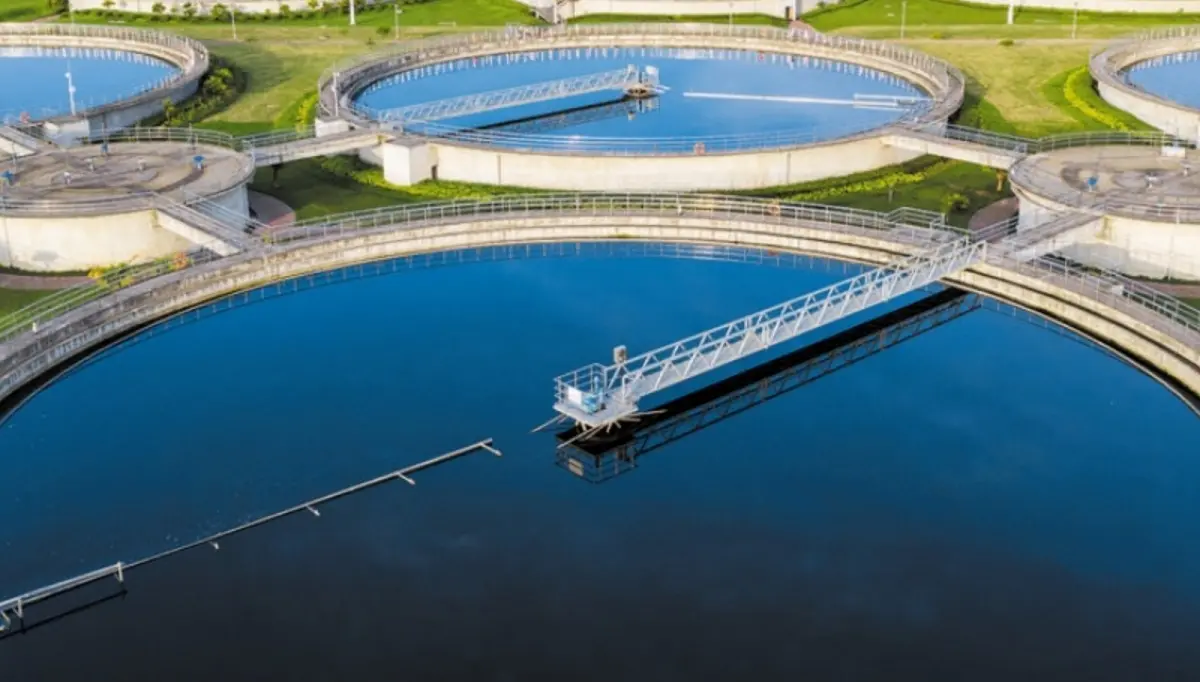
In municipal reclamation centers, the challenge is reducing Total Suspended Solids (TSS), chemical oxygen demand (COD), and nutrient compounds (phosphorus). Utilizing white powder PAC-01 and high-efficiency Cationic Polyacrylamide (CPAM) allows plant operators to achieve massive sludge volume reduction and fast sediment clarity, cutting downstream landfill costs by up to 30%.
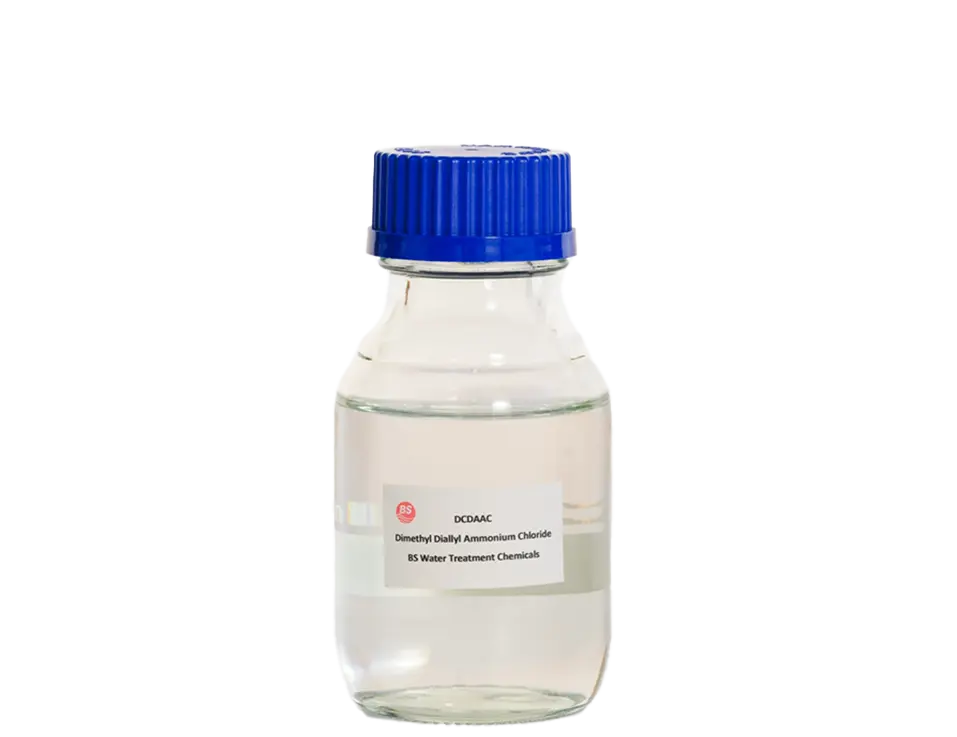
Oily wastewater containing emulsified hydrocarbons demands sophisticated emulsion-breaking chemistry. The application of high-charge Poly(diallyldimethylammonium chloride) (PDADMAC) solutions breaks oil-in-water emulsions by neutralizing negative charges on dispersed droplets, facilitating rapid oil separation in API oil-water separator systems.
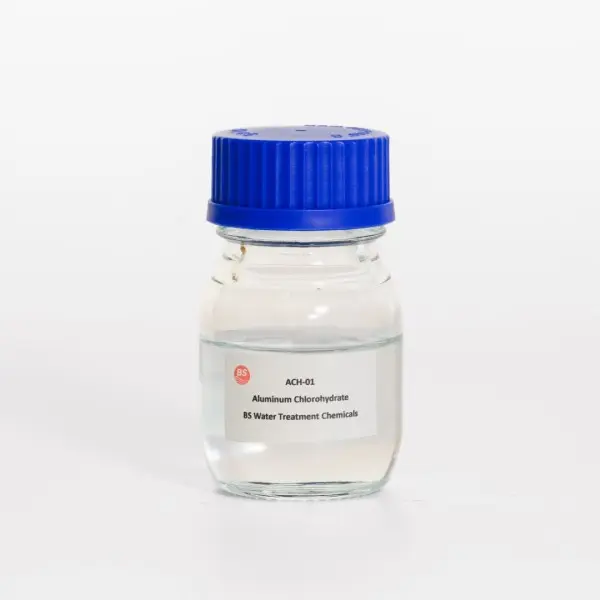
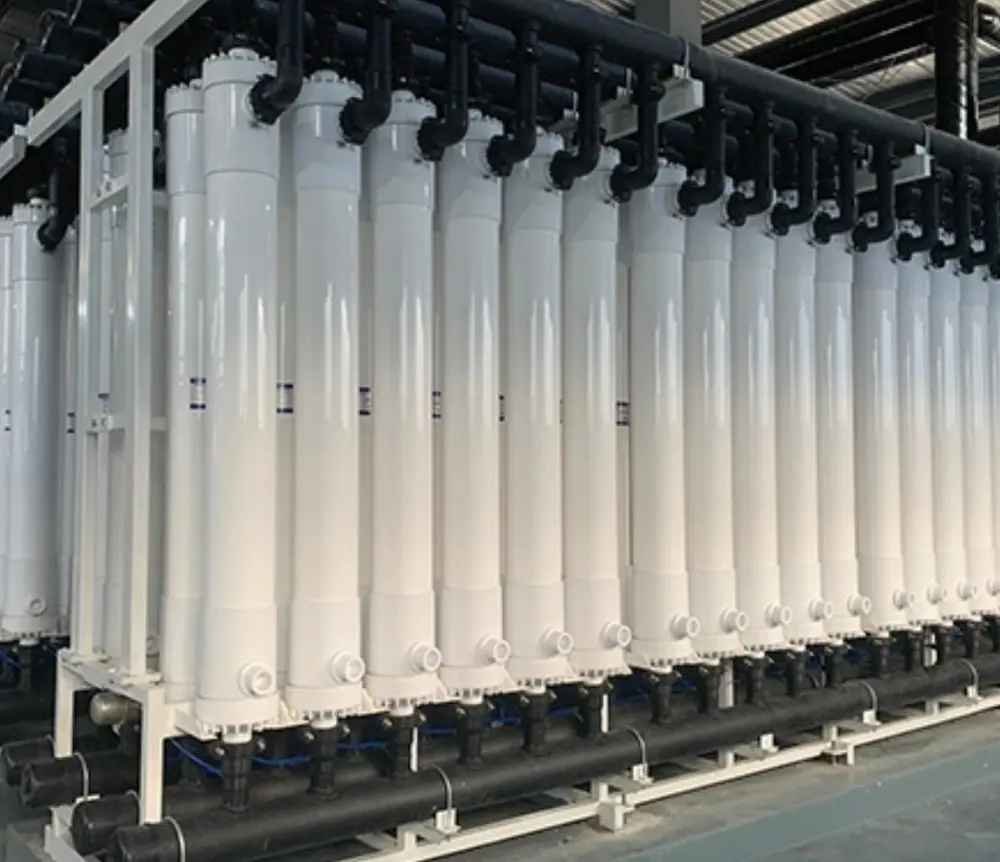
Advanced reuse processes utilize Ultrafiltration (UF) and Reverse Osmosis (RO). Uncontrolled colloidal silica and organic loading will scale membranes. Pretreatment with Aluminum Chlorohydrate (ACH) and Low-dust Poly Aluminium Chloride removes colloidal fractions before they reach the membranes, extending membrane elements' lifespan by up to 45%.
Filter through our catalog classes to identify chemical bases optimized for particular plant parameters and dosing setups.
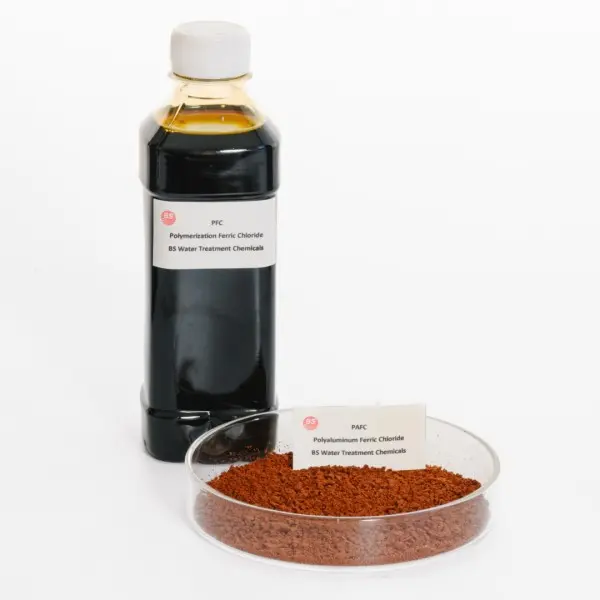
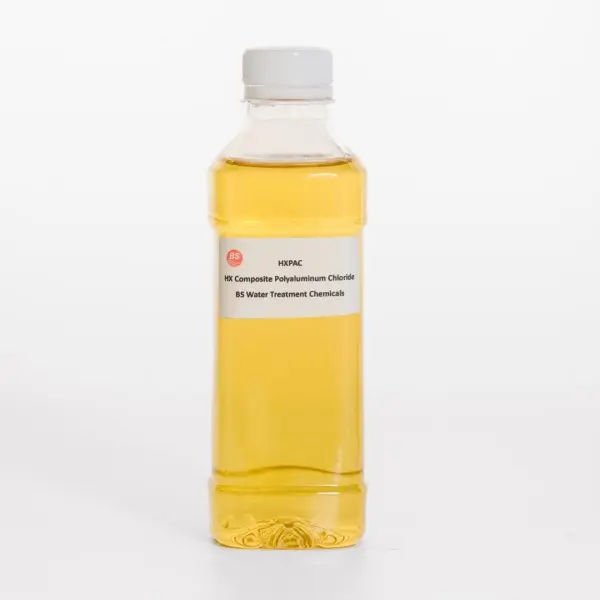
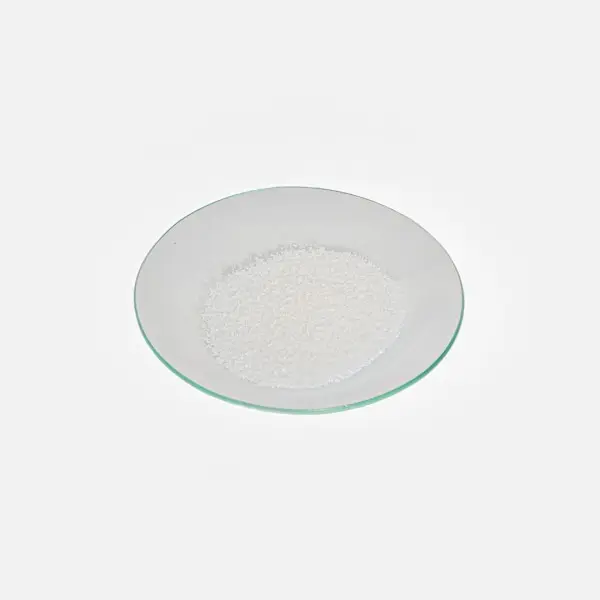
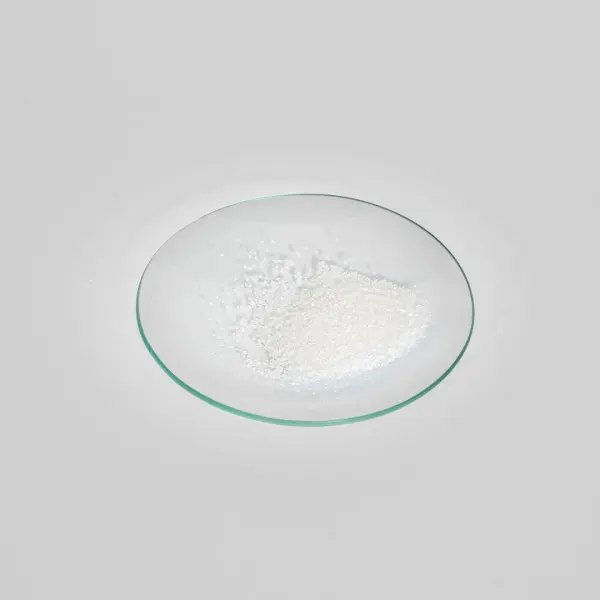
Founded in 1998, Wuxi BS Water Treatment Chemicals Co., Ltd. possesses advanced production technologies and robust management experience. We specialize in producing a series of water treatment products for the purification of drinking water and various types of domestic and industrial wastewater.
For nearly three decades, we have continuously optimized chemical polymer synthesis and spray drying processes, leading the industry in product safety, high basicity retention, and minimal heavy metal residues. Our advanced production systems guarantee that our products perform reliably in various application climates, from highly alkaline mining waters to highly acidic textile wastes.

These formulations undergo continuous production cycles, enabling fast delivery, minimal lead times, and certified quality parameters.
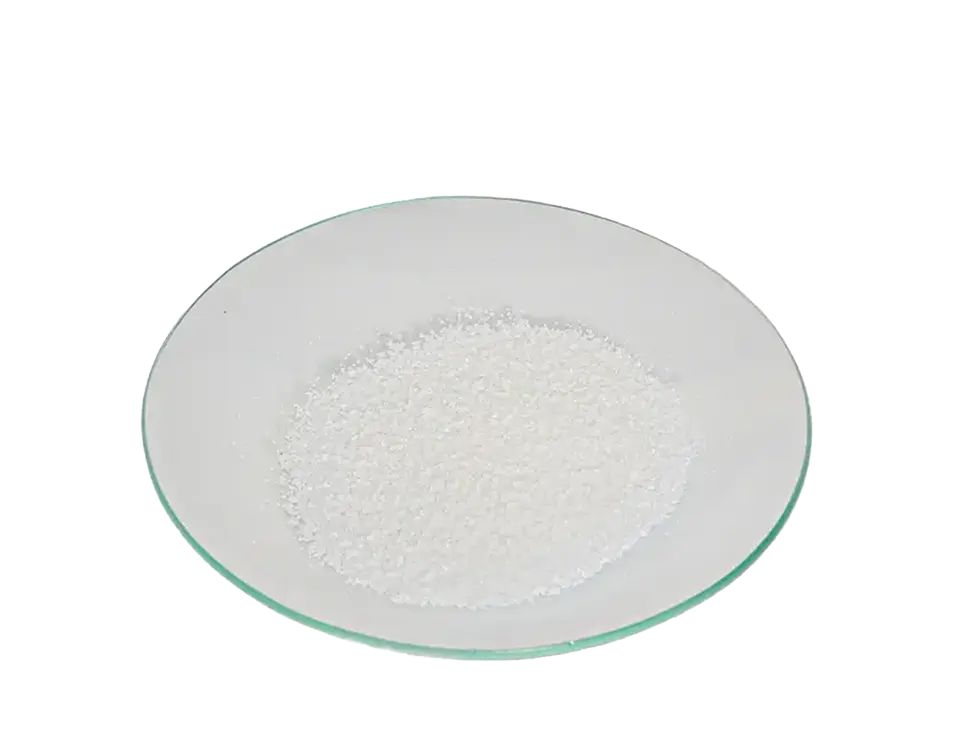
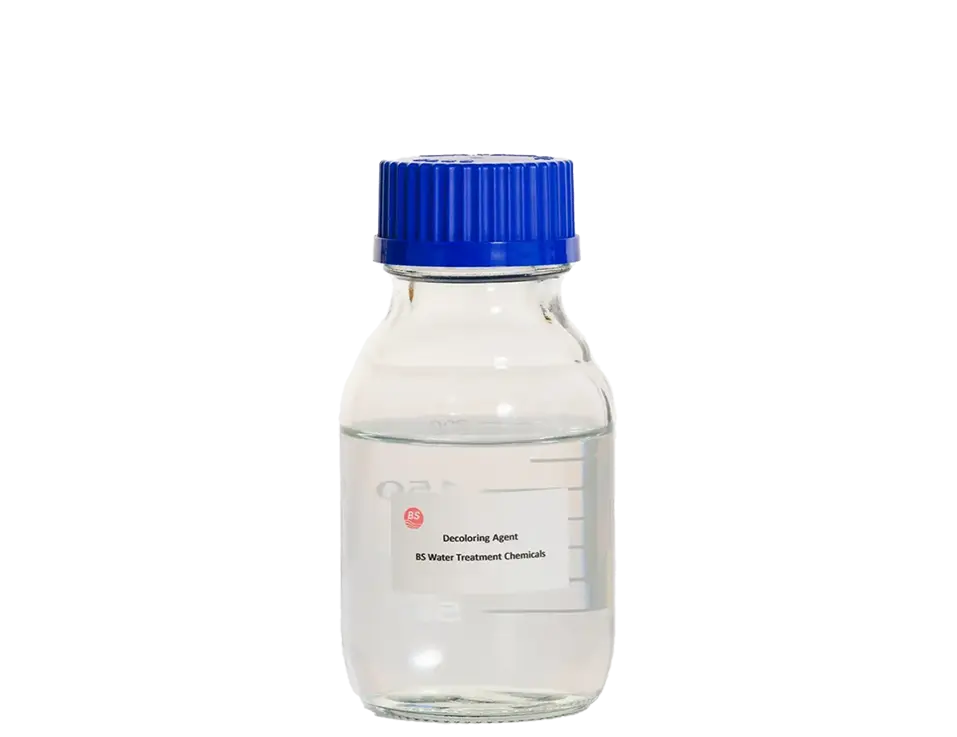
Matching process chemistry to specific regulatory environments and separation goals.

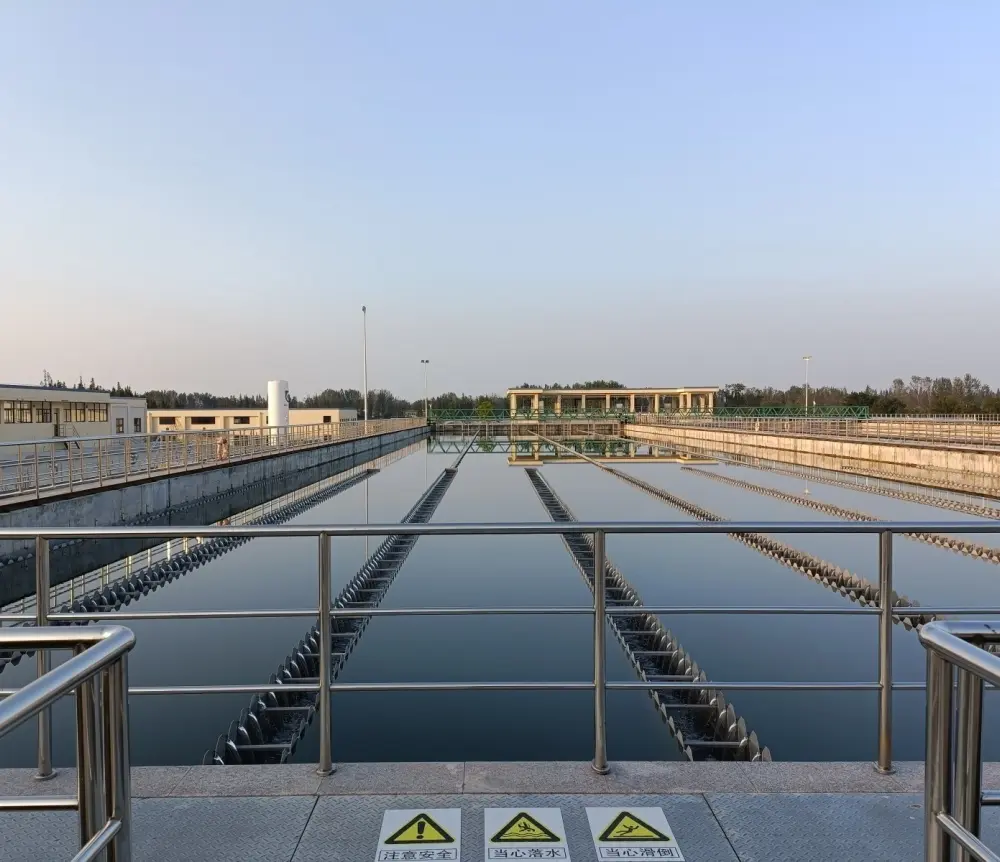
Get custom charge densities tailored to your raw effluent profile.
Request Water AnalysisThe global push for zero-liquid discharge (ZLD) paradigms is driving progress in solid-liquid separation chemistry. As reclamation plants transition to advanced filtration layers, the function of chemical pretreatment is evolving. Coagulants and flocculants must optimize sediment structure to achieve high-performance cake dry solids content, reducing downstream energy use.
Standard synthesis methodologies generate carbon traces through chlorine and metal energy intensive refining steps. Next-generation roadmaps utilize hydro-chlorination processes and trace iron-composite modifications to expand coagulant active zones, ensuring strong performance at lower chemical dose rates.
Linear polymers can fail under high-shear centrifugal fields. Our R&D efforts focus on introducing structured, branched copolymer configurations that yield shear-stable flocs, preventing micro-floc release during mechanical dewatering.
Wuxi BS maintains compliance with international environmental directives and quality control parameters, including NSF/ANSI Standard 60, ISO 9001, and ISO 14001 certification frameworks.

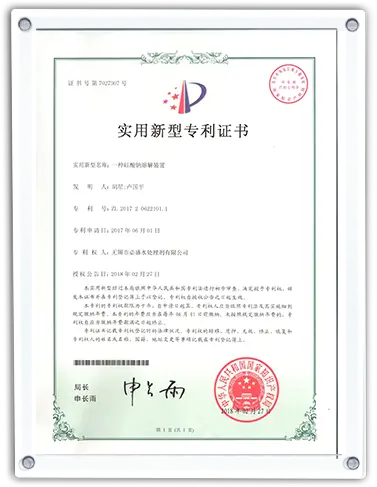
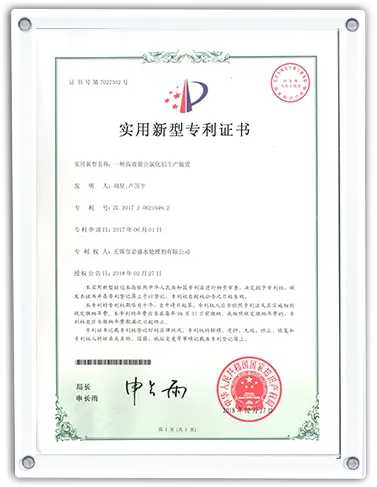
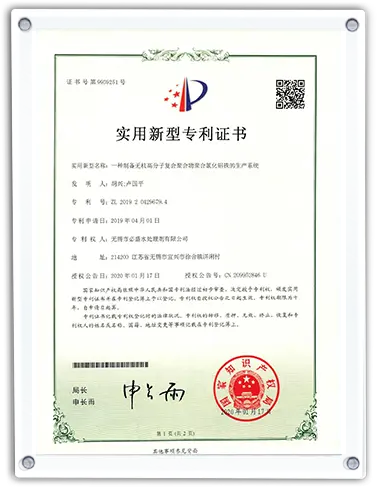
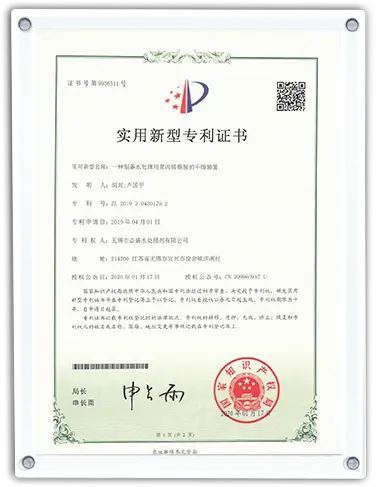
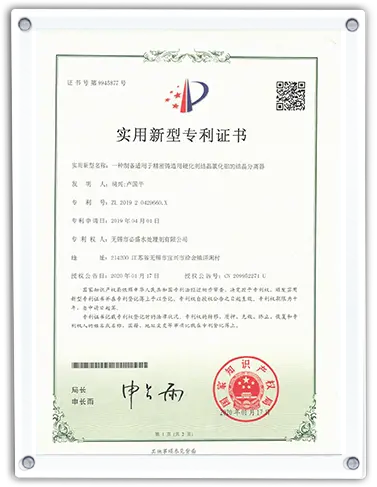
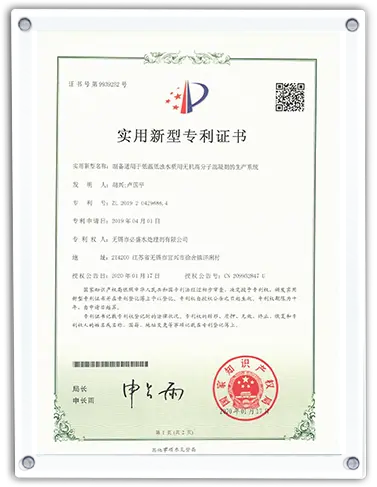
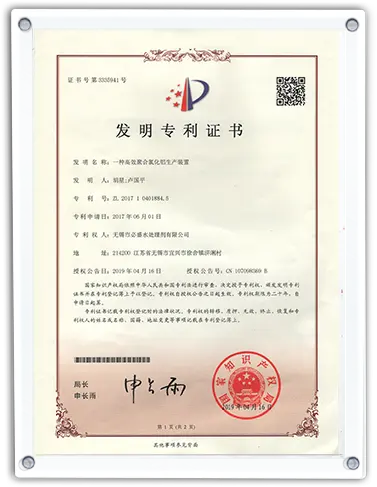
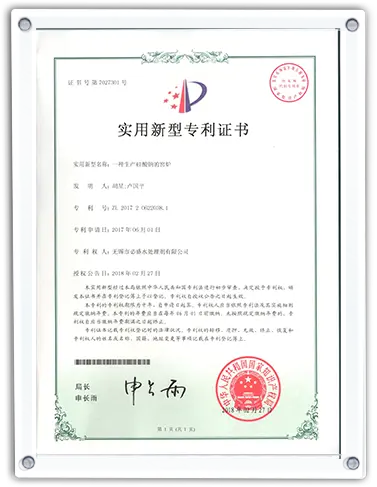
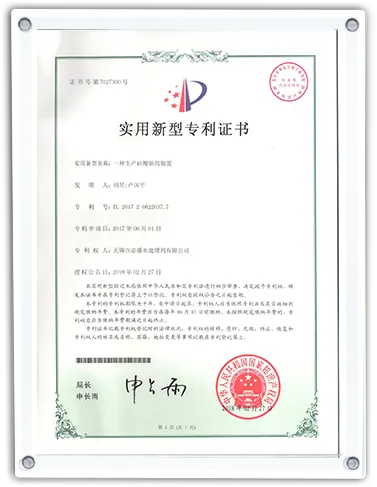
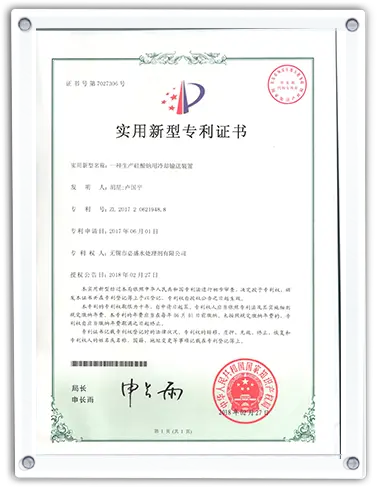
How Wuxi BS developed from a local chemical specialist into a globally trusted chemical exporter.

Our specialized factory was officially established, initiating synthesis operations for basic coagulating salts.
The company was renamed as Wuxi Bisheng Water Treatment Agent Co., Ltd., upgrading to larger industrial production blocks.
Initiated export channels. Products began serving municipal and commercial plants across international borders.
Achieved a milestone with annual sales exceeding 10,000,000 USD, reinforcing our position in global water reclamation.
Established the specialized foreign trade department to provide dedicated technical and logistic support directly to global operators.
Expanding intelligent manufacturing and smart chemical logistics for zero carbon chemical footprint.
Operational conditions at reclamation sites are rarely uniform. Effluents vary in charge distribution, pH levels, and particle sizing. Standard, off-the-shelf polymer products can fall short under complex conditions. We offer tailored OEM/ODM compounding services designed for specific plant chemistries.

Our engineering staff provides "water quality diagnosis" services, adjusting ionic molecular properties to match client sludge properties.

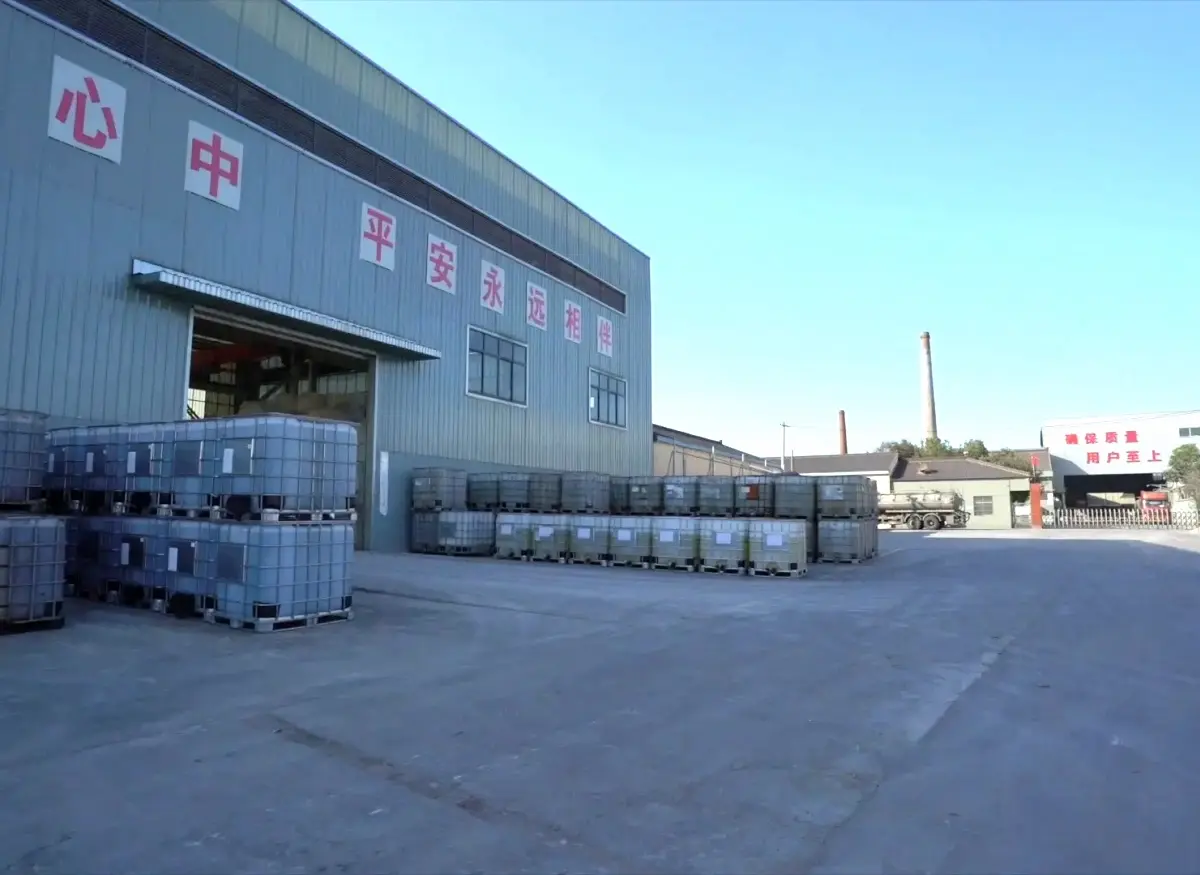
Annual sales volume exceeding 500,000 tons. Supported by a finished product warehouse holding over 20,000 tons to prevent supply disruptions.

Operates automated production lines with quality assurance checks at each formulation phase to maintain reliable active compound levels.

Decades of chemical development focusing on coagulation speeds, low ash volumes, and safety standards for municipal drinking water systems.
Unsure which charge density or basicity parameter matches your plant's raw water properties? Send our laboratory engineering team your specifications to receive a custom solution analysis.
We ship dry powder and liquid formulations worldwide for bench-scale jar testing prior to full-scale logistics commitment.
Submit your plant parameters to receive a customized quote:
Verify technical specifications across our full list of polymeric salts and synthetic flocculation chains.
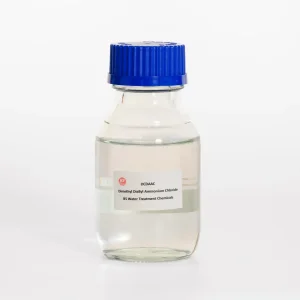
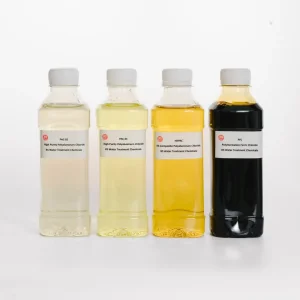
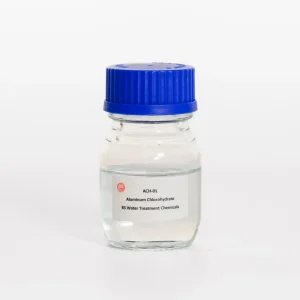
Water processing agents require compliance testing due to potential environmental impacts downstream. Our chemical solutions undergo testing protocols to meet discharge standards. This enables smooth integration with international supply chains, avoiding importing delays.
Our Polyacrylamide formulations limit residual acrylamide monomer content to below 0.05% (500 ppm), meeting municipal drinking water safety regulations.
Using clean raw acids during the synthesis of PAC-01 results in low levels of Arsenic (As), Lead (Pb), and Cadmium (Cd), meeting international standards.
Every shipment includes detailed GHS-compliant Safety Data Sheets (SDS), technical sheets, and batch laboratory reports to verify consistency.
Answers to key technical questions asked by plant managers and procurement teams.
A: High-Basicity Poly Aluminium Chloride (PAC) contains pre-formed hydroxyl polymers that deliver a higher charge density than standard alum. This allows for faster charge neutralization of suspended particles, forming larger, heavier flocs. Additionally, high-basicity PAC consumes less water alkalinity, reducing the need for post-treatment pH adjustment chemicals (like lime or caustic soda).
A: The choice depends on the surface charge of the particles in your feed water. Cationic PAM (CPAM) is generally used for organic sludges and negatively charged particles, such as municipal biological sludge or paper mills effluents. Anionic PAM (APAM) is typically used for inorganic slurries and positively charged particles, such as mineral processing, metallurgy wash waters, and sand washing plants.
A: ACH represents the highest basicity level (typically 83% or higher) among aluminum-based coagulants. Its highly charged polynuclear aluminum species are effective at coagulating sub-micron colloidal silica and organic organic foulants at low dosage levels. This low dosage reduces chemical residuals that could otherwise deposit on and foul ultrafiltration (UF) and reverse osmosis (RO) membrane surfaces.
A: We utilize advanced moisture-barrier packaging for solid versions (powder and granules) to prevent caking and hydration. For liquid versions, we adjust stabilizer ratios to prevent precipitation, crystallization, or degradation across varying temperatures during transport.
A: Solid PAC formulations stored in a cool, dry warehouse can maintain stable chemical activity for up to two years. Liquid PAC should ideally be used within 6 months of delivery, as prolonged storage can lead to slow hydrolysis, which gradually reduces the active charge density of the Al₂O₃ species.
A: In some systems with high organic content, PDADMAC can serve as the primary coagulant. However, in most industrial systems, a hybrid approach yields the best results. An inorganic coagulant (like PAC) is added first for initial micro-floc formation, followed by PDADMAC to strengthen floc structure and enhance filtration rates.
Updates on technology milestones, digital dosing systems, and industry developments from Wuxi BS.
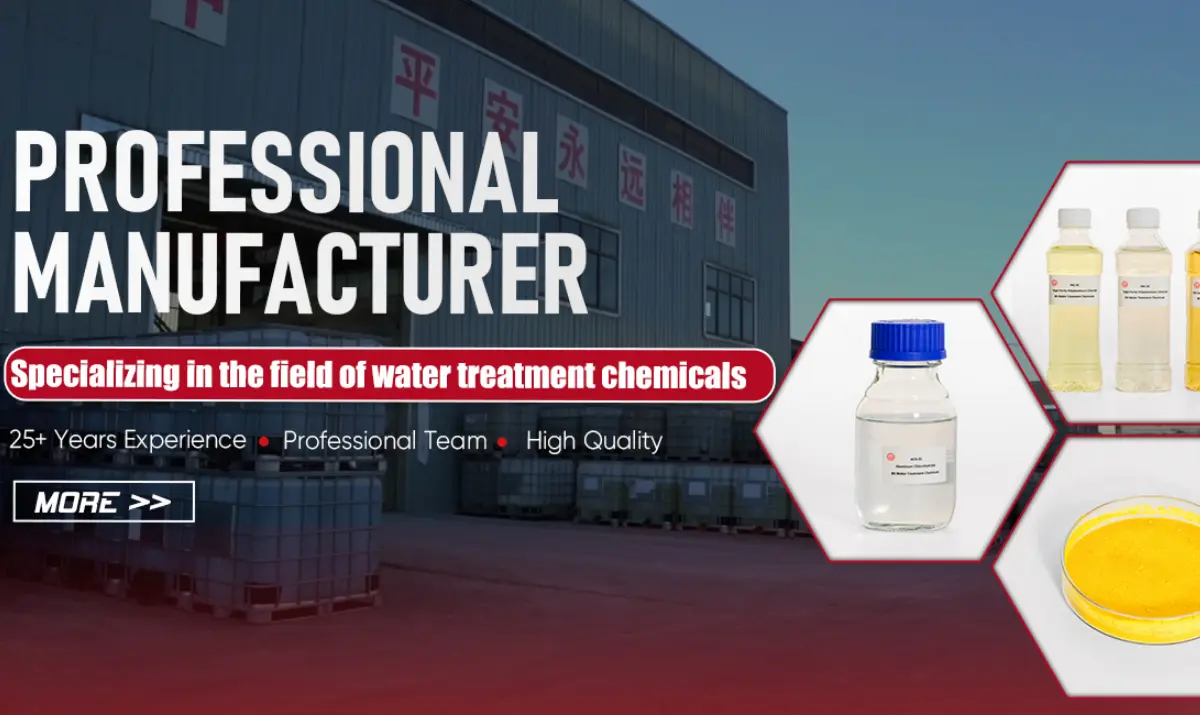
 Sep 09, 2025
Exploring how Wuxi BS integrates localized research with global logistics, supplying water purification agents to over 30 countries.
Read Full Report →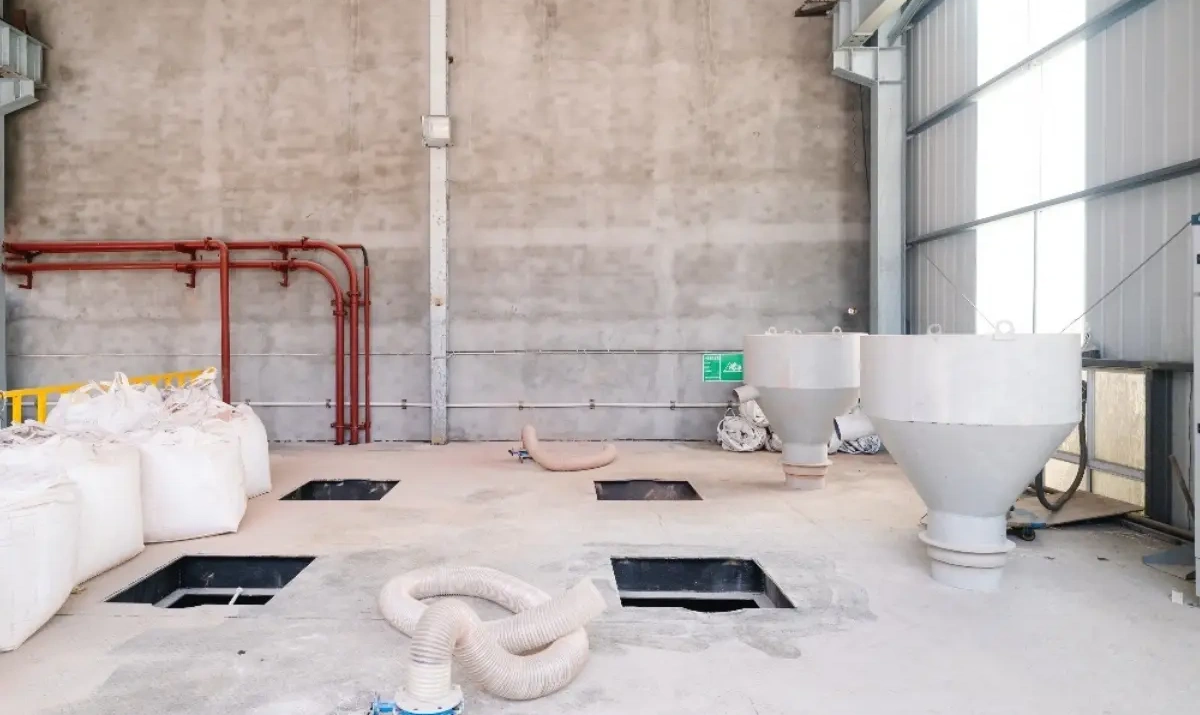 Aug 21, 2025
Our team launched smart feeding equipment designed to dissolve solid PAC and PAM, reducing manual handling and dosing errors.
Read Full Report →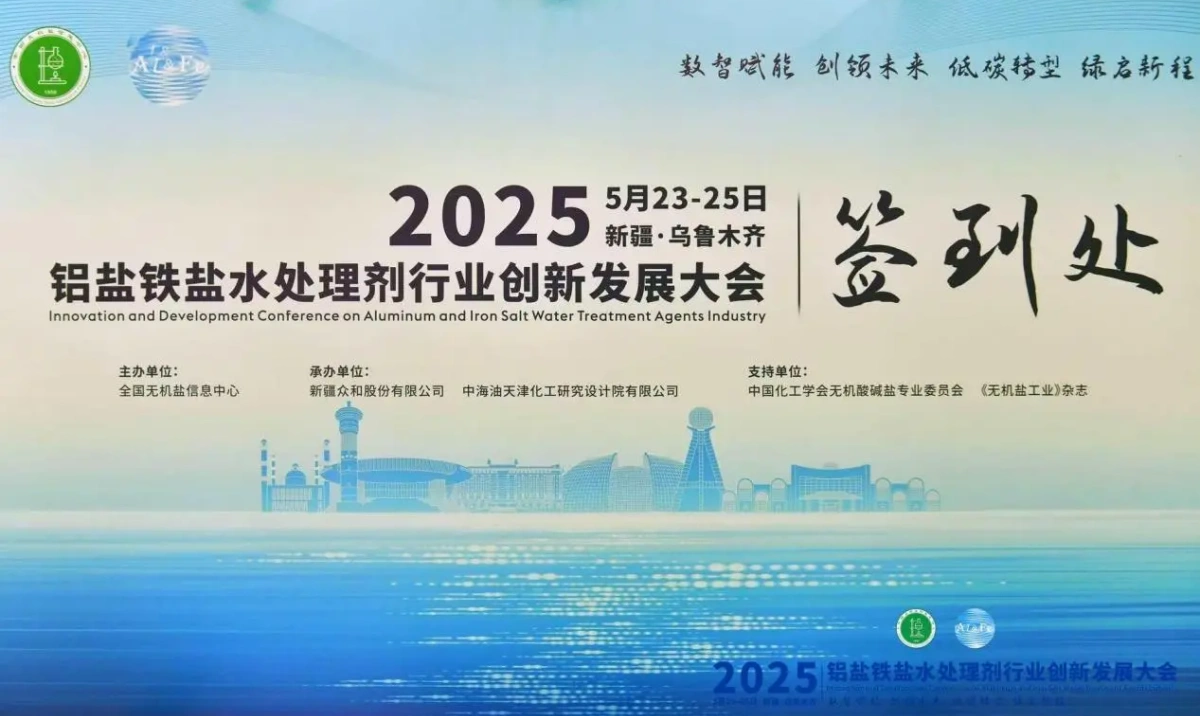 Aug 21, 2025
Highlights from the recent technical conference focusing on aluminum-based coagulants and low-carbon production methods.
Read Full Report → BS Water