High-purity formulations designed to optimize turbidity removal, sludge compaction, and decolorization across diverse industrial sectors.
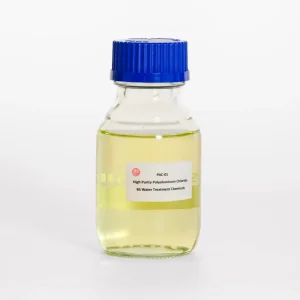
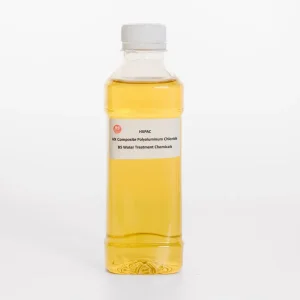
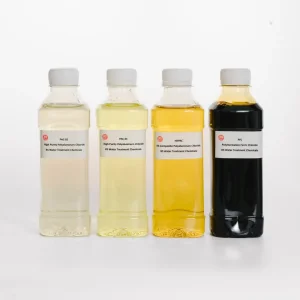
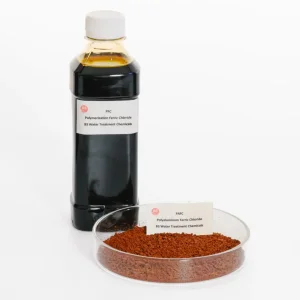
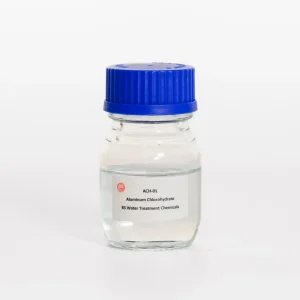
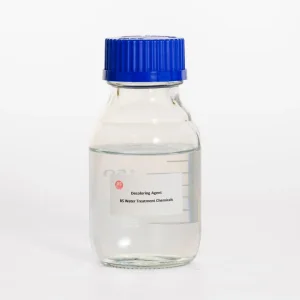
In an era of accelerating environmental regulations and acute industrial water scarcity, the optimization of wastewater treatment chemicals has transformed from a baseline compliance protocol into a critical lever for strategic corporate growth. As global regulatory bodies impose stringent thresholds on Chemical Oxygen Demand (COD), Biological Oxygen Demand (BOD), Total Suspended Solids (TSS), and persistent color index parameters, the demand for highly efficient polymer systems has reached unprecedented heights.
Traditional municipal and industrial water processing methods frequently rely on conventional inorganic salts, such as simple aluminum sulfate or ferric chloride. While cost-effective in small-scale environments, these classic formulations exhibit acute limitations when subjected to dynamic pH ranges, complex organic load variations, and heavy industrial effluent matrices. Wuxi BS Water Treatment Chemicals Co., Ltd. addresses these operational bottlenecks by engineering advanced inorganic-organic composite coagulants, high-performance polyacrylamides, and specialized cationic polymers designed to minimize chemical dosage rates, maximize floc generation velocity, and lower aggregate sludge disposal expenses.
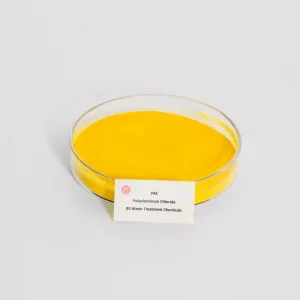
The performance profile of pre-hydrolyzed polymeric aluminum coagulants, such as Poly Aluminium Chloride (PAC) and Aluminum Chlorohydrate (ACH), is fundamentally dictated by their basicity quotient. Basicity represents the ratio of hydroxyl (OH-) ions to aluminum atoms within the polymeric complex structure. Formulations exhibiting higher basicity levels, such as ACH (which typically reaches upwards of 83% basicity), possess higher cationic charge densities and larger molecular sizes compared to traditional monomeric aluminum salts.
Upon dilution within raw intake water, these pre-formed polymeric species do not readily dissociate into basic monomeric ions. Instead, they interact via charge neutralization pathways with negatively charged colloidal silica, organic humic substances, and particulate clay matrices. By rapidly neutralizing the zeta potential of suspended particles, high-basicity coagulants facilitate rapid micro-floc consolidation. This process significantly decreases chemical consumption requirements, reduces post-treatment aluminum residuals in municipal drinking water, and minimizes pH drops in low-alkalinity source waters, rendering downstream neutralizers obsolete.
Engineered chemical treatment regimens matching complex wastewater conditions across municipal, resource, and manufacturing sectors.
Optimizing municipal plant workloads through precision chemical precipitation. Utilizing high-basicity PAC and high-molecular weight Polyacrylamide (PAM) combinations dramatically accelerates secondary clarification and sludge dewatering phases, allowing plants to comfortably process volumetric overflows without sacrificing discharge turbidity limits.
Resolving highly complex oil-water emulsions requires specialized polymeric structures. Our cationic emulsion breakers and Poly polymeric aluminium ferric chloride (PAFC) variants exhibit exceptional affinity for negatively charged hydrocarbon droplets, driving rapid phase separation, reducing free petroleum limits, and securing membrane feed systems from fouling.
Protecting ultrafiltration (UF) and reverse osmosis (RO) systems from colloidal and biological organic fouling. Applying low-dosage, high-basicity Aluminum Chlorohydrate (ACH) reduces colloidal load and silt density indexes (SDI), protecting system membranes and yielding extensive operational lifespan savings.
Managing raw intake and white water recycling loops. In addition to clarifying incoming raw water, our retention aids and cationic charge patch controllers (including PDADMAC polymer agents) assist in pulp sizing, retention of fines, and wastewater purification, facilitating sustainable closed-loop processing.
Sanitizing municipal water supplies requires pure, low-heavy-metal chemical feedstocks. Wuxi BS supplies high-purity solid and liquid PAC that easily satisfies stringent international standards for human consumption, guaranteeing minimum metal trace backwash while ensuring high-efficiency pathogentic particulate encapsulation.
Targeting non-biodegradable synthetic azo dye residues in manufacturing effluent streams. Our Water Decoloring Agent (WDA) acts as a highly cationic polymeric complex, binding instantly with soluble dye particles and driving rapid precipitate formation, converting colored wastewater into transparent, recyclable water.
Industrial chemical procurement is a sophisticated discipline that reaches far beyond simple per-ton price assessments. Global supply chain managers must balance quality consistency, regulatory adherence, safe transit packaging, and reliable shipping timelines. Wuxi BS mitigates international sourcing risks by operating a fully localized service model designed around compliance and continuous supply guarantee.
Purchasing chemicals for drinking water production demands strict compliance with global safety frameworks. Wuxi BS manufacturing sites conform to ISO 9001 and ISO 14001, providing systematic batch traceability. Our chemical solutions are formulated to fit critical NSF/ANSI Standard 60 guidelines for drinking water treatment, ensuring that limits for critical contaminants like arsenic, lead, and cadmium remain far below strict health limits. For our European clients, our REACH-compliant dossiers guarantee unhindered customs clearance and continuous access to European industrial markets.
Transporting hazardous and non-hazardous liquid or solid water treatment reagents demands chemical-resistant packaging solutions. For liquid reagents (such as 10%-17% active liquid PAC and ACH), we offer intermediate bulk containers (IBCs) and dedicated bulk chemical tankers. Solid powders are packaged in double-walled, UV-resistant polypropylene woven bags with built-in polyethylene lining, preventing moisture absorption and solid caking during long sea voyages. Wuxi BS coordinates with premier maritime freight lines to ensure safe delivery across the Americas, Europe, the Middle East, and Southeast Asia.
High-purity liquid compounds, cationic polymers, and specialty formulations matching high-clarification and filtration specifications.
Mapping 27 years of expansion, technical development, and our transformation into a global water treatment leader.
Establishment of our specialized chemical synthesis and production facility, focusing on local municipal coagulation requirements.
Corporate expansion and transition, renaming as Wuxi Bisheng Water Treatment Agent Co., Ltd. (now Wuxi BS Water Treatment Chemicals Co., Ltd.).
Launch of international operations, establishing distribution lines across Southeast Asia, North America, and European manufacturing hubs.
Major financial milestone: Annual foreign trade export volumes surpass $10,000,000, confirming our position as a globally recognized tier-1 supply partner.
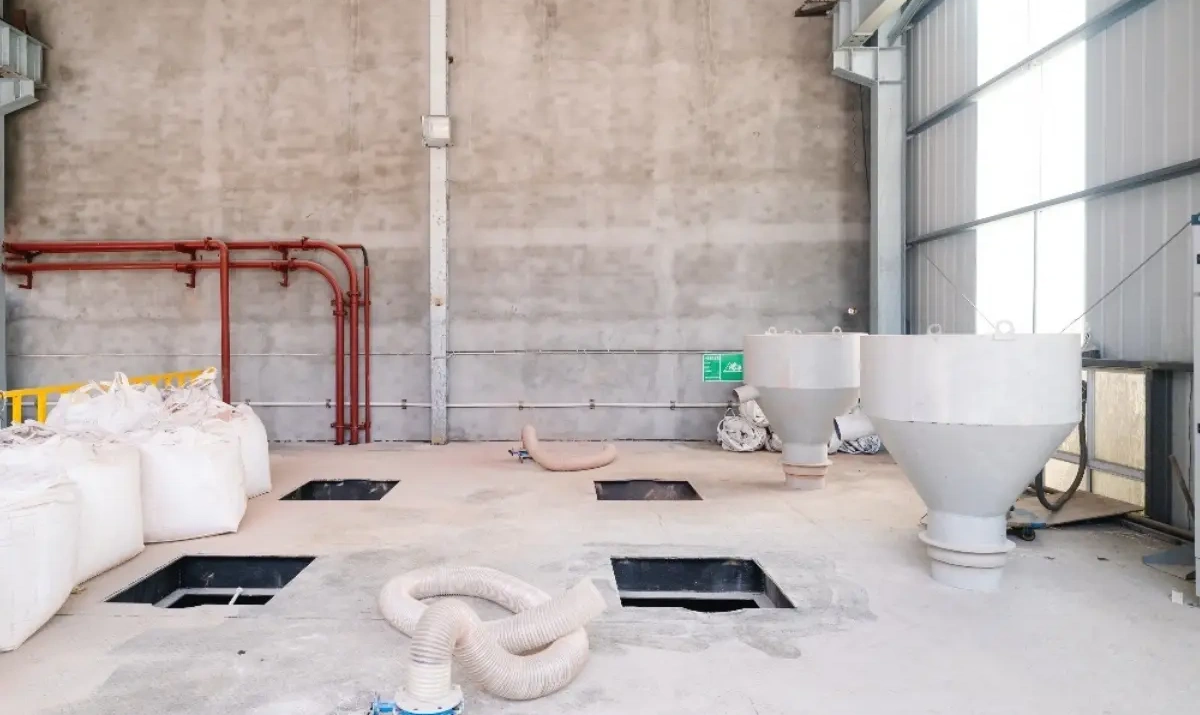
Dedication of our specialized foreign trade unit alongside deployment of digital, automated solid dosing and chemical analytical equipment.
Wuxi BS Water Treatment Chemicals maintains a deep commitment to environmental stewardship through sustainable chemical formulation. Our technology roadmap highlights three core pillars for next-generation wastewater chemical engineering:
Classic industrial wastewater processing often results in massive quantities of metal-hydroxide sludge, driving up waste handling costs. We are actively engineering next-generation composite formulations (such as Polymeric Aluminium Ferric Chloride - PAFC) that harness the rapid settling velocity of iron molecules together with the clarifying power of aluminum polymers. This synergy yields superior turbidity removal at lower total dosage weights, achieving up to a 30% reduction in generated sludge volume.
Traditional dicyandiamide-formaldehyde decoloring polymers face performance limits when treating dye effluents containing complex surfactant mixtures. Wuxi BS is engineering modified quaternary ammonium polymers with molecular configurations tailored to locate and capture recalcitrant dye compounds under dynamic pH shifts. This prevents color re-solubilization during subsequent biological stages.
Overdosing chemical flocculants can lead to membrane fouling, higher operational costs, and elevated metal trace carryover. Wuxi BS is building intelligent dosing platforms that leverage live sensor feedback (incorporating streaming current monitoring, real-time UV254 organic concentration scans, and artificial intelligence modeling) to precisely adjust coagulant chemical feed in real time. This integration ensures plant compliance during volatile load events while saving thousands on chemical input costs.
Technical answers resolving complex questions regarding chemical selection, performance optimization, and global logistics.
The primary differences lie in basicity and aluminum concentration (Al2O3 content). PAC typically exhibits a basicity range of 50%-80% with an Al2O3 content of 28%-30% in solid form. ACH is a highly polymerized, high-basicity compound (minimum 83% basicity) containing up to 23%-24% Al2O3 in liquid form (and 46%-50% in solid form). ACH offers superior cationic charge density, meaning lower dosages are required, and it causes minimal pH changes in processed water, which reduces the need for additional alkaline adjusters.
Our Water Decoloring Agent is a highly cationic quaternary ammonium polymer. It works by actively neutralizing the negative charges on soluble dye molecules (especially acid, reactive, and disperse dyes). This charge neutralization collapses the dye’s solubility, forming insoluble, dense micro-flocs. When paired with anionic polyacrylamide (APAM), these micro-flocs form larger aggregates that settle out quickly, producing clear effluent.
For organic sludges (such as municipal secondary treatment sludge or biological waste from food processing), Cationic Polyacrylamide (CPAM) is the optimal choice. Its positive charges bind with negatively charged biological cells and organic solids. For inorganic sludges (like mining, metallurgy, or coal washing waste), Anionic Polyacrylamide (APAM) is preferred, as it relies on hydrogen bonding and particle bridging to build large, shear-resistant flocs that drain quickly in belt presses and centrifuges.
Wuxi BS processes conform to ISO 9001:2015 for quality management and ISO 14001:2015 for environmental management. Our drinking water chemicals fit the raw criteria of NSF/ANSI Standard 60, allowing them to be utilized globally for municipal drinking water production. We also assist European buyers by providing REACH-compliant dossiers for smooth customs clearance.
We use double-walled, moisture-resistant packaging, featuring an inner polyethylene (PE) liner sealed inside a durable, woven polypropylene (PP) outer bag. For solid PAC and PAM, we manage warehouse humidity and temperature closely prior to packing. Containers are also loaded with silica gel desiccant packs to prevent moisture buildup during transit across changing climate zones.
Follow our latest developments in chemical technology, global facility optimization projects, and digital equipment rollouts.
 Sep 09, 2025
Wuxi BS Water Treatment Chemicals Co., Ltd. (hereinafter referred to as Wuxi BS), which has been deeply involved in the water treatment field, continues its dual expansion strategy, servicing local industrial plants while developing key infrastructure accounts internationally.
Connect with our chemistry and application engineers for dosage tests, physical samples, and custom industrial water quotes.
Fill in your requirements below and receive a detailed reply from our application team within 24 hours.
 BS Water