Engineered for High-Efficiency Colloidal Destabilization, COD Reduction, and Industrial Pretreatment Processes
An Analytical Whitepaper on Industrial Water Chemistry, Global Market Requirements, and Sustainable Coagulation Kinetics
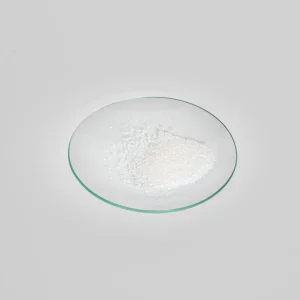
In modern industrial processing, chemical water treatment, and municipal sanitation, the application of chemical coagulants is critical for high-throughput separation. Aluminium Sulfate ($Al_2(SO_4)_3$), colloquially known as alum, remains the foundational benchmark in inorganic metallic salt coagulants. It is widely recognized for its efficacy, economy, and versatility. By destabilizing electrical charges on suspended particulates, it facilitates rapid agglomeration, making it indispensable for global operations seeking to remove turbidity, natural organic matter (NOM), and suspended solids.
The global market for aluminium sulfate continues to expand due to increasing wastewater discharge regulations, rising urbanization, and the growth of pulp and paper production in developing economies. According to recent industrial data, global water-treatment chemical demand is projected to maintain a CAGR of over 5.2% through 2030. Within this market, aluminium sulfate represents a significant share due to its established infrastructure, predictable reactions, and low cost compared to polymeric formulations.
"From a chemical perspective, Aluminium Sulfate operates by hydrolysis, producing positively charged multi-nuclear aluminum complexes upon contact with water. These species effectively neutralize the negative Zeta potentials of colloidal particles, inducing charge neutralization and sweep-flocculation. At Wuxi BS Water Treatment, our research concentrates on optimization parameters—such as matching water temperature, pH buffering, and silica levels—to ensure minimal residual monomeric aluminum and maximize structural sweep efficiency."
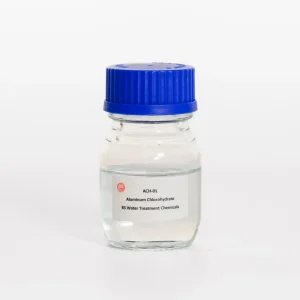
To assist global procurement managers in selecting the optimal chemical treatment plan, the table below provides a comprehensive comparison of Aluminium Sulfate, Polyaluminum Chloride (PAC), Aluminum Chlorohydrate (ACH), and Cationic Polyacrylamide (CPAM).
| Coagulant/Flocculant Type | Typical Active Alumina ($Al_2O_3$) % | Ideal pH Range | Optimal Temperature Dynamics | Best Application Scenarios |
|---|---|---|---|---|
| Aluminium Sulfate | 15.8% - 17.0% (Solid) | 6.0 - 7.5 | Sensitive to cold water (< 5°C) | Municipal Drinking Water, Papermaking Sizing, Basic Industrial Effluents |
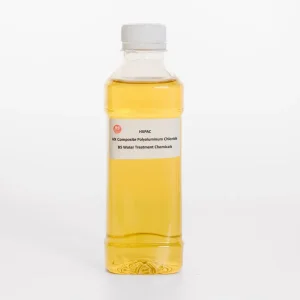
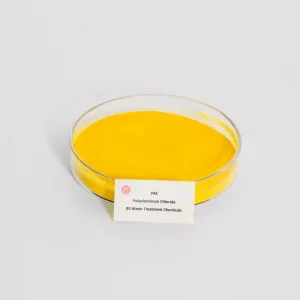
| Polyaluminum Chloride (PAC) | 28.0% - 30.0% (Solid) | 5.0 - 9.0 | Performs well in low temperatures | High-turbidity industrial wastewater, mining runoffs, oil-water separation |
| Aluminum Chlorohydrate (ACH) | 23.0% - 24.0% (Liquid) | 5.5 - 9.0 (High basicity 83%) | High stability across ranges | Pulp clarifying, high-purity water, cosmetics, concentrated municipal systems |
| Cationic Polyacrylamide (CPAM) | Polymer active matrix > 90% | 3.0 - 10.0 | Stable, requires dilution prep | Sludge dewatering, centrifuging, heavy polymer-floc building |
The selection of coagulants depends highly on raw water parameters and industrial goals. Below are the primary application scenarios:
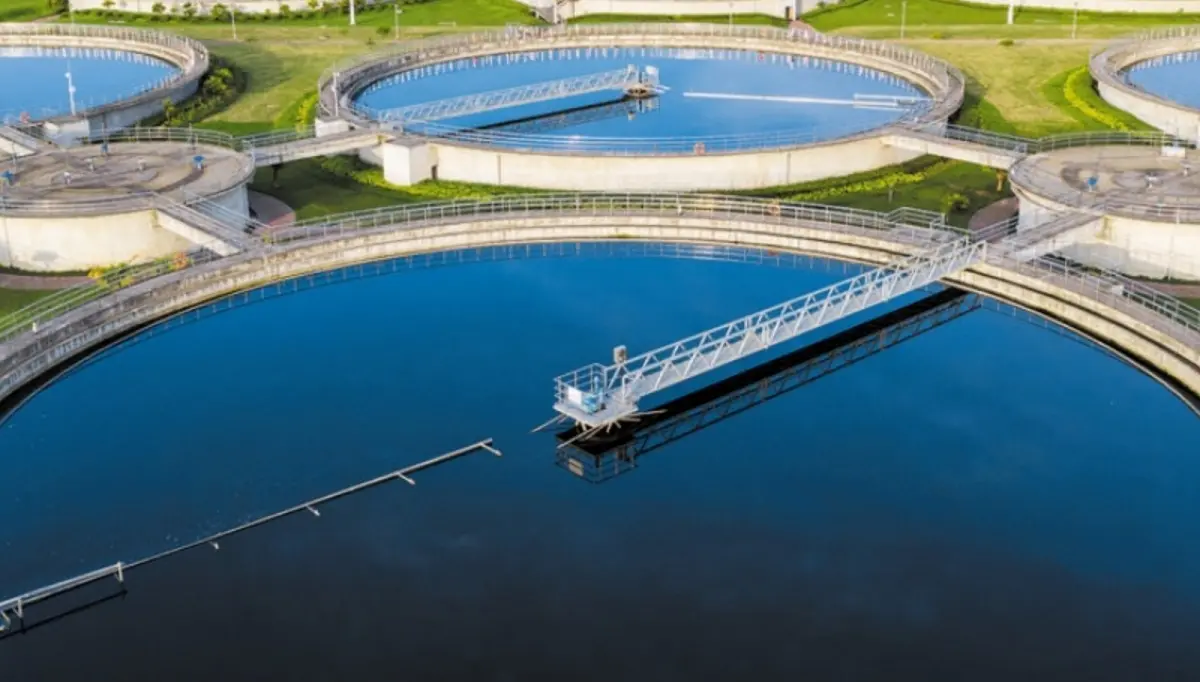
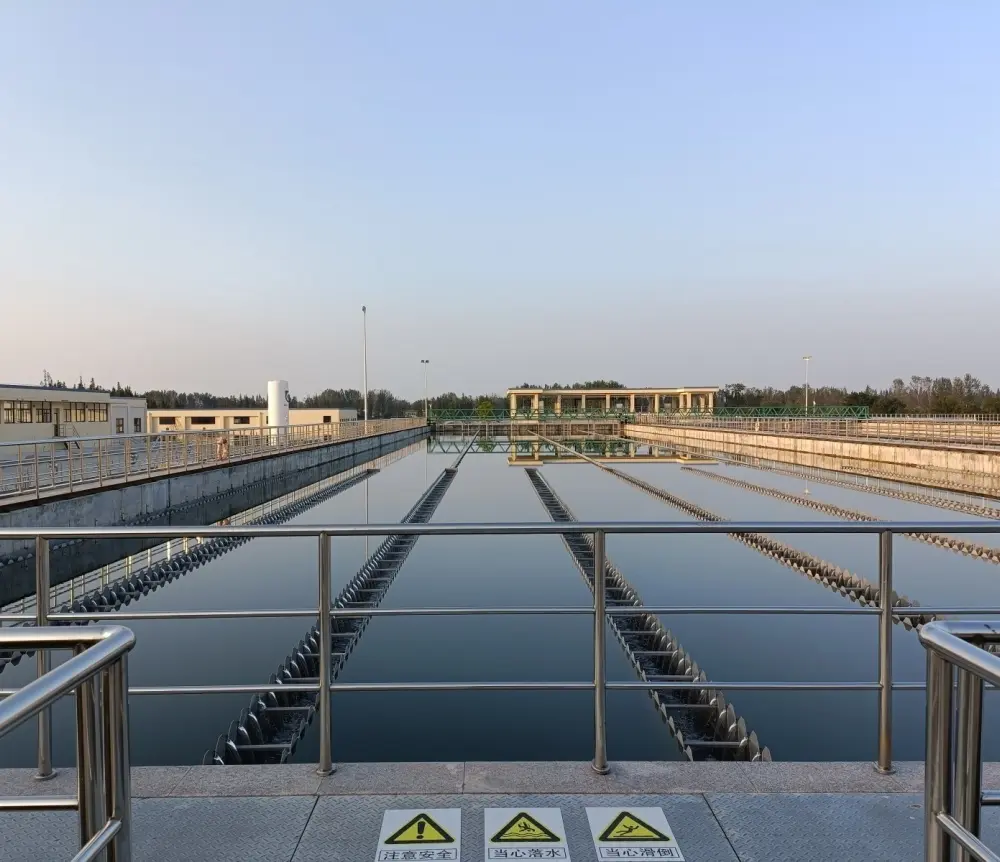
In public works, aluminium sulfate is primarily used to remove suspended solids (TSS) and biological oxygen demand (BOD). In municipal systems with high organic load fluctuations, utilizing coagulants alongside High-Basicity ACH or Cationic Polyacrylamide (CPAM) helps build dense, fast-settling flocs. This reduces chemical consumption and limits the generation of unstable sludge.
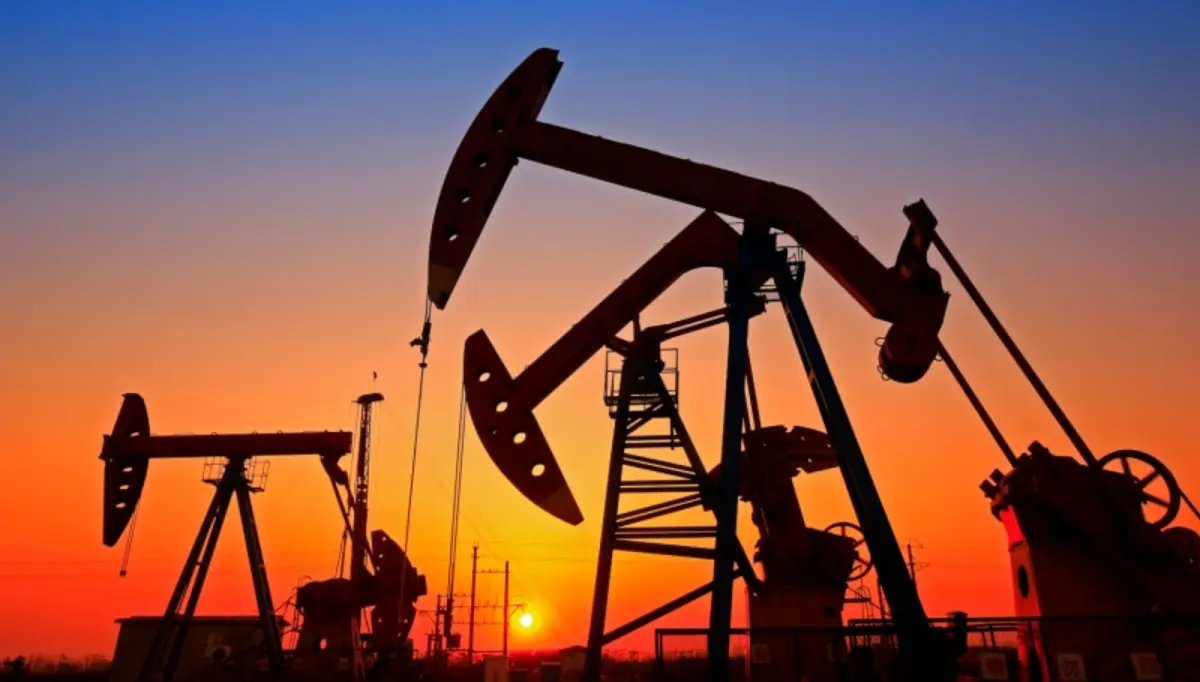
Refineries and upstream extraction sites generate highly emulsified oily wastewater. Dissolved air flotation (DAF) systems rely on chemical coagulants to split oil-water emulsions. Combining aluminium sulfate with a cationic charge-modifier like PDADMAC accelerates oil extraction and controls suspended polymer buildup.
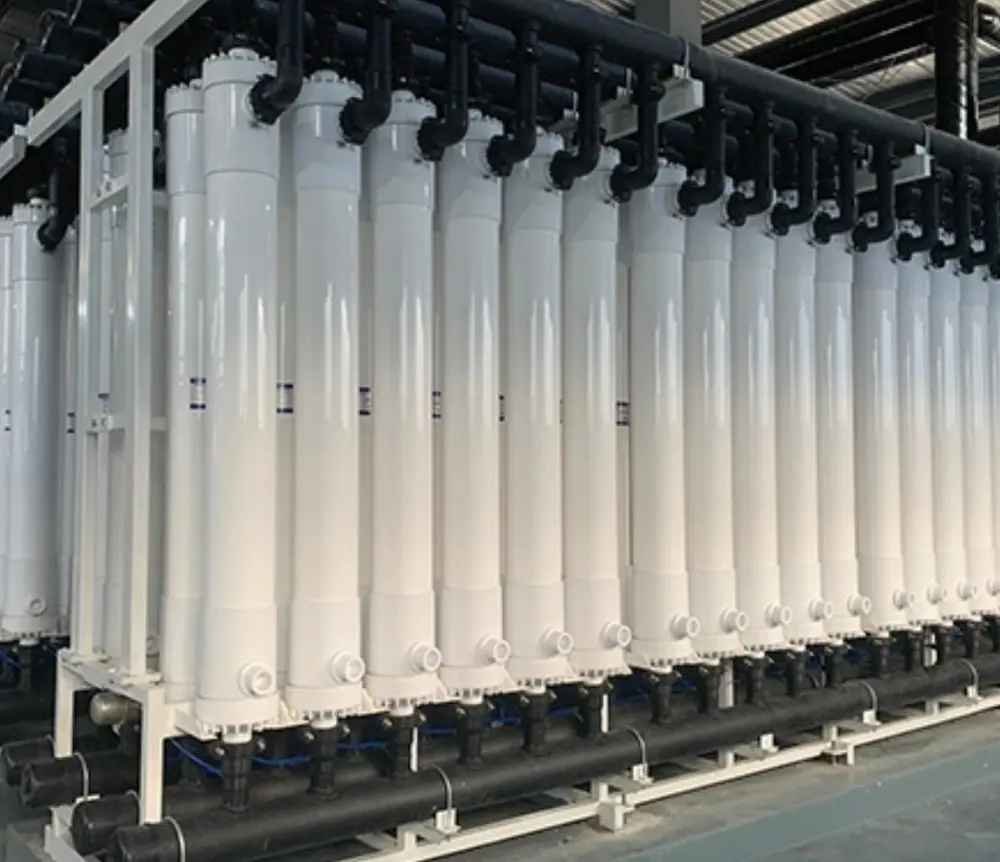
Reverse Osmosis (RO) and Ultrafiltration (UF) systems are highly sensitive to colloidal fouling. Using high-purity inorganic coagulants ensures that silica, organic carbon, and iron are bound and removed before the raw water reaches the membrane face. This extends membrane life and reduces acid-clean cycles.
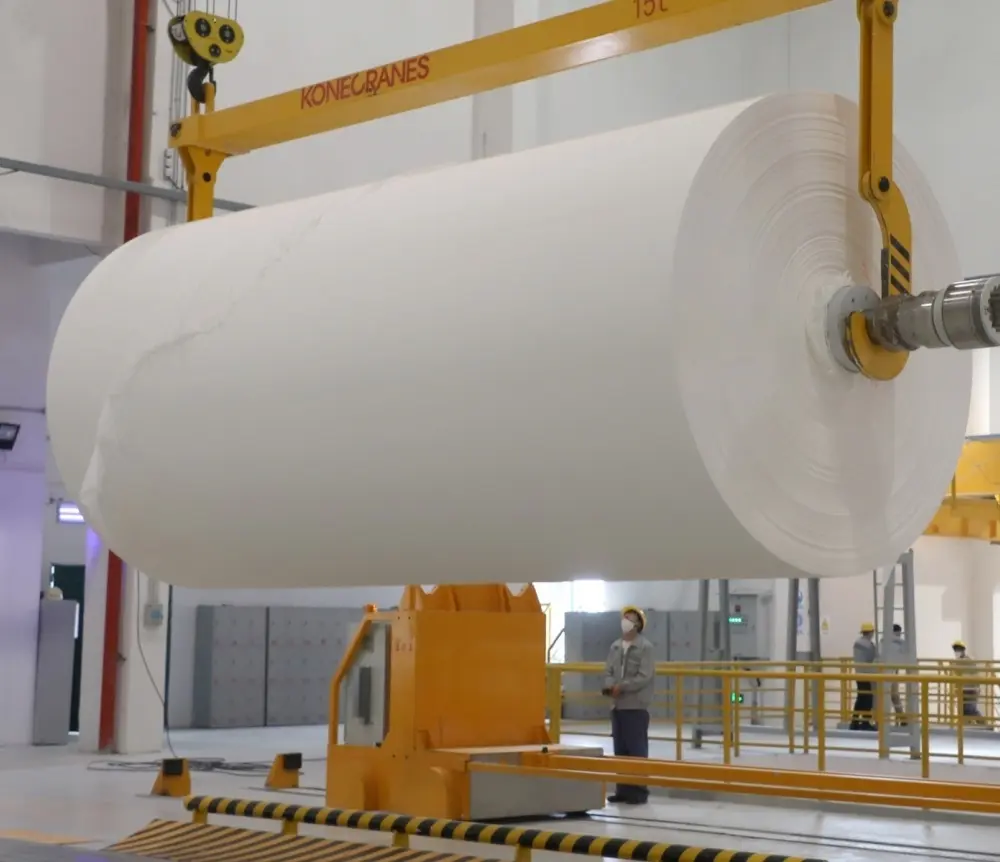
Aluminium sulfate has been used in the papermaking industry for decades. It functions as a rosin retention aid, charge neutralizer, and pitch control agent in acid papermaking loops. In modern neutral/alkaline papermaking, it is often paired with Polyaluminum Chloride (PAC) or ACH to minimize corrosion while maintaining high sizing efficiency.
To meet strict safety standards, drinking water plants require coagulants with low heavy-metal profiles and high clarity. High-purity PAC and ACH remove turbidity and organic carbon without adding unwanted sulfate ions or excessive dissolved solids to the treated supply.
The water treatment sector is shifting toward digital process optimization and tighter environmental compliance. Several key trends are shaping the future of industrial coagulation:
A Technology Leader with 27 Years of Expertise in Water Treatment Chemicals
Founded in 1998, Wuxi BS Water Treatment Chemicals Co., Ltd. (formerly Wuxi Bisheng Water Treatment Agent Co., Ltd.) is located in the Yangtze River Delta. We specialize in developing and manufacturing advanced inorganic and organic water treatment chemicals. Over nearly three decades, we have evolved from a regional chemical manufacturer into a global exporter, serving municipal utilities and industrial complexes worldwide.
Our production lines are equipped with digital automation systems, ensuring consistent product performance. In 2025, we introduced digital, intelligent solid feeding equipment, demonstrating our dedication to technical innovation and smart chemical dosing.

Our engineering team provides comprehensive "water quality analyses" and tailored dosing guidelines for your specific processes.

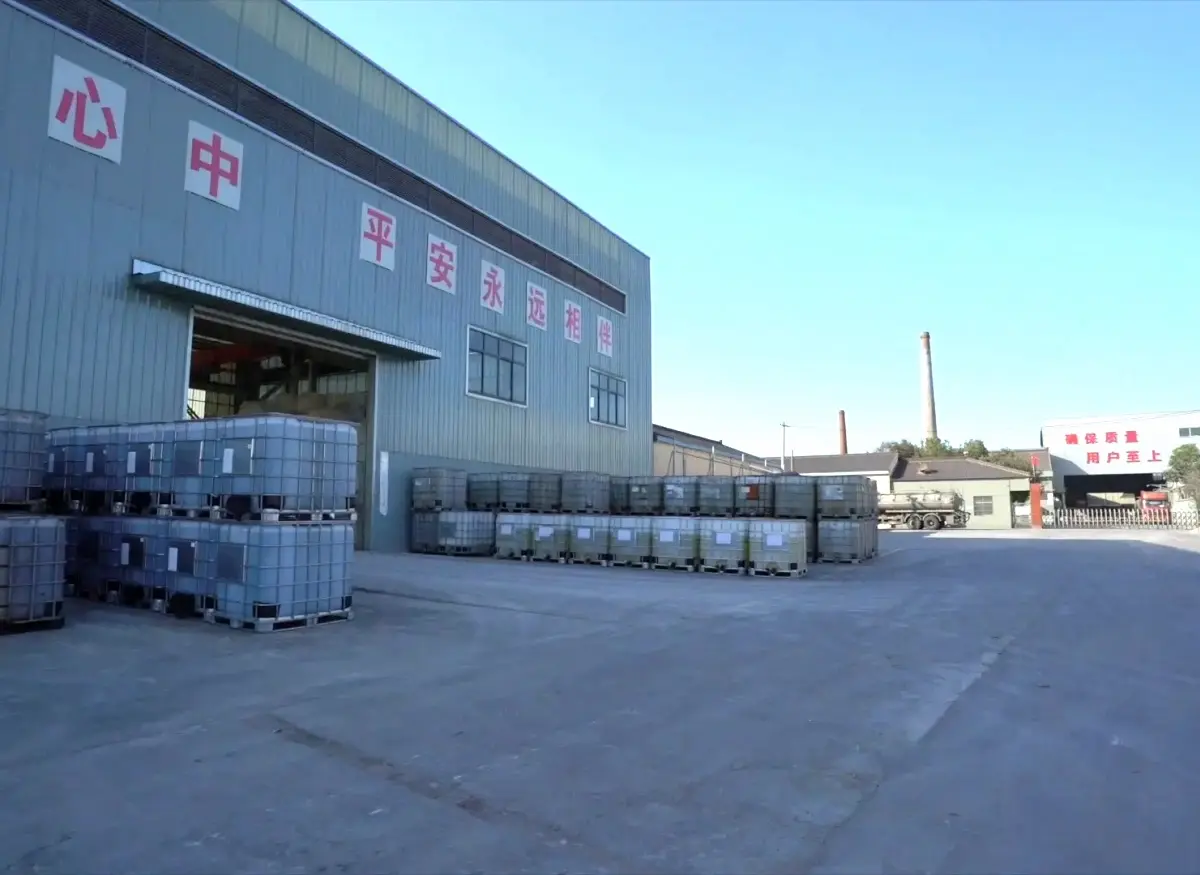
With an annual output of 500,000+ tons, we maintain consistent raw material stockpiles to ensure reliable chemical delivery.

We continually refine product basicity, solubility, and particle size distribution to adapt to evolving environmental regulations.
Premium Chemical Additives and Polyelectrolytes for Demanding Clarification and Dewatering Requirements
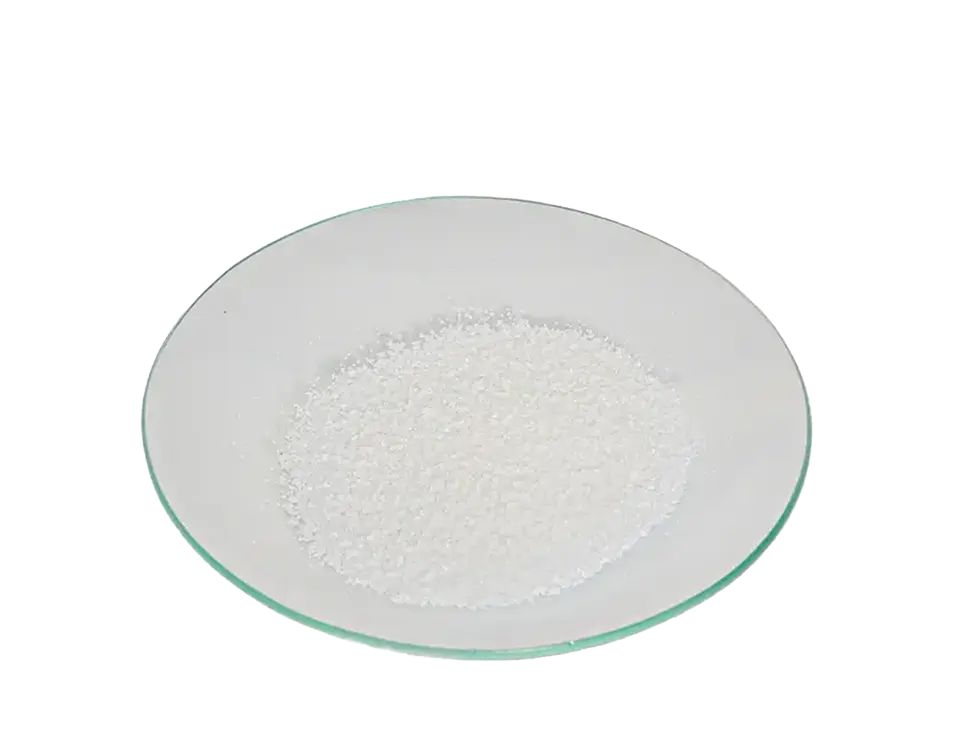
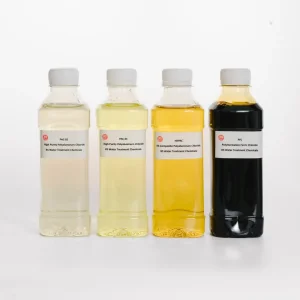
High molecular weight organic polymer designed to accelerate sludge compaction and dry solids filtration.
Inquire Wholesale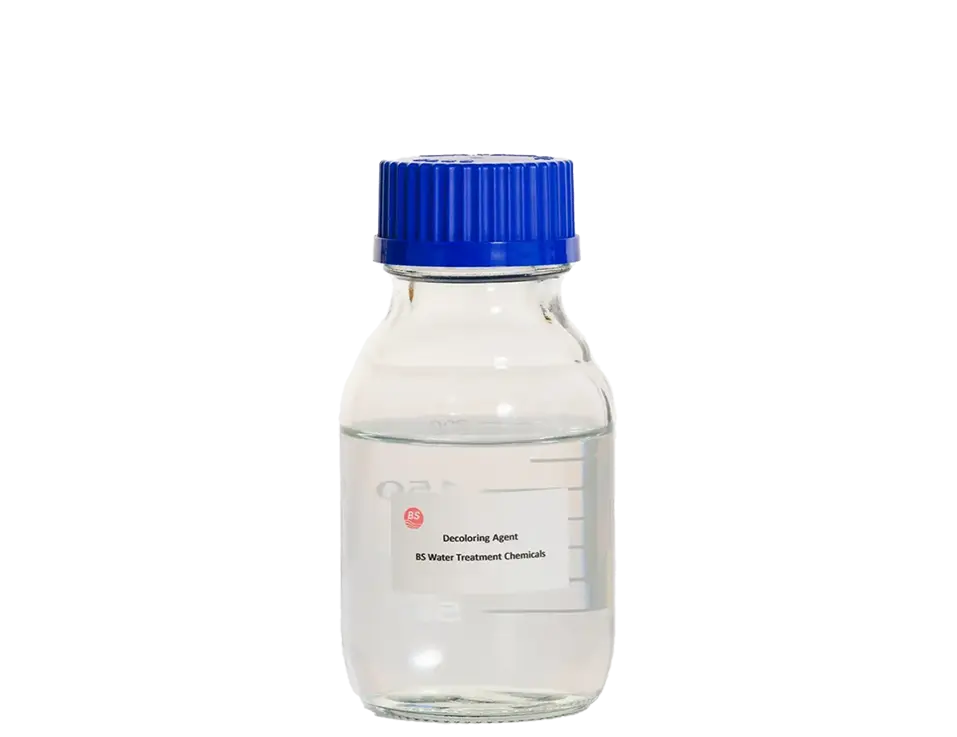
Dicyandiamide-based organic copolymer developed to treat highly colored effluent from textile print and dye works.
Inquire Wholesale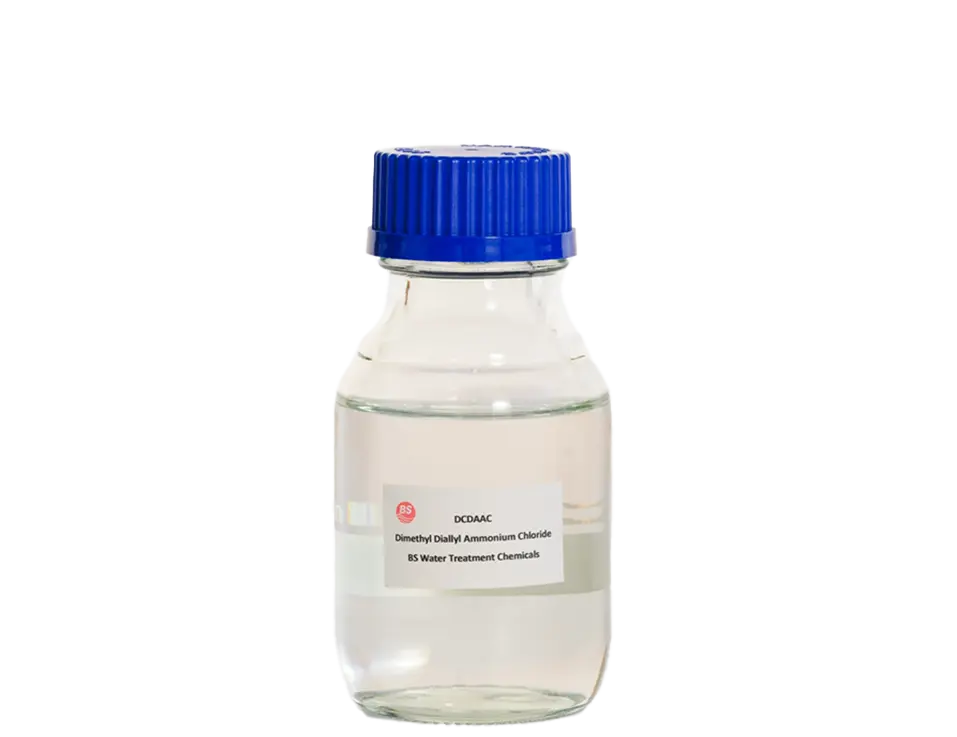
Strong cationic liquid polymer that functions as a primary coagulant and charge neutralizer in industrial separation.
Inquire WholesaleWhy Procurement Professionals Choose Chinese Production for Bulk Coagulants
Procuring water treatment chemicals at an industrial scale requires evaluating supply chain reliability, purity consistency, and cost-efficiency. Our facilities in China offer distinct advantages that address these requirements:
Our factory utilizes close proximity to high-grade bauxite and sulfuric acid processing centers in East China. This integrated raw material access stabilizes our manufacturing costs, protecting clients from the pricing volatility common in regions with fragmented supply chains.
Wuxi BS runs automated pressure synthesis and crystallization loops. This system maintains uniform basicity levels and alumina concentrations across every batch. Operating at high capacity allows us to distribute overhead costs efficiently, passing these savings directly to our global distributors.
Every batch of alum, PAC, and ACH undergoes rigorous quality control. We analyze heavy metal concentrations (arsenic, lead, cadmium) and water-insoluble matter, ensuring compliance with both local environmental requirements and international standards like NSF/ANSI 60.
Our proximity to the deep-water ports of Shanghai and Ningbo enables rapid loading and shipping. Supported by our 20,000-ton finished product warehouse, we can dispatch urgent bulk orders quickly, mitigating logistics risks for international buyers.
Nearly Three Decades of Growth, Technological Upgrades, and Global Market Expansion
The chemical manufacturing facility was established to supply basic inorganic coagulants to the local Yangtze River Delta market.
The enterprise officially renamed to Wuxi Bisheng Water Treatment Agent Co., Ltd. and expanded its capacity with advanced crystallization reactors.
Inaugurated our dedicated foreign trade department and began exporting products globally through international distributors.
Annual export sales exceeded 10 million USD, supported by a growing network of municipal water utilities and oil refinery clients.
Implemented digital intelligent feeding equipment and expanded specialized research into customized, low-sludge polymer formulations.
Expert Answers to Technical and Commercial Questions About Industrial Coagulation Chemistry
Broad-Spectrum Wastewater Conditioning Products and Digital Feed System Compatible Formulations
Get Custom Formulations, Technical Dosages, and Bulk Quotes Within 24 Hours
Production Zone, Wuxi City, Jiangsu Province, China
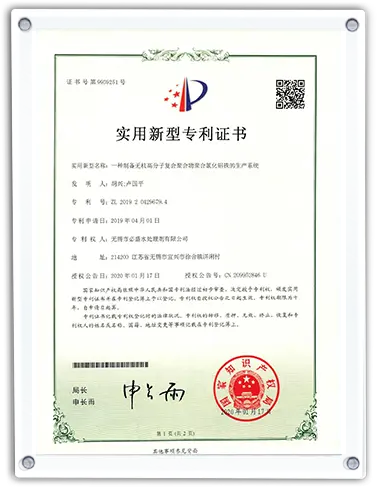
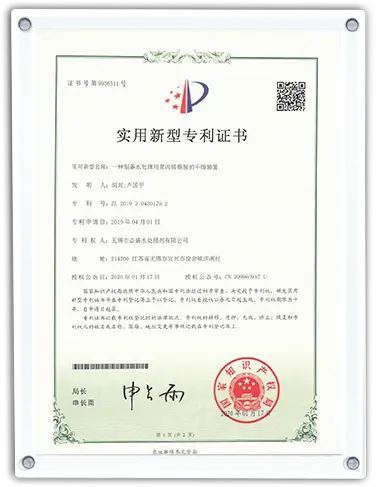
Stay Informed on Chemical Market Adjustments, Technology Implementations, and Industrial Projects
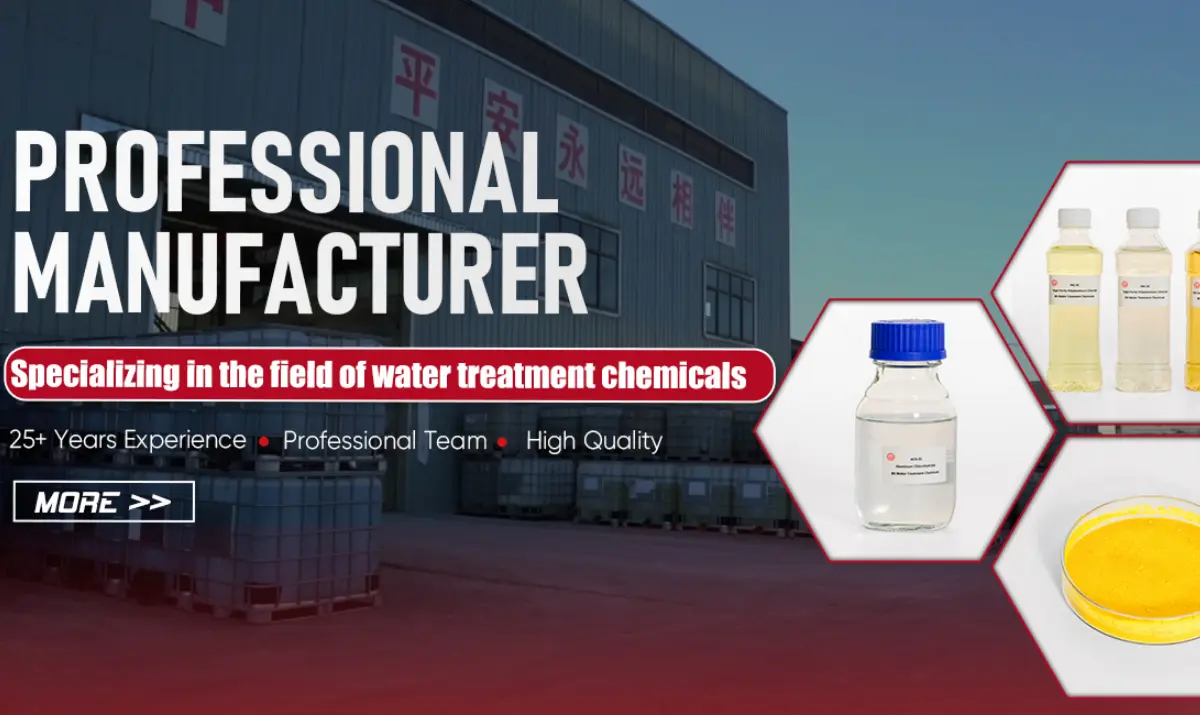
Evaluating our strategic growth milestones in serving municipal utilities and industrial complexes across emerging markets.
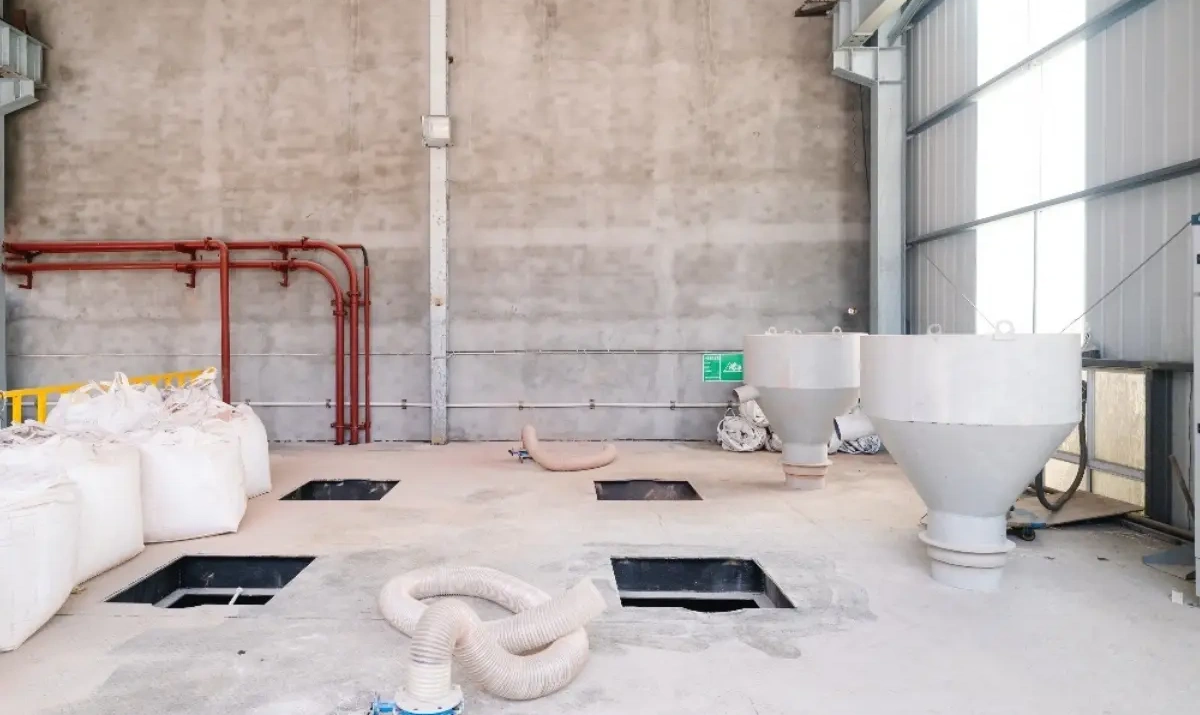
Our newly launched dosing systems use real-time analytical feedback to optimize flocculant dispersion and reduce chemical waste.
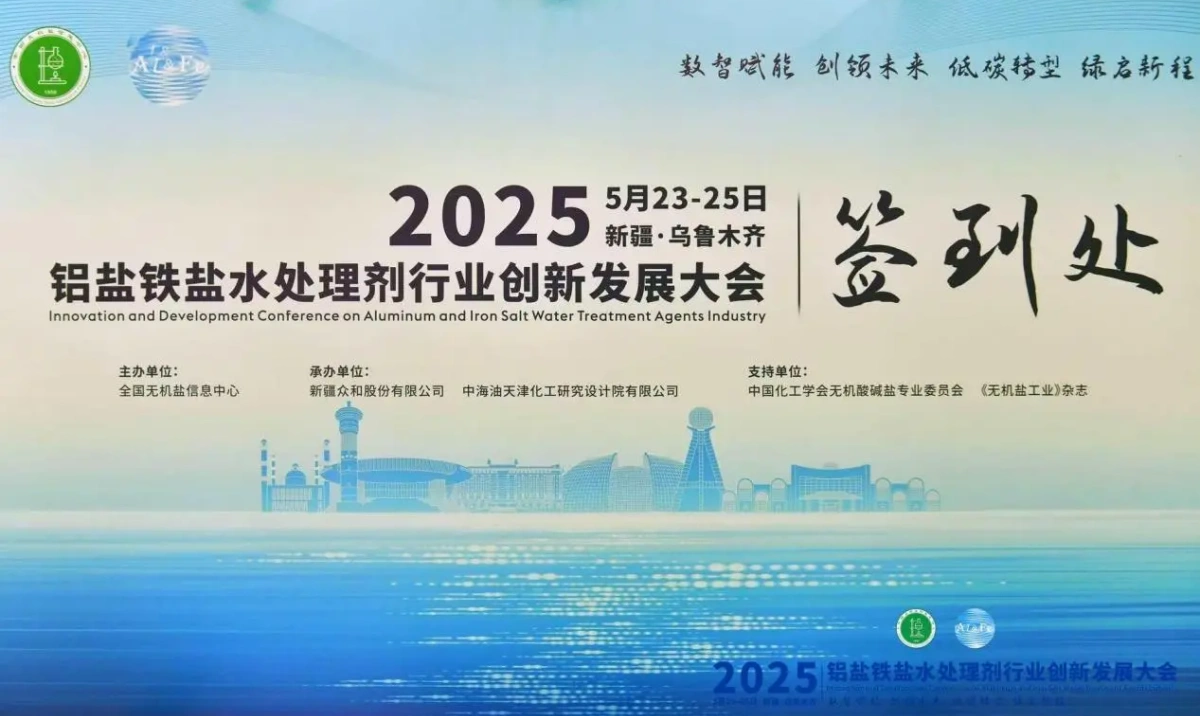
Highlights from the recent industrial forum on carbon neutrality goals and green manufacturing methods for metallic salt coagulants.
 BS Water