Explore our industrial-grade organic and inorganic coagulants, synthesized to optimize separation efficiencies in heavy water purification systems.
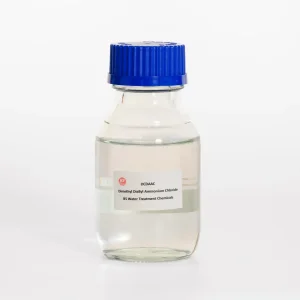
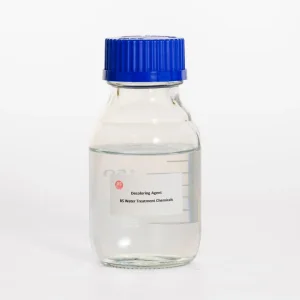
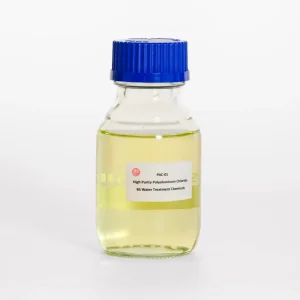
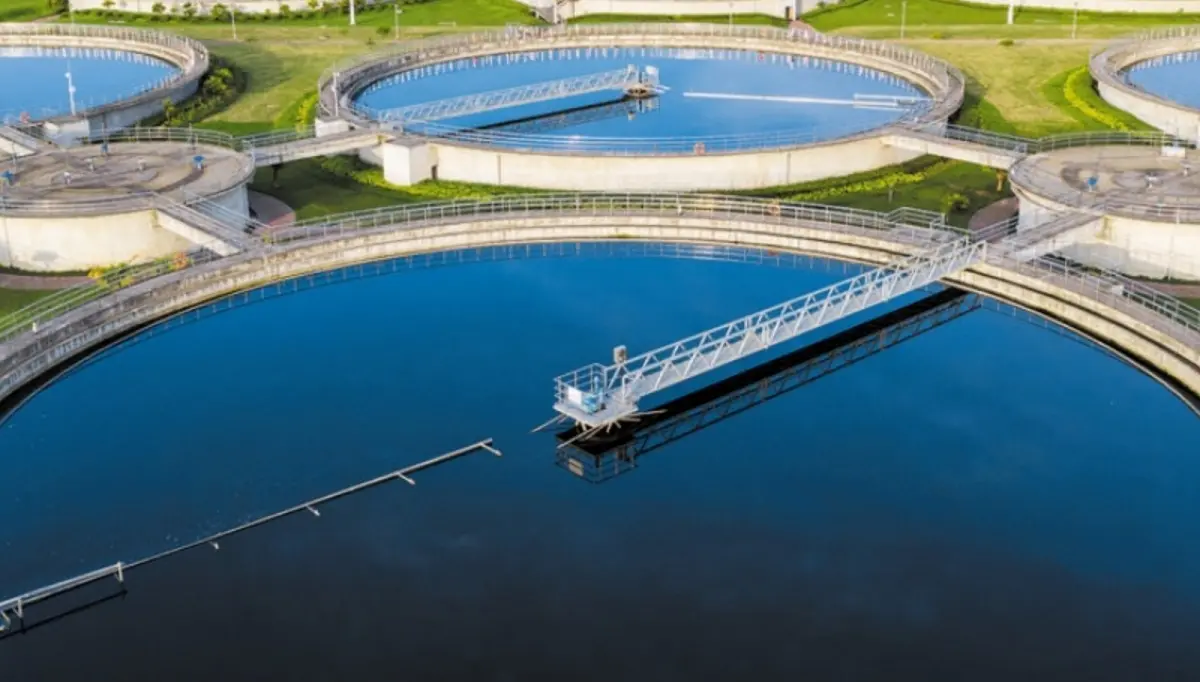
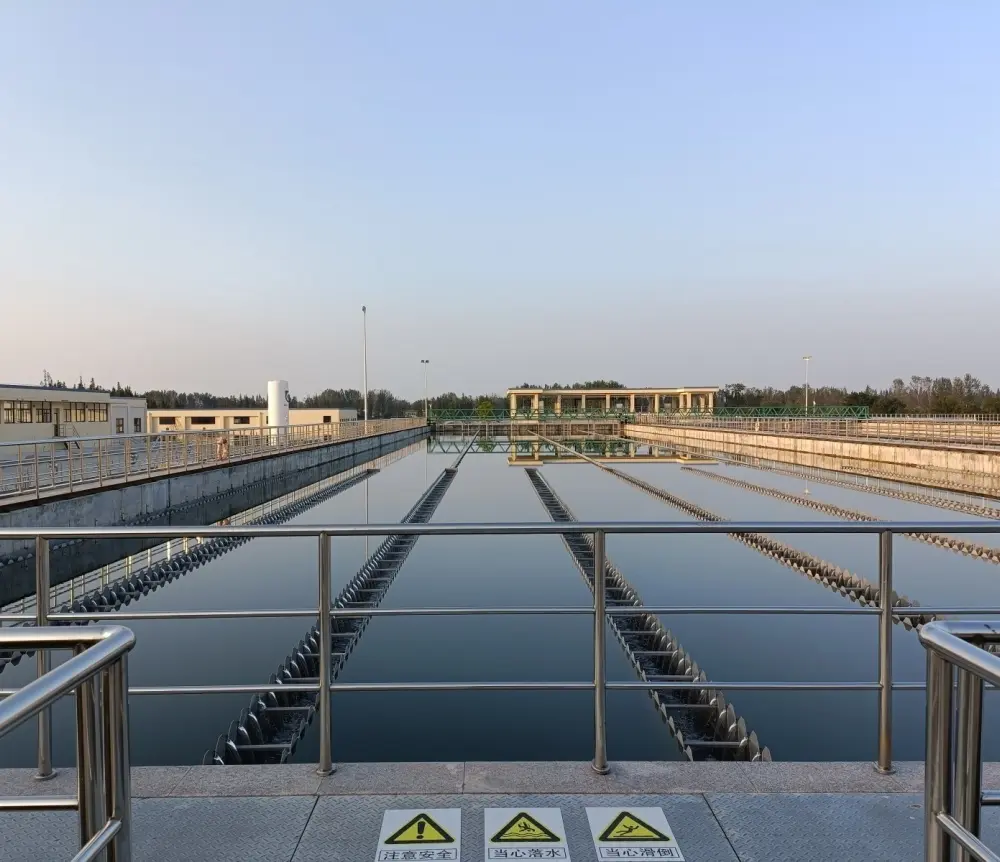
The global trajectory of water purification is undergoing a paradigm shift. Emerging industrial frameworks, coupled with stringent environmental mandates, require industrial water purifying systems to adopt high-efficiency, sustainable chemical solutions. Globally, clean water scarcity acts as a major catalyst. Regulators in Europe, North America, and APAC have enacted strict limits on total suspended solids (TSS), chemical oxygen demand (COD), and coloration in discharged effluents.
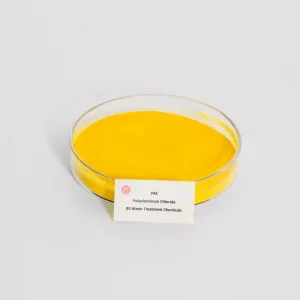
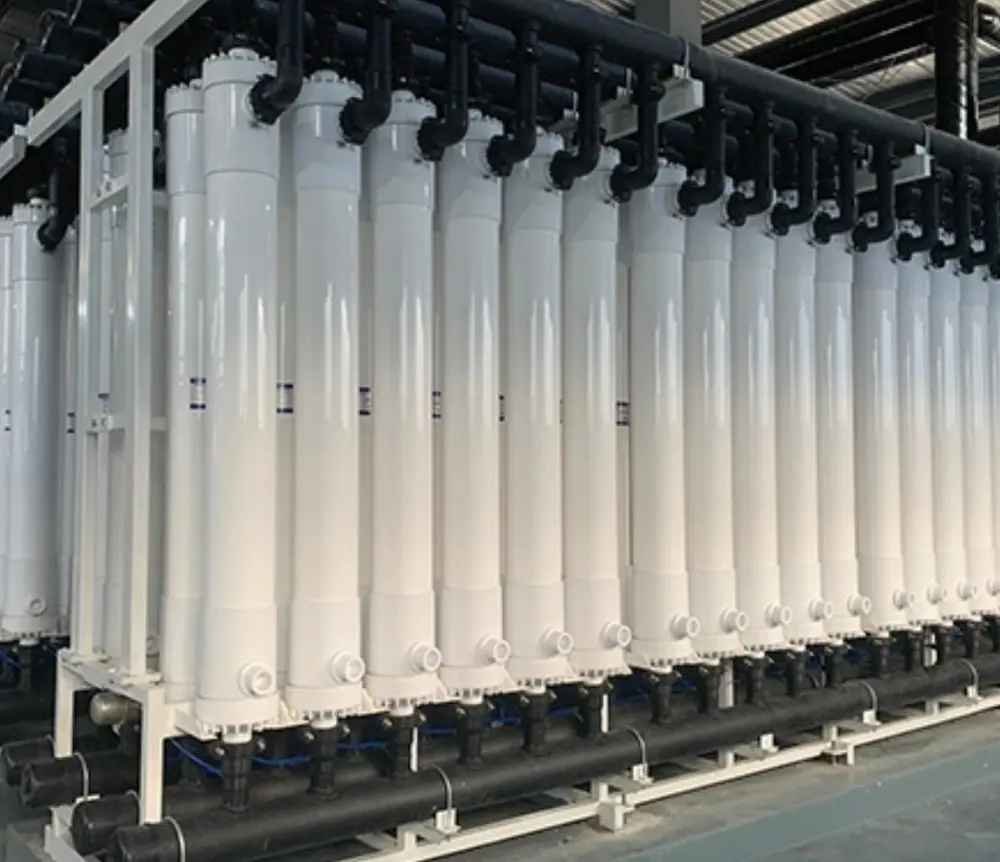
Modern municipal treatment facilities and large-scale industrial complexes no longer rely solely on physical filtration. Biological and advanced chemical treatments form the core of modern systems. Polymer coagulation and flocculation represent crucial preparatory phases, directly impacting the throughput of downstream membrane systems (such as reverse osmosis and ultrafiltration). Chemical agents like high-purity Poly Aluminium Chloride (PAC) and Polyacrylamide (PAM) serve as foundational solutions that enable modern water treatment processes to scale efficiently.
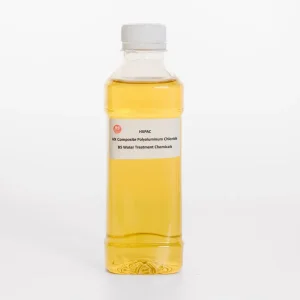
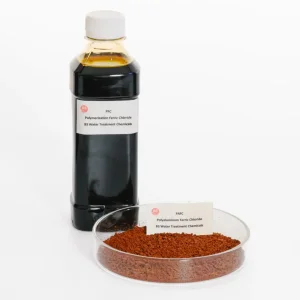
Technological advancement is driven by three main factors: high basicity formulations, custom-engineered charge densities, and the development of non-toxic biodegradable backbones. Inorganic coagulants like Polymeric Aluminium Ferric Chloride (PAFC) offer superior sedimentation velocities. Meanwhile, highly charged cationic polymers, such as Poly(diallyldimethylammonium chloride) (PDADMAC), target colloidal silica and organic suspension with high efficiency.
With nearly three decades of dedicated chemical synthesis, our manufacturing infrastructure delivers consistent global logistics and quality control.
Understanding the difference between coagulation and flocculation is key to implementing efficient water purification systems. Coagulation neutralizes negative colloidal charges, allowing particles to aggregate. Inorganic salts, like Poly Aluminium Chloride (PAC), contain highly charged Al3+ ions that destabilize colloidal systems effectively. PAC's basicity determines its structural composition, which directly influences its effectiveness at neutral pH levels.
Flocculation, by contrast, is a physical bridging process. Long-chain polymers, such as Polyacrylamide (PAM), attach to destabilized particles, binding them into larger flocs. In sludge dewatering, Cationic Polyacrylamide (CPAM) interacts with negatively charged organic sludge particles, releasing bound water and facilitating mechanical filtration. For industrial wastewater from mineral processing and metallurgy, Anionic Polyacrylamide (APAM) is typically preferred due to its ability to bind heavy inorganic suspensions.
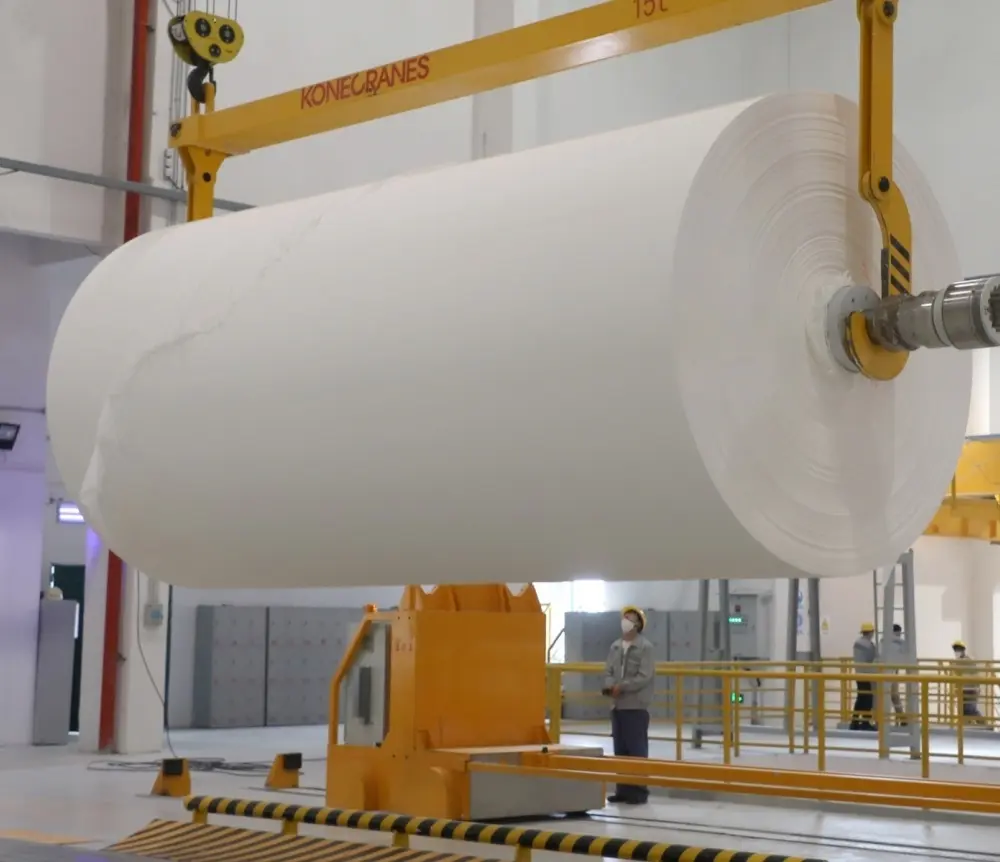
Textile printing, dyeing, and paper manufacturing produce highly colored wastewater containing stable organic compounds. Conventional metal salts often struggle to treat these waste streams effectively. Organic cationic polymers, such as PDADMAC, offer a highly concentrated positive charge that neutralizes anionic dyes, forming insoluble complexes that precipitate out of solution. When used with Water Decolorizing Agents (WDA), these polymers achieve rapid color removal and COD reduction without producing excessive chemical sludge.
Our products are tailored to address the unique chemical demands of key processing and waste treatment industries globally.

We provide chemical synthesis and supply chain services tailored to the requirements of distributors and industrial end-users worldwide.
Our technical specialists assist with jar testing, dosage optimization, and compound selection based on your specific influent characteristics.
With 500,000+ tons of annual output and a 20,000-ton warehouse capacity, we ensure reliable product availability throughout the year.
ISO9001 and ISO14001-certified facilities ensure batch consistency, strict raw material checks, and trace analysis for all finished products.
Since 1998, Wuxi BS Water Treatment Chemicals has grown from a local manufacturer into a global exporter of specialized chemical solutions.
Answers to common questions regarding chemistry specifications, dosage selection, and process optimization.
Explore our secondary selection of specialized water treatment chemicals, formulated for complex industrial purification applications.
The next generation of water treatment chemistry will focus on biological sustainability and real-time monitoring. As regulatory standards tighten, the industry is transitioning away from persistent synthetic polymers toward bio-based alternatives and highly tailored configurations that minimize chemical footprint. Wuxi BS is actively investing in research to develop biodegradable flocculants that maintain high charge densities under diverse temperature and pH conditions.
Additionally, the integration of digital, real-time monitoring systems is transforming industrial treatment facilities. By combining inline turbidity sensors with automated dosing pumps, systems can adjust coagulant feed rates dynamically based on real-time water quality changes. This helps prevent under-dosing, which compromises treatment quality, as well as over-dosing, which can lead to membrane fouling and increased operation costs.
Get in touch with our engineering team for support with custom chemical configurations, product specifications, jar test evaluations, or wholesale pricing options.
 BS Water

