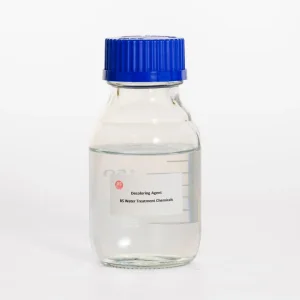
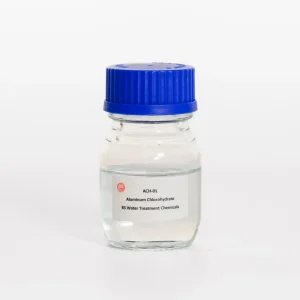
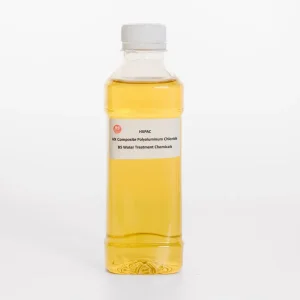
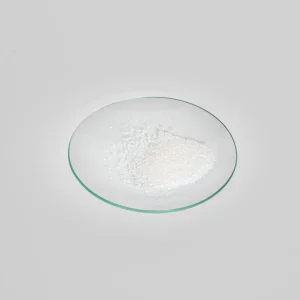
Optimized for South Africa's Stringent Effluent Standards and Industrial Processing Demands
South Africa is classified as a water-scarce country, facing growing challenges due to shifting rainfall patterns, rapid urbanization, and heavy industrialization across provinces like Gauteng, KwaZulu-Natal (KZN), and the Western Cape. Major water management agencies, such as Rand Water and Umgeni Water, have continuously tightened standards for industrial wastewater discharge into rivers and municipal sewage systems. Environmental frameworks established by the Department of Water and Sanitation (DWS) impose severe penalties on industries failing to treat colored effluent, high Chemical Oxygen Demand (COD), and elevated suspended solids.
Industries like textile dyeing in Durban and Cape Town, pulp and paper manufacturing in Mpumalanga, and diamond or gold mining in the Witwatersrand basin produce complex wastewater matrices. Textile effluents, rich in synthetic anionic dyes (reactive, acid, and disperse dyes), are particularly challenging. These dyes cannot be easily degraded by traditional biological treatments. The resulting colored water blocks sunlight penetration in natural water bodies, halting photosynthesis and destroying aquatic ecosystems. The use of high-charge cationic polymeric Water Decoloring Agents (WDA) has become crucial for these sectors to achieve environmental compliance and facilitate water recycling.
"To meet SANS (South African National Standards) 241 and local municipal bylaws, industrial facilities must implement advanced physico-chemical pretreatment. The application of highly active dicyandiamide-formaldehyde based polymers offers a cost-effective, high-efficiency path to zero-color discharge."
Scientific breakdown of how cationic quaternary polymers break down stable organic dye complexes in wastewater
Our Water Decoloring Agent (WDA) is a highly concentrated cationic copolymer, specifically a dicyandiamide formaldehyde resin. The molecular structure carries a high density of positive charges, which allows it to target, bind, and neutralize negatively charged (anionic) dye molecules suspended in wastewater. Here is the step-by-step chemical interaction mechanism that occurs during dosing:
Anionic dyes (reactive dyes, acid dyes, and direct dyes) possess sulfonate (-SO3⁻) or carboxylate (-COO⁻) groups that keep them dissolved and stable in water. The cationic nitrogen atoms (quaternary ammonium groups) in our WDA immediately attract these anionic functional groups. This ionic bonding neutralizes the surface charge of the dye molecules, reducing their zeta potential to near zero and destroying their hydrophilic stability.
Once neutralized, the dye-polymer complexes become hydrophobic. They precipitate out of the aqueous phase, forming micro-flocs. The long polymer chains of the decoloring agent also act as an adsorption matrix, catching dissolved organic matter, heavy metals, and dispersed colloidal particles.
While WDA is highly effective at destabilizing dissolved dye molecules, the micro-flocs formed are often light and settle slowly. By dosing inorganic coagulants like Polyaluminum Chloride (PAC) alongside the decoloring agent, larger, denser metal-hydroxide flocs are generated. Adding a minute dose of Anionic Polyacrylamide (APAM) provides long-chain polymer bridging, aggregating the flocs into large, rapid-settling macro-flocs. This synergistic system dramatically cuts down settling time and improves supernatant clarity.
| Parameter | Cationic WDA Polymer | Activated Carbon |
|---|---|---|
| Color Removal efficiency | >95% (Excellent for soluble dyes) | 75-90% (Pores easily clog) |
| Sludge Generation | Low, compacts well | High, generates hazardous solid waste |
| Operating Cost | Low (efficient inline liquid dosing) | High (expensive regeneration/replace) |
| COD Reduction Capability | 50% - 70% co-precipitation | Adsorbs dissolved organics |
Wuxi BS Water Treatment Chemicals Co., Ltd., founded in 1998, is a global leader in the R&D and manufacture of water treatment polymer agents. With advanced manufacturing infrastructure and decades of experience, we specialize in producing state-of-the-art products for drinking water purification and complex industrial wastewater treatment.
From our headquarters in Wuxi, China, we manage advanced, automated production facilities that operate under strict ISO 9001:2015 Quality Management and ISO 14001:2015 Environmental Management standards. Our products are exported to over 50 countries, including distributors, municipal operators, and mining conglomerates throughout South Africa, Africa, South America, and Southeast Asia.
Seamless procurement, cost efficiencies, and reliable bulk delivery to major South African ports
We modify raw polymer concentration, charge density, and molecular weight to target specific wastewater profiles. We offer customized product formulations based on jar tests using sample effluents from South African plants.
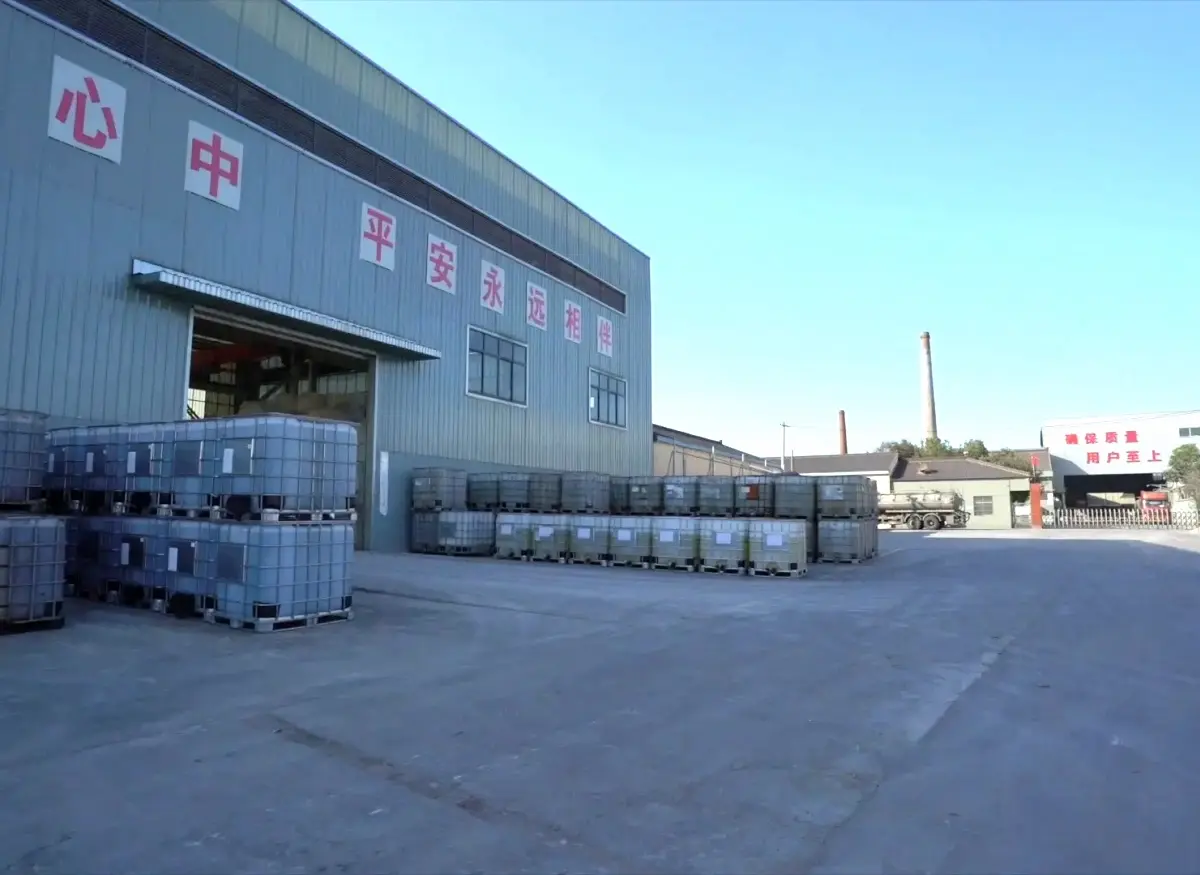
We support various packaging standards, including 25kg PE drums, 250kg tight-head drums, and 1250kg IBC tanks. Our direct relationships with major ocean carriers ensure secure and fast container transport from Shanghai or Ningbo to Durban, Cape Town, and Port Elizabeth.
Every shipment is accompanied by detailed Quality Analysis Certificates (COA), Safety Data Sheets (SDS), and technical application instructions. Our chemical products are aligned with global REACH standards and comply with South African DWS and environmental regulations.
Advanced treatment for textile, pulp, paper, mining, and municipal industries
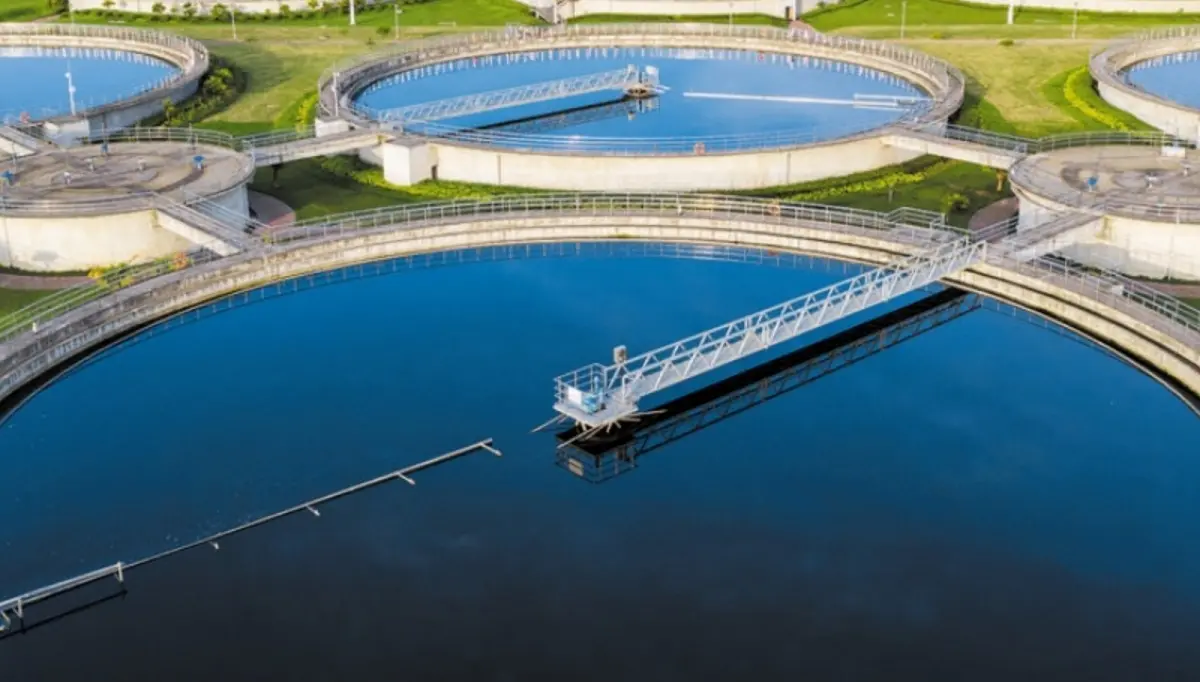

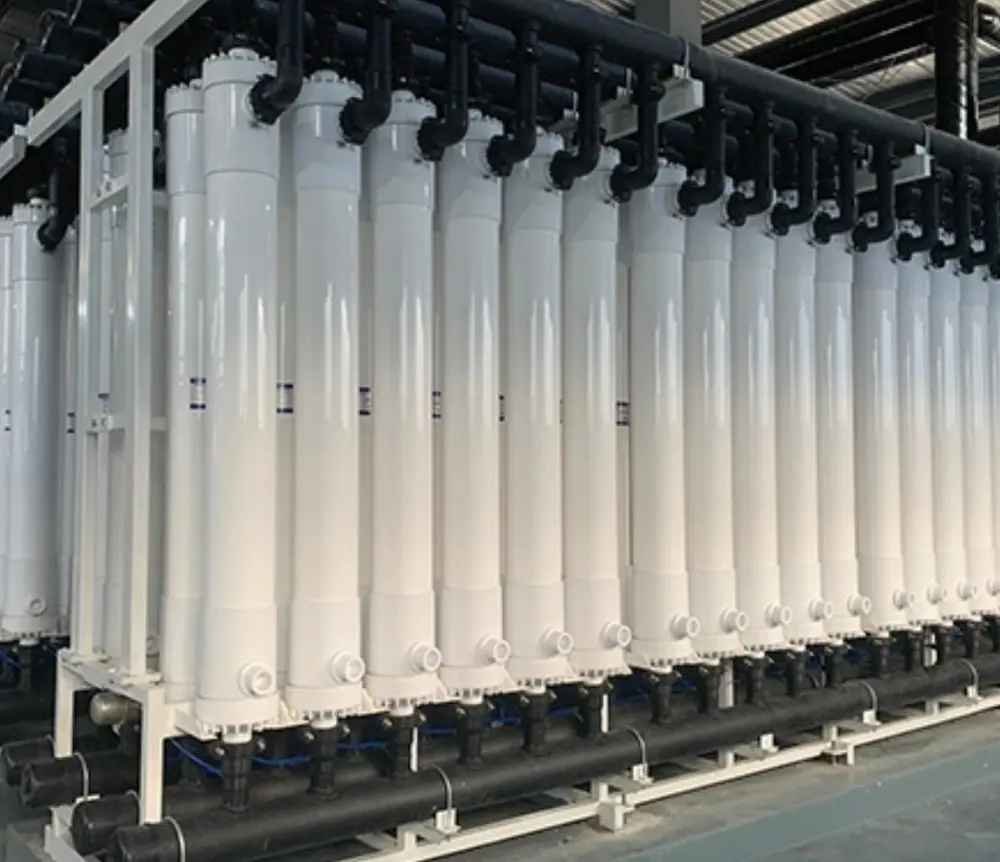
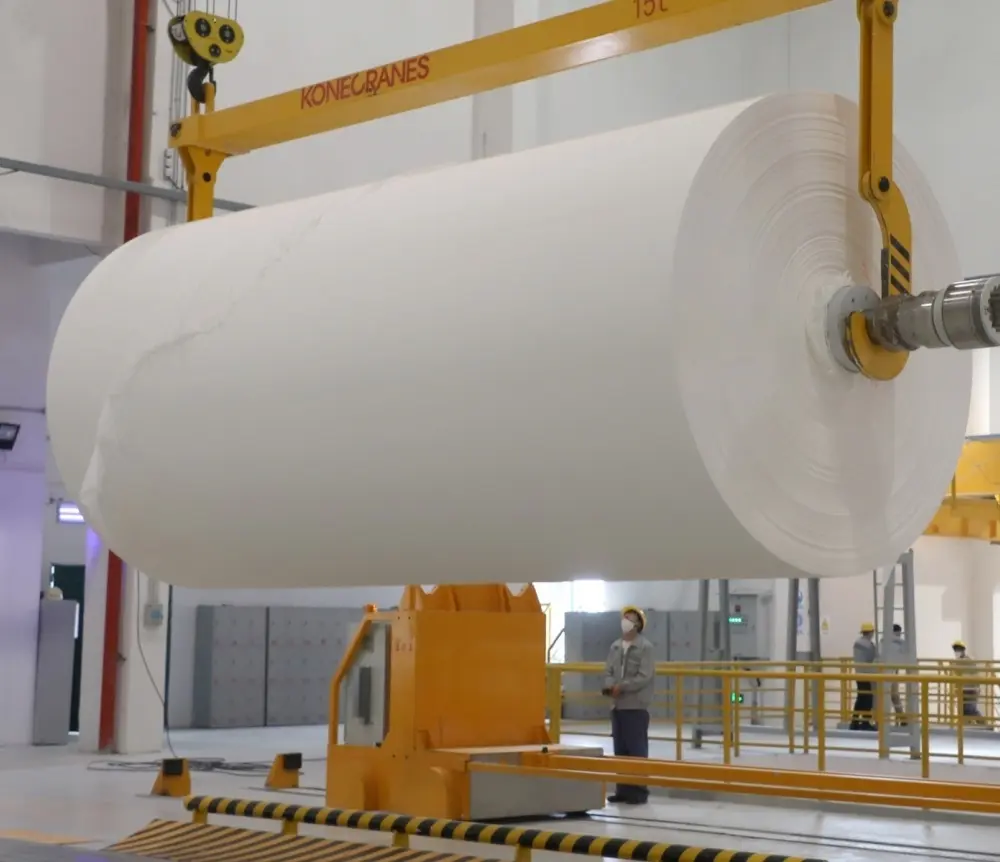
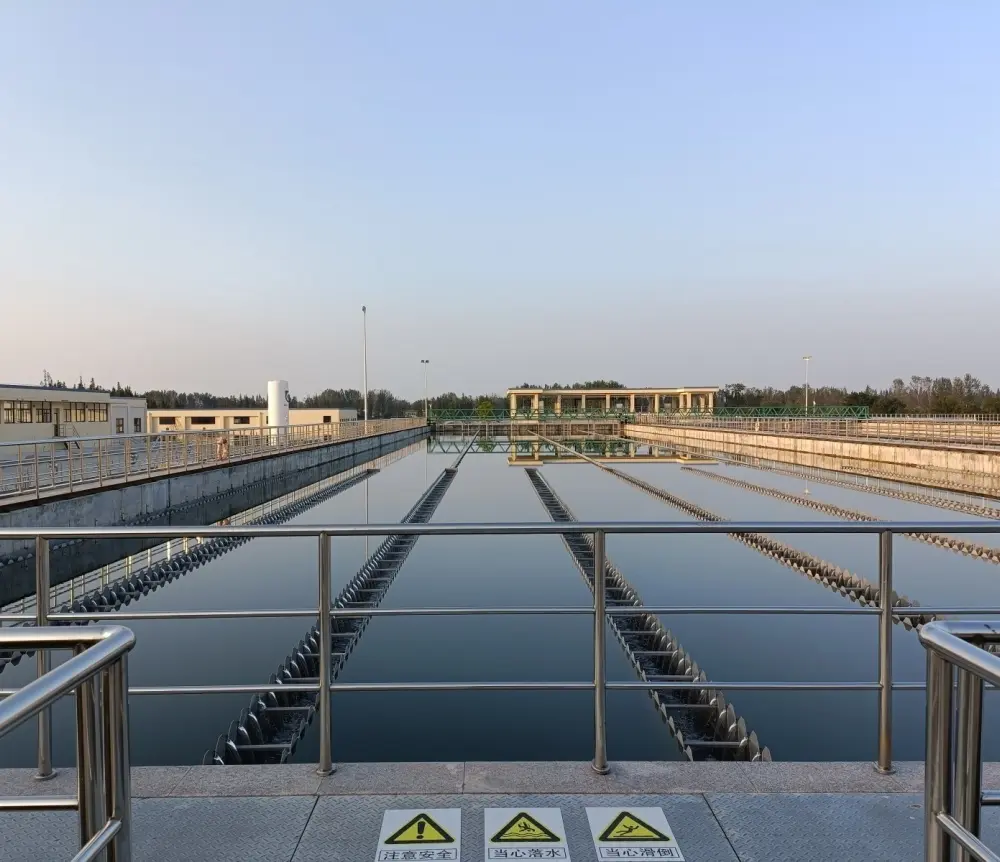
Our chemists can customize the active ingredient percentage and molecular weight based on your water samples.
Send Samples NowPartnering with global chemical distributors and industrial plants to deliver customized wastewater treatment solutions
Our experienced technical team offers comprehensive support, spanning from initial laboratory analysis of wastewater samples to on-site chemical dosing optimization at industrial plants.
With an annual sales volume exceeding 500,000 tons and an inventory of 20,000+ tons of finished product, we guarantee a stable supply chain, even during periods of high global demand.
Supported by smart manufacturing lines and strict quality control systems, we coordinate customs clearance, port transit, and documentation to deliver products directly to your warehouse.
We invest heavily in developing cost-effective, eco-friendly water treatment polymers that offer superior color removal and coagulation performance at lower dosing rates.
Since 2007, our products have been exported worldwide. We collaborate with international distributors to supply reliable water treatment chemicals to municipal and industrial customers.
Contact us today to request free product samples and secure a reliable chemical supplier for your operations.
Become a DistributorOur journey in becoming a leading manufacturer of advanced water treatment chemistry
Our factory was founded, focusing on the production of basic inorganic coagulants for domestic municipal water plants.
We rebranded as Wuxi Bisheng Water Treatment Agent Co., Ltd. and expanded our product range into organic cationic polymers, including WDAs and PolyDADMACs.
Initiated export operations, serving international distributors and industrial wastewater facilities across Southeast Asia and Africa.
Upgraded our production facilities, manufacturing the world's largest absorption chiller components to enhance energy efficiency across our plants.
Annual export sales exceeded $10 million, solidifying our position as a key global supplier of water treatment chemicals.
Established a dedicated Foreign Trade Department to enhance customer service, logistical support, and technical collaboration for our international clients.
Explore our complete catalog of industrial polymers, organic coagulants, and inorganic flocculants
The global water treatment industry is undergoing a significant transition, driven by environmental regulations and a focus on resource recovery. Industrial operations in South Africa are increasingly adopting Zero Liquid Discharge (ZLD) protocols, moving away from simple waste treatment to closed-loop water recycling. Rather than discharging treated effluent into waterways, factories recycle process water back into their production cycles.
This shift has changed the requirements for chemical agents. Modern treatment processes require high-performance, multi-functional polymers that leave minimal chemical residues. Traditional inorganic coagulants, when used in high doses, can increase salt levels in the water, which can damage reverse osmosis membranes. Using organic cationic decoloring agents helps lower total dissolved solids (TDS) and reduces the overall volume of chemical sludge generated, lowering disposal costs.
Additionally, the integration of automated, digital dosing systems is becoming standard practice. These systems monitor wastewater parameters like color, turbidity, and pH in real-time, adjusting chemical dosages dynamically. We are continually developing our polymeric agents to ensure they remain compatible with these automated dosing technologies, helping operators achieve reliable and efficient water treatment.
Technical answers to common questions about industrial water decoloring and polymer flocculants
Have questions about product applications, dosing rates, or volume pricing? Our engineering team is here to assist with technical calculations, product recommendations, and shipping logistics.
Request a Quote or Free Chemical Sample
 BS Water