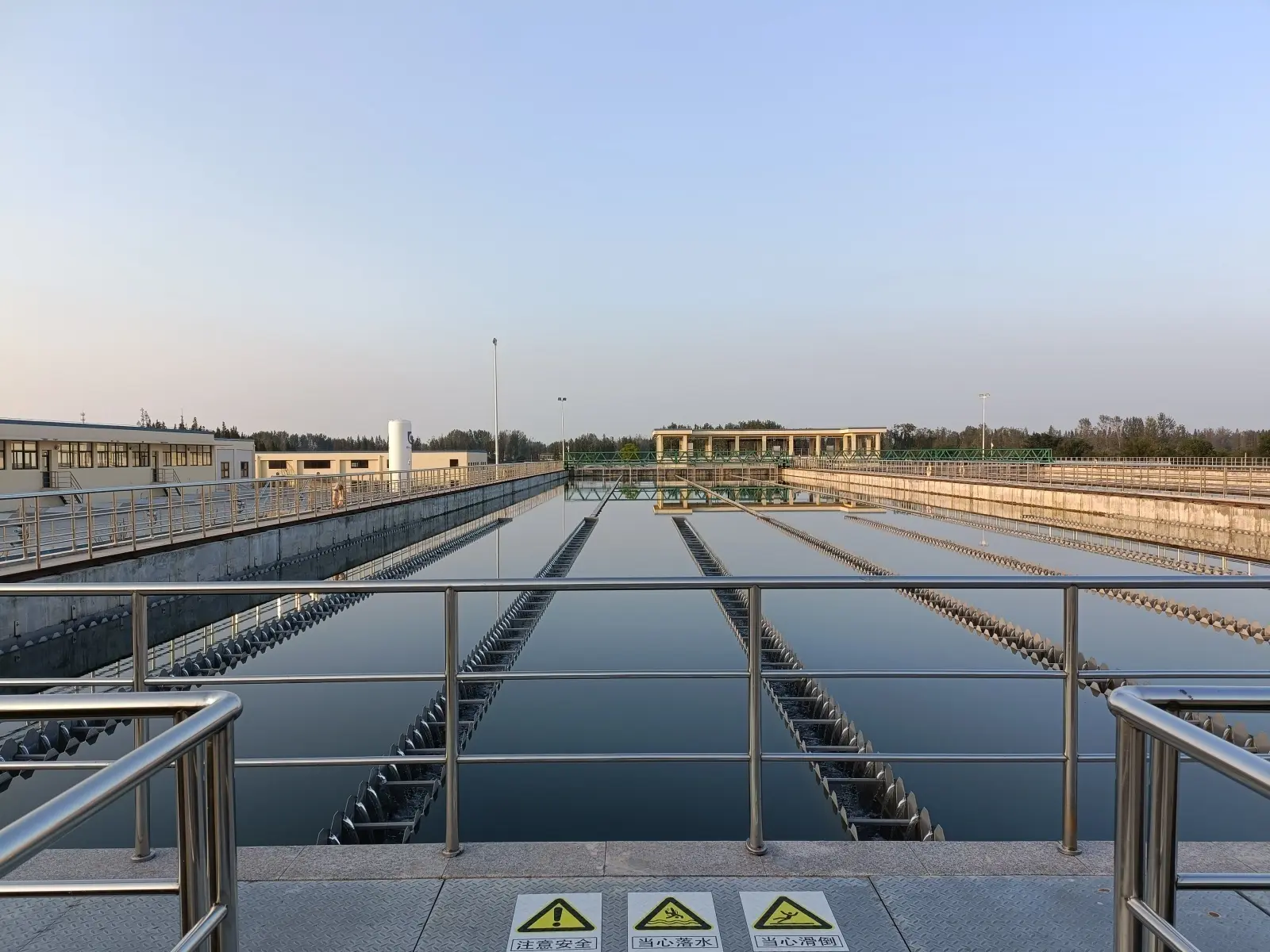
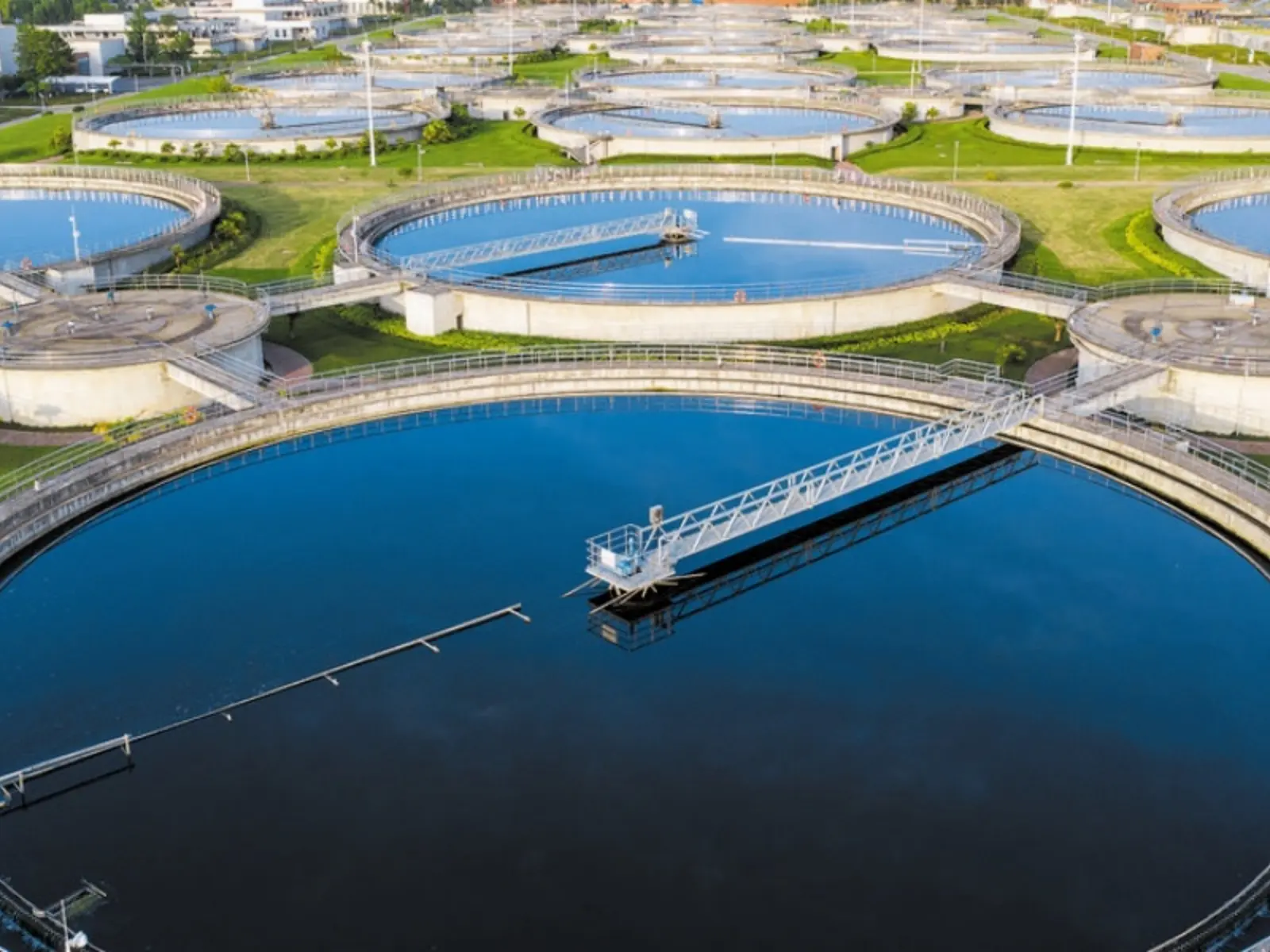
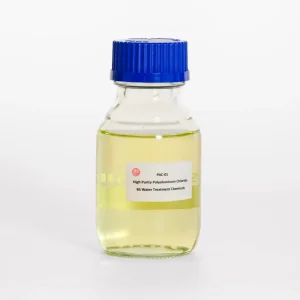
Advanced Treatment of Municipal Sewage
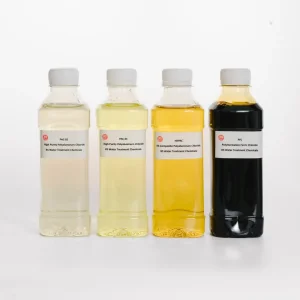
Decolorization and COD Reduction of Printing and Dyeing Wastewater
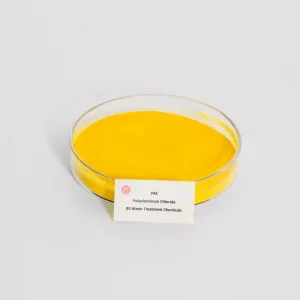
Removal of Heavy Metals from Electroplating Wastewater
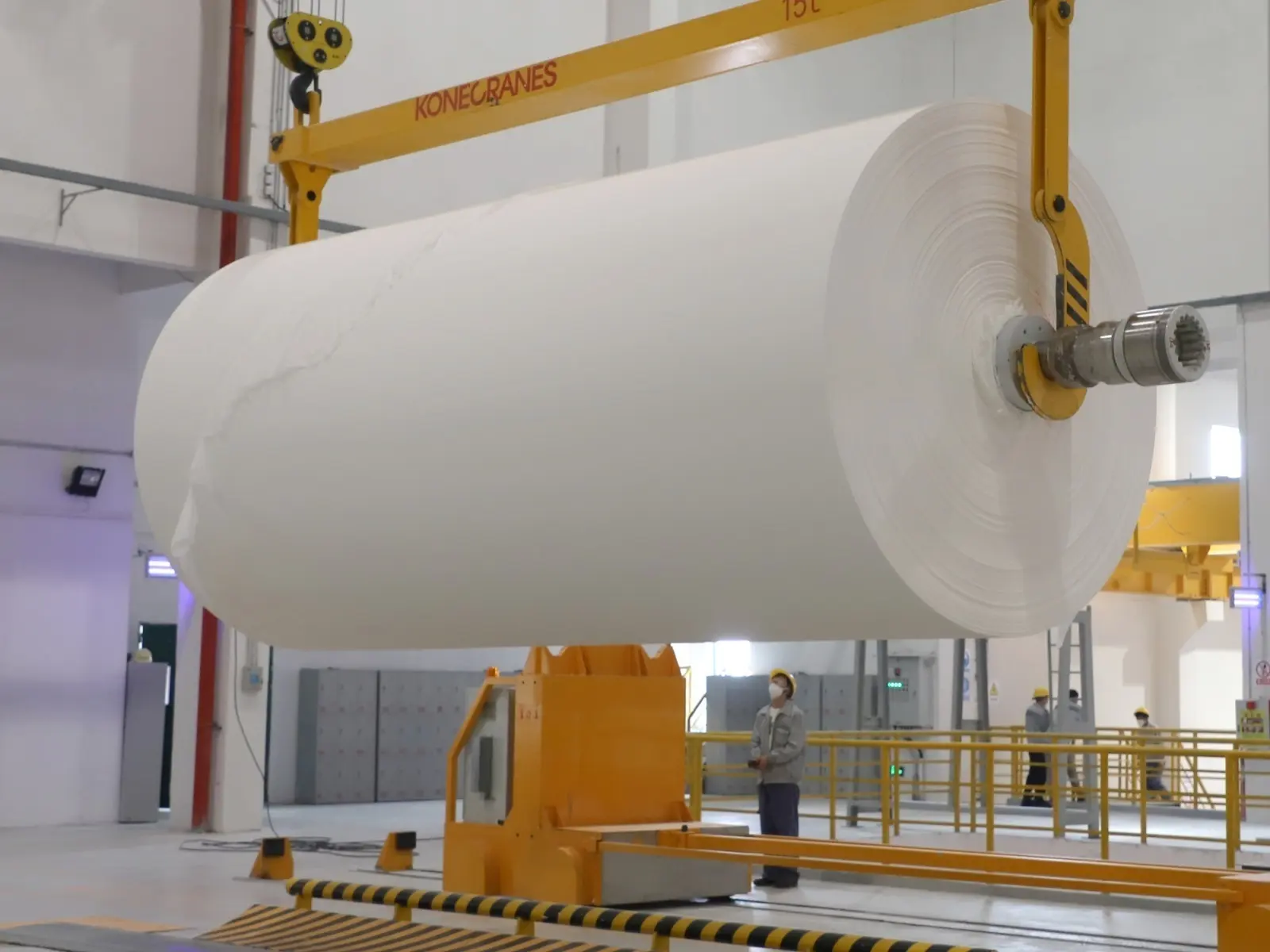
Recycling of Papermaking / Mining Wastewater
Frequently Asked Questions
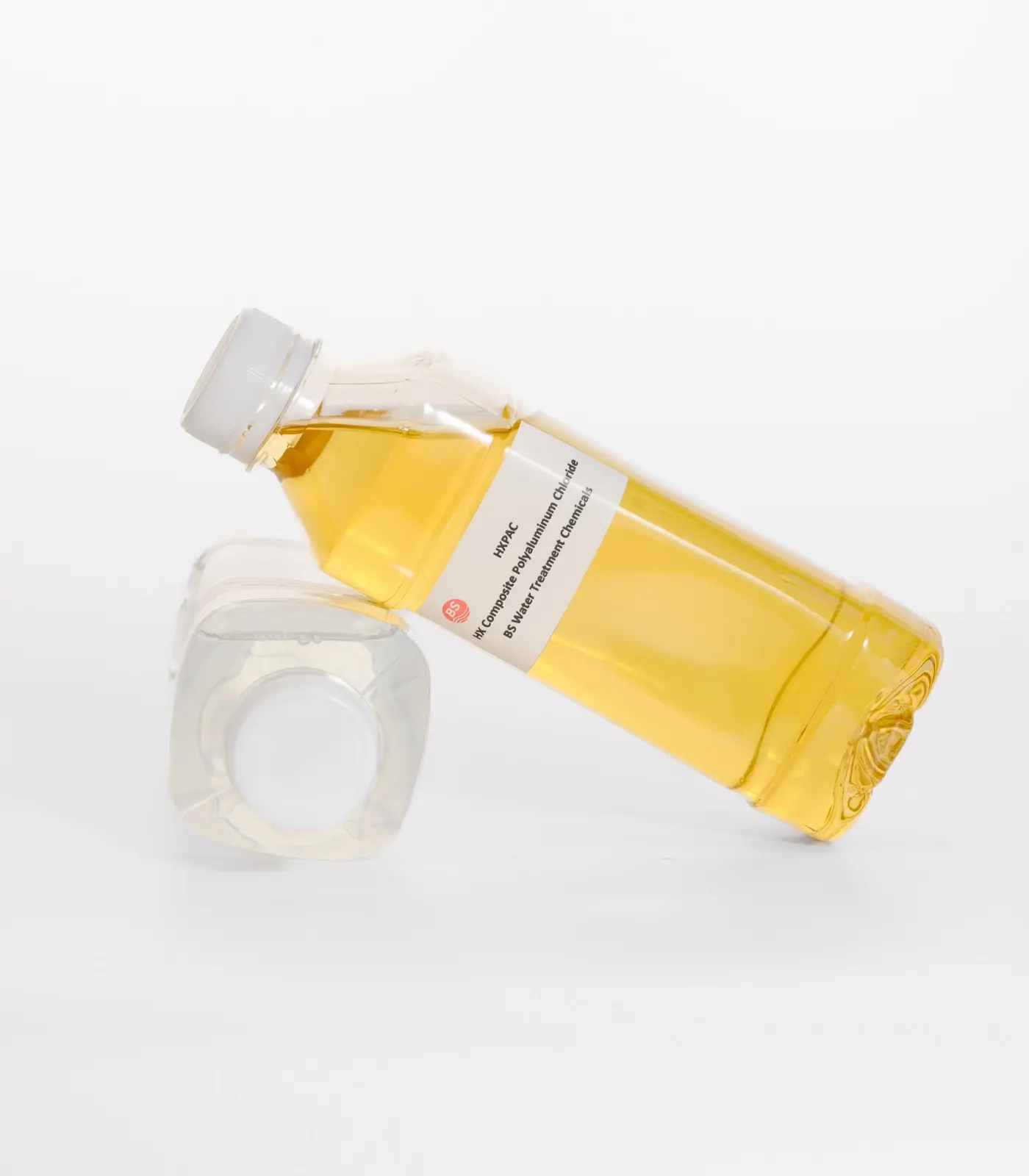
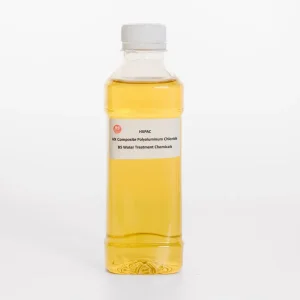
What is Compound Poly Aluminium Chloride (CPAC) and how does it differ from standard PAC?
CPAC is an enhanced coagulant formulated by combining standard Poly Aluminium Chloride (PAC) with additional components such as iron salts, activated carbon, diatomite, or polyacrylamide. Unlike single PAC, which works optimally in a pH range of 6–9, CPAC can be engineered to treat wastewater across a much broader pH range of 4–11, making it suitable for highly acidic or highly alkaline industrial effluents.
What types of wastewater is CPAC most effective for?
CPAC is highly effective for a wide range of industrial and municipal wastewater types, including high-turbidity wastewater (coal washing, mining), high-organic-load wastewater (printing and dyeing, food processing), heavy metal-containing wastewater (electroplating, chemical plants), papermaking black liquor, and municipal sewage requiring advanced treatment.
How does CPAC help reduce sludge production compared to single PAC?
Composite components such as diatomite in CPAC enhance the compactness and density of flocs formed during coagulation. This results in a sludge volume reduction of approximately 20%–30% compared to using single PAC alone, which significantly lowers the cost and effort required for subsequent pressure filtration and sludge disposal.
What should be checked before using CPAC in a wastewater treatment system?
Before applying CPAC, it is essential to conduct a comprehensive water quality analysis of the wastewater, including measurement of pH levels, COD (Chemical Oxygen Demand), and heavy metal concentrations. These data points are used to select and adjust the appropriate CPAC formula — for example, acidic wastewater may require a higher proportion of iron salts in the compound.
What are the correct storage conditions for CPAC products?
Liquid CPAC should be stored in sealed containers in a cool environment with a temperature not exceeding 30°C, and has a shelf life of 12 months. Solid CPAC should be stored in dry conditions with relative humidity not exceeding 60% to prevent moisture absorption and caking, which could affect its performance.
Can CPAC achieve high removal rates for heavy metals and COD simultaneously?
Yes. Through its modular compounding design, CPAC can be tailored to simultaneously address multiple contaminants. For heavy metal-containing wastewater, compounding with sodium sulfide and iron salts enables effective complexing and precipitation of metals such as Cr⁶⁺ and Cu²⁺. For high-organic wastewater, adding activated carbon and polyacrylamide can achieve a COD removal rate of 50% or higher in a single treatment step.
 BS Water