Water Decoloring Agent Manufacturer & Supplier in the Houston Market

Deep-Synthesis Polymeric Decolorants, Coagulants, and COD Reduction Agents Designed for the Rigorous Demands of Texas Petrochemical, Refining, and Industrial Water Treatment Systems

The Strategic Importance of Decolorization in Houston's Industrial Wastewater Ecosystem

The Greater Houston Area, anchored by the Houston Ship Channel, Harris County industrial centers, and the massive petrochemical complexes of Pasadena, Baytown, and Freeport, forms the backbone of the United States energy and chemical manufacturing sectors. However, this massive concentration of refining, organic chemical processing, pulp and paper packaging, and heavy manufacturing generates billions of gallons of highly complex wastewater daily. One of the most persistent and strictly monitored parameters in this wastewater is apparent and true color, along with its associated Chemical Oxygen Demand (COD) and Total Suspended Solids (TSS).

In municipal and industrial wastewater networks across Texas, color represents more than just an aesthetic issue. High color levels block sunlight penetration in aquatic environments, severely disrupting photosynthesis and depleting dissolved oxygen. Consequently, the Texas Commission on Environmental Quality (TCEQ), operating under federal Environmental Protection Agency (EPA) National Pollutant Discharge Elimination System (NPDES) guidelines, enforces strict limits on effluent discharge characteristics. For refining, pulp mills, and chemical processing facilities, failure to remove complex organic dyes, spent catalysts, lignins, and polymer intermediates can lead to substantial non-compliance fines, operational shutdowns, and severe reputational damage.

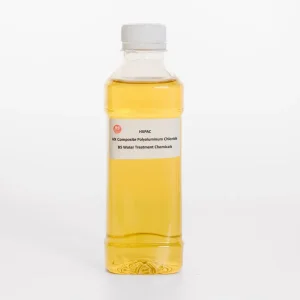
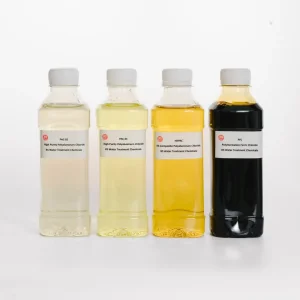
As a leading global manufacturer and direct-to-market supplier, Wuxi BS Water Treatment Chemicals Co., Ltd. offers highly specialized, high-charge cationic polymeric Water Decoloring Agents (WDA) engineered specifically to tackle these dense organic matrices. By optimizing wastewater treatment parameters in the Gulf Coast region, our solutions allow operators to meet discharge limits consistently while significantly reducing overall sludge volume and chemistry costs.

Key Gulf Coast Regulatory Driver: The TCEQ mandates that discharges from industrial wastewater facilities must not cause a visible color contrast with receiving waters. Additionally, colored compounds are often complex aromatic structures that contribute significantly to refractory COD. Our proprietary dicyandiamide-formaldehyde copolymer WDAs are designed to destabilize these exact structures, removing up to 99% of color while knocking down 40% to 70% of associated organic COD.

Scientific Principles: Chemistry of the Water Decoloring Agent (WDA)

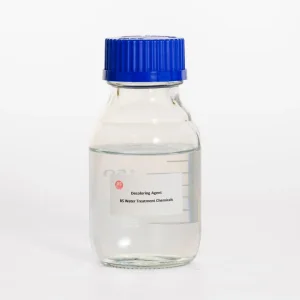
Water Decoloring Agents manufactured by Wuxi BS are specialized liquid cationic polymers, specifically dicyandiamide formaldehyde resins (CAS No. 55295-98-2). They function primarily through charge neutralization, adsorption, and bridging mechanisms. Most industrial colors—whether they arise from synthetic azo, acid, reactive, or disperse dyes, or naturally occurring humic and fulvic acids—carry a strong negative charge (anionic charge) in aqueous solution to remain soluble or dispersed.

Our formulation introduces a high density of quaternary ammonium cationic sites into the wastewater matrix. Here is the physical chemistry process of how our agent removes color:

  1. Electrostatic Neutralization: The positively charged quaternary nitrogen groups on the WDA polymer chain rapidly attract and bond with the negatively charged color-producing anions. This immediately neutralizes the repulsive forces that keep the dye molecules dispersed in water.
  2. Molecular Aggregation (Micro-flocculation): Once neutralized, the hydrophobic backbones of the dye molecules and the cationic polymer aggregate to form micro-flocs.
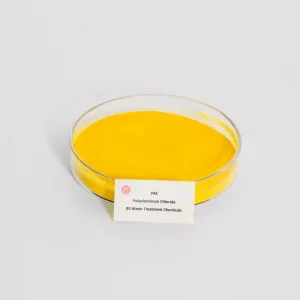
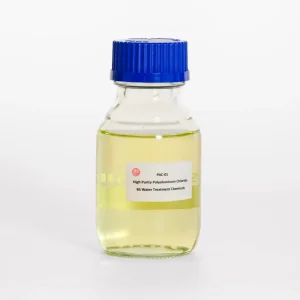
  3. Polymer Bridging and Flocculation: The high molecular weight of the BS-WDA polymer allows it to act as a bridging agent, gathering the micro-flocs into larger, heavy macro-flocs. When combined with inorganic coagulants such as Poly Aluminium Chloride (PAC) and anionic/cationic polymers like Polyacrylamide (PAM), these flocs rapidly settle out of suspension, leaving a crystal-clear supernatant.

Because the complex organic rings of dyes are trapped inside these insoluble polymeric matrices, they are physically removed from the water stream rather than chemically oxidized, avoiding the generation of toxic chemical intermediates or carcinogenic amines that frequently result from chlorine- or ozone-based bleaching methods.

Comparative Performance: WDA vs. Traditional Treatment Methods

Traditional color removal relies heavily on active carbon adsorption or powerful chemical oxidation (Fenton’s reagent, sodium hypochlorite, ozone). While active carbon is highly effective, its regeneration and replacement costs are economically prohibitive for high-flow industrial installations. Chemical oxidation, on the other hand, requires massive chemical dosages, precise pH adjustments, and often increases dissolved solids (TDS) or introduces chlorinated organic byproducts (AOX) into the effluent.

Wuxi BS Water Decoloring Agents present a cleaner, more sustainable alternative. Operating across a broad pH range (normally 6.0 to 9.0), our polymers require minimal adjustment of the chemical feed. By forming a dense, fast-settling sludge, they require smaller clarifier footprints, lower energy consumption during dewatering, and do not corrode sensitive concrete or metallic piping systems within the treatment plant.

Industrial Wastewater Treatment Plant

Wuxi BS Water Treatment Chemicals: 27 Years of Enterprise Strength

Founded in 1998, Wuxi BS Water Treatment Chemicals Co., Ltd. (originally established as Wuxi Bisheng Water Treatment Agent Co., Ltd.) has evolved over nearly three decades into an internationally recognized technology leader in water purification. With a deep commitment to quality control and raw material synthesis, we specialize in high-capacity manufacturing of coagulants, flocculants, and specialized color-removal resins.

Our industrial production capabilities are globally competitive:

  • Annual Sales & Production Volume: Exceeds 500,000 tons, ensuring that we can comfortably fulfill bulk municipal and industrial contracts without delay.
  • Storage Capabilities: A finished product warehouse of over 20,000 tons allows for immediate supply buffers and rapid shipment schedules to global logistics hubs.
  • Global Logistics & Export Footprint: Since 2007, our products have been exported to Europe, Southeast Asia, South America, and North America. Wuxi BS has successfully built stable shipping channels to the Port of Houston, serving large-scale Texas distributors, chemical blenders, and industrial end-users.
  • Comprehensive Certifications: Our production lines operate under strict ISO 9001:2015 Quality Management and ISO 14001:2015 Environmental Management standards. Every batch of Water Decoloring Agent is subjected to rigorous testing, including molecular weight distribution analysis, active content verification, and performance jar-testing.
27+
Years of R&D Experience
500k+
Tons Annual Production
20k+
Tons Storage Capacity
1,000+
Global Enterprises Served

Wastewater Challenges in the Houston Metropolitan Area

Industrial operations throughout the Gulf Coast face specific, localized water treatment challenges that require specialized solutions. Standard off-the-shelf decolorizing products often perform poorly when exposed to the high ionic strength, complex salinity, and elevated temperatures characteristic of Texas industrial effluents. Below are the key sectors where Wuxi BS Water Decoloring Agents provide high information gain and engineering superiority:

1. Petrochemical and Refining Effluents

Houston is home to one of the largest concentrations of petrochemical refineries in the world. Refinery wastewater contains complex emulsified oils, sulfonated compounds, polycyclic aromatic hydrocarbons (PAHs), and dissolved organic chemicals that impart a dark, tea-colored appearance. This color is highly resistant to traditional biological treatment. Wuxi BS WDAs, utilized as primary coagulant aids in the API separator effluent or DAF (Dissolved Air Flotation) systems, destabilize these oil-water emulsions and colored compounds, preventing downstream fouling of biological reactors and carbon filters.

2. Pulp, Paper, and Packaging Plants

With several large-scale pulp, paper, and containerboard packaging facilities operating along the Texas Gulf Coast, color removal is a continuous regulatory hurdle. Pulping operations release massive quantities of high-molecular-weight lignins, tannins, and chlorinated organic compounds that color wastewater deep brown or black. Wuxi BS WDAs excel at binding with these complex lignin molecules, precipitating them out in the primary clarifiers before they can impact secondary activated sludge systems.

3. Commercial Textile and Dyeing Facilities

Textile mills, commercial laundries, and industrial printing houses discharge complex dye baths containing reactive, acid, disperse, and direct dyes. Because of their highly conjugated molecular rings, these dyes are deliberately designed to resist light degradation and biological oxidation. Wuxi BS WDAs were originally formulated to resolve this exact dyeing effluent challenge, offering complete color removal at extremely low dosing rates (typically 50-200 ppm, depending on dye concentration).

4. Membrane Pre-treatment (RO & Ultrafiltration)

As water reuse initiatives expand in water-scarce Texas, more industrial plants are deploying advanced membrane separation systems, such as reverse osmosis (RO) and ultrafiltration (UF), to recycle wastewater. However, dissolved organic color molecules are prime contributors to rapid membrane fouling. Adding Wuxi BS WDAs ahead of pre-treatment clarifiers or multimedia filters precipitates these organic molecules, keeping the downstream membrane elements clean, prolonging membrane life, and significantly reducing clean-in-place (CIP) frequencies.

Technological Features & Advantages of BS-WDA Polymers

Engineered at Wuxi BS laboratories to deliver optimized physical and chemical metrics for advanced clarifying operations.

High Active Content

Unlike diluted commercial solutions, our products feature concentrated active ingredients (typically 50% minimum solids), reducing freight costs and minimizing dosing volumes per gallon treated.

Broad pH Adaptability

Performs exceptionally well across a wide pH range of 5.0 to 10.0, eliminating the need for expensive acid or caustic pre-treatment systems in your chemical feed design.

Optimal Viscosity

Viscosity is controlled between 50-250 mPa.s (at 20°C) to guarantee rapid dissolution and uniform mixing within high-flow flash mixers and flocculator tanks.

Synergistic Dosing

Works in perfect synergy with inorganic coagulants like PAC and high-molecular weight flocculants (PAM) to produce large, fast-settling flocs with high shear resistance.

Eco-Friendly & Safe

Free from heavy metals, formaldehyde emissions during application, and secondary chlorine compounds. The resulting sludge is highly stable and suitable for standard landfill disposal.

Custom Formulations

We synthesize specific molecular weights and charge densities in Wuxi BS laboratories to resolve unique wastewater profiles submitted by our customers.

Global Enterprise Sourcing: China Manufacturing Advantages & Houston Logistics

For chemical distributors, water treatment service companies, and major industrial end-users across Texas, sourcing directly from a top-tier Chinese manufacturer like Wuxi BS offers substantial competitive advantages. The most significant benefit is the combination of **cost efficiency, production scalability, and continuous chemical supply resilience**.

1. Direct Factory Economics and Pricing Stability

Purchasing directly from the manufacturer eliminates local trading markups and distributor inflation. Because Wuxi BS operates highly integrated, automated production facilities, we purchase raw materials (such as dicyandiamide and formaldehyde) in massive bulk quantities. This keeps our production costs low and allows us to provide highly competitive FOB and CIF prices to our Houston customers, protecting operational margins in volatile economic climates.

2. Uncompromised Quality Assurance and Batch Traceability

Every single drum, IBC tote, or flexitank that leaves our facility in Wuxi is marked with a unique batch number linked to its laboratory quality certificate. We maintain physical samples of every batch for a minimum of two years. This guarantees that if our Texas customers encounter unexpected water fluctuations, our technical team can review the exact chemical profile of the shipped batch to assist with optimization.

3. Streamlined Port-to-Port Shipping Logistics

Wuxi BS has established strategic partnerships with major global ocean shipping lines. We regularly ship FCL (Full Container Load) cargo from the Port of Shanghai directly to the **Port of Houston** via both the Panama and Suez Canal routes, ensuring a steady flow of inventory. Common packaging options include:
IBC Totes: 1000 kg net weight, heavy-duty composite containers for easy forklift handling.
Plastic Drums: 250 kg net weight, high-density polyethylene (HDPE) drums suitable for smaller dosing setups.
Flexitanks: 23,000 kg capacity for bulk storage tank refills at distributor blending yards.

4. OEM & ODM Custom Polymer Synthesis

Different industrial processes yield different wastewater profiles. For example, a petrochemical facility in Baytown may have highly saline water that weakens standard cationic polymers, while a paper mill in East Texas may struggle with high-molecular-weight lignins. The R&D division of Wuxi BS can synthesize customized polymers with adjusted cationic charge density and molecular weights to suit these specific conditions. Customers can ship wastewater samples directly to Wuxi BS for comprehensive jar testing and formulation optimization.

Technical Q&A: Decolorization Best Practices

Find answers to key technical questions from our senior chemists and application engineers.

Q1: What is the recommended dosing range for Wuxi BS Water Decoloring Agent (WDA)?
The standard dosage typically ranges from 50 to 250 ppm (mg/L of wastewater) depending on the color intensity, chemical composition of the dye, and the pH of the wastewater. For highly concentrated textile dye baths, the dosage can be slightly higher. We always recommend performing a standard jar test series (starting at 50, 100, 150, 200, and 250 ppm) to determine the exact optimum point before setting up full-scale dosing pumps.
Q2: How does pH affect the color removal efficiency of the WDA polymer?
Our dicyandiamide-formaldehyde copolymer functions effectively within a broad pH range of 5.0 to 10.0. However, for most industrial effluents (such as reactive dyes or petrochemical color compounds), the absolute optimum pH is between 7.0 and 8.5. If the pH is too low (below 5.0), the protonation of the polymer and dye molecules changes, which can decrease neutralization efficiency. If pH is too high (above 10.5), it can cause premature hydrolysis of the polymer chains.
Q3: Can the Water Decoloring Agent be used in combination with Poly Aluminium Chloride (PAC)?
Yes, highly recommended. Combining WDA with inorganic coagulants like PAC is an industry best practice. Adding PAC helps to form initial micro-flocs and reduces the overall dosage requirements of the WDA polymer, resulting in substantial chemical cost savings. For optimal results, dose the WDA first, mix thoroughly, then dose the PAC solution. Follow with anionic Polyacrylamide (APAM) for final floc consolidation.
Q4: Will Wuxi BS WDA affect the Chemical Oxygen Demand (COD) of treated water?
Yes. The organic color compounds present in industrial wastewater represent a substantial portion of the total COD. By precipitating and filtering out these large organic dye rings and polymer complexes, our Decoloring Agent routinely reduces the overall COD of the effluent by 40% to 70%.
Q5: What is the shelf life of Wuxi BS Water Decoloring Agent liquid?
The liquid polymer has an stable shelf life of 12 months when stored in its original, unopened packaging at room temperature (between 5°C and 30°C). Keep the product out of direct sunlight and protect it from freezing temperatures, which can cause phase separation of the polymer emulsion.
Q6: How long does it take for shipping from China to the Port of Houston?
Ocean freight from the Port of Shanghai to the Port of Houston typically takes between 28 to 35 days under standard shipping conditions. Taking into account production schedules, packaging, export clearance, and ocean transit, we recommend placing bulk purchase orders approximately 50 to 60 days ahead of your required inventory date.
Q7: Is the sludge generated by WDA hazardous or difficult to dewater?
No, the sludge produced by our dicyandiamide-formaldehyde resins is highly stable, non-hazardous, and has excellent dewatering characteristics. Because the polymer doesn't retain large amounts of water in its molecular structure, the resulting filter cakes are drier and more compact than those produced by traditional iron or aluminum salt coagulation alone, which lowers sludge disposal costs.

Work with Wuxi BS Water Treatment

Talk to our application engineers today. We supply high-volume industrial projects and municipal wastewater contracts across Texas and the wider Gulf Coast region.