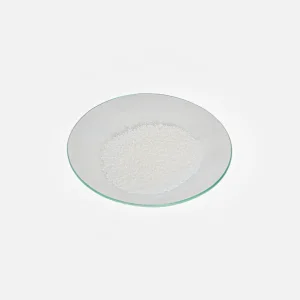
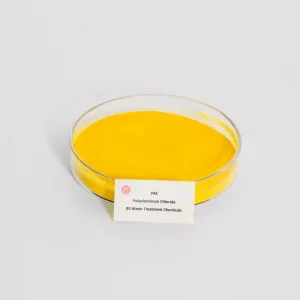
Water Decoloring Agent Manufacturers & Supplier in the Australia Market

High-efficiency cationic polymeric formulations optimized for municipal sewage, mining effluents, and textile wastewater treatment across Australia.

Send Inquiry Now

Innovative Water Treatment Agents & Coagulants

Direct industrial-grade supplies targeting high-clarity water recycling operations under EPA Victoria, NSW EPA, and DES Queensland regulations.
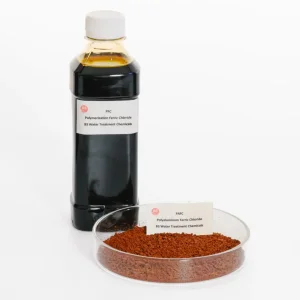
PAFC Water Treatment Solutions

Polymeric Aluminium Ferric Chloride (PAFC) for Australian Industrial Water Clarification

View Technical Specs
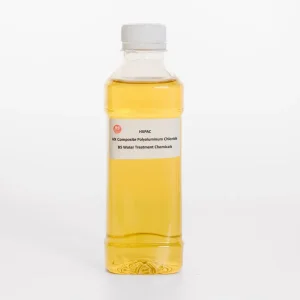
Composite Polyaluminum Chloride (CPAC)

Composite Polyaluminum Chloride (CPAC) Advanced Industrial Coagulants for Australia

View Technical Specs
Cationic Polyacrylamide (CPAM)

High-Efficiency Cationic Polyacrylamide (CPAM) for Australian Mine Tailings

View Technical Specs
Poly Aluminium Chloride (PAC) Powder

Premium Solid Poly Aluminium Chloride (PAC) Powder & Granules for Australian Market

View Technical Specs

Industrial & Commercial Water Challenges in Australia

Australia is the driest inhabited continent on Earth, making sustainable wastewater reuse and recycling programs critical to the operation of local businesses. Industrial operations throughout New South Wales, Queensland, Victoria, and Western Australia are forced to operate under stringent environmental discharge frameworks. The demand for efficient water decoloring agents (WDAs) has escalated as conventional biological treatments struggle with complex, non-biodegradable synthetic dyes, tannins, and refractory organic pigments.

Key Legislative Driver: Under National Environment Protection Measures (NEPM) and individual state Environmental Protection Acts (such as the Victorian OHS and EPA guidelines), direct discharge of colored wastewater into natural streams or municipal sewer systems is heavily regulated. The presence of residual color not only degrades aesthetic values but blocks sunlight penetration, severely disrupting aquatic ecosystems.

Localized Industrial Application Profiles

In the Australian industrial landscape, water decoloring chemistry finds distinct localized application fields:

  • Textile & Dyeing Effluents (VIC & NSW): Dye houses located in metropolitan fringe areas process natural and synthetic fibers, resulting in complex mixtures of reactive, acid, and disperse dyes. Cationic polymeric decoloring agents neutralize negative surface charges on these dyes, destabilizing and precipitating them out of suspension.
  • Pulp & Paper Mills (TAS & Regional NSW): Tannins and lignin compounds yield highly stable brown-colored wastewater. Combining organic polymeric decoloring agents with inorganic coagulants like PAC yields rapid floc formation and superior color stripping.
  • Mining Sludge & Tailings Recovery (WA & QLD): The extraction of iron ore, gold, and bauxite generates heavily colored slurry containing fine suspended clays. WDAs accelerate solids separation, promoting circular water return loops.
  • Municipal Wastewater Reuse & Desalination: High-clarity pre-filtration is vital to protect delicate Reverse Osmosis (RO) membranes. WDAs reduce colloidal fouling, extending the lifecycle of premium filtration infrastructure.

Water Decoloring Chemistry: The Technical Roadmap

Wuxi BS's Water Decoloring Agent is a highly efficient dicyandiamide formaldehyde condensation polymer. Featuring a strong cationic charge density, it delivers dual performance: direct charge neutralization of soluble anionic dye molecules and rapid bridging flocculation. By precipitating dissolved colored impurities into dense flocs, it enables swift mechanical dewatering and sedimentation.

Mechanism of Color Neutralization

Most synthetic industrial dyes are highly soluble anionic organic compounds containing sulfonic acid groups. The introduction of WDA initiates high-affinity electrostatic attraction between its positively charged quaternary ammonium groups and the anionic dye molecules. This action disrupts the hydrophilicity of the dye, converting dissolved chromophore chains into insoluble colloidal micro-flocs.

Our formulation is designed to minimize chemical sludge volumes, resolving a major issue associated with traditional inorganic metal coagulants (e.g., Alum or Ferrous Sulfate), which generate large amounts of hazardous metallic sludge requiring costly landfill disposal in Australia.

Product Specification Metric Standard Rating / Value
Active Ingredient Content ≥ 50% (Standard and High Concentration grades)
Appearance Clear to light yellow viscous liquid
Viscosity (at 25°C) 50 – 300 mPa.s
pH Value (10% water solution) 3.0 – 6.0
Operating pH Range 6.0 – 10.0 (Optimal performance at 7.0-8.0)

Optimization Blueprint: Synergistic Dosing Pathways

To maximize cost-efficiencies in high-flow Australian treatment plants, Wuxi BS recommends a dual-chemical conditioning path. Introducing a small quantity of Polyaluminium Chloride (PAC) initially establishes micro-flocs. The subsequent injection of WDA rapidly binds these micro-flocs, with Cationic Polyacrylamide (CPAM) final dosing producing dense, shear-resistant flocs that optimize filter press run times.

27 Years of Manufacturing Innovation

Founded in 1998, Wuxi BS Water Treatment Chemicals Co., Ltd. is a leading global developer of polymer coagulants. Headquartered near the industrial ports of Jiangsu, China, we operate state-of-the-art chemical synthesis facilities, producing eco-friendly chemical agents designed to solve complex wastewater challenges globally.

Our annual production capacity exceeds 500,000 tons, backed by a persistent commitment to research and development. From mining water treatment in Western Australia to textile mills in Victoria, our products deliver consistent quality and high performance.

27+
Years Industry Experience
500k+
Annual Tons Capacity
20k+
Tons Ready Stock
1000+
Global Enterprises Served

Supply Chain Security & Localized Australian Compliance

In B2B industrial procurement, supply chain reliability is just as critical as chemical efficacy. Wuxi BS mitigates supply risks for Australian distributors, environmental engineers, and water utilities through strategic shipping pathways and strict compliance verification.

Stable Capacity & Supply

With a finished product warehouse holding over 20,000 tons, we insulate partners from shipping shocks, maintaining consistent supply volumes during peak industrial seasons.

AICIS & GHS-7 Alignment

Our chemicals align with the Australian Industrial Chemicals Introduction Scheme (AICIS). We supply full GHS-7 compliant Safety Data Sheets (SDS) and technical documents for seamless customs clearance.

Custom Formulations (OEM/ODM)

We tailor polymer charge densities, solid contents, and molecular weights to suit specific municipal and industrial wastewater characteristics in Australia.

Wuxi BS Timeline: Decades of Strategic Development

A history of technological advancements and expanding global reach.

1998

Established high-polymer synthesis production lines focused on municipal clarifiers.

2005

Renamed Wuxi Bisheng Water Treatment Agent Co., Ltd., upgrading to smart reactor vessels.

2007

Initiated global export channels, supplying distributors across Oceania, North America, and Europe.

2021

Annual sales volume exceeded 10 million USD, driven by growing demand for eco-friendly flocculants.

2025 & Beyond

Developing biodegradable decoloring polymers and automated, smart dosing equipment.

Water Decoloring Agents in Australia: FAQ & Sourcing Guide

In-depth insights into the application, optimization, and procurement of water decoloring chemistries.

1. What is the optimal pH range for Water Decoloring Agents in industrial effluents?
Our dicyandiamide formaldehyde condensation polymer operates across a pH range of 6.0 to 10.0. However, optimal color removal efficiency typically occurs between pH 7.0 and 8.0. For highly acidic textile wastewater, adjusting the pH with sodium hydroxide prior to chemical dosing helps ensure maximum color stripping and reduces chemical consumption.
2. How does using organic WDAs compare to traditional coagulants like Alum or Ferric Sulfate?
Traditional inorganic coagulants generate large volumes of metal-rich sludge, which is expensive to dispose of under Australian waste regulations. In contrast, Wuxi BS's organic cationic polymer coagulates color compounds through charge neutralization and micro-bridging. This produces compact, dense flocs and results in up to 40% lower sludge volume, helping to reduce overall disposal costs.
3. Can Wuxi BS formulate Water Decoloring Agents to meet specific compliance standards in Australia?
Yes. We supply formulations aligned with the Australian Industrial Chemicals Introduction Scheme (AICIS). We also ensure our products are PFAS-free and provide GHS-7 compliant Safety Data Sheets (SDS). Additionally, we can customize parameters such as active ingredient content (from 50% to high-concentration grades) to meet the requirements of local environmental frameworks.
4. What is the standard packaging and lead time for shipments to Australian ports?
Standard packaging options include 30kg plastic drums, 250kg tight-head drums, and 1250kg IBC containers. Shipments from our factory to major ports such as Sydney, Melbourne, Brisbane, and Fremantle typically take 15 to 25 days, supported by our nearby port access in Jiangsu.
5. Is it necessary to combine WDAs with Polyacrylamide (PAM)?
While the decoloring agent can operate independently to neutralize and precipitate dye molecules, combining it with an anionic or cationic polyacrylamide (PAM) as a flocculant aid is highly recommended for high-flow or heavily loaded wastewater systems. This combination accelerates settling times and improves sludge dewaterability in filter presses.

Full Product Line & Packaging Options

Our complete range of water treatment chemistries available for direct factory-direct bulk procurement.
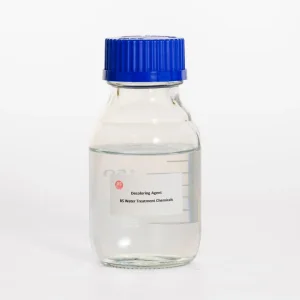
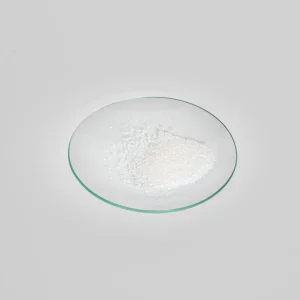
Water decoloring agent

High Efficient Water Decoloring Agent (WDA) for Australian Industrial Wastewater

View Product Details
PAFC Water Treatment

Advanced PAFC Solutions for Australian Mining Effluents and Tailings Water

View Product Details
Composite Polyaluminum Chloride

Composite Polyaluminum Chloride (CPAC) Water Treatment Agent for Australian Utilities

View Product Details
Wholesale PAFC

Bulk Polymeric Aluminium Ferric Chloride (PAFC) Factory Supply for Exporters

View Product Details
High Quality PAC

High-Quality PAC Solid Granules for Australian Municipal Water Treatment

View Product Details
Advanced PAC

Advanced CPAC for Multifunctional Industrial Water Clarification Systems

View Product Details
Anionic Polyacrylamide

Anionic Polyacrylamide (APAM) Flocculant for Australian Coal and Minerals Industry

View Product Details
PAC Granules

PAC Granules with Uniform Particle Size for Australian Process Water Applications

View Product Details

Get in Touch with Our Technical Engineers

Have questions about compatibility, chemical dosing rates, or compliance standards? Contact us today. Our technical support team provides water quality analysis, product dosage optimization, and customized chemical formulations to meet your project specifications.