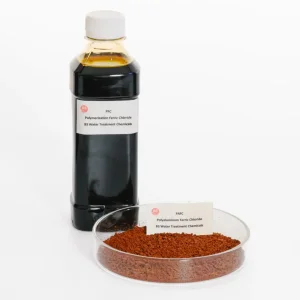
 BS Water
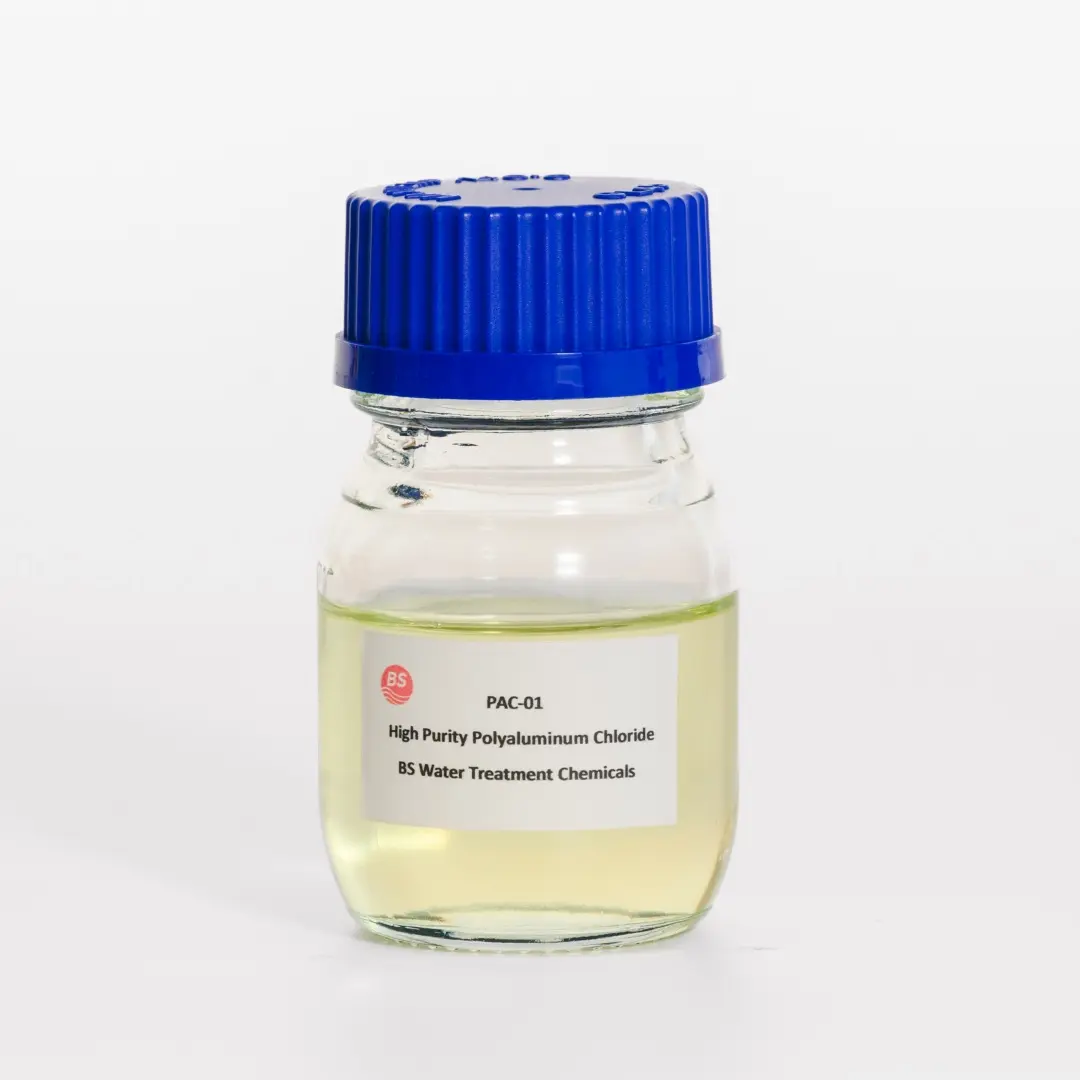
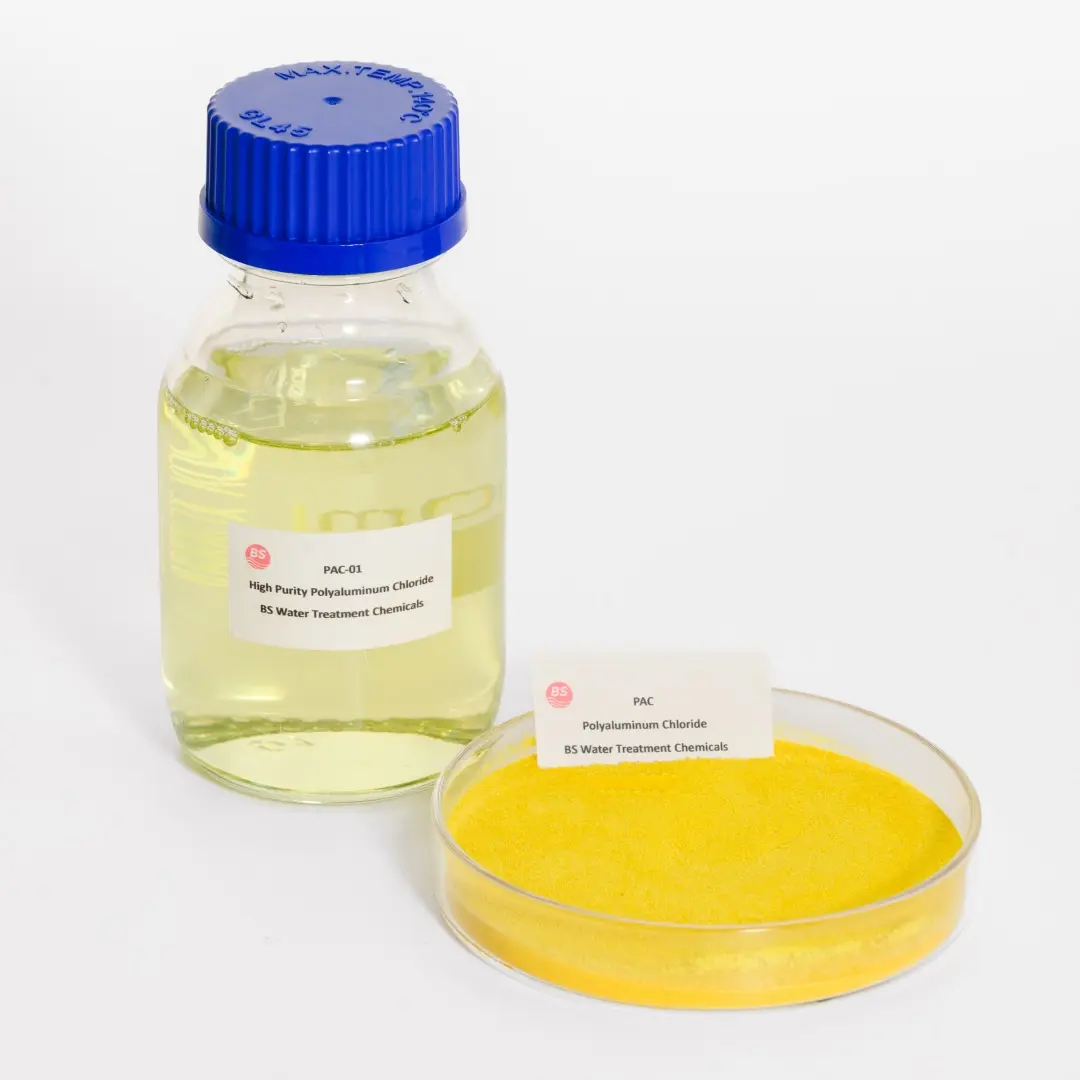
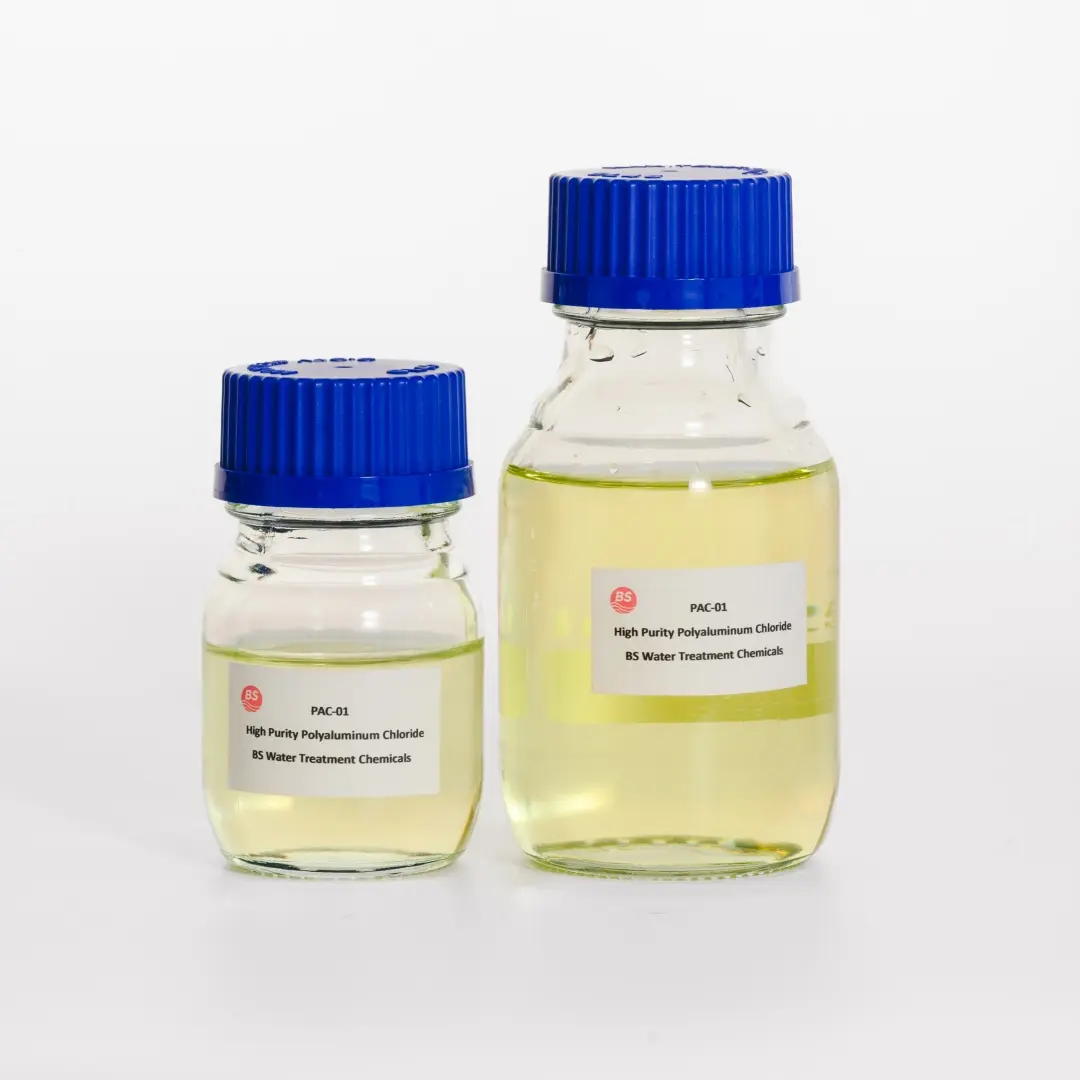
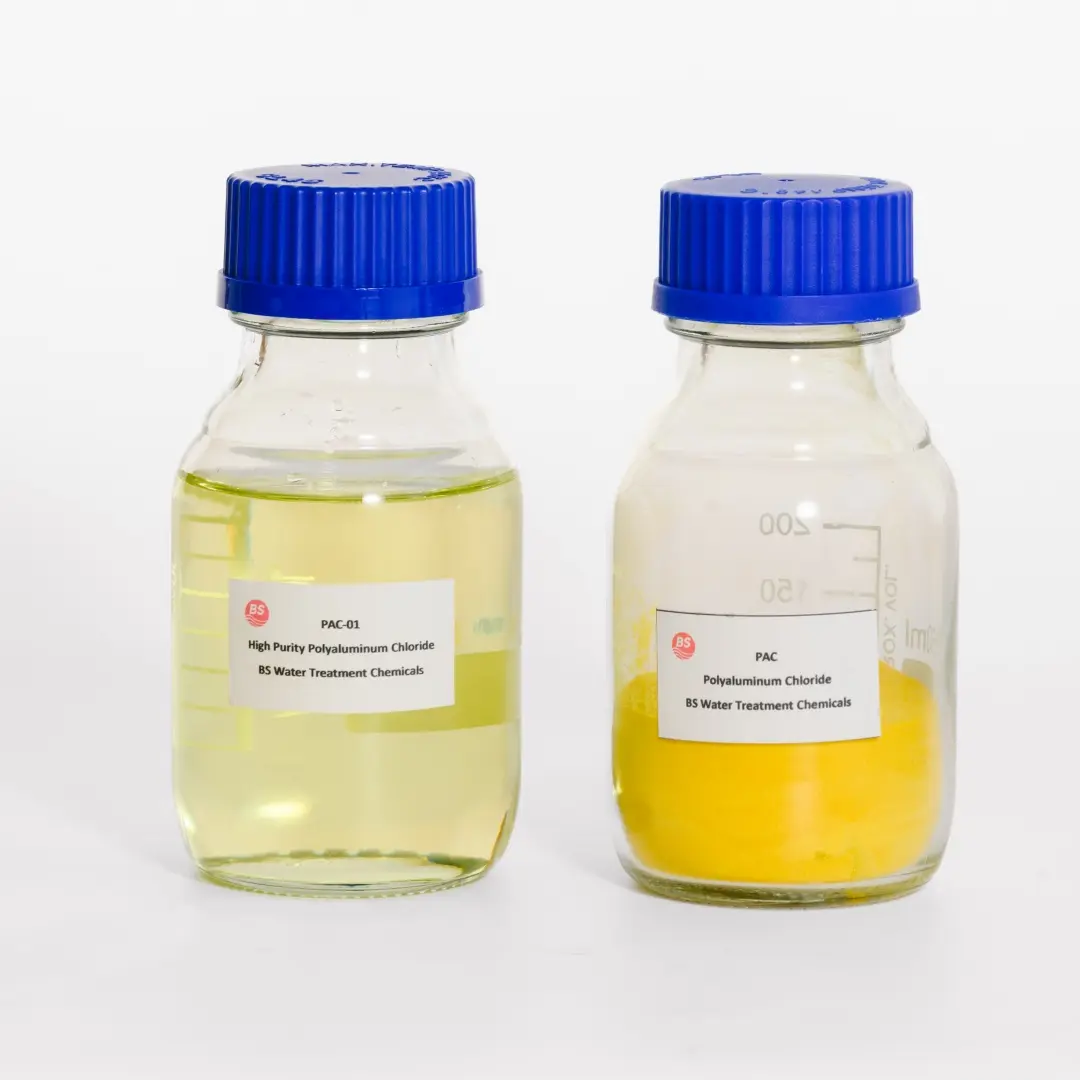
1 / 5
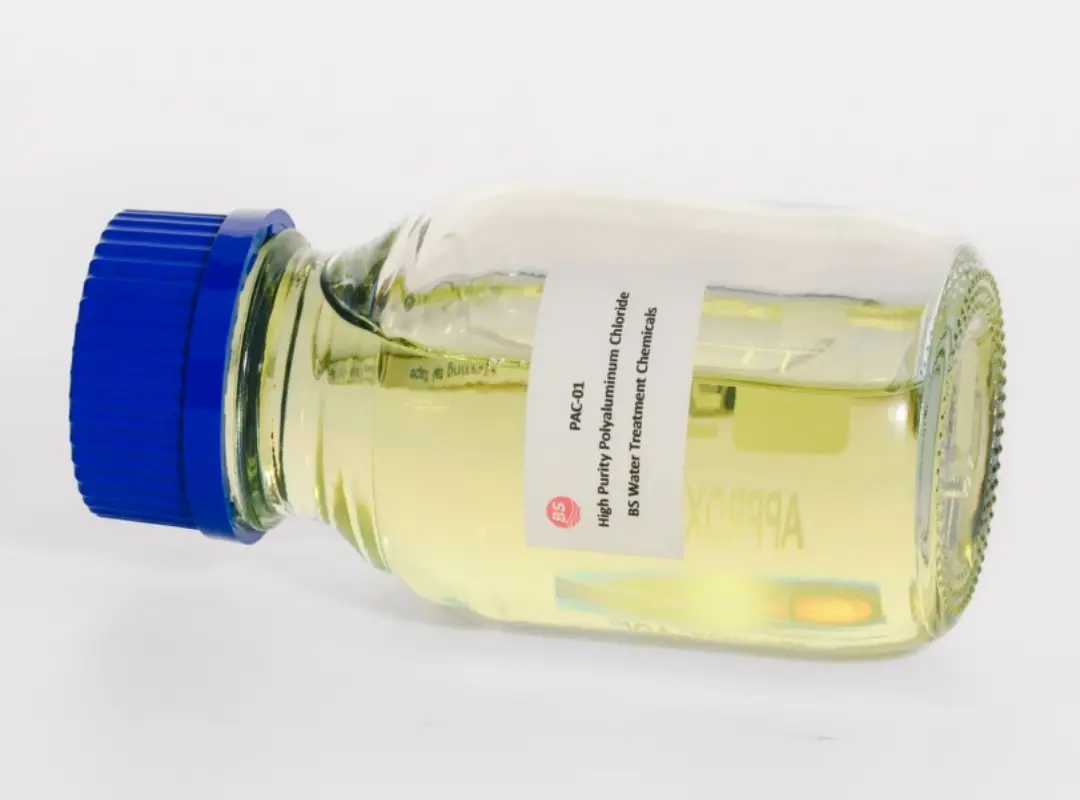
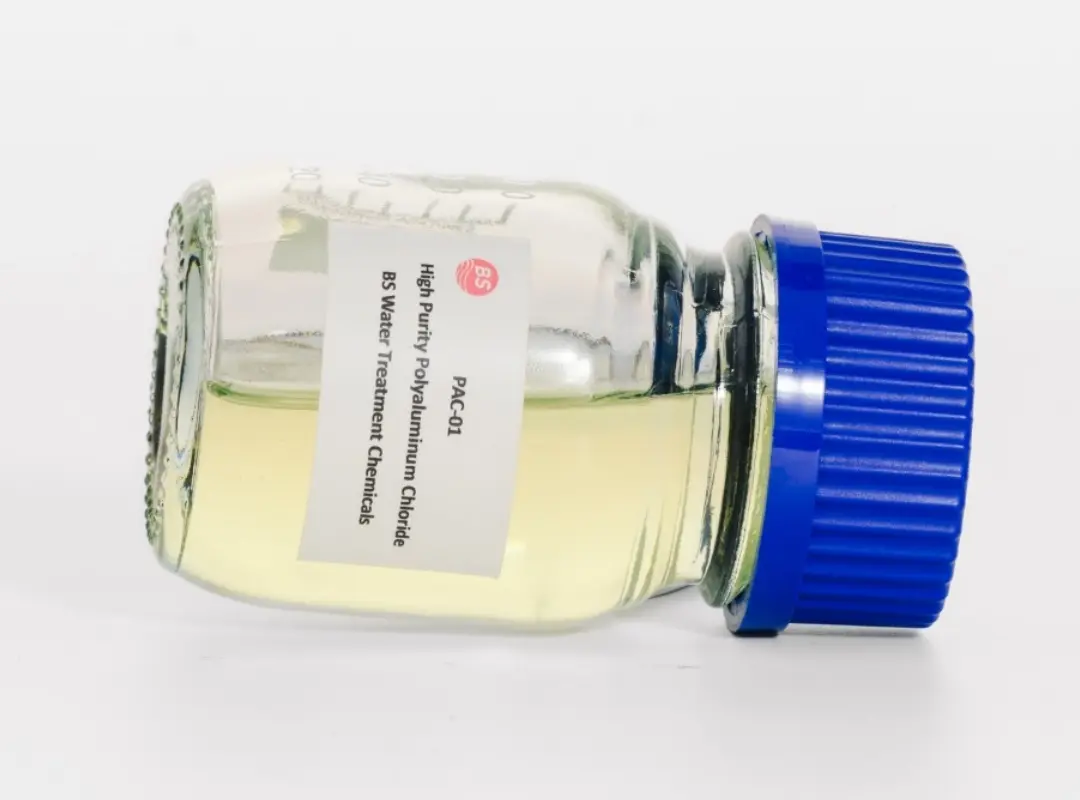
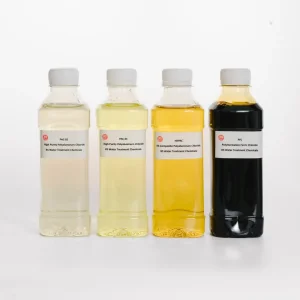
| Parameter | Liquid (Type 1) | Liquid (Type 2) |
|---|---|---|
| Density (20°C), g/cm³ ≥ | 1.30 | 1.15 |
| Al2O3 Content, % ≥ | 15.0 | 10.0 |
| Basicity, % | 40.0 ~ 55.0 | 40.0 ~ 55.0 |
| pH (10g/L aqueous solution) | 3.5 ~ 5.0 | 3.5 ~ 5.0 |
| Mass fraction of Fe, % ≤ | 0.03 | 0.02 |
| Mass fraction of SO2-, % ≤ | 0.008 | 0.005 |
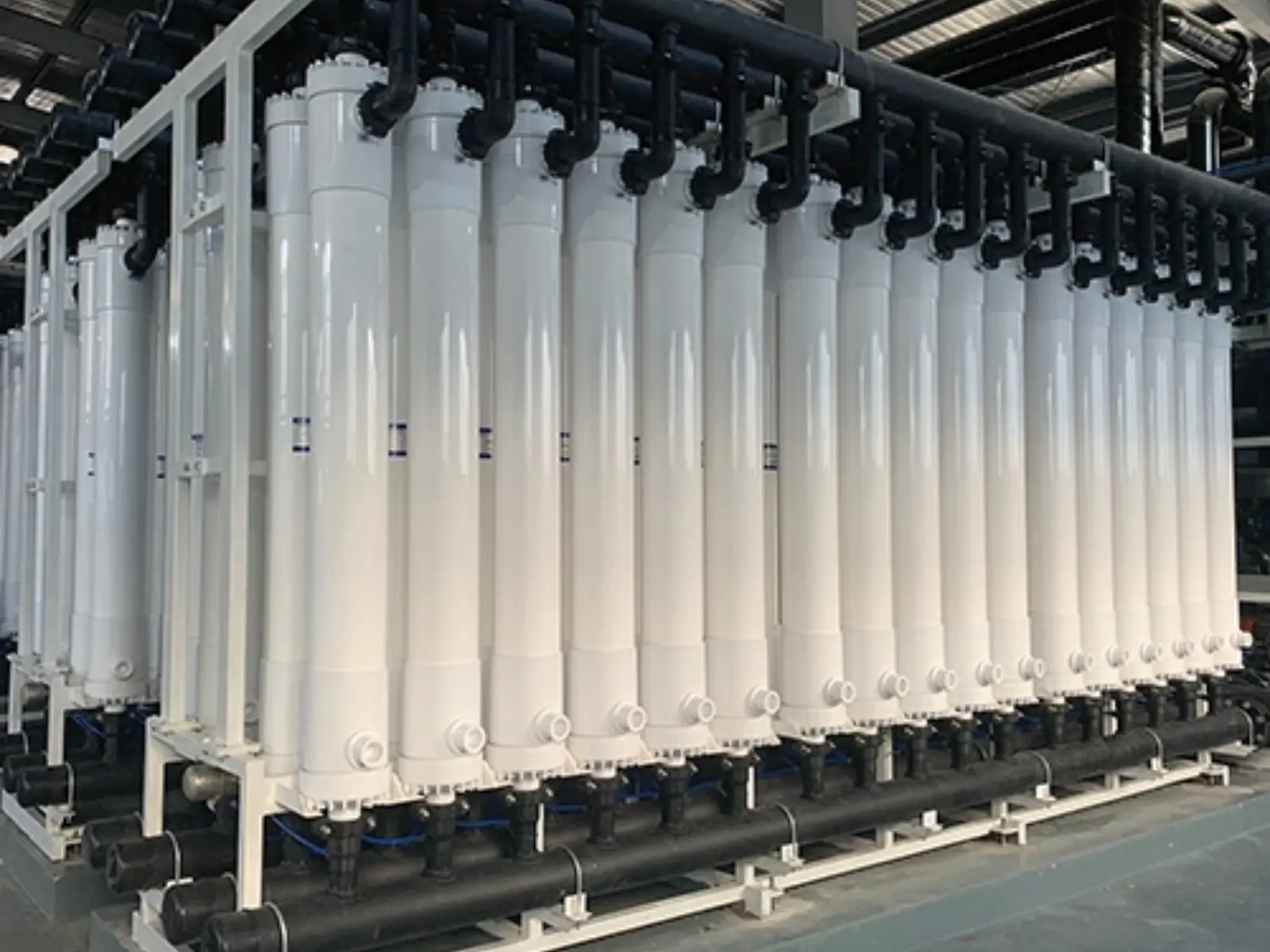
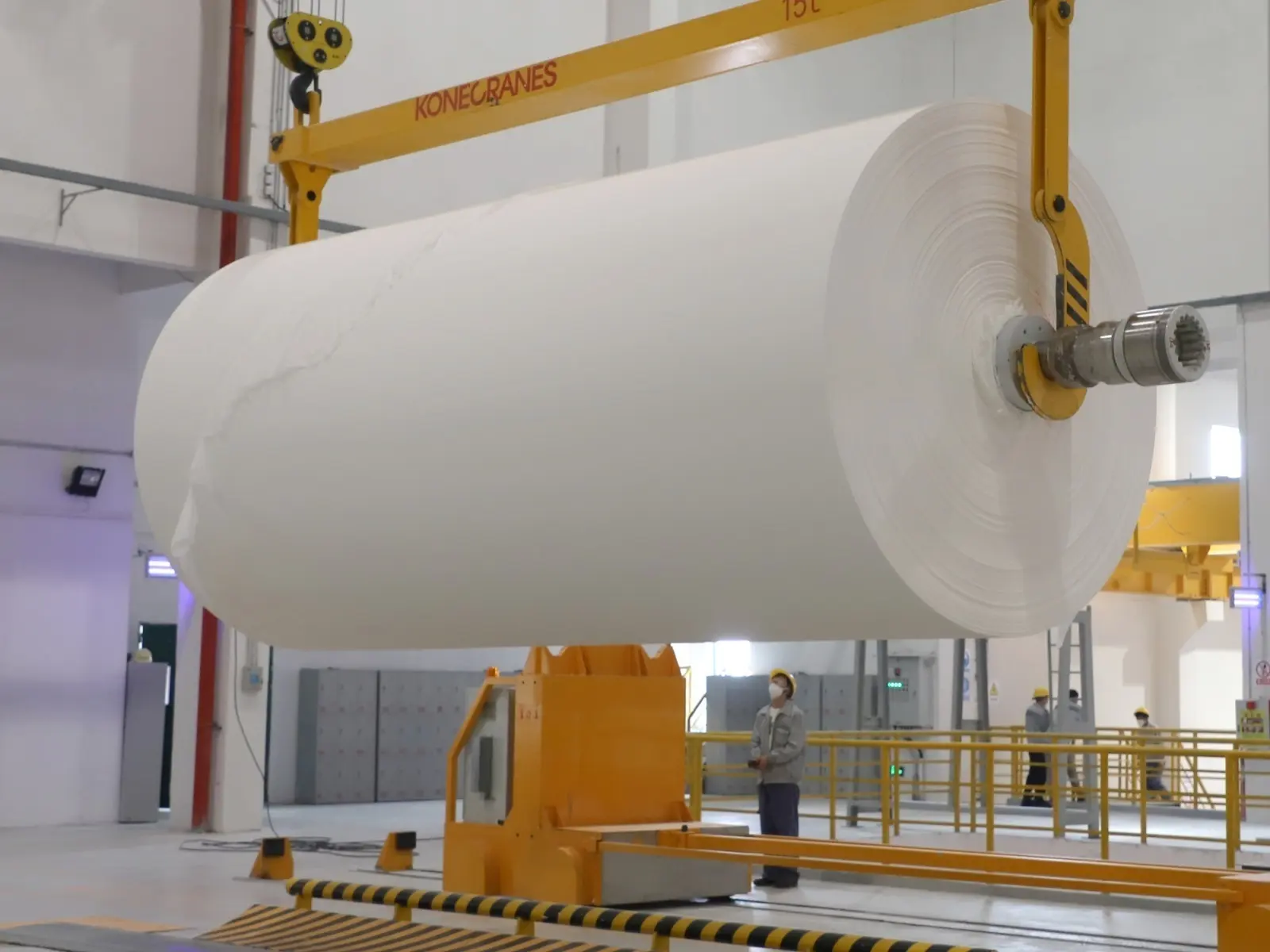
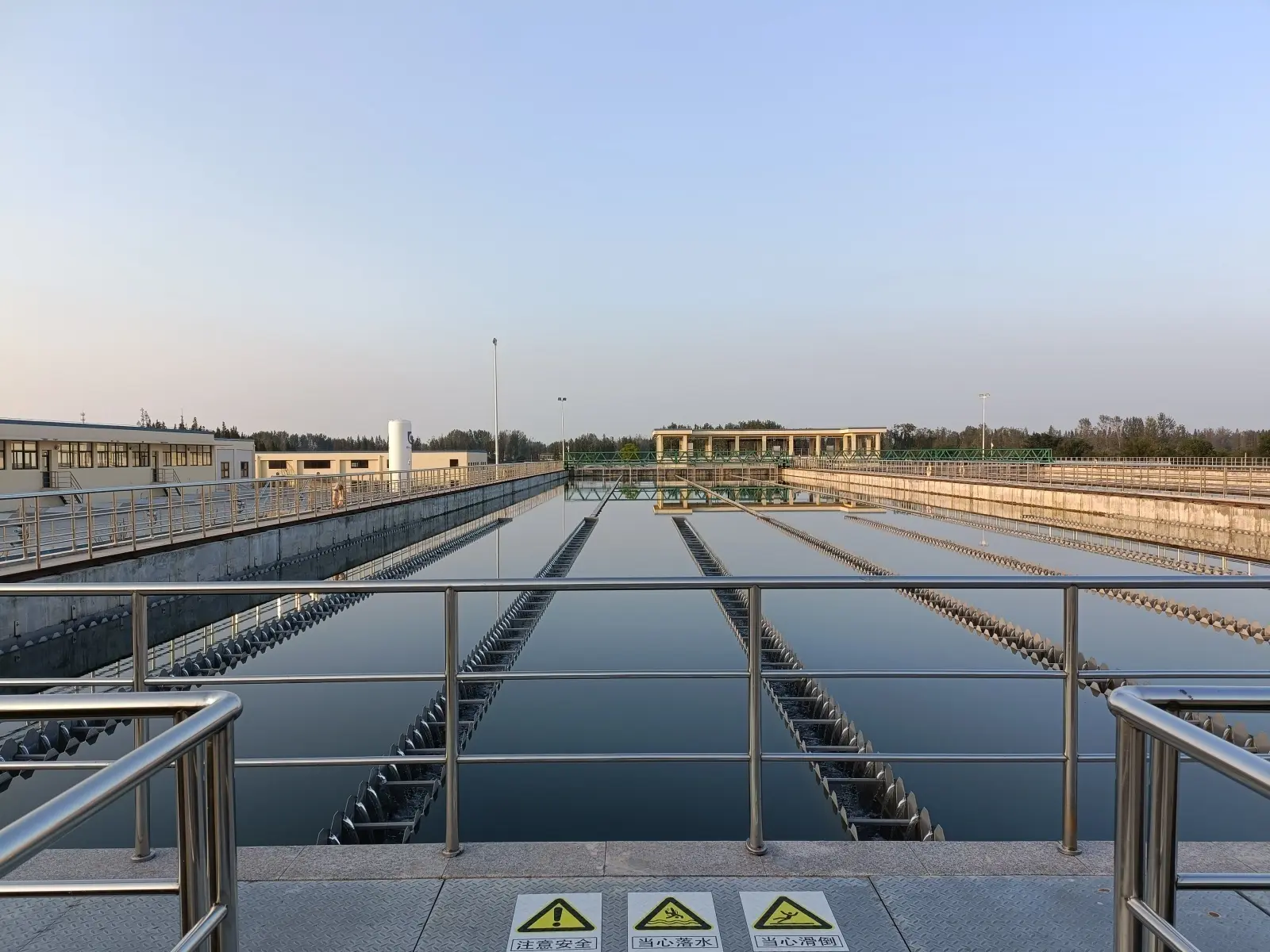
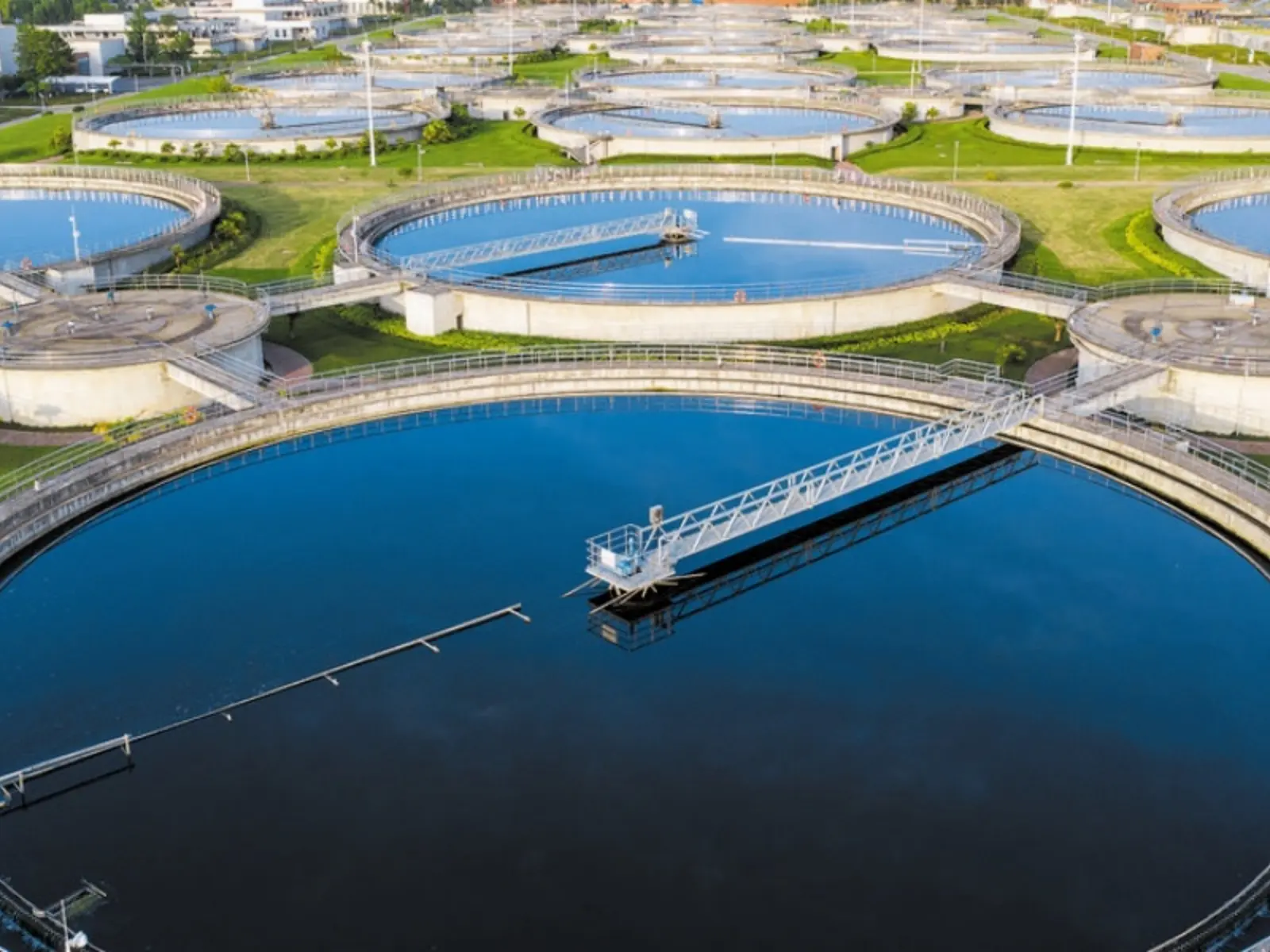
Our PAC has been widely used in industrial and municipal water treatment scenarios worldwide, with typical cases including:
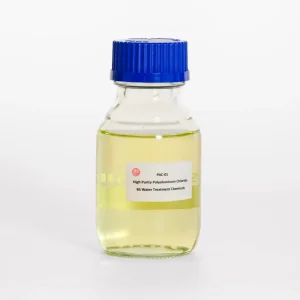
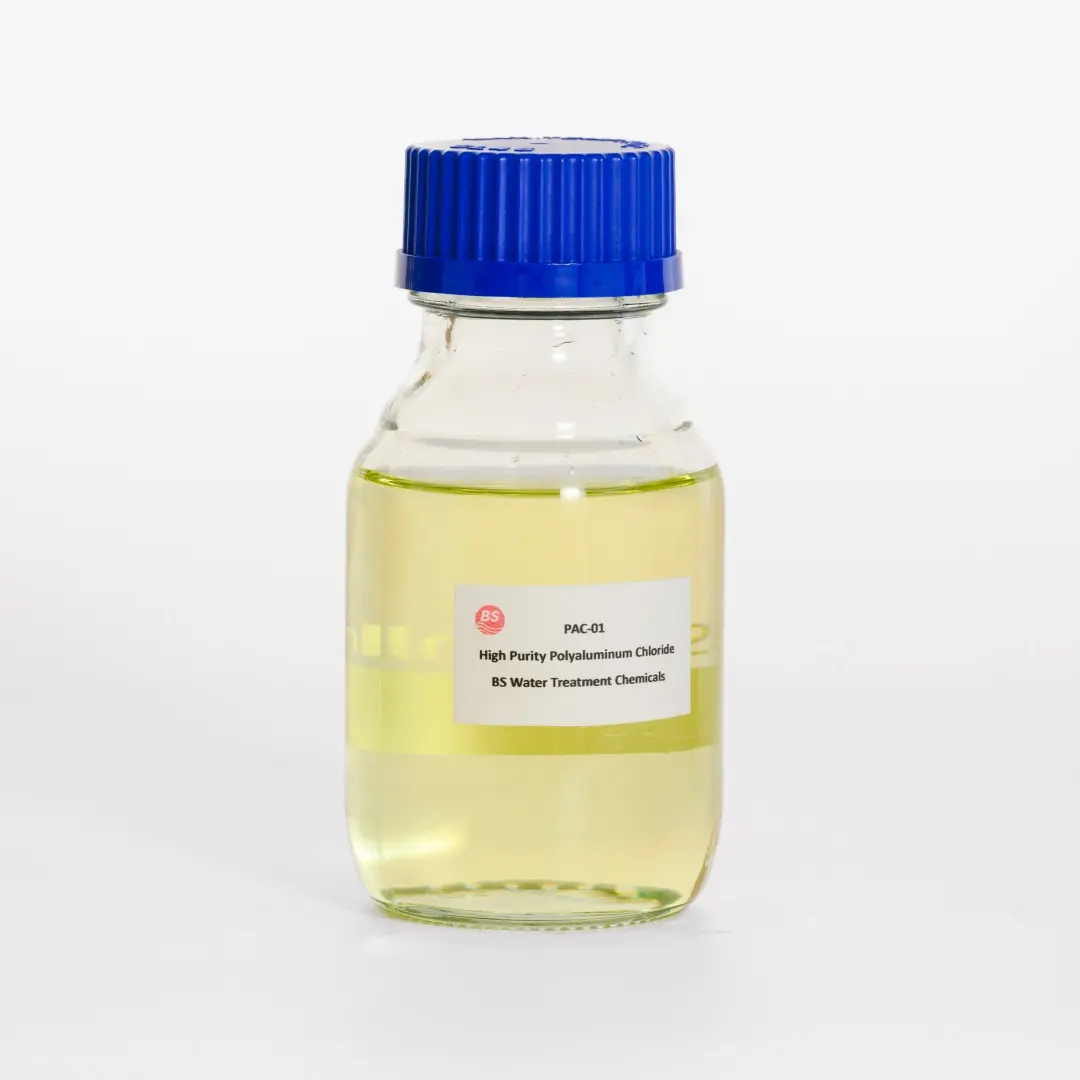
Q1: What is the Al2O3 content in this liquid Poly Aluminium Chloride (PAC)?
A1: The Al2O3 content ranges from 10.0% (Liquid Type 2) up to 15.0% - 17.0% (Liquid Type 1), providing highly effective coagulation and flocculation capacity.
Q2: Why is liquid PAC faster in response compared to the solid version?
A2: Liquid PAC contains highly active molecules that do not require dissolution. This enables a flocculation speed that is approximately 20% faster than solid PAC, making it highly effective for emergency scenarios and small-scale operations.
Q3: How does liquid PAC reduce operational costs?
A3: Since it is in a ready-to-use liquid state, there is no need for manual dissolution processes or complex dissolution equipment. This significantly reduces labor overheads and machinery investment costs.
Q4: Is this product suitable for purifying drinking water?
A4: Yes. It effectively removes iron and manganese from groundwater and reduces turbidity in surface water, meeting international drinking water standards due to its extremely low impurity levels.
Q5: What are the packaging options and the shelf life of this product?
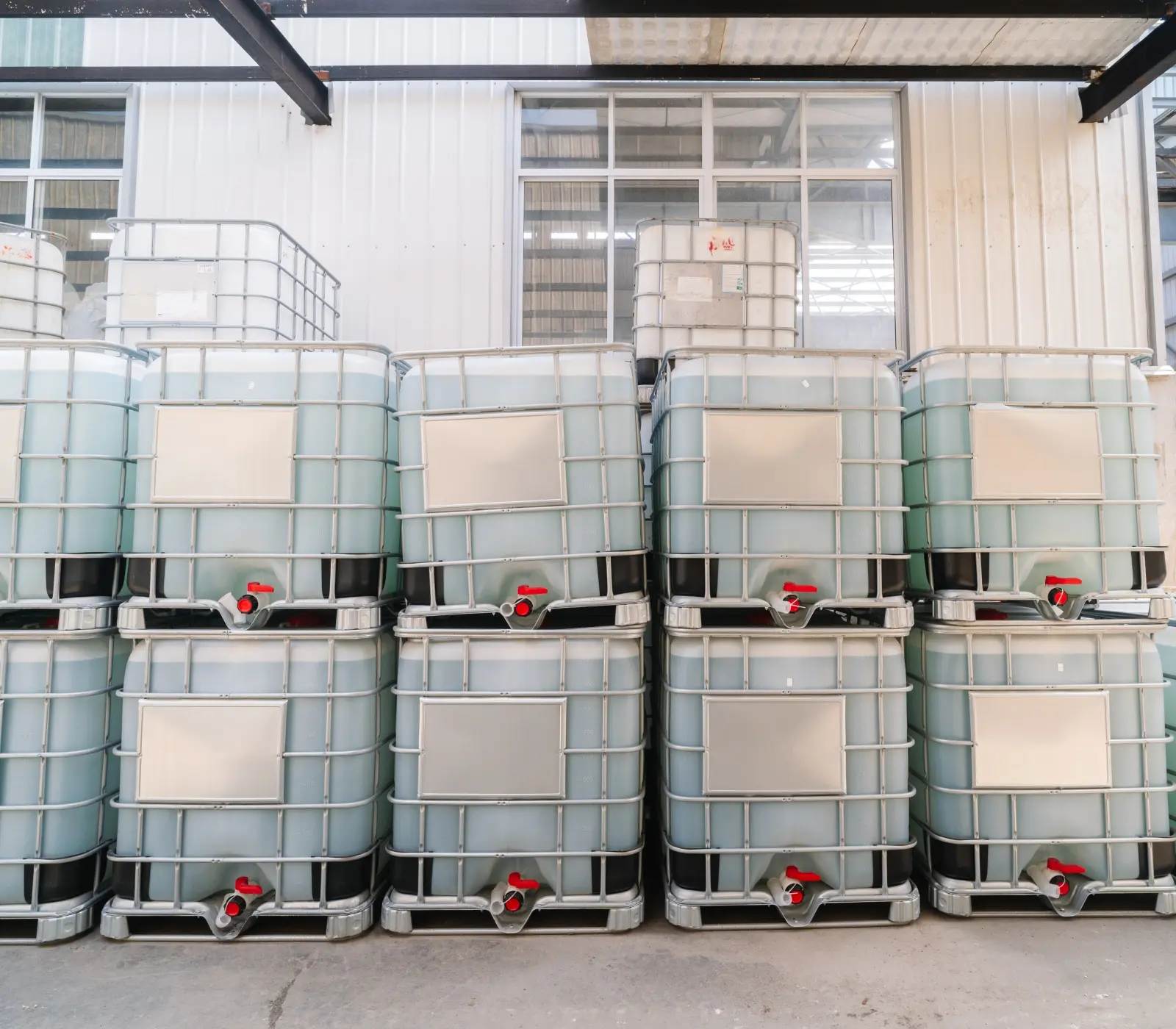
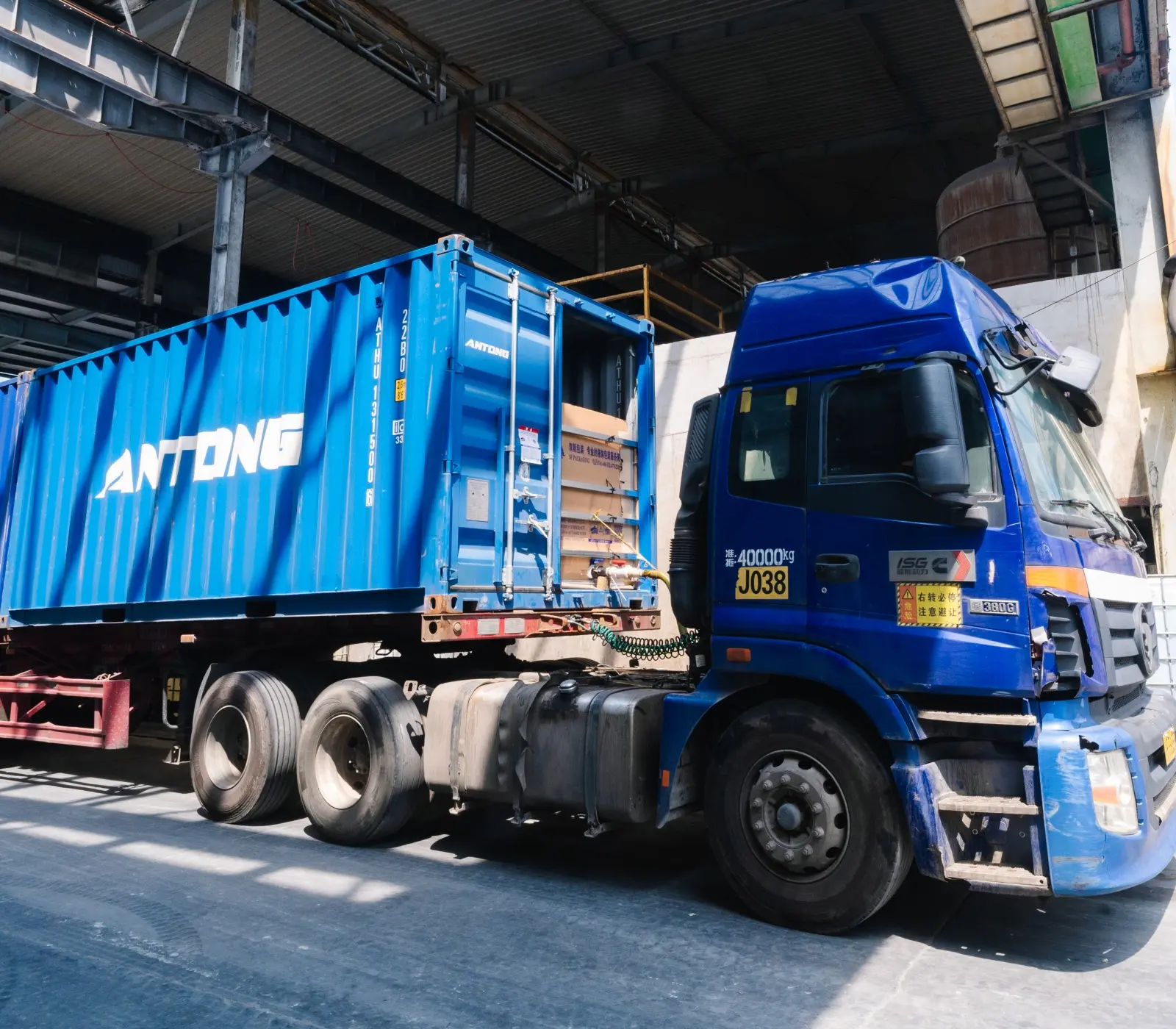
A5: We provide packaging in 25L plastic drums, 1000L IBC totes, or liquid bags. When stored in a cool, well-ventilated area away from direct sunlight, the product maintains a sealed shelf life of 6 months.
Q6: What industrial wastewater types can be treated using this liquid PAC?
A6: It is widely utilized for treatment of papermaking black liquor (COD reduction), decolorization of printing and dyeing wastewater, removal of heavy metals (like Cr⁶⁺, Cu²⁺) from electroplating facilities, and phosphorus removal from chemical wastewater.