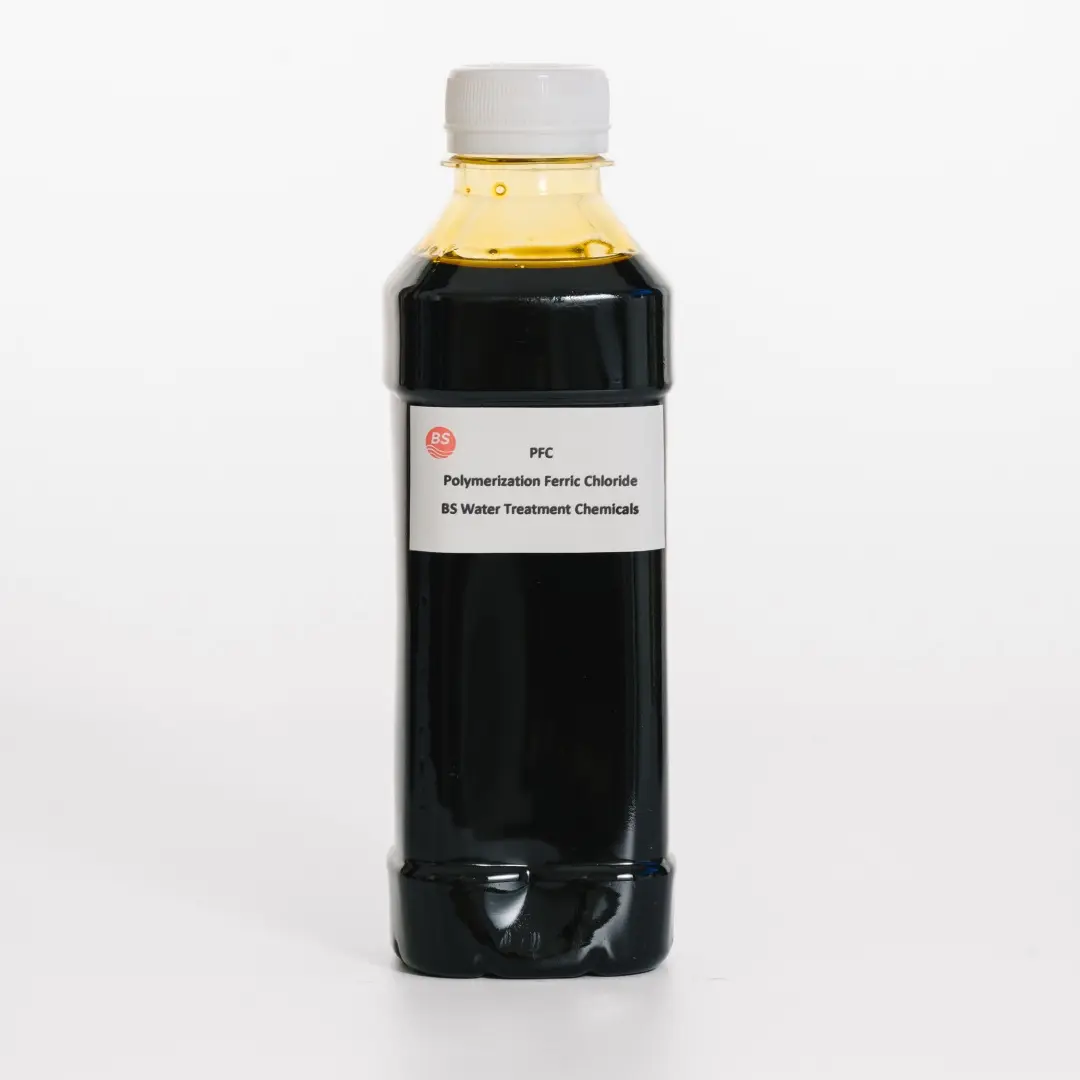
China Polymeric Aluminium Ferric Chloride (PAFC) Manufacturers, Factories

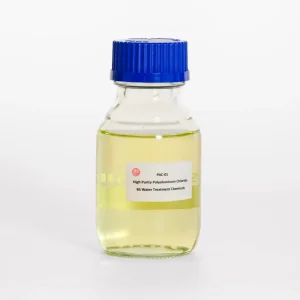
This product is an inorganic polymer composite polymer, which is based on polyaluminum chloride and complexed with polymeric iron, increasing the molecular structure, enhancing the electro-neutralization, bridging adsorption, and sedimentation performance, and is an ideal agent for treating source water with severe organic pollution as well as source water with low temperature and low turbidity or low temperature and high turbidity. 

Product Description

Core Performance

PAFC deeply integrates the dual advantages of aluminum ions (Al³⁺) and iron ions (Fe³⁺), addresses the limitations of single flocculants, and its core performance is as follows:
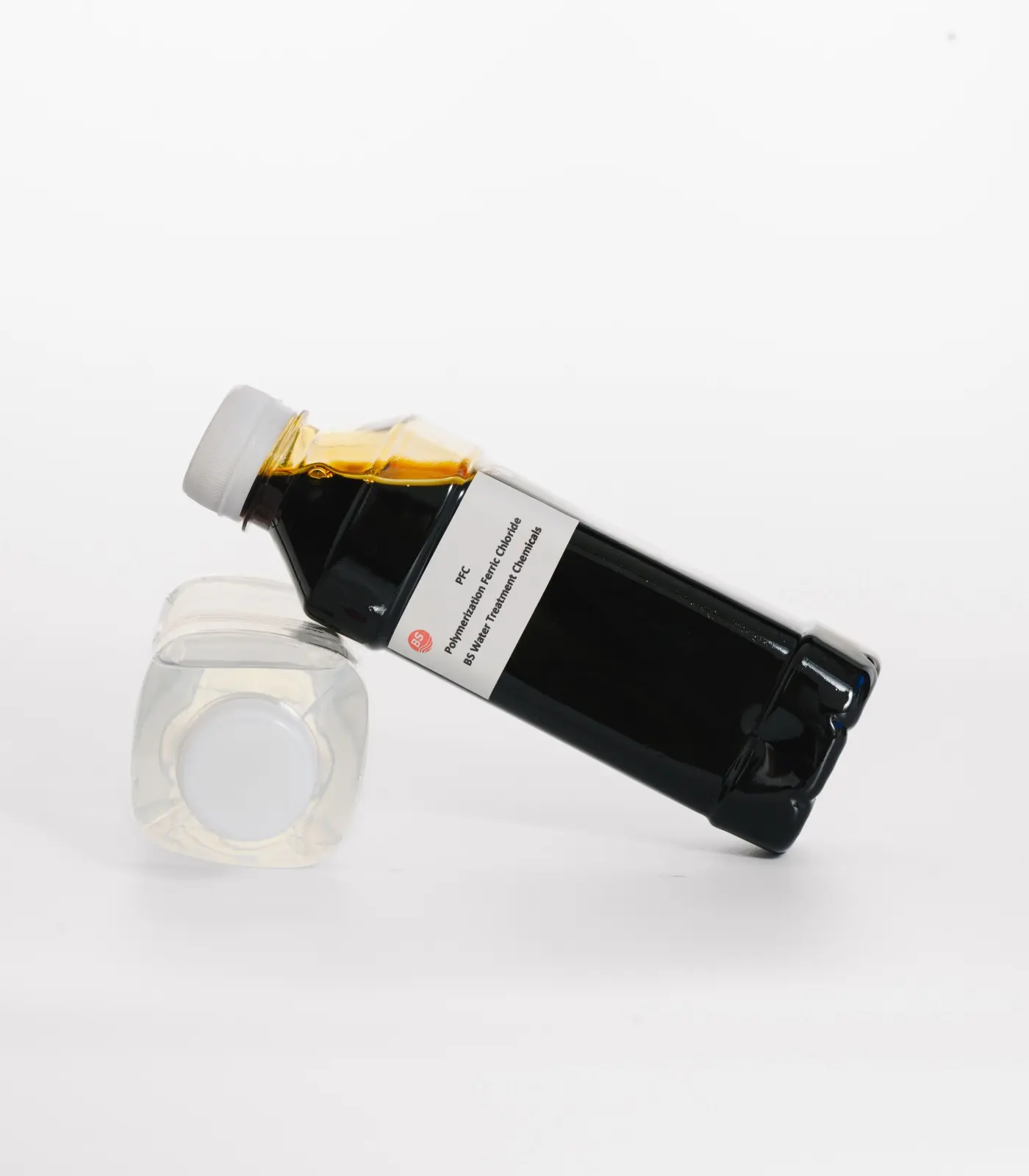
  • Aluminum-iron synergy enhances flocculation efficiency by over 30%.
  • Double-charge adsorption: Al³⁺ adsorbs negatively charged colloids (such as clay and humic acid) through "electrical neutralization"; Fe³⁺ captures fine particles (such as organic matter and microorganisms) through "net capture", forming flocs that are denser and settle faster (settling velocity ≥ 25 m/h).
  • Wide pH Adaptability: Applicable pH range is 4-10 (optimal 6-9), resistant to high turbidity (≤10000 NTU), high salinity (e.g., seawater desalination pretreatment), and high organic matter (e.g., printing and dyeing/paper mill wastewater) water quality, covering over 90% of global water treatment scenarios.
PAFC Core Performance Analysis

Technical Specifications

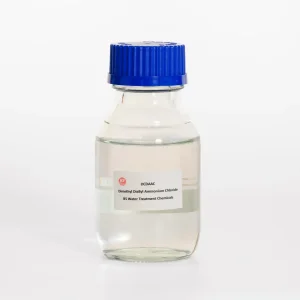
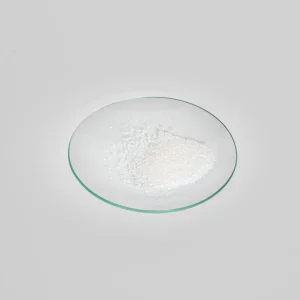
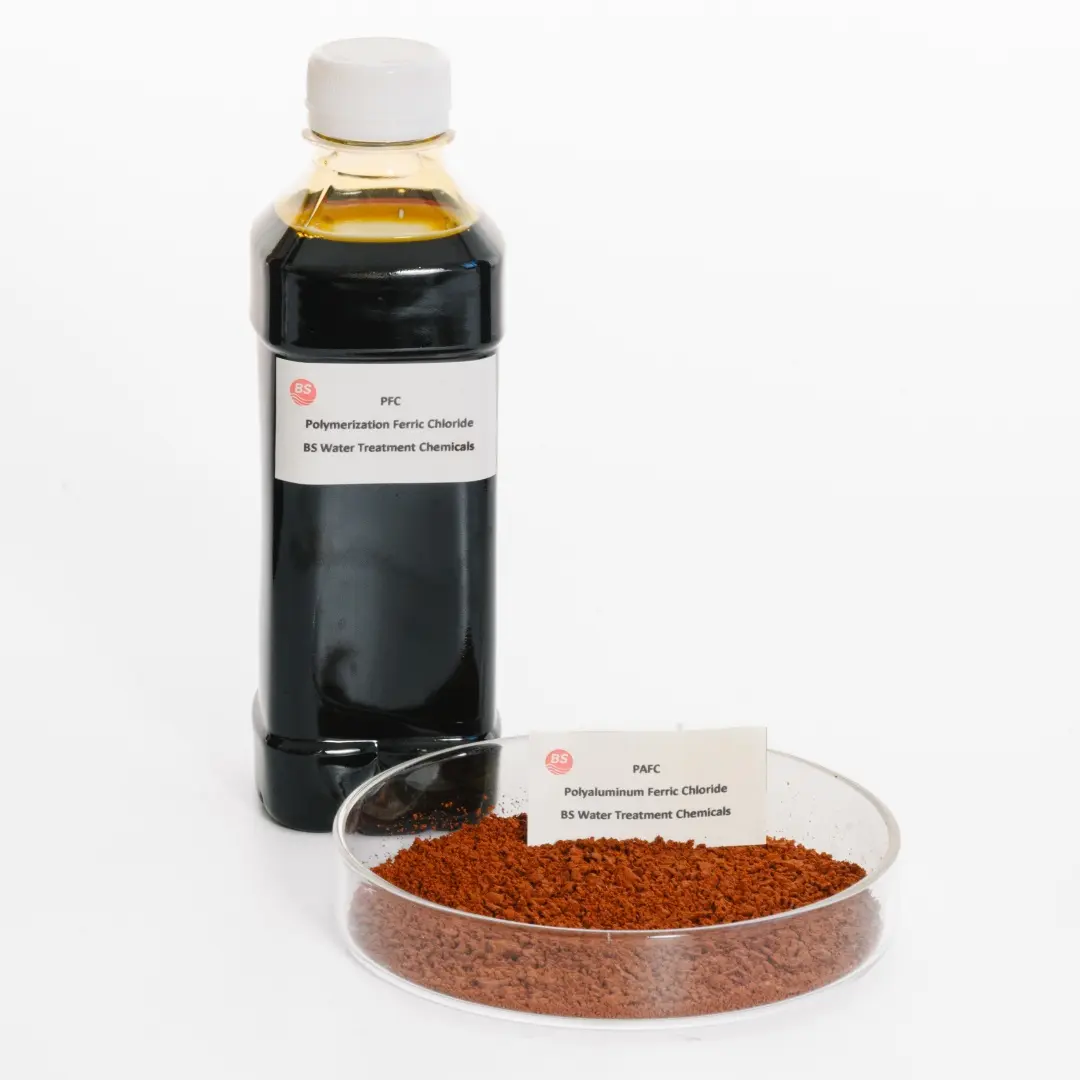
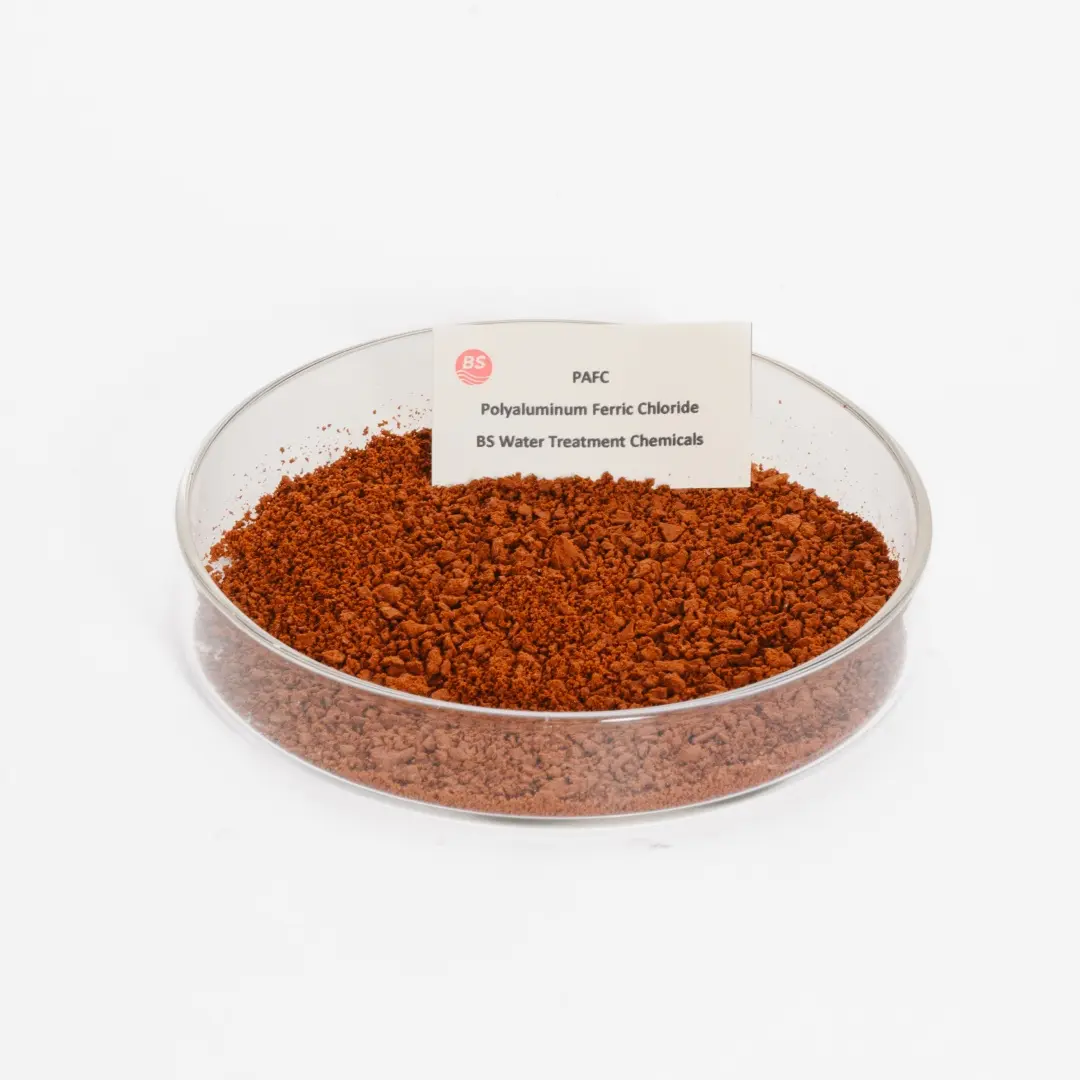
Specification Index Liquid Type Solid Type
Al₂O₃ Content, % ≥ 8.0 28.0
Mass fraction of Fe, % ≤ 1.5 ~ 5.0 1.5 ~ 5.0
Mass fraction of Fe²⁺, % ≤ 0.2 0.2
Basicity, % 20 ~ 85 20 ~ 85
Mass fraction of insoluble substances, % ≤ 0.5 0.5
pH (10g/L aqueous solution) 3.5 ~ 5.0 3.5 ~ 5.0
Mass fraction of As, % ≤ 0.0005 0.0005
Mass fraction of Cr, % ≤ 0.005 0.005
Mass fraction of Hg, % ≤ 0.00002 0.00002
Mass fraction of Pb, % ≤ 0.002 0.002
Mass fraction of Cd, % ≤ 0.0002 0.0002

Applicable Scenarios

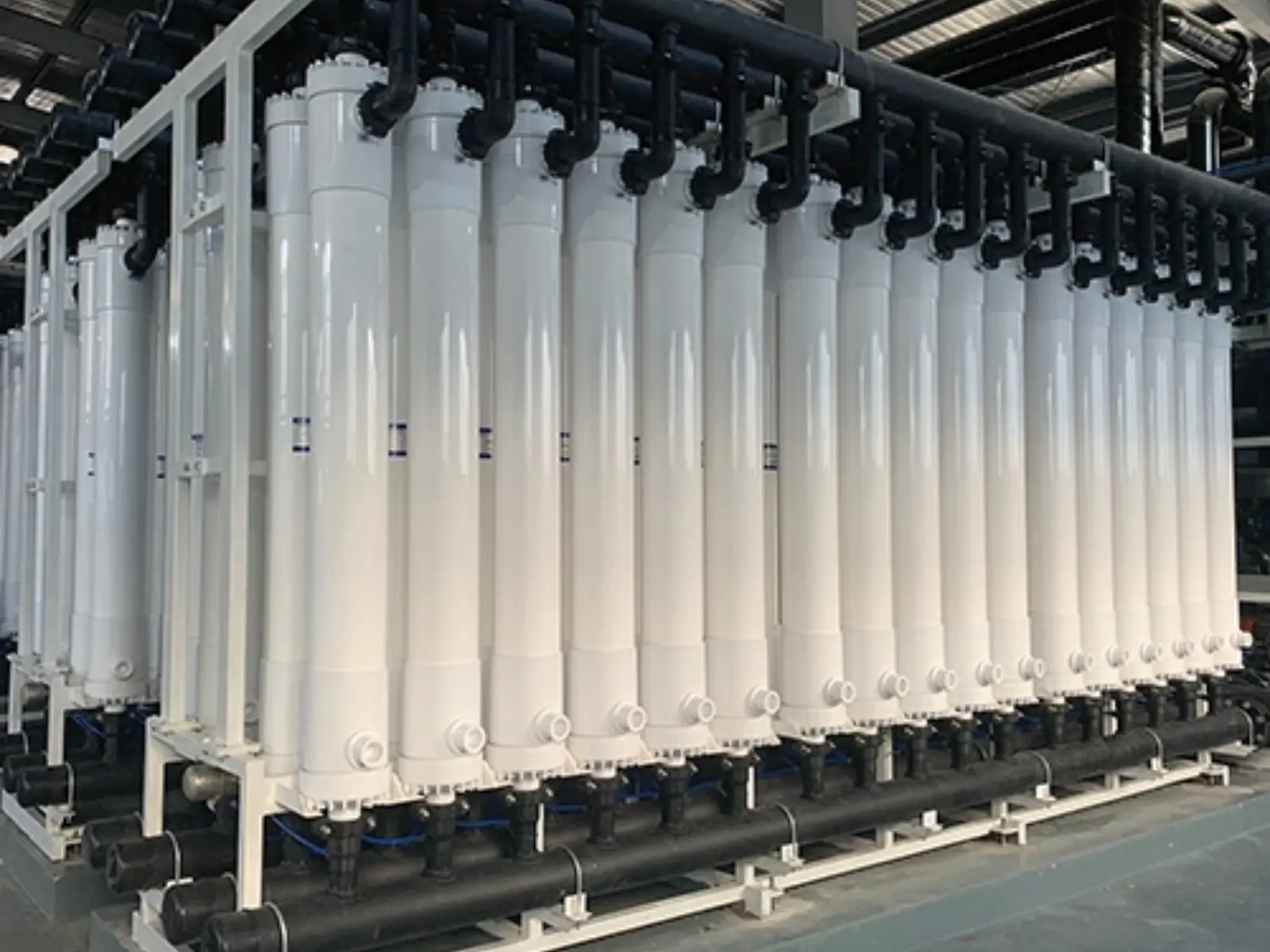
PAFC, with its "all-round" characteristics, is widely used in global municipal, industrial, and special water treatment scenarios:
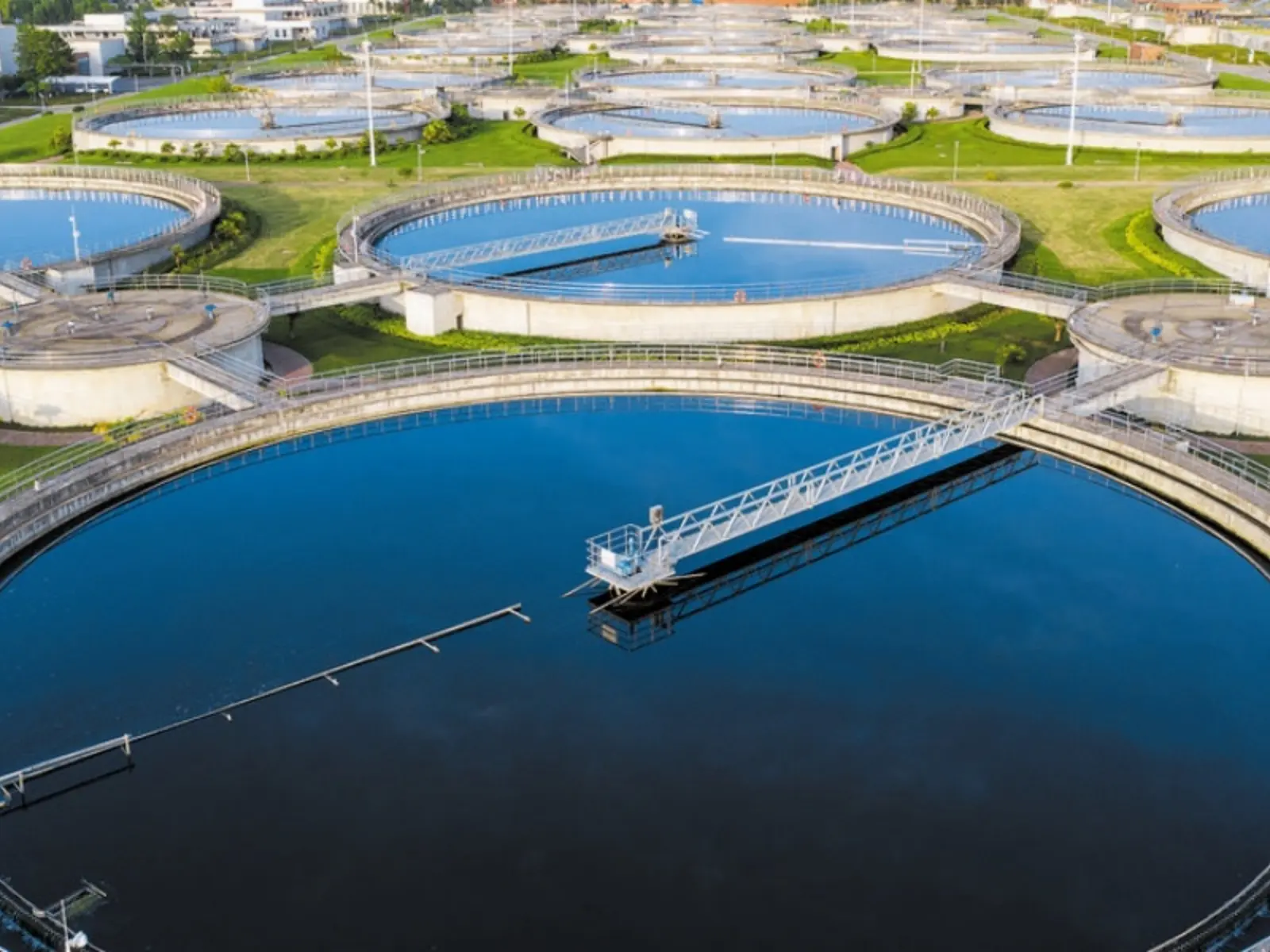
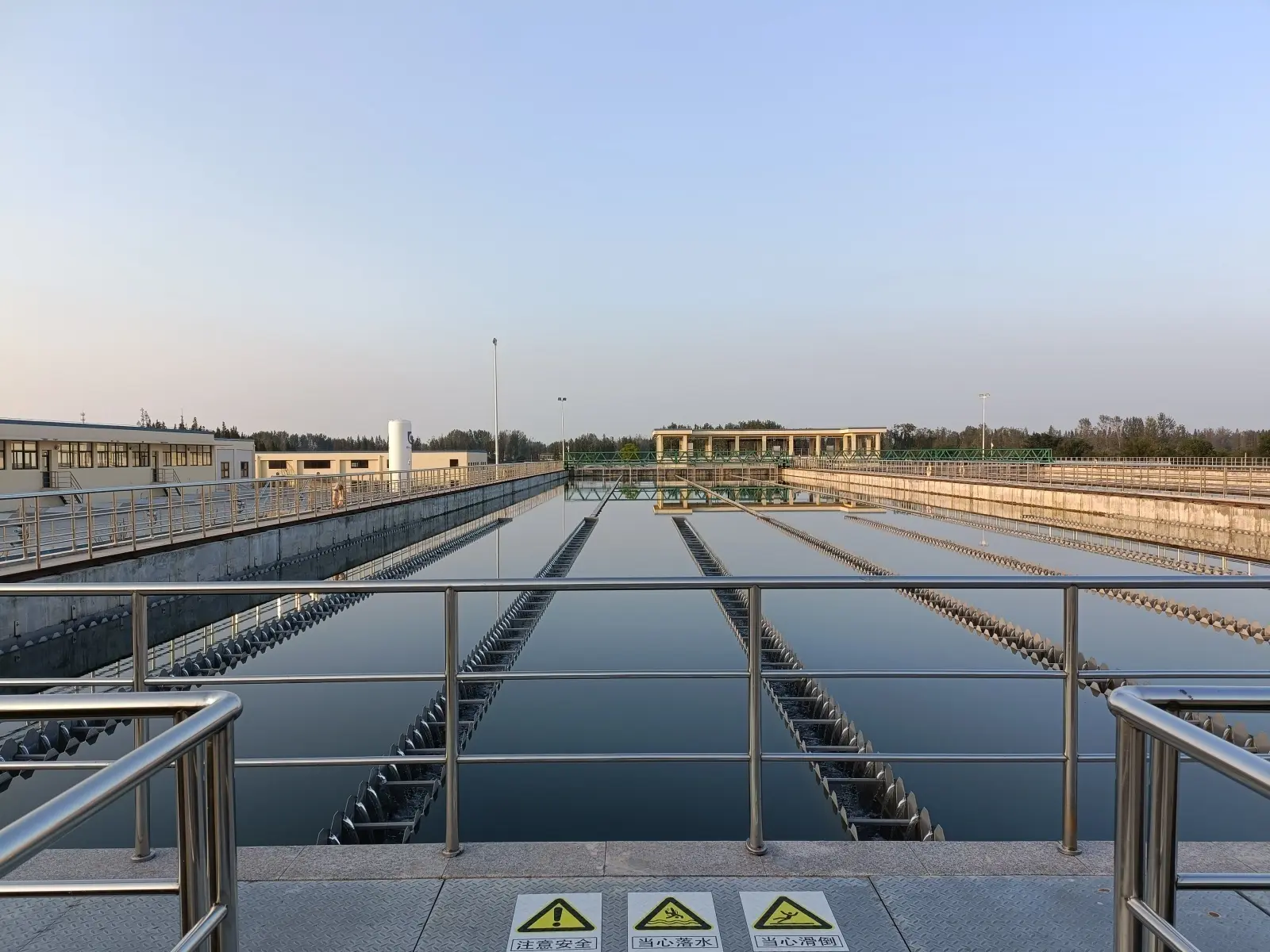
  • Municipal sewage: Reduce SS, remove part of COD.
  • Printing and dyeing wastewater: Decolorization, removal of organic matter.
  • Electroplating/Chemical Wastewater: Removal of Heavy Metals (Cr⁶⁺, Cu²⁺) and Complexing Agents.
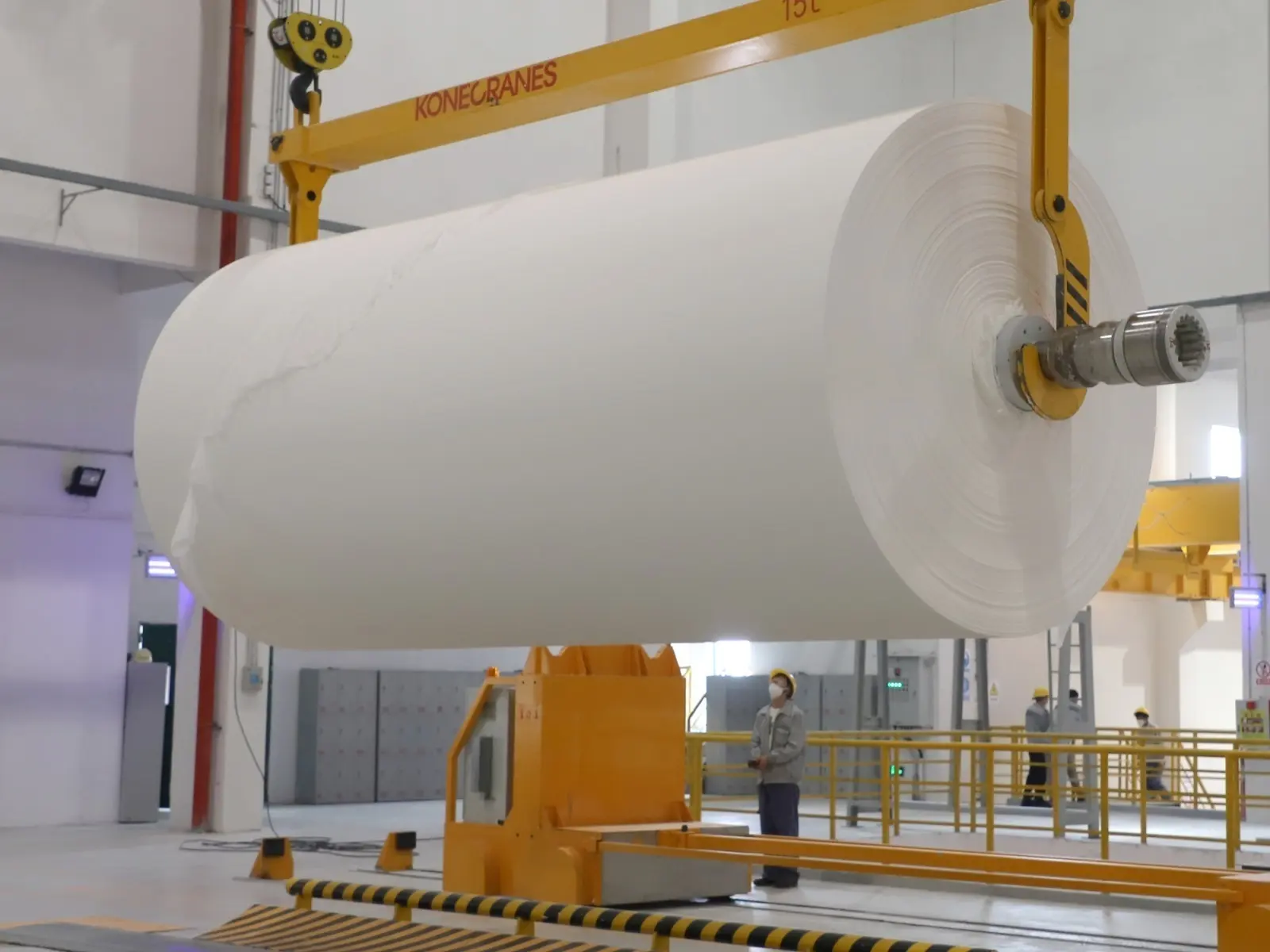
  • Paper mill/mining wastewater: White water recovery, coal slurry water clarification.
  • Food processing wastewater: Removal of starch/protein suspended solids.

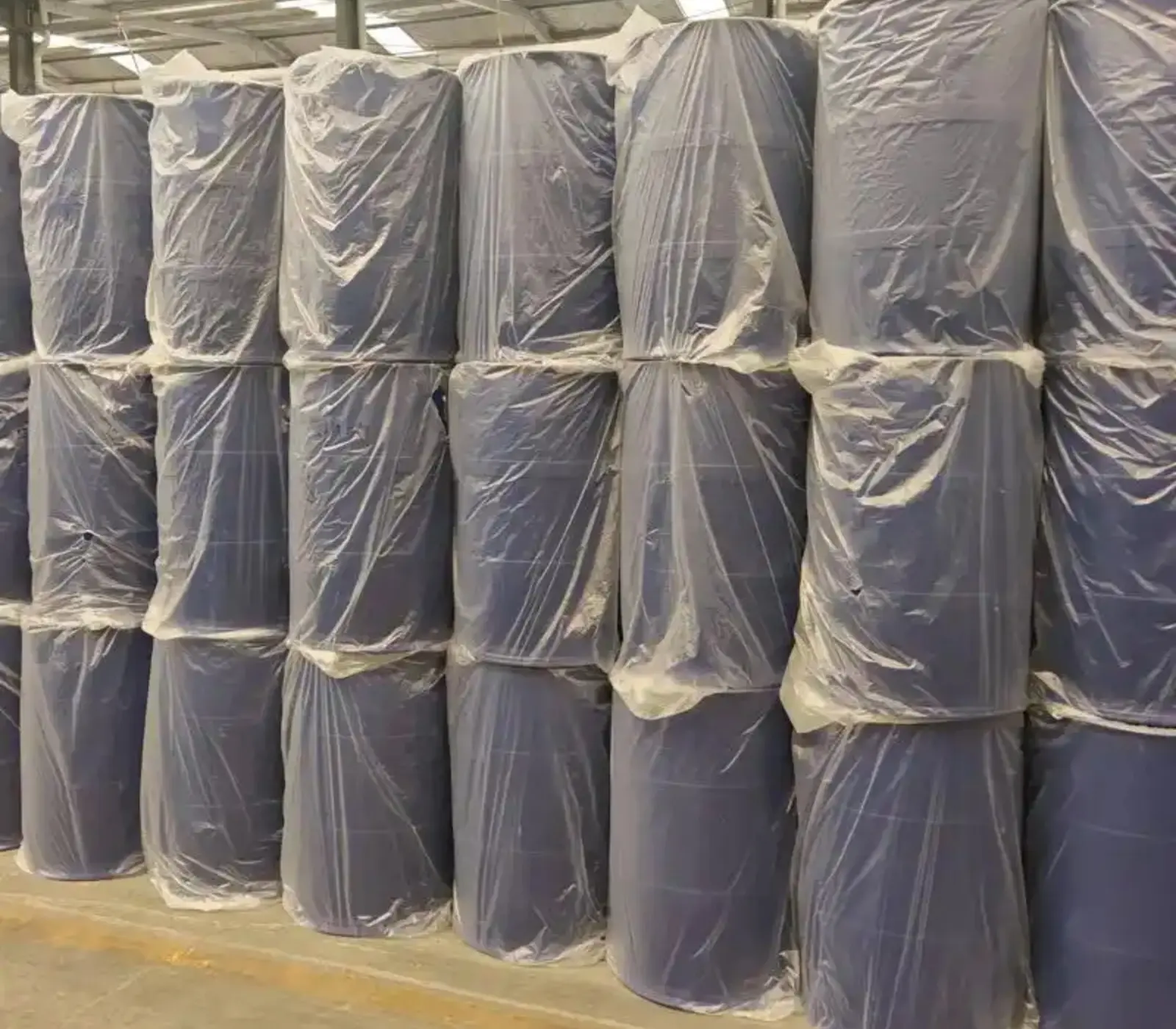
Packaging and Storage

  • 1. Packaging
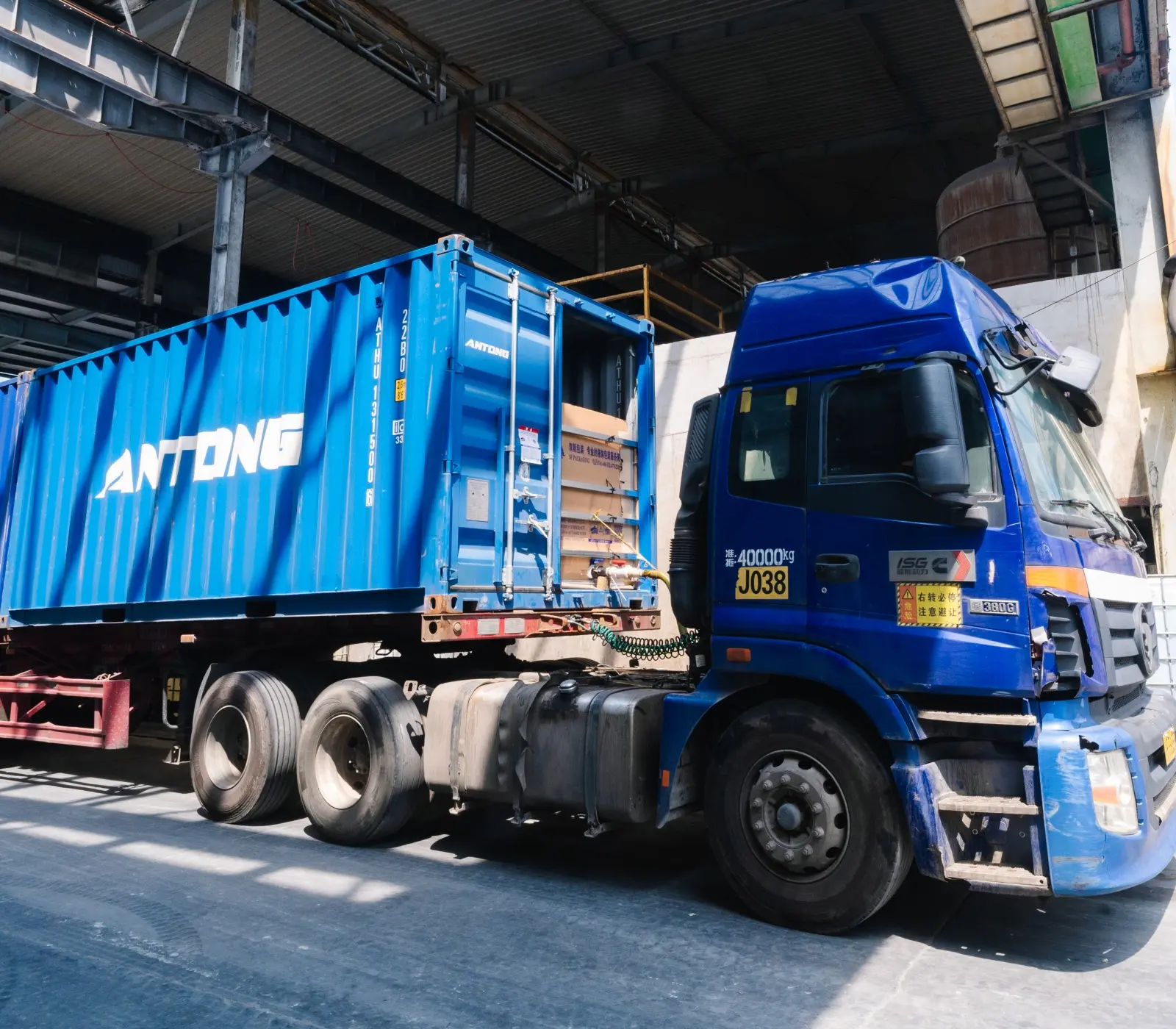
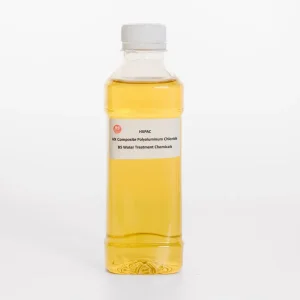
    • Liquid type (PAFC): 200L plastic drum, 1000L IBC tote, liquid bag.
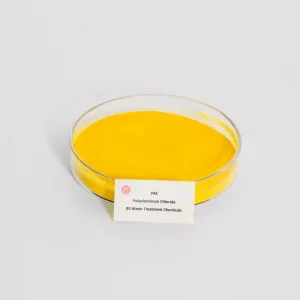
    • Solid Type: 25kg woven bag lined with plastic bag (net weight 25kg), 1-ton jumbo bag (net weight 1000kg, can be printed with customer logo/English label).
  • 2. Storage
    • Liquid type: Store sealed in a cool and well-ventilated place (temperature ≤ 30°C), avoid direct sunlight, and keep away from fire sources.
    • Solid type: Store in a dry warehouse (humidity ≤ 60%), protect against moisture and damage, and stack no more than 2 layers high.
    • Shelf life: 12 months for liquid type (sealed), 24 months for solid type (unopened).

Frequently Asked Questions (FAQ)

Q1: What is PAFC and how does it improve flocculation efficiency?

PAFC (Polyaluminum Ferric Chloride) is a high-efficiency composite flocculant that integrates the benefits of both aluminum (Al³⁺) and iron (Fe³⁺) ions. Al³⁺ excels at charge neutralization to destabilize negative colloids, while Fe³⁺ facilitates rapid sweep flocculation and net capture of organic matters. This dual mechanism boosts flocculation efficiency by over 30% compared to traditional single-metal coagulants.

Q2: What is the optimal pH range for operating with PAFC?

PAFC is highly adaptable to a wide pH range of 4 to 10, with the optimal performance range being 6 to 9. This makes it effective in treating varying water qualities, including highly alkaline or acidic industrial wastewater, without requiring heavy pH pre-adjustments.

Q3: What industrial wastewater scenarios benefit most from PAFC?

Due to its comprehensive performance properties, PAFC is highly efficient in municipal sewage treatments, decolorizing printing and dyeing effluents, removing heavy metals (like Cr⁶⁺ and Cu²⁺) from electroplating/chemical processes, clarifying coal slurry in mining, and reclaiming white water in paper mills.

Q4: What is the difference between liquid and solid PAFC in terms of Al₂O₃ content?

According to technical specifications, liquid PAFC maintains an Al₂O₃ content of ≥ 8.0%, making it ready for direct dosing systems. Solid PAFC is highly concentrated with an Al₂O₃ content of ≥ 28.0%, which is ideal for long-distance transport and long-term storage.

Q5: How should liquid and solid PAFC be stored to prevent degradation?

Liquid PAFC must be sealed and stored in a cool, ventilated place below 30°C. Solid PAFC must be stored in a dry warehouse with humidity levels under 60%, protected from direct moisture, and stacked no more than two layers high to prevent compaction.

Q6: What is the shelf life of PAFC under proper storage conditions?

When stored correctly, liquid PAFC has a shelf life of 12 months in its original sealed containers. Solid PAFC can remain stable for up to 24 months in unopened bags.
Related Products