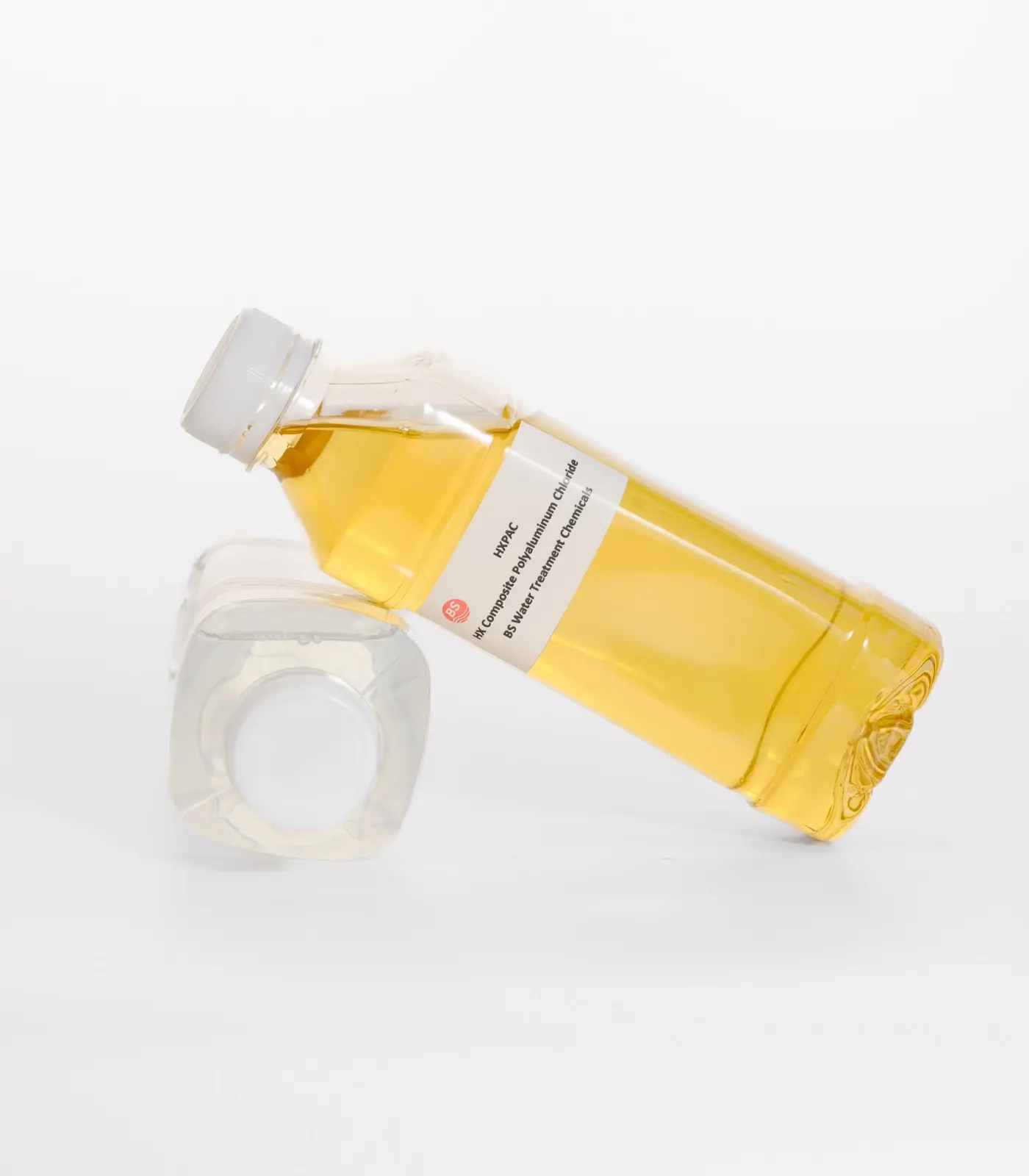
1. Multi-effect synergy to address the "shortcomings" of single PAC
• Complete the pH adaptation range: The optimal pH for single PAC is 6-9, while CPAC can extend the applicable pH to 4-11 by adding iron salts (such as polyferric sulfate) or organic bases (such as polyacrylamide), adapting to highly acidic (such as mine wastewater) or highly alkaline (such as papermaking black liquor) scenarios;
• Enhanced Decolorization/Heavy Metal Removal: For printing and dyeing wastewater (containing dye pigments) or electroplating wastewater (containing Cr6+, Cu2+), CPAC can be compounded with activated carbon (adsorbing pigments) or sulfides (complexing heavy metals), with a high heavy metal removal rate;
• Reduce sludge production: Composite components (such as diatomite) can enhance the compactness of flocs, with the sludge volume reduced by 20%-30% compared to single PAC, thereby reducing the subsequent pressure filtration cost.
 BS Water