China Cationic Polymer Coagulant Manufacturers & Factories

Pioneering advanced macromolecular synthesis for high-efficiency wastewater treatment, industrial liquid-solid separation, and municipal water purification solutions globally.

Premium Cationic Coagulants & Water Treatment Agents

Direct supply from state-of-the-art Chinese manufacturing facilities. High purity, certified quality, and stable performance across diverse applications.
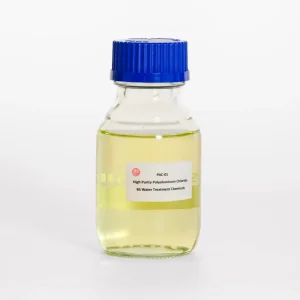
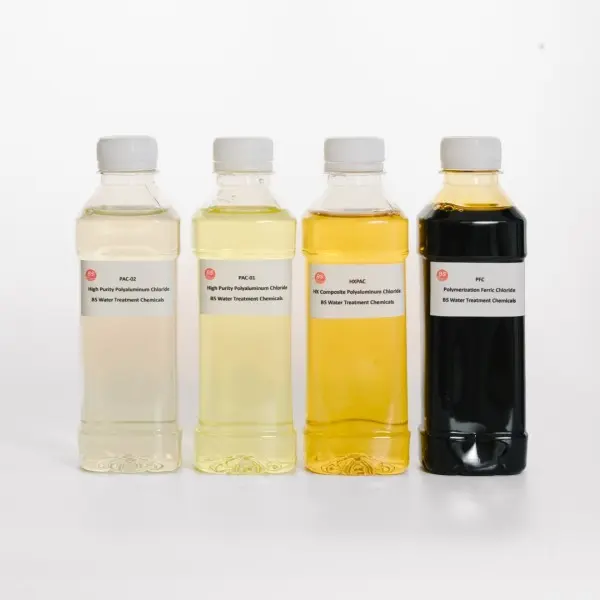
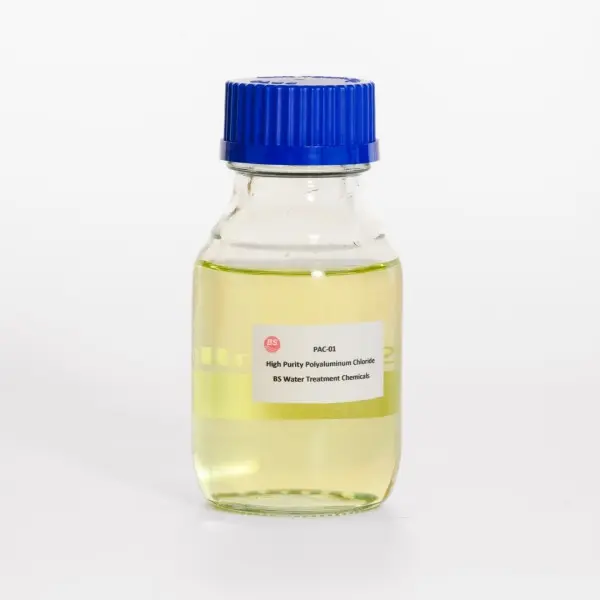
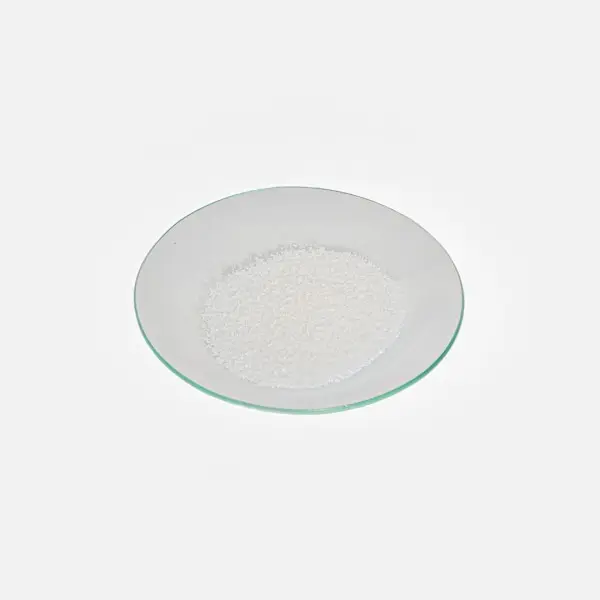
Wholesale High purity Poly Aluminium Chloride (PAC-01)

Wholesale High purity Poly Aluminium Chloride (PAC-01)

Explore Product Details
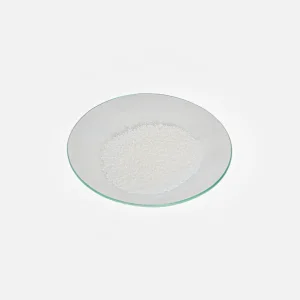
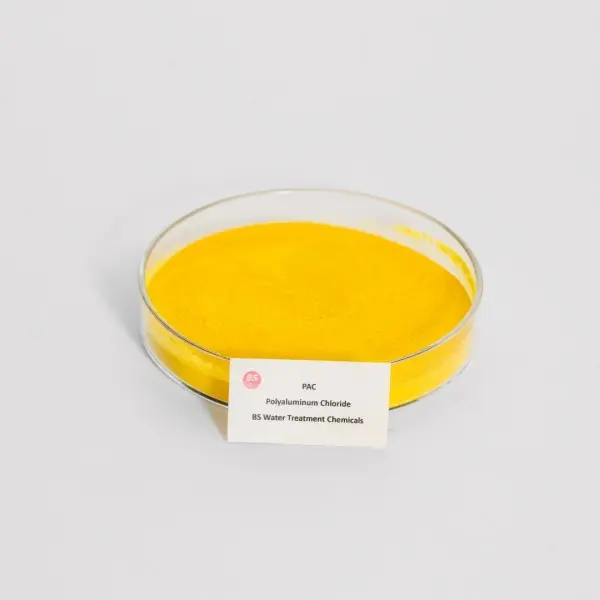
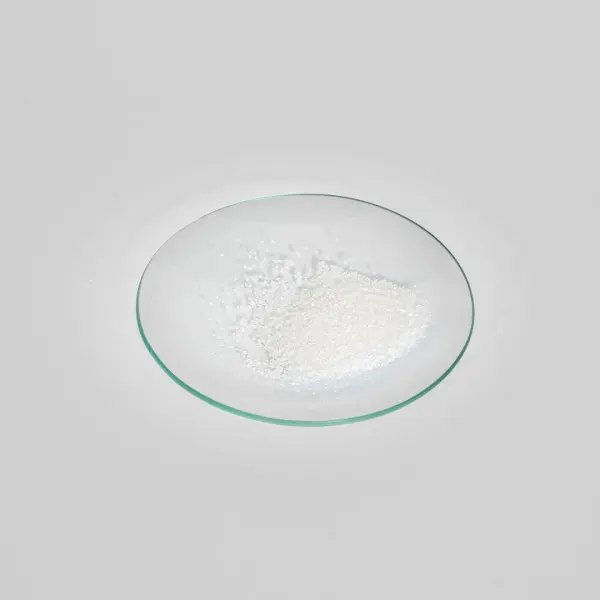
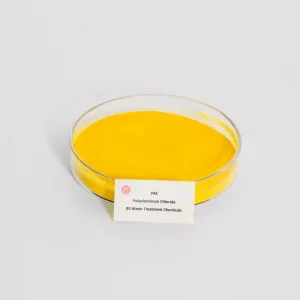
China High-Quality Poly Aluminium Chloride Granules

China High-Quality Poly Aluminium Chloride (PAC) Granules

Explore Product Details
Wholesale Cationic Polyacrylamide (CPAM)

Wholesale Cationic Polyacrylamide (CPAM) - Water Treatment Solutions

Explore Product Details
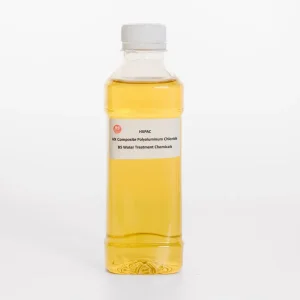
China CPAC Suppliers

China CPAC Suppliers - Advanced Composite Polyaluminum Chloride

Explore Product Details
Wholesale Poly Aluminium Chloride (PAC) Suppliers

Wholesale Poly Aluminium Chloride (PAC) Solid Powder/Granules

Explore Product Details
Wholesale PolyAluminium Chloride Liquid

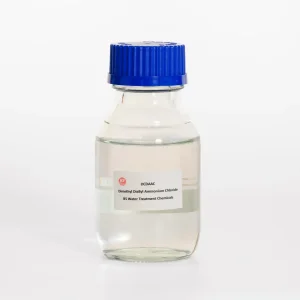
Wholesale PolyAluminium Chloride (PAC) Liquid Solution 10%-15%

Explore Product Details
China High-Quality PAC Suppliers

China High-Quality Poly Aluminium Chloride (PAC) Solid Granules

Explore Product Details
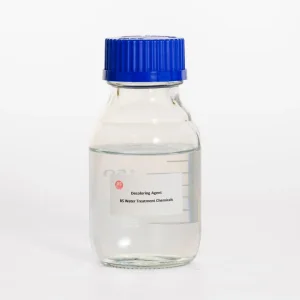
Wholesale Water Decolorizing Agent

Wholesale High Efficient Water Decolorizing Agent (WDA)

Explore Product Details

Technical Whitepaper: Polymer Coagulants in Industrial Water Separation

An in-depth analysis of chemical mechanics, charge dynamics, and strategic sourcing options from leading Chinese manufacturing plants.

1. Understanding Cationic Polymer Coagulants: Chemistry & Mechanism

Cationic polymer coagulants represent a crucial class of water treatment chemicals. Unlike traditional inorganic metal salts such as aluminum sulfate or ferric chloride, organic cationic polymers possess highly specialized molecular structures characterized by repeated positively charged functional groups. In wastewater treatment, the primary mechanism relies on charge neutralization and macromolecular bridging. Most colloidal particles suspended in raw water or industrial effluent carry a negative surface charge (zeta potential). The positive charges on the backbone of cationic polymers attract these negative colloids, effectively collapsing the electrical double layer.

Once the surface charge is neutralized, the high molecular weight of the polymer chain comes into play. The extended polymer chains adsorb onto multiple suspended particles simultaneously, forming massive, dense aggregates known as flocs. This process, referred to as bridging flocculation, significantly accelerates the sedimentation rate, enhances filtration efficiency, and minimizes sludge moisture content. Key parameters defining the performance of cationic polymers include:

  • Charge Density (Ionization Degree): Typically ranges from 10% to 80%. High charge density is essential for neutralization of concentrated organic colloidal suspensions.
  • Molecular Weight: Ranging from medium-chain polymers (1 million Daltons) up to ultra-high molecular weight systems (exceeding 12 million Daltons). Higher molecular weights provide stronger flocs resistant to high shear forces.
  • Molecular Configuration: Linear, branched, or cross-linked architectures tailored for specific dewatering systems like belt presses, screw presses, or centrifuges.

"By replacing or supplementing inorganic coagulants with synthetic cationic polymers, plant operators can reduce sludge volume by up to 50%, cut chemical dosage consumption, and eliminate residual metal toxicity in discharged effluent."

2. The Competitive Landscape of China's Manufacturing Sector

China has emerged as the global powerhouse for the manufacture and supply of cationic polymer coagulants. The advantages offered by Chinese factories extend far beyond simple pricing structures. The integration of the chemical supply chain, localized source materials, and massive infrastructure scale provide unmatched reliability.

Upstream Integration: Most Chinese polymer manufacturing facilities, particularly those located in industrial hubs like Jiangsu and Shandong, benefit from immediate proximity to raw material producers of acrylamide monomer (AM), epichlorohydrin, and dimethylamine. This raw material security ensures stable pricing even during global supply chain volatility.

Advanced Synthesis Control: Leading Chinese factories utilize advanced computer-controlled polymerization reactors. Continuous polymerization lines, automated dry powder milling, and real-time viscosity and molecular weight monitoring guarantee batch-to-batch consistency. Furthermore, China's strict environmental compliance laws have pushed factories to adopt green manufacturing processes, minimizing free monomer impurities (such as free acrylamide content) to satisfy international municipal drinking water safety regulations (e.g., NSF standards).

27 Years of Enterprise Expertise in Water Treatment Chemistry

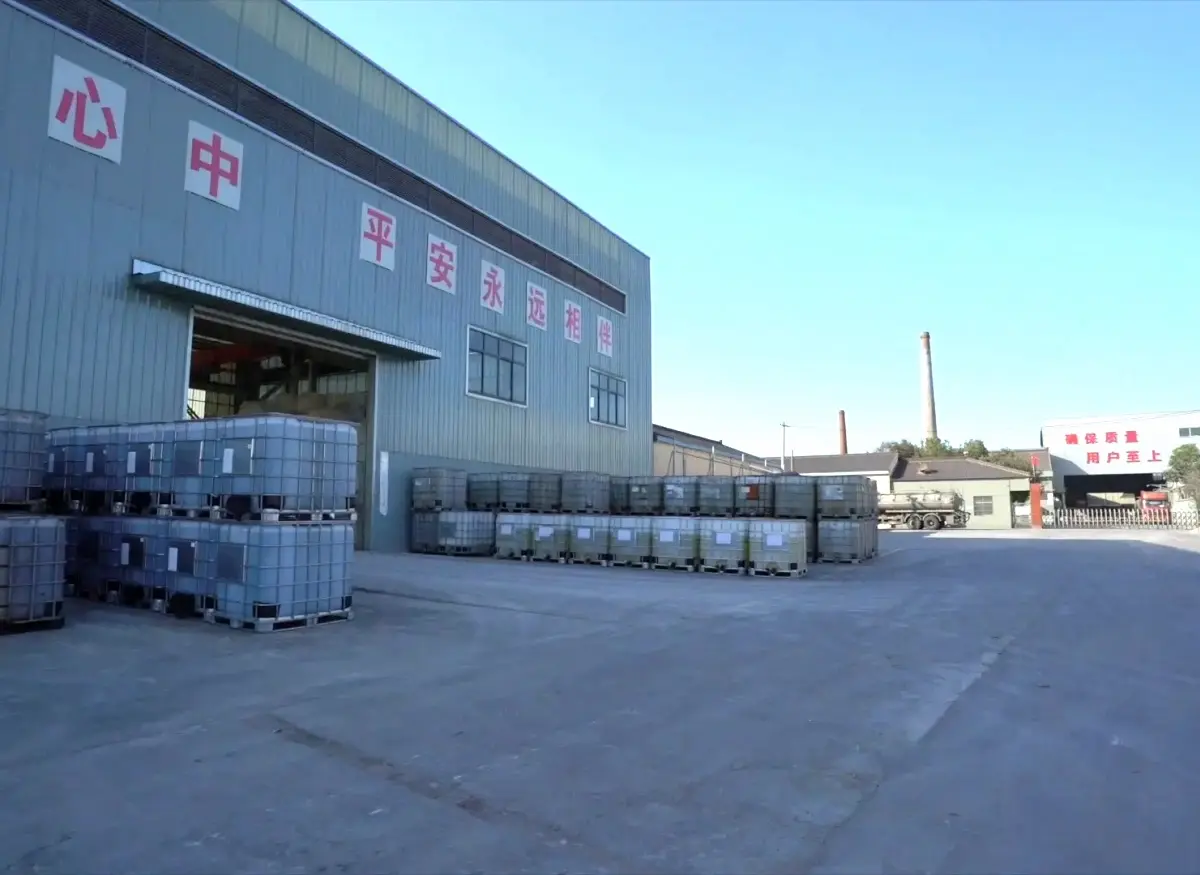
Wuxi BS Water Treatment Chemicals Co., Ltd., founded in 1998, has stood at the forefront of chemical innovation for nearly three decades. We specialize in synthesizing advanced coagulants and flocculants designed for municipal drinking water, industrial process water, and complex wastewater treatment.

Our state-of-the-art facilities in Wuxi, Jiangsu, utilize automated synthesis technologies that support customized molecular weight adjustment and customized packaging. Operating with global delivery networks, we service customers across more than 40 countries, providing cost-effective formulations that out-perform standard solutions under extreme operating parameters.
27+
Years of Industry Experience
500,000+
Tons Annual Sales Volume
20,000+
Tons Storage Capacity
1000+
Served Global Enterprises

Product Classifications & Specifications

Select the corresponding category below to view our dedicated molecular groups engineered for targeted clarification and dehydration.
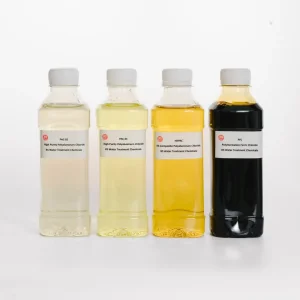
Polymeric Aluminium Ferric Chloride

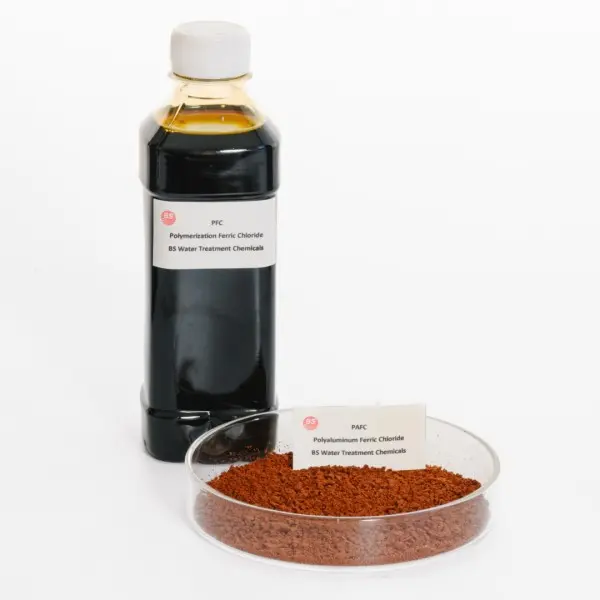
Polymeric Aluminium Ferric Chloride (PAFC)

Technical Specs
Compound Poly Aluminium Chloride

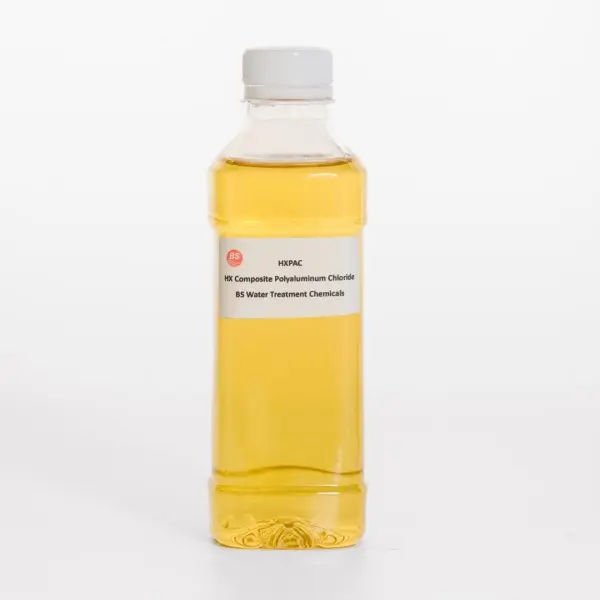
Compound Poly Aluminium Chloride

Technical Specs
Poly Aluminium Chloride Solid

Poly Aluminium Chloride (PAC) · Solid Version

Technical Specs
PolyAluminium Chloride Liquid

PolyAluminium Chloride (PAC) · Liquid Version

Technical Specs
High purity Poly Aluminium Chloride

High purity Poly Aluminium Chloride (PAC-01)

Technical Specs
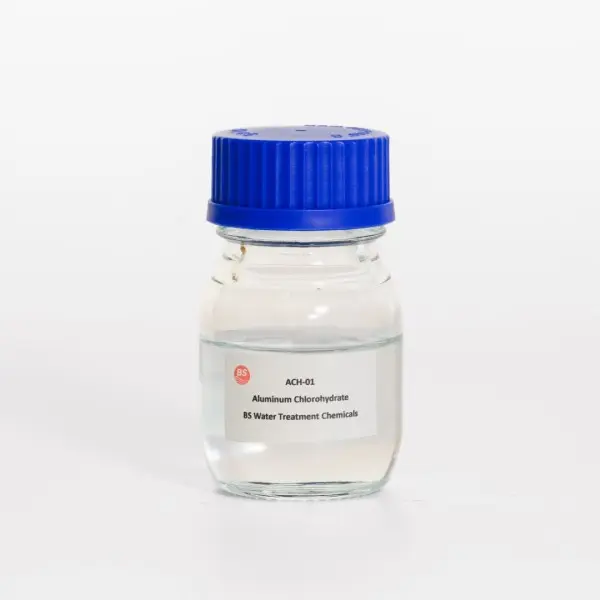
Aluminum Chlorohydrate

High Basicity and High Al2O3 Content Aluminum Chlorohydrate

Technical Specs
Cationic Polyacrylamide

Cationic Polyacrylamide (CPAM) Flocculant

Technical Specs
Anionic Polyacrylamide

Anionic Polyacrylamide (APAM) – Flocculant

Technical Specs

Industrial Best-Sellers (Hot Products)

Explore our most highly demanded functional monomers and polymeric flocculants utilized in demanding heavy industry environments.
Cationic Polyacrylamide

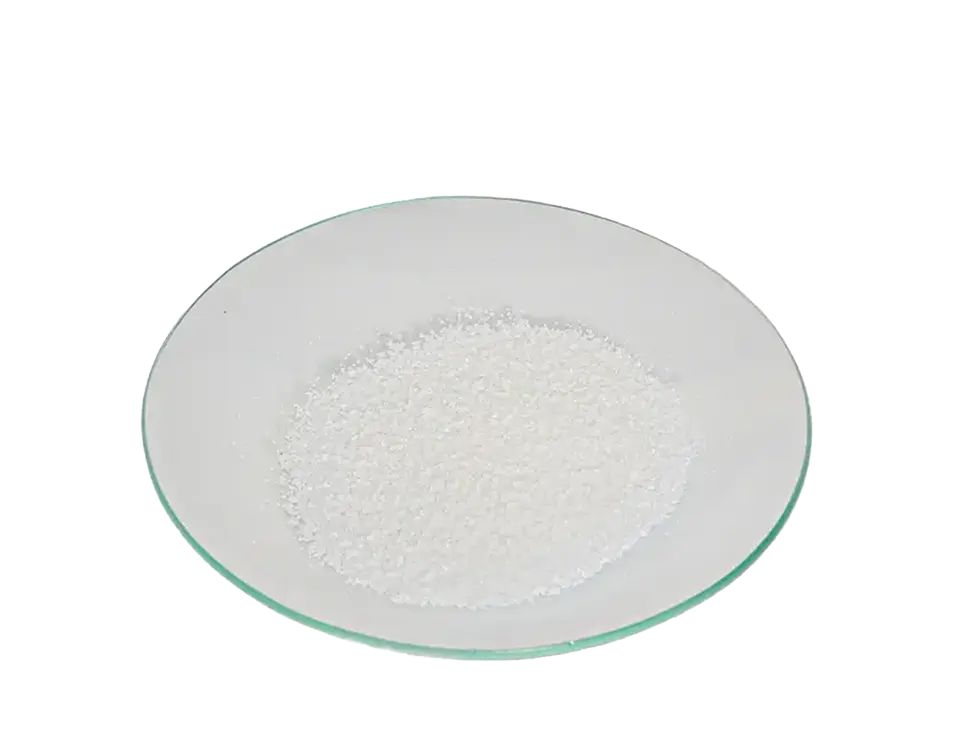
Cationic Polyacrylamide (CPAM)

View Details
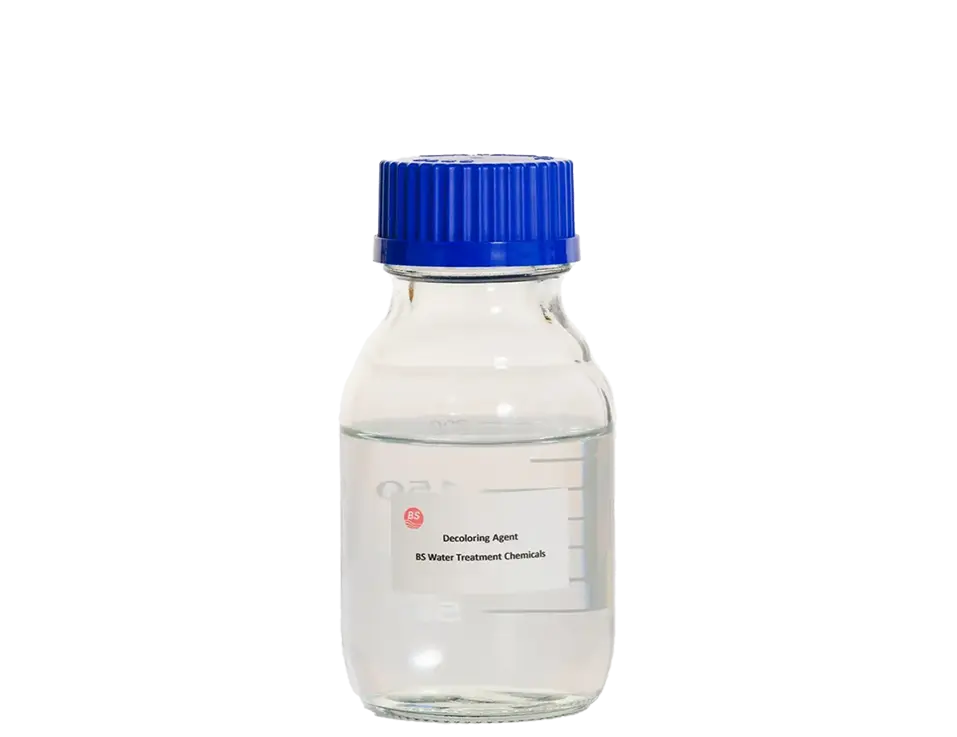
Water decoloring agent

High Efficient Water decoloring agent (WDA)

View Details
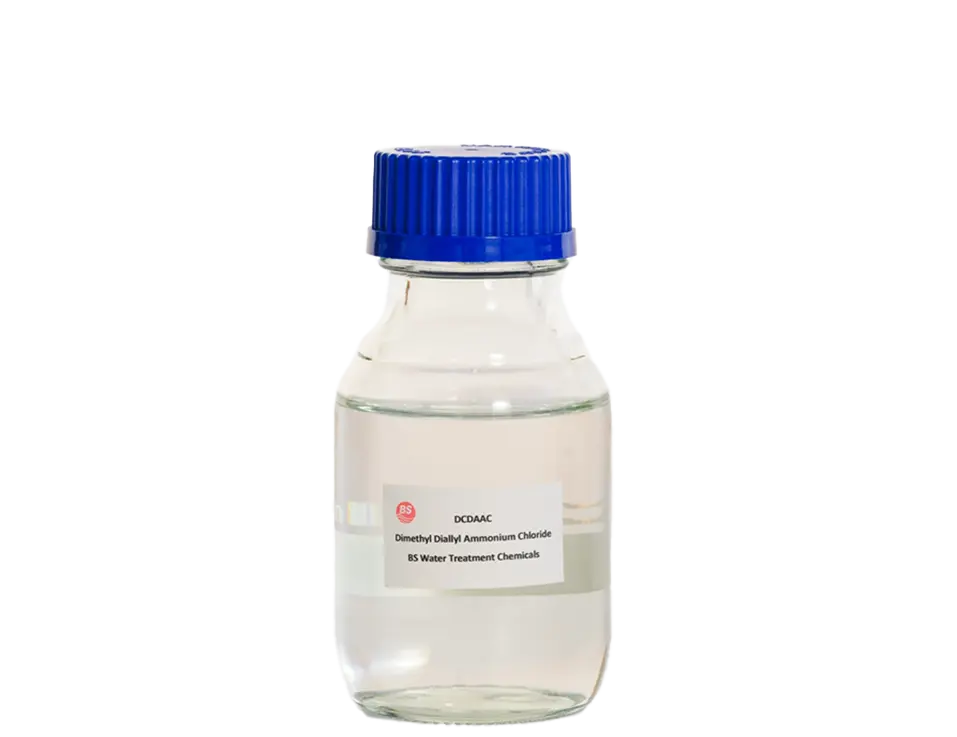
PDADMAC

Poly(diallyldimethylammonium chloride) (PDADMAC)

View Details

Macro Industry Applications & Performance Tuning

Unlocking potential: How chemical selection directly impacts operating efficiency and output quality across multiple industrial verticals.

Industrial Application Profiles

Cationic polymer coagulants are not universal products; instead, they require careful adjustment to suit the substrate and wastewater characteristics. Each industry has unique demands:
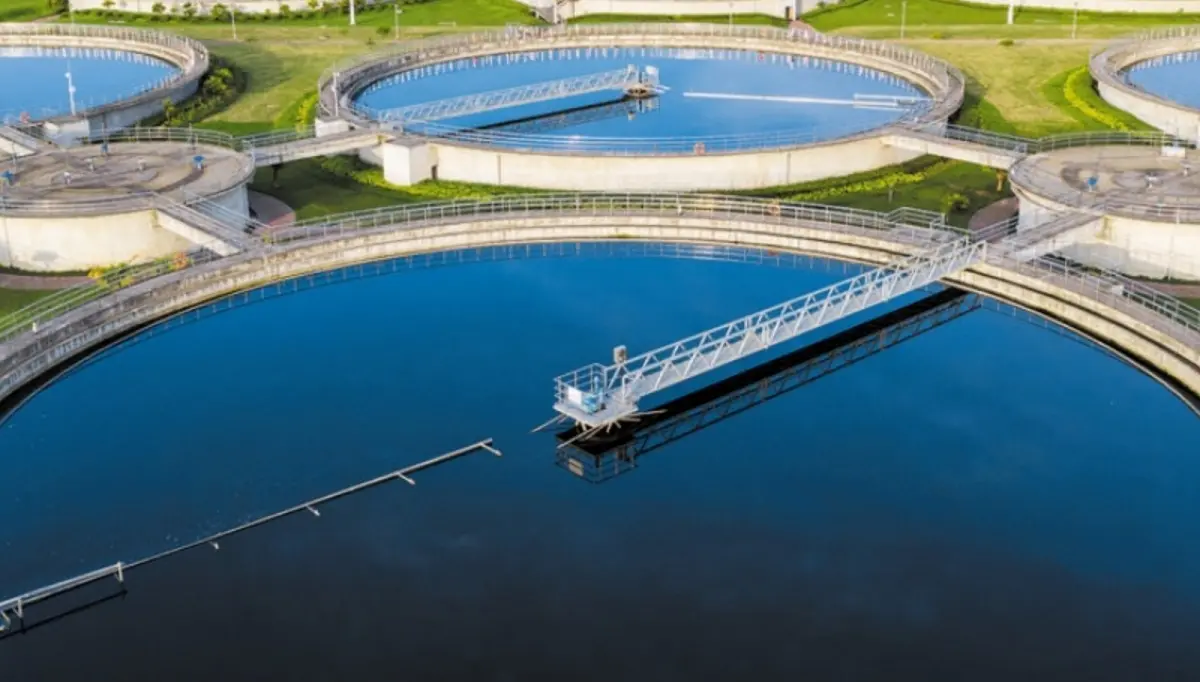

  • Municipal Wastewater Treatment & Sludge Dewatering: Municipal sludge contains high quantities of organic bacterial biomass that holds water tightly within its cellular structures. High-charge CPAM is used to bind the organic particles, releasing interstitial water and allowing mechanical presses (screw or centrifuge) to produce a dry cake (20-30% dry solids), significantly cutting transport and disposal costs.
  • Oil and Gas (Petroleum Industry): In oilfield injection water and produced water treatment, cationic coagulants destabilize water-in-oil emulsions. PDADMAC and polyamines are highly effective in breaking negative interfaces, accelerating crude oil recovery, and cleaning process water before discharge.
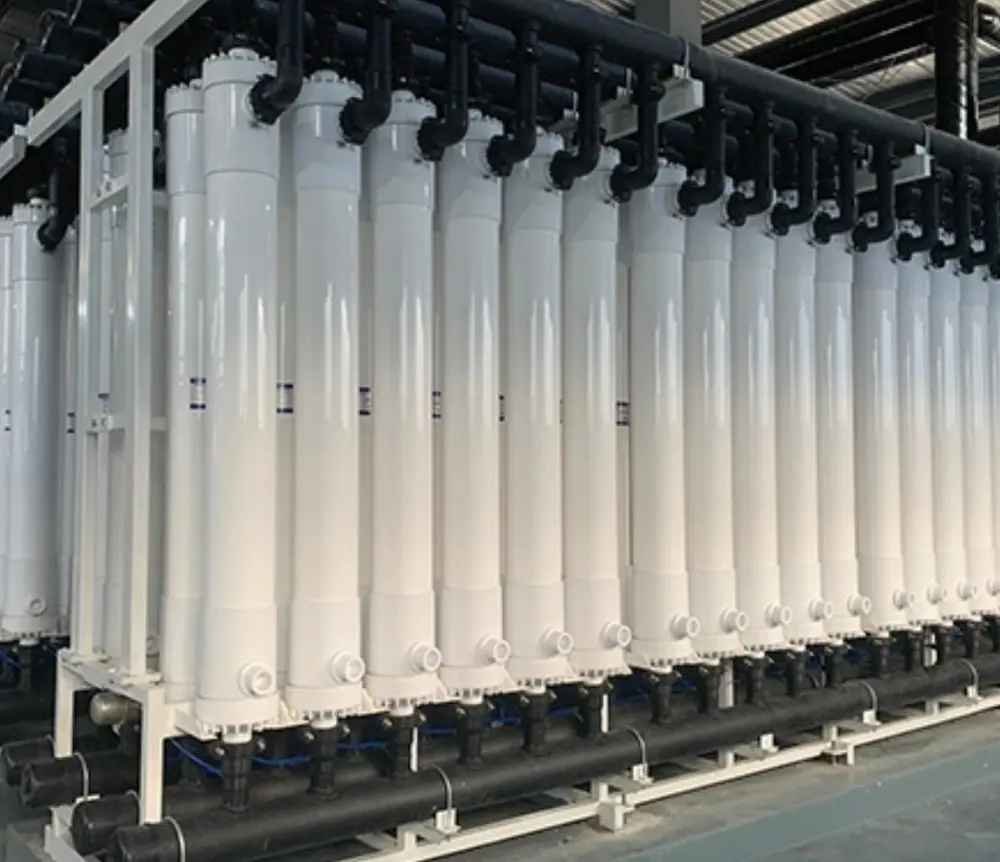
  • Membrane Process Pretreatment: Microfiltration, ultrafiltration, and reverse osmosis (RO) membranes are highly sensitive to organic fouling. Applying a precise, low dose of cationic coagulant helps aggregate organic molecules into microflocs that can be easily backwashed, preventing permanent fouling and membrane deterioration.
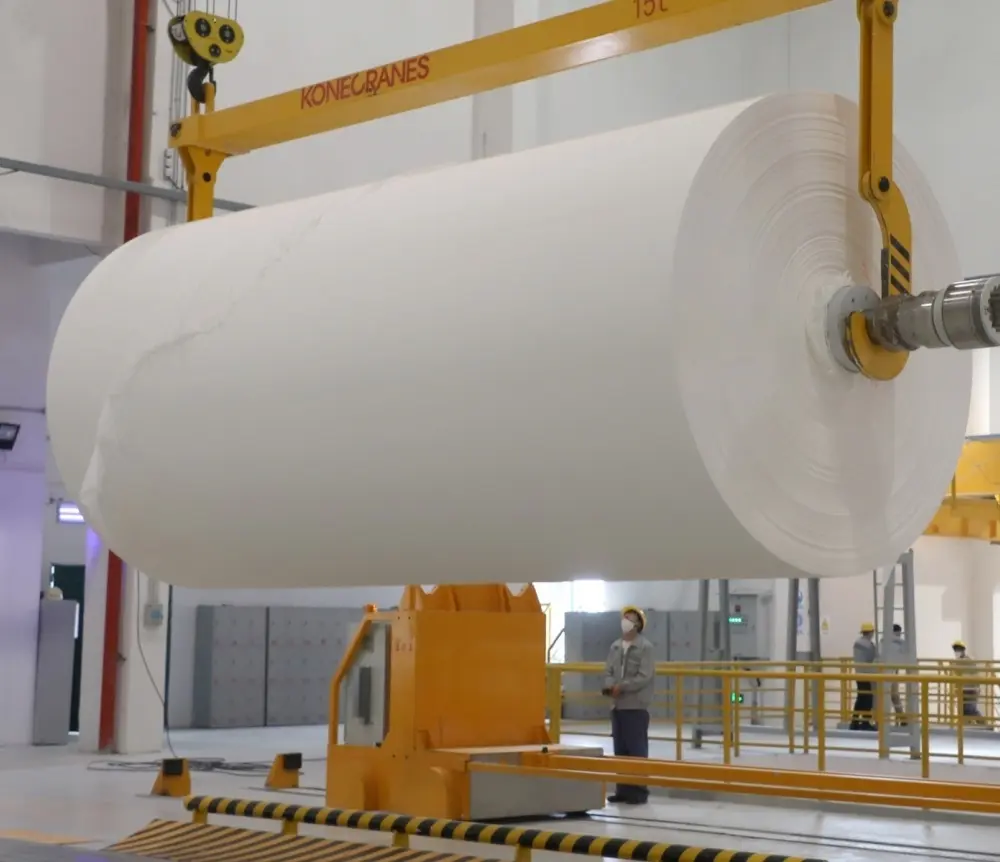
  • Pulp & Paper Manufacturing: In papermaking, retention and drainage aids are vital. Cationic polymers bind to the negatively charged wood fibers and mineral fillers (clay, calcium carbonate), helping retention on the forming wire and speeding up drainage, which allows paper machines to run at faster speeds.
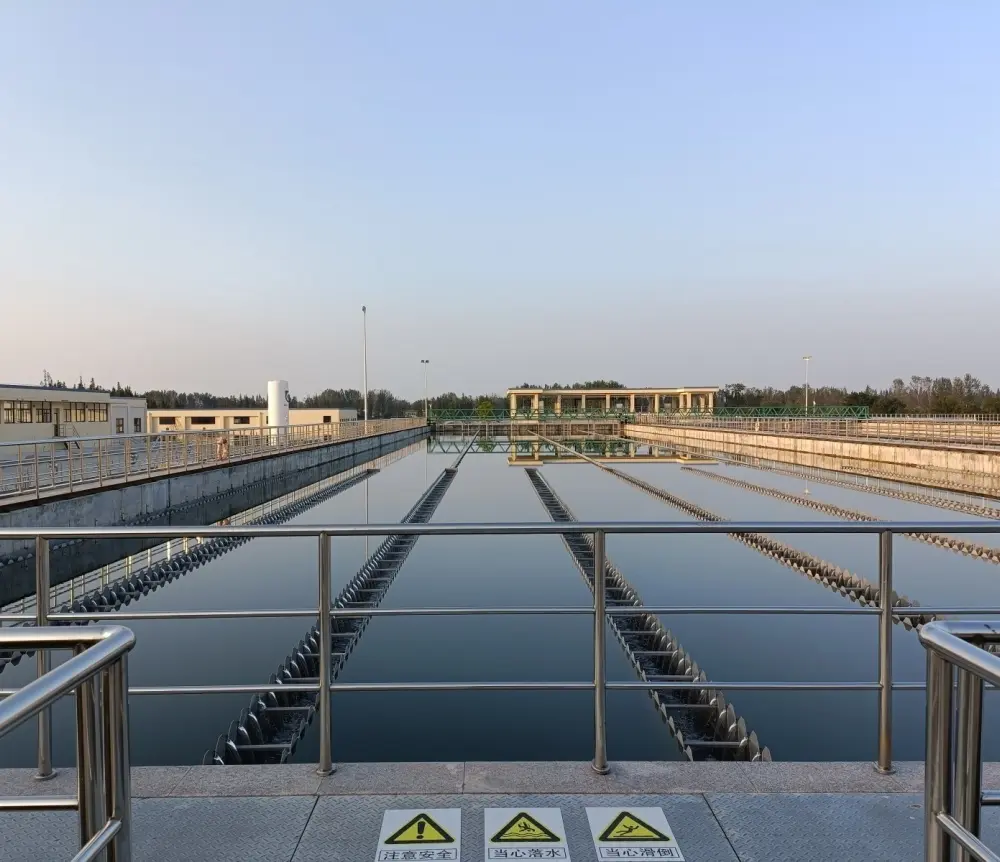
  • Drinking Water Clarification: For raw water clarification, low-toxicity polymers work in combination with inorganic coagulants (like PAC) to reduce total suspended solids (TSS) and turbidity while keeping chemical sludge volumes minimal.
Sewage Treatment Application

Sewage Treatment

Learn More
Petroleum Industry Application

Petroleum Industry

Learn More
Membrane Process Pretreatment

Membrane Pretreatment

Learn More
Papermaking Application

Papermaking

Learn More
Drinking Water Treatment

Drinking Water

Learn More

Expert OEM/ODM Services & Technical Solutions

Offering customized formulations, tailored chemical synthesis, and secure international logistics to meet your exact specifications.

Technical Team Icon

Technical Team

Over 20 seasoned chemical engineers providing targeted dosage testing and custom solution design.

Stable Capacity Icon

Stable Capacity

With an annual sales volume exceeding 500,000 tons, we support continuous, high-volume industrial operations.

Worry-Free Supply Icon

Worry-Free Supply

We operate fully automated filling lines and keep a raw material stock of over 20,000 tons.

R&D Capability Icon

R&D Capability

Continuous investment in modern polymer laboratories ensures advanced product updates and quality validation.

Global Export Icon

Global Export

Providing seamless ocean, rail, and road shipping options to primary ports and land borders globally.

Corporate History & Evolution

A timeline of continuous growth and chemical manufacturing innovation since 1998.

1998

Wuxi BS Water Treatment production facility was established, focusing on inorganic coagulants.

2005

Formally renamed as Wuxi Bisheng Water Treatment Agent Co., Ltd. and upgraded to automated synthesis reactors.

2007

Secured international export certification and expanded operations into Southeast Asia and Middle Eastern markets.

2021

Annual export value exceeded $10 Million. Upgraded dry polymer production lines to improve capacity.

2025

Established dedicated foreign trade divisions and built strategic warehouses near primary shipping ports.

Future

Investing in biodegradable cationic polymers and smart, low-dose treatment systems.

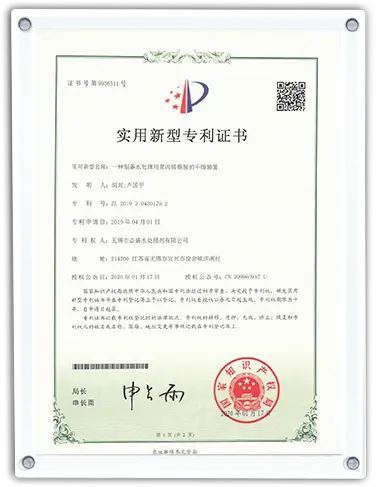
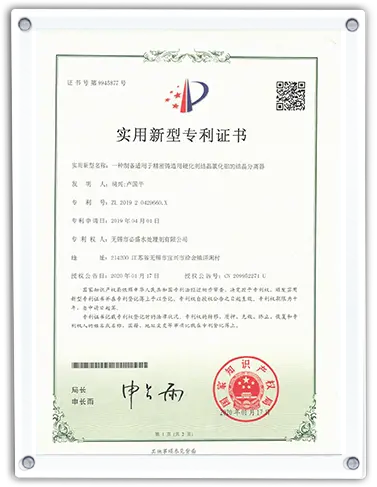
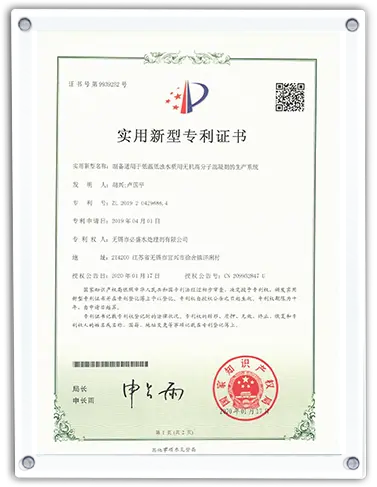
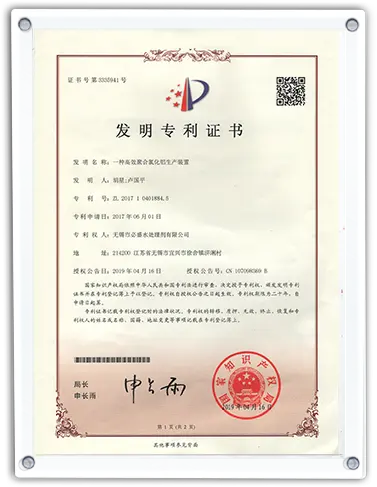
Rewards & Achievements

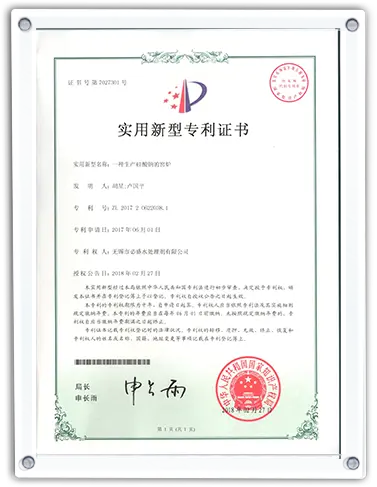
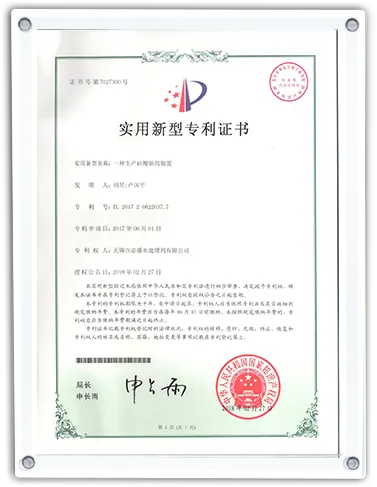
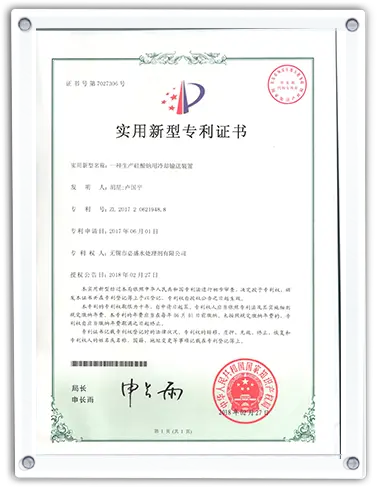
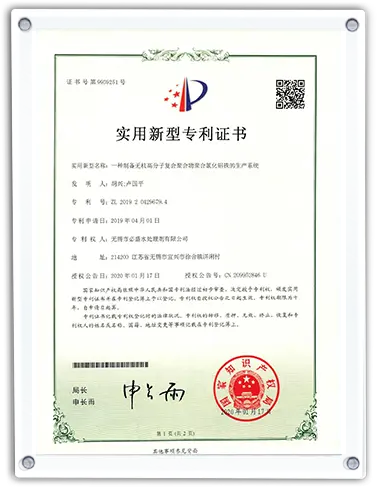
Our commitment to quality, environmental safety, and operational excellence is verified by international certification bodies.

BS Quality Shield Badge

Certified Quality Management System
Quality Certificate 1
Quality Certificate 2
Quality Certificate 3
Quality Certificate 4
Quality Certificate 5
Quality Certificate 6
Quality Certificate 7
Quality Certificate 8
Quality Certificate 9
Quality Certificate 10

Expert Q&A: Polymer Selection & Process Troubleshooting

Providing direct answers to technical questions commonly faced by procurement directors, refinery operators, and civil engineers.

Q1: How do I select the correct cationic charge density for sludge dewatering?
Selecting the correct charge density depends on the organic content of the sludge. Organic sludge (such as biological sludge from municipal sewage plants) carries a high negative charge and requires cationic polyacrylamide (CPAM) with medium-to-high charge densities (usually 40% to 80%). Inorganic sludge (from mining or metal finishing) responds better to low-charge cationic polymers (10% to 30%) or anionic polymers. We recommend executing a jar test series to evaluate floc size, settling speed, and supernatant clarity before specifying the charge density.
Q2: What is the shelf life and correct storage conditions for liquid cationic polymers?
Liquid cationic polymers (such as PDADMAC or polyamine formulations) typically have a shelf life of 12 to 24 months when stored in original, unopened containers. Solid cationic polyacrylamide powder can remain stable for up to 24 months. Store chemicals in a cool, well-ventilated warehouse, away from direct sunlight, extreme heat, and freezing temperatures. Once the dry polymer is dissolved, the resulting solution should be used within 24 to 48 hours, as hydrolysis will cause a gradual reduction in molecular weight and active performance.
Q3: Why are cationic polymers preferred over traditional inorganic coagulants?
While inorganic coagulants like PAC or Alum are effective, they require high dosage rates and generate a high volume of heavy, metal-rich sludge that is expensive to treat and dispose of. Cationic organic polymers operate at much lower dosage levels (often 10 to 100 times lower), do not alter the pH of the treated water, produce a lower sludge volume, and result in shear-resistant flocs that dewater more easily under mechanical pressure.
Q4: How do high mechanical shear forces affect cationic polymer solutions?
Cationic polymers feature long carbon backbones. High-shear pumping or mixing (such as high-speed centrifugal pumps or rapid agitation) can break these molecular chains, reducing the molecular weight and decreasing flocculation efficiency. We recommend using low-rpm positive displacement pumps (such as progressive cavity pumps) and paddle mixers when preparing and dosing polymer solutions.
Q5: Can Wuxi BS formulate polymers for municipal drinking water systems?
Yes. We formulate low-monomer-residual cationic polymer coagulants specifically for drinking water treatment. These formulations strictly limit the concentration of free acrylamide monomer to below 250 ppm, satisfying global health standards and municipal drinking water requirements.
Q6: What is the minimum order quantity (MOQ) and packaging options for export?
Our standard MOQ for international shipments is 1 Metric Ton. Packaging options depend on the product format: dry powders are packaged in 25kg multi-wall paper bags or 750kg/1000kg bulk super sacks; liquid polymers are shipped in 200L polyethylene drums, 1000L IBC tanks, or bulk ISO tanks to suit your storage configuration.

Technical Formulations & Specialized Flocculants

Complete product range supporting specific industrial sedimentation, clarification, and oil extraction processes.
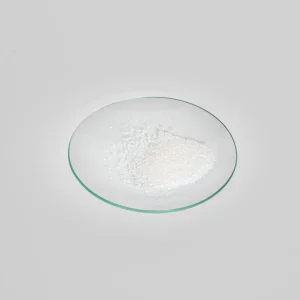
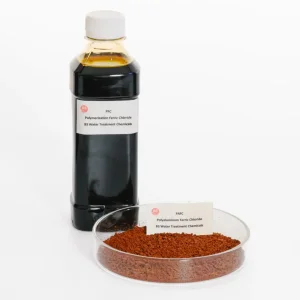
China Suppliers of Composite Polyaluminum Chloride

China Composite Polyaluminum Chloride (CPAC) Supplier

Explore Product Details
China CPAC Suppliers

China CPAC Suppliers: Advanced Composite Polyaluminum Chloride

Explore Product Details
China Anionic Polyacrylamide Suppliers

China Anionic Polyacrylamide (APAM) Premium Flocculant

Explore Product Details
Wholesale Cationic Polyacrylamide CPAM

Wholesale Cationic Polyacrylamide (CPAM) from China

Explore Product Details
China Polymeric Aluminium Ferric Chloride

China Polymeric Aluminium Ferric Chloride (PAFC) Factory

Explore Product Details
China Anionic Polyacrylamide Flocculant

China Anionic Polyacrylamide (APAM) – Water Flocculant

Explore Product Details
China Efficient Water Decoloring Agent Supplier

China High Efficient Water Decoloring Agent (WDA)

Explore Product Details
China PDADMAC Suppliers

China PDADMAC Suppliers - High-Quality PDADMAC

Explore Product Details

Latest Industry News & Technical Insights

Keep informed of recent developments, product updates, and industry events from our technical team.
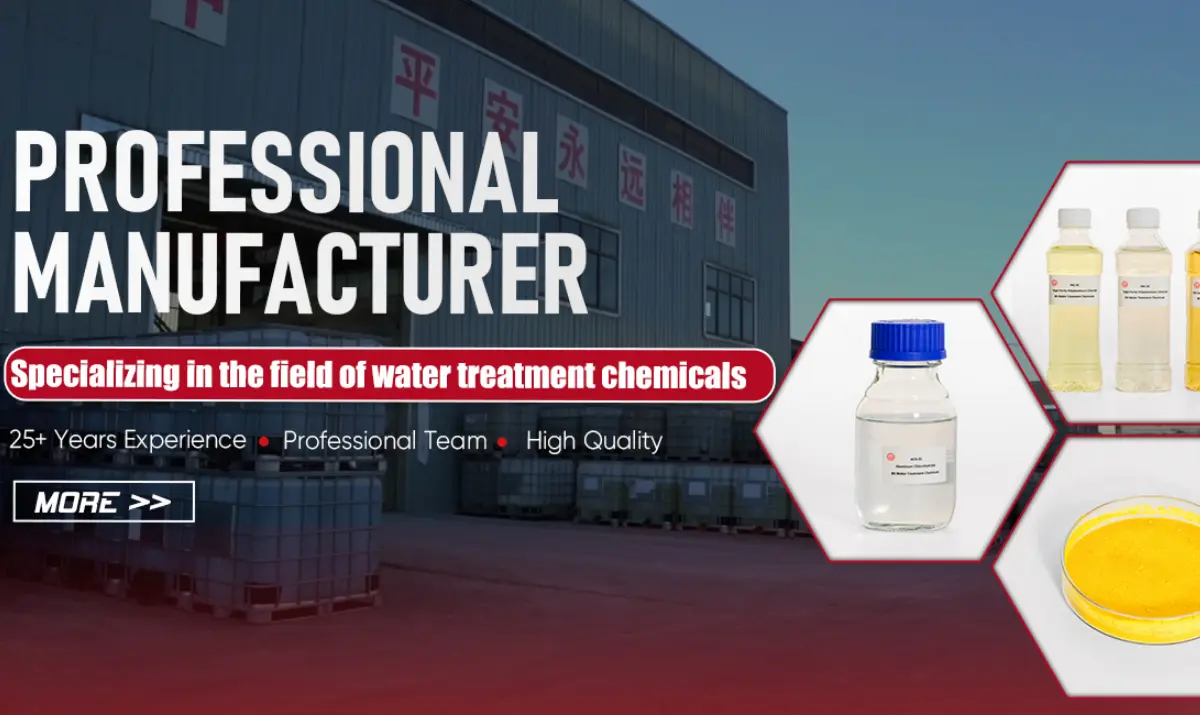
Wuxi BS Water Treatment Global Expansion News
Calendar Icon Sep 09, 2025

Wuxi BS Water Treatment: From Local Deep Dive to Global Layout

Wuxi BS Water Treatment Chemicals Co., Ltd. continues to build its international presence, upgrading production facilities and establishing distribution hubs to serve clients in South America and the EMEA region.

Read Full Article →
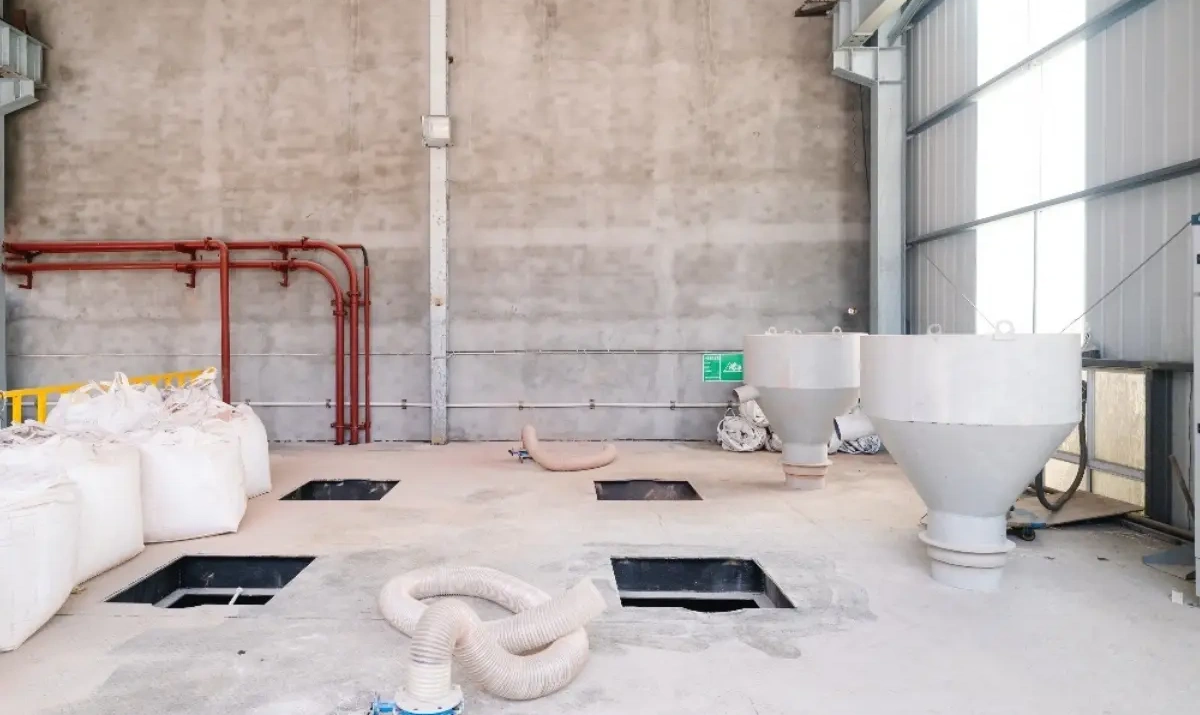
Digital Intelligent Solid Feeding Equipment
Calendar Icon Aug 21, 2025

Wuxi BS Water Treatment Launches Advanced Solid Feeding Systems

Development Conference
Calendar Icon Aug 21, 2025

The 2025 Innovation and Development Conference for Chemical Treatment

Get in Touch with our Technical Sales Team

Have technical questions regarding product choice, dosage rates, or custom formulations? Our chemical engineers are ready to assist.

Submit an inquiry for custom quotes and samples: