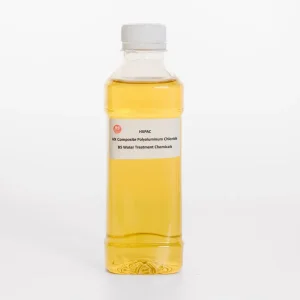
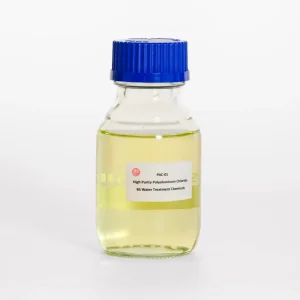
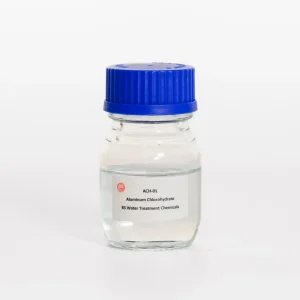
Direct supply from Wuxi BS Water Treatment's state-of-the-art chemical synthesis facility. High purity, certified performance, and stable supply chains.
Rapid global industrialization, urban expansion, and stringent environmental conservation laws have necessitated the deployment of highly efficient sewage and wastewater purification regimes. Modern municipal and industrial plants no longer rely solely on physical settling; chemical manipulation of waste streams is critical. Flocculation, coagulation, emulsion breaking, and organic color removal constitute the cornerstone of modern tertiary and secondary water recovery systems.
Wuxi BS Water Treatment Chemicals Co., Ltd., established in 1998, has continuously invested in polymerization chemistry and high-capacity manufacturing structures. The objective is to design chemical agents capable of dealing with extremely complex wastewater compositions. From high-concentration organic sludge in petrochemical processes to trace organic colorants in papermaking facilities, specialized formulations are key to achieving zero liquid discharge (ZLD) and meeting discharge compliance laws worldwide.
Traditional metallic salts like basic Alum require high dosages and significantly shift water pH, leading to downstream secondary pollution. Wuxi BS's modern polymeric reagents—such as Polymeric Aluminium Chloride (PAC), Aluminum Chlorohydrate (ACH), and cationic Polyacrylamide (CPAM)—utilize charge neutralization and molecular bridging mechanisms. These synthetic polymers drastically reduce dosage requirements, limit sludge volume, and function across wide pH thresholds.
Explore the specific molecular classifications, chemical profiles, and applications within municipal and industrial treatment environments.
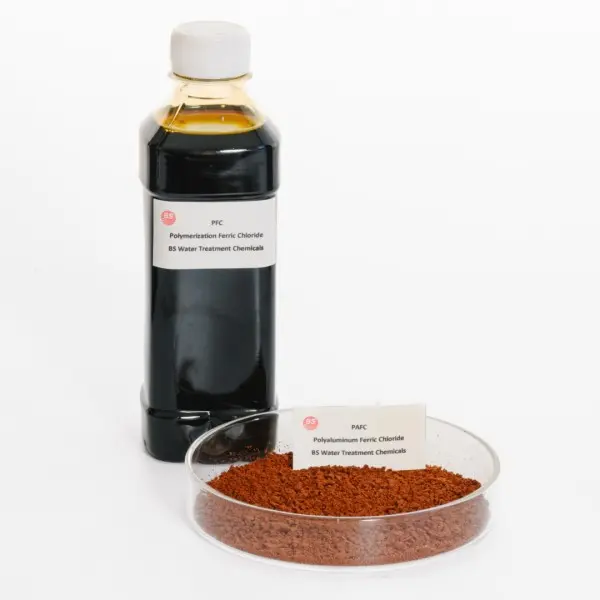
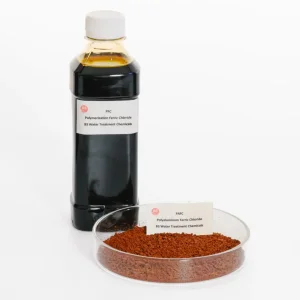
Combining aluminum charge-neutralization with iron bridging properties for heavy particulate clarification.
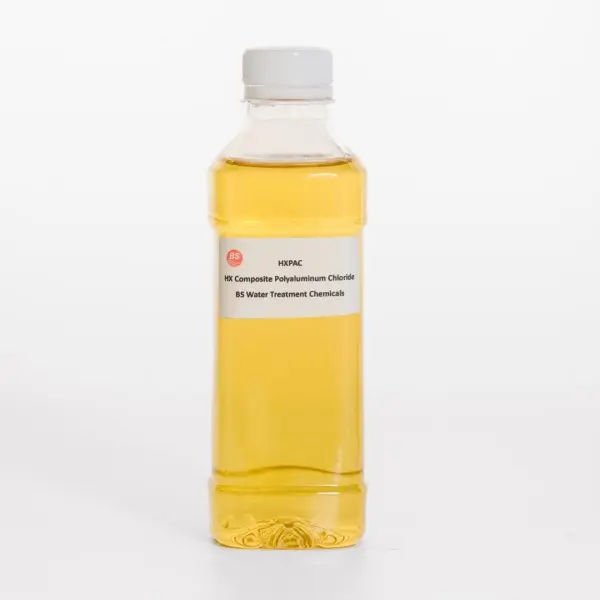
Co-polymerized formulation for high-turbidity seasonal river water filtration and industrial runoff.
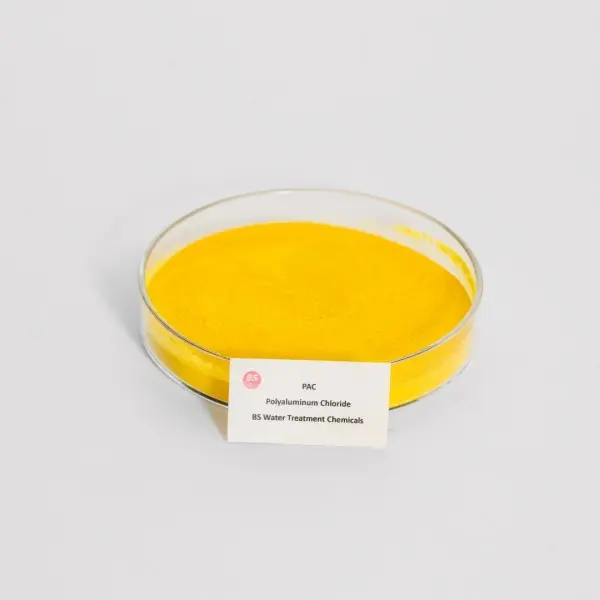
Spray-dried powder format offering optimal stability, long-term storage shelf life, and high Al2O3 purity.
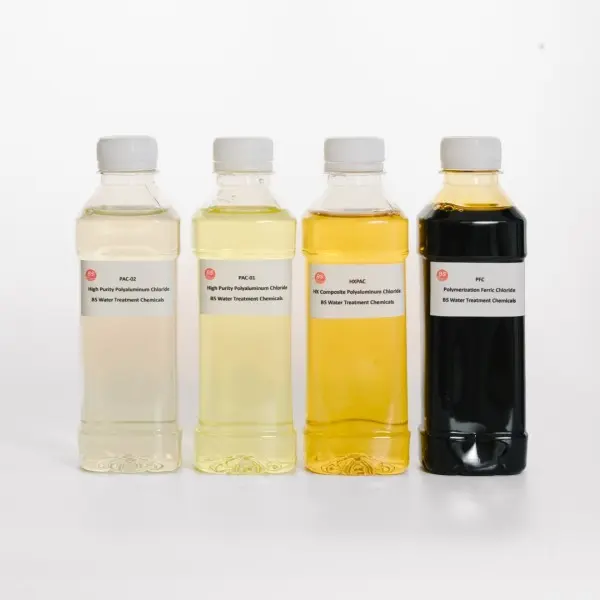
Highly concentrated liquid form for direct automated metering pumps, avoiding the need for dissolution preparation.
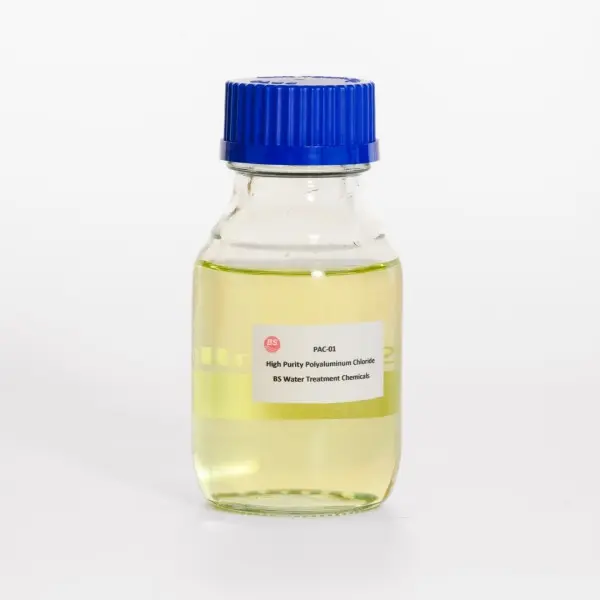
Exceeds drinking water safety protocols, minimizing heavy metals for municipal waterworks and food processing plants.
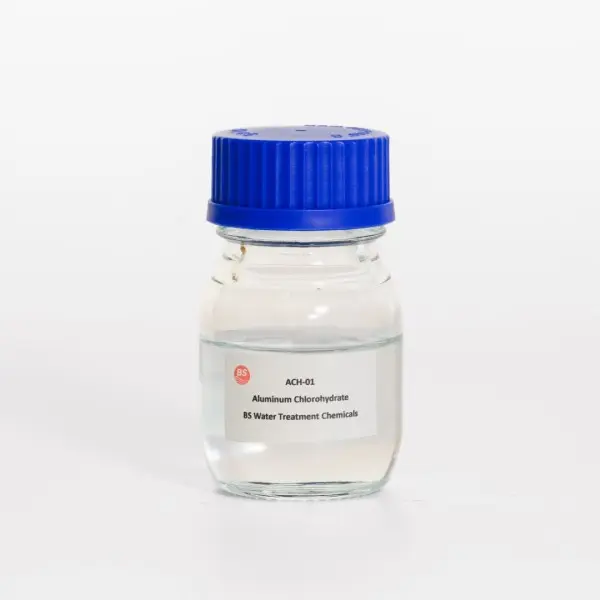
Maximum basicity (up to 83%) chemical agent for superior coagulation speed with minimal pH disruption.
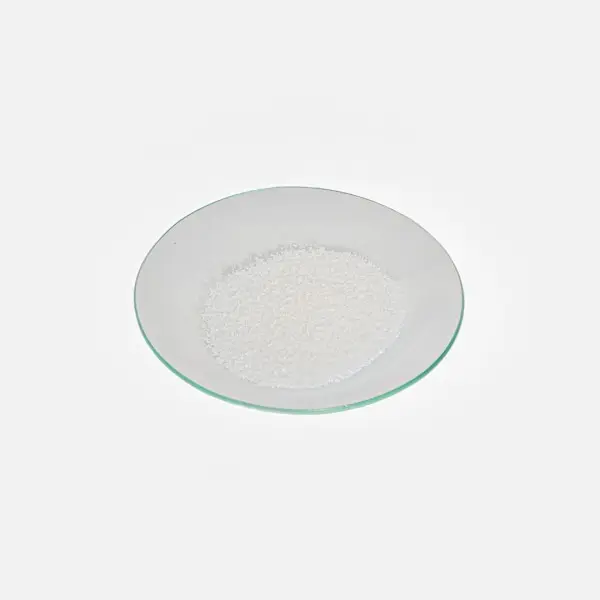
Ultra-high molecular weight organic polymer designed to clump organic waste particles and speed up sludge dewatering.
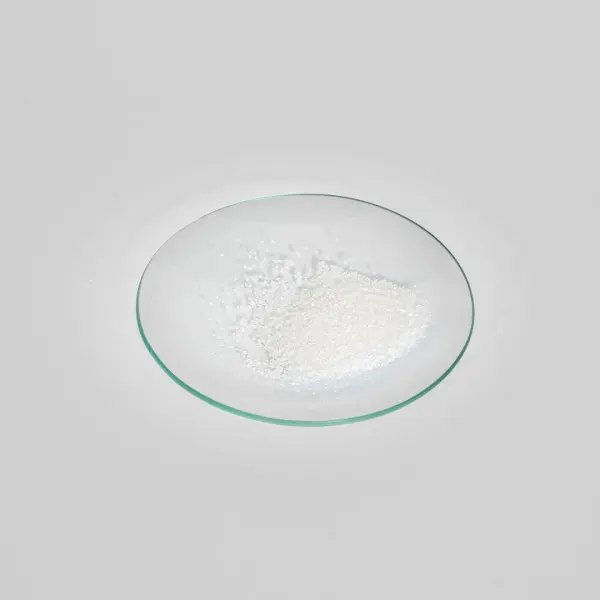
Formulated for mineral washings, metallurgical processes, and primary municipal sedimentation stages.
To understand modern sewage purification systems, we must analyze the electrical properties of colloidal particles. Most suspended solids in industrial and municipal wastewater carry negative charges. This negative charge creates electrostatic repulsion, preventing the particulates from grouping together and settling.
Chemical remediation focuses on two main mechanisms: Charge Neutralization and Polymer Bridging. High-charge cationic polymers, like PDADMAC or cationic polyacrylamides, adsorb onto the surface of negatively charged colloids, neutralizing their electrical charges. Once neutralized, the repulsive forces drop, allowing the particles to aggregate.
High-molecular-weight polymers (such as Anionic PAM) attach to multiple colloid surfaces simultaneously. The long carbon chains extend into the solution, capturing particles and forming strong, fast-settling flocs that resist shear forces in centrifuges and clarifiers.
Reagents like PDADMAC provide concentrated cationic charges. Adjusting the charge density allows plants to optimize treatment for specific sludge types, avoiding chemical waste and preventing charge reversal, which can re-disperse particles.
Polyacrylamide (PAM): A synthetic polymer made from acrylamide subunits, available in non-ionic, anionic, and cationic variations. Cationic polyacrylamide (CPAM) is widely used for sludge dewatering in municipal and organic wastewater plants. Anionic polyacrylamide (APAM) is primarily used for inorganic mineral separation, metallurgy, and sand washing, where its high molecular weight helps bridge particulates.
Polyaluminium Chloride (PAC): An inorganic polymer coagulant characterized by high basicity and Al2O3 content. Compared to traditional aluminum sulfate, PAC features complex polymeric rings that neutralize charges more effectively and require less dosage. Wuxi BS produces PAC using advanced spray-drying techniques, ensuring rapid solubility and consistent performance.
Aluminum Chlorohydrate (ACH): The most concentrated form of inorganic aluminum coagulant, with basicity levels reaching 83%. ACH provides maximum charge neutralization per unit mass, minimizing the volume of chemical sludge generated and preserving the system's natural alkalinity.
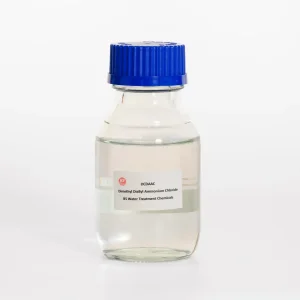
Poly(diallyldimethylammonium chloride) (PDADMAC): A liquid cationic polymer with high charge density. Unlike polyacrylamide, PDADMAC remains highly stable across a wide pH range, making it ideal for primary coagulation in drinking water systems, industrial wastewater, and pulp and paper applications.
Tailored chemical formulations designed to meet the strict treatment standards of diverse global industries.
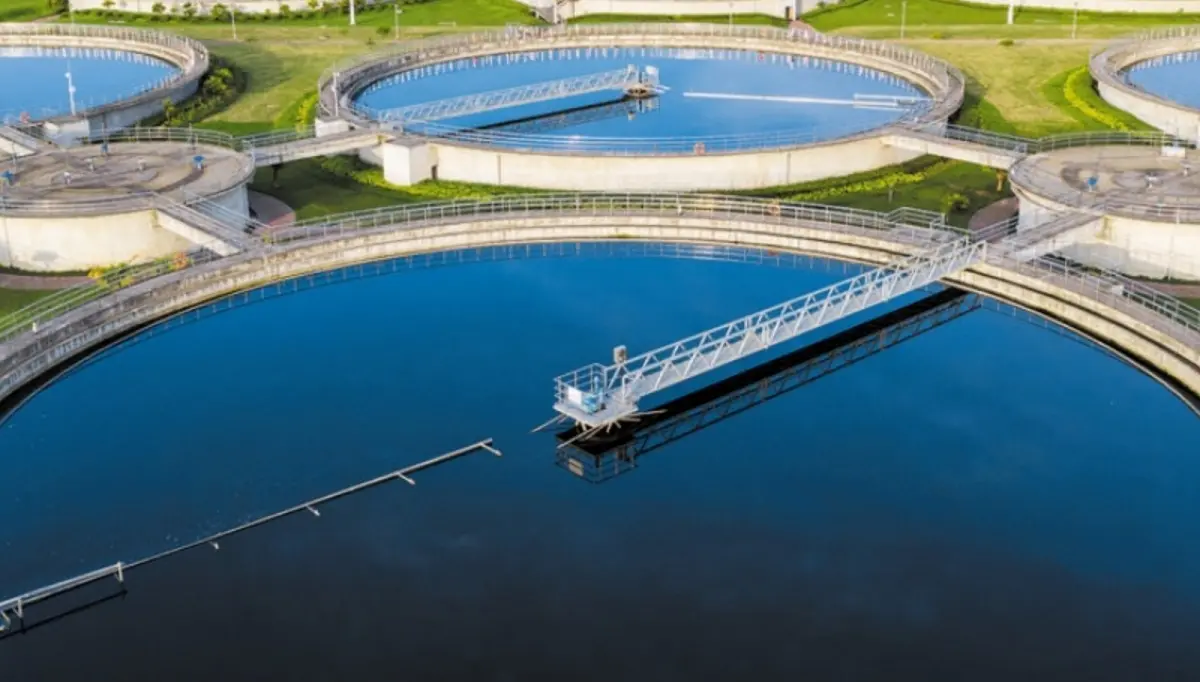
Optimizing municipal wastewater processing with efficient sludge dewatering, phosphorus removal, and flocculation systems.
View Solutions →
Advanced demulsification and wastewater treatment solutions for oily drilling muds and refinery processing streams.
View Solutions →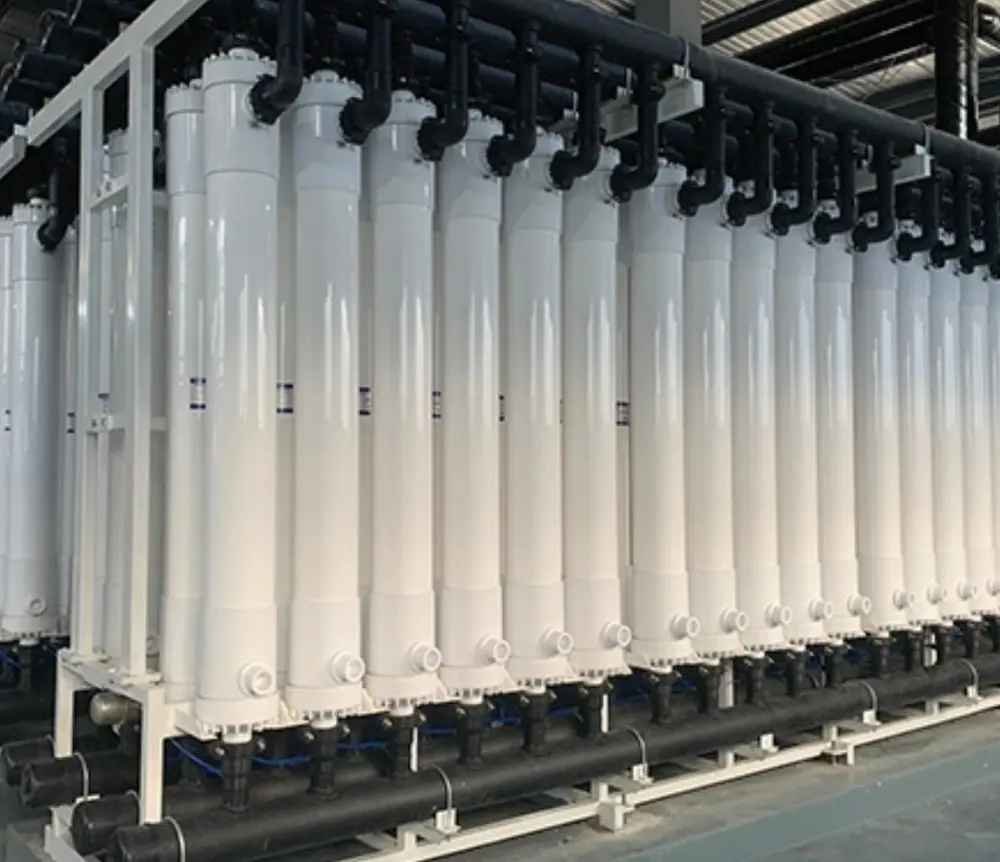
Extending the lifespan of RO and UF filtration systems by minimizing organic fouling and colloidal buildup.
View Solutions →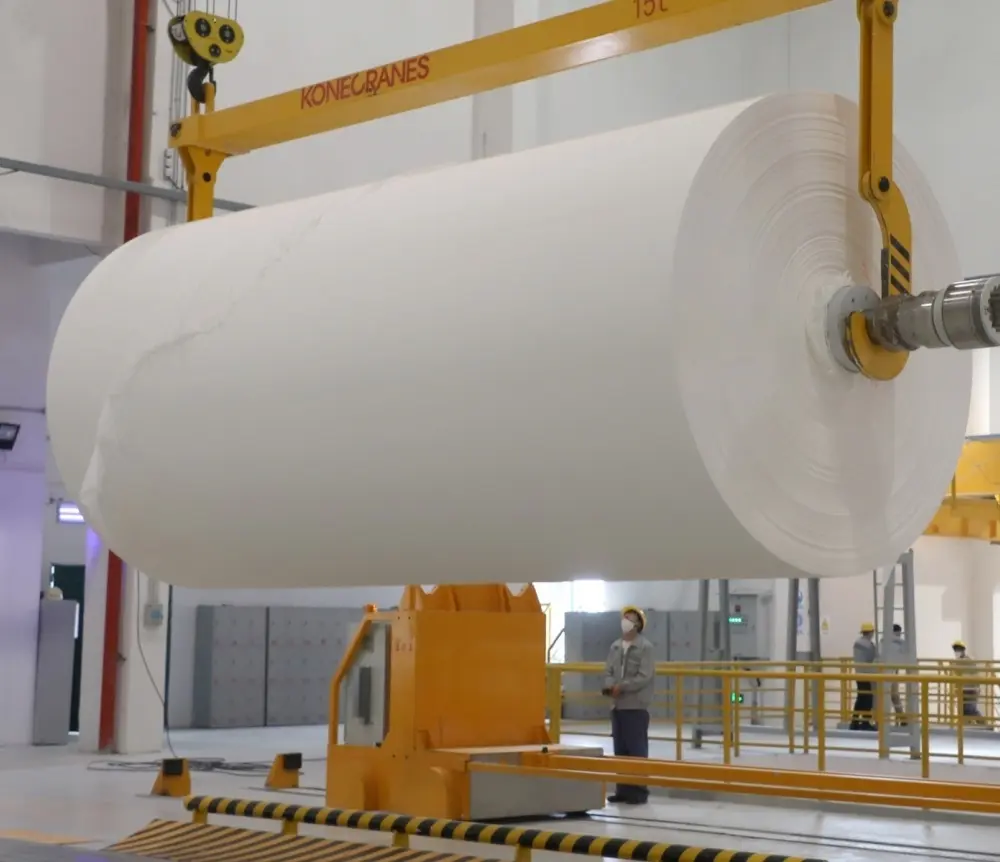
Highly effective retention aids, drainage agents, and color removal chemicals for industrial paper mills.
View Solutions →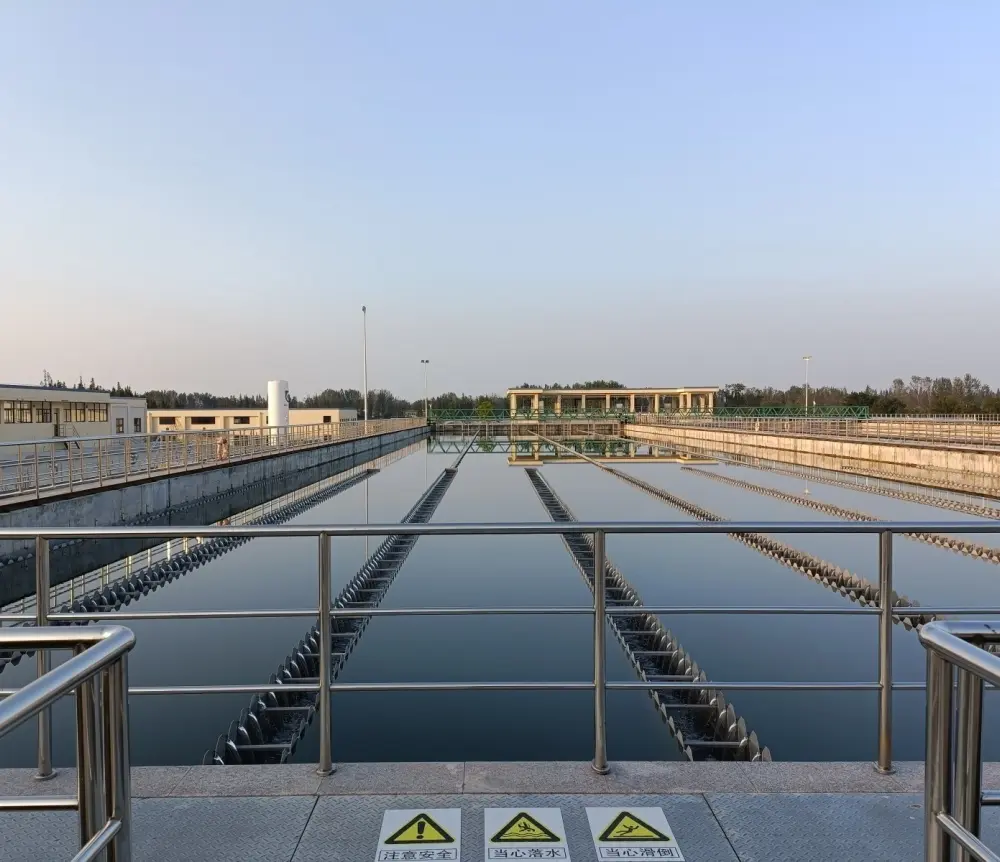
High-purity coagulants that meet food-grade safety standards for municipal drinking water systems.
View Solutions →Have unique water parameters? Our laboratory team offers customized formulation adjustments tailored to your specific process parameters.
Consistency in chemical manufacturing requires strict quality control at every stage. Wuxi BS has integrated automated DCS (Distributed Control Systems) throughout its chemical synthesis lines. This integration ensures that temperature, pressure, reaction times, and raw material feed rates are precisely regulated, resulting in consistent polymer molecular weights and charge densities from batch to batch.
In 2025, Wuxi BS introduced advanced digital intelligent feeding equipment to automate raw material dosing. This technology minimizes human error, increases reaction yield, and reduces by-product formation. The result is high-purity coagulants with fewer unreacted monomers, providing reliable performance for downstream wastewater treatment.
With an annual sales volume exceeding 500,000 tons and a dedicated warehouse capacity of over 20,000 tons, Wuxi BS manages a highly resilient supply chain. These facilities enable the company to maintain buffer stocks for global clients, mitigating shipping disruptions, raw material shortages, and seasonal demand spikes.
Every production batch undergoes strict quality control testing. Analysts measure key parameters, including active content percentage, dynamic viscosity, free monomer limits, insolubles, and pH compatibility. This rigorous inspection process ensures that every shipment meets international standards before leaving the factory.
Over two decades of research, manufacturing growth, and global expansion in the water treatment sector.
Our specialized chemical manufacturing factory was established, laying the foundation for local polymer synthesis operations.
The company was renamed Wuxi Bisheng Water Treatment Agent Co., Ltd., focusing on developing cationic polymers and PAC series.
Began exporting chemical products internationally, supplying industrial projects and distributors across Europe, Southeast Asia, and the Americas.
Expanded our target markets and manufactured the world's largest absorption chillers to support energy integration at chemical facilities.
Annual export sales exceeded $10 million USD, demonstrating strong international growth and trust in our product quality.
Upgraded our absorption chiller systems and integrated heat recovery solutions to improve energy efficiency across our processing plants.
Established our dedicated foreign trade department and introduced automated, digital raw material feeding equipment to optimize production.
We are investing in green polymer research, developing bio-degradable flocculants, and working to further reduce the carbon footprint of our operations.
B2B buyers face several challenges when sourcing water treatment chemicals internationally, including product stability during transport, regulatory compliance, and consistent active ingredient concentrations.
Product Stability & Shelf Life: High-molecular-weight polymers can degrade if exposed to moisture, high temperatures, or shear stress. Wuxi BS uses multi-layer moisture-proof packaging for powder products and corrosion-resistant IBC drums for liquid formulations to ensure the products remain stable throughout transit.
Regulatory Compliance: We maintain ISO 9001, ISO 14001, and SGS certifications to meet global standards. For drinking water applications, our High Purity Poly Aluminium Chloride (PAC-01) complies with national sanitation codes, minimizing trace heavy metals like arsenic, lead, and cadmium.
Technical Support: Chemical treatment requires precise dosing. Over-dosing can cause particle re-dispersion, while under-dosing leads to incomplete settling. Wuxi BS provides technical support, including lab analysis of water samples, to help customers determine optimal dosage rates for their specific systems.
Answers to common questions regarding water treatment chemistry, application issues, and procurement logistics.
Solid spray-dried PAC has a shelf life of up to 2 years when stored in a cool, dry place in its original sealed packaging. Liquid PAC formulations are typically stable for 6 months. It is best to avoid storing liquid PAC in direct sunlight or freezing temperatures to prevent crystallization.
High-viscosity PAM solutions indicate high molecular weight, which improves bridging performance. However, these solutions require proper aging times (typically 40 to 60 minutes of low-shear stirring) to dissolve completely. Fast stirring should be avoided, as high shear can break the polymer chains and reduce effectiveness.
WDA uses highly cationic dicyandiamide-formaldehyde polymers to target the chromophore groups of soluble organic dyes. It neutralizes their negative charge and destabilizes the dye molecules, forming dense, insoluble flocs that can be easily filtered out of the water.
Optimal pH ranges vary by product. Standard PAC performs well between pH 5.0 and 9.0, while High Basicity ACH operates effectively down to pH 4.0. Cationic PDADMAC polymers remain stable across a broad pH range of 1.0 to 14.0, making them highly versatile for complex industrial waste streams.
Yes. We offer custom packaging, including 25kg bags, 1000kg IBC totes, and bulk flexibags. Our laboratory team can also adjust active content, viscosity, and charge density to meet specific customer requirements.
Explore our high-molecular-weight polymers and coagulant formulations engineered for demanding wastewater applications.
Stay informed on technical updates, industry events, and digital innovations at our manufacturing facility.
 Sep 09, 2025
Wuxi BS Water Treatment Chemicals Co., Ltd. continues to expand its global distribution network, improving logistics efficiency for international B2B clients.
 Aug 21, 2025
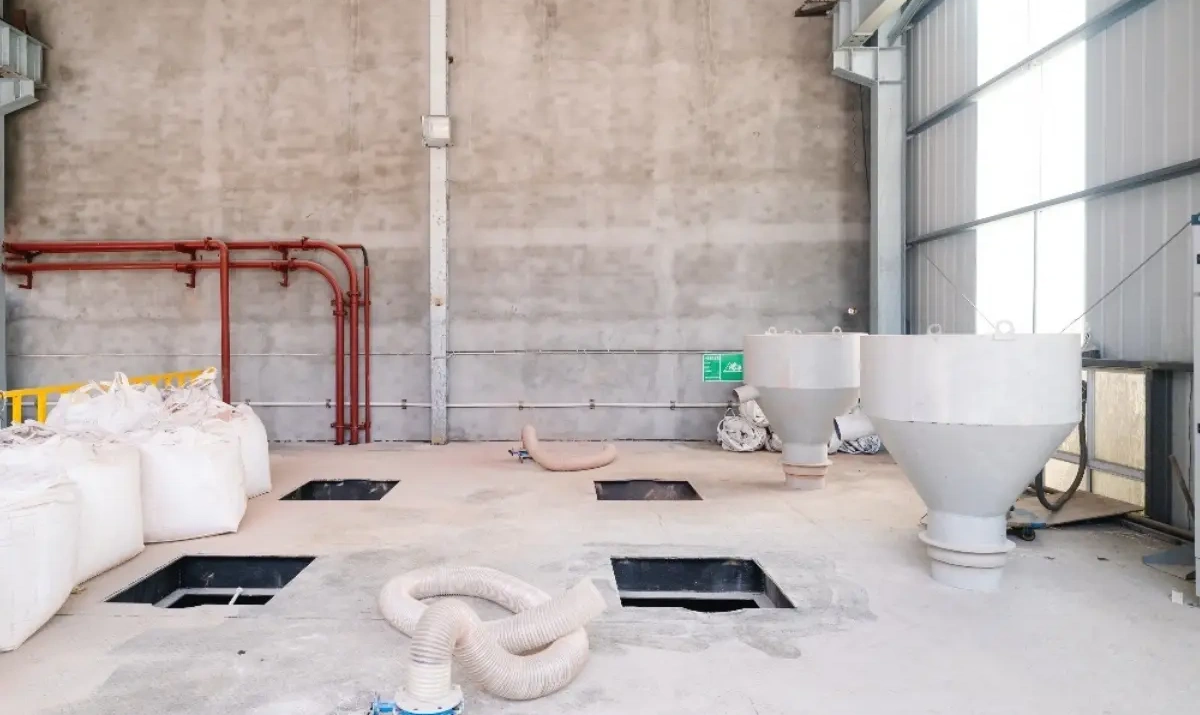
We have launched digital solid-feeding equipment at our plant to automate raw material dosing, increasing batch consistency and reducing environmental impact.
 Aug 21, 2025
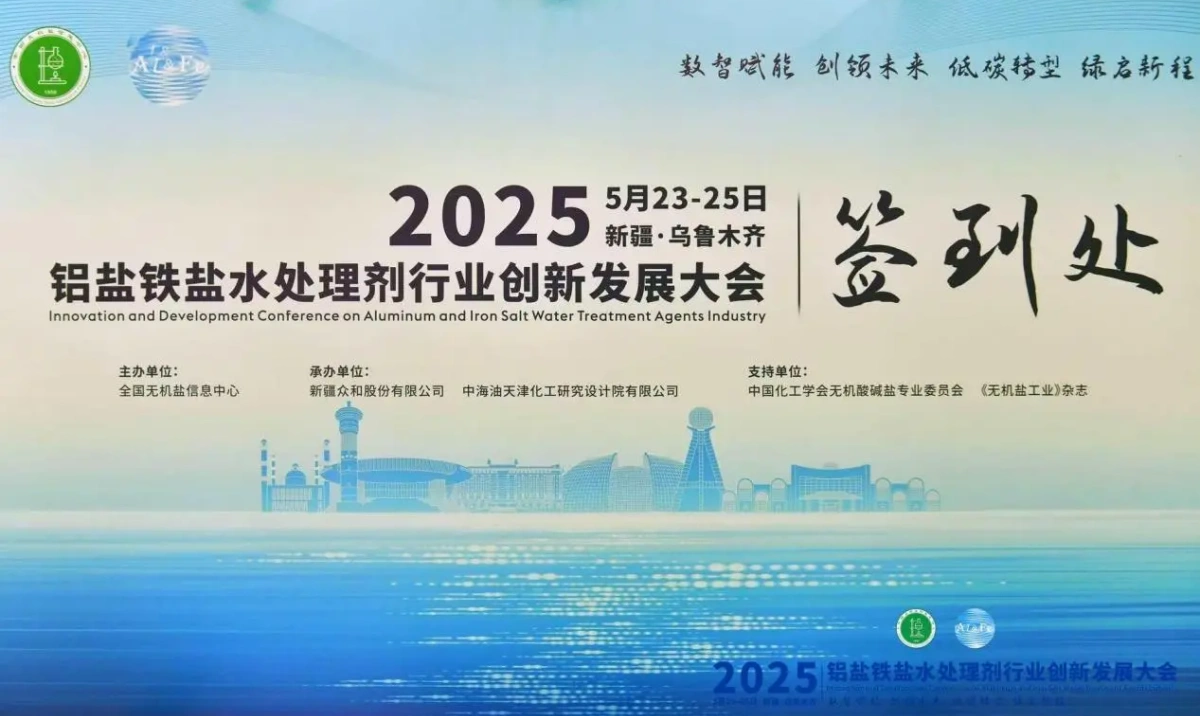
The summit focused on developing highly basic coagulants that minimize sludge production and run efficiently at lower temperatures, supporting carbon reduction targets.
If you have questions about custom formulations, pricing, or need assistance selecting the right chemicals for your system, our engineers are here to help.


Submit your wastewater specifications, required volumes, and project requirements. Our technical team will review your details and provide a customized recommendation.
 BS Water