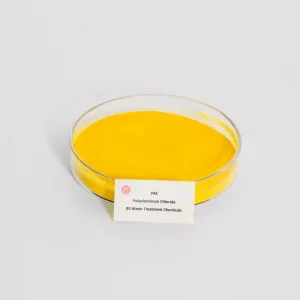
High-efficiency polymers specifically formulated for municipal drinking water, heavy industrial wastewater treatment, and advanced membrane process protection.
Polyaluminum Chloride (commonly designated as PAC) is an advanced inorganic polymer coagulant characterized by high efficiency, low environmental footprint, and wide adaptability. Chemically, it exists as a complex of variable polymeric aluminum hydroxide species with the general formula $[Al_2(OH)_nCl_{6-n}]_m$, where $n$ indicates the degree of basicity, and $m$ represents the degree of polymerization. Compared with traditional metal salts like aluminum sulfate or ferric chloride, PAC possesses a higher charge density and exhibits superior charge-neutralization and bridging abilities, allowing for rapid formation of heavy, rapidly settling flocs even in low-temperature or highly turbid water sources.
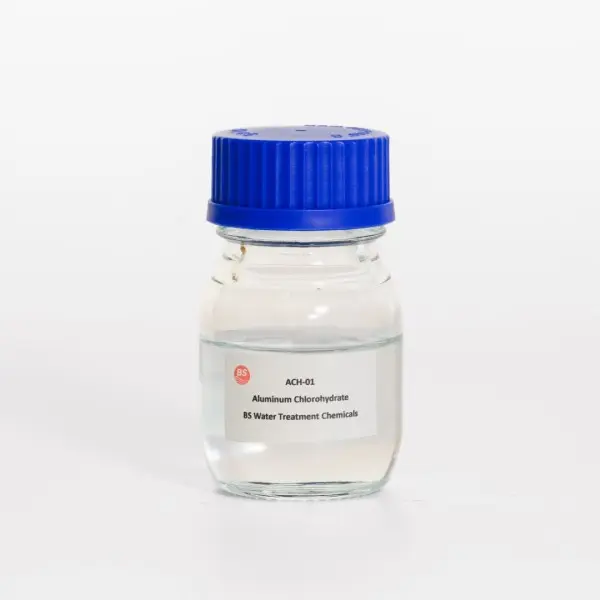
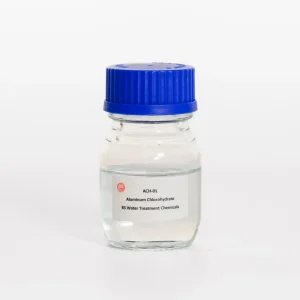
In global industrial water treatment applications, two indicators determine the operational efficiency of Polyaluminum Chloride: the concentration of active aluminum oxide ($Al_2O_3$) and the basicity (also termed alkalinity, representing the hydroxyl ratio to aluminum). Basicity ranges typically from 40% to 90%. High-basicity formulations (such as those approaching 80%-90%, often classified as Aluminum Chlorohydrate or ACH) exhibit lower corrosive characteristics and generate lesser fluctuations in the pH of processed water, rendering them highly appropriate for municipal potable drinking water networks.
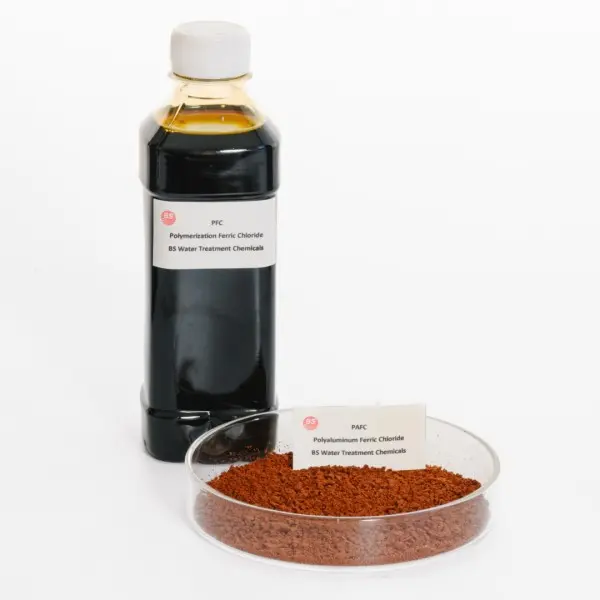
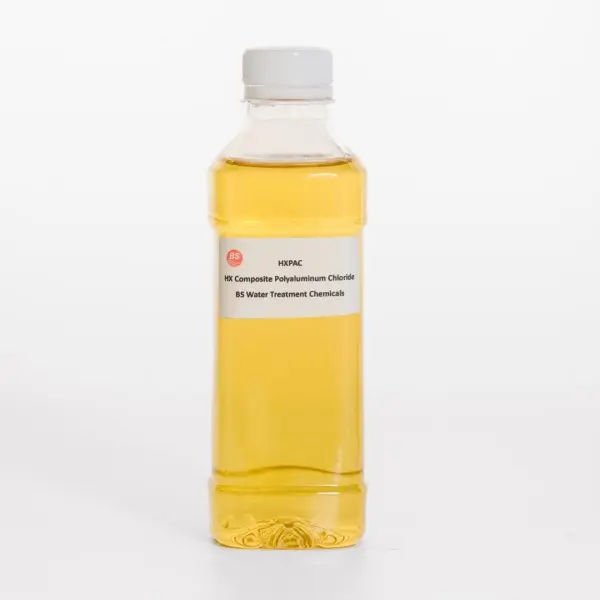
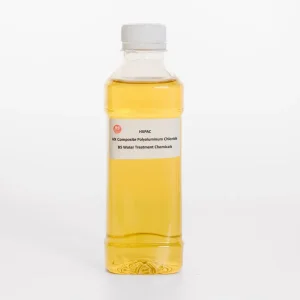
Conversely, for specialized industrial effluents, composite systems like Composite Polyaluminum Chloride (CPAC) or Polymeric Aluminium Ferric Chloride (PAFC) integrate iron ions into the polymeric matrix. The inclusion of iron expands the effective pH envelope and improves floc density, significantly accelerating sedimentation velocity in primary clarifiers. As a premier China Poly Aluminum Chloride manufacturer, Wuxi BS Water Treatment Chemicals Co., Ltd. continuously refines synthesis pathways to regulate these metrics, ensuring optimal chemical profiles for targeted treatment environments.
China is currently the global epicentre of Polyaluminum Chloride synthesis and fabrication, owing to its integrated domestic mineral reserves (specifically high-grade calcium aluminate and industrial-grade hydrochloric acid). The manufacturing process generally adopts either the acid pressure dissolution route or the co-precipitation route. Bauxite or calcium aluminate powder is reacted with concentrated hydrochloric acid under high pressure to synthesize liquid PAC, which is subsequently spray-dried or drum-dried into the solid, low-dust, and non-caking granules exported globally.
In North America, European, and Southeast Asian regions, demand patterns have evolved toward higher-purity, low-heavy-metal PAC grades. Stringent municipal regulations necessitate that materials used in potable water systems contain negligible levels of arsenic ($As$), lead ($Pb$), and cadmium ($Cd$). These strict constraints require advanced filtration and sedimentation practices during liquid formulation prior to final spray drying, representing a technical threshold that only technologically sophisticated facilities can maintain.
Established in 1998, Wuxi BS Water Treatment Chemicals Co., Ltd. (originally founded as Wuxi Bisheng Water Treatment Agent Co., Ltd.) is a recognized leader in the synthesis and global supply of advanced water treatment compounds. Driven by a commitment to E-E-A-T principles (Experience, Expertise, Authoritativeness, and Trustworthiness), we design, test, and deliver top-tier coagulants and flocculants that serve critical infrastructure projects worldwide.
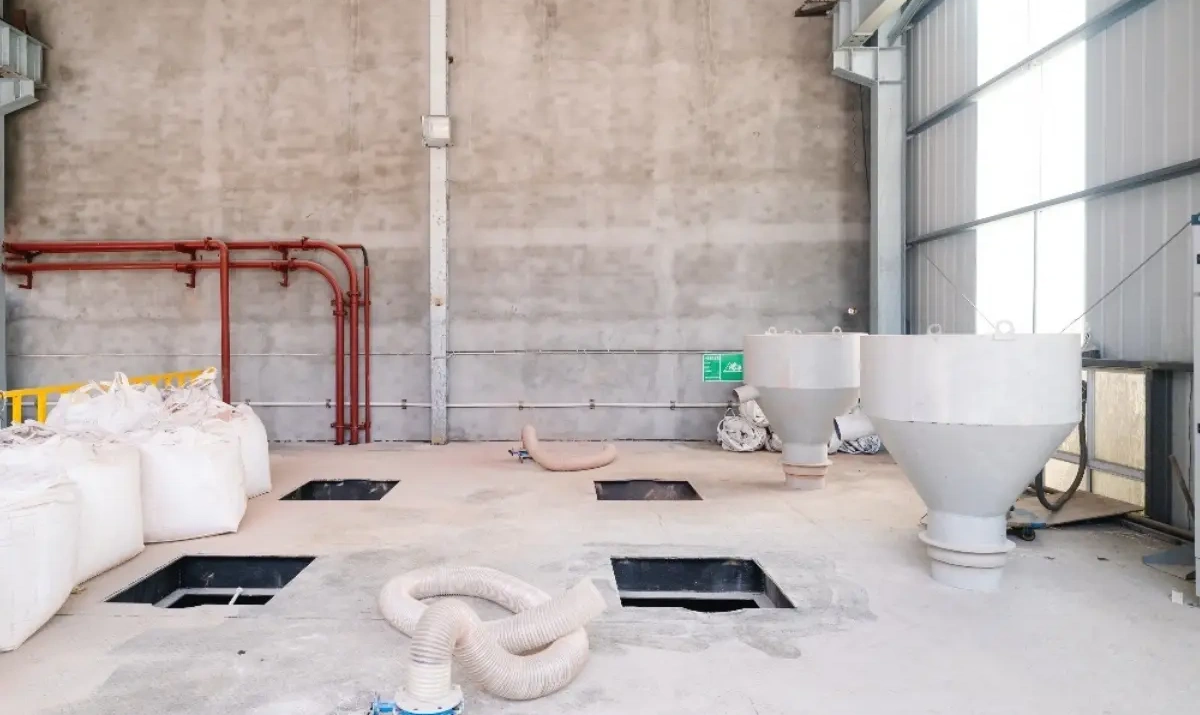
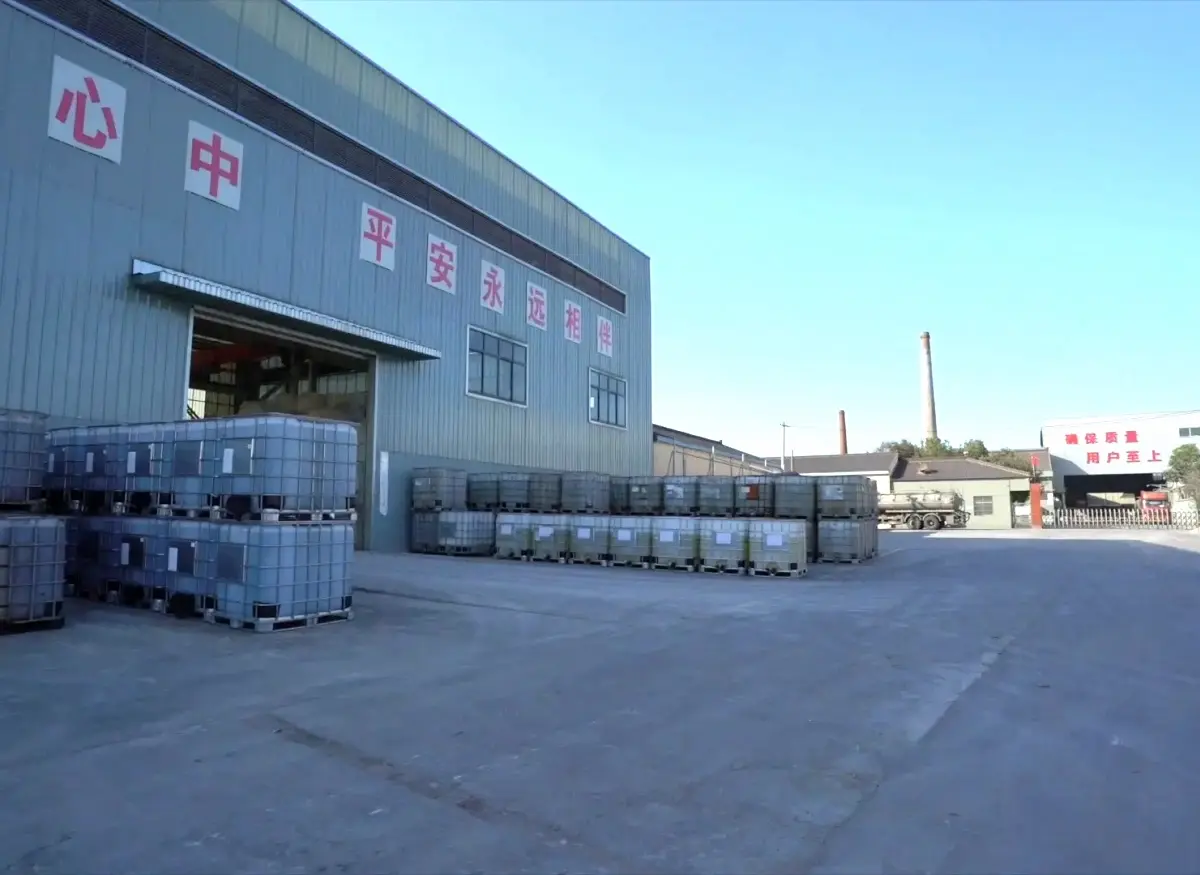
Headquartered in Wuxi, China, our advanced facility spans automated production lines with strict quality assurance systems, ensuring that our products, from liquid coagulants to highly refined solid powders, comply with global drinking water and wastewater standards. Our strategic focus on research and development allows us to tackle complex water purification challenges in municipal systems and industrial sectors globally.

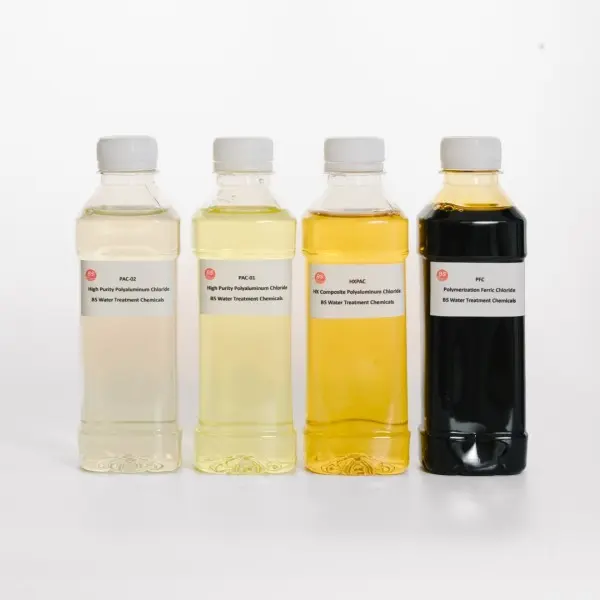
Polyaluminum Chloride products are broadly structured into three primary technical tiers according to raw materials, production techniques, and final purity profiles:
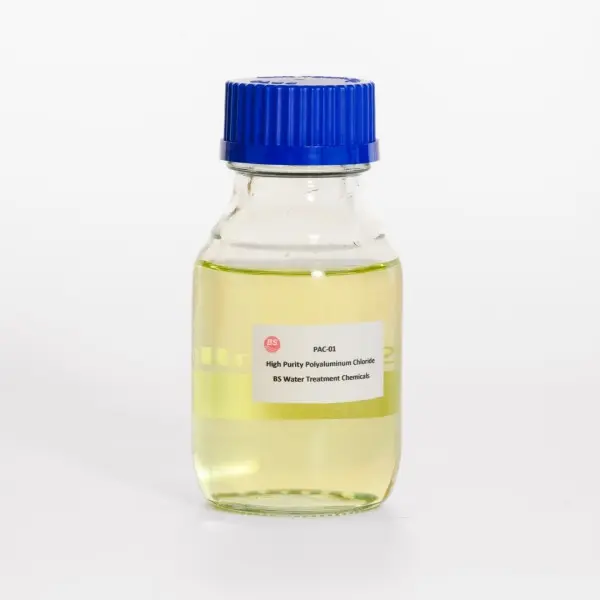
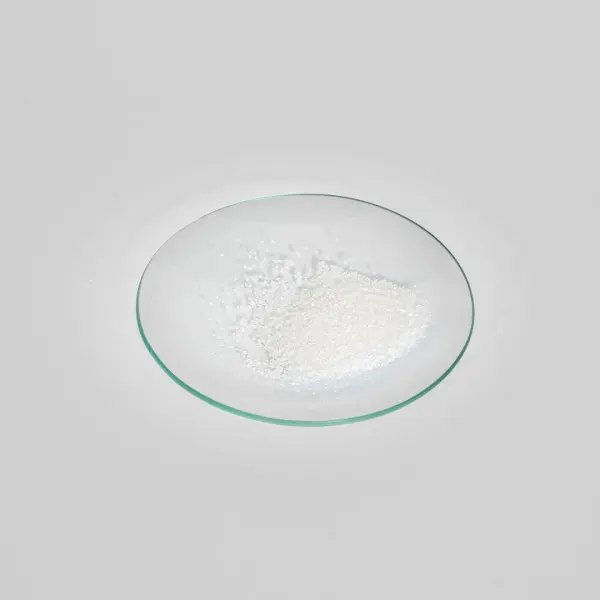
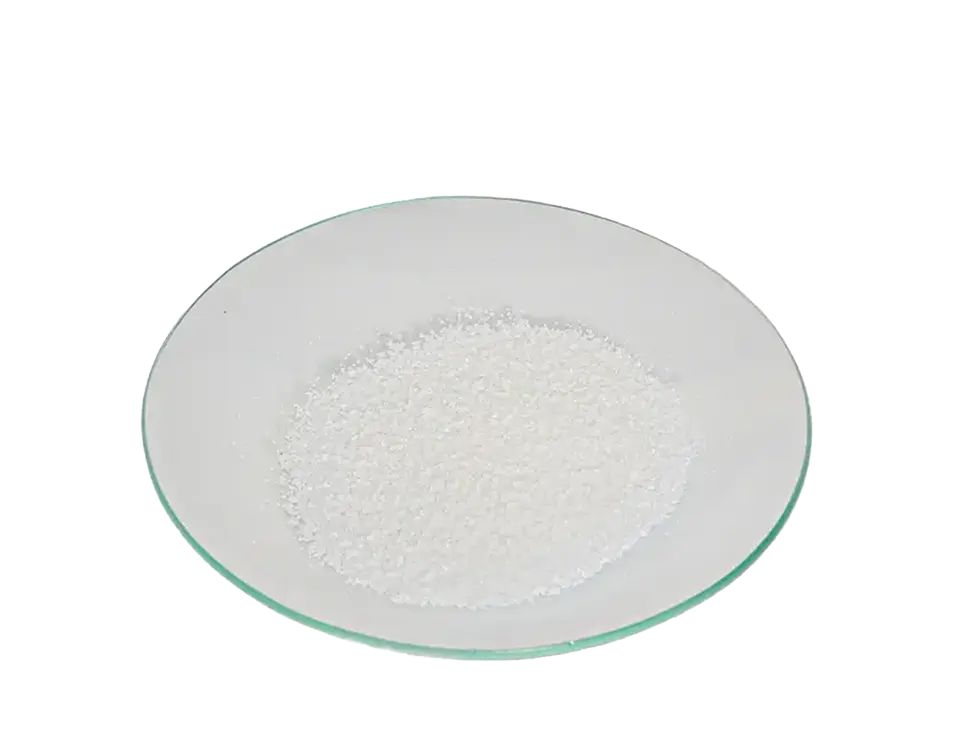
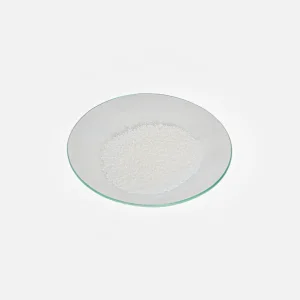
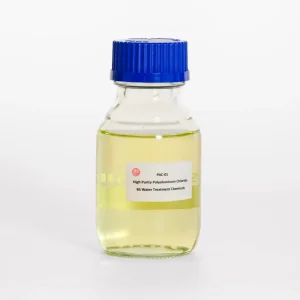
This tier is manufactured using pure aluminum hydroxide powder [$Al(OH)_3$] and high-purity synthetic hydrochloric acid ($HCl$) via pressure synthesis, followed by high-performance centrifugal spray drying. These products contain 29% to 30% $Al_2O_3$, have a low heavy metal index (meeting NSF/ANSI/CAN 60 requirements), and exhibit near-perfect water solubility. The resulting solution is clear to faint yellow. It is widely applied in drinking water treatment facilities, food production processes, and high-end industrial manufacturing requiring low-turbid chemistry.
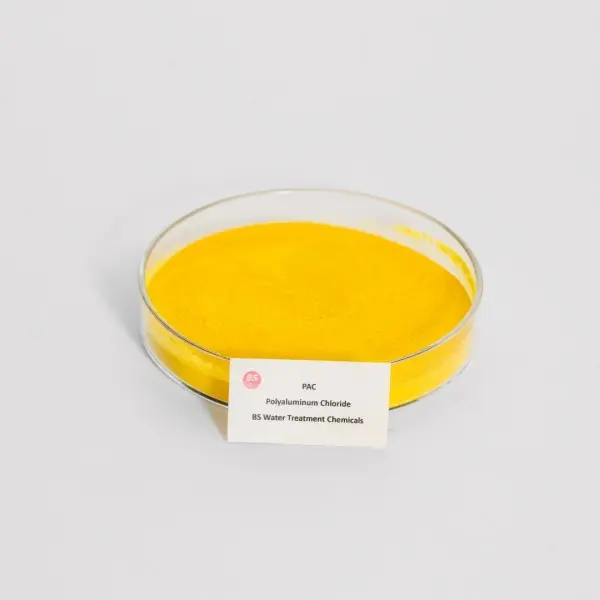
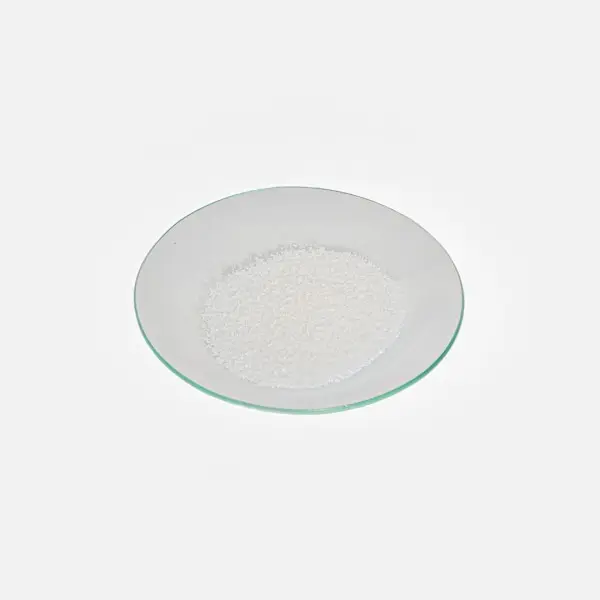
Fabricated using calcium aluminate powder, bauxite, and industrial hydrochloric acid. The resulting material is characterized by a solid powder of golden yellow to light brown. The $Al_2O_3$ content is regularly maintained between 27% and 29%. With higher levels of iron compounds, these grades are highly effective in municipal wastewater plants, mining, and industrial sludge dewatering applications. The drum-drying method is frequently applied here to produce cost-effective, flake-like powders.
To treat highly complex effluents containing high organic loading, dye components, or heavy metals, the technical route involves co-polymerizing aluminum and iron salts to create Polymeric Aluminium Ferric Chloride (PAFC) or Composite Polyaluminum Chloride (CPAC). These compounds combine the rapid hydrolysis characteristics of aluminum with the heavy floc density of iron salts, making them highly effective for coal washing, petrochemical processing, and paper pulp retention aid systems.
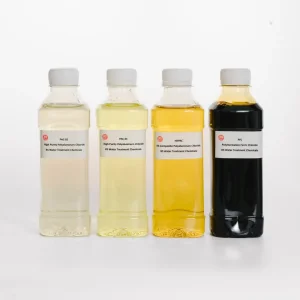
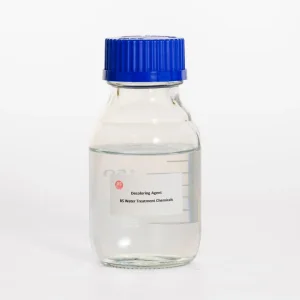
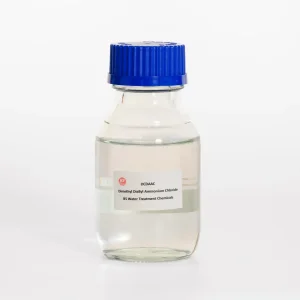
Discover our wide-ranging chemical formulations designed for municipal and industrial water treatment demands.
The practical field efficiency of Polyaluminum Chloride is determined by localized conditions such as water temperature, raw water mineral chemistry, organic carbon loading, and processing plant infrastructure. Understanding these parameters is crucial for matching the correct chemical profile with local operations:
In potable water purification, rapid coagulation is critical to minimizing processing times. When PAC is added to raw water, it hydrolyzes to form cationic species like $Al_{13}$ and $Al_{30}$. These species neutralize the negative charge on colloidal impurities (such as clay minerals and organic matter), causing them to aggregate into micro-flocs. Due to the high charge density of our PAC-01 grade, it reduces the required chemical dosage by up to 30% compared to traditional alum, while lowering the volume of residual chemical sludge, simplifying disposal processes.
Petrochemical and steel refinery wastewater contains emulsified oils, dissolved organics, and suspended solids that resist standard sedimentation. The use of Composite Polyaluminum Chloride (CPAC) in combination with high molecular weight Cationic Polyacrylamide (CPAM) offers a multi-stage approach. CPAC destabilizes the emulsified droplets, and CPAM bridges the resulting flocs to form strong aggregates that resist shear forces in centrifuges and air-flotation systems, ensuring compliance with environmental discharge regulations.
In the paper industry, chemical purity is vital for wet-end performance. PAC is widely utilized to fix sizing agents, neutralize anionic trash, and improve filler retention on the wire mesh. By choosing a high-purity, low-iron PAC variant, mills can prevent paper yellowing and maintain optical brightness, while optimizing drainage rates and reducing paper machine downtime.
Our most sought-after polymer agents chosen by global municipal and industrial treatment operators.
Engineered chemical solutions matching the unique challenges of major process industries worldwide.
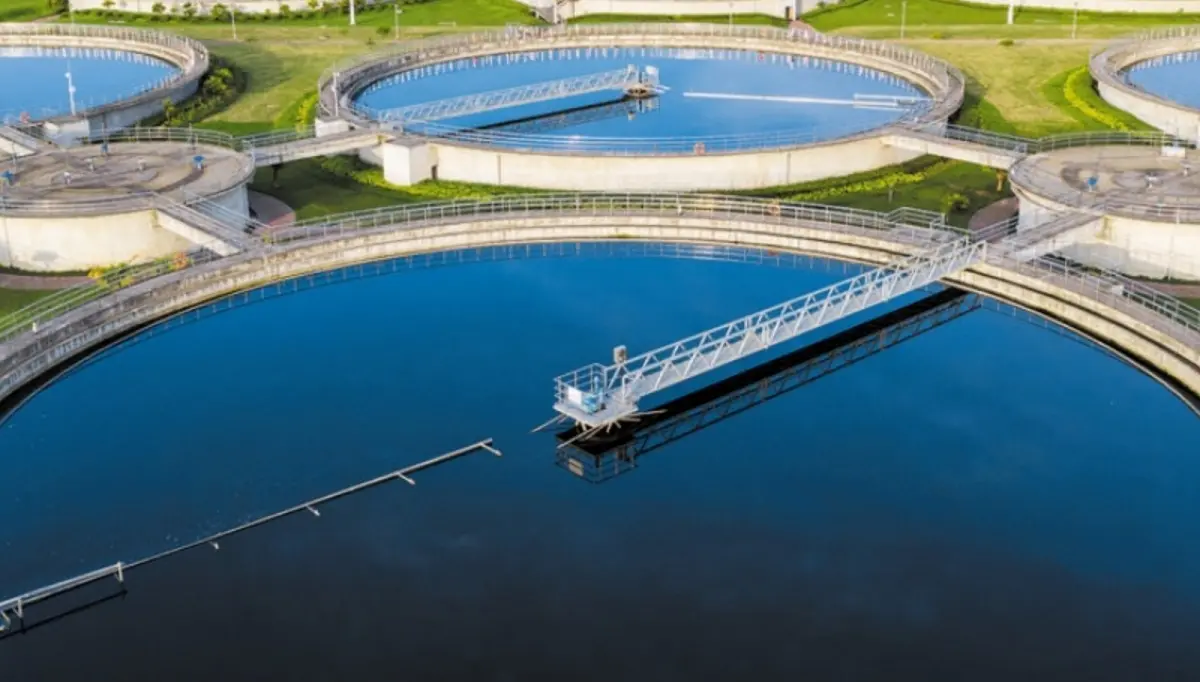

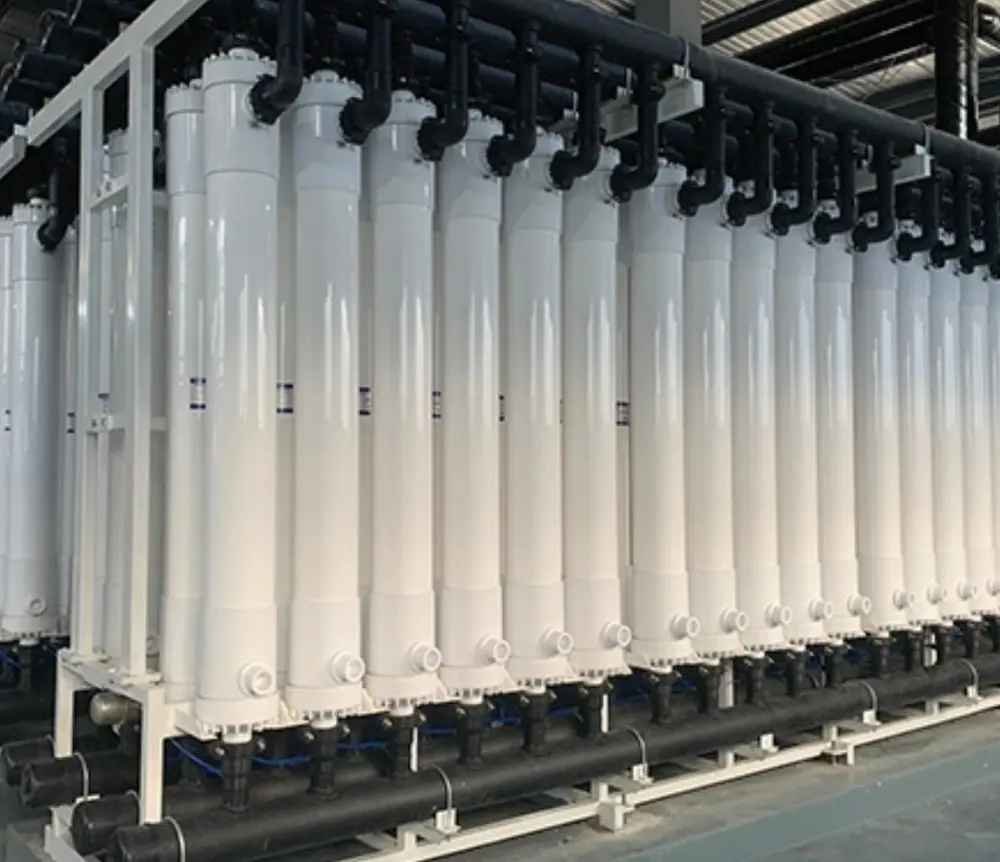
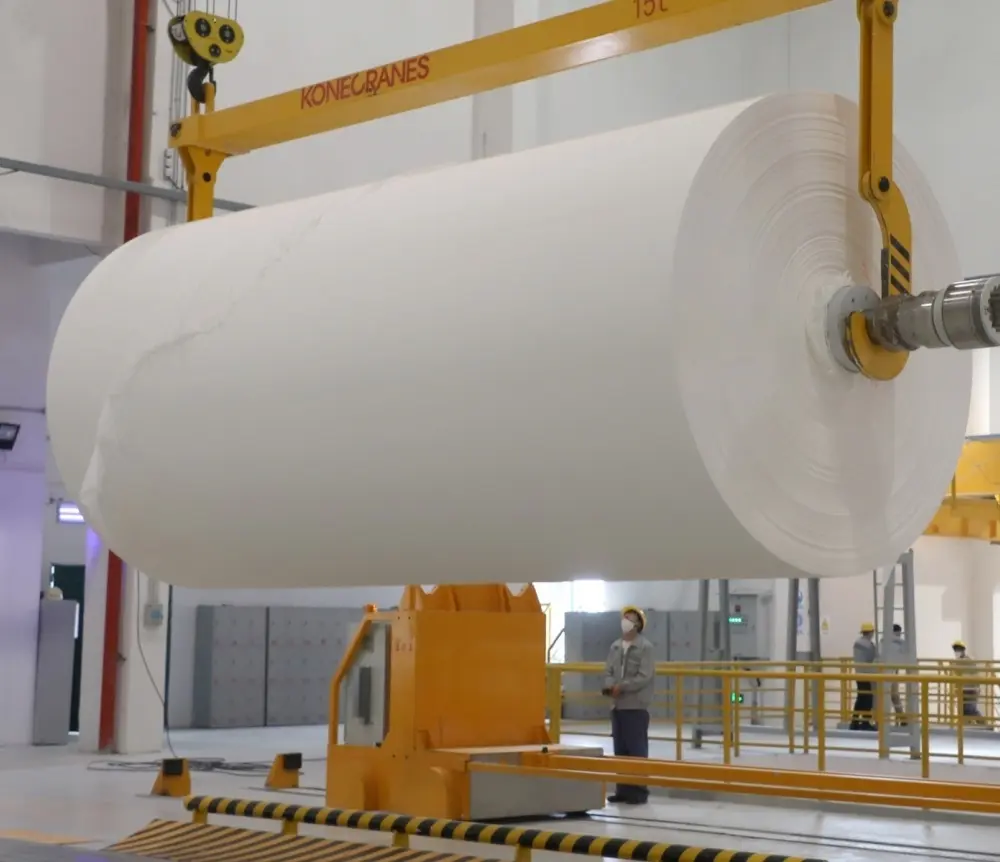
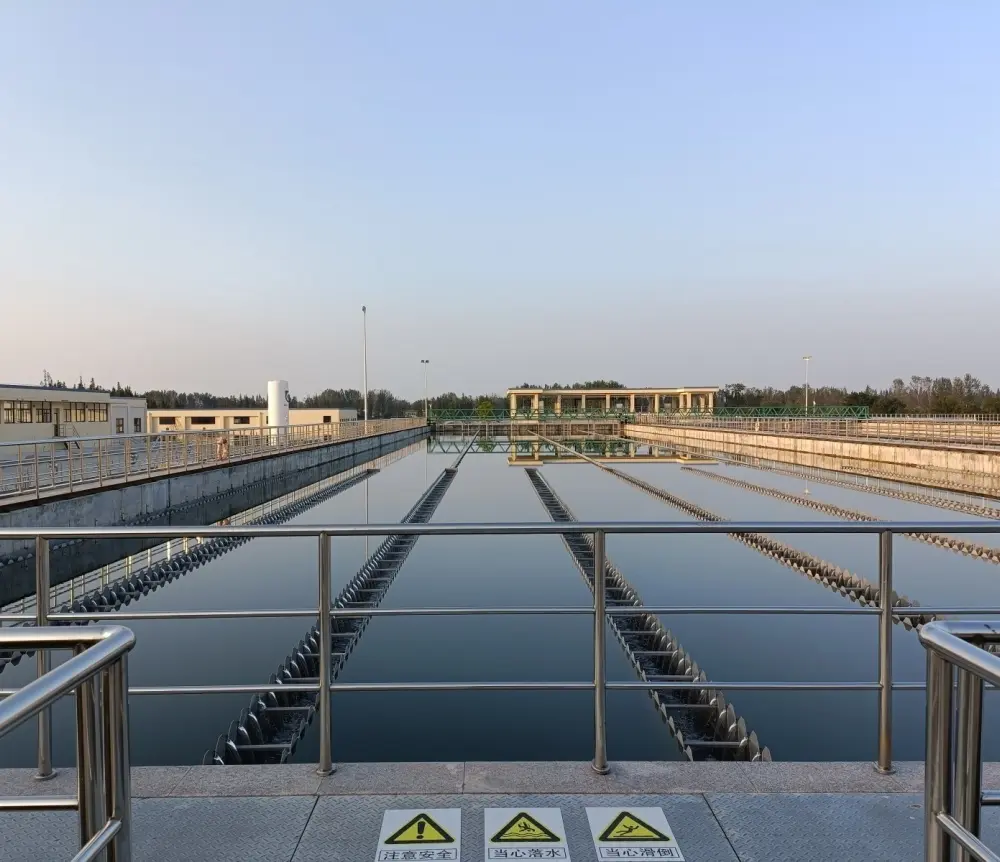
From water quality profiling to tailored packaging, we support your logistics and engineering teams at every stage.

Our dedicated laboratory team offers "water quality analysis" and product selection studies to find the optimal chemistry for your process.

Our annual production capacity exceeds 500,000 tons, supported by a 20,000-ton finished product storage warehouse.

Our automated production facilities and quality control protocols minimize batch variance and ensure reliable delivery timelines.

Continuous innovation in polymeric coagulants, specialized basicity tuning, and environmentally benign organic polymer synthesis.

Since 2007, our products have been exported to water treatment projects and distributors worldwide with stable product performance.
Our dedication to global water purification is backed by industry-standard certifications.

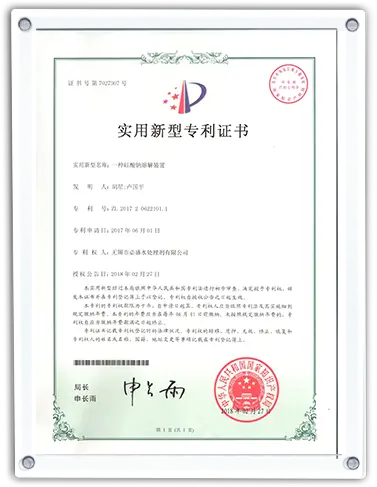
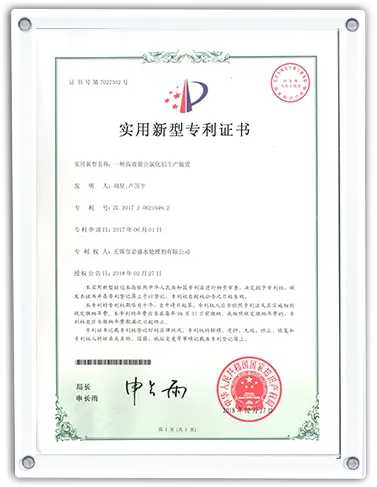
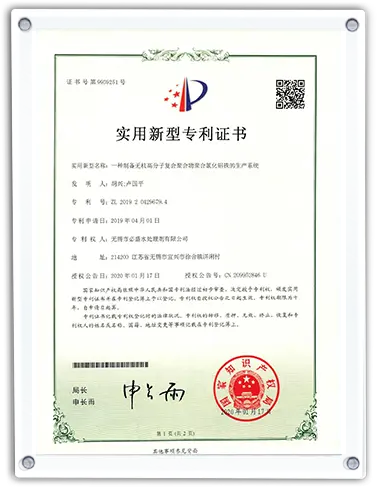
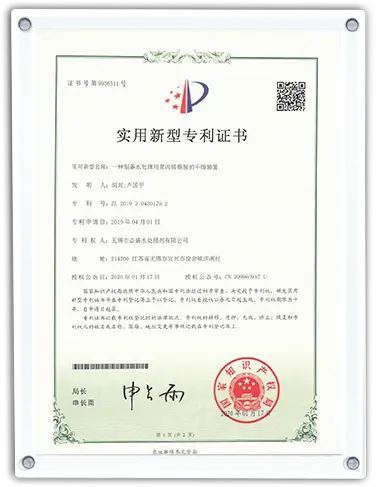
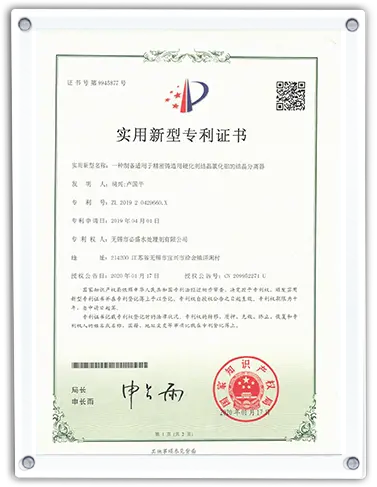
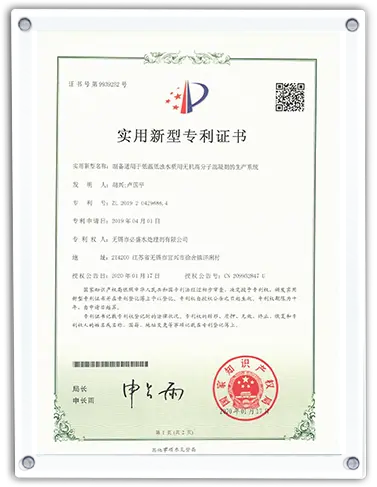
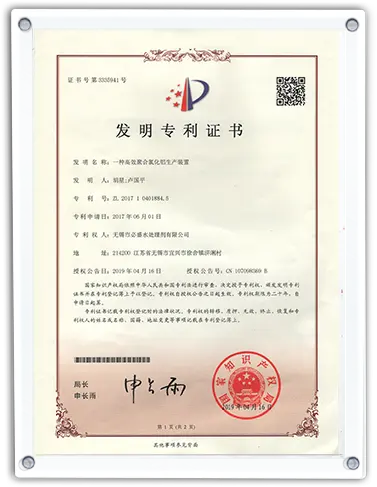
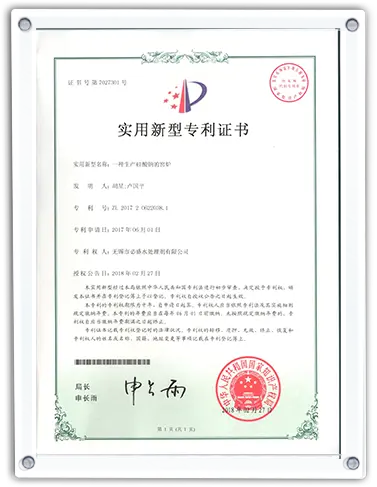
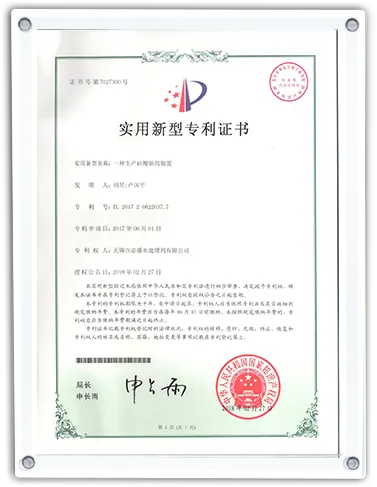
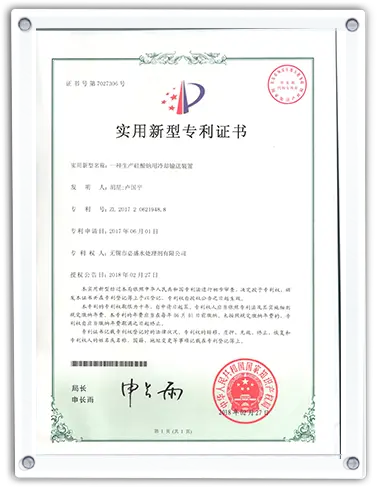
From a localized chemical facility to an internationally recognized water purification brand.

The global water treatment landscape is undergoing significant regulatory and technological changes, pushing coagulant technology toward greater efficiency and lower environmental impact:
Environmental bodies worldwide are imposing lower limits on trace metals in treated drinking water, especially regarding soluble aluminum residuals and heavy metal imports like cadmium and lead. This trend is driving demand away from low-cost, crude bauxite coagulants toward high-purity, synthetically derived Polyaluminum Chloride (PAC-01) and Aluminum Chlorohydrate (ACH). Synthetic raw materials minimize impurities, helping municipal plants meet drinking water safety requirements.
To reduce chemical waste and optimize operating costs, treatment plants are shifting from manual testing to automated, real-time dosing setups. These setups utilize streaming current monitors (SCM) and optical floc sensors to continuously track charge neutralization and turbidity, adjusting PAC feed rates accordingly. This approach maintains water quality despite changing raw turbidity, preventing both under-dosing and over-dosing.
Coagulant manufacturing is increasingly adopting circular economy principles. As an industry-leading factory, Wuxi BS Water Treatment Chemicals Co., Ltd. is investing in low-carbon production methods, such as utilizing waste heat from chemical synthesis and integrating recycled raw material streams where appropriate. Our goal is to reduce the carbon footprint of our operations while maintaining the reliability and quality of our final chemical products.
Common technical questions regarding the selection, application, and storage of Polyaluminum Chloride.
Have questions about dosing rates, chemical compatibility, or custom packaging options? Our technical support team is ready to analyze your water quality data and recommend the ideal formulation for your process.
Request Technical Specs & Quotes
Stay updated on the latest research, product releases, and market dynamics in the water treatment sector.
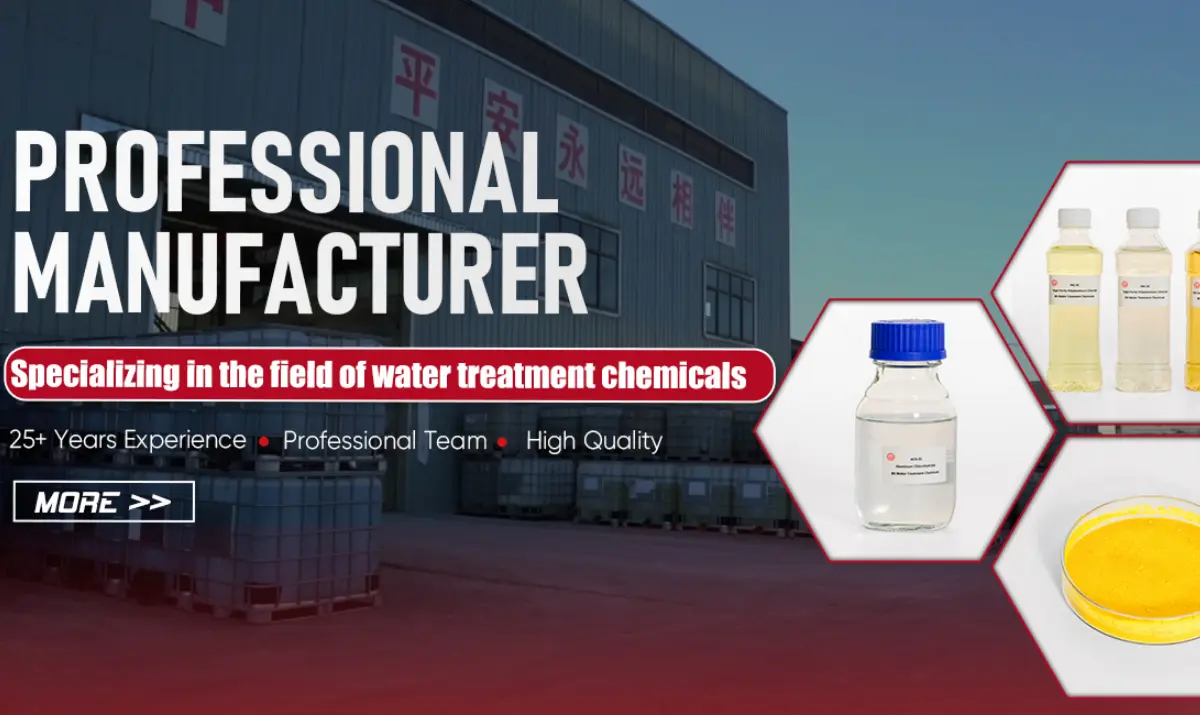
 Sep 09, 2025
Wuxi BS Water Treatment Chemicals Co., Ltd., a long-term leader in China's water treatment sector, has officially launched its global distribution strategy. By combining local application support with automated production lines, the company aims to streamline chemical delivery to municipal and industrial customers worldwide.
Read Full Article →Explore our high-performance chemical formulations designed for municipal and industrial water treatment systems.
 BS Water
 Watch Factory Tour