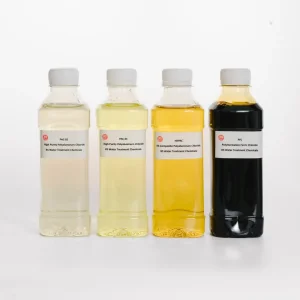
Explore our core portfolio of flocculating and coagulating chemistry engineered for diverse liquid-solid separation requirements.
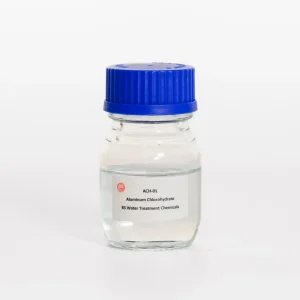
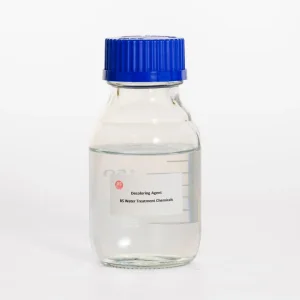
Polyacrylamide (PAM) is a highly critical synthetic water-soluble polymer utilized across multiple capital-intensive industries globally. As regulatory pressure for circular wastewater management intensifies, PAM acts as a cornerstone technology for accelerating liquid-solid separations. Chemically characterized by its repeating acrylamide subunits, PAM is custom-synthesized into cationic, anionic, and non-ionic forms, each designed to resolve distinct colloidal challenges.
In modern industrial contexts, the demand for PAM is driven by key macro-trends: municipal sludge conditioning, tailing recovery in mineral processing, and tertiary recovery processes in oil extraction. In North America and the Middle East, high-molecular-weight anionic polyacrylamide is widely injected for Enhanced Oil Recovery (EOR) to modify fluid viscosity and maximize oil displacement. Simultaneously, rapid municipal upgrading across the Asia-Pacific region, alongside massive industrial paper manufacturing operations, cements regional dependency on localized, high-purity PAM supply chains.
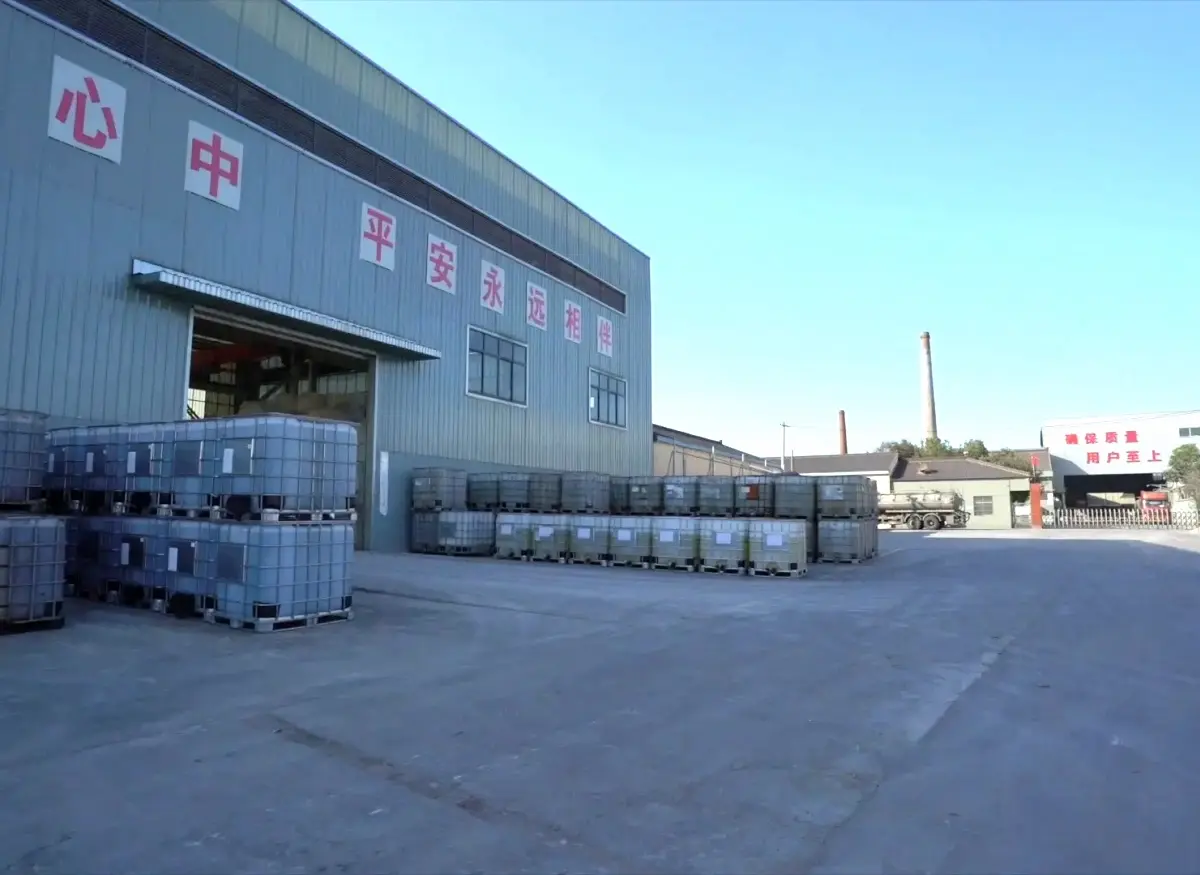
Wuxi BS Water Treatment Chemicals Co., Ltd. leads chemical innovation with vertical manufacturing integration, rigorous quality assurance, and globally recognized customer service.
Our catalog is structured into highly targeted segments, helping design engineers select the exact chemical properties matching local wastewater conditions.
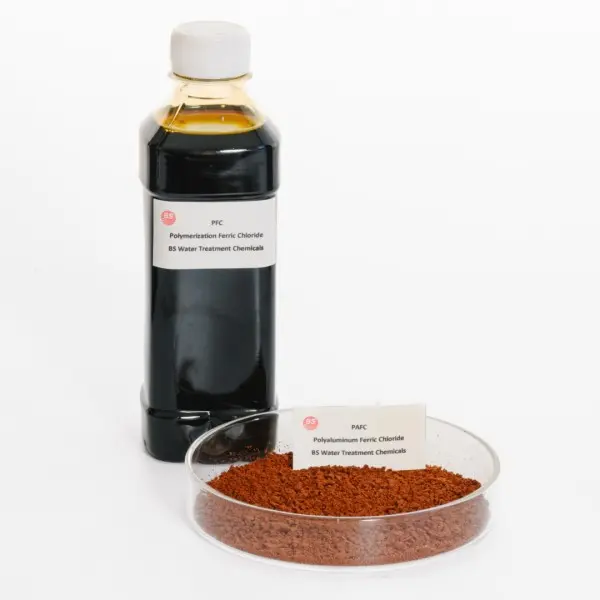
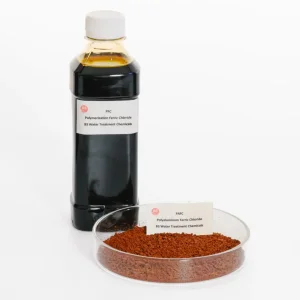
Dual-cationic inorganic polymer combining Al3+ and Fe3+ complexes for rapid coagulation in highly turbid raw waters.
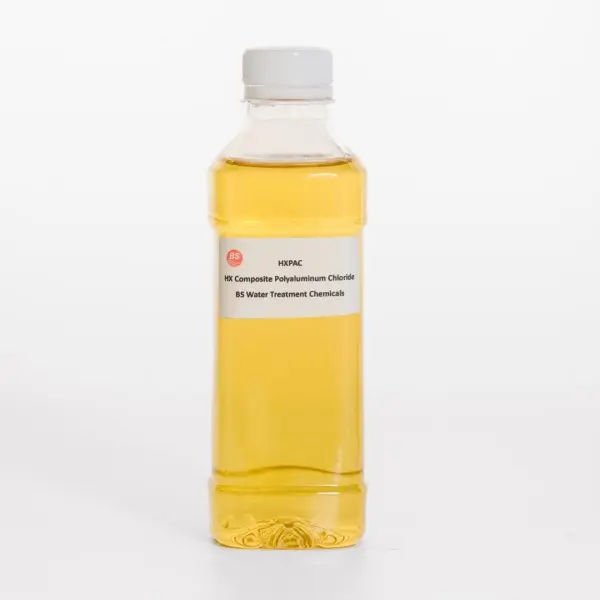
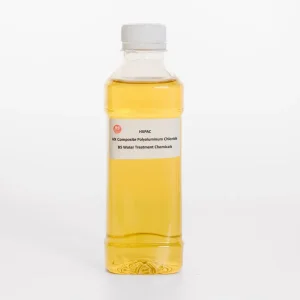
Formulated compound containing active polymeric chains designed for highly concentrated municipal effluents.
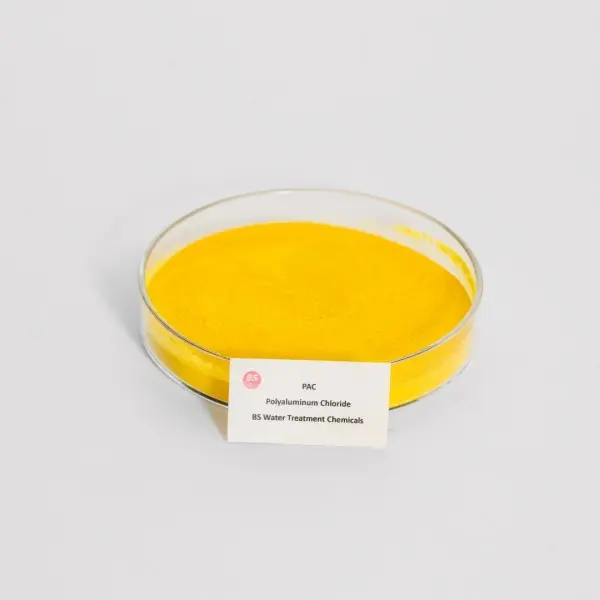
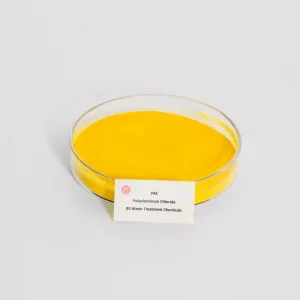
High-grade spray-dried yellow powder with optimal basicity for drinking and process water treatment.
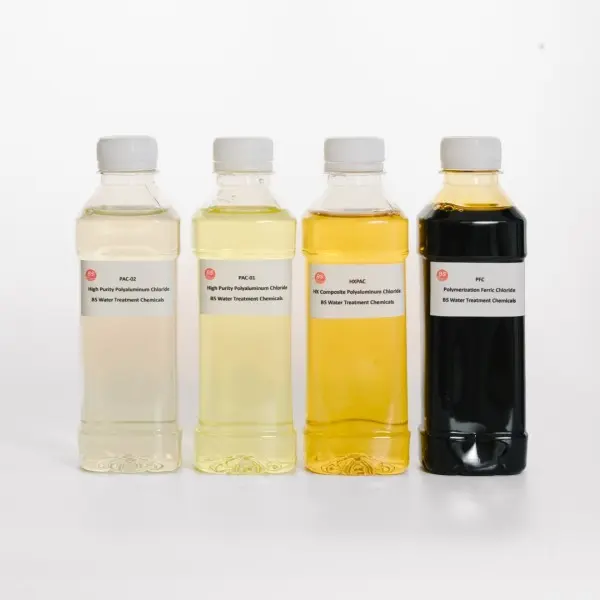
Highly stable liquid formulation allowing direct dosing in automatic feedback control loops.
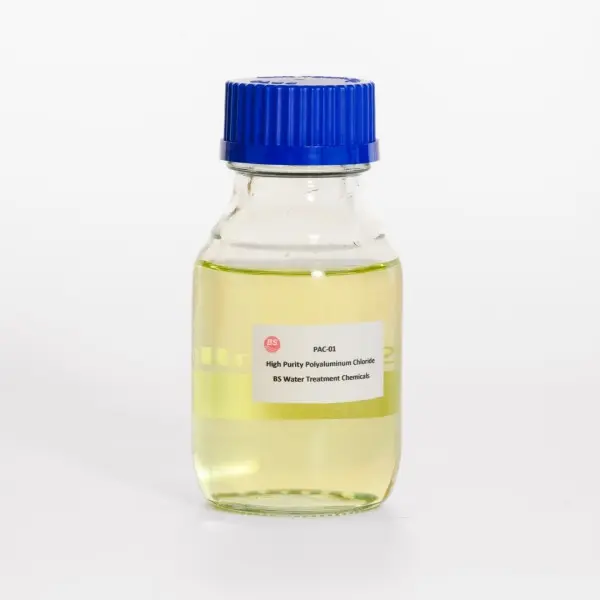
Ultra-low heavy metal content specialized for pharmaceutical process waters and drinking water purification.
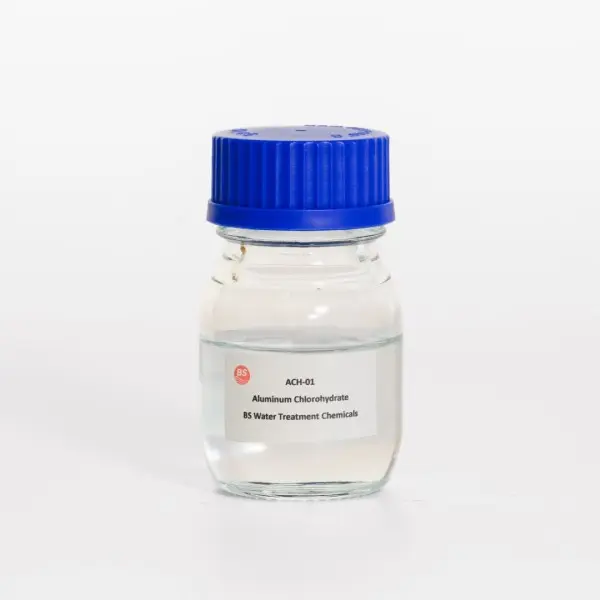
Concentrated aluminum coagulant that offers minimal pH reduction, reducing downstream neutralization costs.
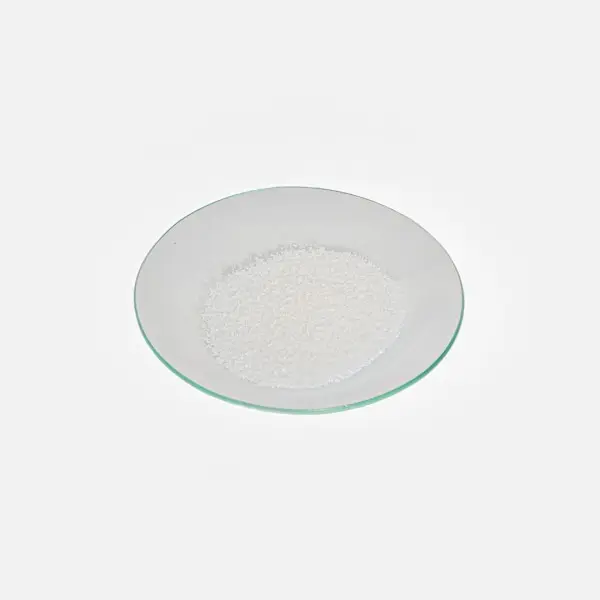
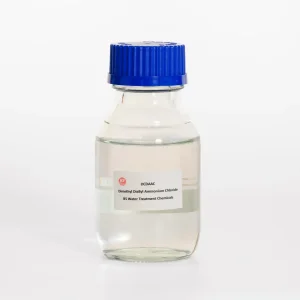
High charge density organic polyelectrolyte optimized for dewatering organic sludge and municipal slurries.
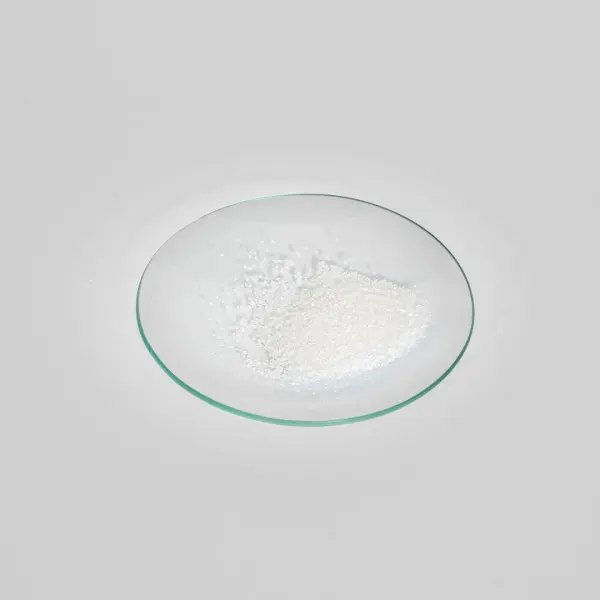
High molecular weight polymer ideal for inorganic wastewater sedimentation, mining, and oilfield applications.
A deep dive into our advanced R&D initiatives and strategic chemical pathways designed to optimize next-generation plant efficiency.
Our raw material acrylamide is generated through biological enzyme catalyst methods rather than standard sulfuric acid processes. This guarantees zero heavy metal interference, minimal copper trace residues, and superior polymerization control, yielding incredibly consistent molecular weight profiles in final products.
We supply client facilities with real-time feedback loop technology. By matching the zeta potential of suspensions dynamically with automated dosing pumps, our polymer usage drops up to 25%, while achieving equivalent or superior solids retention rates and reduced chemical overhead.
Responding to strict global environmental regulations, our chemical laboratory is testing bio-based structural templates to yield highly degradable PAM variations. Our goal is to reduce long-term environmental accumulation without sacrificing bridging capacity and floc integrity.
Providing customized polyacrylamide configurations to address specific physical and chemical water profiles across global industries.

By using high molecular weight CPAM, municipal treatment plants achieve complete water-sludge partition. Our formulation creates large, robust flocs that endure high shear pressures in centrifuge, screw, and belt press dewatering operations, leaving a highly compacted cake with minimal moisture.

For Enhanced Oil Recovery (EOR), our highly hydrolyzed APAM is engineered to maintain structural integrity under high salinity and elevated temperature conditions. It effectively regulates water mobility ratios, resulting in enhanced sweep efficiency across heterogeneous oil reservoirs.
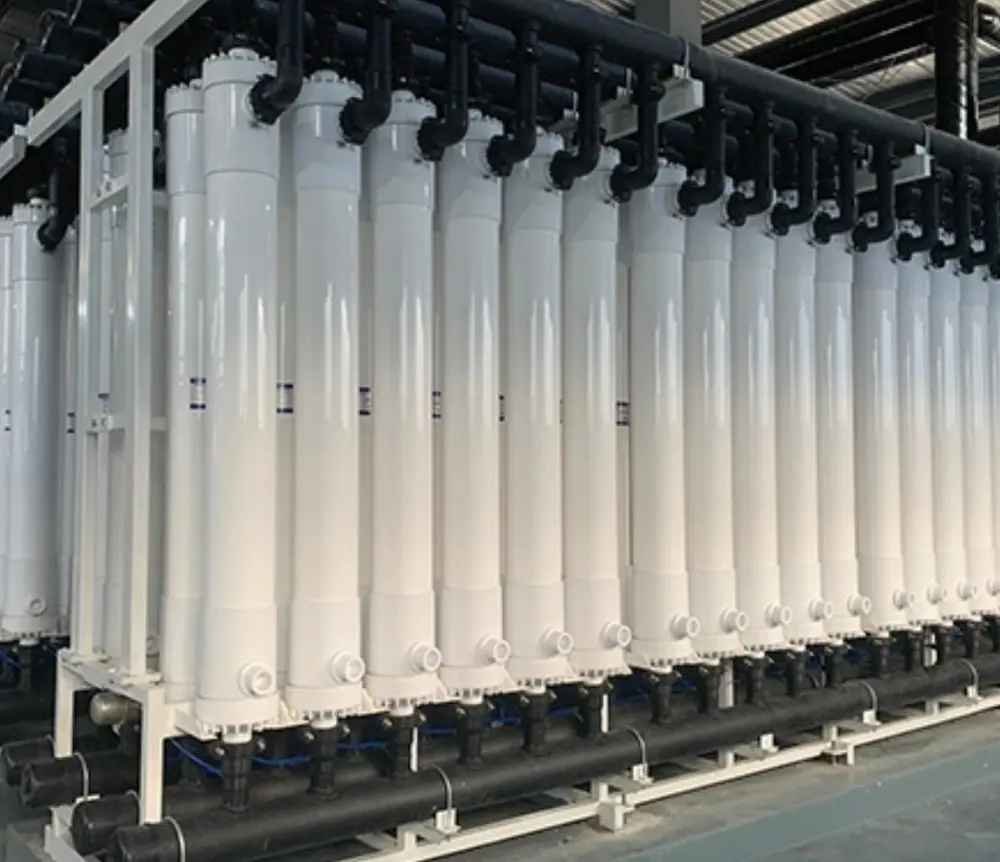
Using high-performance organic flocculants removes suspended colloidal particles before they reach Reverse Osmosis (RO) or Ultrafiltration (UF) systems, drastically minimizing membrane fouling rates and extending membrane lifespan.
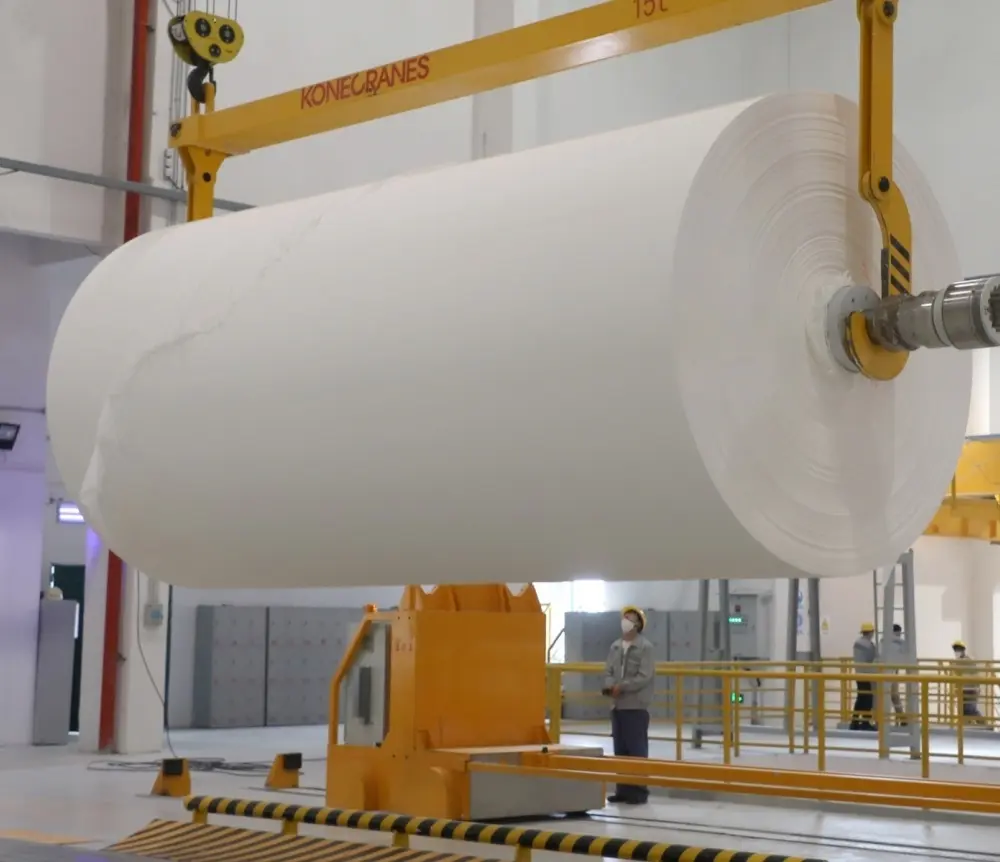
Anionic and cationic retention aids drastically enhance fine fiber and filler retention on the forming wire. Simultaneously, they improve drainage rates, allowing faster machine operations and reducing steam energy consumption during the drying process.
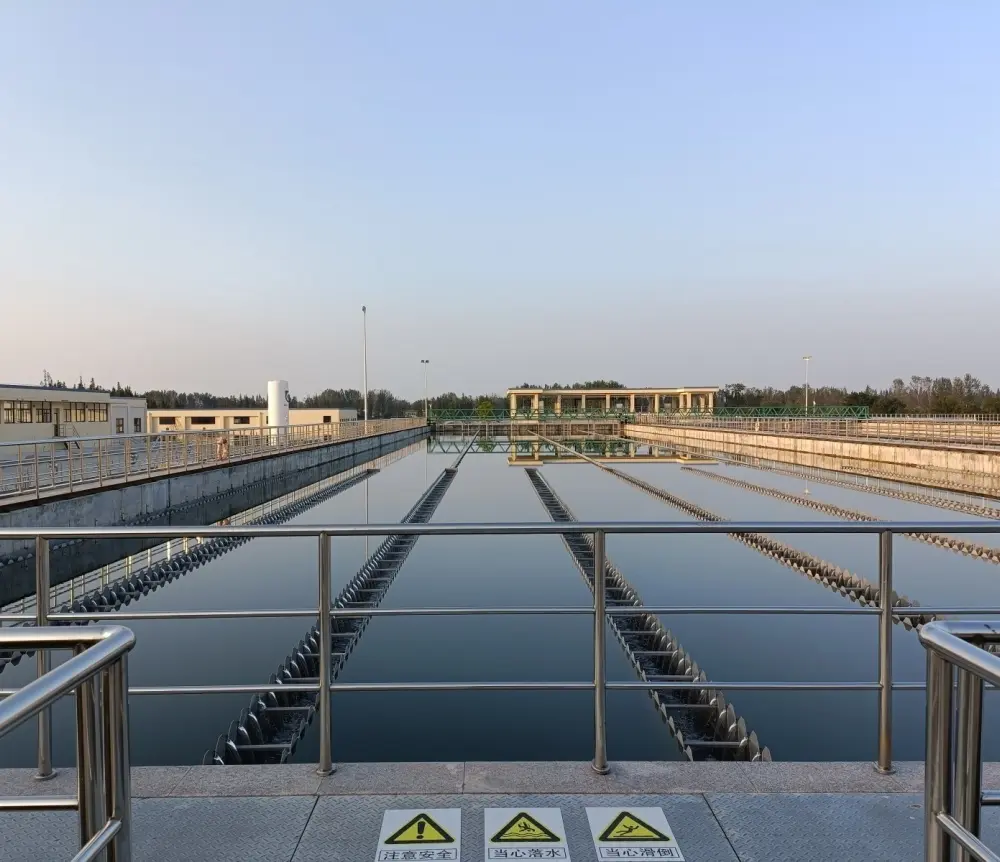
Utilizing low-toxicity, ultra-high-purity polymeric coagulants ensures complete removal of micro-particles and humic substances without exceeding residual monomer levels, satisfying global potable water standards.
Leveraging high production capacity and deep chemical research to support tailored polymer requirements.

Dedicated chemical engineers offering full-cycle water analysis, helping identify matching polymer configurations.

Annual production output exceeding 500,000 tons guarantees a continuous chemical supply for large industrial consumers.

Integrated production lines and large-scale warehousing ensure secure supply buffers for our global partners.

Continuous polymer synthesis innovation, optimizing molecular weight distributions and dissolution rates.

Since exporting in 2007, our products have achieved wide compliance and recognition across diverse global markets.
Addressing chemical mechanics, configuration metrics, and operational troubleshooting for polyacrylamide flocculants.
Our commitment to manufacturing quality is verified by rigorous third-party audits, ISO certifications, and regulatory approvals.

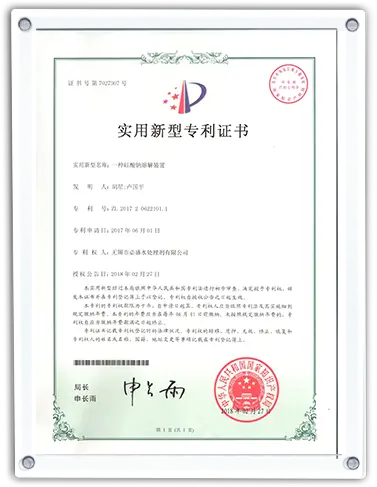
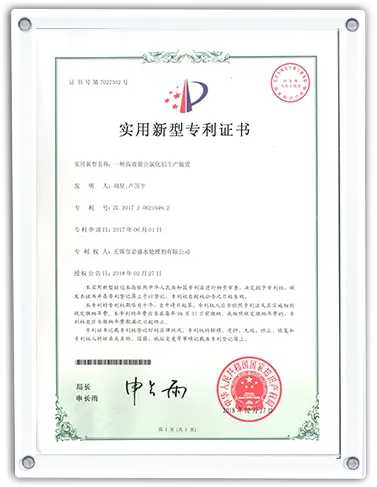
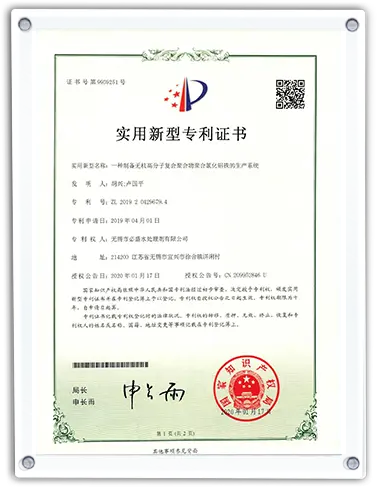
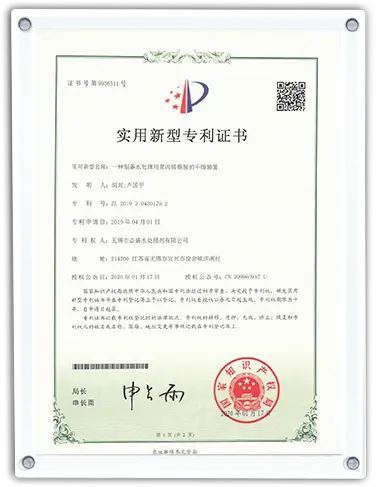
Have custom polymer specifications or looking to optimize your wastewater treatment efficiency? Reach out to our technical team for product matching services and project pricing.


Insights into our ongoing research, project collaborations, and advancements in polymer technologies.
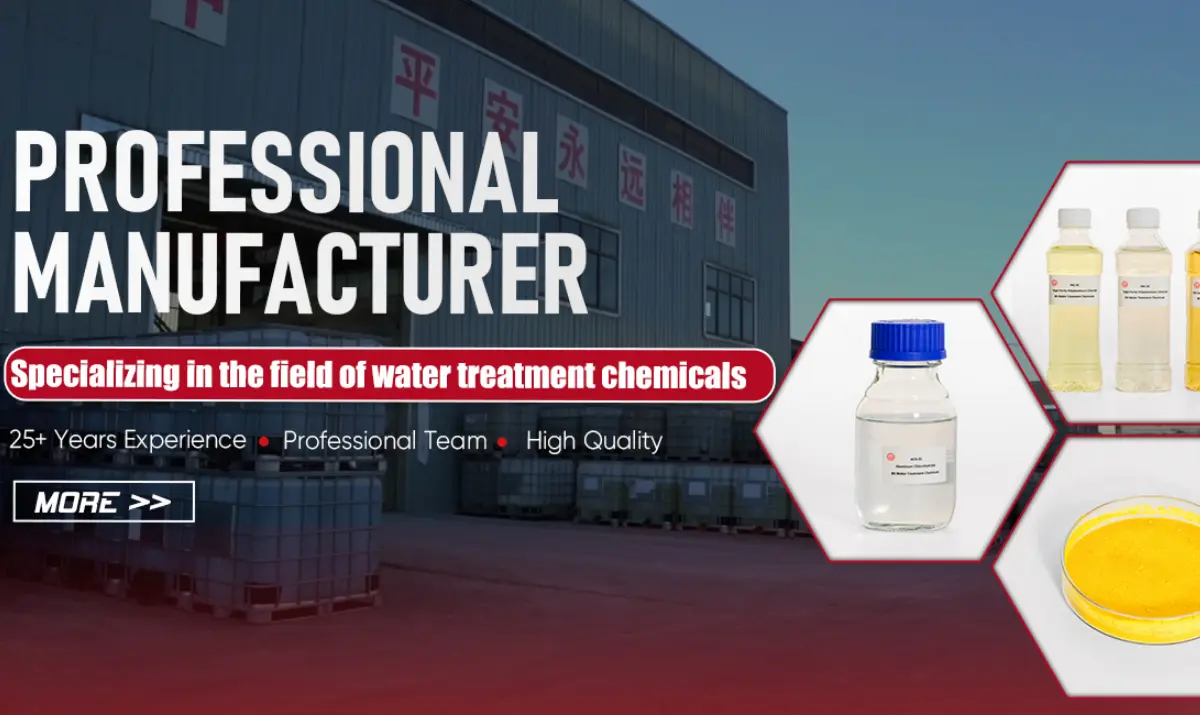
Exploring how Wuxi BS is aligning its high-purity coagulant supply chains to support low-carbon industrial initiatives globally.
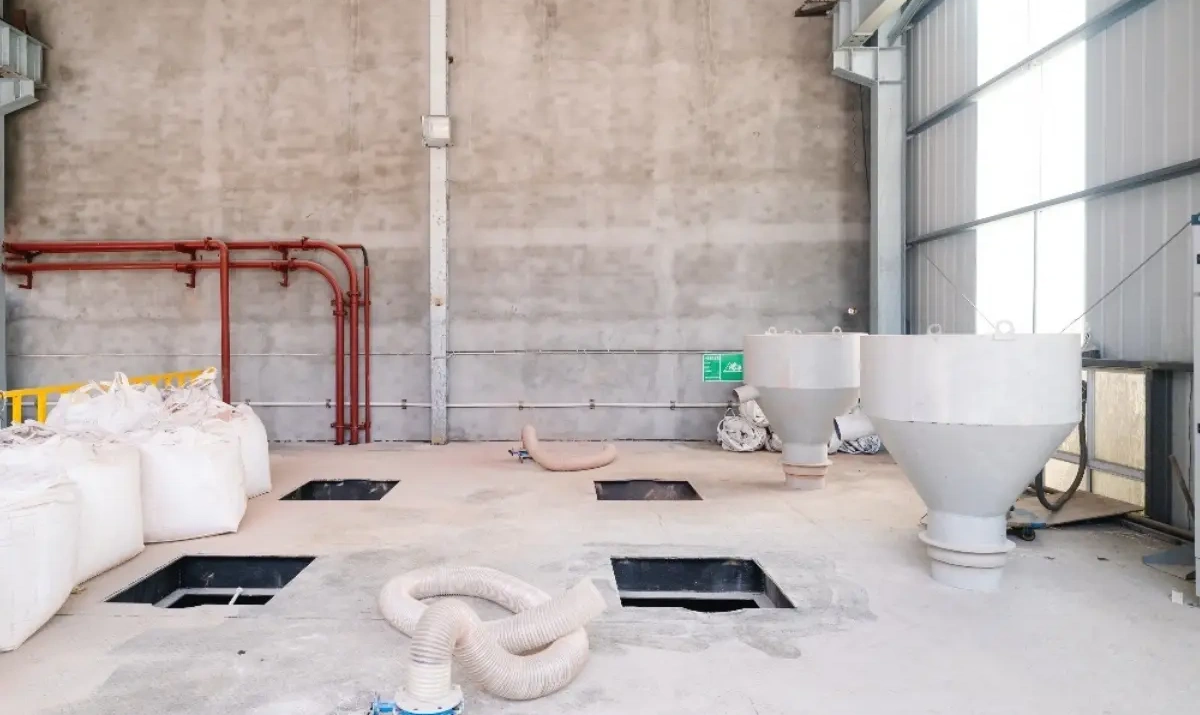
Wuxi BS introduces dry polymer feed control systems designed to optimize dissolution and prevent polymer waste.
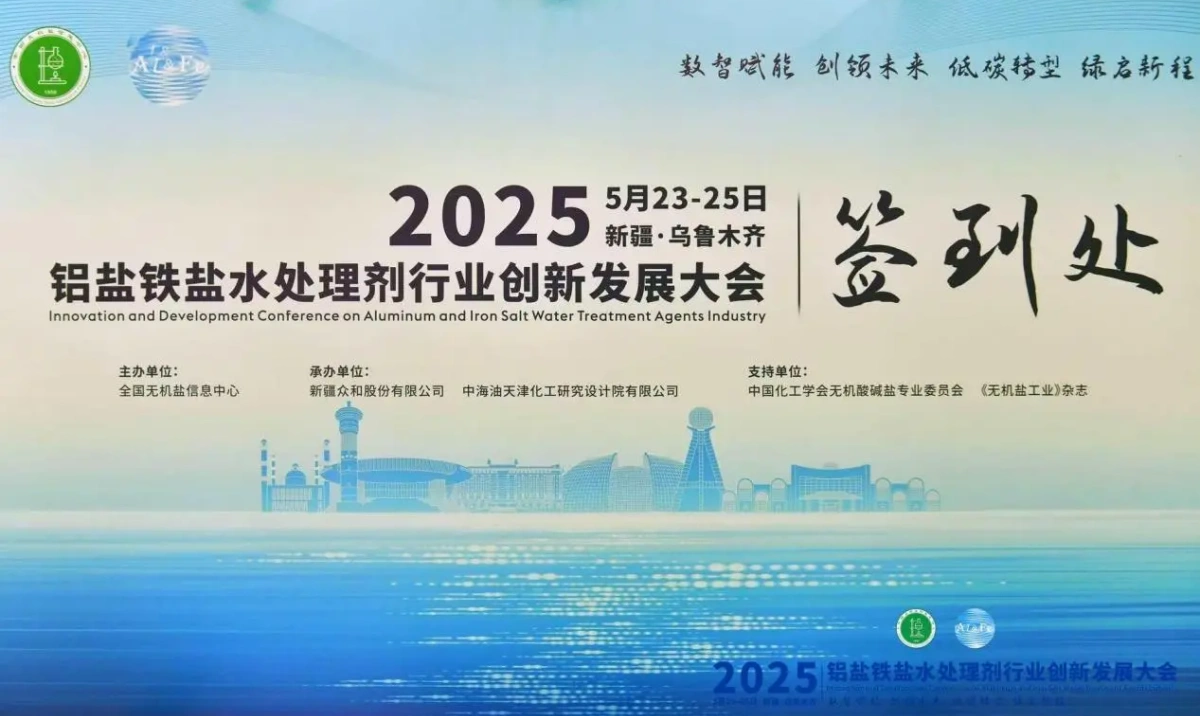
Highlighting key presentations and collaborative research on inorganic-organic composite coagulants for municipal applications.
Explore further industrial formulations specialized for decolorization, high-basicity coagulation, and organic solid settlement.
 BS Water