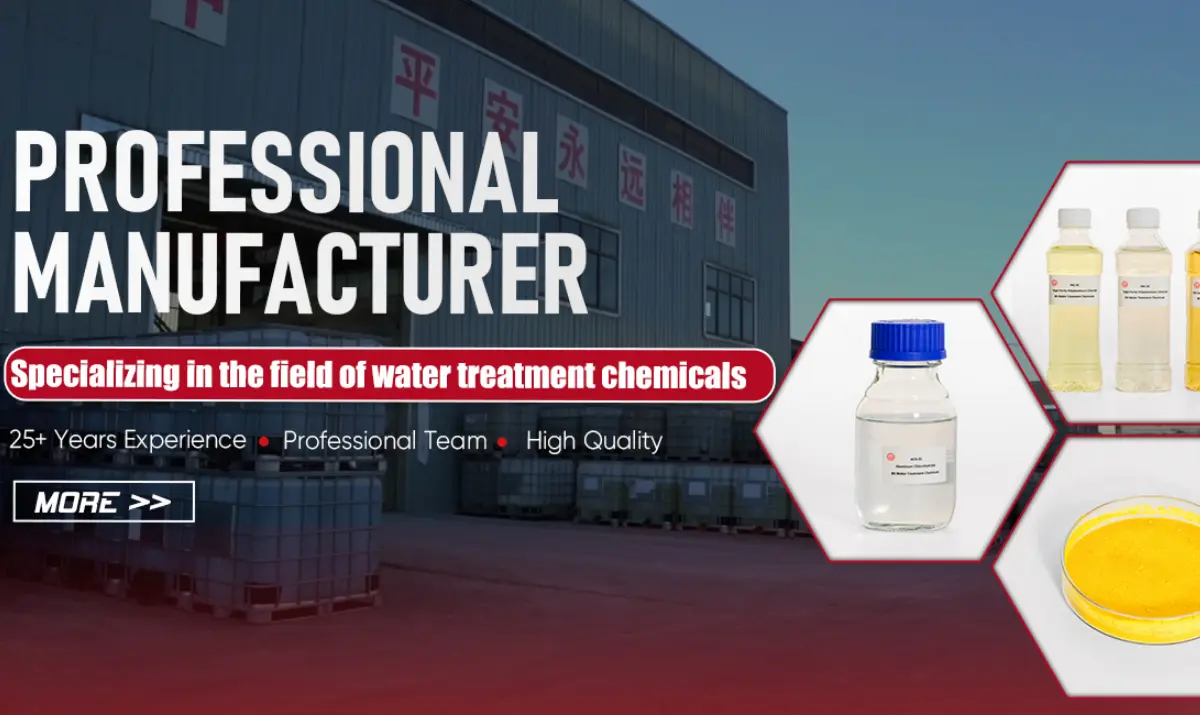
Engineered to accelerate sedimentation, neutralize charge density, and clarify complex colloidal suspensions across commercial and industrial water processing arrays.
Analyzing the intersection of ecological compliance, chemical optimization, and procurement cost structures in the modern resource-constrained economy.
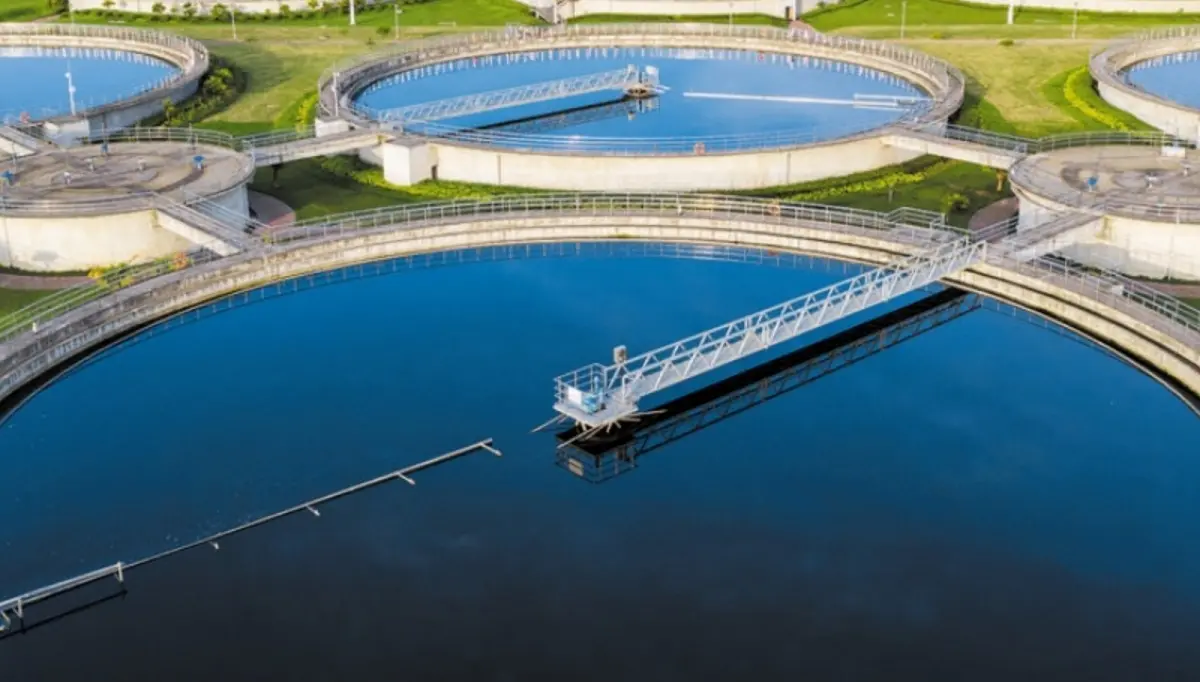
In the contemporary landscape of global manufacturing and heavy industry, water is no longer viewed as a linear resource but rather as a critical, circular asset. Regulatory frameworks such as the European Union’s Green Deal, the US Clean Water Act, and China’s strict national discharge benchmarks have turned industrial wastewater management into a vital board-level metric. Multi-national corporations, municipal utility operations, and chemical procurement departments are facing massive demands: minimize chemical footprint, reduce dry sludge mass, optimize total cost of ownership (TCO), and maintain perfect compliance.
From an E-E-A-T (Experience, Expertise, Authoritativeness, Trustworthiness) viewpoint, purchasing agents must evaluate water treatment agents not just by bulk price per ton, but by active ingredient performance, ionic load capacity, and biological toxicity thresholds. The demand is shifting heavily toward multi-functional composite chemicals. For instance, replacing traditional simple metal salts with advanced Composite Polyaluminum Chloride (CPAC) or Aluminum Chlorohydrate (ACH) significantly reduces the overall dry weight of solid chemical sludge, lowering municipal disposal costs and mitigating chemical leaching concerns in regional landfills.
Furthermore, globalization of supply networks requires chemical manufacturers to guarantee consistent batch-to-batch polymer chain lengths and active Al2O3 ratios. For distributors operating in North America, Europe, and the Middle East, this consistency prevents emergency process shutdowns in municipal water treatment facilities. Having high-basicity coagulants and specialized decolorizing agents that function predictably under temperature fluctuations and high turbidity variance is a critical operational safeguard.
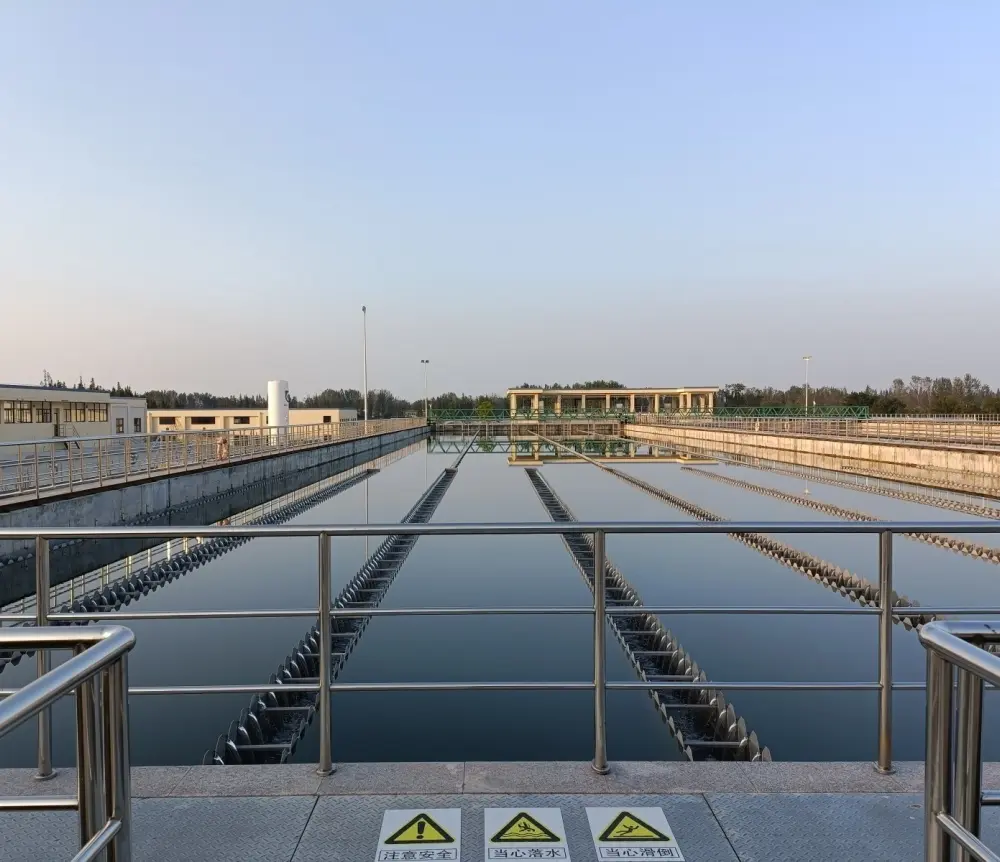
Ensuring that discharged industrial effluents strictly conform to local and international chemical oxygen demand (COD), total suspended solids (TSS), and colority limitations.
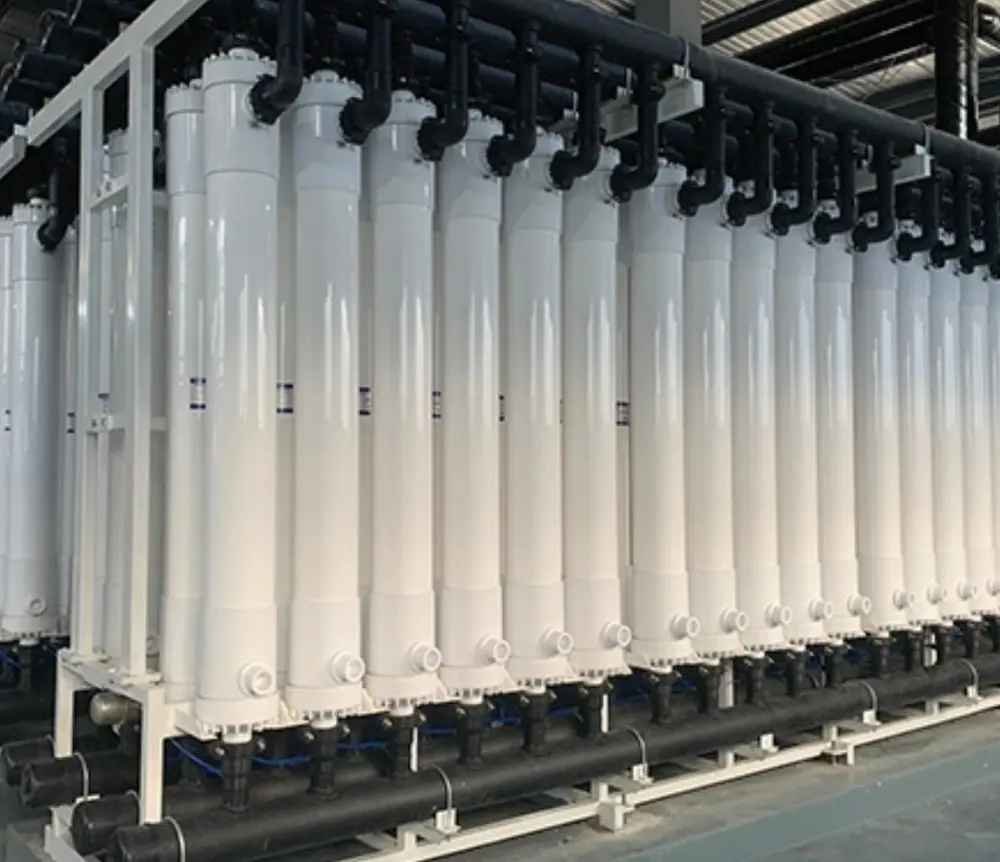
Maximizing coagulation kinetics to lower chemical dosage frequencies, decrease sludge handling fee structures, and extend membrane filtration lifetimes.
Securing year-round supplies backed by extensive logistics, deep product reserves, and reliable quality guarantees across variable international corridors.
A comprehensive analytical overview of advanced molecular structures developed by Wuxi BS Water Treatment Chemicals Co., Ltd.
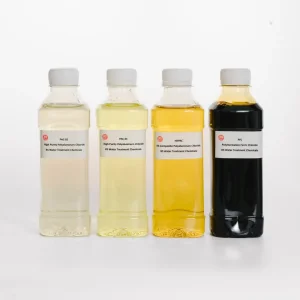
The chemical composition of coagulants determines their efficiency in neutralizing colloidal charges. Modern wastewater operations utilize structured polymers that balance inorganic polynuclear complexes with organic macromolecular chains. Our production facilities synthesize several primary product series optimized for varying charge densities and molecular weights:
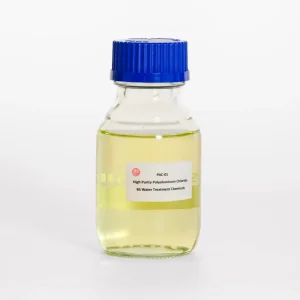
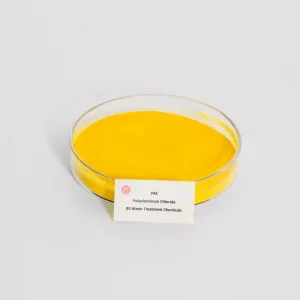
Our industrial-grade and high-purity (PAC-01) polyaluminum chloride options feature excellent basicity controls. Unlike traditional Alum, PAC forms highly stable polynuclear aluminum complexes, specifically Al13 and Al30 oligomers. This enhances sweep-flocculation behavior and charge-neutralization capability. For challenging colored wastewater, Composite Polyaluminum Chloride (CPAC) blends inorganic salts with synthetic cationic links, driving rapid floc sedimentation and eliminating the need for secondary polymer addition.
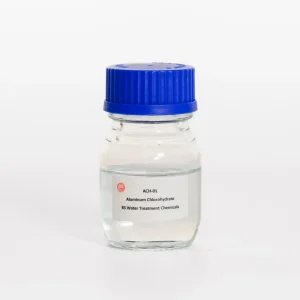
ACH represents the highest basicity (typically 83% and above) of any aluminum-based coagulant. With an Al2O3 active content starting at 23% in solution form up to dry powder variants, ACH delivers maximum cationic charge density. This allows for exceptionally low dosage rates in drinking water systems and high-purity industrial processes, keeping residual aluminum and chloride concentrations at absolute minimum levels.
Offered in Cationic (CPAM), Anionic (APAM), and Nonionic (NPAM) forms, our polyacrylamide series acts as secondary flocculants. They work by bridging microflocs formed by coagulants into large, shear-resistant macroflocs. CPAM is designed for biological sludge dewatering, while APAM serves mineral washing, metallurgy, and enhanced oil recovery processes.
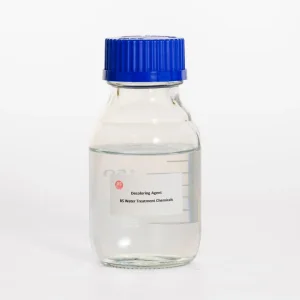
Our WDA is a highly efficient cationic quaternary ammonium polymer. It is engineered specifically to break the chromophore groups of water-soluble dyes (such as reactive, acid, and disperse dyes). By forming insoluble electrostatic complexes with pigment particles, it achieves over 98% color removal from textile effluents without generating corrosive chloride byproducts.
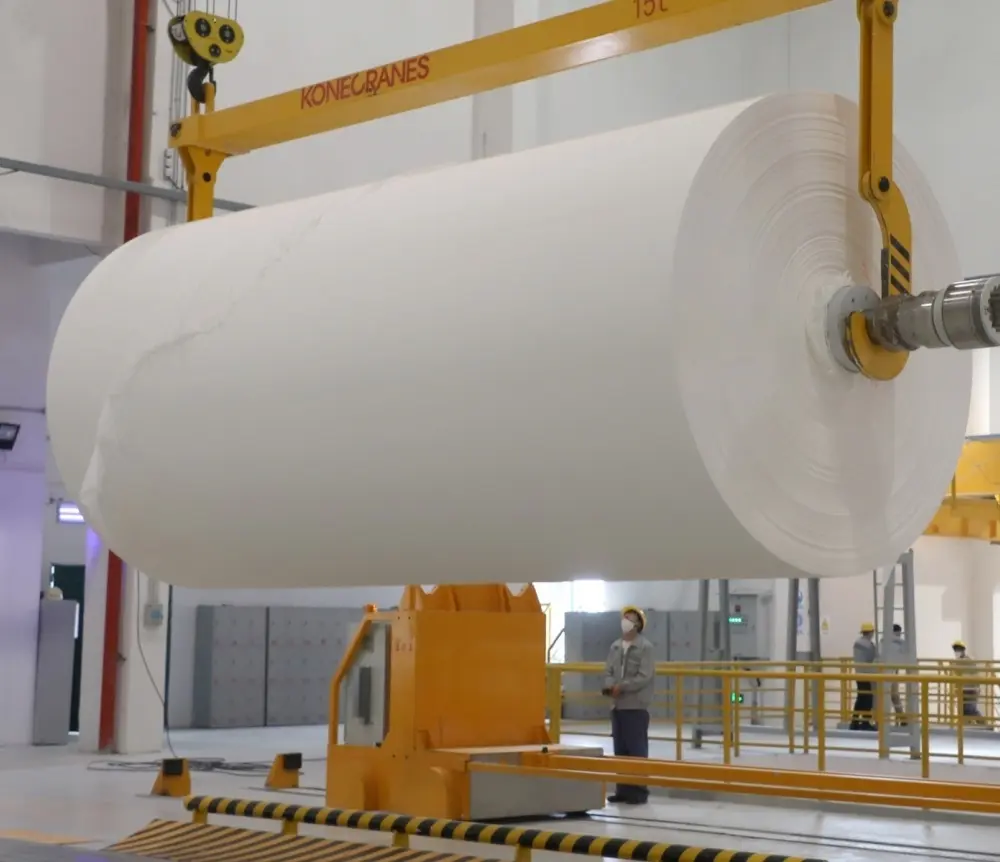
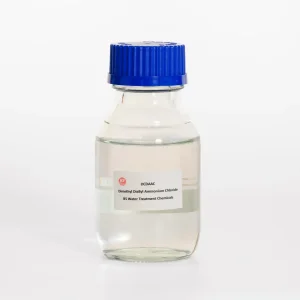
A strongly cationic polymer with a high charge density. Completely soluble across all pH ranges, PDADMAC is widely used as a primary coagulant and charge-neutralizing agent in papermaking (pitch control), water clarification, and membrane process pretreatment arrays.
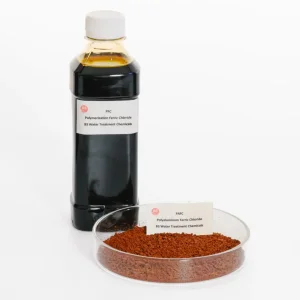
PAFC synthesizes the rapid flocculation characteristics of iron salts with the high absorption properties of aluminum. It forms heavy, dense flocs that settle rapidly even in low-temperature, low-turbidity raw water where typical aluminum-only coagulants lose efficiency.
Tailored molecular treatment formulations designed to solve process water and wastewater discharge challenges across primary industrial sectors.

Charting the next era of chemical engineering: Digital dosing integration, eco-friendly green polymers, and closed-loop industrial water recycling.
The core objective of modern water treatment is to minimize chemical residue while maintaining high reaction speeds. Wuxi BS Water Treatment Chemicals is pioneering this transition by integrating chemical synthesis with digital process control. Traditional water treatment processes often struggle with over-dosing, which can foul downstream RO (Reverse Osmosis) membranes and increase trace heavy metal concentrations in discharged water.
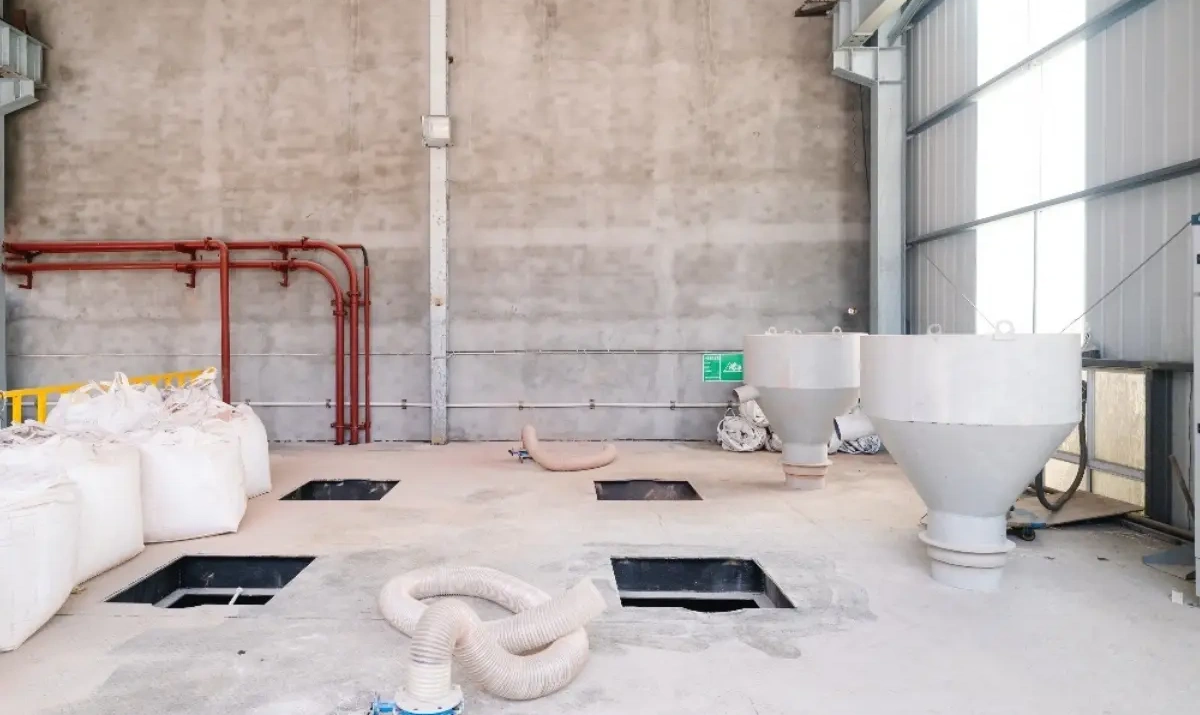
Our technology roadmap addresses this by combining high-purity chemical production with intelligent solid feeding equipment. Launched in 2025, these digital systems adjust real-time chemical dosing based on continuous turbidity, pH, and conductivity feedback. This automated approach reduces chemical waste, improves flocs formation, and lowers operational costs.
In our R&D pipeline, we are developing next-generation bio-based polymers to partially replace synthetic acrylamides. These green flocculants offer high biodegradability while maintaining the performance levels required for heavy industrial processes. We are also optimizing low-dust granule manufacturing, which improves on-site safety and minimizes dust inhalation risks for system operators.
A Technology Leader with 27 Years of Expertise in Water Treatment Chemicals.
Founded in 1998, Wuxi BS Water Treatment Chemicals Co., Ltd. (originally established as Wuxi Bisheng Water Treatment Agent Co., Ltd.) is a manufacturer specializing in eco-friendly chemical products for municipal drinking water, process systems, and industrial wastewater treatment.
By combining advanced manufacturing technologies with an experienced technical team, we serve over 1,000 customers worldwide. Our production facilities maintain a 20,000-ton finished product inventory and support an annual sales volume exceeding 500,000 tons. This allows us to ensure reliable product supplies for distributors and industrial facilities globally.
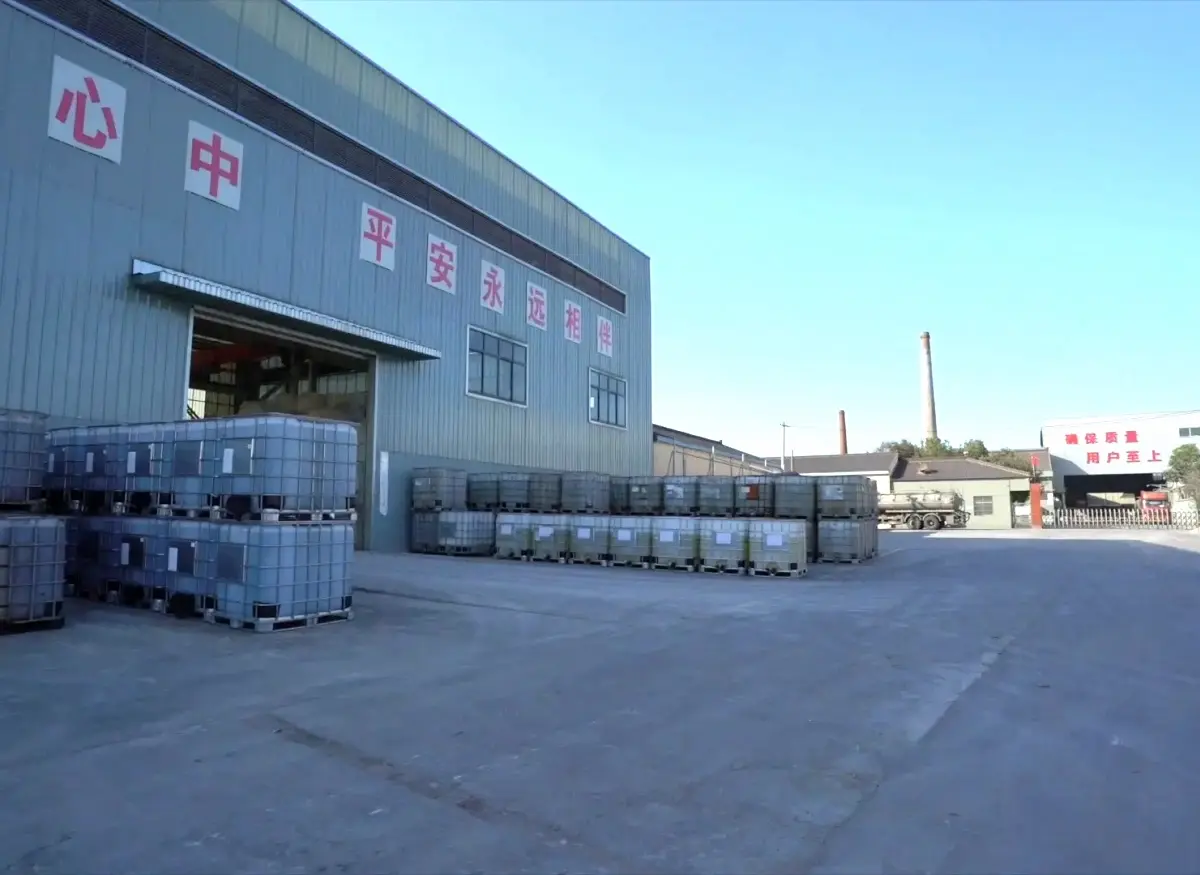
Customizing chemical properties, packaging configurations, and dosing instructions to fit specific wastewater systems and local regulatory standards.
We analyze customer water samples to adjust basicity, active Al2O3 ratios, and charge density, creating tailored formulations that optimize flocculation efficiency.
We offer customizable packaging options, from 25kg moisture-proof woven bags to 1000kg IBC containers and bulk liquid tankers, all conforming to international transport safety standards.
Our products are systematically tested and certified by independent institutions like SGS, ensuring alignment with international limits on heavy metals and chemical purity.
Technical guidance from our research laboratory on optimizing coagulants, flocculants, and decolorizing agents.
Polyaluminum Chloride (PAC) typically features a basicity range of 50% to 80% and an active Al2O3 content between 10% and 30%. Aluminum Chlorohydrate (ACH) is a highly concentrated form of inorganic aluminum polymer with basicity at 83% or higher and Al2O3 content reaching 23% in liquid or 46% in powder. ACH provides higher cationic charge density, meaning it requires lower dosing rates, works across a broader pH range, and generates less sludge. However, PAC remains a versatile and cost-effective option for general municipal and industrial wastewater applications.
Our Water Decolorizing Agent is a cationic quaternary ammonium polymer. It works through charge neutralization, attracting and bonding with anionic dye molecules in textile, paper, and printing wastewater. WDA breaks the chromophore groups of the dye, forming insoluble flocs that settle rapidly. This process removes color, helps reduce chemical oxygen demand (COD), and improves water clarity before discharge.
Selecting the right Polyacrylamide (PAM) depends on the surface charge of the suspended particles. Anionic PAM (APAM) has a negative charge and is ideal for mineral suspensions, metallurgical wastewater, and sand washing, where particles carry positive surface charges. Cationic PAM (CPAM) has a positive charge and is typically used for organic sludge dewatering, biological wastewater treatment, and paper mill effluents, where suspended solids carry negative charges.
Low temperatures can slow down chemical reactions and hydrolysis, which reduces the efficiency of standard aluminum-based coagulants. Polymeric Aluminium Ferric Chloride (PAFC) combines aluminum and iron salts to resolve this issue. The iron component helps maintain rapid flocculation and generates dense, heavy flocs even in cold water, preventing floc carryover in sedimentation tanks during winter operations.
Insights into our ongoing efforts in global chemical distribution, digital systems integration, and environmental sustainability.
Our research laboratory will analyze your specific water sample to determine the optimal chemical formulation and dosage rate. Contact us to coordinate shipping for samples and arrange a consultation with our technical team.
High molecular weight polymers and cationic compounds designed to handle challenging industrial wastewater and sludge dewatering requirements.
 BS Water