Premium coagulants and flocculants engineered to optimize chemical dosage, enhance sedimentation efficiency, and prevent microbiological fouling in recirculating cooling water systems.
An authoritative analysis of scale mitigation, corrosion control, and wastewater recycling in modern open and closed-loop heat rejection systems.
Industrial cooling towers process trillions of gallons of water daily. Rising global temperatures, combined with localized regulatory mandates on Water Drawdown and Effluent Disposal (such as the EPA’s Clean Water Act guidelines and the EU’s REACH regulations), have forced plant operators to increase Cycles of Concentration (CoC). Higher CoC elevates the concentration of dissolved minerals, precipitously driving up scaling potential and corrosion kinetics.
Traditional phosphorus-heavy scale inhibitors face strict discharge limits due to eutrophication risks. The industry is rapidly pivoting toward high-charge density polymers like Poly(diallyldimethylammonium chloride) (PDADMAC) and advanced aluminum-based formulations (ACH) that offer superior coagulation without adding unwanted phosphate loading to cooling tower blowdown. These polymers destabilize colloidal silica and organic particulates that otherwise catalyze crystalline scale growth.
Modern industrial complexes are integrating sidestream filtration systems combined with advanced chemical treatment to reach zero blowdown goals. By dosing highly specialized flocculants like Anionic Polyacrylamide (APAM) and Cationic Polyacrylamide (CPAM), suspended solids, emulsified oils, and metallic oxides are rapidly consolidated and purged, allowing treated sidestream water to cycle back into the system indefinitely.
Every evaporative cooling tower is inherently an air washer and concentrated chemical reactor. Water evaporation leaves behind dissolved salts—primarily calcium, magnesium, carbonate, sulfate, and silica. As their concentrations exceed solubility limits, they precipitate onto heat-transfer surfaces as crystalline scale (e.g., CaCO₃, CaSO₄, SiO₂). Scale acts as a thermal insulator; a mere 1 mm of calcium carbonate scale can degrade heat-exchanger efficiency by up to 30%, translating directly to increased energy consumption and compressor wear in chillers.
Simultaneously, the warm, oxygen-rich water provides a highly favorable incubator for biological growth, leading to biofilm development. Biofilms not only cause microbiologically influenced corrosion (MIC) through the metabolic activity of sulfate-reducing bacteria (SRB) but also harbor dangerous pathogens like Legionella pneumophila. To balance scale inhibition, corrosion control, and microbiological dispersion, chemical parameters must be maintained within tight operating margins, utilizing advanced inorganic coagulants and high-performance synthetic polymers.
| Chemical Agent | Primary Function in Cooling Towers | Key Performance Indicators (KPIs) | Common Dosage Ranges |
|---|---|---|---|
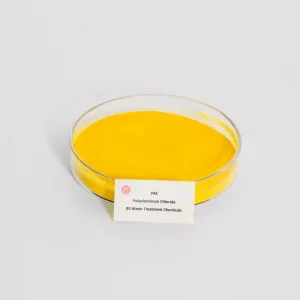
| Polyaluminium Chloride (PAC) | Makeup water clarification & turbidity removal | Suspended solids removal > 95%, Low residual Al | 5.0 - 50.0 mg/L |
| Aluminum Chlorohydrate (ACH) | High-basicity coagulant for low-alkalinity source waters | Fast floc sedimentation, minimal pH drop | 2.0 - 20.0 mg/L |
| Anionic Polyacrylamide (APAM) | Flocculation aid for heavy particle settling in makeup and blowdown clarification | Accelerated sedimentation velocity, dense floc formation | 0.5 - 2.0 mg/L |
| Cationic Polyacrylamide (CPAM) | Sludge dewatering of cooling tower basins & clarifier underflow | Low filter cake moisture, high filtrate clarity | 1.0 - 5.0 mg/L |
| PDADMAC | Organic coagulant for color removal, algae control support, and organic load reduction | Neutralizes colloidal negative charges, reduces biocide demand | 1.0 - 10.0 mg/L |
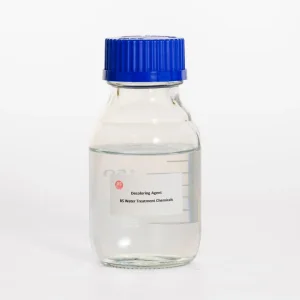
| Water Decolorizing Agent (WDA) | Blowdown decolorization and organic dye removal | Color removal efficiency > 98%, COD reduction | 10.0 - 100.0 mg/L |
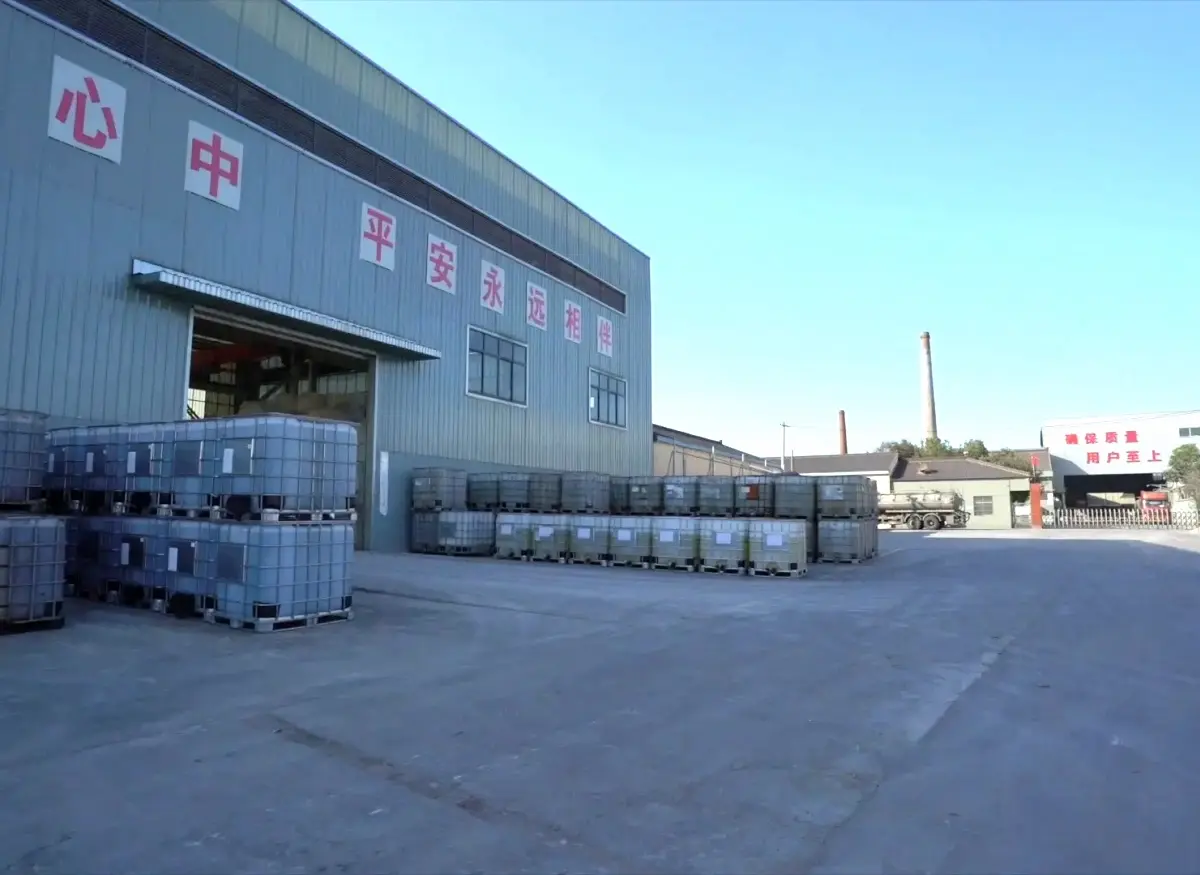
 Watch Our Factory Operations and Laboratory Capabilities
Founded in 1998, Wuxi BS Water Treatment Chemicals Co., Ltd. has established itself as an international benchmark for the production and synthesis of high-purity coagulants and flocculants. With 27 years of chemical manufacturing expertise, our facilities feature advanced DCS-controlled production lines and specialized QA/QC laboratories that execute rigorous chromatography and molecular weight analyses for every batch of polymeric material.
Our strategic focus is the development of optimized chemical treatment regimes for municipal drinking water, heavy industrial process water, and complex wastewater systems. By executing rigorous raw material validation and maintaining key certifications, we ensure our global partners receive consistent, non-caking, and highly soluble chemical products.
Comprehensive portfolio of coagulants, flocculants, and specialty chemical agents categorized by molecular weight, charge density, and application criteria.
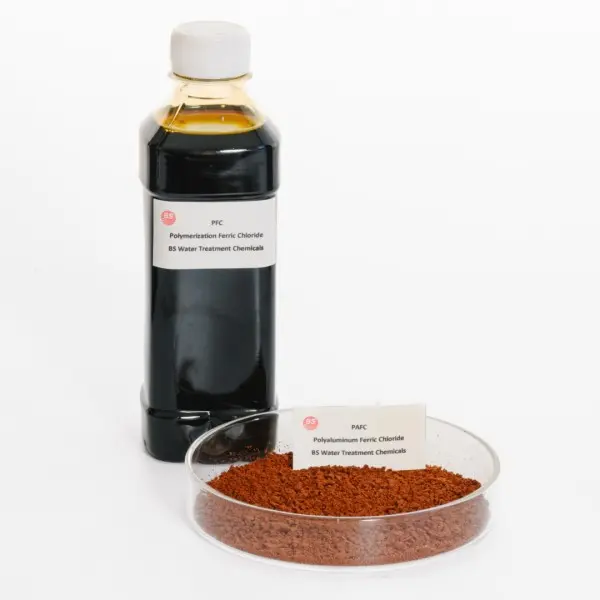
Synergistic iron-aluminum coagulant designed for high-turbidity water systems and accelerated floc settling under low-temperature conditions.
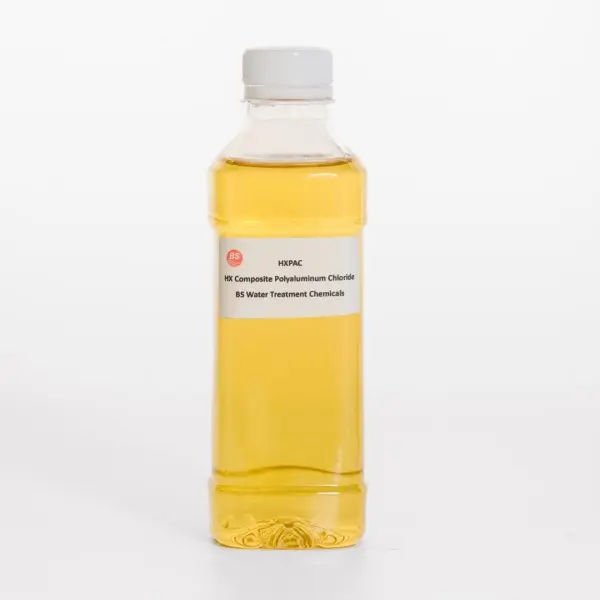
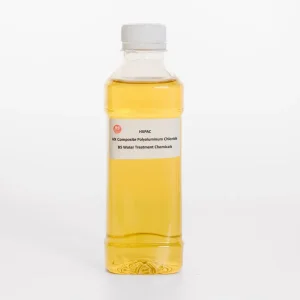
Specially formulated inorganic polymer designed to address highly variable industrial source waters with elevated colloidal organic loads.
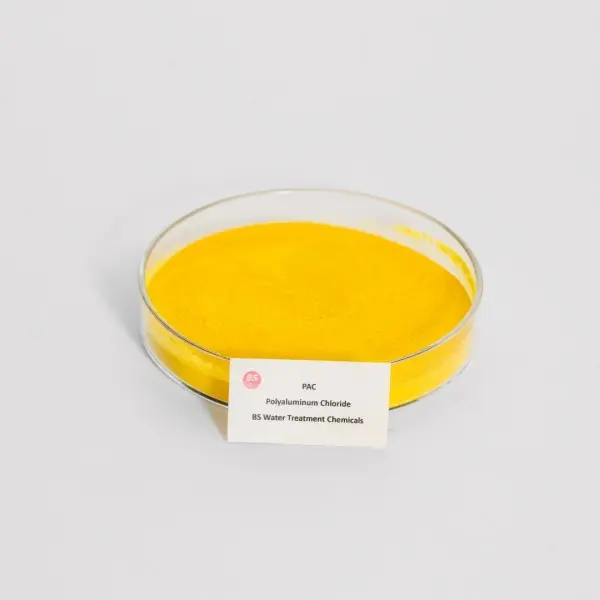
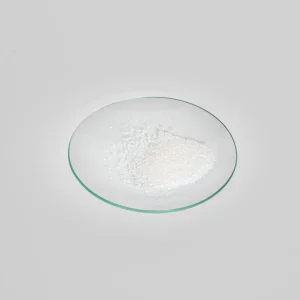
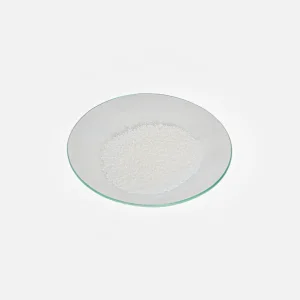
High-solubility granules containing up to 30% active Al₂O₃ content, optimized for long-distance transport and high-volume dosers.
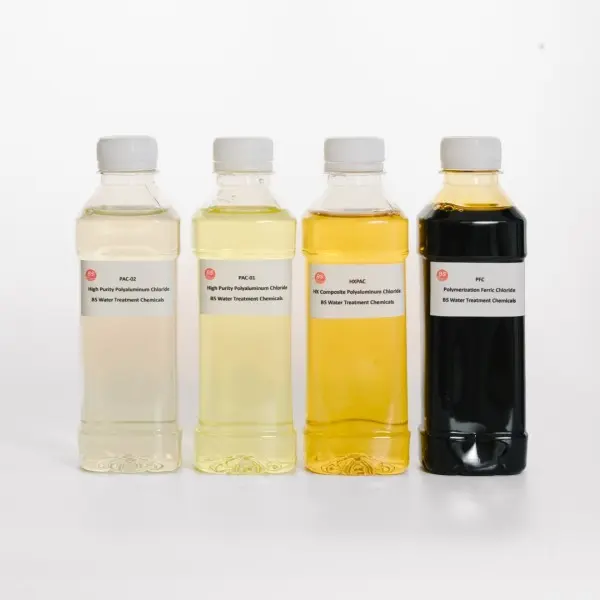
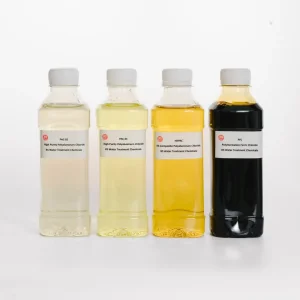
Ready-to-use liquid formulation (10%-15% active ingredient) that reduces mixing hazards and simplifies automated dosing systems.
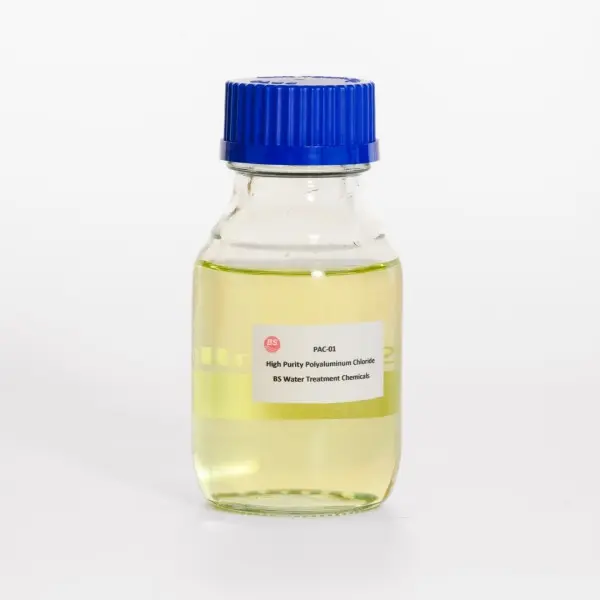
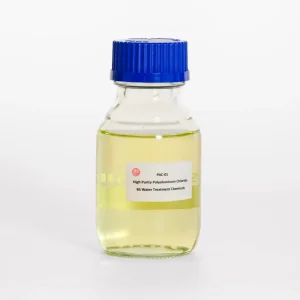
Premium grade featuring low iron, low heavy metal content, highly suitable for municipal drinking water filtration and paper sizing.
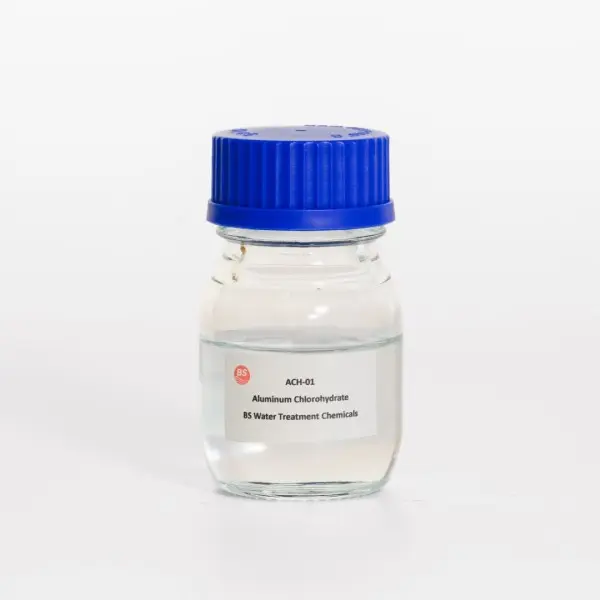
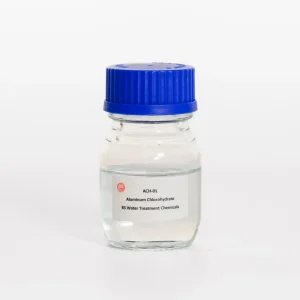
Featuring up to 83% basicity and 23% Al₂O₃ content, ACH minimizes pH fluctuations, significantly reducing the requirement for supplemental acid or alkali.
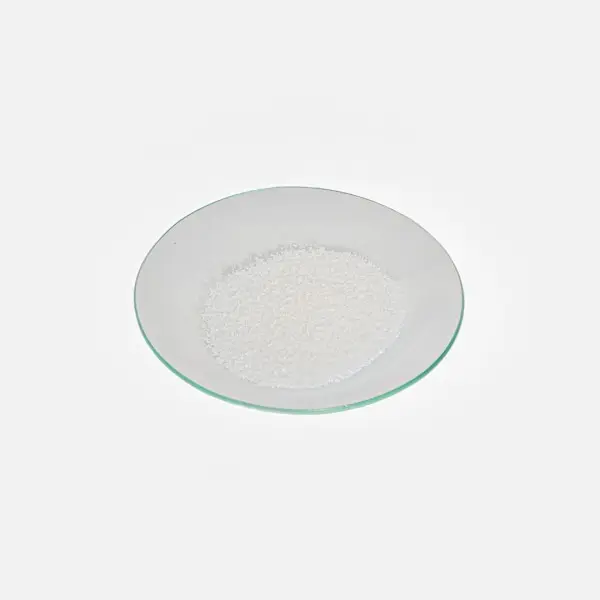
Highly charged linear copolymer designed to aggressively bind negatively charged organic matter and expedite municipal and industrial sludge dewatering.
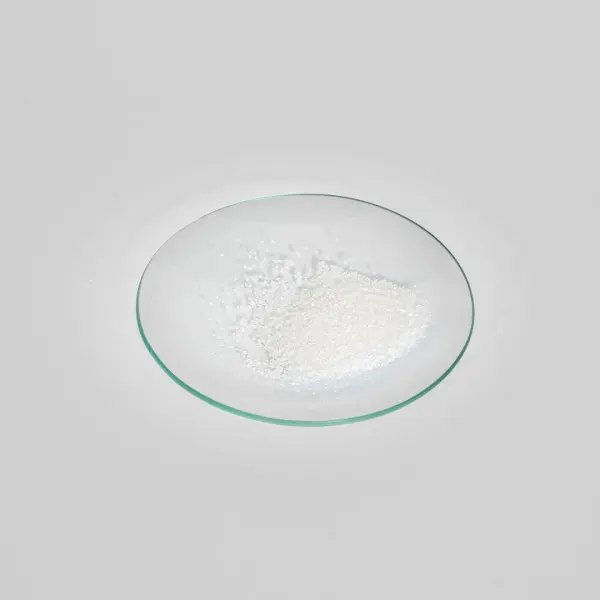
High molecular weight polymer featuring negative functional groups that promote particle bridging and micro-floc consolidation during water clarification.
Adapting chemical treatment regimes to specific industrial environments and localized regulatory conditions.
Petrochemical cooling towers encounter continuous threat from trace hydrocarbon leaks, which act as a nutrient source for biological growth. This biological activity rapidly consumes biocides and precipitates organic foulants. Utilizing a dual-treatment design containing PDADMAC as a primary coagulant alongside Anionic PAM enables plant operators to flocculate and skim out oil-bound suspended solids, preventing the sticky matrices that coat heat exchanger tube bundles.
Modern data centers rely heavily on evaporative cooling to maintain optimal Server Power Usage Effectiveness (PUE). Because these facilities are often situated near metropolitan centers, noise and chemical aerosol emission laws limit the usage of volatile oxidizers. Wuxi BS supplies ultra-pure Aluminum Chlorohydrate (ACH) and non-volatile polymeric dispersants that maintain scale-free surfaces under high heat-flux densities without generating corrosive chemical mist.
The pulp and paper sector consumes immense volumes of water, requiring extensive reuse loops. High concentrations of lignin and dissolved wood solids can severely disrupt traditional water treatment chemistry. Applying Water Decolorizing Agent (WDA) and high charge-density cationic polymers directly to the whitewater circuit neutralizes anionic trash, stabilizing the system and allowing for maximum water recycling back into the process line.
As the global community approaches the midpoint of the 2020s, the water treatment industry is undergoing a paradigm shift driven by green chemistry and automated monitoring. Wuxi BS is actively investing in research to develop biodegradable polycarbonates and bio-sourced flocculants designed to replace synthetic polymers in sensitive ecosystems. Concurrently, the integration of real-time digital dosing systems—monitored by predictive AI software—allows plants to dynamically adjust coagulant and polymer feeds based on real-time changes in turbidity, conductivity, and temperature, preventing both chemical waste and under-treatment failures.
Optimized polymer chemical structures that consistently deliver superior coagulation performance across diverse water quality parameters.
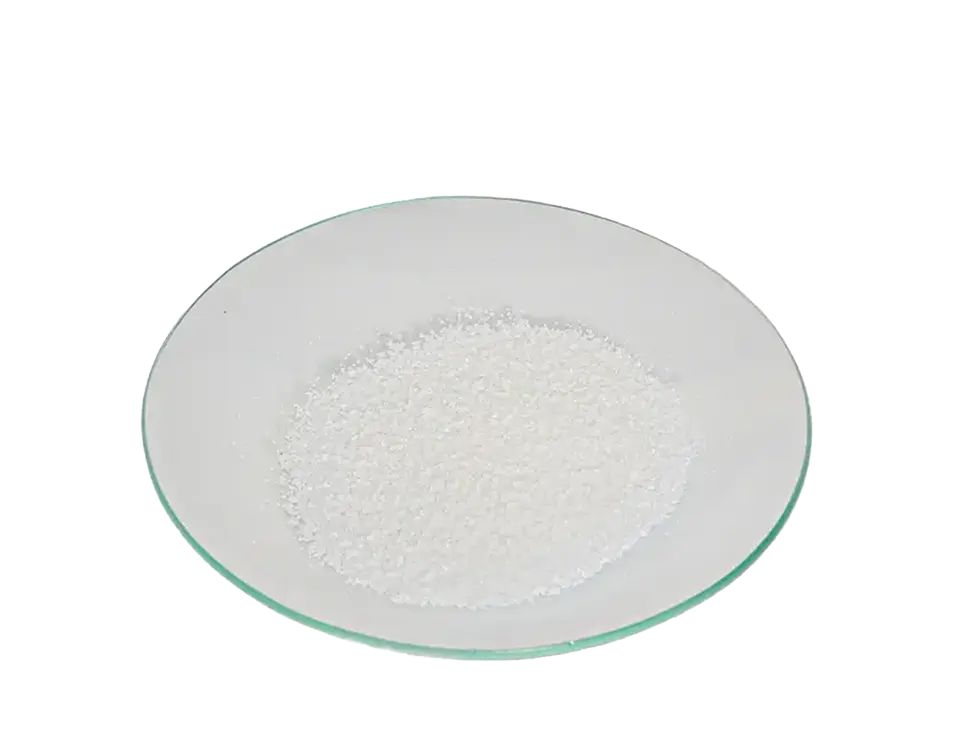
Ideal for organic sludge dewatering, municipal wastewater treatment, and centrifuge-assisted solids extraction.
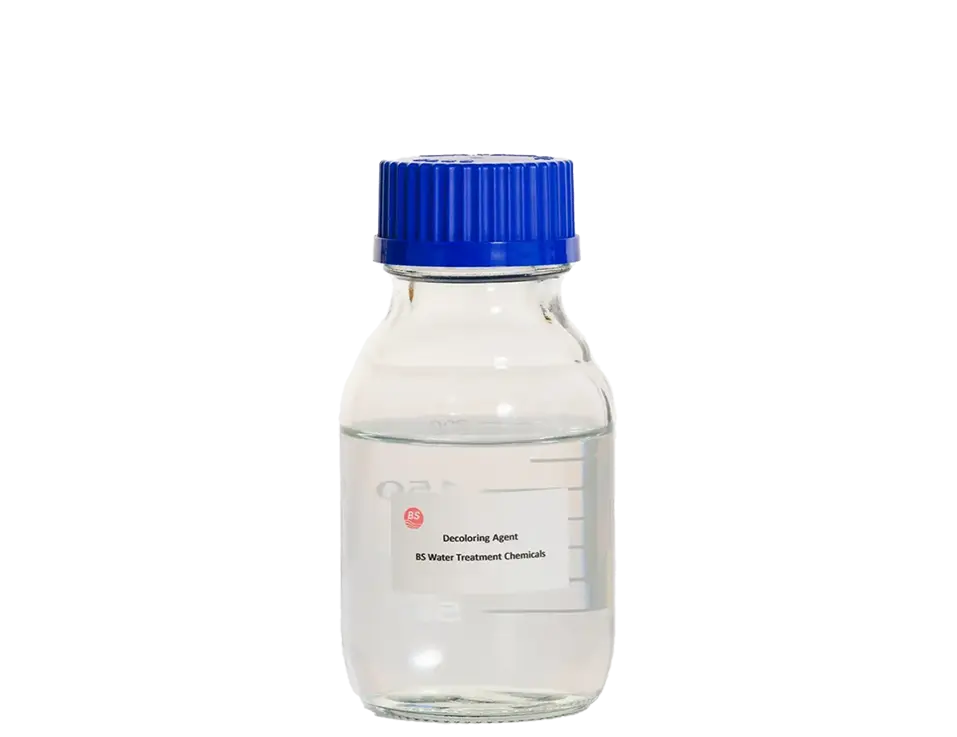
Highly effective cationic polymer for removing color, COD, and suspended organics in textile and printing mill effluents.
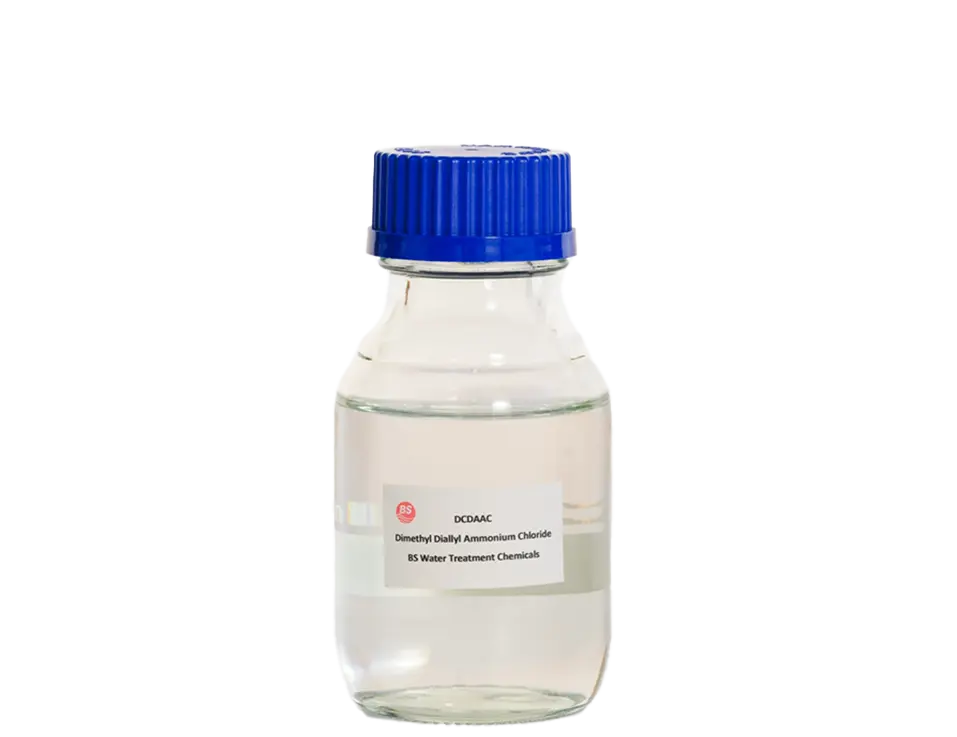
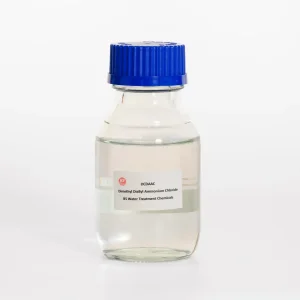
Exceptional primary coagulant for color removal, algae flocculation, and charge neutralization in process water.
Providing specialized chemistry solutions engineered to meet the unique operational challenges of key industries.
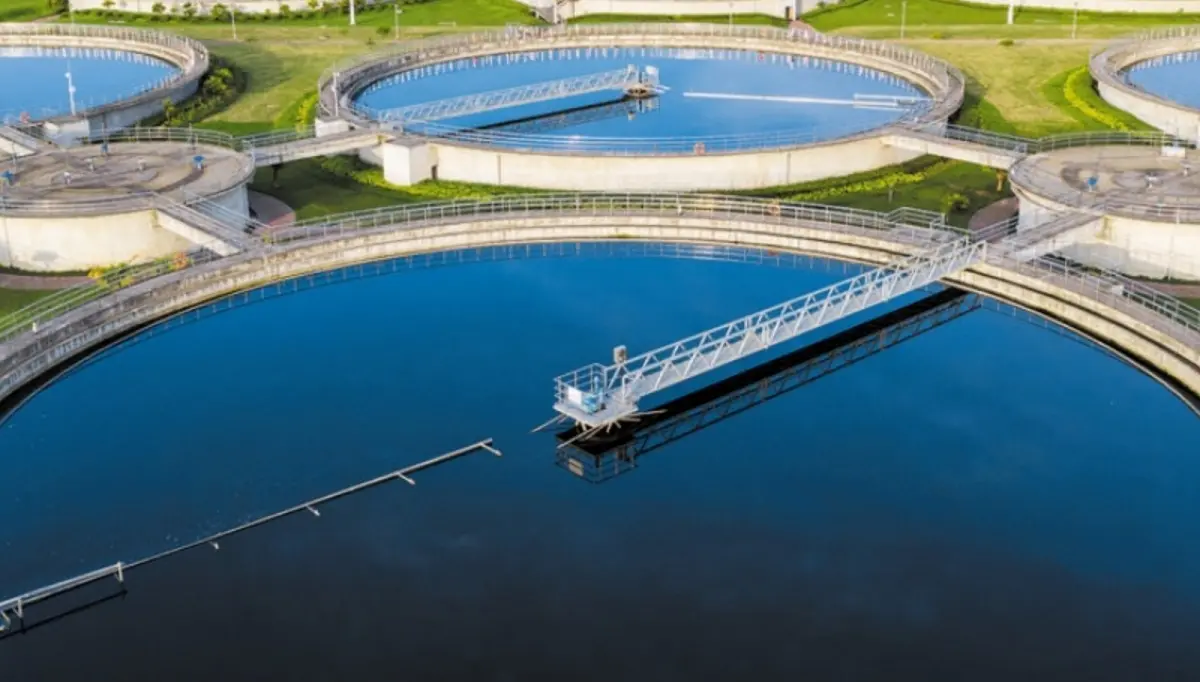
Enhancing primary clarifier performance and sludge dewatering efficiency in municipal operations.

Addressing emulsified oils and dissolved solids in refining cooling loops and oily wastewater systems.
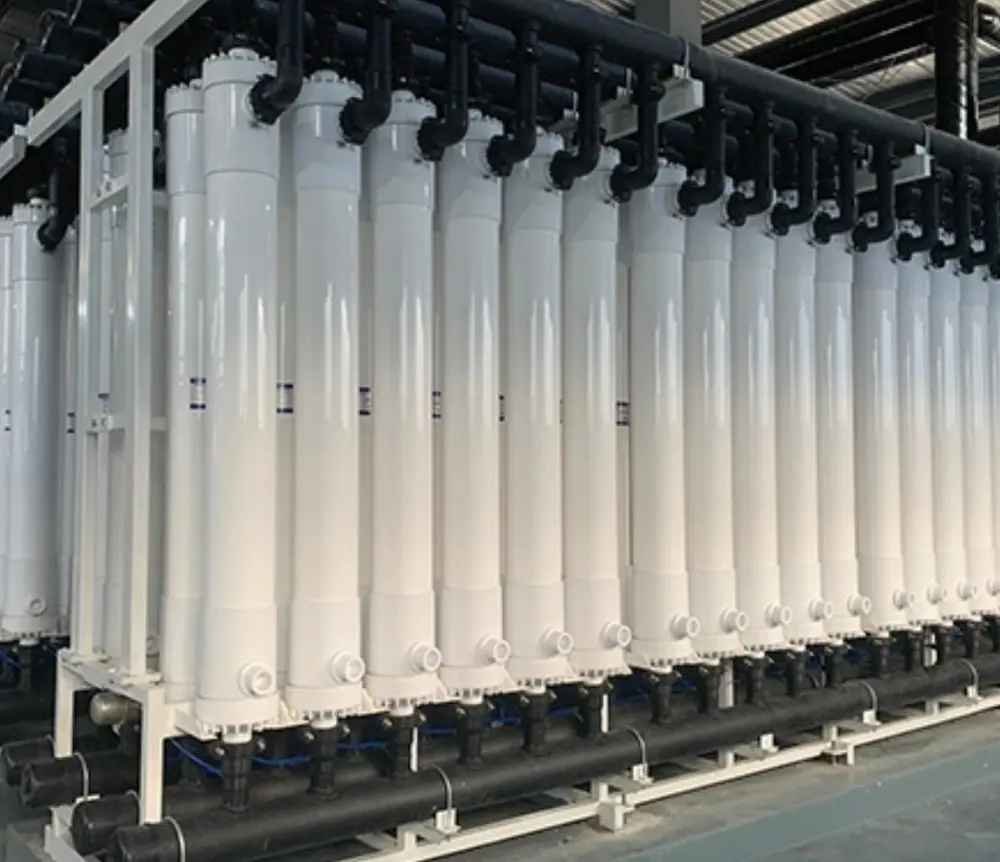
Preventing premature biofouling and scale buildup on Reverse Osmosis (RO) membranes.
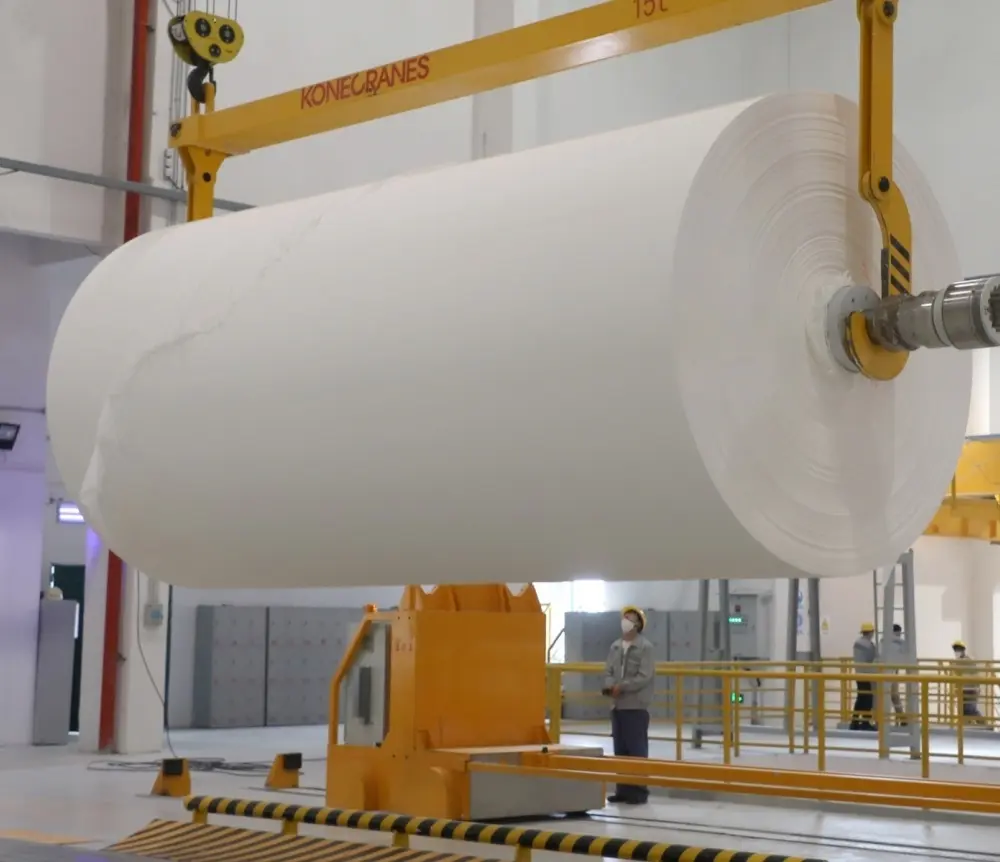
Improving fiber retention, paper sizing, and whitewater recycling loops in pulp and paper mills.
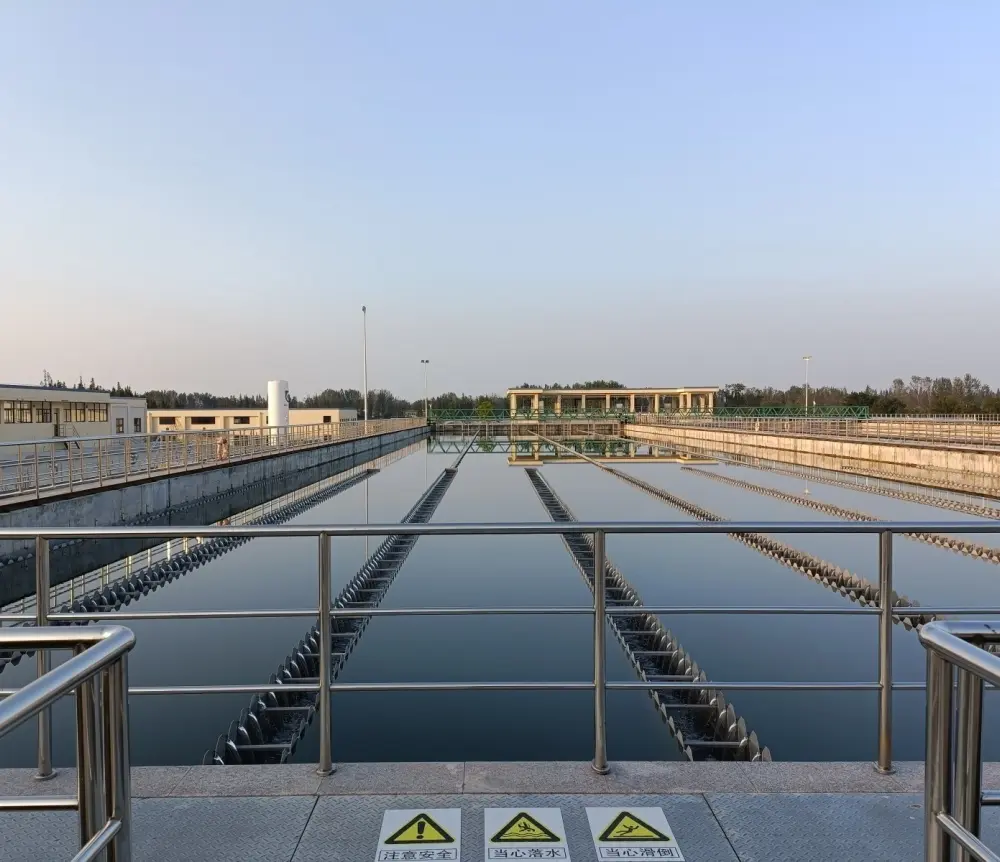
Providing ultra-low heavy metal coagulants to meet stringent international drinking water standards.
Delivering tailor-made molecular weights, custom charge densities, and flexible packaging solutions to meet specific client challenges.

Our experienced technical team offers complete water lifecycle analysis, providing customized chemical dosing advice tailored to your system's unique makeup water parameters.

Our annual production exceeds 500,000 tons, supported by a 20,000-ton warehouse capacity, ensuring prompt order fulfillment even during periods of peak market demand.

Leveraging advanced production automation and comprehensive quality control, we ensure consistent product specifications, eliminating chemical dosage drift.

We dedicate a portion of our revenue to researching green water treatment polymers that minimize downstream environmental impact while maintaining high flocculation efficiency.

Exporting internationally since 2007, our team handles all customs documentation, hazardous material logistics, and compliance packaging, ensuring hassle-free delivery.
A timeline of chemical innovation, capacity expansion, and global market growth since 1998.
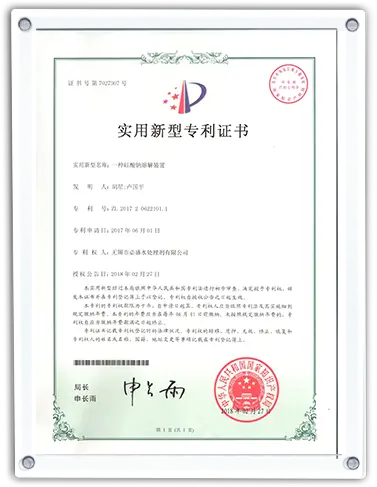
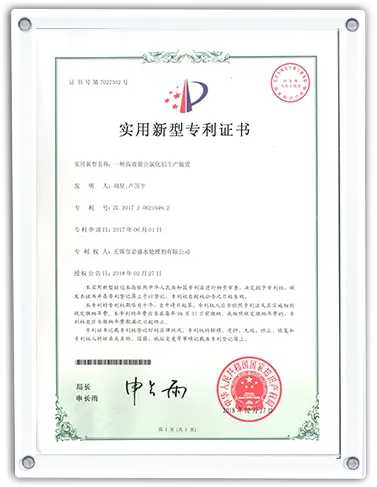
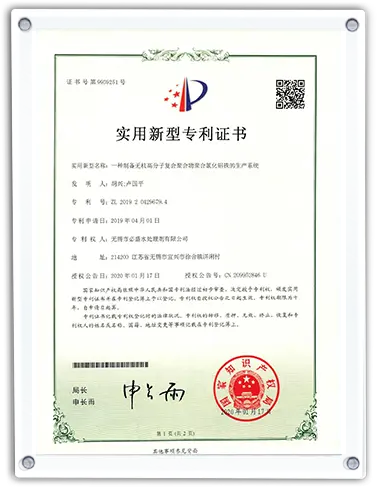
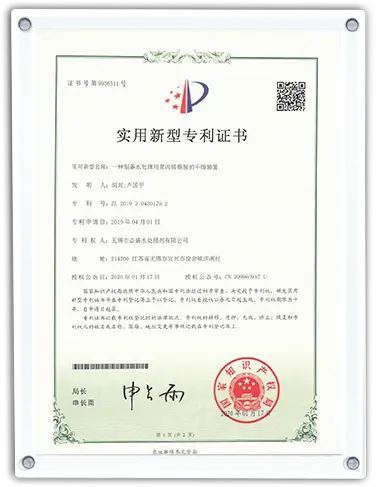
Stay updated with the latest technological developments in industrial chemical synthesis and water treatment strategies.
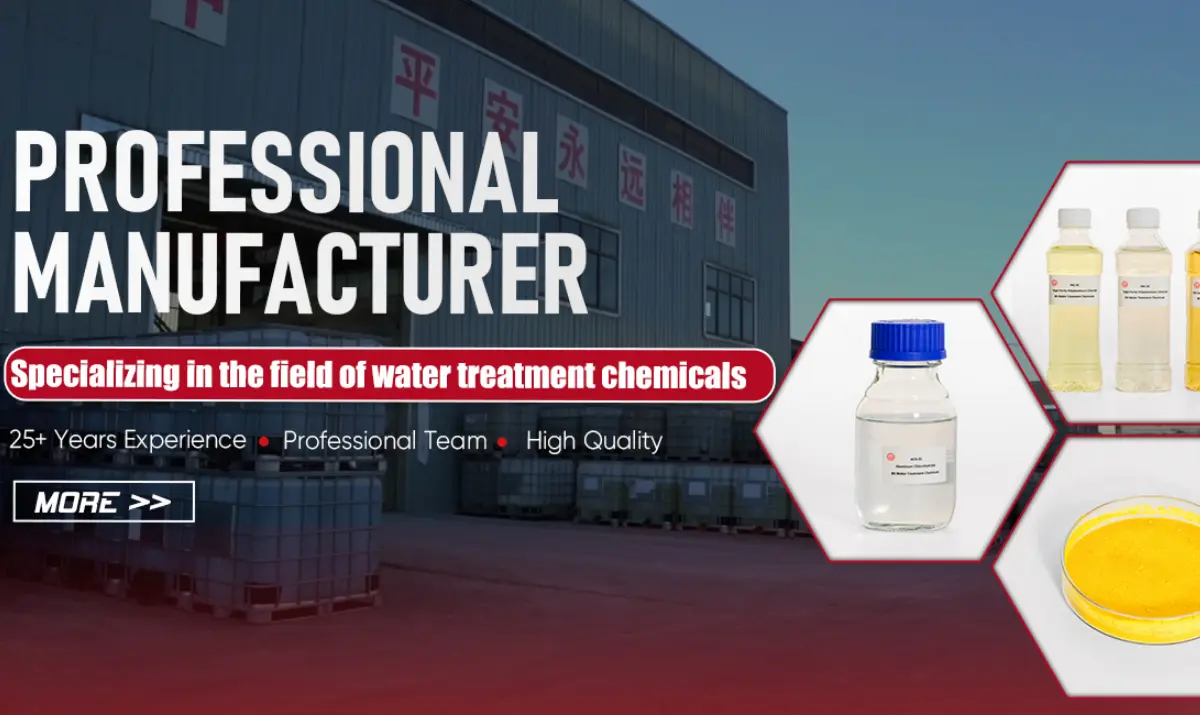
Wuxi BS Water Treatment Chemicals Co., Ltd. continues to expand its global distribution network, supplying high-performance polymers to critical water projects across five continents.
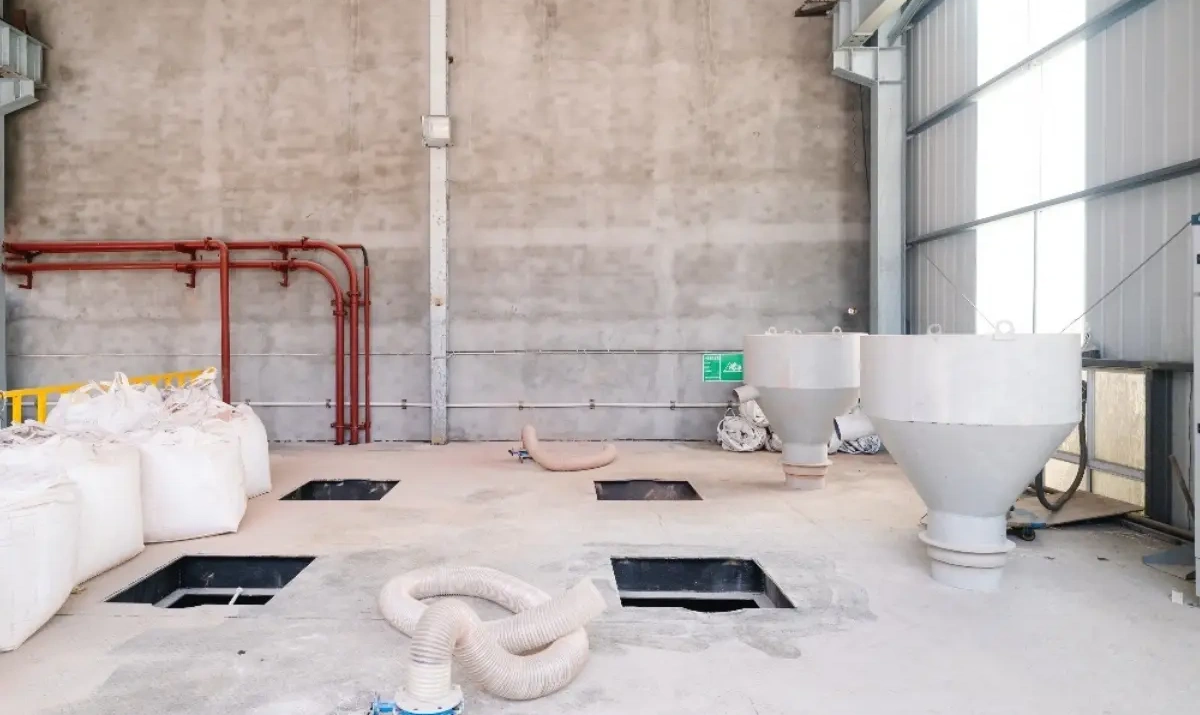
We have officially introduced advanced digital solid polymer feeders, helping clients automate chemical dosing and optimize treatment efficiency.
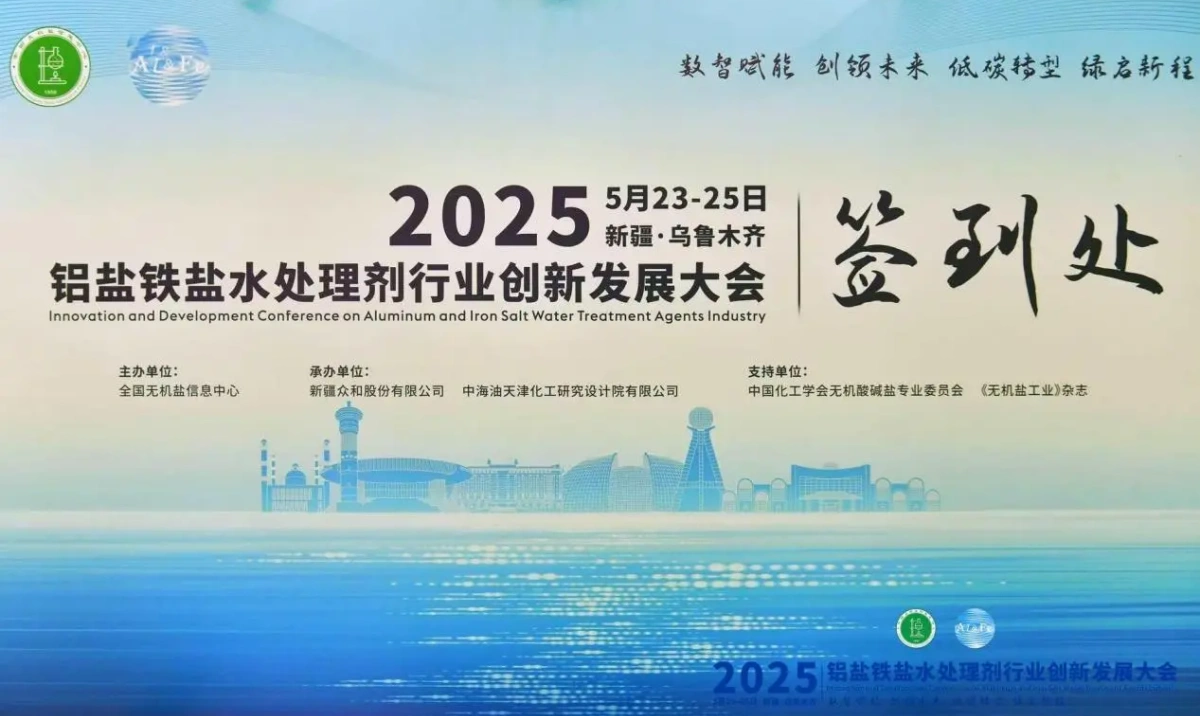
In response to "Beautiful China" initiatives and carbon neutrality goals, Wuxi BS presented new technical reports on low-carbon synthesis of polymer water agents.
Addressing the common questions encountered by plant operators and water engineers regarding polymer dosing and scaling control.
Have questions about chemical compatibility, dosage optimization, or looking for custom polymer solutions? Our technical engineers are available to review your water quality reports and design a custom chemical treatment plan.
 Direct Hotline: +86 13584221461
 Technical Support: [email protected]
Advanced organic and inorganic polymers engineered for rapid color removal, suspended solids settling, and industrial sludge dewatering.
 BS Water