Engineered formulations tailored to address refractory organic compounds, disperse and reactive dyes, and complex heavy metals in industrial effluents.
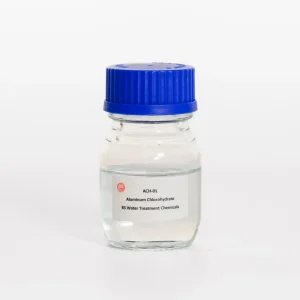
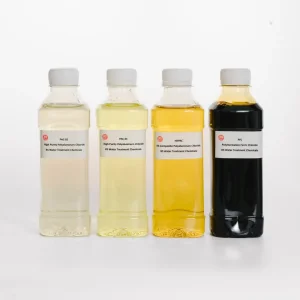
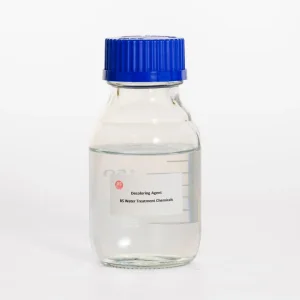
Addressing Refractory Pollutants, Strict Effluent Standards, and Sustainable Zero Liquid Discharge (ZLD) Policies.
Textile, dyeing, and printing facilities worldwide face tightening water quality limits. Dyes are structurally complex compounds (e.g., azo, anthraquinone, and phthalocyanine) designed to resist oxidation and photolysis. Consequently, untreated discharge results in high Chemical Oxygen Demand (COD), persistent color, and direct hazard to aquatic life.
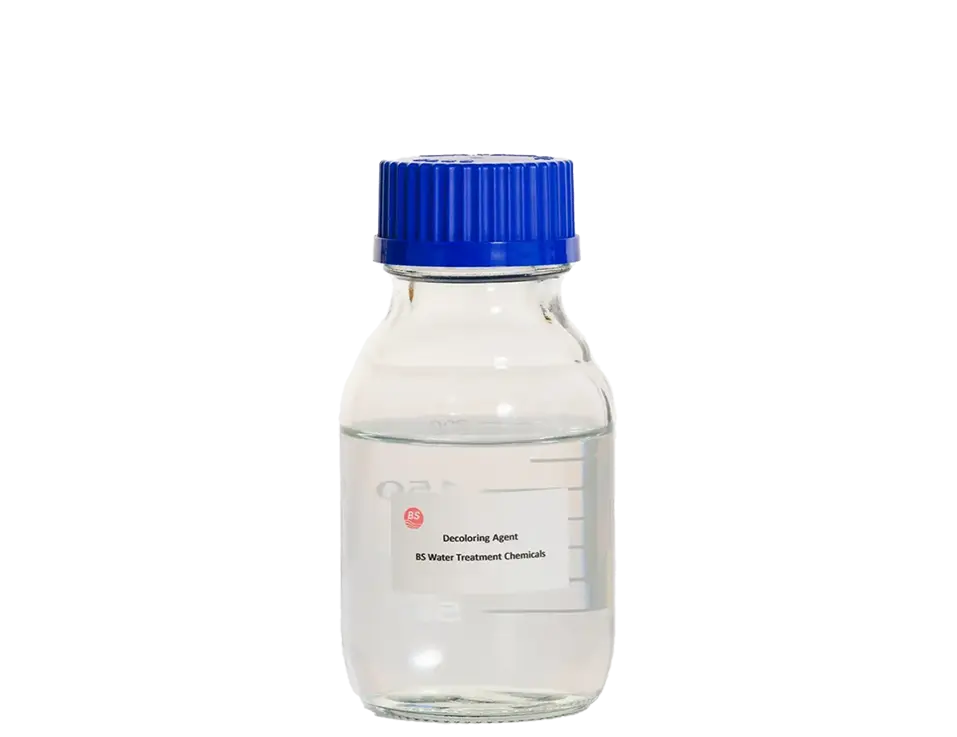
Traditional biological systems struggle with synthetic dyes. Effective treatment requires specialized chemicals. Cationic polymers (such as our high-performance Water Decolorizing Agent and PDADMAC) destabilize anionic dye molecules via charge neutralization and adsorption, facilitating rapid aggregation and subsequent separation.
In regions experiencing high water scarcity, manufacturing plants must transition towards water reuse. Implementing optimal flocculation processes reduces fouling on downstream reverse osmosis (RO) membranes, cutting replacement cycles and ensuring steady water recovery.
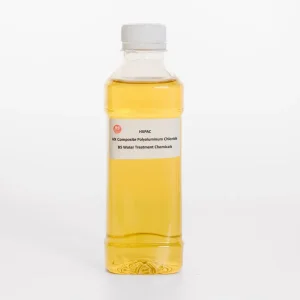
Industrial dye wastewater is characterized by rapid shifts in pH, temperature, and salinity. A combination of inorganic coagulants, like Polyaluminium Chloride (PAC) or Aluminum Chlorohydrate (ACH), alongside specialized organic polymers, offers a stable treatment strategy that minimizes chemical sludge volume while maximizing clarity.
Why industrial buyers globally choose Wuxi BS Water Treatment Chemicals as their preferred long-term manufacturing partner.
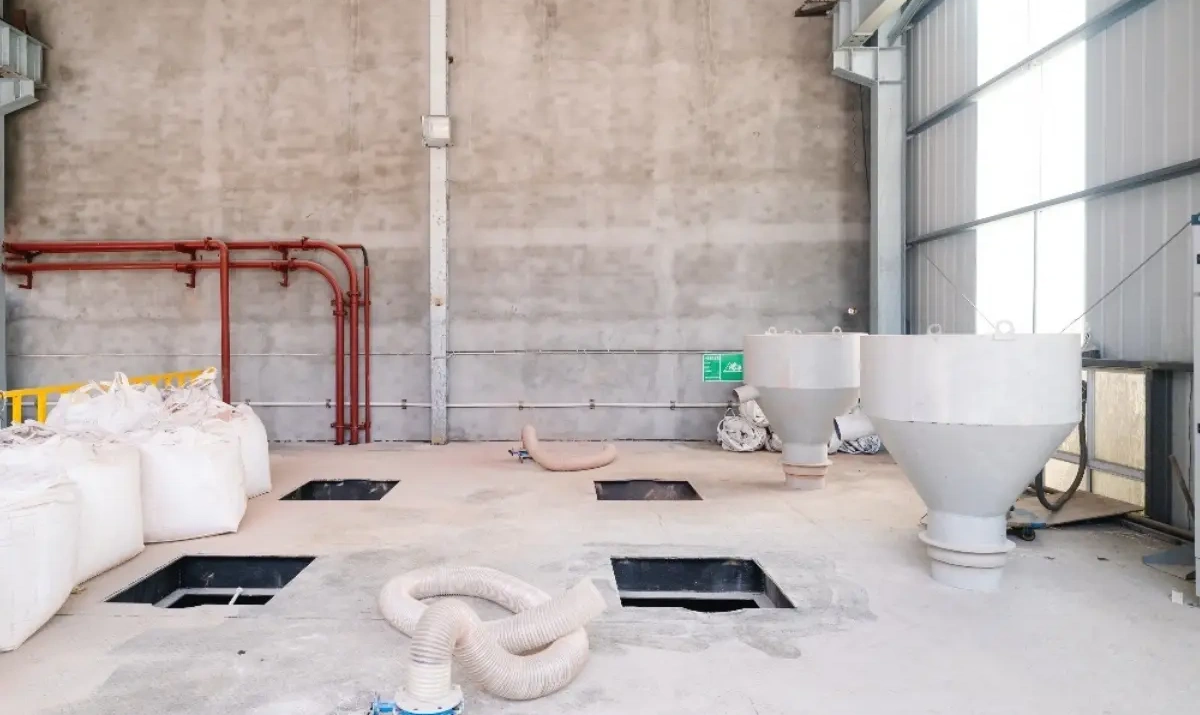
Our production facilities utilize modern digital monitoring systems. Automated feeding of raw materials ensures precise batch control, delivering high chemical basicity and stable active content in every run of PAC and ACH liquid solutions.
With a continuous stock of over 20,000 tons in Wuxi, Jiangsu, we mitigate global supply chain fluctuations. This enables us to fulfill large industrial orders with short lead times, even during raw material shortages.
Every batch undergoes testing via ICP, chromatography, and jar test simulations. We maintain compliance with international standards (such as ISO 9001 and ISO 14001) to ensure consistent performance at client facilities.
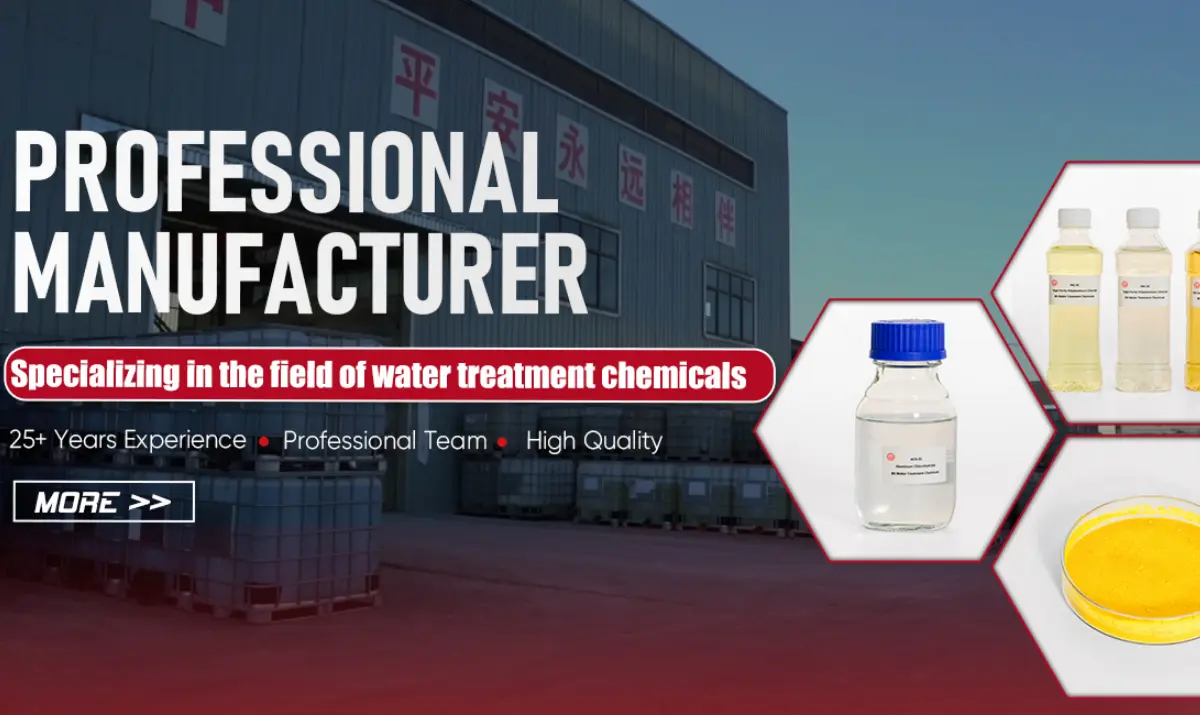
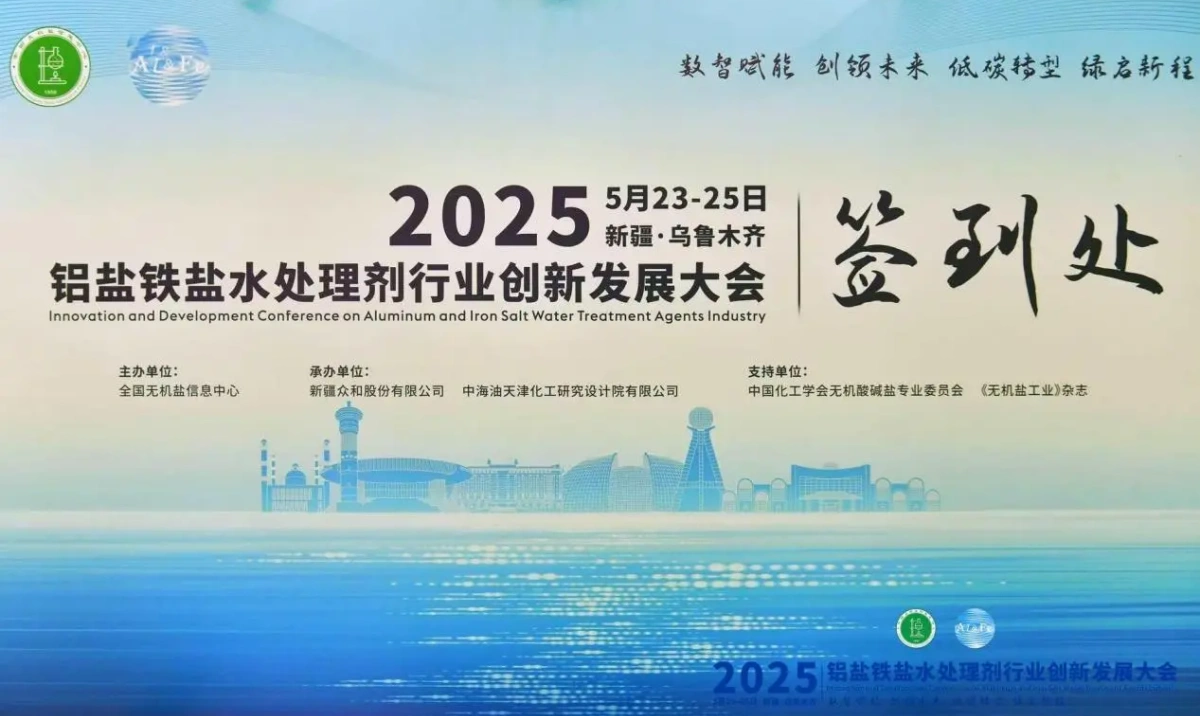
Founded in 1998 (formerly renamed as Wuxi Bisheng Water Treatment Agent Co., Ltd. in 2005), Wuxi BS has grown into a key technical player in China's water treatment industry. We specialize in developing and manufacturing chemical agents for municipal drinking water, industrial production processes, and complex wastewater systems. Our decades of chemical synthesis experience enable us to deliver reliable products to municipal facilities and private industrial clients alike.
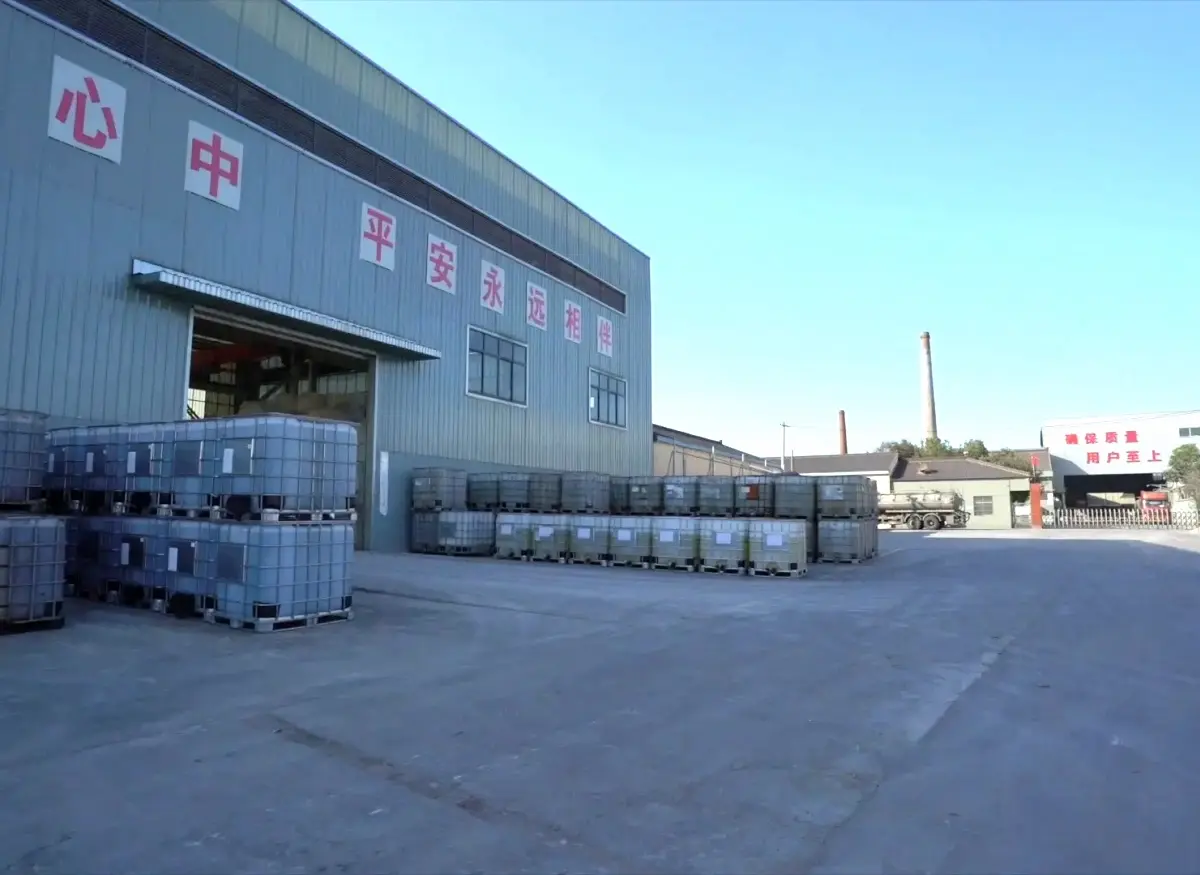
Get a direct look inside Wuxi BS's production lines, R&D labs, and logistics centers to understand our quality control processes.

Different industrial processes generate wastewater with unique chemical characteristics. Below are the core applications where Wuxi BS formulations are used to optimize water systems:
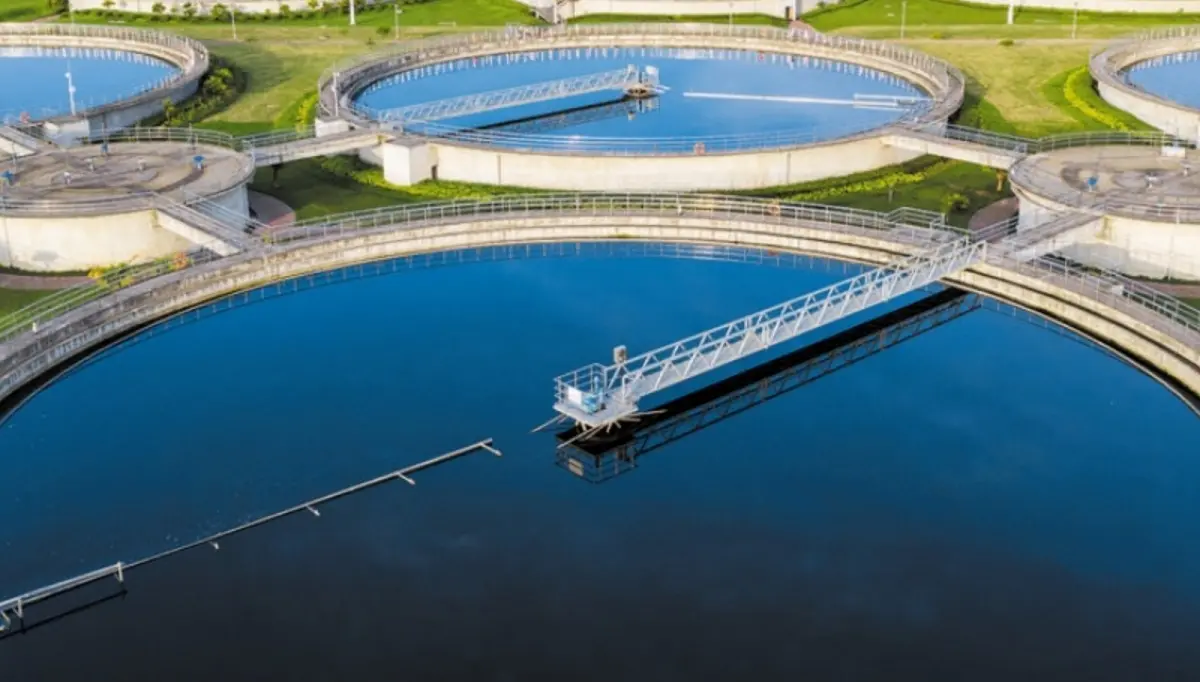
Accelerates floc settling rates in municipal and secondary clarifiers, lowering COD levels and municipal discharge fees.
Enhances oil-water separation in produced water treatment, aiding in the removal of emulsified oils and suspended solids.
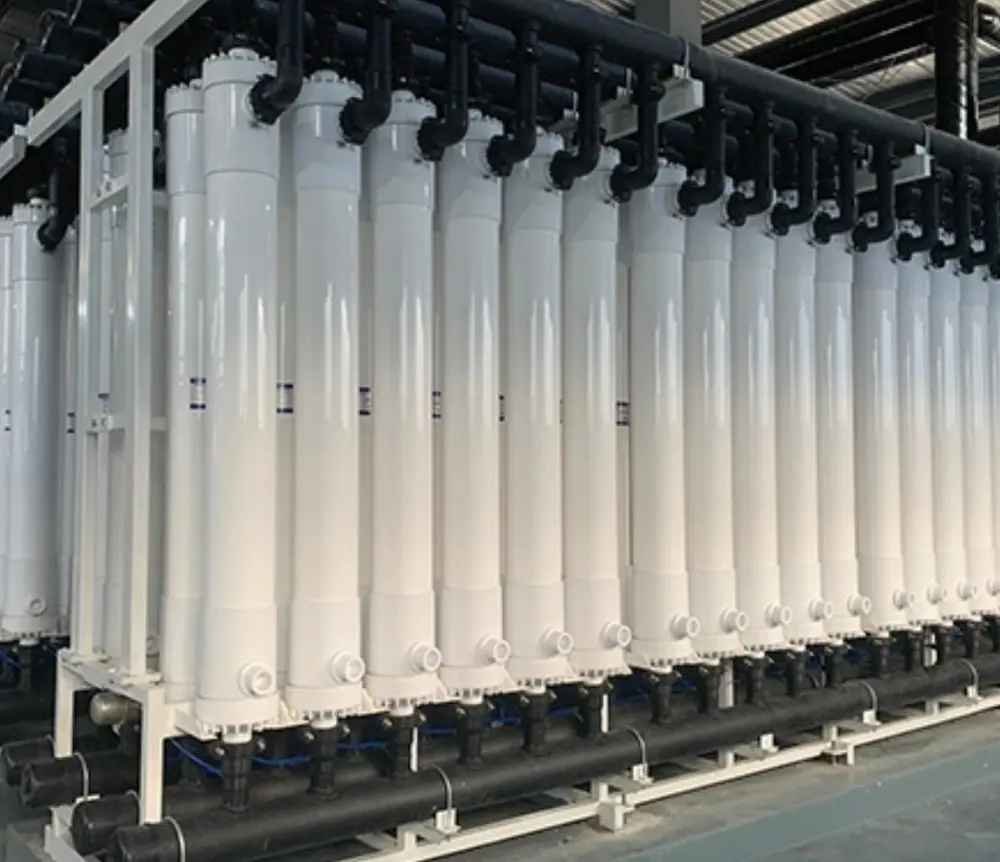
Removes colloidal silica and organic carbon prior to Ultrafiltration (UF) and RO, reducing membrane fouling.
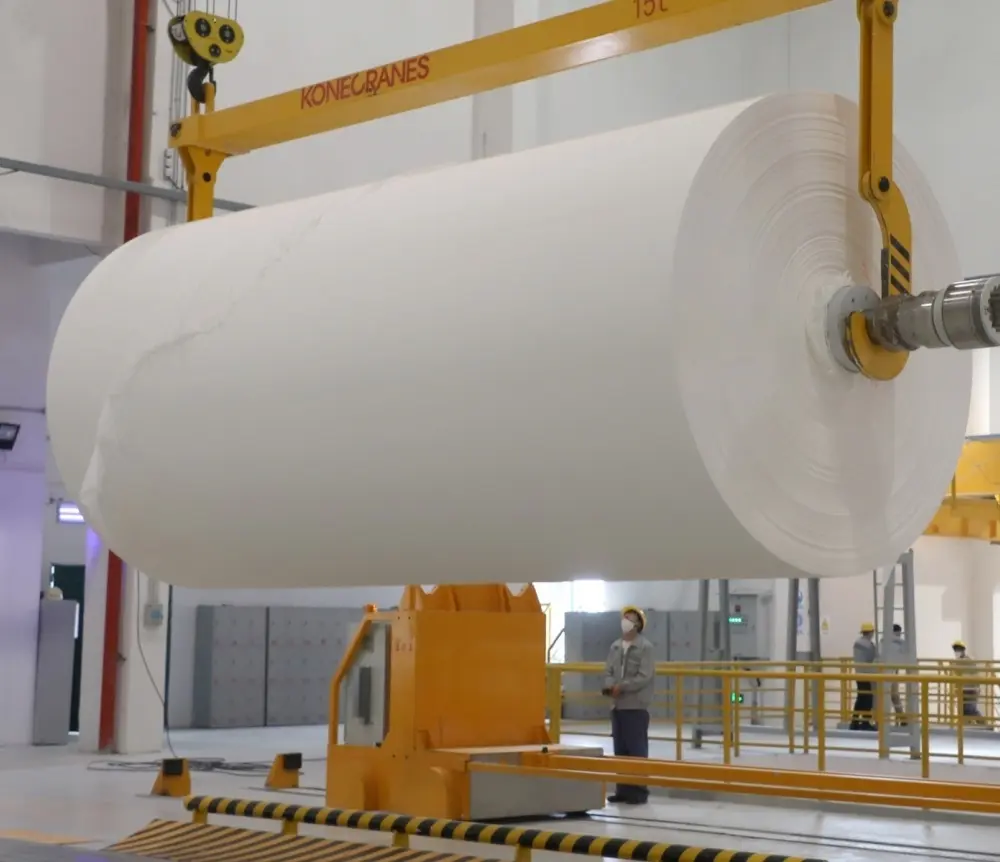
Serves as a retention aid and anionic trash catcher, helping improve paper formation and water circuit closure.
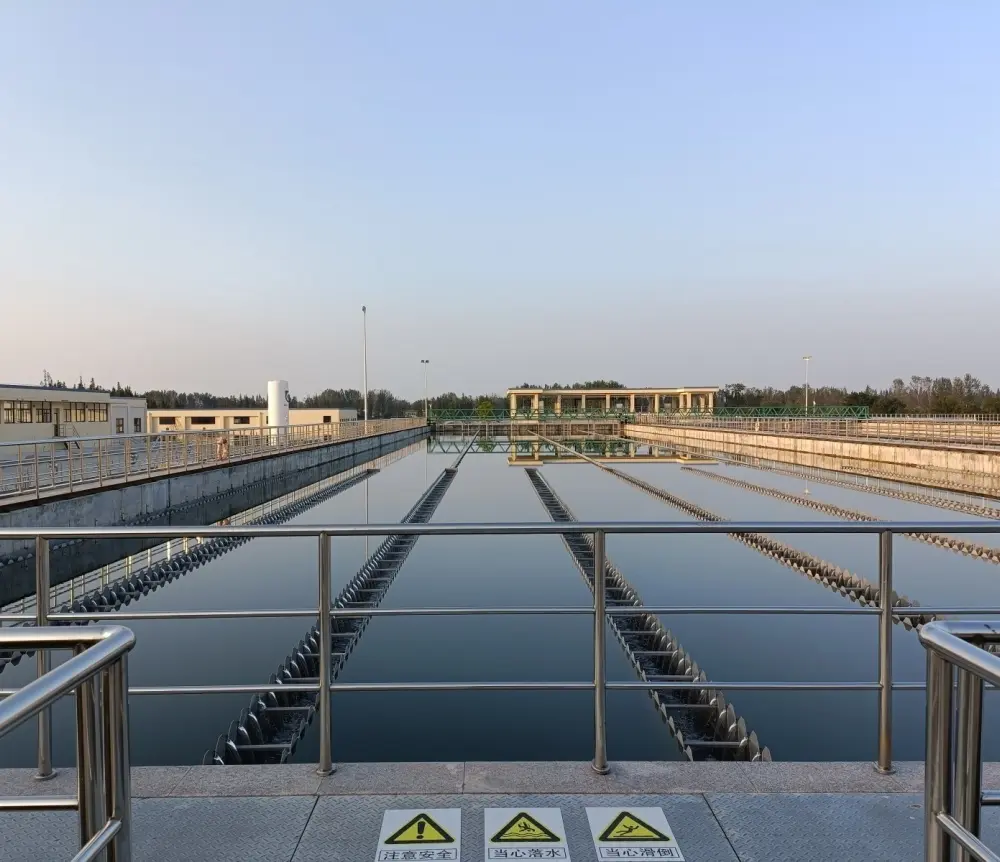
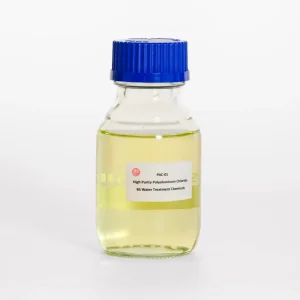
High-purity PAC-01 removes turbidity, heavy metals, and organic precursors, meeting strict potable water standards.
We provide chemical customization to meet specific environmental regulations and water chemistry profiles.

Our lab provides jar-test analysis and dosage optimization based on your target water samples to maximize removal efficiency.

Our high-capacity production facilities and storage systems allow us to support large-scale industrial operations reliably.

Automated manufacturing lines, strict chemical quality gates, and structured logistics help prevent supply interruptions.

We work to continuously improve coagulant structures, developing options with low dust levels, fast dissolution rates, and reduced packaging volume.
A selection of our high-volume chemical agents used across global industrial projects:
High molecular weight flocculant for rapid organic sludge dewatering, centrifugal separation, and mechanical filtration processes.
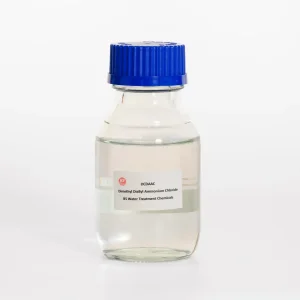
An organic cationic dicyandiamide formaldehyde resin polymer. It is designed to remove color from dyestuff wastewater, particularly with soluble dyes.
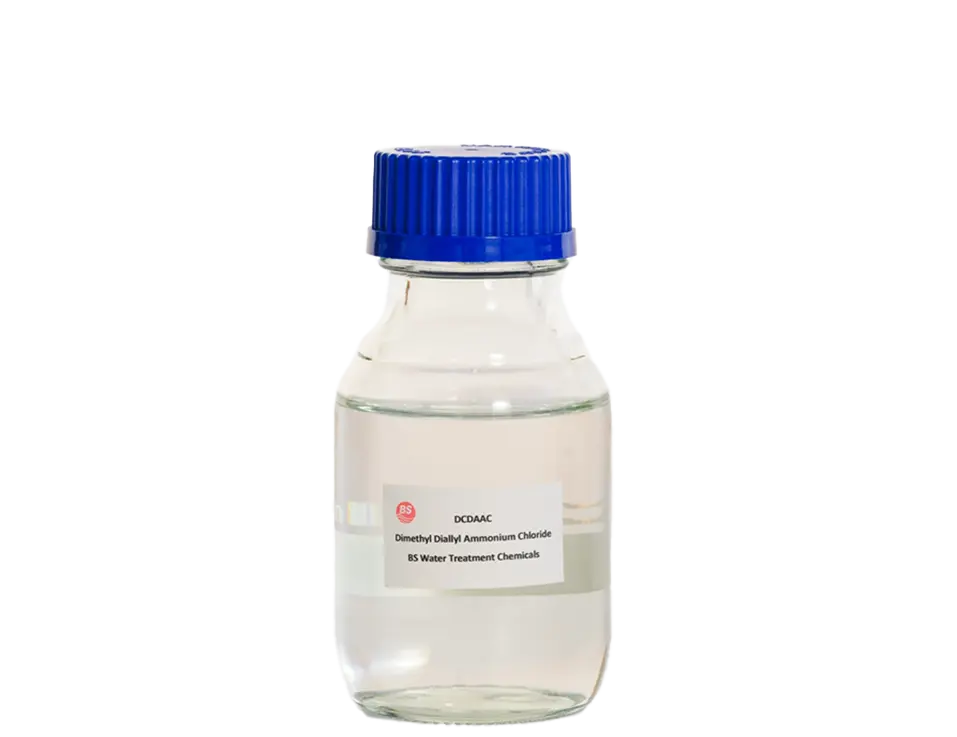
Strong cationic liquid polymer. Performs charge neutralization to remove color, organic compounds, and negative charges in water treatment processes.
Wuxi BS's path from a regional chemical supplier to an international partner:
Wuxi Bisheng chemical production facility established.
Renamed Wuxi Bisheng Water Treatment Agent Co., Ltd. for integrated chemical processing.
Began exporting chemical products globally through distributor channels.
Annual export sales reached USD 10 million.
Formed a dedicated foreign trade department to provide direct service to industrial buyers.
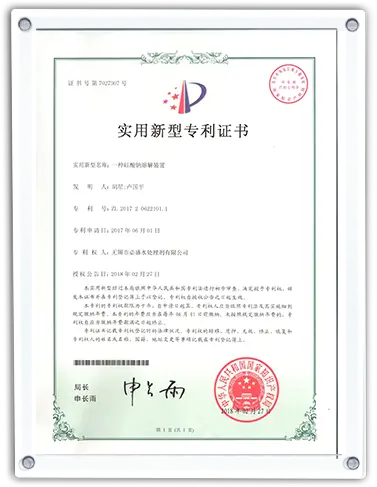
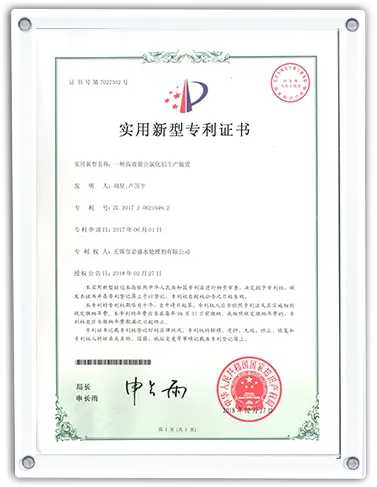
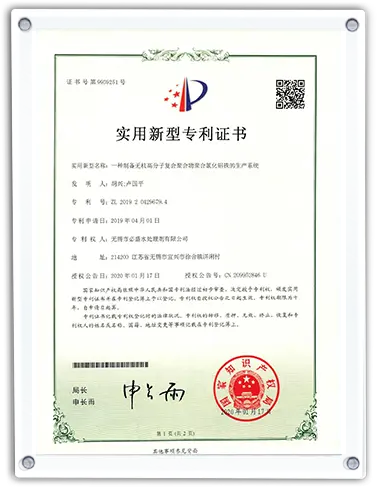
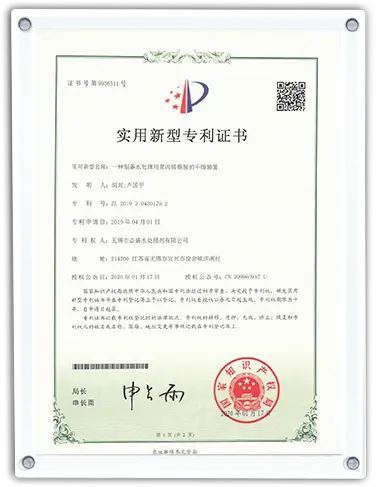
We maintain certified systems for safety, quality control, and environmental compliance, helping ensure consistent output across our product lines.

Practical technical and operational questions regarding industrial water treatment chemical applications:
Most synthetic dyes (e.g., reactive, acid, direct dyes) carry anionic sulfonate or carboxylate groups in solution. Our Cationic Water Decolorizing Agent contains highly charged cationic quaternary ammonium groups that neutralize these negative charges. This destabilizes the colloidal suspension, allowing the dye molecules to complex, aggregate, and form larger flocs that can be removed via sedimentation or flotation.
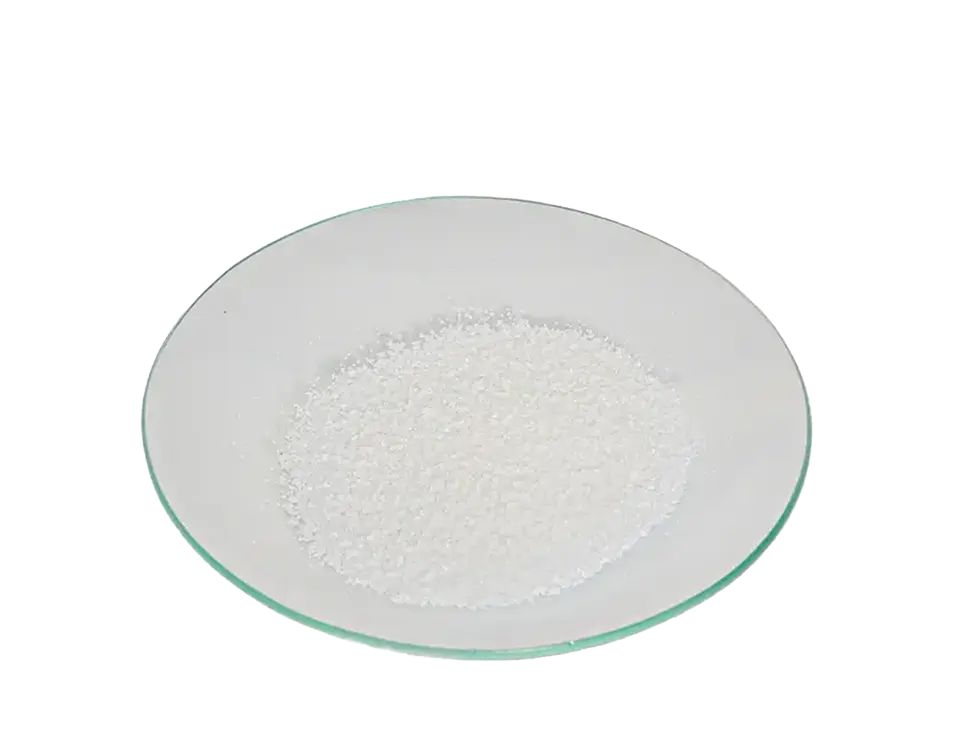
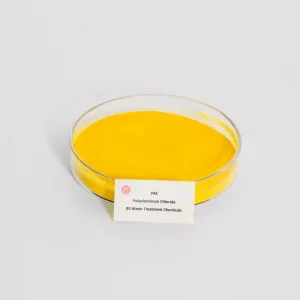
PAC is a versatile coagulant with a basicity level typically between 50-80%, suited for general municipal and industrial wastewater. ACH is a highly concentrated aluminum coagulant with basicity up to 83% and an Al2O3 content of 23-24%. Choose ACH when you require lower chemical sludge volume, minimal impact on treatment pH, or when working in low-temperature or low-turbidity waters.
PAM is used as a flocculant rather than a primary coagulant. Once PAC or a Decolorizing Agent has destabilized the colloidal dye particles, PAM acts to bridge these smaller flocs into larger macroflocs. Anionic PAM is commonly used after inorganic coagulation to settle solids in clarifiers, while Cationic PAM (CPAM) is often used for sludge conditioning and mechanical dewatering.
Incomplete coagulation can leave residual cationic polymers or dissolved organics in the water, which can foul downstream membranes. Overdosing or using unstable formulations can coat membrane surfaces and reduce flux rates. Our technical team works to optimize dosages to ensure all coagulants are fully consumed during the flocculation stage, protecting downstream membranes.
Our Water Decolorizing Agent performs across a broad pH range of 6.0 to 10.0. However, for optimal performance and chemical efficiency, a pH range of 7.0 to 8.5 is recommended. In cases of high alkalinity or extreme pH, adjusting the treatment pH prior to dosing can help control chemical usage.
Our technical support team is available to assist with formulation questions, pricing inquiries, sample requests, and custom packaging requirements.
Submit your water quality parameters and chemical requirements below:
We maintain production runs of coagulants and flocculants designed for diverse wastewater applications.
Sep 09, 2025
An overview of Wuxi BS's expansion from municipal projects in East China to providing water treatment chemicals globally.
Read ArticleAug 21, 2025
Wuxi BS has introduced digital solid feeding systems to assist clients with automated chemical preparation and precise dosage control.
Read ArticleAug 21, 2025
Discussing progress in high-basicity aluminum compounds and polymer flocculants, aligning with China's green carbon initiatives.
Read Article BS Water