Premium grade coagulants and flocculants engineered for large-scale municipal, agricultural, and industrial processing.
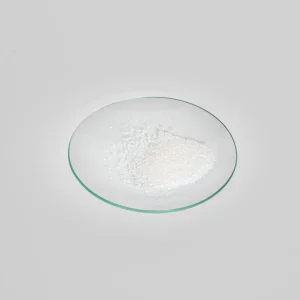
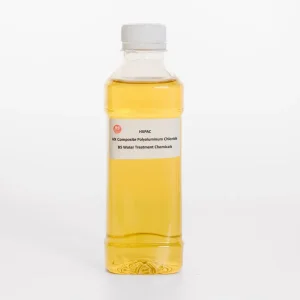
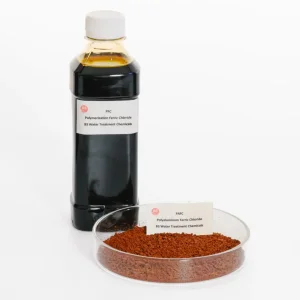
Modern high-capacity water systems handle millions of cubic meters of influent daily. Successfully clarifying raw water requires highly controlled chemical reagents. As leading wholesale manufacturers, we design polymers that function systematically at the colloidal level.
Colloidal stability in natural rivers and industrial effluent is primarily driven by electrostatic repulsion. Clay particles, organic matter, and microbes carry negative surface charges, preventing aggregation. Reagents like Polyaluminum Chloride (PAC) and Aluminum Chlorohydrate (ACH) work by neutralizing these negative surface charges. This allows the particles to collide and form micro-flocs.
Once charge neutralization is complete, macromolecular organic flocculants such as Polyacrylamide (PAM) act as polymer bridges. Long-chain PAM polymers grab the micro-flocs, binding them into large, heavy aggregates. This speeds up sedimentation in clarifiers and improves dewatering in filter presses. Wuxi BS Water Treatment Chemicals Co., Ltd. customizes these formulations to suit different raw water temperatures, chemical loads, and turbidity levels.
Understanding basicity and polymer composition is critical for engineering teams sourcing global water chemicals:
A Technology Leader with 27 Years of Expertise in Water Treatment Chemicals
Established in 1998, Wuxi BS Water Treatment Chemicals Co., Ltd. (originally founded as Wuxi Bisheng Water Treatment Agent Co., Ltd. and renamed in 2005) is a pioneer in polymer synthesis. We specialize in drinking water purification and complex wastewater treatment solutions.
With our production site in Wuxi, Jiangsu, China, we operate advanced polymerization reactors and automated spray-drying towers. Our smart dosing test systems and real-time polymer monitoring maintain consistent quality across every batch. We help municipal plants and distributors globally reduce chemical usage while improving water quality.
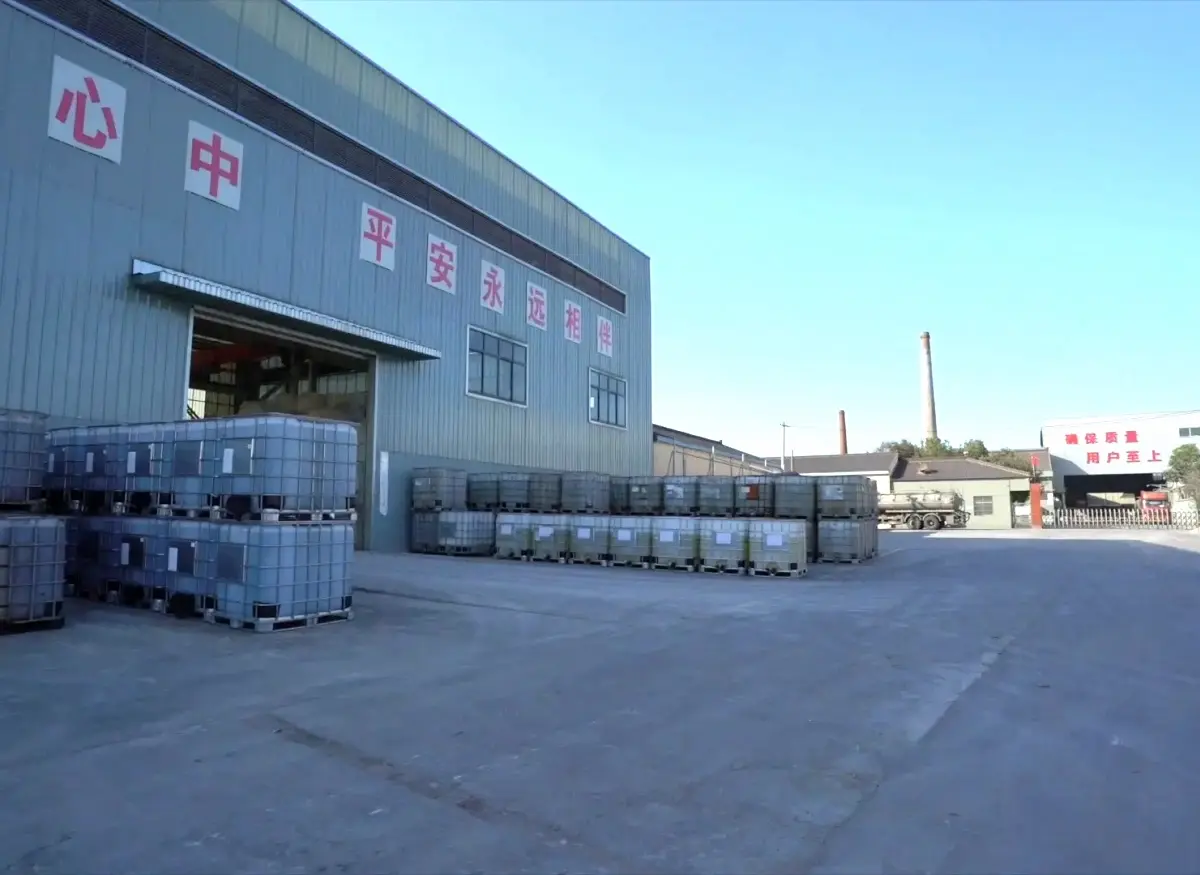
China is the world's leading manufacturer of inorganic coagulants and organic flocculants. This is made possible by integrated supply chains, automated production, and strategic shipping infrastructure.
We source raw materials like high-purity bauxite and hydrochloric acid directly from regional refineries. This ensures steady production, protecting buyers from sudden supply shocks or price spikes.
Our facilities feature multi-stage polymerization reactors and advanced spray-drying systems. This ensures precise molecular weight distribution and excellent dissolution rates in our powders.
Located near major shipping hubs like Shanghai and Ningbo, we offer fast loading and reliable global dispatch. Our logistics team handles international customs and shipping paperwork smoothly.
Our chemicals are formulated to meet international standards for municipal drinking water, industrial wastewater treatment, and resource recovery.
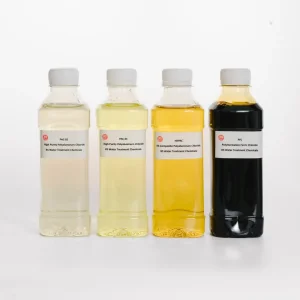
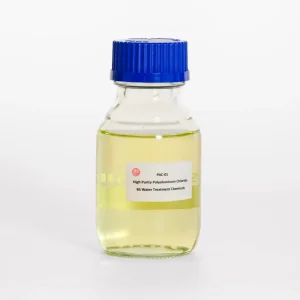
An inorganic coagulant that forms highly stable polynuclear complexes. Available in spray-dried yellow powder (28%-30% active Al2O3) for wastewater, and premium white powder (30% high-purity Al2O3) for municipal drinking water. We also supply a 10%-15% liquid version for automated dosing systems.
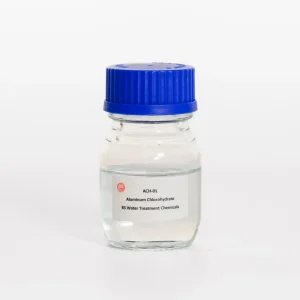
ACH is a highly concentrated aluminum-based coagulant with a basicity level above 83%. It provides excellent turbidity removal and organic carbon reduction. Because it maintains raw water pH levels, it reduces the need for additional alkaline dosing chemicals.
An organic polymer that bridges suspended particles to form large, rapid-settling flocs. We supply cationic PAM (CPAM) for organic sludge dewatering, anionic PAM (APAM) for mineral processing and industrial wastewater, and nonionic PAM (NPAM) for acid-resistant applications.
A highly cationic dicyandiamide formaldehyde copolymer designed to decolorize industrial wastewater. It breaks down complex dye molecules, making it ideal for treating effluents from textile mills, dye houses, and paper manufacturing plants.
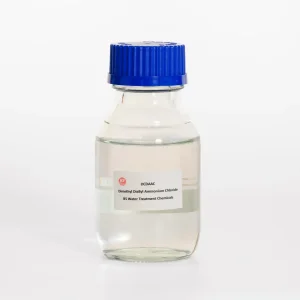
Poly(diallyldimethylammonium chloride) is a strong cationic polymer that destabilizes negatively charged colloidal suspensions. It works as an excellent primary coagulant or charge-neutralizing agent alongside inorganic metal salts in municipal and industrial clarifiers.
Different wastewater chemical matrices require targeted coagulation strategies. Here is how our chemicals perform across key industrial sectors:
Municipal plants use our PAC and CPAM to manage heavy sludge volumes. Our polymers neutralize organic matter charges and strengthen flocs, improving water discharge clarity and reducing sludge volume before filter-press dewatering.
Refineries use our APAM and demulsifiers to break up stubborn oil-water emulsions. This improves oil recovery, prevents fouling in downstream pipes, and ensures wastewater meets environmental standards before discharge.
Reverse osmosis (RO) systems are vulnerable to colloidal fouling. Using low-dose ACH or high-purity PAC removes fine suspended clays and organic carbon upstream. This protects RO membranes, extending their lifespan and lowering energy costs.
Modern papermaking runs at high speeds and requires precise fiber retention. Our custom APAM and cationic polymers act as retention aids and drainage promoters, keeping fine fibers on the wire while clarifying white water loop circuits.
Drinking water processing requires ultra-low heavy metal residuals. Our white PAC and high-purity ACH powders meet strict purity standards. They effectively remove turbidity and pathogens without leaving harmful heavy metal residues.
Over nearly three decades, we have evolved from a regional chemical supplier into a global water treatment manufacturer.
The water treatment chemical industry is adapting to new environmental rules, cost pressures, and automation trends.
Environmental regulations are pushing manufacturers to reduce residual monomers like free acrylamide in PAM. We use advanced purification systems to keep residual acrylamide levels below 0.05%, meeting strict drinking water guidelines.
Disposing of wet sludge is expensive. Plants are shifting toward high-basicity coagulants like ACH. These products form dense, dry sludge cakes, reducing disposal volume and saving on transport costs.
Modern water plants are installing real-time streaming current monitors to adjust chemical dosing automatically. We supply liquid PAC and ACH with precise viscosity profiles to ensure trouble-free operation in these systems.
Common questions answered by our engineering and chemical logistics team.
Contact Wuxi BS Water Treatment Chemicals today. Our technical support team is ready to assist with product selection, dosage testing, and bulk pricing inquiries.
Whether you are upgrading a municipal water plant, resolving an industrial wastewater issue, or looking for a reliable wholesale chemical supplier in China, we are here to support you.
 Tel: +86 13584221461
 Email: [email protected]
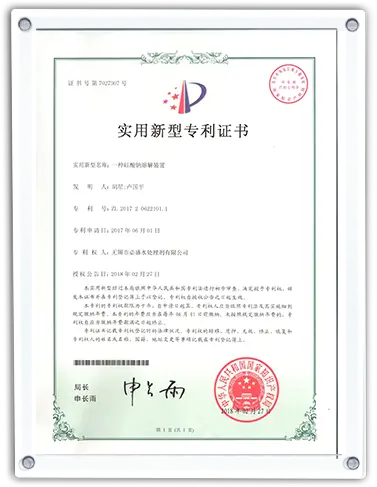
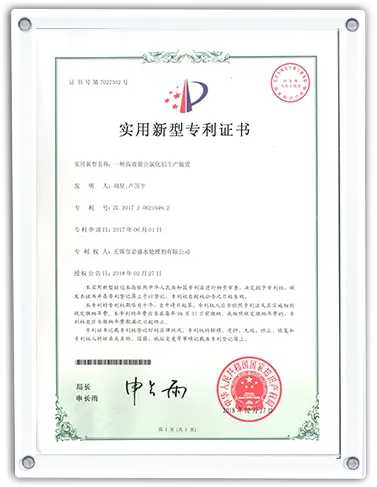
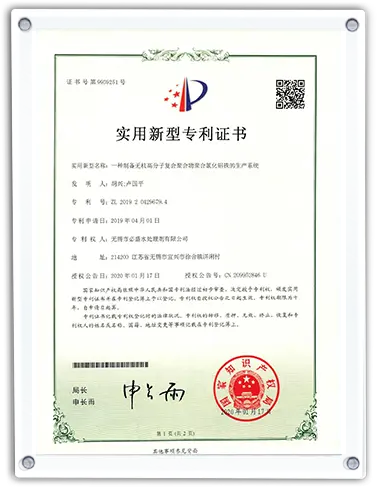
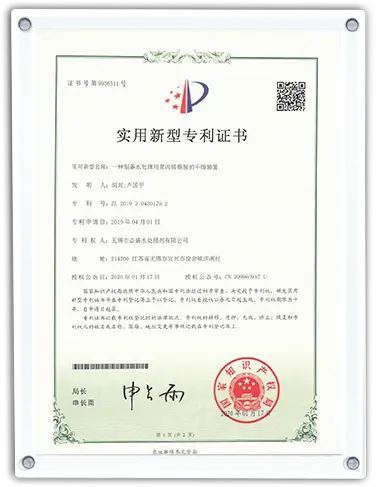
Certified Quality Management Systems and Industry Recognition
Browse our complete line of industrial polymers and inorganic salts.
 BS Water