Explore our industrial grade flocculants, coagulants, and customized water treatment formulations developed for extreme environmental challenges.
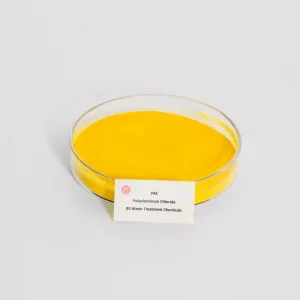
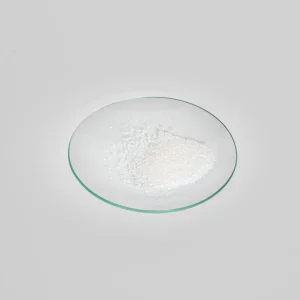
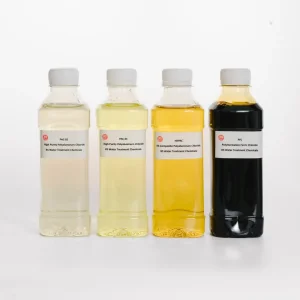
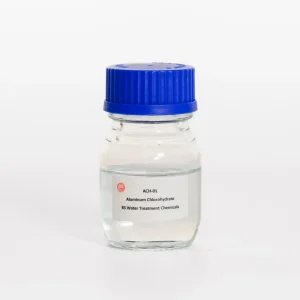
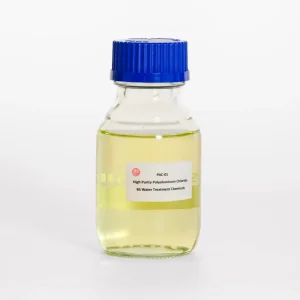
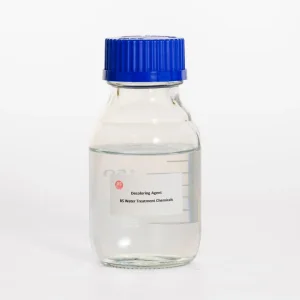
A comprehensive examination of polymer structures, molecular weight parameters, and physical-chemical flocculation dynamics.
Nonionic Polyacrylamide (NPAM) is a highly refined homopolymer synthesized through the radical polymerization of acrylamide monomers. With an extremely low level of hydrolysis (degree of hydrolysis < 1-5%), it remains electrically neutral in aqueous solution. This specific characteristic sets NPAM apart from its anionic and cationic counterparts, ensuring that its flocculation kinetics are governed exclusively by polymer bridging mechanisms rather than charge neutralization.
Unlike anionic polymers that undergo chain coiling and lose viscosity under acidic pH levels, NPAM's neutral amide backbones are not affected by high concentrations of hydrogen ions (H+). The polymer chain maintains a fully extended conformation even in low pH ranges (pH 1.0 to 6.0). This unique structural resilience makes it the industry standard for mineral dressing, electroplating baths, and acidic industrial wastewater streams.
By using ultra-high molecular weight (UHMW) polymers, ranging from 8 million to over 15 million Daltons, NPAM functions by binding to multiple suspended particles simultaneously. The extended amide (-CONH2) groups act as active adsorption sites, sticking to solid particles via hydrogen bonding. This triggers the rapid agglomeration of fine colloidal suspensions, creating stable and large macro-flocs that settle out of the liquid phase quickly.
How macroeconomic pressures, environmental compliance, and emerging technologies shape the demand for high-purity NPAM.
The global market for polyacrylamide is changing rapidly, driven by strict wastewater regulations, declining freshwater resources, and the expansion of heavy mining activities in South America, Africa, and Central Asia. Historically, mining operators relied on basic sedimentation processes, but modern high-throughput processing plants require immediate and efficient water recycling to maintain daily operations. Nonionic Polyacrylamide is key to these closed-loop systems due to its reliability in high salinity and heavy metal environments.
Furthermore, the shifting dynamics of Enhanced Oil Recovery (EOR) in North American shale plays and Middle Eastern deep reservoirs have created new requirements for thermal and mechanical stability in polymers. Chemical plants are shifting production from general-purpose polymers to specialized NPAM grades that feature narrow molecular weight distribution, protecting the polymer chain from shear degradation during high-pressure injection.
Industrial operations worldwide are adopting Zero Liquid Discharge policies. This forces plants to recycle every drop of industrial water. NPAM is crucial in these recovery systems, flocculating fine tailing solids so that clear water can be returned directly to the production loop, minimizing fresh intake requirements.
With global attention on environmental reclamation, the treatment of Acid Mine Drainage (AMD) has become a primary target. Standard coagulants often fail in highly acidic waters, but NPAM maintains its adsorption capability, permitting clean separation of heavy metal hydroxides.
An emerging high-growth market for NPAM is in soil stabilizers and erosion control formulations. Its neutral ionic charge prevents undesirable binding with trace minerals in the soil, helping to maintain aeration and moisture levels in arid agricultural regions.
Years of Engineering Experience
Tons Annual Production Capacity
Tons Finished Storage Capacity
Global Enterprises Served
Ensuring operational consistency and performance integrity when sourcing bulk NPAM from overseas manufacturers.
Standard commercial grades often contain additives that increase bulk weight without contributing to active flocculation. Smart buyers demand a minimum active dry solids content of 89% to 92%. Sourcing high-purity products translates directly to lower dosage requirements, reduced logistics costs, and smaller storage space footprints.
Acrylamide monomer is a recognized neurotoxin. For drinking water purification and paper mill applications, the residual acrylamide monomer (AM) content must be kept under strictly controlled limits (typically < 0.05% or < 500 ppm). Working with ISO-compliant factories like Wuxi BS ensures all materials meet international safety guidelines.
Poorly synthesized NPAM can create insoluble particles or gel clumps (commonly called "fish eyes") during mixing. These gel particles clog filters, damage dosing pumps, and lower chemical efficiency. A quality product must dissolve completely within 60 to 90 minutes under standard agitation, forming a clear, homogenous solution.
Discover how Wuxi BS combines advanced automation, large storage capacity, and rigorous QA/QC systems to deliver stable products globally.
As chemical regulations tighten globally, manufacturing consistency is vital. Wuxi BS has integrated Digital 4.0 automation systems into its synthesis, polymer drying, and packaging lines. Real-time computerized monitoring ensures that parameters like molecular weight, viscosity, and moisture content are maintained within precise ranges from batch to batch.
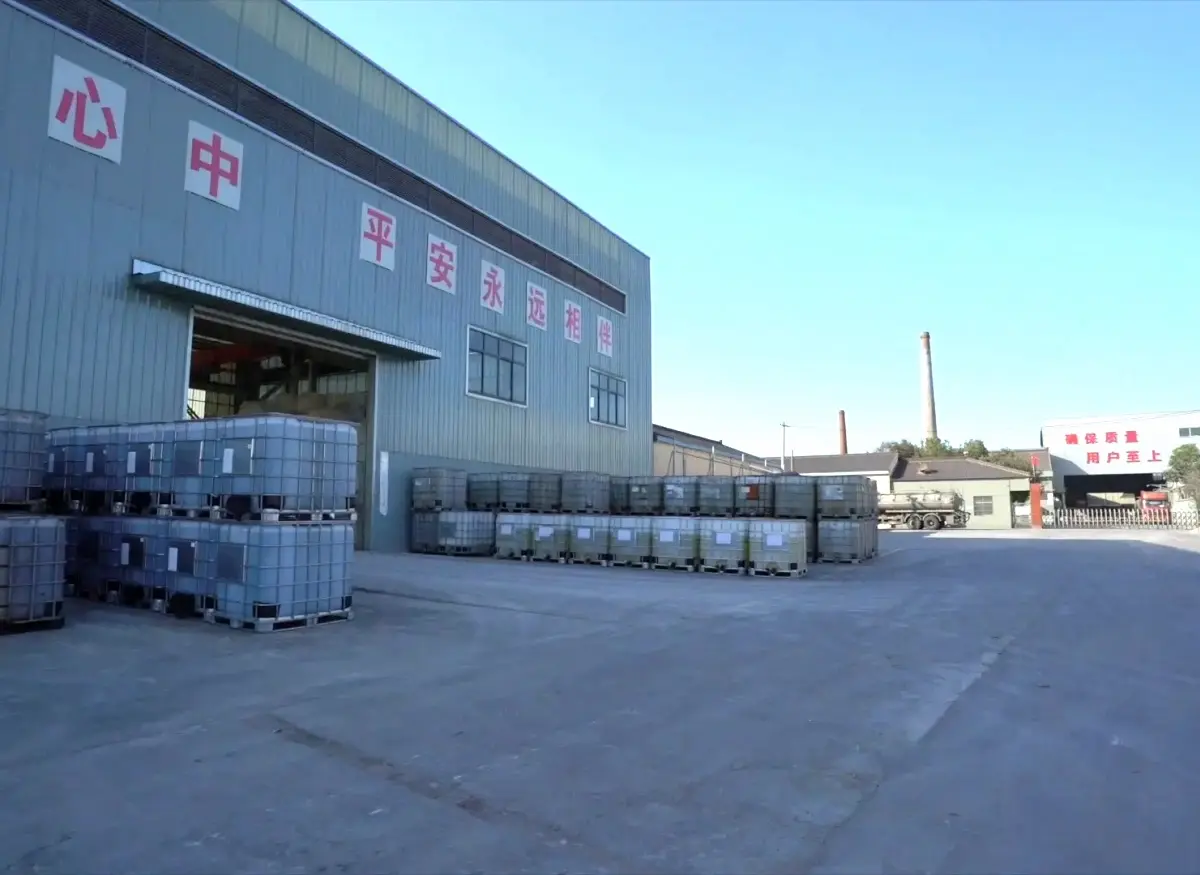
With an annual sales volume exceeding 500,000 tons and a constant warehouse stock of more than 20,000 tons of finished products, Wuxi BS is built to withstand sudden global shipping disruptions. This large capacity allows us to process and dispatch bulk shipments within short timeframes, helping our global distribution partners avoid supply shortages.
Our packaging facilities utilize automated, moisture-resistant packaging systems that protect the product's quality during ocean transport and long-term storage in humid regions.
Each batch undergoes rigorous quality control tests, including HPLC analysis for residual monomer levels, Viscometric testing for molecular weight, and dissolution testing before release.
With our dedicated R&D lab, we offer OEM and ODM services to modify molecular weight distribution, bulk density, and dissolution rates based on your specific water treatment process.
NPAM is utilized across various industries, from mining operations to drinking water systems.
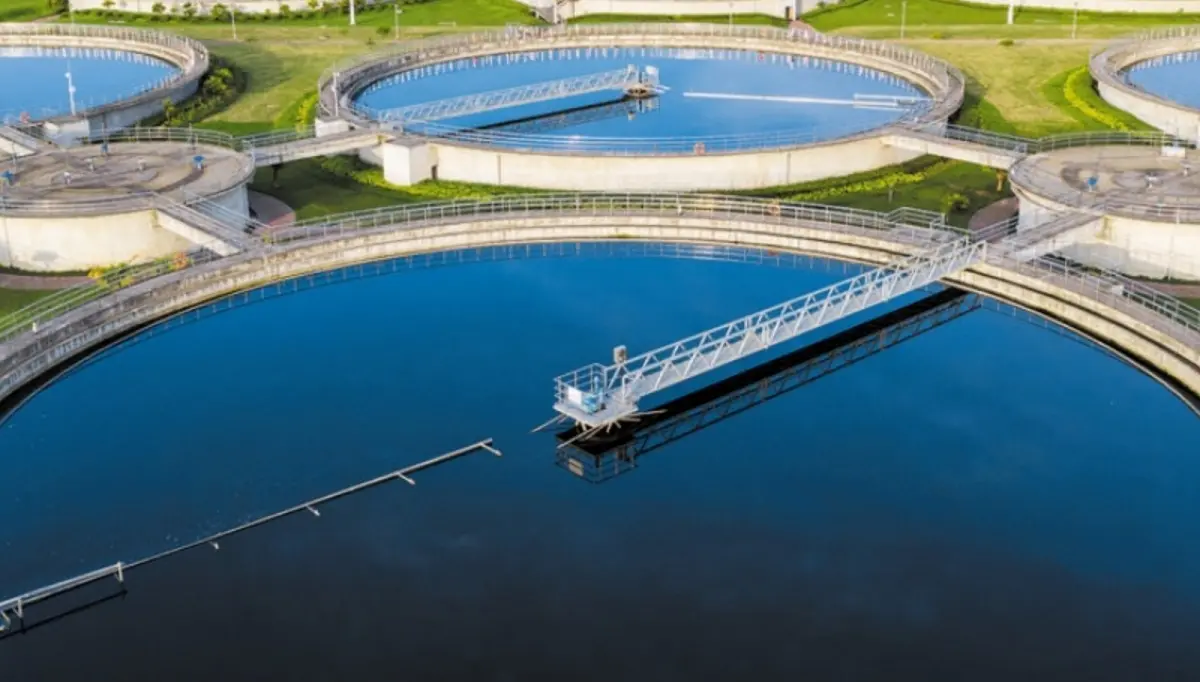
NPAM helps settle suspended solids in industrial wastewater streams, particularly when acidic, high-mineral content makes traditional ionic polymers ineffective.

Used as an additive in drilling fluids, profile control agents, and Enhanced Oil Recovery (EOR) processes, maintaining stability in high-temperature reservoirs.
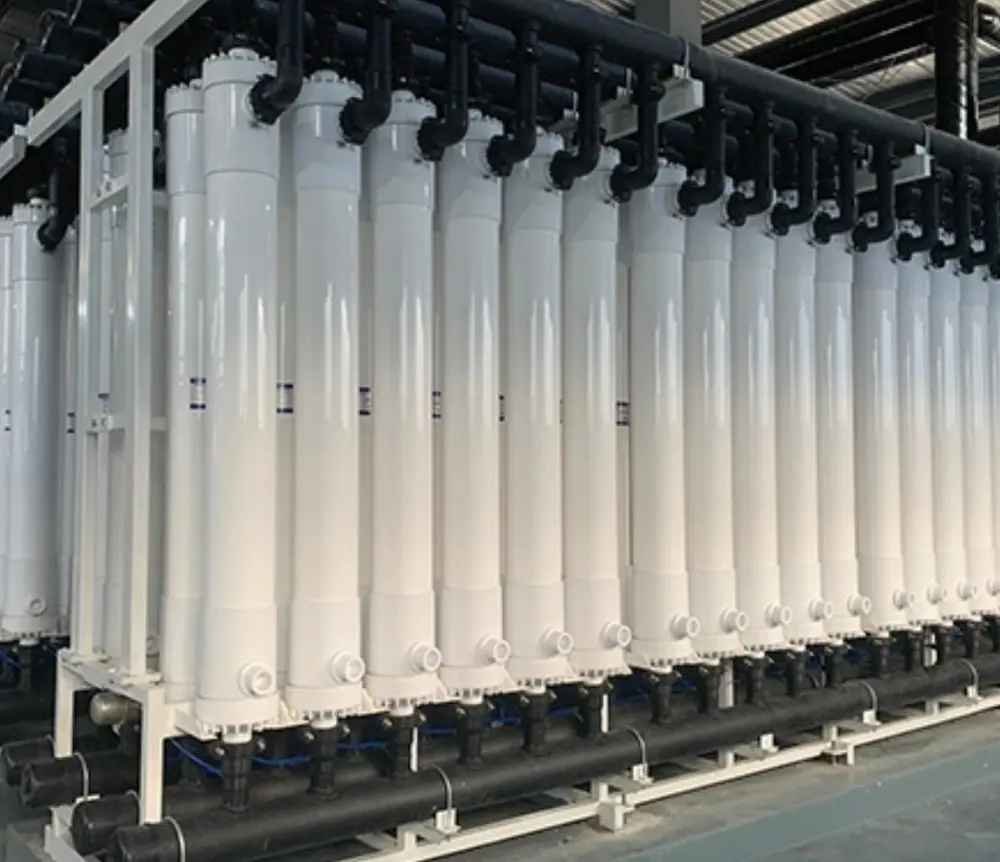
Flocculates colloidal matter before it reaches expensive Reverse Osmosis (RO) membranes, preventing fouling and extending system lifespans.
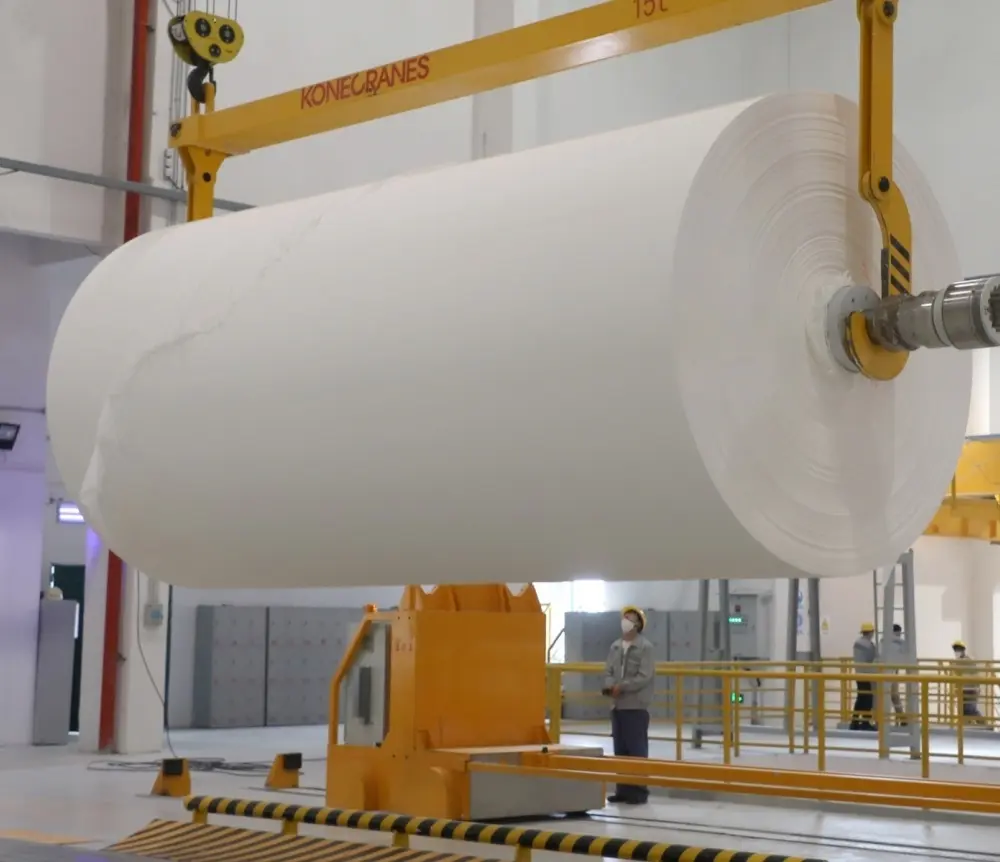
Acts as a retention aid and drainage promoter, improving sheet formation, fiber retention, and wastewater recycling in paper mills.
A global leader in water treatment technology with 27 years of chemical innovation and engineering expertise.
Founded in 1998, Wuxi BS Water Treatment Chemicals Co., Ltd. (formerly Wuxi Bisheng Water Treatment Agent Co., Ltd.) has grown from a regional producer into a reliable global supplier. We specialize in high-efficiency polymers and inorganic coagulants designed for municipal drinking water filtration and industrial wastewater treatment.
Our focus on continuous product development has enabled us to serve over 1,000 international enterprises. Backed by our automated production facilities, we deliver stable products that help companies improve their water recycle efficiency while meeting strict environmental standards.
Factory established to produce inorganic coagulants for local industrial municipal projects.
Renamed Wuxi Bisheng Water Treatment Agent Co., Ltd. and expanded polymer research facility.
Export operations launched, supplying global markets via regional chemical distributors.
Annual sales volume exceeded 10,000,000 USD with expanded international logistics.
Get answers to common queries regarding chemistry parameters, handling guidelines, and usage optimization.
Anionic polyacrylamide (APAM) contains negatively charged carboxyl groups, which react with positively charged particles in water. Nonionic polyacrylamide (NPAM) is neutral. Because it lacks charge, NPAM flocculates particles through hydrogen bonding and physical bridging rather than charge attraction. This neutrality prevents it from reacting with acids or high salt levels, making it ideal for acidic or high-salinity wastewater streams where APAM may fail.
NPAM powder is hygroscopic and should be stored in a cool, dry, well-ventilated warehouse. Keep containers sealed to prevent moisture absorption and caking. Under proper storage conditions, dry NPAM powder maintains its shelf life for up to 2 years. Prepared aqueous solutions should be used within 24 to 48 hours, as they degrade over time, leading to lower viscosity and flocculation efficiency.
Dissolve the dry powder into clean water to prepare a 0.1% to 0.3% concentration. Slowly sprinkle the powder into the water while stirring (stir speed 100-300 rpm) to avoid clumps. Do not use high-shear pumps or high-speed stirrers, as these can break the long polymer chains and reduce efficiency. The solution typically takes 60 to 90 minutes to dissolve completely.
NPAM is stable across a wide pH range, from pH 1 to 8. Unlike ionic polyacrylamides, its molecular chain does not contract in acidic water. It is highly effective in separating suspended solids in acidic mineral processing, metal plating wastewater, and wet-process phosphoric acid purification.
Have questions about chemical dosages, custom packaging, or pricing? Contact Wuxi BS today for expert assistance.
Explore our industrial grade flocculants, coagulants, and customized water treatment formulations developed for extreme environmental challenges.
 BS Water

