Premium functional polymers synthesized for immediate liquid-solid separation, color removal, and chemical oxygen demand (COD) reductions across municipal and manufacturing water loops.
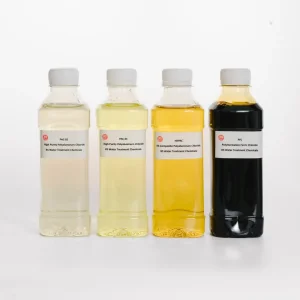
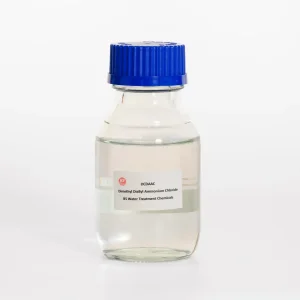
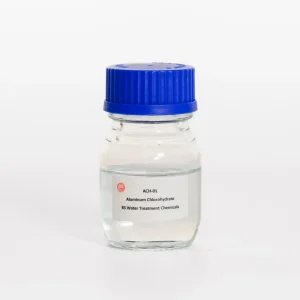
An expert-level analysis of global environmental directives, zero-liquid-discharge (ZLD) technologies, and molecular engineering in sedimentation processes.
Rapid industrialization, coupled with stringent environmental regulations such as the European Union's Urban Waste Water Treatment Directive and the US EPA’s Clean Water Act, has forced modern industries to transition from basic primary settling systems to sophisticated chemical clarification loops. Industrial processes produce effluents loaded with heavy metals, colloidal organic fractions, synthetic dyes, emulsified oils, and suspended micro-particulates. To safely return this water to the environment or recycle it internally for sustainable closed-loop processing, factories must utilize specialized polymeric agents capable of overcoming electrostatic repulsion barriers between micro-particles.
Wastewater treatment chemistry is no longer just about compliance; it is critical for operational stability. High-salinity and high-COD industrial water streams damage downline biological treatment units and compromise expensive reverse osmosis (RO) membranes. By executing a targeted pre-treatment coagulation-flocculation program, businesses can protect their capital equipment, lower maintenance overheads, and achieve maximum water reuse metrics.
At Wuxi BS Water Treatment Chemicals Co., Ltd., we formulate specialized water-treatment polymers designed to tackle the unique chemical profile of different wastewater streams. Below is a detailed technical roadmap of our core chemical classifications:
| Chemical Family | Active Components / Basicity | Primary Charge Mechanics | Optimal Industrial Application |
|---|---|---|---|
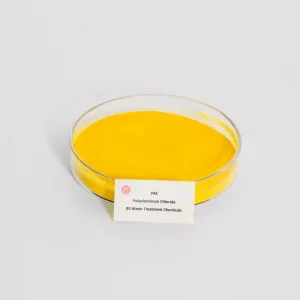
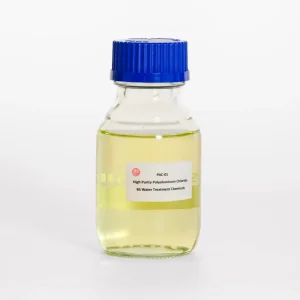
| Poly Aluminium Chloride (PAC) | Solid: 28% - 30% Al2O3 | Liquid: 10% - 15% | Medium-to-High Cationic Charge density | Municipal Sewage, Industrial Coagulation, Paper sizing retention |
| Aluminum Chlorohydrate (ACH) | High Al2O3, High Basicity (up to 83%) | Concentrated Poly-nuclear Al complexes | Drinking Water Clarification, Ultra-low Sludge footprint processes |
| Cationic Polyacrylamide (CPAM) | High Molecular Weight Polyacrylamide copolymer | Bridging & Charge-Neutralization | Sludge Dewatering, Belt Pressing, Centrifugation filtration |
| Anionic Polyacrylamide (APAM) | Ultra-High Molecular Weight Copolymer | Bridging & Floc Growth Acceleration | Mining wash sedimentation, Coal washing, Electroplating wastewater |
| Water Decolorizing Agent (WDA) | Dicyandiamide-formaldehyde prepolymer type | Extreme Cationic Poly-cationic absorption | Textile Dyeing effluent decolorization, COD scavenger |
| PDADMAC | Highly charged Cationic Linear Polymer | Electrostatic Charge neutralization | Sludge conditioning, paper-making charge control, drinking water clarification |
The physics of coagulation and flocculation relies on the *DLVO theory*, which explains how colloidal systems behave when particles carry negative surface charges. Adding inorganic coagulants like **Poly Aluminium Chloride (PAC)** or **Aluminum Chlorohydrate (ACH)** introduces highly charged poly-nuclear aluminum complexes. These complexes neutralize negative surface charges, allowing van der Waals forces to bring the particles together.
Once these micro-flocs are formed, high-molecular-weight polymers like **Polyacrylamide (PAM)** act as flocculants. They extend long polymer chains into the solution, capturing the micro-flocs and forming large, dense macro-flocs through a process called bridging. Choosing the right molecular weight and charge density is critical: if the charge is too low, the particles won't neutralize; if it's too high, the polymer chains can fold back on themselves, reducing the efficiency of the settling process.
Discover Wuxi BS Water Treatment's cutting-edge approach to next-generation water chemicals, green manufacturing, and smart dosing systems.
Developing biodegradable starch-based and chitosan-grafted copolymers to reduce residual monomer toxicity in environmental discharges, meeting strict future environmental standards.
Utilizing controlled polymerization techniques to create polymers with narrow molecular weight distributions. This ensures highly predictable charge density performance and maximizes efficiency.
Designing digital, automated feeding systems equipped with real-time zeta-potential sensors. These systems optimize chemical dosing on the fly, eliminating chemical waste.
See how our targeted chemical formulations deliver high-performance water treatment solutions across diverse industrial applications worldwide.

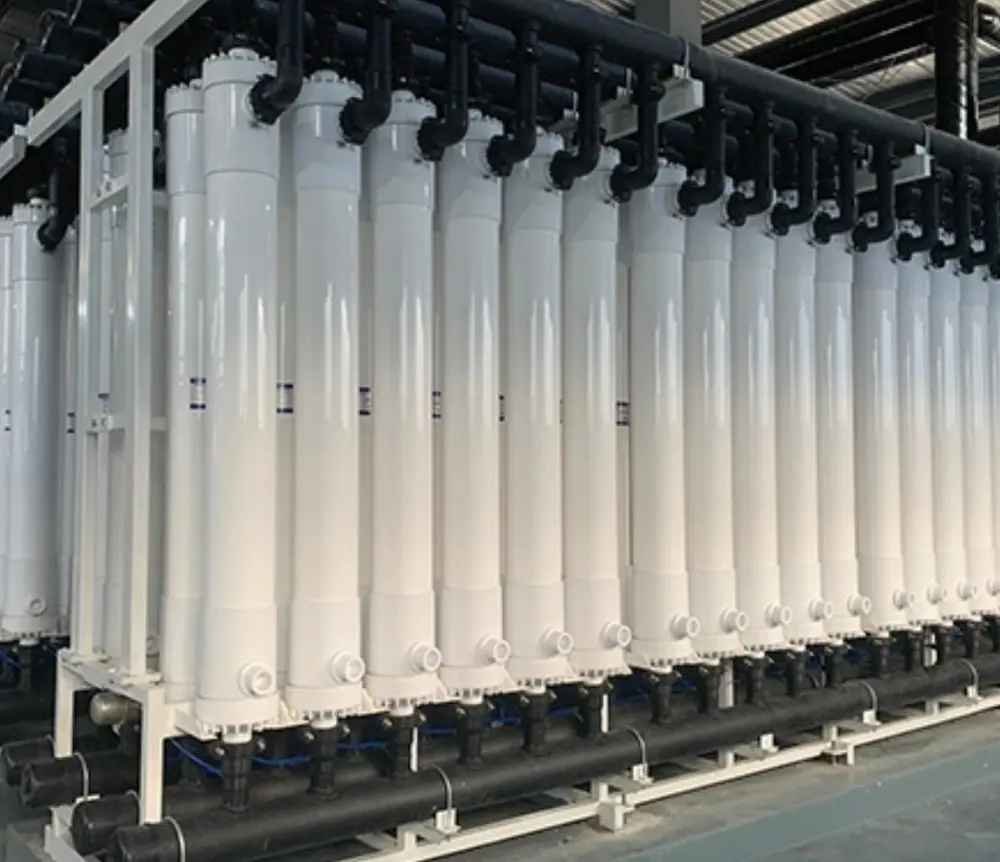
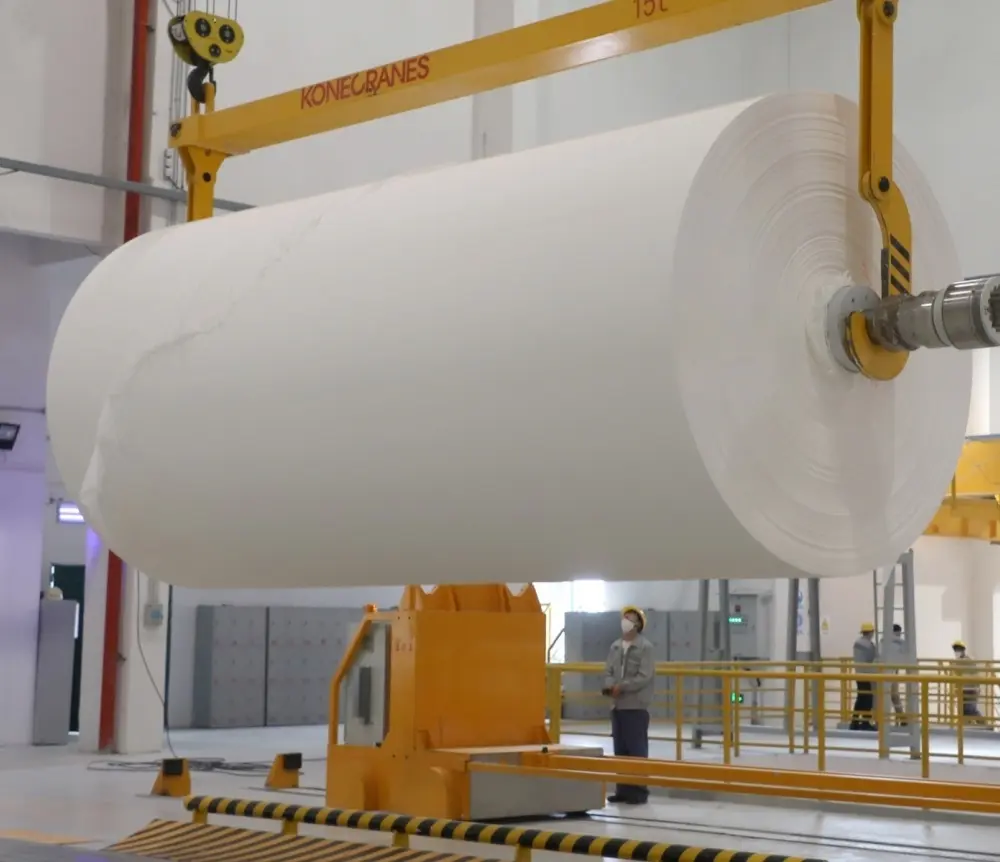
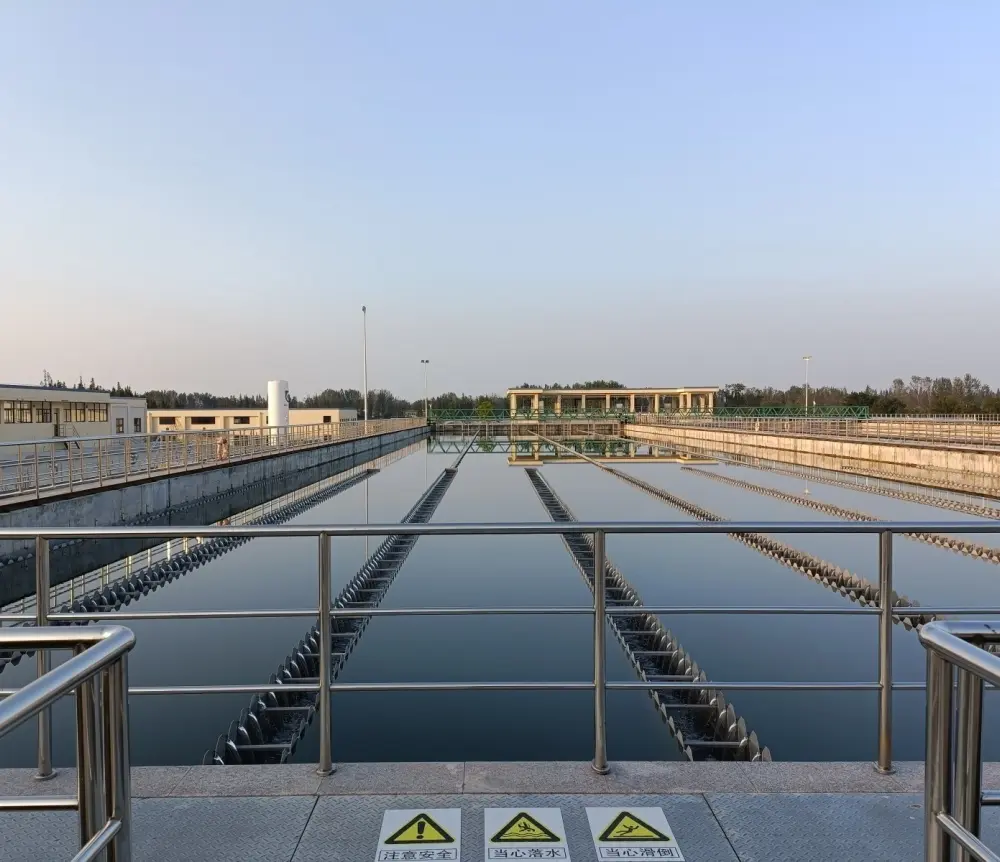
Explore our historical milestone timeline, showing how Wuxi BS grew from a local factory into a globally recognized B2B powerhouse.
The manufacturing factory was established in Jiangsu, focused on pioneering inorganic water treatment agents for local municipal plants.
The company officially renamed as Wuxi Bisheng Water Treatment Agent Co., Ltd., expanding its polymer research laboratory and dry-powder manufacturing lines.
Products officially passed global quality standards and began exporting to international distributors, opening up global markets.
Annual global sales surpassed $10,000,000, driven by the expansion of our organic flocculant product lines and domestic market growth.
Wuxi BS Water Treatment established its dedicated foreign trade department, integrating sales, engineering, and logistics to directly serve clients globally.
Continuing our commitment to sustainable water solutions by investing in AI-driven smart dosing chemistry and green polymers.
Leverage our advanced laboratory facilities and scale-up experience to synthesize custom molecular structures tailored to your site-specific water parameters.
Our engineers provide complete technical support, from initial water-quality jar testing and diagnostic analysis to final product commissioning at your facility.
With an annual sales volume exceeding 500,000 tons and a finished product warehouse holding over 20,000 tons, we guarantee stable, on-time deliveries globally.
Our state-of-the-art production lines feature automated quality-control loops, ensuring every batch meets international standards for consistent performance.
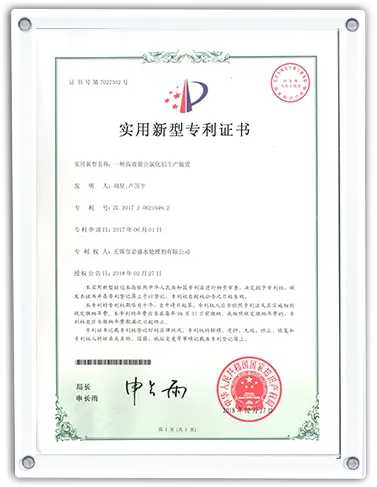
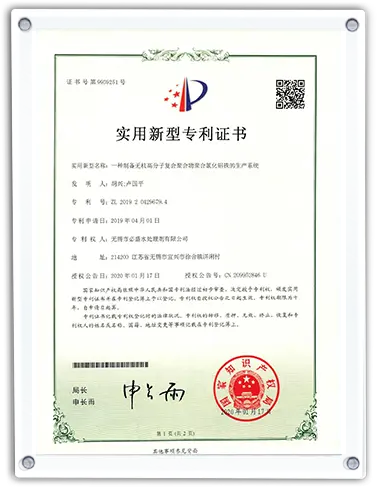
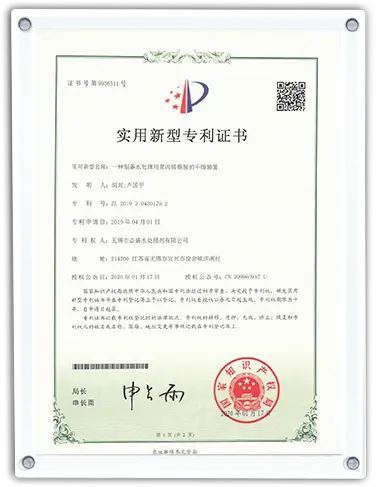
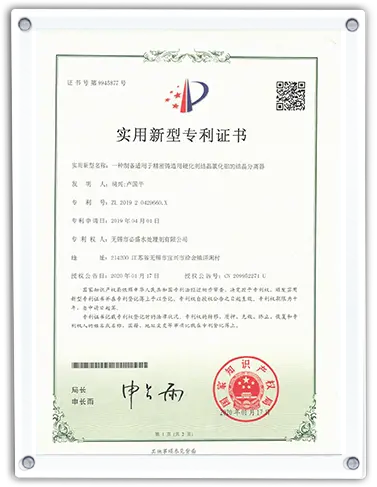
We follow rigorous manufacturing standards, backed by international quality management and safety certifications.
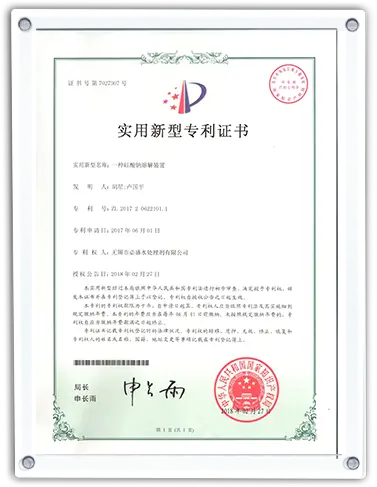
Get professional advice on dosage calculations, chemical selection, and troubleshooting common coagulation challenges.
The primary selector is based on raw water basicity demand and coagulation kinetics. ACH exhibits a significantly higher basicity (typically 83%) compared to commercial-grade PAC (typically 50%-65%). This means ACH contains highly polymerized, highly charged aluminum species that require less alkalinity from the raw water to form stable flocs. Consequently, ACH does not cause significant pH drop, minimizing the need for subsequent neutralization chemicals like lime or sodium hydroxide. Additionally, ACH is ideal for low-temperature or low-turbidity source waters where typical PAC struggles to form heavy flocs.
CPAM works by neutralizing the negative surface charges on sludge particles and bridging them together into larger flocs. The optimal charge density (ranging from 10% to 80%) depends on the volatile organic content of the sludge. High-organic municipal digestion sludges typically require high-cationic charge densities to effectively neutralize their negative charges. Inorganic sludges, like those from chemical sedimentation, respond better to lower cationic charge densities but require higher molecular weights to bridge the particles. Choosing the wrong charge density can leave fine particles suspended, leading to filter cloth blinding and wetter sludge cakes.
Our WDA is a highly cationic dicyandiamide-formaldehyde copolymer. Textile effluents are typically loaded with anionic dyes (such as reactive, acid, or disperse dyes). The high concentration of cationic charge on the WDA polymer chains neutralizes the anionic dye molecules, destabilizing them so they quickly precipitate out of solution. By combining WDA with inorganic coagulants like PAC, plants can achieve complete color removal and significant COD reductions in a single treatment step.
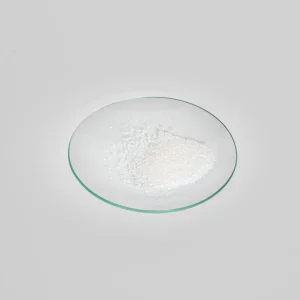
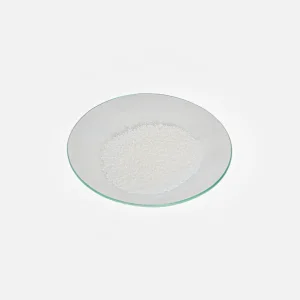
Dry polymer powders (such as APAM and CPAM) are highly stable and can be stored for up to 24 months in cool, dry, and well-ventilated warehouses. Liquid emulsion and solution polymers (including PAC liquids and PDADMAC) typically have a shelf life of 6 months to 1 year. Over time, liquid polymers can undergo molecular rearrangement or hydrolytic degradation. To ensure maximum performance, we recommend keeping liquid polymers stored away from direct sunlight and protected from freezing temperatures.
Advanced organic poly-electrolytes formulated to resolve complex wastewater challenges, including deep color removal and sludge conditioning.
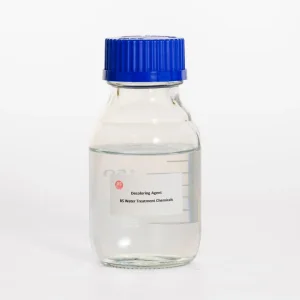
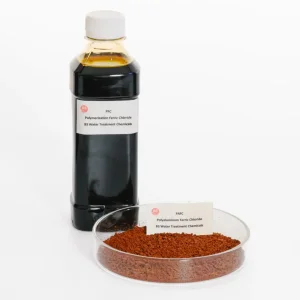
Contact Wuxi BS today to request product samples, schedule a jar test, or receive a competitive wholesale quote.
Our technical team is ready to assist you with chemical selection, dosage optimization, and compliance solutions.
Fill out the form below, and one of our chemical engineers will respond within 24 hours.
Stay updated on our latest product innovations, event participation, and corporate milestones.
 Sep 09, 2025
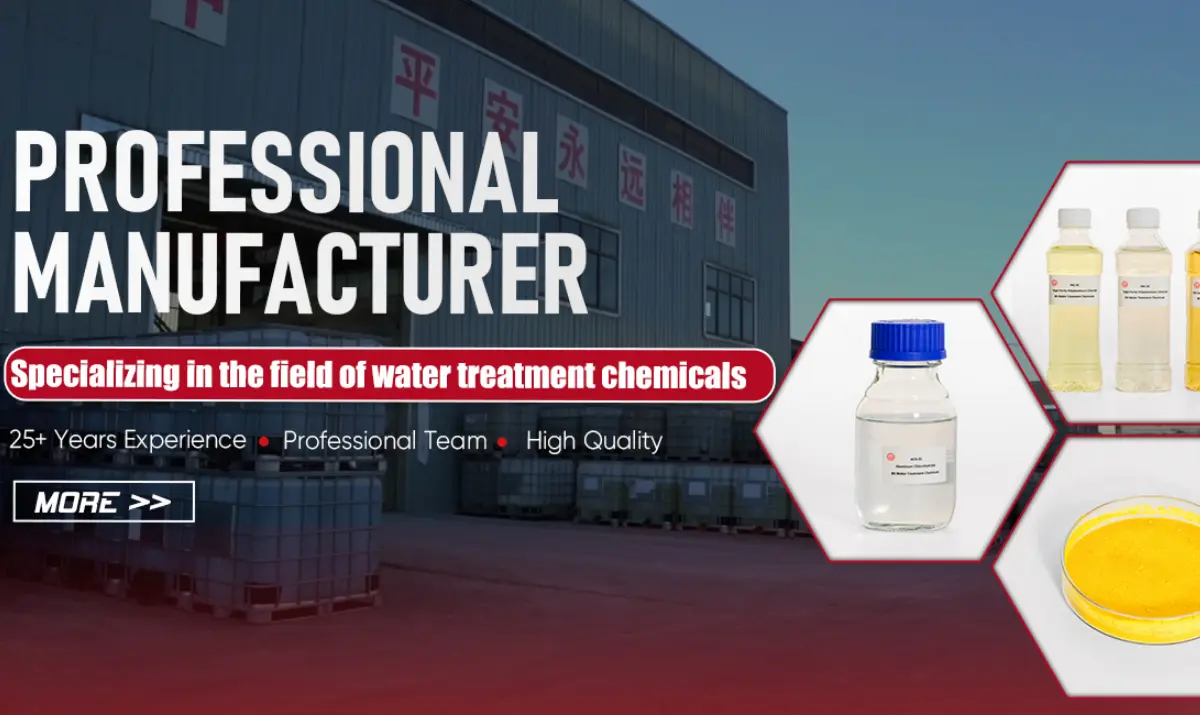
Wuxi BS Water Treatment Chemicals Co., Ltd., a long-term leader in local water purification solutions, continues to expand its global footprint through strategic logistics partnerships and on-demand local distribution networks.
Read Full Article →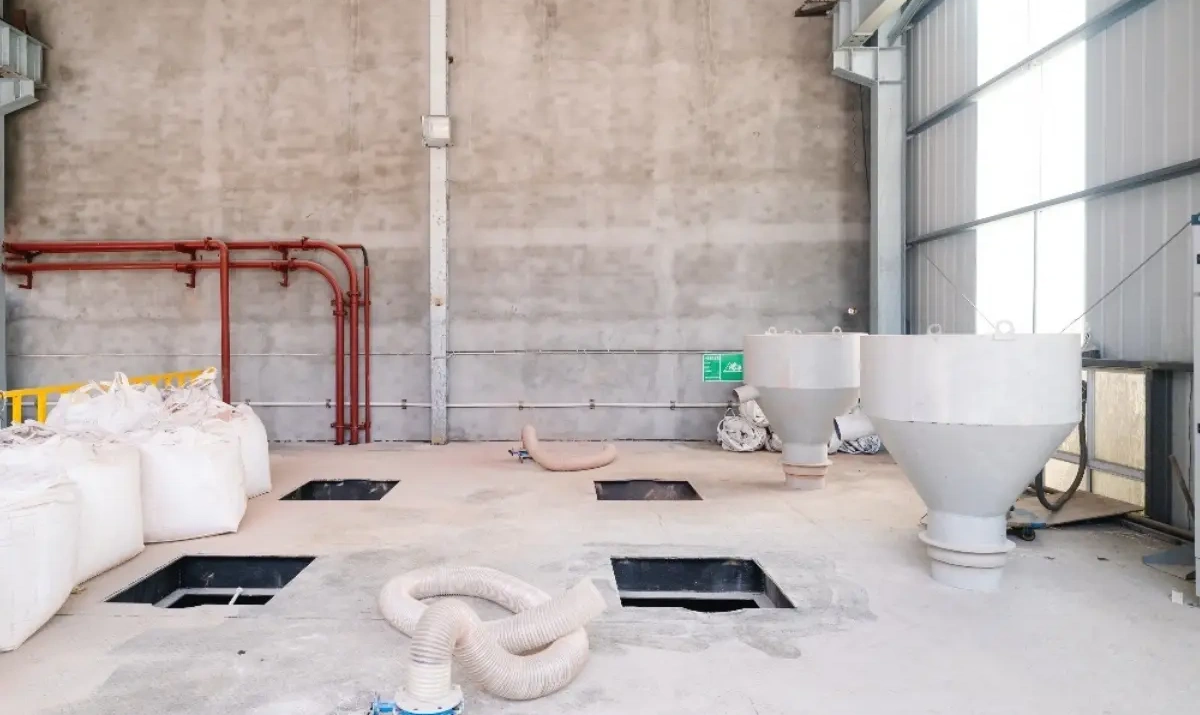 Aug 21, 2025
In August 2025, Wuxi BS Water Treatment Chemicals Co., Ltd. introduced automated solid feeding and digital monitoring equipment to help clients optimize their chemical consumption.
 Aug 21, 2025
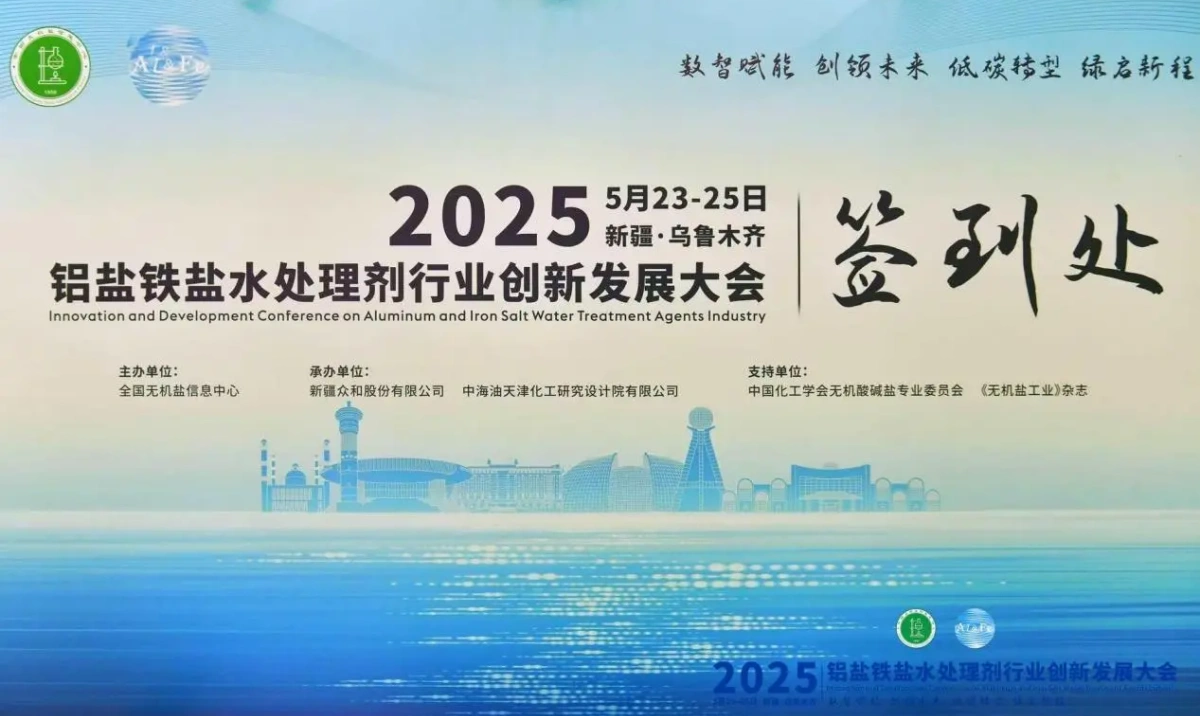
Wuxi BS took center stage at the 2025 conference, presenting our latest research on high-basicity ACH and green polyaluminum coagulants for carbon-neutral water treatment.
 BS Water