Engineered to neutralize suspended solids, colloidal organic matter, and complex industrial dyes.
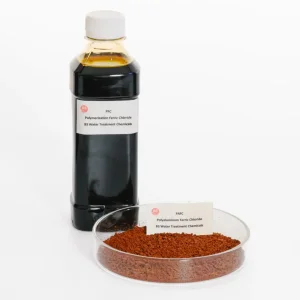
A Technical Whitepaper on Chemical Coagulation, Flocculation, and Charge Neutralization Mechanisms
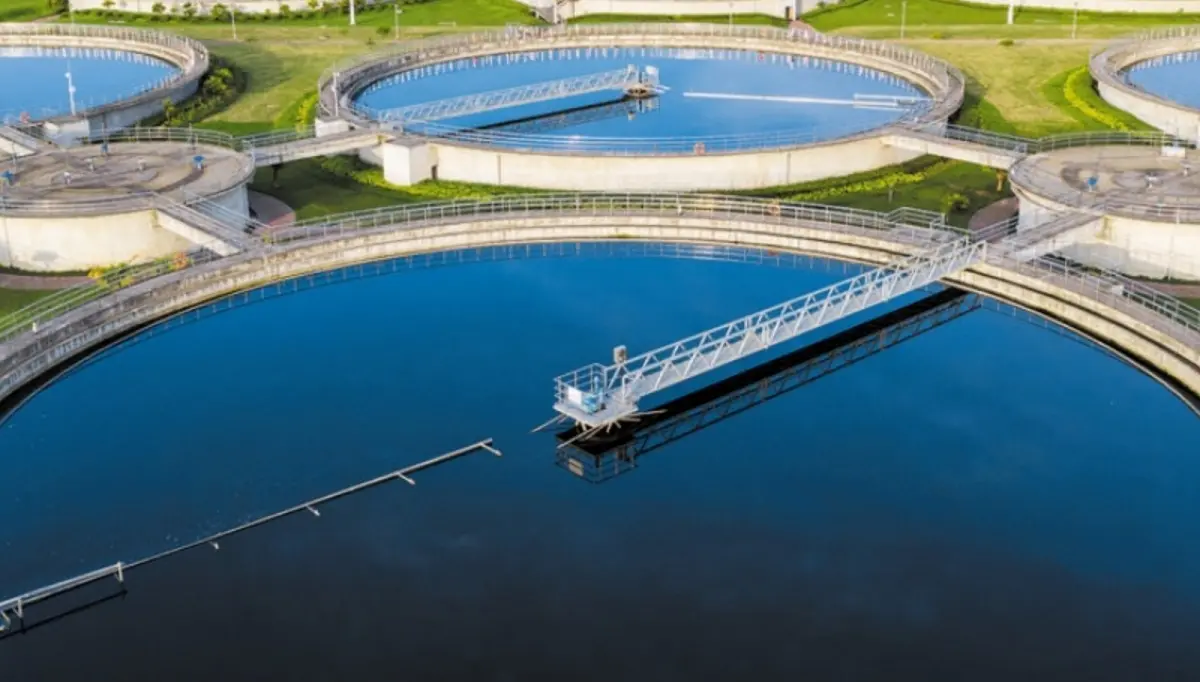
In the field of modern industrial wastewater treatment, managing the complex physical and chemical water and wastewater characteristics is paramount to meeting stringent environmental discharge standards and enabling zero liquid discharge (ZLD) processes. Wastewater generated from petrochemical, paper, municipal, textile, and mining plants exhibits wide variations in parameters such as Total Suspended Solids (TSS), Chemical Oxygen Demand (COD), Biochemical Oxygen Demand (BOD), turbidity, pH, ionic strength, and zeta potential. Correctly diagnosing these characteristics is the first step toward configuring an efficient chemical treatment regime.
Suspended matter in raw wastewater typically carries a negative electrostatic surface charge. This charge generates repulsive forces (zeta potential) that prevent colloidal particles from agglomerating, resulting in highly stable dispersions that do not settle under gravity. As a leading manufacturer of water treatment chemicals, Wuxi BS Water Treatment Chemicals Co., Ltd. synthesizes specialized polymeric coagulants and flocculants that alter these surface characteristics. Through mechanisms such as charge neutralization, polymer bridging, and sweep coagulation, our formulations transform unstable, fine colloids into heavy, easily settleable flocs.
When Polymeric Aluminium Ferric Chloride (PAFC) or PAC is dosed, they undergo rapid hydrolysis, forming highly charged polynuclear aluminum and iron complexes. These species adsorb onto the negative sites of colloidal surfaces, collapsing the electrical double layer. Flocculation then proceeds as high molecular weight Polyacrylamide (PAM) chains anchor to multiple particles simultaneously, creating physical bridges that generate large, high-shear-resistant flocs suitable for clarification or centrifuge dewatering.
Navigating rising regulatory bars, digital dosing integration, and green chemical footprints.
Global environmental mandates are pushing industries toward maximum water reuse. Consequently, polymer formulations must not leave hazardous monomer residues. Our products, including low-monomer Cationic Polyacrylamide (CPAM), are synthesized to comply with international green standards, optimizing sludge dewatering and allowing filtrate recycle.
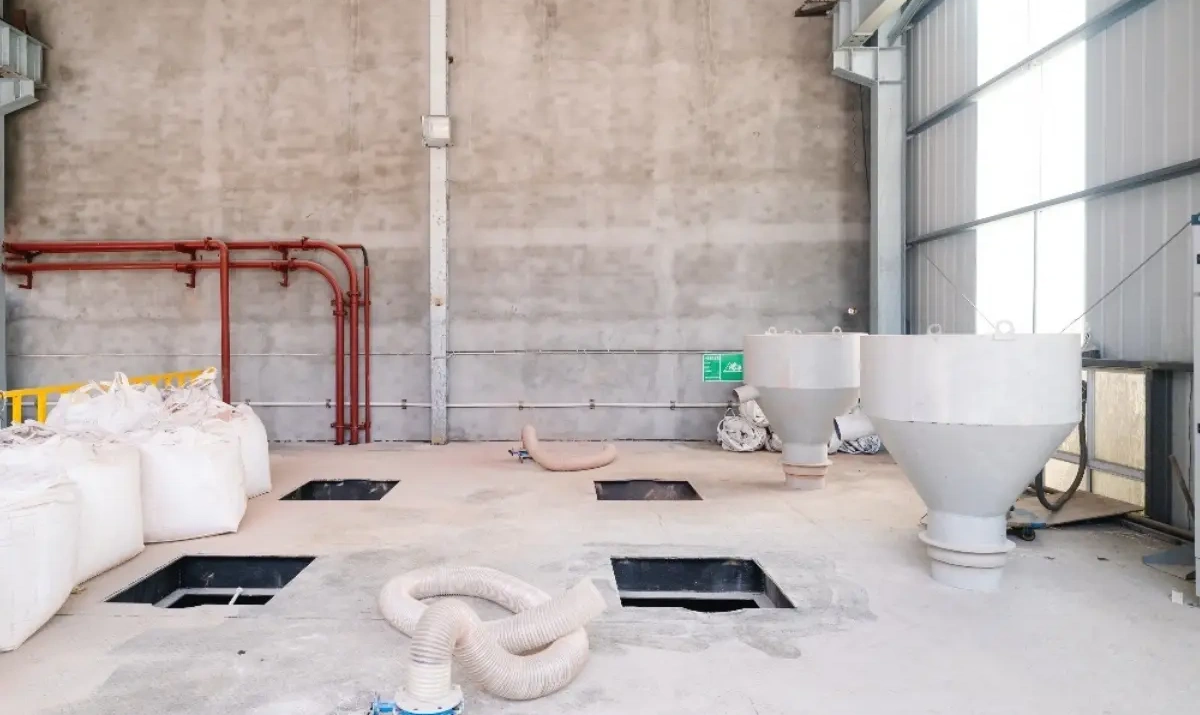
Real-time fluctuations in incoming wastewater characteristics (such as pH spikes or turbidity surges) demand rapid dosing adjustments. Wuxi BS has integrated digital, intelligent solid and liquid feeding equipment to ensure optimal dosing rates, preventing chemical waste and system upsets.
Regulatory frameworks globally are tightening limits on sludge disposal toxicity. Heavy metals and organic complexes must be immobilized within the primary clarification phase. The synergistic use of Polymeric Aluminium Ferric Chloride (PAFC) provides reliable, dense precipitation of these contaminants.
Industrial procurement departments face multifaceted challenges when sourcing water treatment chemistries. Beyond raw unit cost, procurement executives must prioritize supply chain stability, consistent product activity, regulatory compliance, and localized technical support. Chemical efficacy directly impacts plant operational cost, filter run-times, and compliance safety margins.
At Wuxi BS, we satisfy these requirements through continuous production scale-up, rigid QC verification, and full-spectrum customization. Because raw water characteristics differ across regions, we do not believe in a one-size-fits-all approach. Instead, we offer bespoke adjustments in polymer molecular weight, charge densities, and active content concentrations to match site-specific needs.
Years of Synthesis Expertise
Tons Annual Production
Tons Inventory Capacity
Global Enterprises Served
From heavy manufacturing and paper production to municipal sewage and safe drinking water treatment.
We modify active solids content (e.g. PAC liquid from 10% to 15%), molecular weight profiles, and basicity indexes to suit localized wastewater characteristics.
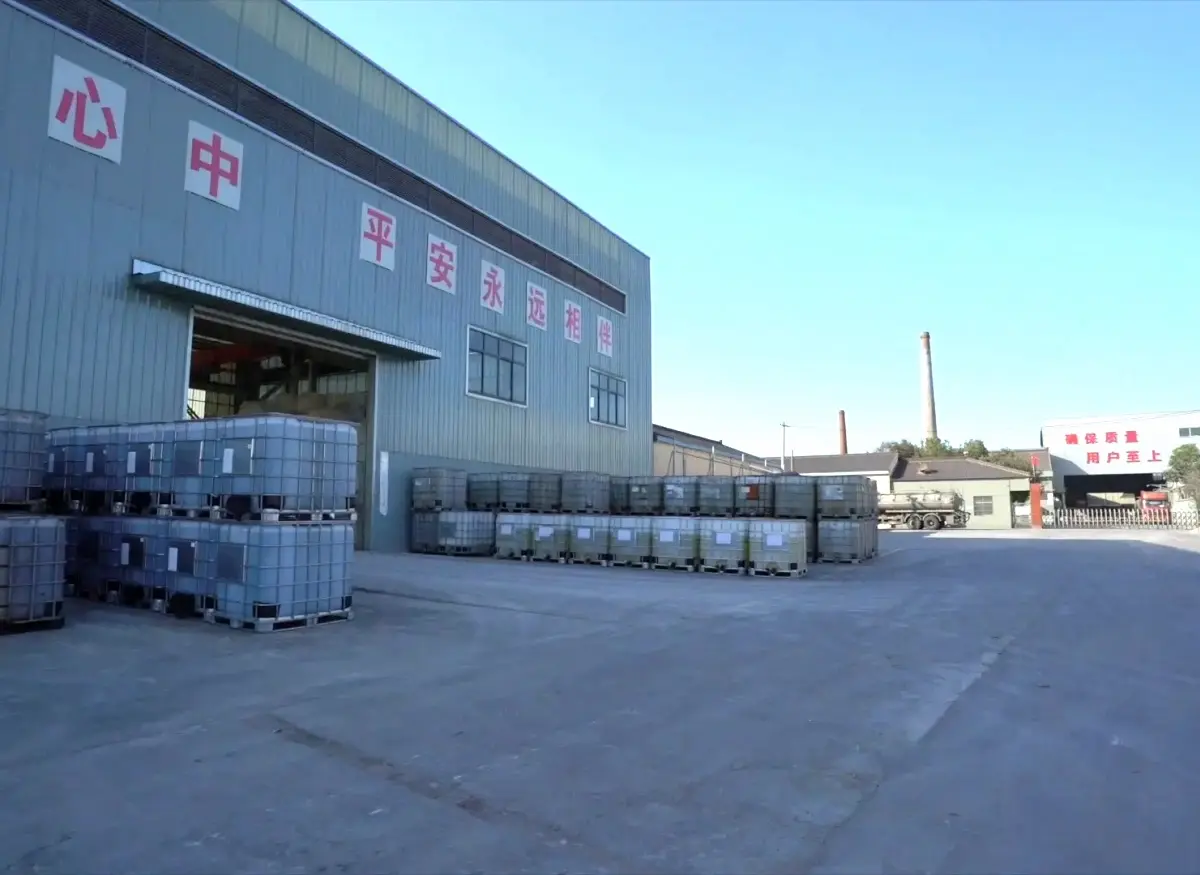
Supported by an annual sales capacity over 500,000 tons and 20,000+ tons of dedicated finished product warehousing to buffer global logistics delays.
Every batch undergoes jar testing, viscosity measurements, and heavy metal profiling to guarantee performance consistency in high-flow municipal plants.
A legacy of growth, technological transition, and progressive global expansion.
Establishment of our manufacturing facility in Wuxi, focusing on fundamental coagulants and basic industrial water chemistry.
Re-organized and renamed as Wuxi Bisheng Water Treatment Agent Co., Ltd., upgrading synthesis lines to high-purity Polyacrylamide (PAM).
Initiated export channels globally through distributor networks, verifying product performance in international applications.
Annual export sales reached USD 10 million, reflecting significant market share expansion across Asia, Europe, and the Americas.
Formally established our dedicated foreign trade department and advanced solid dosing equipment division to support digital integration.
Answering key questions on chemistry selection, optimization, and operational efficiency.
Updates on manufacturing technology, industry conferences, and global service expansions.
 Sep 09, 2025
Following years of steady domestic growth, Wuxi BS is strengthening its international partnerships. Our technical field engineers are expanding on-site chemical trials across Southeast Asia and the Middle East to optimize local wastewater treatment operations.
 Aug 21, 2025
Wuxi BS has introduced new digital intelligent feeding and dosing systems. These units automate chemical delivery based on real-time water quality changes, helping plants reduce chemical consumption and optimize treatment efficiency.
Our technical experts are available to provide water quality analyses, dosage optimization recommendations, and custom product formulations.
 Tel: +86 13584221461
 Email: [email protected]
Headquarters: Wuxi BS Water Treatment Chemicals Co., Ltd., Wuxi City, Jiangsu Province, China.
Fill out the form below to request a product sample, technical data sheet, or pricing estimate. Our team will respond promptly.
High-purity polymers and coagulants designed for municipal drinking water and industrial wastewater treatment.
 BS Water